By Matthew B. Harrison
TALKERS, VP/Associate Publisher
Harrison Legal Group, Senior Partner
Goodphone Communications, Executive Producer
 For years, Harrison Legal Group has informed media creators about the legal risks of using copyrighted clips, songs, images, and broadcasts without permission. The issue became central enough to inspire my book, Playing the Clip: The Definitive Digital Media Creator’s Guide to Fair Use (TALKERS Books, 2026). The premise was straightforward: modern media runs on borrowed material, but borrowing comes with legal exposure.
Now the fight is shifting toward something more personal.
The voice itself.
Not the recording. Not necessarily the script. The identity embedded in the sound.
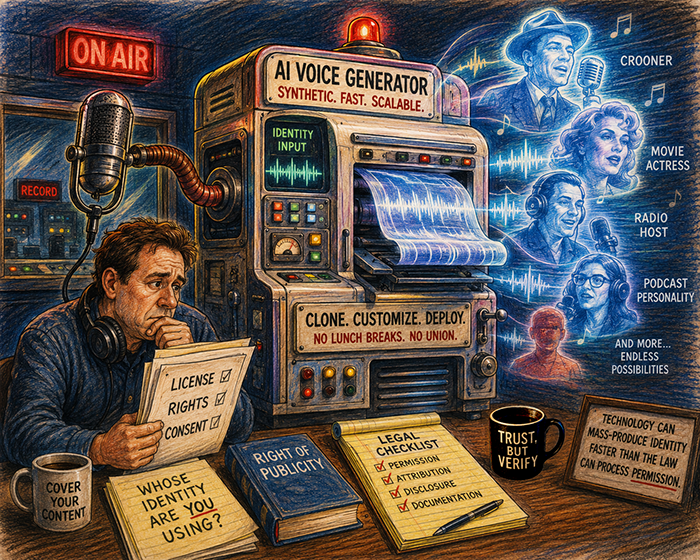
That distinction is becoming increasingly important as AI voice systems improve to the point where listeners can recognize a performer even when the company insists it used a “different actor” or synthetic generation. The Scarlett Johansson dispute with OpenAI may become the defining example. Johansson alleged that OpenAI created a voice assistant that sounded “eerily similar” to her after she declined the company’s request to license her actual voice. OpenAI denied intentionally imitating her and stated the voice belonged to another actress but still paused what they branded the “Sky” voice after backlash intensified.
The case matters because it exposes a legal gray area many creators misunderstand.
A voice is generally not protected by copyright law in the same way a song recording is. But a recognizable voice may still trigger claims involving the right of publicity, false endorsement, unfair competition, or misappropriation of identity. In other words, the legal risk is often not “you copied audio.” The risk is “you exploited identity.”
That distinction matters for broadcasters, podcasters, advertisers, and AI companies experimenting with synthetic hosts, cloned announcers, or celebrity-style narration.
If listeners reasonably believe a celebrity endorsed, participated in, or authorized the content, the legal exposure changes dramatically.
Read more….
Another recent example involves Dua Lipa and Samsung. According to reports, Lipa alleges Samsung used her image on television packaging without authorization, creating the impression she endorsed the product. Samsung reportedly claims the image came from a third-party provider that assured the company all rights were cleared.
That defense may sound familiar to media professionals.
“We got it from somebody else.”
Legally, that is often not enough.
A broadcaster cannot avoid defamation liability merely because a guest made the statement. A publisher cannot automatically avoid infringement exposure because a freelancer supplied the material. And a company may not avoid publicity-rights claims simply because a vendor promised the paperwork existed.
The underlying legal theme is the same: delegation is not immunity.
The AI layer complicates things further because modern systems do not necessarily reproduce exact copies. Instead, they generate approximations that may still evoke a specific person strongly enough to create marketplace confusion.
Courts have dealt with similar issues before. Bette Midler and Tom Waits both successfully sued over soundalike performances used in advertising after declining to participate themselves. The principle is not new. AI simply makes imitation faster, cheaper, and easier to distribute.
That should concern media creators who assume these disputes only affect billion-dollar tech companies.
They do not.
A local station, podcast producer, YouTube creator, or advertiser can now generate celebrity-adjacent voices in seconds. The barrier to entry collapsed. The liability did not.
The safest question is no longer merely “Do we own the audio?”
It is: “Whose identity does this remind people of?”
That answer may determine whether the next lawsuit is really about technology at all.
Or simply old-fashioned commercial exploitation wearing futuristic clothing.
Get your copy of “Play the Clip: The Definitive Digital Media Creator’s Guide to Fair Use” by filling out the request form at HarrisonMediaLaw.com.
Matthew B. Harrison is a media and intellectual property attorney who advises radio hosts, content creators, and creative entrepreneurs. He has written extensively on fair use, AI law, and the future of digital rights. Reach him at Matthew@HarrisonLegalGroup.com or read more at TALKERS.com.



 hosted by nationally syndicated talk radio pro Larry O’Connor features interviews with wounded warriors and veterans including heroes from Operation Enduring Freedom, the Vietnam War and an incredible, emotional story of one of America’s World War II living legends. Fisher House Foundation provides a home away from home for families of patients receiving medical care at major military and VA medical centers. Fisher Houses provide temporary free lodging so families can be close to their loved ones during medical care. Register for the show here.
 Lucas Strain and Connor Ferguson of the afternoon show “Off The Bench” are out, as are hosts of “The 1st Quarter,” Heather Burnside and Alec Busse. Roberts says in a Facebook post, “Earlier today after our show myself as many others were laid off at iHeart Des Moines. I’m not angry or am going to blame anyone… it’s part of the business. You can have good ratings, good revenue etc… Doesn’t matter… your number on that excel sheet can be picked any day. I sit here proud of my career in radio and proud of what we did at KXnO. I’ve been doing sports talk radio in Des Moines since 2014 and it’s been a hell of a ride with so many people to thank.”
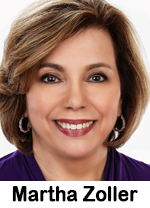 would be retiring from daily talk show hosting later this summer on Jacobs Media’s WDUN-AM/FM, Gainesville, where she presided over a hugely popular midday program since 2019. The decision was made due to heart-related health issues. She planned to remain with the powerful station as an occasional political consultant and commentator. Zoller, the 2023 recipient of the TALKERS “Woman of the Year” award, was an influential figure in Georgia politics having run for Congress in the U.S. 9th District as a Republican in 2012. Before that she served her first stint as a radio talk show host in North Georgia for a number of years. She was also a member of the State Board of Education representing District 9 in Northeast, Georgia in addition to engaging in a number of other community-oriented activities.
 that iHeart Audience Network’s “Stuff You Should Know” rises one place to #1, displacing Audioboom’s “Pod Save America” (#2). Other noteworthy changes include Cumulus Podcast Network’s “The Dan Bongino Show” falling one spot to #4; Salem Podcast Network’s “The Charlie Kirk Show” moving back four places to #12; and American Public Media Group’s “Marketplace” rising one place to #11.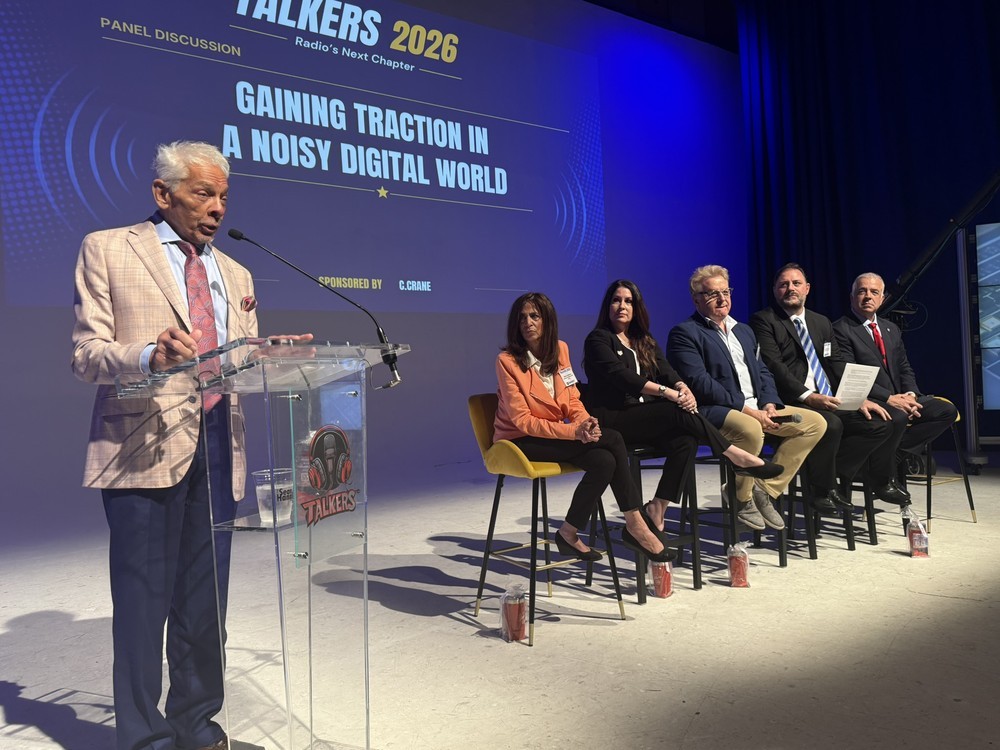
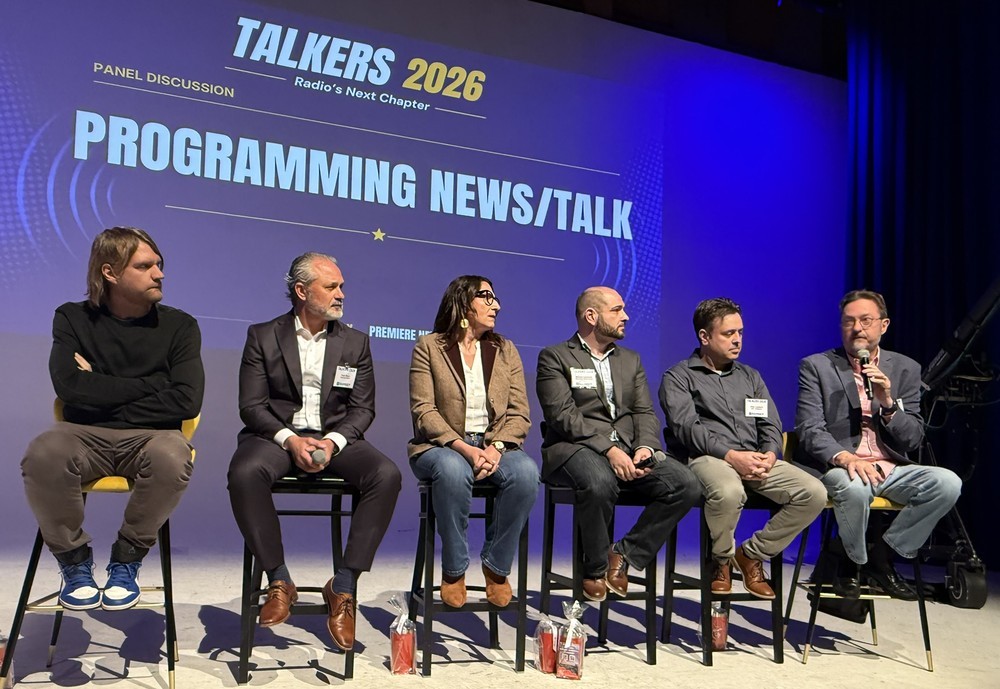
 Pictured at left: Moderator, Jeff Katz, host, WRVA, Richmond, VA.
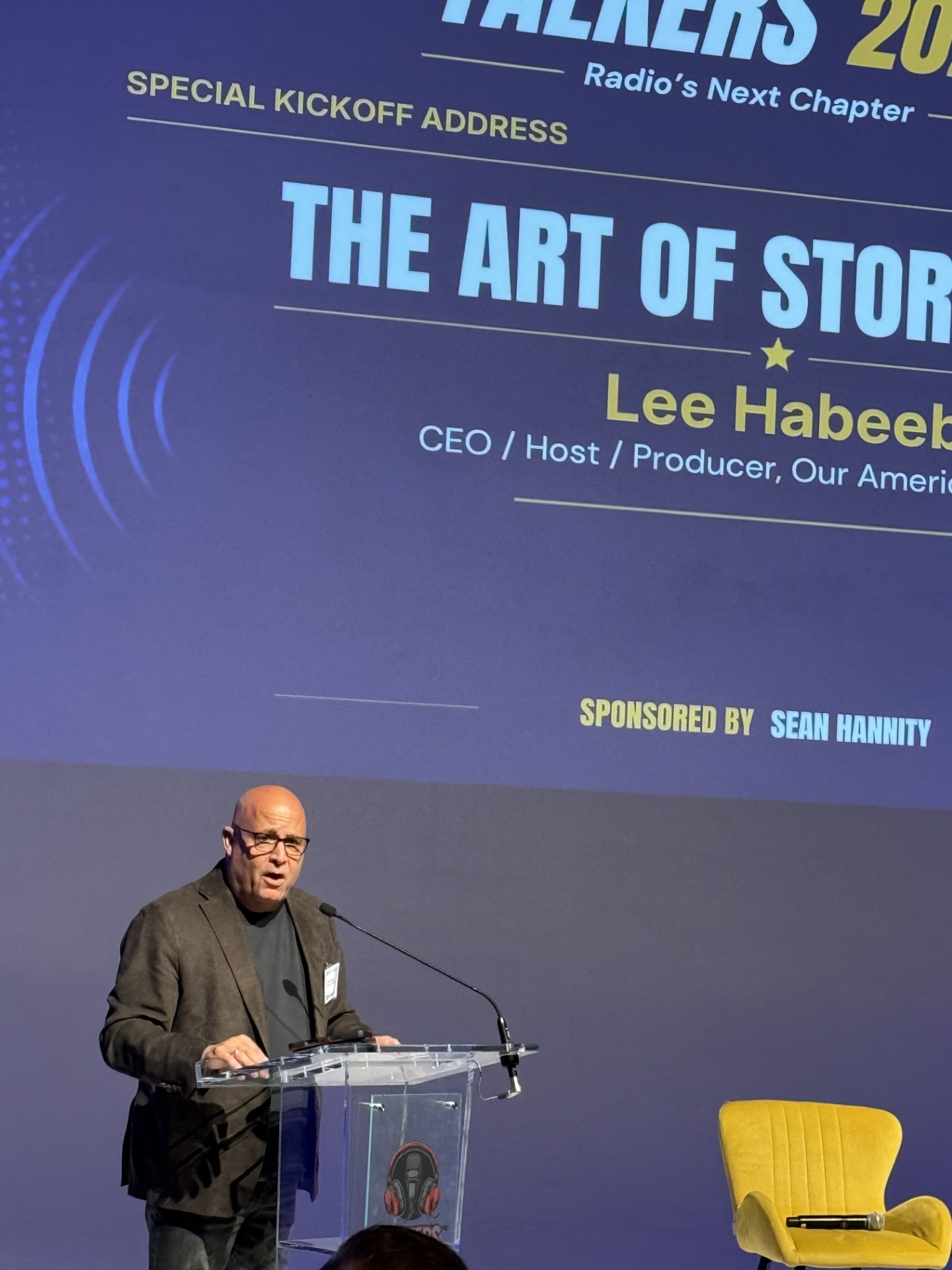
 the dynamic strategies required to serve audiences in a crowded ecosystem. Nadine brings an extraordinarily rare blend of creative foresight, business acumen, and deep personal commitment to mission-driven storytelling. She is the right leader at the right time to ensure NPR’s journalism and cultural programming find new ways of serving and enlivening American discourse.” Zylstra most recently served as global head of programming and originals for Pinterest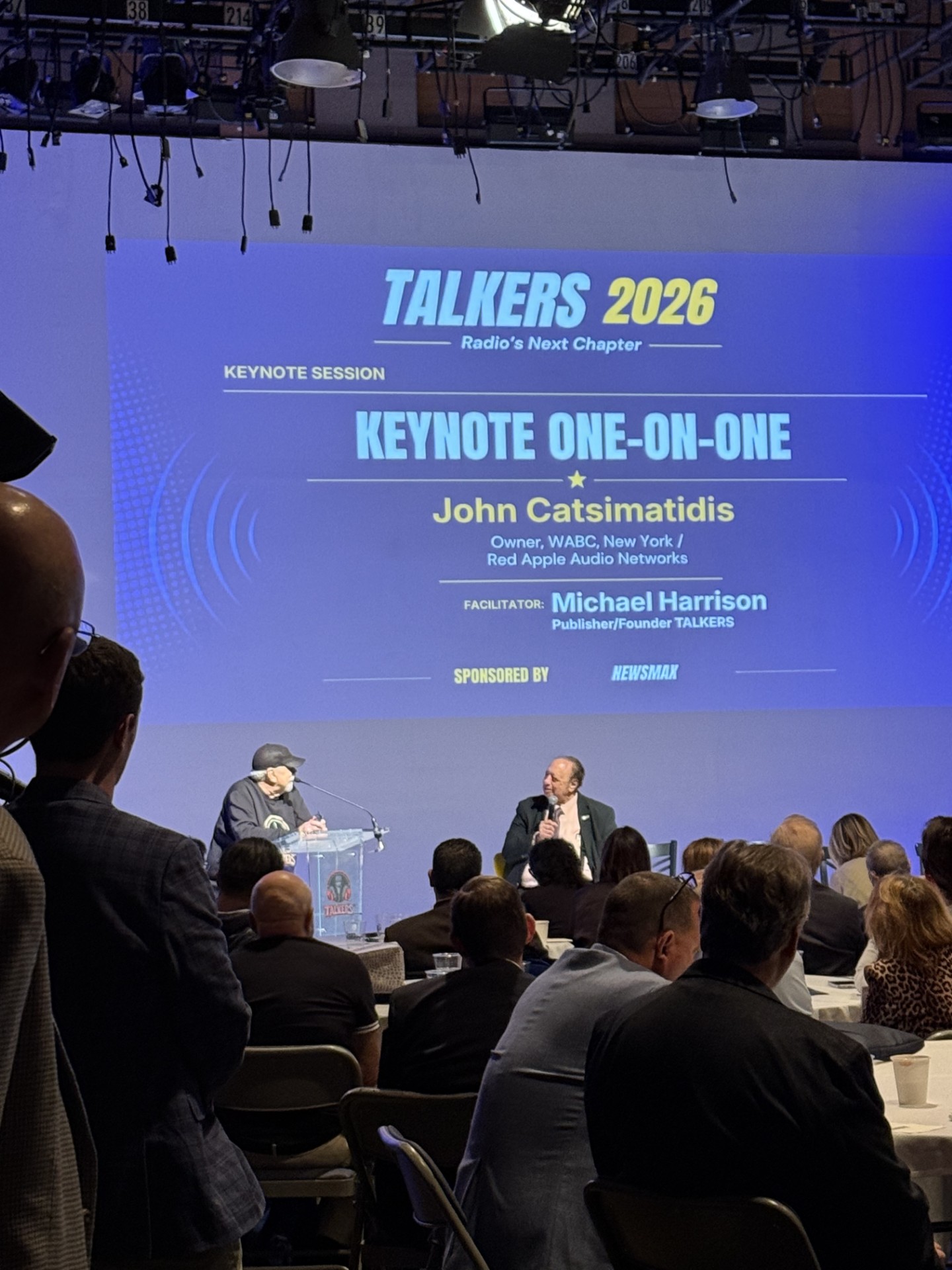

 provide CMLI with opportunities to engage with students and the campus community through WHPC and select college events. The college will also make available WHPC-produced public affairs programming, as well as student-produced content for potential use across CMLI’s stations. Connoisseur Media regional SVP Kristin Okesson says, “We’re excited to partner with Nassau Community College to help inspire and develop the next generation of radio and media talent. Partnerships like these create a direct pipeline for passionate students to gain real-world experience, build important industry connections, and ultimately become the future superstars of our business. We appreciate Shawn Novatt and the NCC team for their commitment to creating these opportunities, and we look forward to working together to support students as they begin their careers in broadcasting and media.”
 and Gothamist newsrooms, and Delahunty is now head of WQXR. Tanner says, “Stephanie, Emily and Eileen are exceptional, forward-looking leaders with deep commitment to excellence in journalism, culture and storytelling. As audiences increasingly engage with content across multiple platforms, we’re focused on creating experiences that connect our award-winning newsrooms, podcasts, live events and cultural partnerships. I’m excited to see the continued collaboration across NYPR as we strengthen our mission and help shape the future of public media for the next generation.”
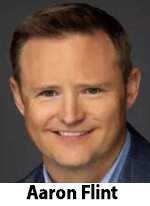 Congressional District. Flint is host of the morning drive show “Montana Talks” heard across Townsquare Media news/talk stations in Montana, including KBUL, Billings and KMMS, Bozeman. Flint took leave of his radio show to run for office. According to the Associated Press, Flint will face the winner of the four-way race in the Democratic primary. Flint’s campaign says he is emphasizing “making the Montana dream affordable again,” by reducing regulatory burdens on building homes, encouraging trades education and boosting the U.S. timber industry.
 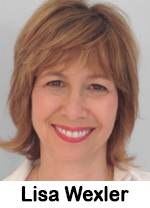 before Judge Wexler hundreds of times in connection with a variety of different matters. I feel confident in saying that I have never appeared before a judge with as much compassion and empathy as Judge Wexler… She always homes in on the issues that are most important to the people involved. For while many judges view cases as purely legal matters, Judge Wexler knows that for the people involved, it can be a daunting, intimidating and frightening experience. She never forgets that the individuals before her are people with hopes, dreams and fears, not just parties to a legal case. She understands the importance of letting people who appear before her have a voice and be heard.” Wexler’s radio program is heard daily from 10:00 am to 12:00 noon.
 Gracie Awards, where she received the Gracie Award for “Best Audio Podcast Host” for her program that centers around “meaningful and revealing conversations about identity, resilience and finding our way back to ourselves.” Named one of Rolling Stone’s “Top 10 New Podcasts of 2025” and included in The Guardian’s “20 Best Podcasts of 2025,” Lewinsky’s program about exploring vulnerability, identity, resilience, and how we make sense of the world through the broader lens of reclaiming has featured such notable guests as Miley Cyrus, John Oliver, Lena Dunham, Lizzo, Malala, Olivia Munn, Alan Cumming, and Dylan Mulvaney. She says, “Reclaiming has always been about creating honest conversations around identity, humanity, and what it means to move forward after difficult experiences. I’m excited to partner with the fwd. network, a team that understands the importance of meaningful storytelling and supporting voices that challenge, connect, and inspire.”
 Radio for Every Vehicle Act in its surface transportation reauthorization package. We thank Chairmen Brett Guthrie and Gus Bilirakis and Ranking Member Frank Pallone for their continued leadership on this critical issue and for creating another path to pass this overwhelmingly bipartisan legislation. As lawmakers consider policies affecting America’s transportation infrastructure, ensuring continued access to AM radio in vehicles remains essential for public safety. Leaders on both sides of the aisle recognize AM radio’s unique and indispensable role in keeping Americans informed, especially in times of emergency. We appreciate the support of the Act’s nearly 380 House and Senate cosponsors and urge Congress to take swift action to advance this legislation into law.”
 Public media firm WNYC in New York names Sonia Rao the culture reporter joining the WNYC / Gothamist newsroom. Rao will cover the arts, with a specialty in film, television, and food. She has covered arts and culture for a decade, most recently as a features reporter and critic at The Washington Post.
 Adam Smith‘s “invisible hand” is a metaphor he used to describe how individuals pursuing their own self-interest in competitive markets can unintentionally produce socially beneficial outcomes – such as efficient allocation of resources and increased wealth. Smith uses the phrase in The Theory of Moral Sentiments in 1759 and more famously in The Wealth of Nations in1776.
 formats. The program is hosted by talk radio personality Larry O’Connor and tells the stories of America’s military heroes, the families who serve by their side, and how Fisher House plays a role in their journey. Fisher House Foundation provides a home away from home for families of patients receiving medical care at major military and VA medical centers. Fisher Houses provide temporary, free lodging so families can be close to their loved ones during medical care because “A Family’s LOVE is Good Medicine.” This year’s program features a special focus on the incredibly inspiring victories our wounded warriors enjoy on the field of competitive, adaptive sports. Fisher House supports the Wounded Warrior Games and the Invictus Games as a vital part of the physical, emotional, and mental healing process for our wounded veterans. Listeners will hear about the riveting war stories detailing the injuries these heroes sustained, the ensuing medical and therapeutic healing process, right through the triumph on the field of international sports, as these brave veterans continue their dedication of service, representing America in international competition.
 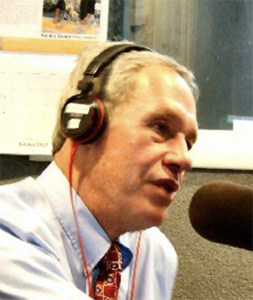 was heard on Datatech Digital’s WGMD, Rehoboth Beach and WUSX-FM, Seaford in Delaware. Wade’s primary career was in engineering and technology. But he ran for the U.S. Senate unsuccessfully became a regular guest host on “The Talk of Delmarva.” The station says, “Friends, colleagues, and listeners remember Wade as a determined advocate who never hesitated to stand up for his beliefs. Despite facing health challenges in recent years, he remained engaged in public discourse and continued contributing to conversations important to the Delmarva community.”
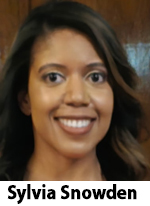 Club at an awards ceremony held last Friday (5/8). Snowden’s award-winning investigation centered on a high-profile TikTok personality and party promoter who organized a massive West Side gathering despite explicit police warnings regarding potential violence. The event, which drew nearly 1,000 attendees, was followed by three separate shootings that left two people dead. Sylvia’s report revealed the promoter was a Chicago Public Schools employee; her continued coverage tracked his initial suspension with pay and his eventual return to the classroom following a district investigation.