By Matthew B. Harrison
TALKERS, VP/Associate Publisher
Harrison Legal Group, Senior Partner
Goodphone Communications, Executive Producer
 The Problem Is No Longer Spotting a Joke. The Problem Is Spotting Reality
Every seasoned broadcaster or media creator has a radar for nonsense. You have spent years vetting sources, confirming facts, and throwing out anything that feels unreliable. The complication now is that artificial intelligence can wrap unreliable content in a polished package that looks and sounds legitimate.
This article is not aimed at people creating AI impersonation channels. If that is your hobby, nothing here will make you feel more confident about it. This is for the professionals whose job is to keep the information stream as clean as possible. You are not making deepfakes. You are trying to avoid stepping in them and trying even harder not to amplify them.
Once something looks real and sounds real, a significant segment of your audience will assume it is real. That changes the amount of scrutiny you need to apply. The burden now falls on people like you to pause before reacting.
Two Clips That Tell the Whole Story
Consider two current examples. The first is the synthetic Biden speech that appears all over social media. It presents a younger, steadier president delivering remarks that many supporters wish he would make. It is polished, convincing, and created entirely by artificial intelligence.
The second is the cartoonish Trump fighter jet video that shows him dropping waste on unsuspecting civilians. No one believes it is real. Yet both types of content live in the same online ecosystem and both get shared widely.
The underlying facts do not matter once the clip begins circulating. If you repeat it on the air without checking it, you become the next link in the distribution chain. Not every untrue clip is misinformation. People get things wrong without intending to deceive, and the law recognizes that. What changes here is the plausibility. When an artificial performance can fool a reasonable viewer, the difference between a mistake and a misleading impression becomes something a finder of fact sorts out later. Your audience cannot make that distinction in real time.
Parody and Satire Still Exist, but AI Is Blurring the Edges
Parody imitates a person to comment on that person. Satire uses the imitation to comment on something else. These categories worked because traditional impersonations were obvious. A cartoon voice or exaggerated caricature did not fool anyone.
A convincing AI impersonation removes the cues that signal it is a joke. It sounds like the celebrity. It looks like the celebrity. It uses words that fit the celebrity’s public image. It stops functioning as commentary and becomes a manufactured performance that appears authentic. That is when broadcasters get pulled into the confusion even though they had nothing to do with the creation.
When the Fake Version Starts Crowding Out the Real One
Public figures choose when and where to speak. A Robert De Niro interview has weight because he rarely gives them. A carefully planned appearance on a respected platform signals importance.
When dozens of artificial De Niros begin posting daily commentary, the significance of the real appearance is reduced. The market becomes crowded. Authenticity becomes harder to protect. This is not only a reputational issue. It is an economic one rooted in scarcity and control.
You may think you are sharing a harmless clip. In reality, you might be participating in the dilution of someone’s legitimate business asset.
Disclaimers Are Not Shields
Many deepfake channels use disclaimers. They say things like this is parody or this is not the real person. A parking garage can also post a sign that it is not responsible for damage to your car. That does not absolve them when something collapses on your vehicle.
A disclaimer that no one negotiates or meaningfully acknowledges does not protect the creator or the people who share the clip. If viewers believe it is real, the disclaimer (often hidden in plain sight) is irrelevant.
The Liability No One Expects: Damage You Did Not Create
You can become responsible for the fallout without ever touching the original video. If you talk about a deepfake on the air, share it on social media, or frame it as something that might be true, you help it spread. Your audience trusts you. If you repeat something inaccurate, even unintentionally, they begin questioning your judgment. One believable deepfake can undermine years of credibility.
Platforms Profit From the Confusion
Here is the structural issue that rarely gets discussed. Platforms have every financial incentive to push deepfakes. They generate engagement. Engagement generates revenue. Revenue satisfies stockholders. This stands in tension with the spirit of Section 230, which was designed to protect neutral platforms, not platforms that amplify synthetic speech they know is likely to deceive.
If a platform has the ability to detect and label deepfakes and chooses not to, the responsibility shifts to you. The platform benefits. You absorb the risk.
What Media Professionals Should Do
You do not need new laws. You do not need to give warnings to your audience. You do not need to panic. You do need to stay sharp.
Here is the quick test. Ask yourself four questions.
Is the source authenticated?
Has the real person ever said anything similar?
Is the platform known for synthetic or poorly moderated content?
Does anything feel slightly off even when the clip looks perfect?
If any answer gives you pause, treat the clip as suspect. Treat it as content, not truth.
Final Thought (at Least for Now)
Artificial intelligence will only become more convincing. Your role is not to serve as a gatekeeper. Your role is to maintain professional judgment. When a clip sits between obviously fake and plausibly real, that is the moment to verify and, when necessary, seek guidance. There is little doubt that the inevitable proliferation of phony internet “shows” is about to bloom into a controversial legal, ethical, and financial industry issue.
Matthew B. Harrison is a media and intellectual property attorney who advises radio hosts, content creators, and creative entrepreneurs. He has written extensively on fair use, AI law, and the future of digital rights. Reach him at Matthew@HarrisonLegalGroup.com or read more at TALKERS.com.




 For the third consecutive year, TALKERS will serve as the Presenting Sponsor of the Intercollegiate Broadcasting System (IBS) Conference. The event – IBSNYC – the longest running and most important national gathering of campus radio and mediacommunicators, will take place February 25-27, 2027, at the Sheraton Times Square hotel in the heart of Manhattan. It will bring together almost 1,000 outstanding broadcasters from university, college and high school radio-TV stations and departments of communication. Its power packed agenda of speeches, panels, workshops, exhibits, award ceremonies, and networking opportunities will cover the ever-expanding spectrum of platforms and issues unfolding before young practitioners entering the field of modern communications. This outstanding event is a must-attend for bright industry newcomers who are serious about developing careers in a landscape marked by unprecedentedly rapid change as well as established players determined to keep up with what’s coming and discover new colleagues.
 TALKERS VP / associate publisher Matthew B. Harrison will again join the roster of outstanding IBSNYC speakers. Harrison, senior partner in the firm of Harrison Media Law, is a media and intellectual property attorney and author who advises radio hosts, digital content creators, and creative entrepreneurs. He has written extensively on fair use, AI law, and the future of digital rights.
 TALKERS founder, publisher, and radio industry icon, Michael Harrison will deliver one of the conference’s two keynote addresses. The speech, titled, “Five Things Every Communicator Must Know to Survive and Even Thrive During the Next Five Years,” promises to be a riveting, eye-opening highlight of the conference.
 A Tokyo ruling has revisited a question that Bette Midler raised decades ago.
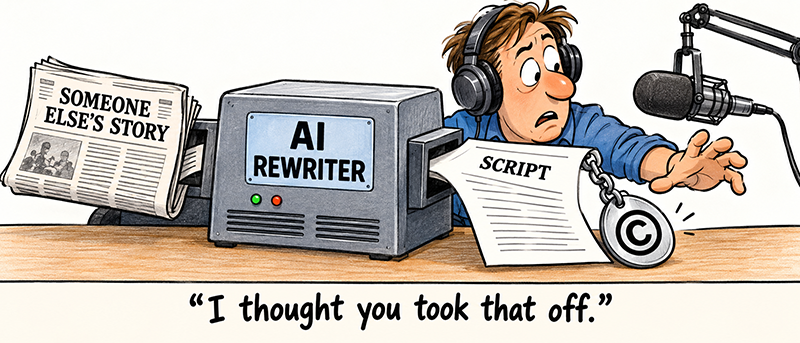
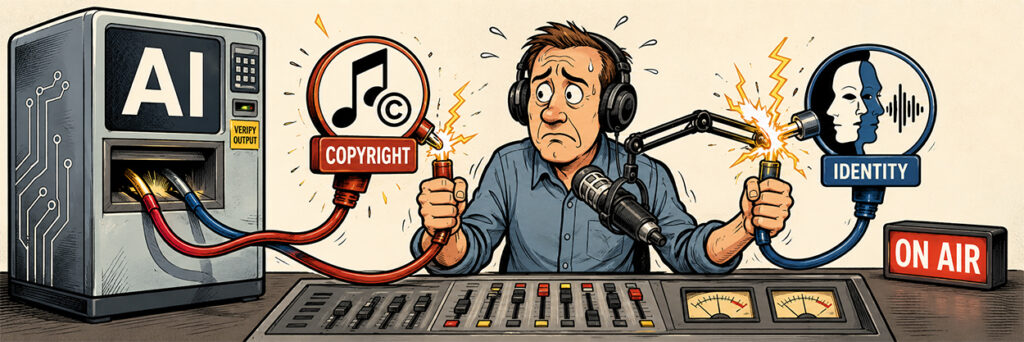
 Your competitor breaks a story. You can report the facts, but you cannot assume that running its article through AI makes the resulting script yours to use. A rewrite button is not a rights-clearance department.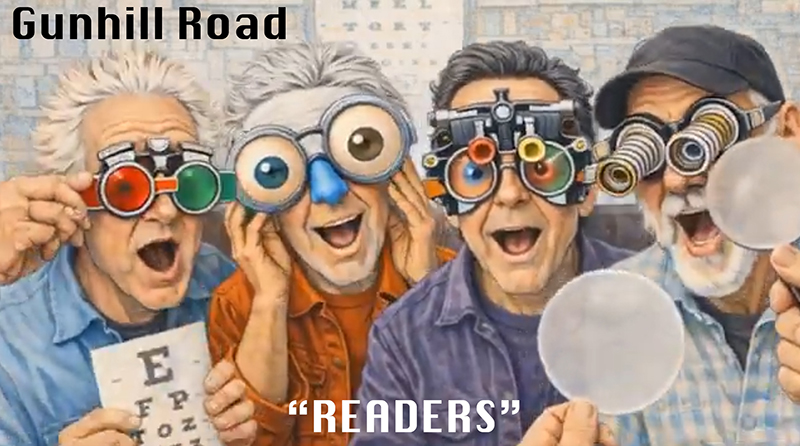
 while playing venues such as the Bitter End and TV shows like “Midnight Special,” the band has gained a multi-generational fan base over the past six years due in large part to exposure on talk radio. Talk show hosts have been attracted to Gunhill Road’s engaging themes, sharp lyrics, and provocative YouTube videos that tackle the hottest issues of the day. These include the rise of idiocy, scourge of scammers, threat of censorship, dangers of AI, noise of politics, cruelty to animals, aging, and more. Since 2020, more than 1,500 talk shows, stations, and networks have aired Gunhill Road songs in whole or part, extracted segments for bumpers, and interviewed a member about its provocative messaging.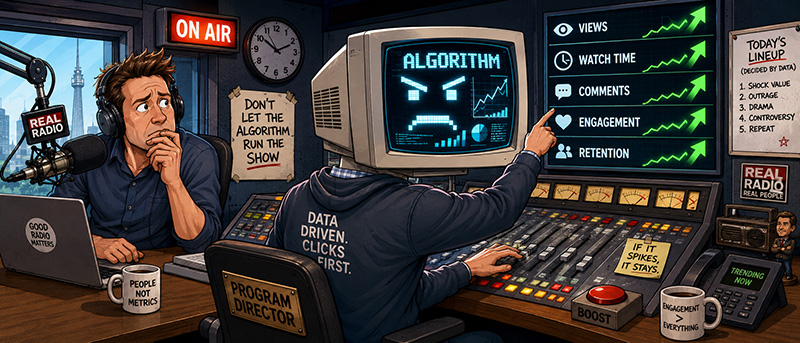
 You post five clips from yesterday’s program. Four do fine. The fifth, an argument with a caller, explodes. It gets more views, more comments, more shares and more click time than anything else you posted.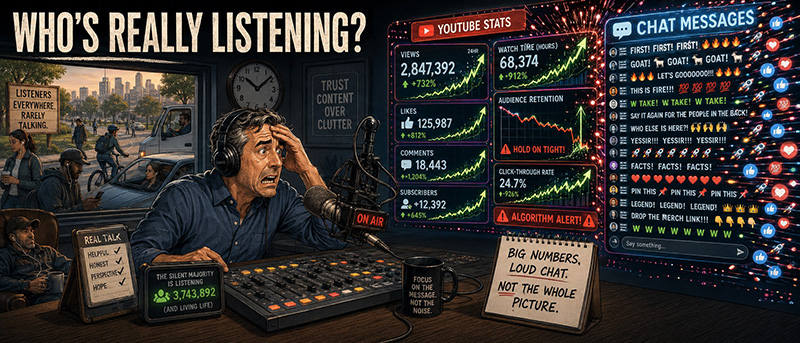


 By Matthew B. Harrison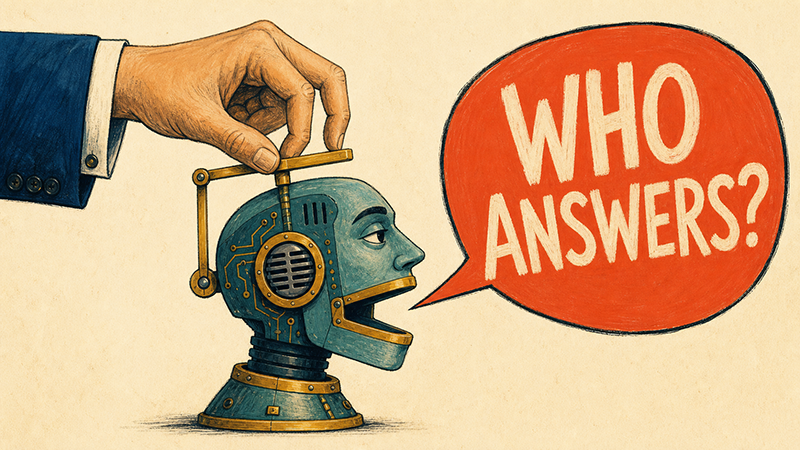
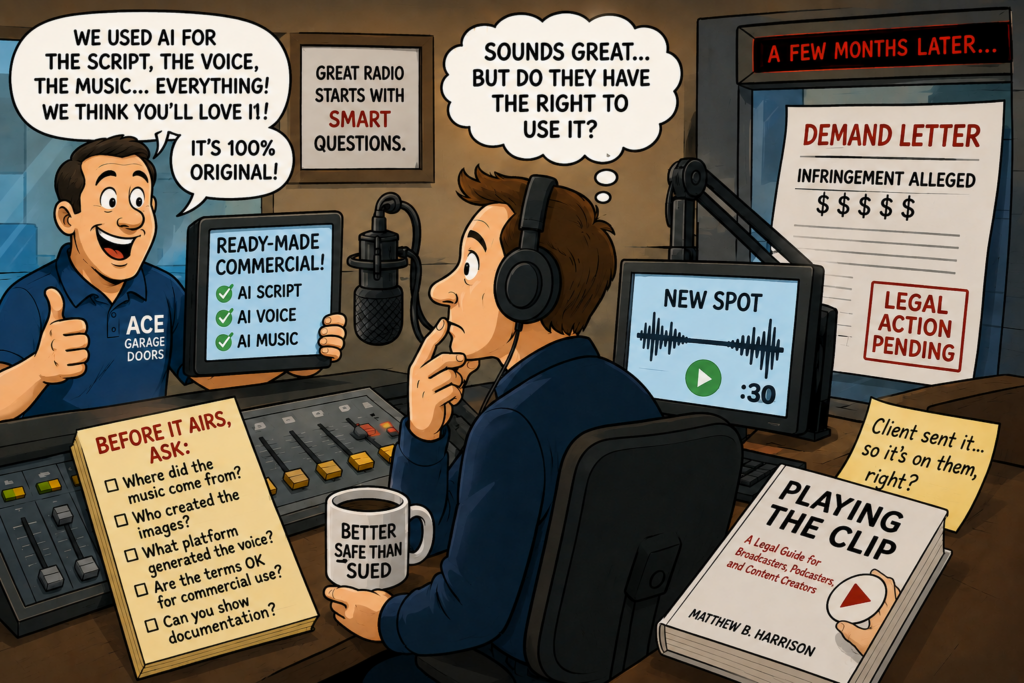
 A local advertiser sends over a ready-made commercial. The music is catchy. The script is polished. The production value is surprisingly good for a company that spends most of its day installing garage doors.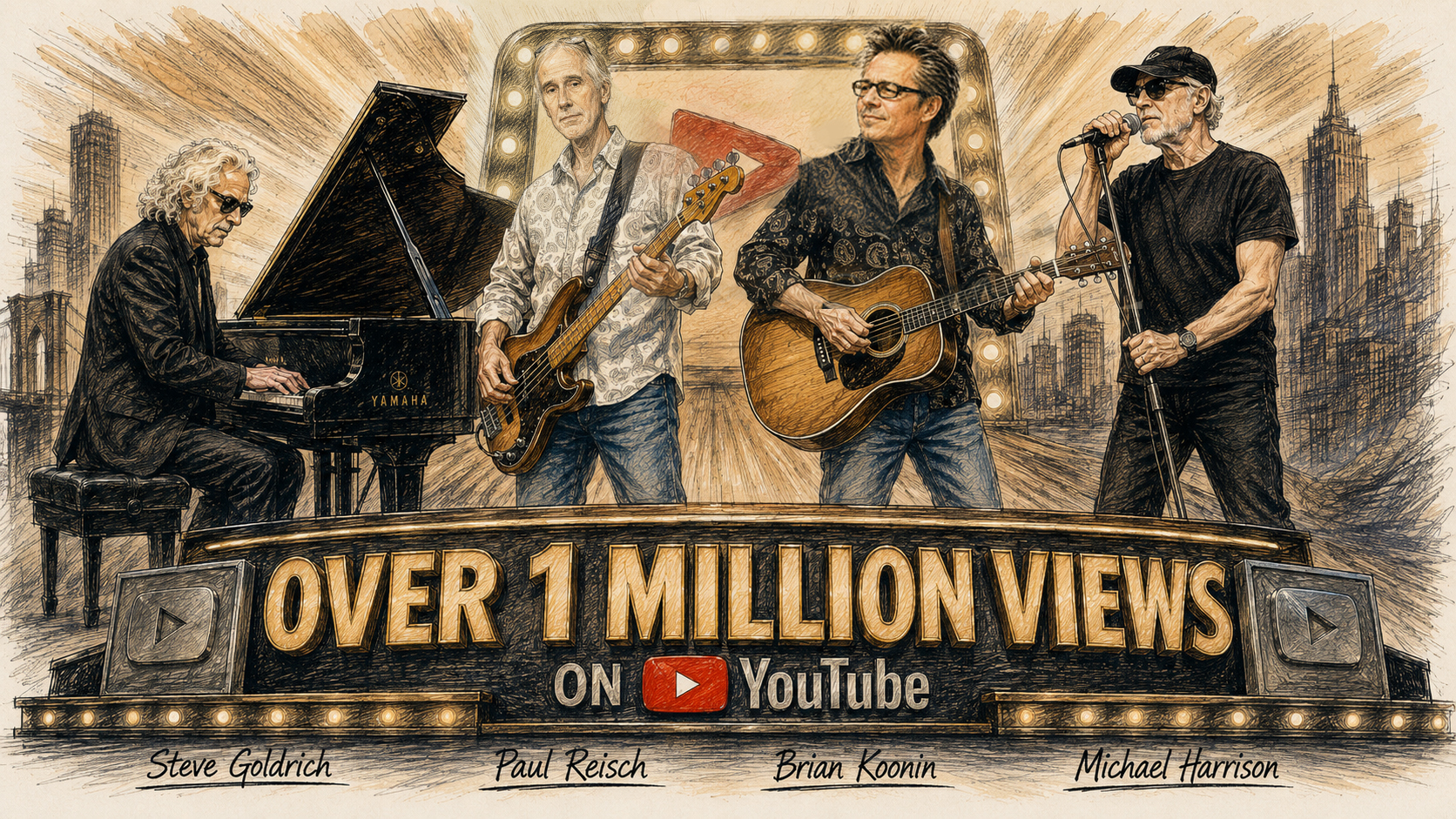
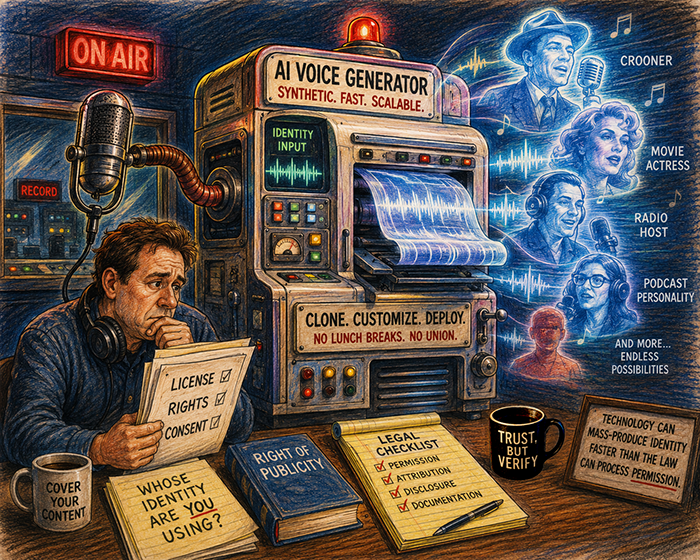
 For years, Harrison Legal Group has informed media creators about the legal risks of using copyrighted clips, songs, images, and broadcasts without permission. The issue became central enough to inspire my book, Playing the Clip: The Definitive Digital Media Creator’s Guide to Fair Use (TALKERS Books, 2026). The premise was straightforward: modern media runs on borrowed material, but borrowing comes with legal exposure.
 TALKERS magazine associate publisher) Matthew B. Harrison, a work designed for today’s news/talk media environment where audio, video, screenshots, and quotes are not just supporting elements – but serve as the actual content itself. This technique has become particularly prevalent on YouTube and even cable news/talk TV but increasingly appears in audio form as what used to be called “actualities” – sound from another source.
 book explains the legal concept of fair use not as a permission structure, but as a legal defense raised after copying has already occurred – an uncomfortable but essential distinction that underpins the entire analysis.
 Cumulus’s relationships with advertisers, goodwill, and market share, and push it towards financial collapse. The District Court accordingly enjoined Nielsen’s anticompetitive conduct.
  Nielsen’s brief attacks those findings as speculative, asserting that Cumulus never showed any real risk of bankruptcy or any other non-compensable harm, but one of those irreparable harms has now come to pass: After a motions panel stayed the injunction, Cumulus declared bankruptcy—citing “the Nielsen network tying policy” as a significant contributing cause. The other harms identified by the District Court remain today and have become increasingly urgent, as Cumulus will lose access to Nationwide this September.” TALKERS associate publisher and Harrison Media Law senior partner Matthew B. Harrison comments, “Cumulus has fundamentally shifted the posture of this case. What began as a forward-looking claim of irreparable harm is now being presented as a realized outcome, following its Chapter 11 filing. The appellate court is no longer being asked to prevent potential damage, but to assess whether the harm that has already occurred can be attributed to Nielsen’s challenged conduct — or to broader economic pressures facing the radio industry.”
 The rise of independent, talk show-style political commentary on YouTube has created a new class of media actors who do not see themselves as broadcasters, journalists, or publishers. They see themselves as creators. That distinction is real in terms of identity, tone, and platform. It is not real where it matters most: liability.
 AI is now embedded in the modern newsroom. Not as a headline, not as a novelty, but as infrastructure. It drafts outlines, summarizes complex reporting, surfaces background details, and accelerates prep for live conversations. For media creators operating under relentless deadlines, that efficiency is not theoretical. It is practical and daily.
 TALKERS magazine, the leading trade publication serving America’s professional broadcast talk radio and associated digital communities since 1990, is pleased to participate as the presenting sponsor of the forthcoming Intercollegiate Broadcasting System (IBS) conference for the second consecutive year.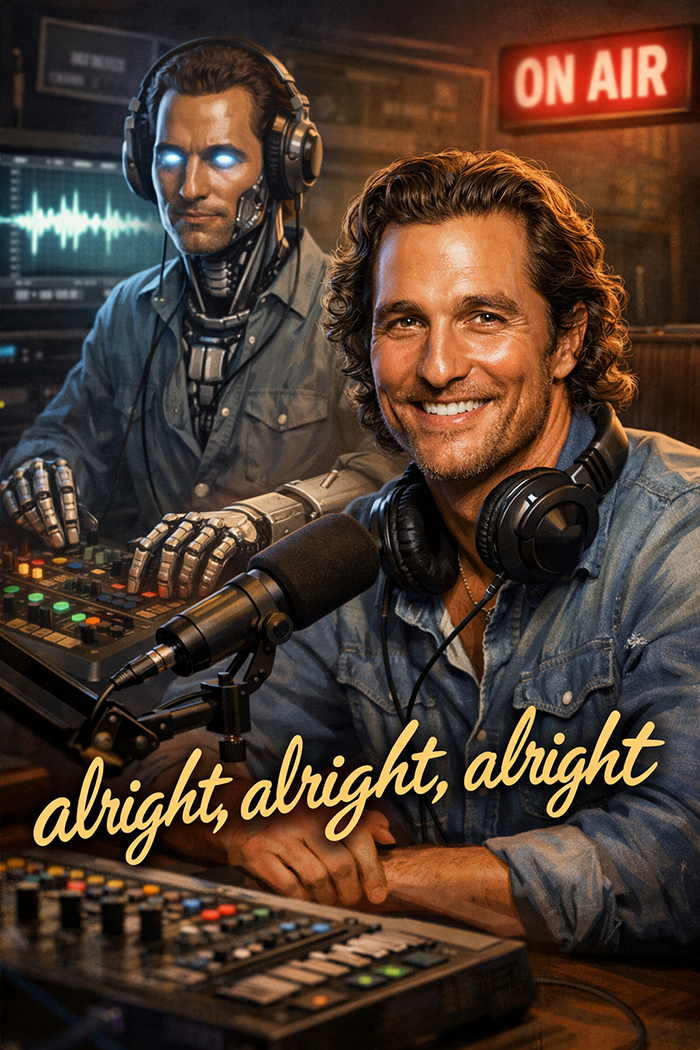
 For years, “protect your name and likeness” sounded like lawyer advice in search of a problem. Abstract. Defensive. Easy to ignore. That worked when misuse required effort, intent, and a human decision-maker willing to cross a line.
 Every media creator knows this moment. You are building a segment, you find the clip that makes the point land, and then the hesitation kicks in. Can I use this? Or am I about to invite a problem that distracts from the work itself?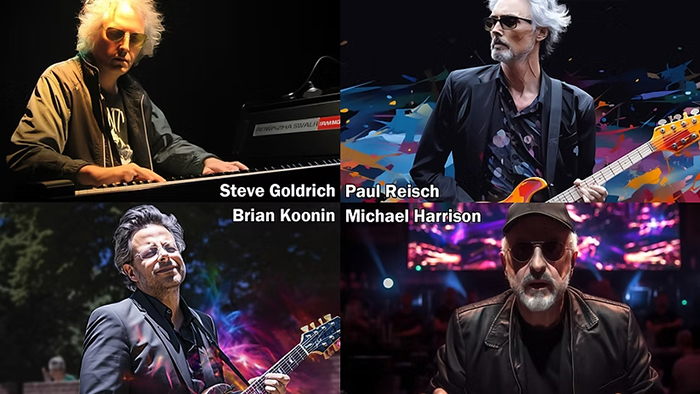

 examining the lifelong love affair of a fictional couple from childhood to old age – an emotional roller coaster ride reflecting the romantic ups and downs of a complex relationship. The tear-jerker is a departure from the heavy-hitting social commentaries that have made Gunhill Road a favorite among talk radio hosts and audiences for the past half decade. The intriguing group, formed in the late 1960s, is still going strong with core members Steve Goldrich, Paul Reisch, Brian Koonin, and Michael Harrison. Matthew B. Harrison produces the ensemble’s videos that employ leading-edge techniques and technology. Ms. Farber, who shares lead vocals on the song with Brian Koonin, is a talented singer, songwriter, and instrumentalist with a number of singles, albums and television commercial soundtracks among her credits. She is presently an advocate for the well-being of nursing home residents and organizer of initiatives to bring live music into their lives.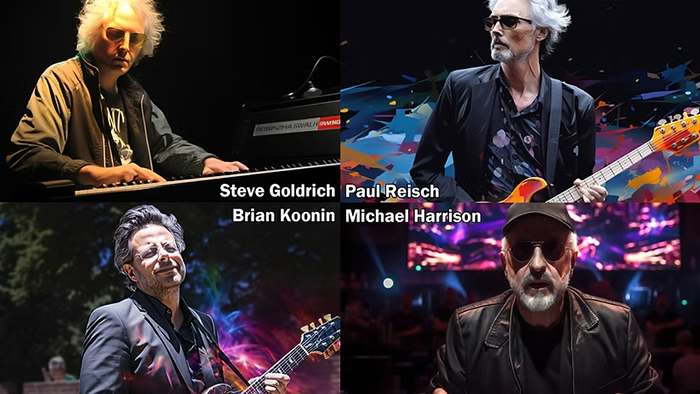
 and the gut-wrenching chaos of informational overload. Non-partisan lyrics cry out: “Too much information clogging up my brain… and I can’t change the station; it’s driving me insane!” Co-written and performed by band members Steve Goldrich, Paul Reisch, Brian Koonin, and Michael Harrison, the dramatic images accompanying the music include a dynamic montage of exasperated people being driven to the brink of madness by the pressure of what feels like non-stop, negative NOISE. Produced by
  Every talk host knows the move: play the clip. It might be a moment from late-night TV, a political ad, or a viral post that sets the table for the segment. It’s how commentary comes alive – listeners hear it, react to it, and stay tuned for your take.