By Matthew B. Harrison
TALKERS, VP/Associate Publisher
Harrison Legal Group, Senior Partner
Goodphone Communications, Executive Producer
 A political candidate sits down for a broadcast interview. The host asks questions. The conversation reaches into policy, personality, controversy, and campaign issues… just another day in the world of talk radio.
To the FCC, depending on the program and the circumstances, it may raise a different question: did the station give one legally qualified candidate a broadcast “use” of its facilities that now triggers equal opportunities for opponents? That question sits at the center of ABC’s dispute with the FCC over “The View,” and it deserves the attention of every broadcaster who books public officials, candidates, advocates, and political personalities.
This is not an article about whether anyone likes “The View.” That is the wrong question. The better question is whether the government should decide, after the fact, that a long-running interview program no longer qualifies as a bona fide news interview program because regulators dislike, distrust, or second-guess its guest selection.
The Equal Opportunities Rule, often called “equal time,” is not the Fairness Doctrine. The Fairness Doctrine is gone. However, equal opportunity requirements remain part of broadcast law. In general terms, when a broadcast station permits a legally qualified candidate to “use” its facilities, opposing legally qualified candidates for the same office may be entitled to comparable opportunity, unless an exemption applies.
One such exemption covers bona fide news interviews.
That exemption matters because it allows broadcasters to cover politics without turning every meaningful candidate interview into a scheduling trap. The law recognizes that a news judgment is different from a campaign favor. A host may interview a candidate because that candidate is newsworthy, controversial, powerful, interesting, or central to a public issue, not because the station has endorsed the campaign.
ABC’s argument is that “The View“ already cleared that hurdle more than two decades ago, when the FCC treated it as a bona fide news interview program. ABC now says the Commission has forced the issue back onto the table and is effectively asking whether the government should dictate which candidates the program may feature. That is why ABC’s filing points beyond daytime television and directly toward talk radio.
Talk radio should not dismiss that warning. The format routinely features candidates and officeholders without immediately inviting every opponent. Sometimes the reason is obvious: one guest is in the news and the others are not. Sometimes the reason is practical: a candidate accepts and the opponent declines. Sometimes the reason is editorial: the host believes one interview will better serve the audience.
Those are normal programming judgments. But if regulators start looking behind those judgments for partisan motive, the risk changes. The question becomes less “Was this guest newsworthy?” and more “Can you prove to the government that your reason was acceptable?” That is a dangerous shift for any medium built around editorial discretion.
This does not mean broadcasters should panic or stop booking candidates. It does mean stations, networks and programs should tighten their habits. Know when a guest is a legally qualified candidate. Understand when an appearance may count as a use. Keep clean records. Preserve the editorial reason for the booking. Make sure producers and hosts know the difference between a campaign appearance, a news interview, and paid political time.
The larger warning is simple: broadcast talk is regulated speech in a way podcasts, YouTube shows, and most streaming programs are not. That distinction already matters for indecency, sponsorship identification, public files, political files, and license obligations. Now it may matter again in the heart of the format itself: who gets invited to talk.
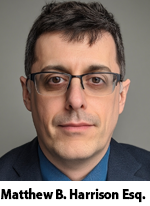
The government should not sit in the producer’s chair. But broadcasters should not pretend the chair is invisible. The best protection is not silence. It is disciplined editorial judgment, documented in real time, applied consistently, and defended as what it is: the broadcaster’s constitutional role in deciding what is newsworthy for its audience.
Matthew B. Harrison is a media and intellectual property attorney who advises radio hosts, content creators, and creative entrepreneurs. He has written extensively on fair use, AI law, and the future of digital rights. Reach him at Matthew@HarrisonLegalGroup.com or read more at TALKERS.com.

 remains bedrock equipment.” Some of the findings include: 1) Around half of all respondents stated they would outright refuse to purchase a vehicle that lacks an AM/FM radio; 2) More than seven in 10 consumers view AM/FM radio as an essential feature that should come standard as basic equipment in all new vehicles. This places its perceived importance on par with smartphone integration (Apple CarPlay/Android Auto) and significantly ahead of satellite radio or built-in subscription music apps; 3) Around half of respondents indicated that if an OEM decided to completely remove AM/FM radio from its lineup, they would instantly have a less favorable perception of that car brand; and 4) This brand erosion and purchase refusal is significantly more pronounced among buyers aged 55+, creating a massive hurdle for brands relying on loyal, returning buyers. Read the report here.
 for advertisers, “the platform supports more informed media planning through observed audience behavior, large next-day samples, and market-level consumption trends, enabling more precise audience- and market-level planning and better alignment between campaigns and listening trends.” Cumulus Media president of operations Bob Walker says, “We’re proud to be the first broadcaster to deploy AutoStage Broadcaster Portal Premium as part of our broader effort to bring new sources of audience insight to radio. The platform gives us access to a level of audience intelligence that hasn’t previously been available, creating new opportunities for content creators, sales teams, and advertisers alike. The AutoStage heat maps are a particularly compelling example, visually illustrating where listening is concentrated, on an aggregated basis, relative to advertiser locations. By giving advertisers a richer understanding of audience distribution and listening trends, the platform helps them plan more effective campaigns, optimize audience-level planning, and maximize the impact of their radio investments.”
 Weather Channel president Tom O’Brien states, “Ray and Scott represent the very best of what The Weather Channel Radio Network stands for. Their careers are a testament to more than longevity; it is the genuine sense of public responsibility that has guided every forecast, emergency and broadcast for 30 years. We are immensely proud to celebrate this remarkable milestone with them.”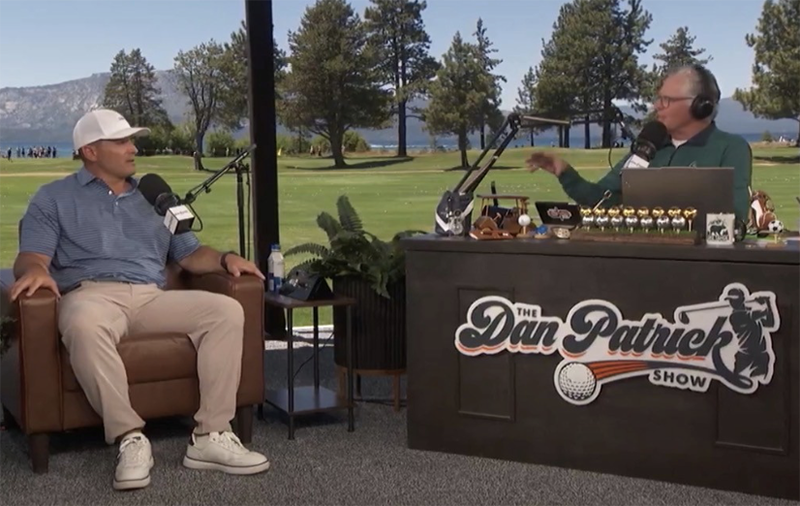
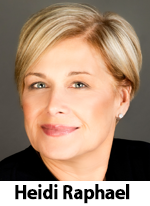 role with Greater Media. NYSBA board chair Chris Musial says, “We are thrilled to welcome Heidi Raphael as the next president and CEO of the New York State Broadcasters Association. Heidi brings an exceptional combination of leadership experience, industry knowledge, and passion for broadcasting. We are confident she is the right leader to guide NYSBA into its next chapter while continuing the outstanding work David Donovan has led over the past decade and a half.”
 agencies, reveals advertiser/agency podcasting discussion and spending intention has hit a 12-year high. Some of the key takeaways include: 1) Nine out of 10 marketers and media agencies say they have discussed podcast advertising for potential investment; 2) Podcast advertising consideration surges to a 12-year high: 75% of brands and agencies say they are likely to consider advertising in podcasts; 3) Podcast spending intention jumps to 74%, a 12-year record; 4) 76% of agencies and advertisers currently advertise in podcasts, a 5X increase since the first IAB podcast upfront in 2015; and 5) “Arnie Semsky’s 5% solution”: It is time for brands to get serious and allocate 5% of digital budgets to podcasting.
  Group’s network of magazines. Bonneville Seattle SVP Cathy Cangiano says, “We’re excited to partner with Premier Media Group to bring compelling, high-quality content to our audiences across the Pacific Northwest. By combining the trusted brands of KIRO Newsradio and MyNorthwest.com with Premier Media Group’s exceptional storytelling, we’re creating new ways to inform, inspire, and engage our communities.”
 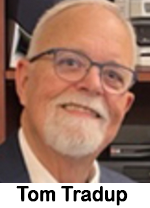 years. Unlike many of his timid Senate colleagues, the senator was always delighted to join local and national talk shows without being blocked by the annoying Praetorian Guard of Capitol Hill aides dragging their feet, demanding questions in advance, placing limits on topics to be discussed and other myopic restrictions.” Tradup goes on to note, “Salem Radio Network host Mike Gallagher frequently welcomed Lindsey Graham on his nationally syndicated talk show, as did Salem’s Hugh Hewitt and others. Graham was also a featured guest on Sean Hannity’s radio and FOX News Channel programs, as well as Salem’s ‘This Week on Capitol Hill’ with Tony Perkins and virtually every Sunday talk show.”
 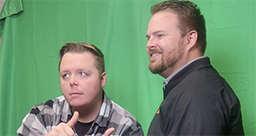 program “Tyler & Cainer,” alongside Tyler Ivens (left) beginning Monday (7/13). Cain fills the spot vacated by Will West who is leaving the program for a digital sales manager position with the company. According to Knox News, Cain has been a regular contributor, producer and host on the station in addition to being host of the “Locked on Vols” podcast and a writer and podcast host for Volquest.
  in the early 1960s. WCNC-TV reports that local radio fan Johnny Caudle has launched a Change.org petition to save some of the history. He tells WCNC-TV, “I heard the land was for sale and knowing the radio background industry the way I do, I know that that probably means the towers are going down and the place is going to be bulldozed and redeveloped. So, I started thinking we need to save something.” Caudle says he’s not trying to kill any deal that would see the land developed but just wants “to preserve something.” The story indicates the property has an assessed value of $3.5 million. Urban One has not made a public statement about the future of the property.
 posture. ABC did not come to the Federal Communications Commission asking for anything. The Commission compelled ABC to file the Petition for Declaratory Ruling at issue here, directing the network to explain why the government. should not dictate which political candidates may appear on The View—even though the Commission itself resolved that very question in ABC’s favor more than two decades ago, ruling in 2002 that The View is a bona fide news program not subject to the equal opportunities requirement.
 station streaming, nearly 3x the next closest format; 2) One in four Americans now identifies as a “News Fanatic,” checking the news five or more times a day and actively seeking deeper context – not just headlines; 3) News/talk listeners are more loyal than sports fans. Fifty-four percent are primary listeners who spend most of their listening time with news/talk, compared with 41% for sports; 4) Trust remains news/talk’s biggest advantage. Local news radio is trusted by 84% of listeners – higher than broadcast TV, national news radio, or social media; 5) The audience has significant buying power. Median household income is approximately $95,000, with listeners over-indexing for net worth above $2 million; and 6) The advertising works. Among ad-exposed consumers, news/talk campaigns drive 56% awareness, 47% consideration, and 49% purchase/conversion, while Audacy campaigns generate an average 24% lift in website traffic, with some categories seeing increases as high as 67%.
 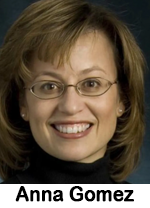 FCC officials. Gomez filed a petition for mandamus with the United States Court of Appeals for the District of Columbia seeking to compel action by the FCC on such petition. Instead, of responding to the mandamus petition, on June 22 the Commission filed its response and included a copy of an unpublished letter dismissing the News Distortion Petition that was signed by the Acting Chief of the Media Bureau on delegated authority.
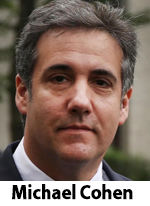 testifying against his former boss in cases revolving around Stormy Daniels – has apparently made up with President Donald Trump. Or so says WABC owner John Catsimatidis. He tells the
  If your station is outside the top 50 markets, you already know the pressure points. A mature workforce stretched thin. Fewer applicants for on air and production roles – specifically the younger creators who don’t see radio as their first creative outlet. And a competitive landscape where streaming, satellite, and podcasts divert attention with the gravitational pull of a black hole.
 anniversary by celebrating 250 remarkable Philadelphians whose lives and legacies have shaped the city, the nation, and our history. The event features a live panel discussion moderated by station personality Solomon Jones that includes: Michael Coard, host of Radio Courtroom, attorney, and founder of the Avenging the Ancestors Coalition; Karen Warrington, award-winning news director and arts advocate; Dr. Anthony Monteiro, scholar and founder of The Saturday Free School for Philosophy and Black Liberation; and Rev. Carolyn Cavaness, pastor of Mother Bethel A.M.E. Church.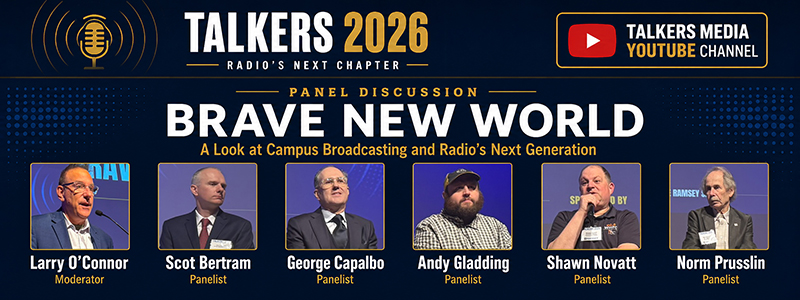
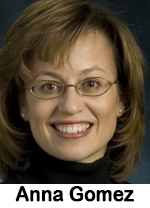 administration and the Supreme Court’s ruling. She wrote: “This decision puts at risk how Congress intended independent agencies to function in American democracy. When Congress established the Federal Communications Commission, it made a deliberate choice to create a multi-member, multi-party, independent body insulated from political pressure precisely because the decisions this agency makes about who can speak over the public airwaves, how spectrum is allocated, and how communications markets are regulated, are too consequential to be made on the basis of political loyalty. We are already seeing what political control of this agency looks like in practice, through investigations targeting broadcasters and government critics for coverage this administration finds unfavorable.
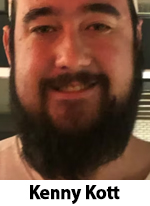 producer and air personality Kenny Kott died from medical complications on Saturday (6/26). Kott was a member of “The Valenti Show with Rico.” Mike Valenti addressed Kott’s passing on Monday’s program, saying that Kott had a medical event in early June that left him hospitalized for the last few weeks and it took a turn for the worse. Valenti says, “Genuinely, I struggle to find the words for this. He’s a part of our dysfunctional family. That’s what this is.”
 interviews for audio actualities, anchor local newscasts and post stories on website and social media, etc. This person will also be responsible for doing play-by-play of regional High School football and basketball games during the season. Some evenings and weekends will be required… We need someone who understands small-market, local radio and is willing to be involved in the community. Send your cover letter, resume, audio demo(s), and references to Kevin Tlam at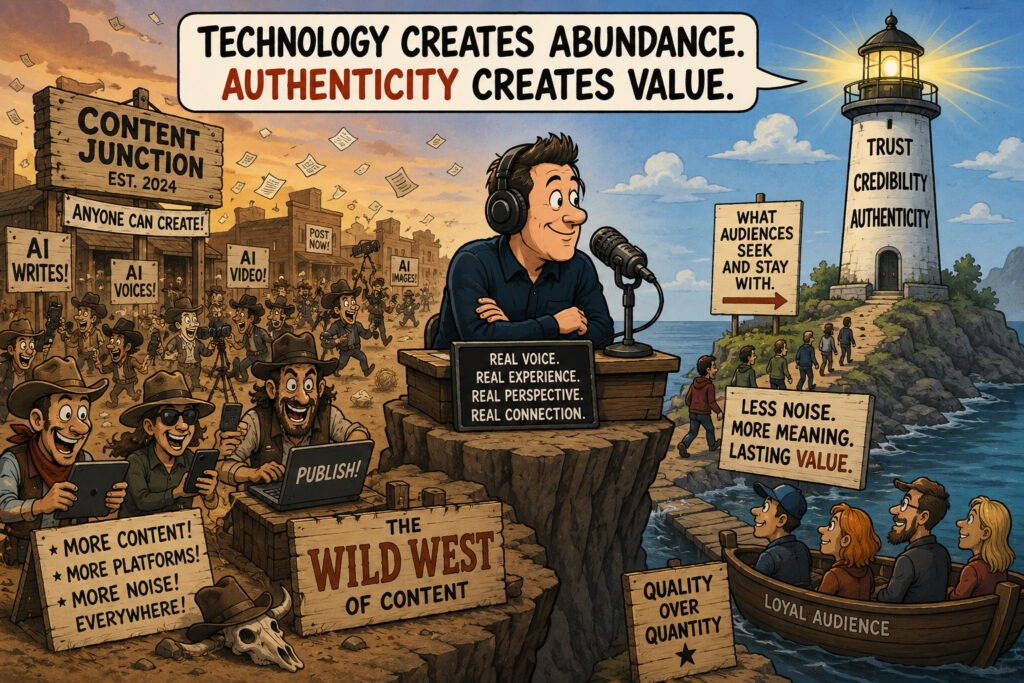
 Throughout the TALKERS 2026 conference, there was a recurring theme that bears repeating: