TALKERS magazine is the leading trade publication serving the talk media industry in America. It was dubbed “The Bible of Talk Radio” by Business Week Magazine. As technology and media trends have evolved over the years, the publication expanded to serve the forms of talk media beyond just talk radio — which includes talk distributed digitally, satellite radio, as well as talk programming on television.
TALKERS magazine was launched as a print publication during the Summer of 1990 by Michael Harrison, a radio broadcasting innovator and trade journalist who has been at the center of many of the exciting pop radio revolutions of the past 50-plus years, both on air and behind the scenes.
TALKERS magazine is now published in digital-only formats and features news stories, photos and videos relevant to the non-stop happenings in talk media with a focus on top hosts and stations, developments at the networks, interviews with movers and shakers, the opinions of industry participants and leaders, and fast-breaking developments in technology.
TALKERS magazine also conducts ongoing research of the topics and opinions discussed and expressed on hundreds of talk stations and programs across America and compiles them into surveys and graphs which have become the standard of the industry.
In addition to talk broadcasters using TALKERS magazine research as a guideline to see where they fit into the industry’s scheme of things, the consumer press also regularly turns to the publication to capture the mood of the public as it is expressed in talk media in addition to learning about what’s happening in the business. Hardly a week goes by in which TALKERS magazine is not cited in a major publication or TV broadcast dealing with news stories, public opinion or talk radio specifically.
According to TALKERS magazine publisher Michael Harrison, “Talk media is collectively the most accurate bellwether of American public opinion in the mass media today.”
Since 1990, the growth of TALKERS magazine has been parallel to that of the talk radio industry – which includes the sub-formats news/talk, talk, sports talk, all-news, non-commercial talk, and more – with many observers crediting the publication with not just chronicling the talk radio phenomenon, but playing a significant role in supporting and fueling the medium’s spectacular rise to prominence. Talk radio is the most-listened to radio genre today and certainly the most important.
TALKERS magazine has an international readership that includes the key participants at most talk radio stations and networks in the United States and Canada (plus the U.K, Ireland, Denmark, Australia, New Zealand, South Africa and Hong Kong), including the most important talk show hosts on air, online, on satellite and in podcasting.
TALKERS magazine readers also include the top executives of TV networks, management at the largest entertainment companies, editors of major publications, members of congress, governors of states, and even the President of the United States. And, the hardcore fans of talk radio — its most dedicated listeners — are consumers of the content on Talkers.com and its affiliated products.
TALKERS magazine advertisers include radio program suppliers, broadcast equipment manufacturers and distributors, book publishers, record companies, political action committees and more.
Because of the phenomenal growth of talk media, its impact on society, and the colorful nature of both its personalities and its listeners, TALKERS magazine emerged in the 1990s as one of the most important trade journals in American industry and on the contemporary cultural scene. Now, with the industry headed boldly into the 21st century, and with the exponential growth of the many spoken-word formats and delivery systems, TALKERS magazine’s potential for expansion is unlimited.
TALKERS magazine’s writers include some of the most respected media professionals in the country and it has published exclusive interviews with some of the nation’s most important newsmakers. These include Presidents of the United States, key broadcasting executives, business and government leaders, as well as show business figures.
TALKERS magazine has expanded into an array of media beyond its writings. It has organized and presented the talk media industry’s longest-running and most important national convention – now in its 23rd consecutive year in addition to countless individual forums, seminars and radio rows around the country on subjects that include politics, foreign policy, domestic violence, health care and economics.
TALKERS magazine and the talk media are very much a part of each other and on the move toward playing an even larger and increasingly more important role in 21st century America!
Share this with your network

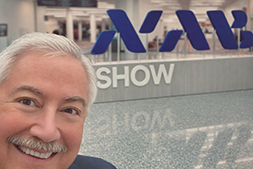 My notes from a real useful session with Amazon’s Andy Slater, Audacy’s Michael Biemolt, and YouTube’s Neha Taleja, moderated by WTOP’S John Wardock.
 to television and radio programming. After the back-and-forth between The Late Show’s Stephen Colbert and CBS attorneys over the interview with U.S. Senate candidate U.S. Rep. James Talarico that did not air on CBS television but was pushed out on the show’s social media accounts instead, broadcasters – including news/talk radio programmers and hosts – may be confused about how the equal time rule is being applied.
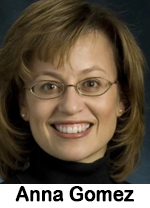 FCC has no lawful authority to pressure broadcasters for political purposes or to create a climate that chills free expression. CBS is fully protected under the First Amendment to determine what interviews it airs, which makes its decision to yield to political pressure all the more disappointing. It is no secret that Paramount, CBS’s parent company, has regulatory matters before the government, but corporate interests cannot justify retreating from airing newsworthy content. The FCC is powerless to impose restrictions on protected speech, and any attempt to intimidate broadcasters into self-censorship undermines both press freedom and public trust. I once again urge broadcasters and their parent companies to stand firm against these unlawful pressures and continue exercising their constitutional right to speak freely and without government interference.”
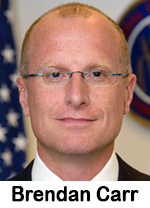 Republican or Democrat. Often, Democratic candidates balk at being interviewed by conservative hosts for fear they will not get a “friendly” interview as their Republican opponent might have. Regardless, the law is about equal time, and the matter late night shows are dealing with is assuming they qualify for the “bona fide news” exemption that excuses them from the equal time rule. Chairman Carr’s position is there is no blanket exemption; it is taken on a case-by-case basis.
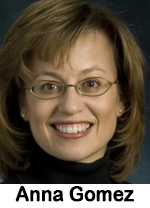 the way the commission is operating. She took issue with FCC Chair Brendan Carr’s interpretation of how the Commission should ensure that licensees operate in the public interest. She stated, “For months, this FCC has asserted an apparent roving mandate to police speech that this Administration does not like, invoking an undefined and unchecked concept known as the ‘public interest’ standard.
 Circus Came to Town.” The Minneapolis-based former DJ, programmer and radio exec tells TALKERS, “In full disclosure, this song was created on suno.com using V5. The lyrics are all mine, and the orchestration is mine too by virtue of having given all of the instructions to create the track. Regardless of how all the controversy about artificial intelligence plays out, I am releasing this opinionated and highly emotional song purely as an expression of my free speech and artistic expression – not for commercial marketing purposes.”
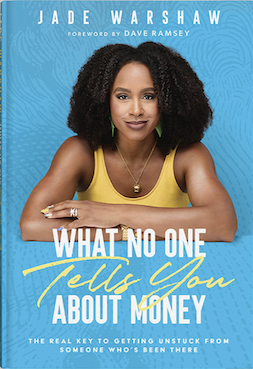 About Money, the newest release from bestselling author and “The Ramsey Show” co-host Jade Warshaw. Ramsey Press says, “Warshaw draws from her own journey of paying off more than $460,000 of debt to offer readers a clear, practical way forward. She pairs honest storytelling with simple, hands-on tools readers can use to break cycles and build confidence that lasts. Unlike traditional money books that focus only on tactics. Warshaw adds, “People don’t need just another plan — they need a way to understand what keeps pulling them off track. When you deal with the emotional weight behind your money choices, that’s when real progress starts.”
 The risk is real. Suggesting that a technique used with great success in the recent past might be beneficial to the present is a perilous course. Is the idea out of touch with today’s reality? Is the author ignoring current trends?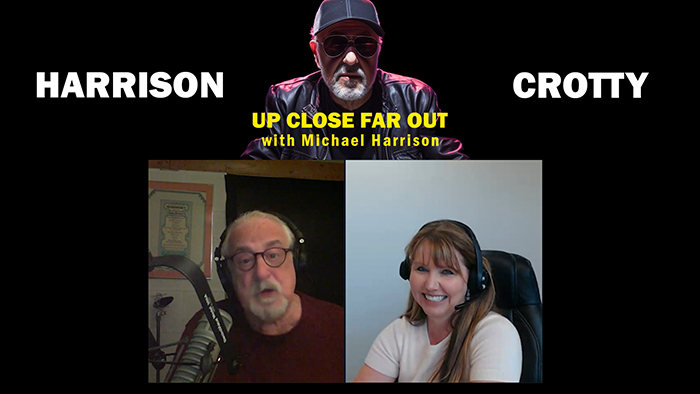
 Counting.” KBLA personalities Tavis Smiley, Dominique DiPrima, and Nii-Quartelai Quartey will speak with a panel featuring survivors, community leaders, activists, experts, and more to “reflect on the 100 days since the fire erupted and address hard and heart questions about where the community goes from here.” KBLA says this is part of its continuing coverage of the fire, the aftermath, and its long-term impact on the Black community in Altadena. The station also broadcasts a one-hour, weekly live program called “Conversation Live: Altadena Rising,” hosted by James Farr.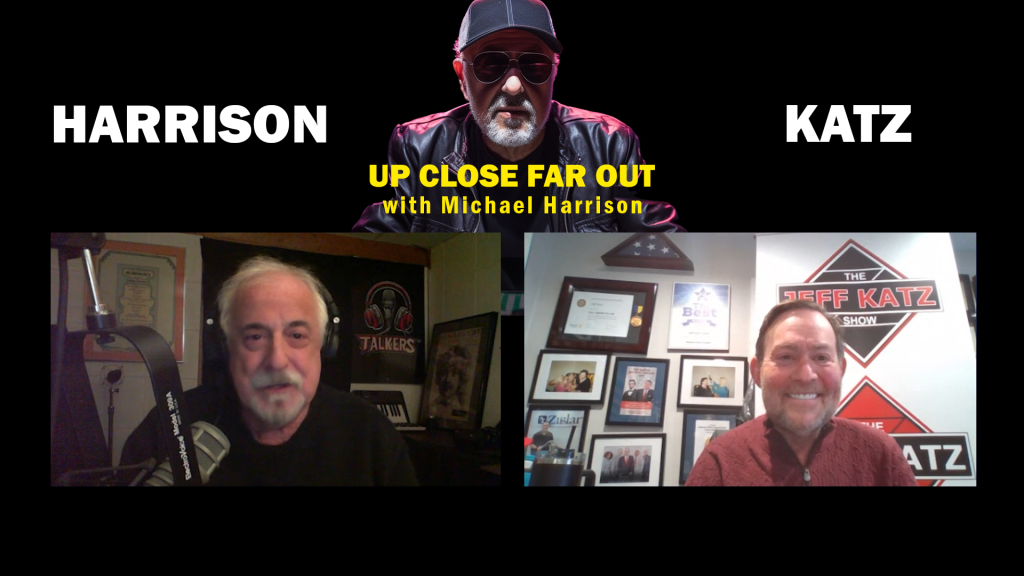
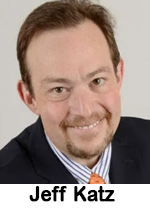 Longtime talk radio mainstay and TALKERS Heavy Hundred member, Jeff Katz is this week’s guest on the award-winning PodcastOne series, “The Michael Harrison Interview.” Katz is the tremendously popular 3:00 – 6:00 pm host at Audacy’s WRVA, Richmond, VA where he has developed a national reputation within the broadcasting industry as a champion of public service and community outreach.
 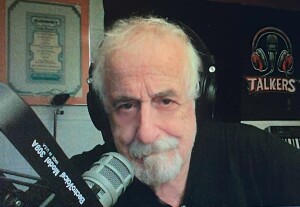 In addition to being a compelling political commentator and dazzlingly entertaining personality, Katz – a former Philadelphia police officer – has worked tirelessly for years as a champion of law enforcement, the needy, and the disabled. A former recipient of the TALKERS “Humanitarian of the Year” award, Katz has received numerous honors over the years from public officials including the President of the United States, Director of the FBI, and Governor of Virginia. Just recently, VA Governor Glenn Youngkin appointed Katz to the Virginia Board for People with Disabilities. Katz and Harrison discuss radio’s handling of the current water crisis afflicting central Virginia, which has been overshadowed, in terms of national attention, by the Southern California wildfire disaster, in addition to the importance of radio as an invaluable societal safety net. Don’t miss this. To listen to the podcast in its entirety, please click
  The research notes millennials (ages 27-42) are the most concerned at 83%. The survey finds people are feeling the effects of the higher costs of goods and services, and they remain concerned about inflation. In addition, 37% said their finances are in worse shape than four years ago. Thirty-four percent said their finances are about the same, while only 29% said they’re better off than they were four years ago. The research indicates more than half (52%) of Americans believe the U.S. presidency has a major impact on their personal finances. “We encourage every American to go out and vote,” said Dave Ramsey, personal finance expert and host of “The Ramsey Show.” “But remember, what goes on in your house is a whole lot more important than who’s in the White House. The research shows that less than half of Americans believe a written household budget is the way to win with money. That has to change, or nothing will.”
 Heavy Hundred mainstay Mark Levin will host an original content series. Yael Eckstein, president/CEO of The Fellowship, will serve as co-host of the series and lend insight from her expertise as a resident of Israel. The series will explore Jewish cultures and tradition, the significance of Judeo-Christian values, the historical hatred of Jews through the centuries, and the centuries-old cycle of violence that led to the devastating attacks on October 7th. The series will feature four episodes in 2024. “I am very excited about our new podcast partnership with The Fellowship,” said Levin. “It is a fantastic organization with a wonderful mission and a truly righteous group of people, from the president and CEO Yael to her dedicated team.” Ekstein tells TALKERS, “At a time when the world seems to have once again turned on Israel and the Jewish people, I feel so blessed to partner with Mark Levin – a strong voice for Israel,” adding, “Together, as we discuss and find inspiration in how Israel is standing up for democratic societies around the world, we are continuing to build bridges of understanding to help combat the terrifying rise in global anti-Semitism.” The four episodes will be released on 10/2, 10/23, 11/20, and 12/18.
 Audacy, Inc. announced yesterday (9/30) that it has successfully completed its financial restructuring, implementing a fully consensual, deleveraging transaction that equitized approximately $1.6 billion of funded debt, a reduction of 80% from approximately $1.9 billion to $350 million. Sources at the radio giant – owner of more than 220 local stations including major all-news, news/talk, and sports talk outlets – say the company emerges as a “healthy, scaled, multi-platform leader in the dynamic audio sector, with total net leverage of approximately 2.7x, differentiated by its #1 position in exclusive, premium audio content.”
 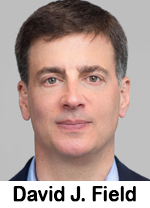 Audacy will continue to be led by David J. Field, its current president and CEO, and its existing management team. Field will also serve on the company’s new board of directors. Field states, “We are pleased to have successfully achieved all of our restructuring goals, emerging with an outstanding balance sheet, delivering industry-leading growth, serving our listeners and advertisers with excellence and honoring our commitments to employees and partners,” adding, “Today, Audacy embarks on our next chapter, capitalizing on our position as a scaled, multi-platform audio leader, differentiated by our exclusive, premium audio content, including our unrivaled leadership in sports audio, powered by our industry-leading financial strength and focused on accelerating our innovation and digital transformation. We are maximizing a broad set of opportunities to further accelerate our growth for the benefit of Audacy and all its stakeholders.” In conjunction with the completion of its restructuring, Audacy is expected to become a private company. Audacy’s restructuring comes after the FCC’s commissioners gave a thumbs up on the assignment of licenses held by the radio giant to a new, post-bankruptcy version of the company on September 18, allowing the radio giant to bypass the commission’s review, at least temporarily. According to reliable reports, the Soros Fund Management, led by billionaire investor and powerful supporter of liberal causes, George Soros, acquired over $400 million of the radio company’s debt, making it the largest contributor among a group of lenders looking to exchange loans for stock. Concern grows in the radio industry and related political circles, including some Members of Congress, that the influence of Soros’ political leanings might be felt in the programming of Audacy’s all news stations and predominantly conservative news/talk outlets.
 Wall Street investors do not put up money for traditional radio and television stations.
 Many Americans have been, in the two years since the Supreme Court punted the issue down to the states. For suburban women voters in swing states, it is – by far – the number one issue, per a Wall Street Journal poll. It tipped 2022 midterms and 2023 elections and swung other elections in battleground states.
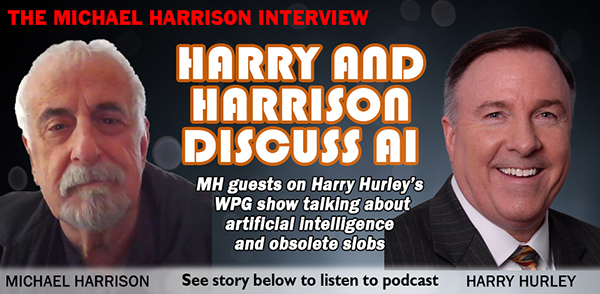
 be able to alter the course of established radio stations and the marketplace of ideas before the 2024 election or even soon thereafter. Harrison told “America at Night” host Rich Valdés last night (5/22) that radio is far too idiosyncratic an industry – already run by too many people who don’t understand how it really operates – for someone (who also doesn’t really have first-hand experience in the field) to just step in and make drastic alterations to entrenched stations, formats, audiences and sponsors just to make a political statement. Harrison states, “There are more
  expedient uses of his money if that is his main purpose. After all, not all Audacy stations are conservative news/talkers… many are music, sports and a variety of formats. How inefficient such a move would be!” Harrison went on to say that radio is still an extremely powerful and potentially lucrative medium if only its present owners and operators believed in it and invested in its programming and marketing. He encouraged radio broadcasters to understand and believe in the “esthetic of ‘radio’ and not be so anxious to bail out into the utilitarian term ‘audio.’” Harrison and Valdés tied the discussion into the current news about the AM for Every Vehicle Act currently making its way through Congress stating that radio is still a lifeline for service to the community as a place for information, education, and entertainment and that eliminating it from automobile dashboards would be about “five to 10 years premature.”
  defaming two Georgia election workers, and they were accusing him of make new false accusations against them.
  talking about the 2020 election for three years and was never made aware that election talk was off limits. In The New York Times story Giuliani states that WABC’s policies on this topic are “a clear violation of free speech” to which TALKERS founder Michael Harrison comments, “As a lawyer, former attorney
 general and former mayor, Giuliani should know better than to muddy the waters about ‘free speech’ by citing it and distorting it for his own defense in this manner. The letter of the law regarding the First Amendment protects the rights and responsibilities of Catsimatidis as the licensee and platform owner in this situation. And as far as the spirit of the law as indicated by the general term ‘free speech’ is concerned, the understanding between these two men as to what Giuliani can discuss on WABC is completely subjective and ultimately based on what the licensee determines at any given moment to be in the best interest of the platform, its listeners and most importantly, the truth.”
  Glenn Beck, Sean Hannity, Jesse Kelly, and Clay Travis & Buck Sexton, as well as Key Networks’ Bill O’Reilly. The story indicates the station’s cume has skyrocketed from about 2,100 listeners per month to 29,000 in the first week after the change (Sept. 7-13). Adell tells the paper he has no regrets about the move, “The more divided we are, the better it is for radio. It comes down to one thing — show business. If we live in a utopia, we have nothing to talk about.” Adell also says he expects cume to jump to 200,000 per month as he continues to promote the new lineup. At the time of the change, the Black community was upset with the firing of the (unpaid) hosts and the format flip, but Adell said it was purely a business move. “[T]he format was no longer profitable and only attracted about 2,100 listeners a month, an abysmally small audience for a radio station. When you look at it, no one supported it. I couldn’t get the community to support it.”
  Many news/talk stations broker weekend hours to professionals who host ask-the-expert shows to attract new clients.
 the history making adventure of a lifetime, blowing the lid off the Iran-Contra scandal and almost taking down the Reagan presidency.” Former New York Times bureau chief Stephen Kinzer states, “During the 1980s and 1990s, Cookie Hood was the single driving force behind the most successful television coverage of Central America that appeared across the United States. ‘Journalista’ is a series of stories over four decades in the making and will entrance each listener to the realities of what really happened during that time.”
 It looks like the podcast business is hitting those ever-present speedbumps.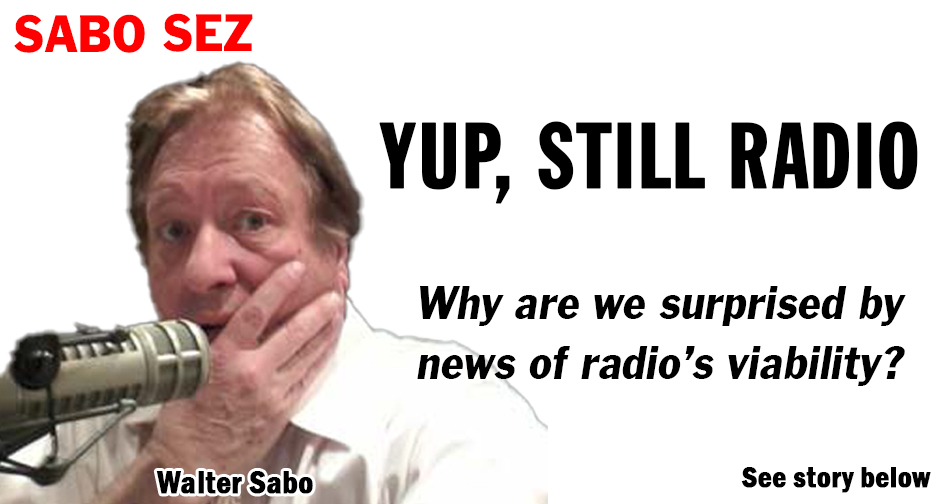
 The show helps financial advisors and investors with the five personal finance topics that matter most: Longevity, Retirement Security, Exponential Technologies, Blockchain & Digital Assets, and Health & Wellness.” Edelman is a New York Times bestselling author of 12 books on personal finance and won “book of the year” awards from the Institute for Financial Literacy and the Society of Business Writers. The podcast is available on-demand globally across all major podcast platforms, including Apple Podcasts, iHeartRadio, Google Podcasts, Spotify, Stitcher, YouTube and TheTAYF.com.
 of Americans listen to AM/FM radio as part of their daily audio consumption. Podcast listening gets 20% with ad-supported streaming getting 16%, and ad-supported satellite radio accounting for 2%. The report also indicates that the news/talk radio format maintained its position as the top format with 10.9% share of total radio listening (P18+), a slight uptick from the 10.8% it captured in Q4 2025. All-news listening also increased, climbing from 2.7% to 2.9%.
  program. WPEN-FM “97.5 The Fanatic” program director Scott Masteller states, “John has brought tremendous passion, professionalism, and authenticity to our morning show and to the Philadelphia sports community. He’s been an important part of the station’s success, and we’re grateful for everything he has contributed both on the air and behind the scenes. We fully support his decision and wish him and his family nothing but the very best in this next chapter.” About his decision to leave the show, Kincade says, “After a great deal of thought, I’ve decided that this summer will be the right time for me to step away from mornings at ‘The Fanatic.’ This decision comes after a lot of reflection following my cancer battle and thinking carefully about what’s best for me and my family moving forward. I’m incredibly grateful to Beasley, to my teammates, and most importantly to the Philadelphia listeners who welcomed me back home in 2021 and supported me every step of the way. I’m proud of what we’ve built on the morning show and very confident in the future of ‘The Fanatic.’ There’s a tremendous team here both on-air and behind the scenes. I’m not retiring, and I’m excited to eventually explore what comes next professionally. Philadelphia has meant so much to me, and I can’t thank the fans enough for their support, especially during my health journey.”
 and television professionals facing acute hardship due to catastrophic illness, disaster, or other life-altering circumstances. BFoA president Tim McCarthy states, “We have a responsibility to stand beside our fellow broadcasters when devastating illness or catastrophe turns their lives upside down. Giving Day is an opportunity for every broadcaster — individuals and companies alike — to make a meaningful difference for colleagues facing unimaginable challenges. Our industry takes care of its own, and together we can ensure no broadcaster faces hardship alone.”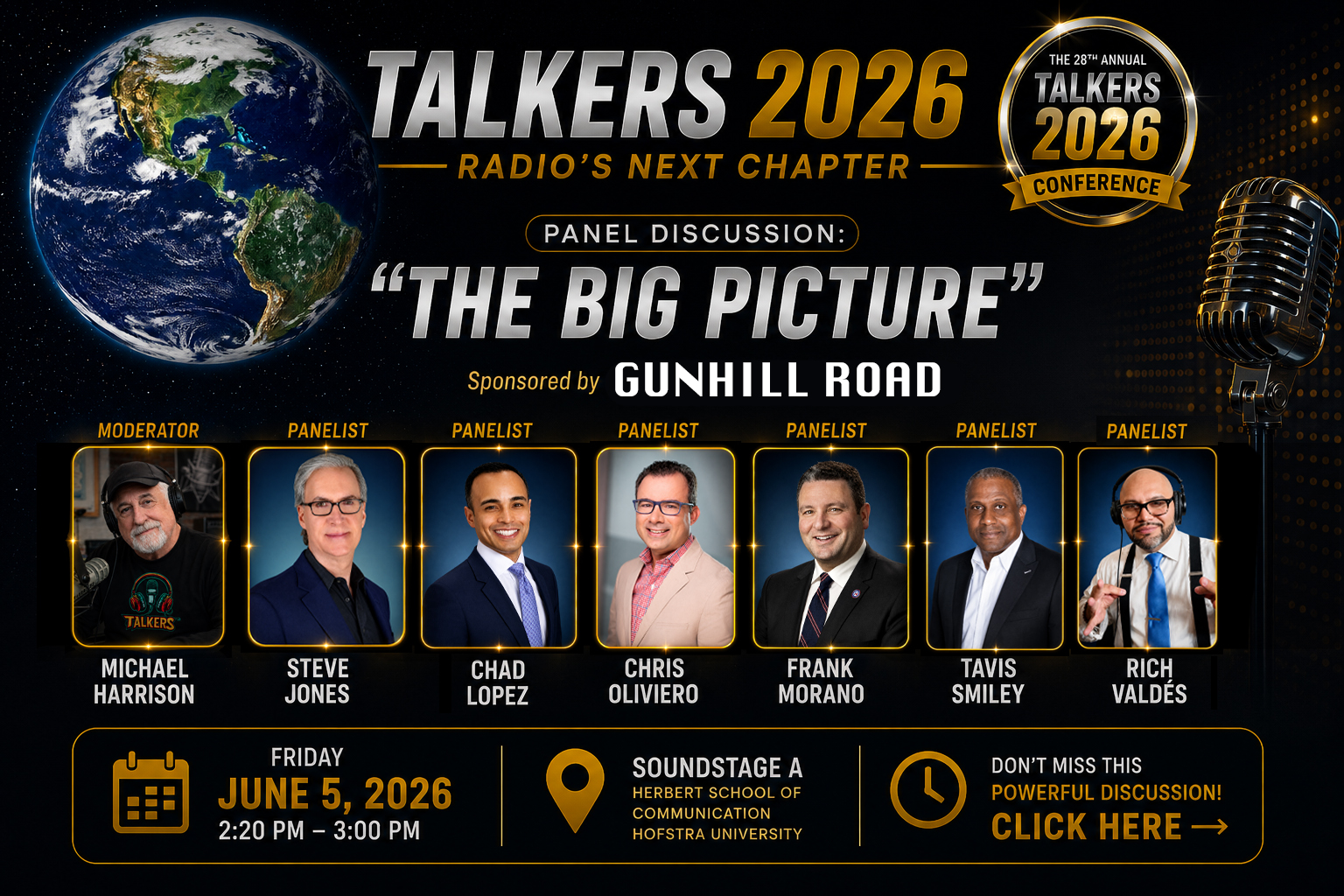
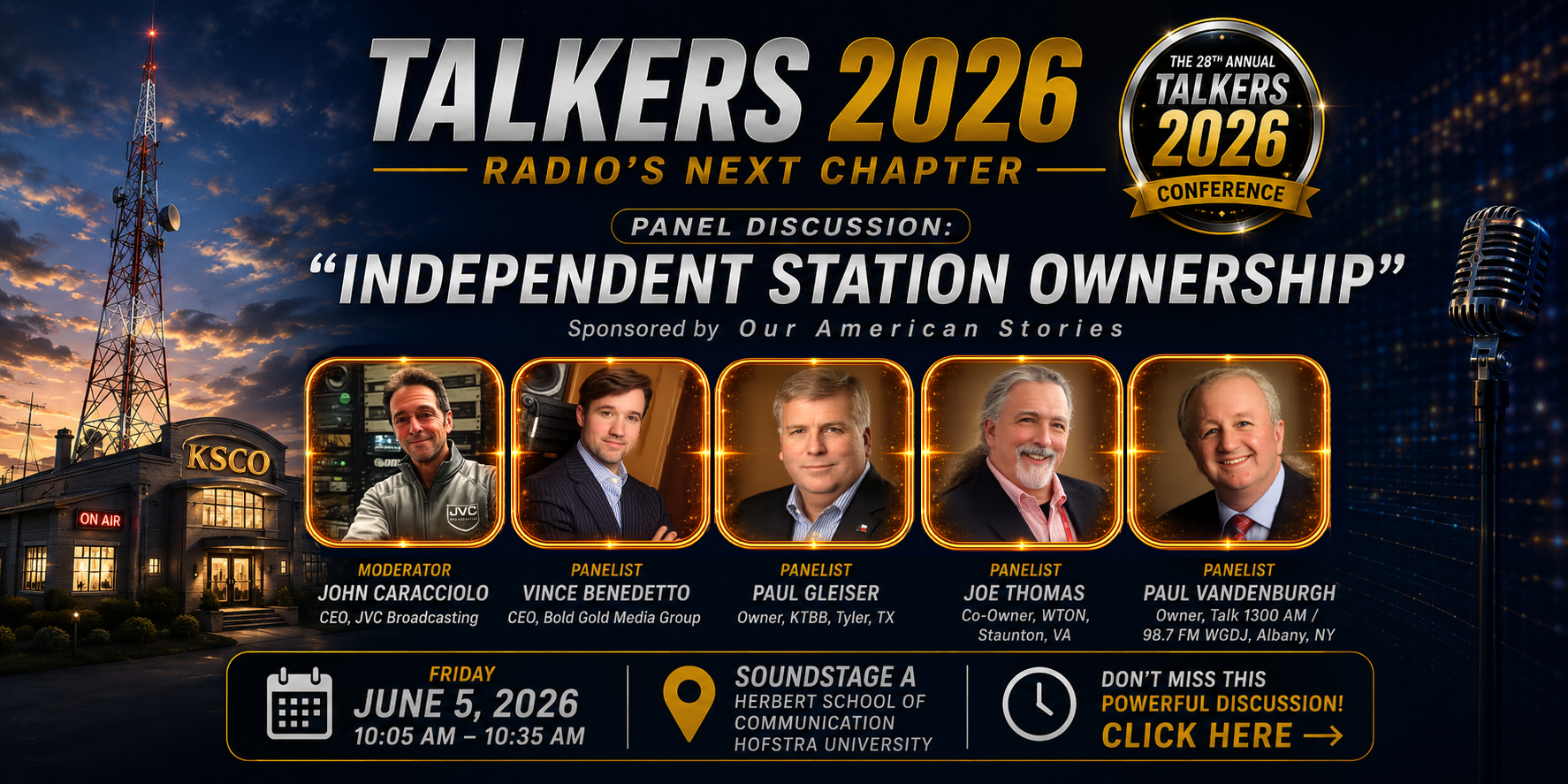
 The iconic TALKERS conference is coming up this Friday (6/5) and, again, I am looking forward to it. As a practicing therapist and prolific talk show guest for over two decades, I find this unique gathering to be a productive educational and social ritual. It provides an opportunity to make new friends, strengthen existing relationships, and learn new things about the ever-evolving talk media industry. We have similar issues in the mental health field marked by encroaching corporatism in a business once fueled by “mom & pop” operators and independent practitioners.
 off – at least for now. That the two media firms were in preliminary talks first broke in early May. As DealBook notes, there is a history between the two companies: “Liberty SiriusXM Group, once an affiliate of John Malone’s media empire, used to hold significant stakes in both companies. Liberty SiriusXM eventually sold its stake in iHeartMedia (primarily a broadcast radio company) and split off its ownership of SiriusXM (primarily a satellite radio company) into a separate entity.”