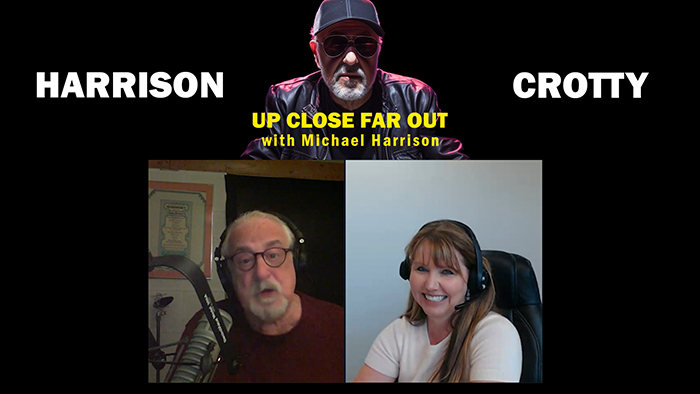
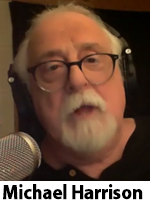
In its latest post (7/2), “Up Close Far Out” – a YouTube video series hosted by TALKERS publisher Michael Harrison – takes a deep dive into the rapidly evolving world of radio, examining the state of the radio device itself – the actual appliance – from the perspective of those on the front line of its development, manufacturing, marketing and distribution.
What is the state of the gizmos we call “radios” in the early decades of the digital era?
Is radio an obsolete technology on its last legs or is the device going through an exciting evolution in terms of its technology, content and broader societal purpose going forward into a brave new world?
What is the difference between “radio” and the broader term “audio?”
What impact does the prospect of ongoing tariff wars have upon the domestic radio manufacturing industry? And what exactly does it take to move back and develop a new product such as a modern radio in the USA?
Harrison’s guest, Jessica Crotty, is an important player in that industry. She is the CEO of a small, but highly influential, Northern California-based company – C. Crane – that for more than three decades has specialized in manufacturing, aggregating, distributing and marketing radios and radio-oriented devices for the platform’s most ardent fans.
The company’s focus on radio literally began as a “mom & pop” operation by draftsman, designer and electronics engineer Bob Crane, his wife Sue, and Grandma Faye who ran the fledgling business at the kitchen table of their home north of the “Redwoods Curtain.”
Since selling their first AM antenna, C. Crane has grown into a nationally respected “boutique” electronics company. They have developed several outstanding radios to serve radio listeners who prefer information, talk radio and audio tuned for voice clarity. After several near 7.0 earthquakes, in 1992 they added radio and light products that would become essentials during an emergency event anywhere in the country.
Jessica Crotty launched her professional career with C. Crane almost three decades ago working her way through the ranks from customer service all the way up to being CEO and a company principal.
Crotty and Harrison engage in a candid, information-packed conversation exploring the evolving technical and cultural intersection between radio’s glorious past, underrated present, and potentially impactful, but somewhat ambiguous, future. If you are interested in radio as a broadcaster or a fan, you do not want to miss this interview.
To view the video in its entirety, please click here.


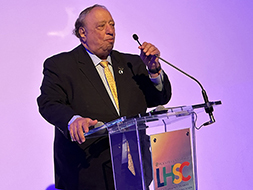 University on Long Island. TALKERS publisher Michael Harrison states, “The selection of ‘Cats’ as keynoter is in keeping with one of the major themes of this year’s edition of the iconic industry event – radio, talk media, and entrepreneurism. John Catsimatidis is presently setting the greatest example of entrepreneurism at work in giving an injection of much needed energy, focus and life to the medium of radio.” Harrison will serve as facilitator of the presentation in a Q&A / interview style format – a role he has played before with the dynamic billionaire media, grocery, and energy mogul.
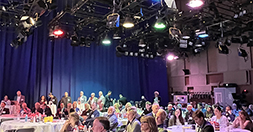 Catsimatidis will be joined by more than 60 speakers comprised of legendary industry figures as well as fresh faces and rising stars. A detailed agenda including speakers and schedule – a “who’s who” of industry luminaries – will be posted in TALKERS this coming Tuesday (4/28). See the link below for the names of all speakers booked to date.
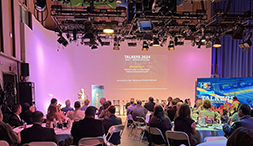 Harrison continues, “This important conference will illuminate the forward path of the expanding talk media universe, including all aspects of digital communications from AI and podcasting to streaming networks. As has been its tradition, this latest TALKERS conference will approach the onrushing future of the talk business from a radio perspective. This crucial gathering will cover the new undeniable realities of the radio business for those who not only want to survive but thrive as well. It will be about opportunities, networking, and entrepreneurism for individuals in talent, programming, sales, marketing, and management who are serious about staying in the game.”
 newscast that some 700 stations respected enough to put on their air. Schwalb tells the Tribune, “Conversations have been going on since the announcement, and I think we get closer and closer to a decision every day. But we have to be very careful and be very diligent about making sure the product that we select is going to make sense from a listener perspective and a revenue perspective as well… CBS has been a great top-of-the-hour news piece for a long time, but it’s a very small percentage of what we do in a given hour between business, traffic and weather together on the eights, local news – the strongest local newsroom in Chicago radio.”
  As a newly minted program director (remember them?), I found the 1980 “NAB Radio Programming Conference” downright enchanting. New-tech cart machines (remember them?) would FIND the splice! And after the cart played, a flashing light saved careless DJs from accidentally playing it again.
 founder Michael Harrison on WPRO, Providence’s “The News with Gene Valicenti” discussing the shutdown of CBS News Radio. The two seasoned broadcasters took an analytical look at the past 100 years of broadcast journalism – from Edward R. Murrow to modern times – comparing the role and impact of early day giants such as William S. Paley (CBS), David Sarnoff (NBC), and John W. Kluge (Metromedia) to today’s crop of moguls including the Ellison family’s Larry Ellison (Oracle) and his son David Ellison (Skydance Media) who now control Paramount, CBS, and a variety of other media and technological ventures.
 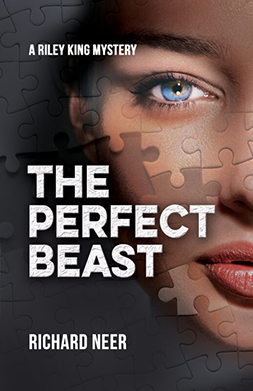 media enthusiasts, including the invasion of AI into the talent job market. Neer first established himself as a heavyweight author in 2001 when he penned the landmark FM: The Rise and Fall of Rock Radio. In The Perfect Beast, Neer poses the question to his fellow broadcasters, “Ever wonder if your job will someday be taken by an AI facsimile of your act?”
  The story also deals with how a commentator’s words can be twisted and misused, resulting in something evil. TALKERS publisher Michael Harrison (who makes an appearance as himself in The Perfect Beast) describes Neer as a media “Renaissance man.” Neer can be contacted for interviews via email at
  during an informal conversation with his longtime friend, music industry publicist Anne Leighton on her YouTube program, “The Anne Leighton Inclusion Interview.” Harrison talks about the evolution of radio and its influence on popular culture through more than a half century of
  broadcasting adventures including his present-day role as a member of the classic rock band, Gunhill Road. Harrison states, “Anne is such a unique player in this business – a longtime proponent of music discovery – she has such a respect for the artists and their fans. Her podcast is SO refreshingly grassroots. It was a remarkable, fun experience talking with her about all that cool stuff.” Fans of music and radio history should not miss this.
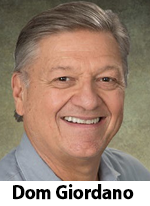 Giordano is a political commentator, social generalist and seasoned expert on education. He is a former Pennsylvania-based schoolteacher whose keen insights, innovative ideas, and communication skills were discovered by talk radio in Philadelphia in 1987 when, after serving as a dependable “go-to” source on education, he became a fulltime host on WWDB-FM. In 2000, he moved over to powerhouse WPHT 1210 am in Philly where he has been broadcasting ever since. In addition to his enduring radio presence, Giordano hosts several podcasts including the groundbreaking “Old School, New School, Next School” which takes a critical-but-constructive view of America’s education crisis and is must-listening for parents who care about their kids and the future of America. Get ready for a no-holds-barred view of such hot topics as school choice, the tyranny of social media, the distraction of smart phones, short term attention spans, bullying, the threat of guns and violence, responsible parenting, media complacency, and a whole lot more.
  gathering – will take place February 19-21 at the Sheraton Times Square Hotel in midtown Manhattan.
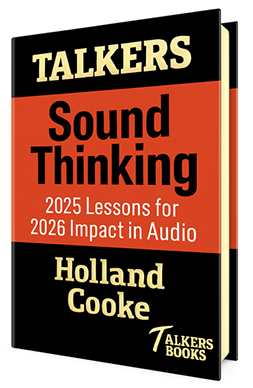
 With the conclusion of 2025 at hand, we are entering the second half of the third decade of the 21st century. It will be a remarkably transitional period for the talk radio industry and its closely associated fields in talk media, as well as media-in-general.
 appreciate this real estate, and your feedback.
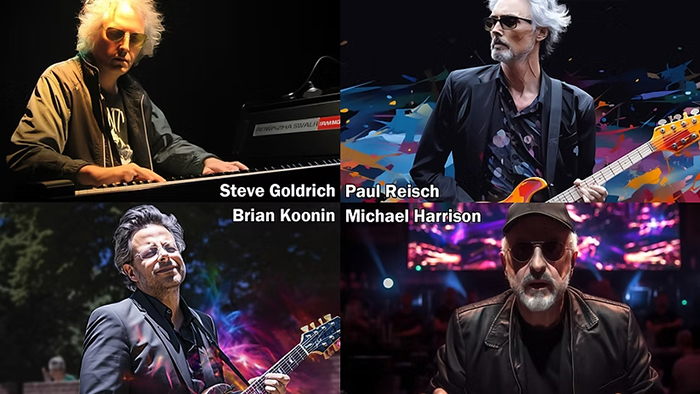

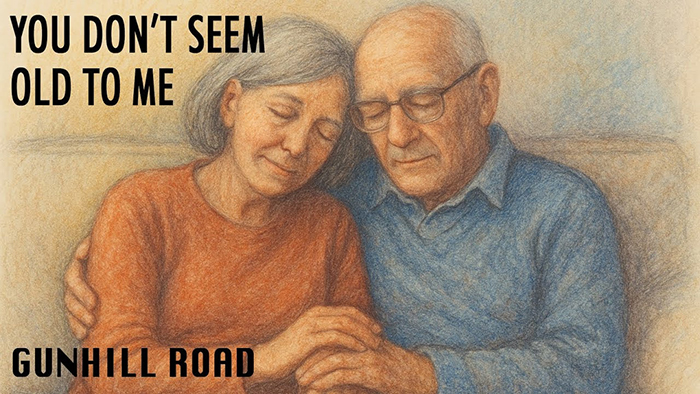
 examining the lifelong love affair of a fictional couple from childhood to old age – an emotional roller coaster ride reflecting the romantic ups and downs of a complex relationship. The tear-jerker is a departure from the heavy-hitting social commentaries that have made Gunhill Road a favorite among talk radio hosts and audiences for the past half decade. The intriguing group, formed in the late 1960s, is still going strong with core members Steve Goldrich, Paul Reisch, Brian Koonin, and Michael Harrison. Matthew B. Harrison produces the ensemble’s videos that employ leading-edge techniques and technology. Ms. Farber, who shares lead vocals on the song with Brian Koonin, is a talented singer, songwriter, and instrumentalist with a number of singles, albums and television commercial soundtracks among her credits. She is presently an advocate for the well-being of nursing home residents and organizer of initiatives to bring live music into their lives.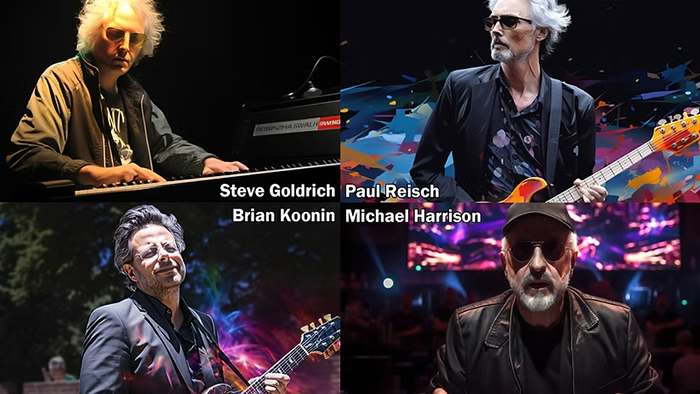
 and the gut-wrenching chaos of informational overload. Non-partisan lyrics cry out: “Too much information clogging up my brain… and I can’t change the station; it’s driving me insane!” Co-written and performed by band members Steve Goldrich, Paul Reisch, Brian Koonin, and Michael Harrison, the dramatic images accompanying the music include a dynamic montage of exasperated people being driven to the brink of madness by the pressure of what feels like non-stop, negative NOISE. Produced by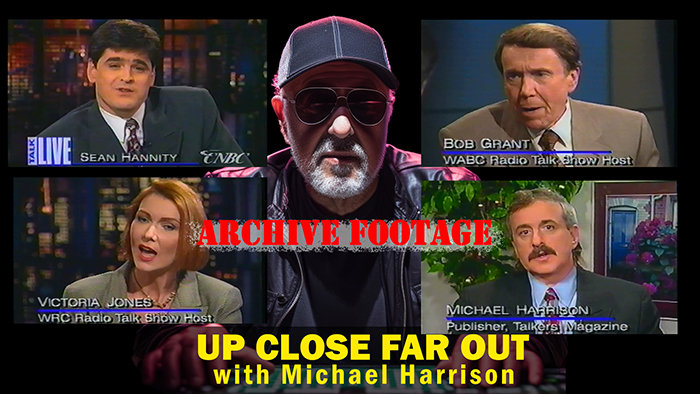


 newsprint tabloid, TALKERS proclaimed that “talk radio” was, indeed, an “industry within an industry” and worthy of its own, unique full-service trade publication. Founded by pioneering radio broadcaster (KMET, WNEW-FM, WLIR-FM, WCBS-FM, WPIX, KPRI, CBS, Westwood One, RKO) Michael Harrison, who also brought his experience with publications including Radio & Records, Goodphone Weekly, and Billboard to the table, the independent journal went on to produce annual conferences, numerous radio shows, and contribute to the ongoing success and influence of a variety of spoken word formats and talk media offshoots.