


Industry News

Straight from the Lip: Random Thoughts, Rumors, and Tidbits – Thanksgiving Edition

By Libby Lipschitz
Street Editor
TALKERS

imgWelcome, everyone, to the second installment of my new weekly (Thursday) column.  This one comes a day early because TALKERS will be closed tomorrow and Friday for the Thanksgiving holiday weekend.  Actually, the word “closed” is obsolete in this brave new world, at least in the media. No outlet worth its salt ever really closes. That’s why almost everyone in this business suffers from anxiety to one degree or another. Ok, enough of the psychobabble, let’s get on with it…SPEAKING OF ANXIETY: Our friends at C. Crane – manufacturers and distributors of radios and radio-oriented devices – indicate they’ve experienced a rush on the sale of AM/FM radios because of the heightened “doomsday” mentality that’s sweeping the nation in the aftermath of tech outages, airplane groundings, and worry over dirty bombs.  One particularly popular model, the CC Radio Solar, which includes such features as AM and FM bands, solar panels, generator crank, battery capability, flashlight, and superb sound, is actually sold out! C. Crane CEO Jessica Crotty semi-jokingly tells TALKERS, “Radios sell well when people think the world is coming to an end.” There will be a lot more on this in TALKERS this coming Monday.  Meantime, check this out… Something exciting is happening in the Providence radio-TV market. Longtime WPRO morning mainstay and NBC 10 nightly news anchor Gene Valicenti recently launched an informal, daily, one-hour 3:00 pm talk show on the Sinclair-owned TV outlet titled, “Gene Off-Script,” that’s crushing it in the ratings. Valicenti tells TALKERS, “It’s like a radio talk show on a big time TV station.” Take a look at this recent excerpt from the show in which Valicenti chats it up with noted media consultant and my fellow TALKERS columnist, Holland Cooke… SPEAKING OF HOLLAND COOKE, his superb month newsletter’s December edition drops today. Check it out here… YA KNOW WHAT THIS INDUSTRY NEEDS?  More independent owner/operators of talk stations that reflect the passion for the format embodied in their devoted local skippers. Broadcasters like Bill Brady at KFNX, Phoenix; Tavis Smiley at KBLA, Los Angeles; Paul Vandenburgh at WGDJ, Albany; Paul Gleiser at KTBB, Tyler, TX; Michael “MZ” Zwerling at KSCO, Santa Cruz; Todd Starnes at KWAM, Memphis and Vince Benedetto at Bold Gold Media Group based in Scranton, PA. There are more, but you get my drift. I guess John Catsimatidis (WABC, New York) belongs on that list (kinda, sorta) as well… HAPPY THANKSGIVING! There used to be a tradition in music radio that spread to talk radio for a while a number of years ago (I’m showing my age) and that was the playing of the full version (18+ minutes) of the epic 1967 recording of “Alice’s Restaurant Massacree” by the legendary Arlo Guthrie as a Thanksgiving Day programming staple. Eventually it faded. But if I recall, Walter Sterling had the balls to air it on his maverick talk show last year, which emanated at the time from WPHT, Philadelphia. Now Sterling hosts “The Other Side of Midnight” 1:00-5:00 am on WABC and the Red Apple Network and if you haven’t noticed (and most people haven’t), his ratings in that potential-laden time slot are off the charts! I mean like unbelievable. Check out the song and don’t call me an old lady (unless I’m YOUR old lady).

Libby Lipschitz is the street editor of TALKERS. She is a composite character of the TALKERS editorial department. She can be reached via email at info@talkers.com.   

Industry News

WWO: AM/FM Advertisers Generate $15 in Sales for Every $1 Spent

This week’s blog post from Cumulus Media | Westwood One’s Audio Active Group looks at holiday AM/FM radio campaigns and their value to advertisers. Among the reasons to include AM/FM in imga holiday marketing campaign include the medium’s ability to reach consumers on the path to purchase. “Americans travel to and from stores and are in their cars to visit loved ones during the holidays. This is good news for advertisers. A study from RealityMine’s USA TouchPoints shows on a weekly basis, 53% of Americans 18-64 have been in a store and their car in the same half-hour.” Additionally, according to Nielsen data, “AM/FM radio campaigns generate extraordinary return on advertising spend for retailers. For every dollar spent, $15 dollars of incremental sales are generated.” See more from the blog post here.
Industry News

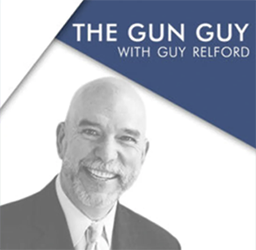
WIBC’s Relford Resigns from Station

WIBC, Indianapolis weekend talk host Guy Relford is leaving the Urban One-owned news/talk station after 11 years hosting the Saturday afternoon program, “The Gun Guy.” Relford is a imgconstitutional lawyer whose career has been dedicated to Second Amendment law. He says, “I have decided to leave 93 WIBC. The decision to leave was all mine. WIBC and Radio One were always fully supportive of my on-air fight for Second Amendment rights and for that I’ll be forever grateful.” The Indianapolis Star notes that Relford was in the spotlight for representing a Whitestown, Indiana man who allegedly shot and killed a 32-year-old house cleaner last year. That case is set for a jury trial next July. See the Indy Star story here.

Industry Views

The Political-Year Cash That Makes a Station’s November Look Healthier Than It Is in

By Ryan Joneson
GlassJar
Founder

imgPolitical and issue money can make a talk station’s books look good in an election year. There is a lot of money coming in fast, and much of it is paid before the spots air. The money can be in the bank by November, making that month the highest of the year.

The balance of the talk station’s books can spike up in November, but that spike is only temporary. The station has to live on it until spring, and reading the books correctly during that time requires three things: 1) separating the two types of money, 2) budgeting for the trough before it arrives and 3) watching a few key numbers that are not affected by the campaign money.

Separate political cash from recurring local billings

Political and issue advertising is concentrated into a few weeks, often paid in advance and does not renew. Local advertising through agencies is steady, recurring and paid on a 60 to 90 day billing cycle after the spots run.

The monthly total is the sum of local billing and political and issue advertising, but the underlying numbers for each of these two sources of revenue are very different. Let’s look at a hypothetical talk station that generates $150,000 per month in local advertising through the summer. Every figure here is round and invented to show the mechanism. Then, in October, the station runs $180,000 in political and issue advertising. So, for the month of October, the station generated $320,000 in revenue, the best month in years.

By separating the local and political billing, the picture for the talk station is much different. Local billing in October was $140,000, down from the summer average of $150,000. This was caused by political and issue inventory taking up space and several regular advertisers sitting on the sidelines for the month. Local billing in November dropped even further to $130,000 but was offset by $40,000 of political and issue billing. So the combined billing for the month was up but the local billing was down.

To be able to track the true health of the business, the political and issue revenue must be carried as its own line on the income statement and in the cash forecast for each and every month.

Budget the post-election trough before it arrives

The slowdown in local advertising won’t show up in cash until January, February and March, because agencies pay 60 to 90 days after airing. That is the first quarter of the year, which is thin anyway.

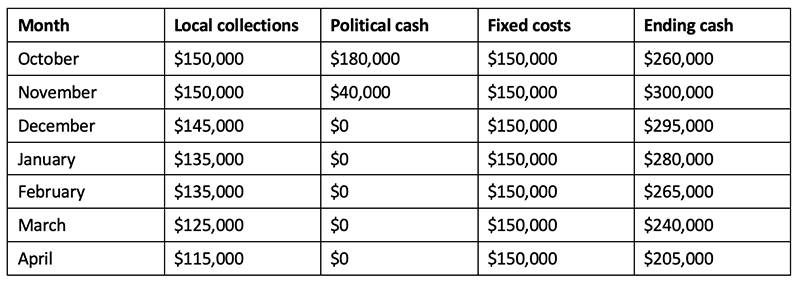
Let’s look at the cash for this station again. It starts October with $80,000. The local collections come in 2 to 3 months after the air date. The political money comes in when the campaign books. The fixed costs for staff, tower and transmitter, music and program fees are $150,000 a month.

img

November peaks at $300,000, then declines every month as the local collections lag behind the fixed costs of the station. By April, the station is down to $205,000, and spring billings haven’t started yet.

Again, nothing went wrong. No advertiser defaulted. No agency failed to pay on time. All of the decline in cash was from the collection lag of the local business, compared to the fixed costs of the station.

Now remove the political money. If the station had no political revenue, November would have ended at about $80,000. In April, the station would have been in the red by about $15,000. The political revenue is not profit to spend. Most of it is the cushion that carries the station through the trough its own local business created.

How much can you spend on other things? Set a floor. If you want to have 1 month of fixed costs in cash at all times, then that would be $150,000. The local-only forecast bottoms out at about minus $15,000. So, you would need to hold back $165,000 of the $220,000 of political cash to keep the station at its floor. That leaves about $55,000 of the political cash that is truly spare. If you need more than that for your plan, then you had better check with your accountant or banker before the trough starts.

The monthly numbers that tell the real story

After the campaign money is gone, these are the numbers that will tell the real story of the business:

  • Local billings against the same month last year, with political excluded.
  • Days to collect from agencies. If the average stretches from 75 days to 105, a full extra month of local cash lands after the trough instead of in it.
  • Months of fixed costs covered by cash. The example station sits at two months in November and about 1.4 by April.
  • Share of local revenue from the top five advertisers. If one renewal decides the quarter, that’s a risk worth seeing early.
  • Political and issue revenue as a share of the year, so a big election year isn’t used as next year’s baseline.

Run this each January:

  • Split last quarter’s revenue and cash into political and local lines.
  • Compare local billings with the same months a year earlier.
  • Forecast cash through April using the dates agencies actually pay.
  • Mark how much political cash must stay in reserve to hold the floor.
  • Budget only what’s left above that reserve.

An election year can be a very good thing for a talk station, but remember that it is a one-time cash infusion, not proof that the station has grown.

Ryan Joneson writes about the financial side of running a small business. He is the founder of GlassJar, which makes accounting software for small businesses and a free income statement template. He can be emailed at: ryan@tryglassjar.com.

Industry News

Gunhill Road Drops New Genre-Bending Music Video Utilizing Leading Edge Technology

img

When then-radio wunderkind Michael Harrison was playing (and championing) the popular band Gunhill Road on his daily WNEW-FM morning show in 1972, he never imagined that he would someday be a member of the group and still be breaking ground in the media more than a half century later.

The venerable music group Gunhill Road has been around in various incarnations since the late 1960s when it was co-founded in New York by Steve Goldrich and Glenn Leopold and joined shortly thereafter by Paul Reisch. The four-man group’s core lineup since 2020 includes songwriters Goldrich on piano, keyboards, and vocals; Reisch on guitar and vocals; noted Broadway instrumentalist and former New York Dolls player, Brian Koonin on guitar and vocals; and TALKERS publisher, Michael Harrison on vocals. Digital media and legal wiz Matthew B. Harrison produces the band’s signature videos.

Drawing its name from a famous Bronx thoroughfare, the group has received tremendous support and airplay on talk radio which has taken note of its contemporary subject matter, sharp lyrics and creative videos attracting an internet following now in the millions.

Gunhill Road topics include Idiocy, Scams, Artificial Intelligence, First Amendment Rights, Aging, Animal Welfare, Media Anxiety, and more. Their latest offering is a jazzy genre-bender titled, I Got a Line, from the group’s fifth album, But On the Other Hand. It is described as a New York City musical fable – a song about an out-of-work young actor (crooned by an old man) mashed up with the impressionistic story of an obscure rock band in the seventies trying to get a break. Humorous and whimsical, the video utilizes AI special visual effects, but the music performances – vocals, instruments, and song – are 100% organic.

Harrison, who performs lead vocals on the piece and co-wrote the composition, tells TALKERS, “I am blessed to still be immersed in leading edge media – audio, video, issues, music and even AI – at this seasoned juncture of my life.

To view the video in its entirety, please click here www.nycfable.com

To arrange an interview with Michael Harrison, please email info@takers.com or phone 413-565-5413.

Industry Views

Straight from the Lip: Random Thoughts, Rumors, and Tidbits

By Libby Lipschitz
TALKERS
Street Editor

imgWelcome to my new column which will, hopefully, become a regular Thursday feature in TALKERS (if it proves to be useful).  I’m honored to be picking up where my late grandmother, the colorful (and ballsy) Mona Lipschitz, left off back in the early decades of this iconic publication… OFF THE RECORD. We’re hearing that time honored journalistic disclaimer from programmers and talent in conservative news/talk radio (and associated media) more and more as the president continues to alienate, frustrate, and increasingly infuriate the format’s core audience and create a “positioning” problem for brand managers and program directors. This is especially apparent on stations and shows that are caller driven. The key word being used to express a new sense of balance in this upheaval is “betrayal” as broadcasters scramble to pass the buck back over to Donald Trump and not appear to be abandoning conservative principles that constitute the very spine of the format… THE DURABILITY, DEPENDABILITY AND UTILITY OF AM RADIO. Check out an important column posted in TALKERS today by dynamic New York City Council Member (and former WABC talk show host) Frank Morano who explains his two current proposals to that august body to 1) support the implementation of AM radios in city government vehicles; and 2) bolster the preservation of AM radio in general for the public safety. This is in response to the growing concerns sweeping the nation about the vulnerability of America’s electric grid in the wake of seemingly “random” outages. Morano is right.  I wouldn’t be surprised if someday he’ll be elected mayor or even governor. His background in radio and independent thinking make him a natural for this. And by the way, with talk of doomsday in the air, now is a good time to push the “radio” device as a great survival gift for the holidays. Click here… SPEAKING OF THE GRID, a popular and well-informed New Jersey talk show host whispers off air that these outages are not random but rather the nefarious handiwork of Iran, slowly and methodically “dicking” with us as their next steps in carrying out the war – which means it could get a lot worse before getting better.  Again, sell radios. Great for a
img
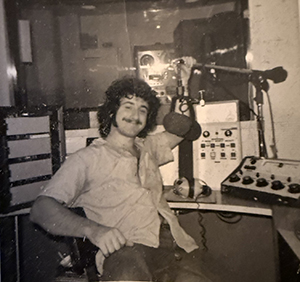
Michael Harrison on WNEW-FM 1971

picnic or Armageddon… WHAT’S OLD IS ‘NEW AGAIN. Interesting correlation between the two keynote speakers scheduled for the forthcoming Intercollegiate Broadcasting System (IBS) conference scheduled for NYC February 25-27, 2027.  Friday’s speaker will be WNEW-FM morning host Karen Carson and Saturday’s will be our very own Michael Harrison.  This represents an amazing span of time and perspective.  Harrison was morning host on that same iconic station at 102.7 in the Big Apple in 1971-72. Should be quite interesting and informative.  For more conference info please click here https://www.ibsradio.org/conferences… Okay that’s it for starters. It’s gonna get better and better. Feel free to send me stuff.

Libby Lipschitz is the street editor of TALKERS.  She can be reached via email at info@talkers.com.    

Industry News

Free Fisher House Programming Available for Thanksgiving Weekend

Fisher House Foundation is making the three-hour program, “Together in Mission: The Fisher House Journey,” available to news/talk stations free of cash and barter requirements to air imgduring the Thanksgiving Holiday weekend. Fisher House Foundation provides free lodging for military and veteran families while their loved one receives medical care. So far, there are more than 100 Fisher Houses that have served some 570,000 families. The radio program is hosted by nationally syndicated talk host Larry O’Connor and features the stories of real American service members whose families have been helped by Fisher House. It also includes conversations with Fisher House chairman and CEO Ken Fisher. Find out more about the show here.

Industry News

Glenn Beck Christmas Special Available to Stations

Premiere Networks syndicated talk radio host Glenn Beck is imgoffering a “warm, authentic and deeply personal Christmas celebration’ in the form of a three-hour radio special to stations. Titled, “It’s Christmas Again,” the program features Beck’s daughter, recording artist Cheyenne Grace, as well as family and friends. Listeners will also enjoy original music from Cheyenne’s new Christmas album of the same name. You can hear a preview of the show here.
Industry News

Report: New KMOX Owner Wants to Buy Townsquare Media

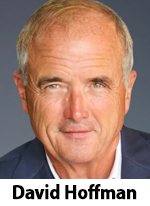
Missouri billionaire David Hoffmann’s Hoffmann Family of Companies is making an offer to acquire Townsquare Media for $2.03 per share in cash – an offer that is 50% above the company’s Monday (11/16) closing share price of $1.35. St Louis Magazine reports that Hoffmann – whose company owns the St. imgLouis Post-Dispatch, numerous other media proterties and is in the process of acquiring Audacy’s St. Louis stations (including news/talk radio KMOX) – owns almost 113,000 shares of Townsquare, says, “We believe a comprehensive acquisition represents a more effective path toward addressing the Company’s challenges and unlocking shareholder value.” The St. Louis Magazine piece writes, “Townsquare’s market capitalization (the value of its stock) is only around $25 million. In his letter, Hoffmann imgsays the company’s enterprise value (its total economic value) is more like $500 million. This ‘disconnect,’ he writes, creates an opportunity.” The Townsquare Media board of directors is reviewing the offer but has issued a statement saying it believes the offer undervalues the company and believes it will ultimately reject the offer. See St Louis Magazine’s story here.


Industry Views

The Radio Sales Playbook: We’ve Been Asking the WRONG Question!

By Harmony Tenney, MBA

imgRadio has been asking its clients the wrong question: “Did it work?” When the bottom line looks flat, everyone decides radio can’t be measured and walks away.

What we need to be asking is:

“How much new customer revenue (and how many new customers) did the campaign bring in?”

I learned that the hard way.

A local tree care company asked me to present a proposal to their president. Ninety minutes later, after I had answered every question he could think of, they signed an $18,000 annual agreement. I guaranteed a minimum 5% increase in revenue.

The campaign ran smoothly. We met every month. They gave me their seasonal themes: Summer Storm Repair, Fall Feeding, and Evaluating Tree Health. They loved their ads. By everything I could see and hear, they were happy.

Then renewal time came, and they hesitated to meet. When I probed, they told me revenue hadn’t increased. At all. Same dollar amount as the year before. They brushed me off. Hard.

Instead of walking away in silence, my in-house contact and I went looking for what occurred. The first problem:

  •      They hadn’t tracked monthly customer counts.
  •      They hadn’t tracked new customer revenue.

The only number anyone was watching was the bottom line.

My contact generously helped me dig through the records the hard way. And there it was: one of their largest commercial accounts, worth about $100,000 a year, had switched to another vendor during the campaign!

When we separated new customers from existing ones, the picture changed completely. Radio had brought in about $100,000 in new client revenue, enough to replace that account. For every dollar invested, they attracted about $5.56 in new business!

Flat wasn’t failure. Flat was proof radio could hold the line while their biggest customer walked out the door. They hadn’t taken a loss. Radio kept them afloat.

They didn’t renew. By the time we had the proof, I couldn’t get another appointment. The decision was made the day they looked at the bottom line and stopped.

A business owner’s total revenue is the sum of dozens of factors: the weather, staffing, a new competitor, a big customer leaving. Advertising is only one input. Judge a campaign by revenue alone, and radio becomes the fall guy. Not anymore.

In my client’s case, measuring new customer numbers from the start would have saved the account. Ask the right question up front, and those numbers add up month by month.

Dig deeper. Work the math. Get credit for what you grow.

Harmony Tenney, MBA, author of The Ultimate Radio Sales Playbook, is dedicated to connecting communities through radio’s superpowers. Radio Ink twice named her a Top Ten U.S. Radio Marketing Consultant. Reach her at Harmony@UltimateRadioSales.comor UltimateRadioSales.com.

Industry News

Pew Research: Trust in News Organizations Rising

According to data from Pew Research, after a period in which Americans’ trust of news organizations had fallen dramatically, people are now “more likely than they were a year ago to trust information from national and local news organizations.” Pew says imgtrust in information from national and local news organizations has risen in both the Republican and Democratic parties since 2025. Overall, 62% of U.S. adults say they have a lot of or some trust in the information they get from national news organizations – up 6% since September 2025 but still lower than a decade ago. Trust in local news organizations remains higher: 75% now say they have at least some trust in information from local outlets, up 5 points from a year ago. By contrast, 38% of Americans say they have at least some trust in information from social media sites, virtually unchanged from 37% in 2025. See more from Pew Research here.
Industry Views

Monday Memo: The Human Advantage in AI-Era Ad Sales

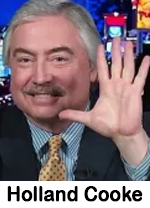
By Holland Cooke
Consultant

imgArtificial Intelligence is a game changer, for almost every game, including ours. And – while AI strengthens the case for radio – it also raises the bar for sellers.
“Why Brand Trust Matters More Today,” from the PR Vibes blog by global marketing agency Calysto Communications suggests a to-do list: 

  1. Arrive with insight the prospect can use. Business owners can get generic marketing advice without a sales call. Your rep adds value by understanding the owner’s situation:
  • A restaurant with open tables Sunday through Thursday.
  • A seasonal business that needs reservations before its busiest weeks.
  • A longtime business whose regular customers haven’t tried its newer service.
  • A retailer with last season’s models still on the floor.

So, your opening question becomes: “Where do you need more business?” Or, as I have often asked the prospect when accompanying a client station rep: “You’ve already got the-business-you’ve-already-got. What would make you… happier?”  

  1. Make your station easy to evaluate before the meeting. Your website should answer the prospect’s questions:
  • Who do you reach?
  • What can you help accomplish?
  • What does a campaign involve?
  • Sample commercials, client testimonials, case studies.

“Advertise with us” merely invites an inquiry. Evidence gives someone a reason to make one.

  1. Replace broad promises with documented examples. “We get results” is just a claim. A case study explains the advertiser’s goal, what aired, how long it ran, and what response was measured. Distinguish attributable inquiries from sales increases that may have several causes. Reps need a small collection of relevant success stories they can explain comfortably.
  2. Write commercials that give customers reasons to believe. Help advertisers identify promises they can consistently fulfill:
  • “Our quote includes installation and cleanup, so you can see the full cost up front.”
  • “We’ll explain your treatment options and costs before you decide.”
  • “Order by 4, and your dinner will be ready for pickup on your way home.”
  • “Try it at home for 30 days. If it doesn’t work for you, bring it back with your receipt.”
  • “You’ll get a reminder text the day before your appointment.”

Those details make a business’s value easier to understand than “quality service at affordable prices.” 

  1. Use familiar voices to demonstrate expertise. An advertiser answering useful questions can show listeners how that business thinks and helps. Your weekend expert shows, short advice features, and interview clips fit this opportunity. Commercial creative my stations find productive: the spot is disguised as an informative how-to feature, in which the advertiser explains common consumer issues.
  2. Check what happens after the commercial works. Before launch, review the advertiser’s website, current offer, phone response, and recurring customer complaints together. Does the experience support the promise in the spot? Advertising can generate an inquiry. The business must convert it – and deliver.
  3. Make follow-through part of the sale. Agree on the goal and how you’ll assess response. Confirm the schedule, check the landing page, review inquiries, and adjust the message when needed. The station builds its own credibility by doing what it promised.

As you put the pen in their hand: “Let’s give people a reason to remember you – and evidence that choosing you makes sense.”

Holland Cooke (HollandCooke.com) is a consultant working the intersection of broadcasting and the Internet. Follow HC on Twitter @HollandCooke and connect on LinkedIn

Industry News

“Cowboy Joe” Varner Exits WGOW, Chattanooga

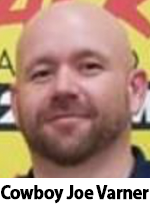
More air talent are finding themselves unemployed as Cumulus imgMedia’s staff reduction campaign continues. The company let longtime producer and co-host “Cowboy Joe” Varner go from the afternoon drive “SportTalk” show hosted by Scott “The Mighty Quake” McMahen and David “Pasquali” Paschall on WGOW-FM, Chattanooga. Varner had been with the station for the past 26 years. See the Chattanoogan’s coverage here.
Industry News

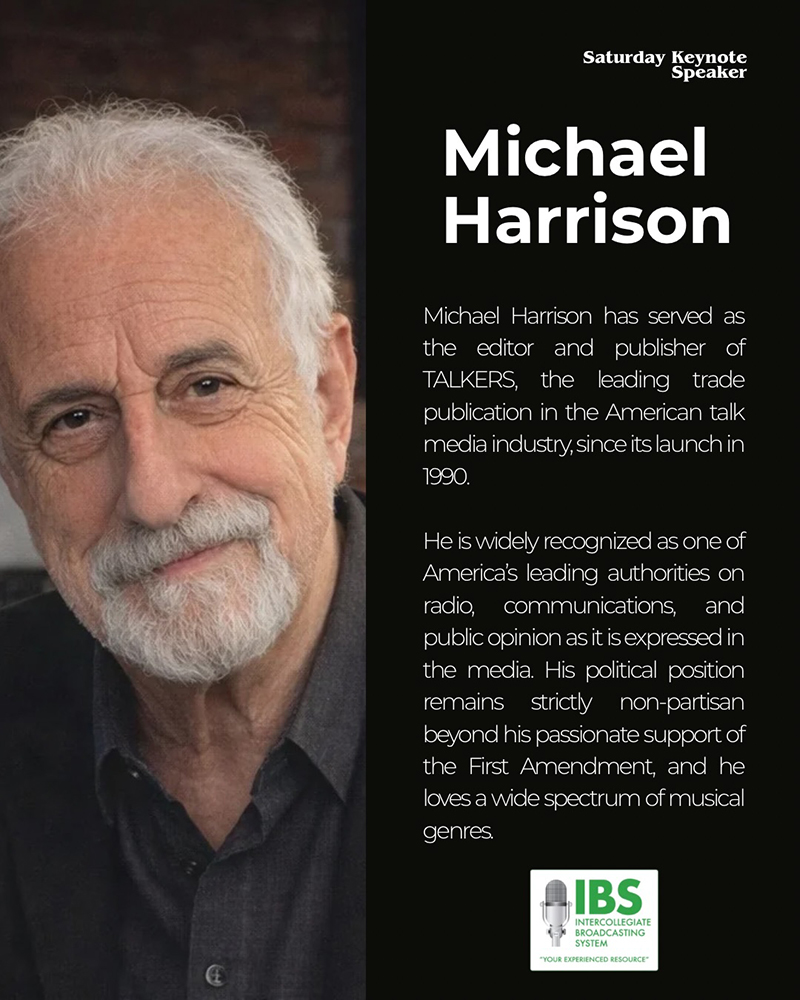
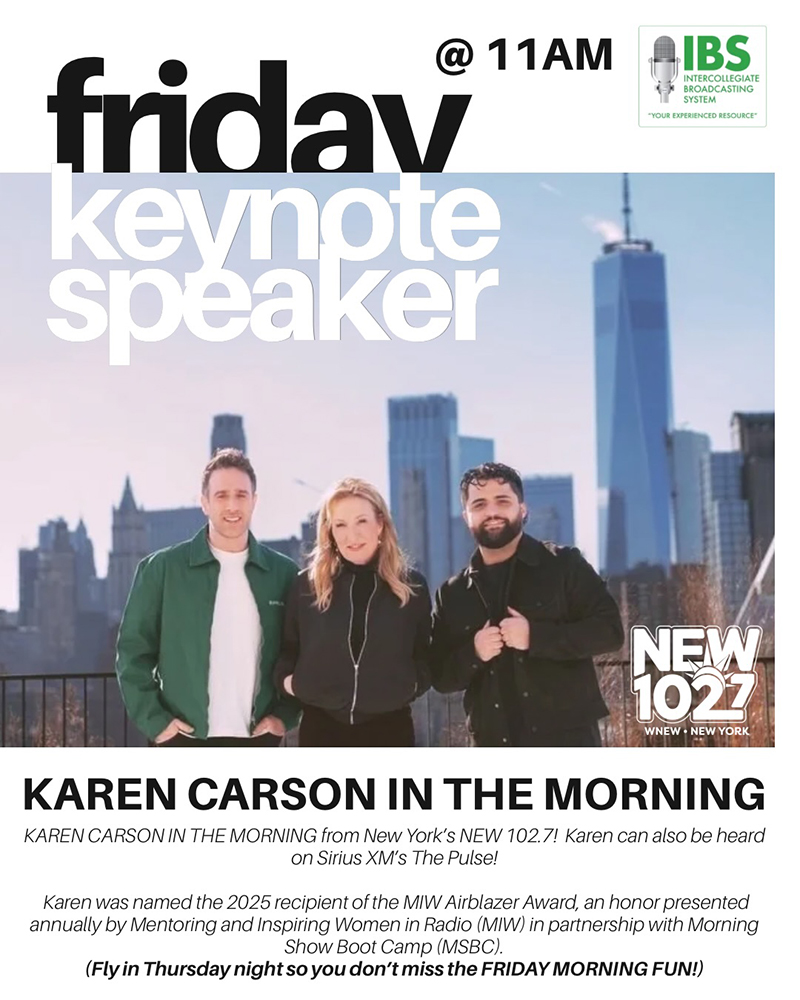
Keynote Speakers Selected For 2027 IBS Conference

The Intercollegiate Broadcasting System (IBS) has announced its keynote speakers for the forthcoming National IBS 2027 New York Conference, February 25-27.

img

The Friday (2/26) keynoter will be Karen Carson, morning host at NEW102.7, New York.  The Saturday (2/27) keynoter will be Michael Harrison, publisher of TALKERS. 

img

This major annual broadcasting event – sponsored by TALKERS – is expected to draw almost 1,000 campus broadcasters to the Big Apple. It will take place at the Sheraton Times Square hotel in New York City on Friday, February 26 and Saturday, February 27, 2027. For registration and hotel information please click here.

Industry News

NYSBA Seeks Nominations for ’27 HoF

The New York State Broadcasters Association announces that it is now accepting nominations for the 2027 New York State imgBroadcasters Hall of Fame. NYSBA executive director Heidi Raphael states, “Every day, New York’s broadcasters inform, connect and protect the communities they serve. This is our chance to recognize the remarkable careers behind that work, both on the air and behind the scenes. I encourage every member station to nominate those individuals who have made a lasting difference.” Find out more here.

Industry News

iHeartMedia Denies Plans to Sell Podcasting Business

Responding to a report by Bloomberg that the company is exploring the sale of its podcasting segment in order to raise cash and boost its stock price, iHeartMedia released a public statement to The Hollywood Reporter denying the report. THR writes that imgiHeartMedia was talking with “investment bank Moelis & Co and others to possibly sell part of all of its podcast business, which is one of the biggest podcast networks, with shows including ‘Stuff You Should Know,’ ‘Las Culturistas,’ ‘The Breakfast Club’ and more.” The statement from iHeartMedia reads: “While we don’t generally comment on rumors or speculation, I can tell you that we have no plan to sell our podcasting business. iHeart has built the number one podcast publisher in America, with unmatched scale, premium talent and strong financial performance. Podcasting is a core strategic growth engine for our company, and we continue to invest in expanding its reach and potential, including through video podcasting.” See THR’s story here.

Industry Views

The Radio Sales Playbook: Building the Proof from Day One

By Harmony Tenney, MBA

imgMake sure that you and your client are engaging monthly to ensure Proof of Performance, so that your campaign yield will be ready for harvest (renewal). Agree that the measure of success will be both monthly customer counts, and new customer revenue.

Set the expectations for the campaign’s proof of success at signing

It’s not as easy as this year’s total revenue compared with last year’s. Recognize “total revenue” includes things neither of you control: the weather, staffing, a competitor, a big account walking away. Measure what the campaign controls: new customers, new customer revenue, and each one’s estimated lifetime contribution to the bottom line.

Track these four numbers every month and tally them.

  1.    New customers – a simple count. They can ask, “Is this your first time coming in?” And make a tic mark on that day’s scratch page.
  2.    New customer revenue – what each new customer spent. Tally monthly.
  3.    How they heard about you – ask each new customer to ask and record the answer: radio, friend, web ad, drive-by, etc.

4.    What are their three favorite stations – yours will be on their list, after 13 weeks.

Keep the tallying simple enough that a busy employee will actually do it. Give them easy tools: a tally sheet.

Have their employees ask these four questions at checkout and on the phone:

“Is this your first time coming in?”

“How did you hear about us?”

Then ask them what their favorite three radio stations are, and if used, an offer from your station’s airwaves (usually the on-air talent’s name).

Then ask for two reports. A year-over-year sales report shows each month next to the same month last year. A sales-by-customer report, sorted by the first purchase date, shows exactly who is new and what they spent. With those two reports, my client’s $100,000 would have been visible every month. Those three numbers become the agenda. And when something big happens, like a lost account, a new competitor, or staff turnover, write it down that month, not a year later.

Managers: build measurement into every campaign

Put measurement terms in every annual agreement.

Schedule a proof review every 30 days before renewal, not nine months after signing. Coach your reps to hear “our bottom line didn’t move” as a cue to show the numbers, not to apologize.

Renewals and referrals come from proof. Proof is framed at signing. It ensures your renewal.

Dig deeper. Work the math. Get credit for what you grow.

S. Harmony Tenney, MBA, author of The Ultimate Radio Sales Playbook, is dedicated to connecting communities through radio’s superpowers. Radio Ink twice named her a Top Ten U.S. Radio Marketing Consultant. Reach her at Harmony@UltimateRadioSales.com or UltimateRadioSales.com.
Industry News

Nielsen: News/Talk Top Radio Format in Q3 of 2026

Nielsen publishes its quarterly report card on how “U.S. consumers spend their listening day” (using data from Nielsen and Edison Research) and concludes that “83% of all daily ad-supported audio time goes to radio and podcasts, while only 15% goes to streaming music services.” The Q3 2026 report also imgaddresses listening by radio format and again this quarter news/talk remains the number one format, with a 10.2% share of total radio listening among P18+. “It is even stronger with older listeners, at 11.5% among P35+. Sports captured 4.5% of total radio listening among P18+ and 4.6% among P25-54, as football season kicked off and baseball headed into its pennant races. All-news held a 2.7% share among P18+ and 3.0% among P35+.” Spoken word radio stations dominated streaming listening. “News/talk, sports and all-news together account for about 36% of station streaming among P18+, roughly double their 17% share of all radio listening. News/talk takes 22.1% of AM/FM station streaming among P18+, more than twice its share of total radio. That rises to 24.2% among P35+. Sports is the No. 1 streamed format among P25-54, at 13.0%, and takes 10.3% of station streaming among P18+.” See more about the report here.

Industry Views

Most Podcast Fans Watch and Listen. Very Few Only Watch

By Mark Santos
Mark Studios
Founder

imgTalk hosts keep hearing that podcasting has turned into a video business: put cameras in the studio or get left behind. The newest audience numbers say something more useful. The people who consume podcasts every week now do both, and the shows they follow have to work with the screen on and with the screen off.

Video and audio run level. In the first quarter of 2026, 78% of U.S. weekly podcast consumers watched podcasts with video and 80% listened to audio-only podcasts, according to Edison Research’s The Podcast Consumer 2026. Those are mostly the same people, not two camps. In Edison’s Q3 2025 reading, video had come out ahead for the first time, 82% to 78%. By Q1 2026, audio was back in front by two points.

Almost nobody only watches. In Cumulus Media and Signal Hill Insights’ Podcast Download, Spring 2026, only 8% of weekly podcast consumers said they only watch podcasts, while 92% said they listen. The screen does matter more than it used to: 49% now prefer to actively watch when video is available, up from 30% in April 2022. But 30% prefer to have the video playing in the background while they listen. For a lot of the audience, the picture is company, and the audio still carries the show.

YouTube is where they go. YouTube is the platform weekly podcast consumers use most. Edison’s Q1 2026 data puts it at 37%, and the Cumulus and Signal Hill survey at 44%, against 21% and 14% for Spotify. YouTube says more than 1 billion people a month watch podcasts there. More of that viewing is happening on the living room set: viewers watched more than 700 million hours of podcasts on YouTube’s living-room devices in October 2025, up from 400 million a year earlier, according to YouTube. Those are the company’s own figures.

The biggest shows publish one episode twice. We took Apple’s top 100 U.S. podcasts, from the chart of October 30, 2026, and checked each show’s latest episodes against YouTube. Seventy-four of the 100 post full episodes there. The video goes up a median of 1.1 hours from the audio release, and 67 of those 74 shows post both within a day. Only one show in the top 100 posted clips without full episodes.

Two details stood out. For 14 of the 74 shows, most episodes carried a different title on YouTube than in the podcast feed: a numbered feed title such as “1074. Andy & DJ CTI” turned into a question or a hook. And 30 of the 100 feeds had no YouTube link anywhere in the show or episode notes, so a listener in a podcast app gets no pointer to the video version.

What that means for a talk show

Make it work blind. With 92% saying they listen, assume much of your audience hears the episode without watching it. If a segment depends on something on screen, describe it out loud, the way radio always has.

Post the full episode, not only clips. Among the top 100, full episodes were the norm, and clips alone were the rare exception.

Ship both versions the same day. Most of the top shows put audio and video up within a day of each other, a median of 1.1 hours apart. A video that lands a week later is a rerun to the people who already heard it.

Title for each place. The feed title serves people who already know the show. The YouTube title has to make a stranger click.

Point listeners to the video. Put the channel link in the show notes of every episode. Almost a third of the top 100 feeds have no YouTube link at all.

What these numbers don’t show

The surveys measure different people. Edison Podcast Metrics interviews about 20,000 U.S. weekly podcast consumers age 13 and older a year; the Cumulus and Signal Hill April 2026 wave asked 600. That is why YouTube’s share comes out at 37% in one and 44% in the other, so quote each figure with its source. YouTube’s audience numbers are its own and aren’t independently audited. Our check covers the 100 biggest shows, not the long tail: the Podcast Index listed 4,725,818 podcast feeds on September 16, 2026, and only about 10% had published an episode in the previous 90 days. Even the money is counted the old way. IAB and PwC put U.S. podcast ad revenue at $2.86 billion in 2025, up 17.6%, under an audio-based definition that may miss ad money from video podcasts on video platforms. And none of this measures a station’s own audience. Your P1s may not behave like the weekly podcast audience at large, and your own downloads and YouTube analytics are the test that counts.

Disclosure: I run a video studio that edits podcast video, among other work.

Mark Santos is the founder of Mark Studios, a video studio in Palm Beach County, Florida, that edits video podcasts and YouTube video for shows and businesses across the U.S. He has edited video since he was 10, and Mark Studios has completed 8,000+ projects and earned 4,500+ reviews. Connect with Mark on LinkedIn

Industry News

TALKERS News Notes

SiriusXM to Cover MLS Postseason. SiriusXM is presenting comprehensive broadcast coverage of the upcoming Major League Soccer postseason and will broadcast every single match of the MLS Cup Playoffs beginning November 19 through the MLS Cup Final on December 18.

Edison Researches Video and Audio-Only Podcast Audiences. Edison Research says the growth of video podcasts has many in the industry wondering if this format will eventually replace audio podcasts. Its Video Podcast Consumer Report focuses on understanding how podcast consumers move across podcast formats and what implications this might have for advertisers. See more about the study here.

Industry News

Talk Host Chris Stigall Wins Congressional Seat

Talk radio host Chris Stigall was elected to Congress yesterday representing Missouri’s U.S. House District 6. The Republican beat Democrat Josh Smead and Libertarian Andy Maidment for the seat occupied by Republican Sam Graves, who is leaving Congress and endorsed his former deputy communications imgdirector. Stigall hosted a show on KCMO, Kansas City in the past. Most recently, Stigall hosted his eponymous talk show syndicated by Salem Radio Network. He gave up his radio show to run for office. KCTV-TV reports, “Stigall campaigned heavily on securing Missouri a seat on the House Agriculture Committee, noting the state currently has no members on it. District 6 includes more than 27,000 farms and drives a large share of the state’s agricultural economy. Stigall said a committee seat would help provide stability for farmers and support passage of a new Farm Bill. He has also called for cutting regulatory ‘red tape’ to make it easier for rural hospitals and health care providers to operate.” See the KCTV-TV coverage here.

Industry News

Fisher House Veterans Day Show Available for Free to Stations

The Fisher House Foundation and talk radio star Larry O’Connor are offering a free, three-hour Veterans Day edition of, “Together in Mission: The Fisher House Journey,” to news/talk stations to air imgaround the Veterans Day holiday. O’Connor tells TALKERS the program features extraordinary stories from wounded veterans, military families, and the people who help them through some of the most difficult moments of their lives. “These are compelling, deeply personal conversations about service, sacrifice, recovery, and the remarkable work Fisher House does for our military families. This is professionally produced, ready-to-air Veterans Day programming that you can offer your listeners at absolutely no cost.” Stations can learn more and register here.
Industry News

WPHT, Philadelphia Host Kathy Barnette’s Second Annual F3 Forum Successfully Addresses Educational Issues

img

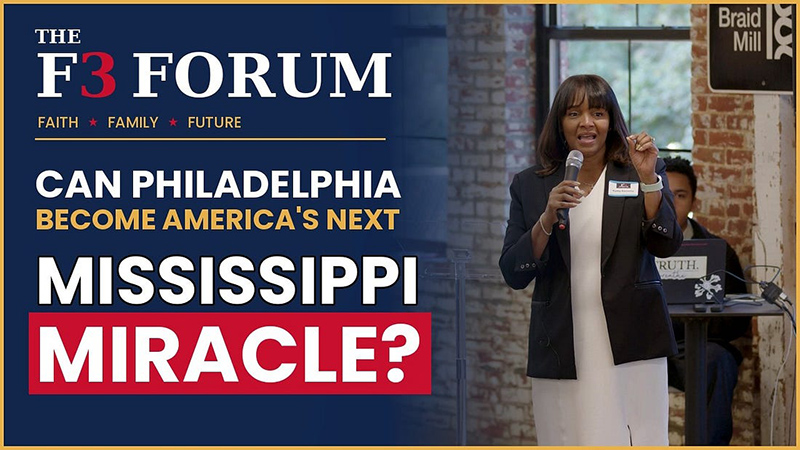
WPHT, Philadelphia weekend talk show host, former U.S. Senate candidate, and community organizer Kathy Barnette‘s recent F3 Forum: Faith • Family • Future of Education in America was aimg resounding success. The power-packed one day event (11/24) drew several hundred parents and concerned citizens to Braid Mill in Germantown to meet, mingle, and see an array of speakers including educators, pasters, and policy experts to discuss the state and future of education. Fellow WPHT talk show host, education advocate and podcaster Dom Giordano was one of the featured panelists (see photo). To view video coverage of the event, please click here.
Industry News

Hudson Valley Station Getting Community Involved in Radio Drama and Music Videos

In the fall of 2025, TALKERS wrote about well-known New York radio engineer Dr. Andy Gladding’s acquisition of WKZE-FM, Salisbury, Connecticut – a Triple A station serving the Hudson Valley. Gladding serves as chief engineer for Salem New York and for Hofstra University’s WRHU-FM, Hempstead, New York. Since acquiring the station with his wife Katie Berghorn, they have imgactively pursued involving the community in the station in creative ways. The station is presenting a Halloween radio drama as well as an airstaff music video to create community engagement. Scooby-Doo’s “A Night of Fright Is No Delight” will air on Saturday (10/31) at 7:00 pm featuring voices from the airstaff, clients and community, with a soundtrack performed by local band Cold Flavor Repair in a production that will raise awareness for the Dutchess County SPCA. Gladding says, “Local radio needs to reestablish its position as the community megaphone. At a time when AI-generated content, opinion and voices are saturating the market, the live, local DJ must be reestablished and elevated as the centerpiece of trusted messaging. Giving our staff more creative freedom and control ultimately leads to a stronger team and higher-quality output.” He adds, “There’s a lot of talent walking through this building. Give people room to use it. That’s how you make radio people care about.” You can see the air staff music videoof “Somebody’s Watching Me” by Rockwell that peaked at #2 on the Billboard Hot 100 in 1984 here.