By Jonathan Little
TroyResearch
President
 An annual physical is a wise idea. Doc asks, “How are you doing?”. Then he or she asks some detailed questions based on your medical history. Then “how have you been feeling? Any issues?” Doc always orders blood draws to see what might be lurking. Is the statin drug keeping your cholesterol in check? Are you getting plenty of exercise, plenty of sleep? How’s your diet? Over the years, I’ve visited about my health with at least a dozen different doctors. I’m convinced that the good ones always ask good questions and then listen carefully. Good questioner – good listener. That’s the doc I can respect and put my trust in.
If you operate a radio station, your station could benefit from an annual physical. You already know how it’s doing based on ratings, revenue, and profit. Your listeners know how you’re doing for them personally because they’re the users of your radio product. Is it pleasing, challenging, inspiring or annoying, irritating, and easily ignored with a click? If you ask them, they’ll tell you. You should ask them at least once a year.
TroyResearch has been in the business of asking listeners what they think for 27 years. We recently teamed up with Midwest Communications, Inc., in Green Bay to conduct an exploratory research project with their news/talk station WTAQ. TroyResearch’s association with MCI goes back nearly 27 years, doing music and perceptual research for the Duke Wright music stations. The WTAQ project was something new. Our goal was to discover what actionable data the opinions of loyal listeners might produce. TroyResearch worked with VP Programming Jeff McCarthy and Operations Manager Jason Hillery to develop a 25-question study.
Survey respondents were recruited over the air and were encouraged to go to the WTAQ website to take a brief survey. Clearly, we wanted to hear from P1’s, those listeners who produce 60%+ of reported listening. Their answers provided a clear picture of WTAQ loyalists – what they like, what they don’t like, their political affiliation, their listening behaviors (radio, podcasts, TV news, cable news, etc.), favorite news outlets, trustworthiness of news outlets, their thoughts about protests becoming riots, and their favorite podcasts to mention a few.
More than 200 respondents, Persons 18+, completed the WTAQ perceptual study. (32% 18-54, 68% 55+). With Jeff’s and Jason’s permission, we share some results.
Political Affiliation
1% Democrat
78% Republican
15% Independent
6% Other, like Libertarian, Socialist
In car listening
80% Local radio
10% Satellite radio
6% Streaming services like Spotify
3% Podcasts
1% Other like personal playlists
Listening to WTAQ, which simulcasts
76% FM
9% AM
8% Streaming from WTAQ app
6% Streaming from a smart device
1% Streaming from WTAQ.com
Where do you get your news? (Select all that apply)
93% Radio
46% Broadcast TV (local channels)
41% Cable news like Fox, CNN, MSNBC
29% Social Media like X, Facebook, Tiktok
16% Internet news like NY Post, Washington Post
10% Newspaper
12% Other
Your primary news source
58% Radio
15% Cable news like Fox, CNN, MSNBC
8% Broadcast TV (local channels)
7% Internet news like NY Post, Washington Post
7% Social Media like X, Facebook, Tiktok
3% Other
1% Newspaper
When does a protest/demonstration become a riot? (Select all that apply)
85%+ When protesters strike police, throw projectiles, set fires, do property damage
75% When protesters spit on police officers
60% When protesters burn the American flag
37% When protesters curse at police officers
Do you listen to podcasts?
23% Frequently
29% Occasionally
35% Rarely
13% Never
What podcast platform do you use? (Select all that apply)
32% YouTube
25% Spotify
19% iHeart
19% Apple
10% Amazon
2% Rumble
1% The Blaze
1% Daily Wire
As a broadcaster that reports news and information, WTAQ is interested in knowing how trustworthy you consider the reporting presented by these companies. (1 = very untrustworthy, 5 = very trustworthy)
4.43 WTAQ Radio, Green Bay
3.78 Fox News
3.59 Fox 11, Green Bay
2.92 WBAY, Channel 2, Green Bay
2.83 WFRV, Channel 5, Green Bay
2.77 WHBY Radio, Appleton
2.71 NBC 26, Green Bay
2.22 Green Bay Press Gazette
2.01 Wisconsin State Journal
1.99 Milwaukee Journal Sentinel
1.46 MSNBC
1.37 CNN
WTAQ asked the 0-10 Customer Endorsement Score question – “On a scale of 0-10 how likely would you be to recommend WTAQ to a friend or colleague?” Those scores reflect the listeners’ opinions of how the station is doing and it’s a forecast of WTAQ’s future. As a rule, a CES of 50 or higher indicates a healthy and sustainable product. WTAQ scored a strong 73 Customer Endorsement Score.
VP Jeff McCarthy and OM Jason Hillery are pleased with the results of this exploratory study. The WTAQ Sales Team is delighted with the data.
Good questioner … Good listener! WTAQ asked good questions. And now their leadership team is “listening” to the answers and determining what adjustments, if any, may result in improved ratings, revenue, and profit, on the way to an 80 Customer Endorsement Score with the next WTAQ study.
Jonathan Little is president of TroyResearch. He can be phoned at 608-219-1077 or emailed via: jlittle@troyresearch.net
Share this with your network


 our airwaves free from government influence. The First Amendment affords our stations – and all Americans – this fundamental right, and the mere perception that broadcasters acted because of undue pressure is a problem for our credibility and the trust we have built with our audiences.
 Amazon learned that there are high volume sales for specific categories of products. High demand equals high value to the seller. Items such as diapers, printer ink, staplers, batteries, etc. Being brilliant, Amazon created “Amazon Basics.” Same products, white labeled. Amazon doesn’t manufacture batteries; they just slap their logos on what America needs most. That’s why Mr. Bezos has a bigger boat than you.
 The board of directors of the New York State Broadcasters Association names Red Apple Media CEO John Catsimatidis the New York Broadcaster of the Year for 2025. Catsimatidis will be honored at the NYSBA Broadcast Leadership and Hall of Fame Luncheon in New York City on October 22. NYSBA president David Donovan says, “We are honored to have him as NYSBA’s Broadcaster of the Year. John has had unparalleled success turning around 77WABC and expanding Red Apple Media throughout the country. He has led legislative efforts to keep AM radio in vehicles, a vital issue for all New Yorkers.” Catsimatidis comments, “Thank you, Dave and the Board of the New York State Broadcasters Association for this honor. Radio is an integral part of listeners’ lives and often the only source of information during times of disaster. I ask everyone in radio to alert their listeners that car manufacturers are risking lives by taking AM off the dashboard of new cars. Together, we can stop this, and we must stop it.” Catsimatidis entered the radio business with the purchase WABC-AM in March 2020 and has since added WLIR-FM, Hampton Bays and WRCR-AM, Haverstraw to his portfolio of stations.
 accuses FOX of “engaging in an extensive and unlawful campaign to block competition in the market for right-leaning pay television news, including Newsmax.”
  A FOX spokesperson responded with the following: “Newsmax cannot sue their way out of their own competitive failures in the marketplace to chase headlines simply because they can’t attract viewers.” Newsmax issued the following statement in response to that saying, “If Newsmax was such a ratings failure, why has FOX spent so much time, energy, and resources to suppress us, block us, and denigrate us? The answer is obvious. Also please note that FOX in its statement does not deny any of our serious allegations.”
 America’s top 10 radio broadcasters by station count and by revenue. Connoisseur Media CEO Jeffrey Warshaw says, “Local broadcasting has always been at the heart of what we do. Connoisseur started as a company rooted in radio serving local markets. Today we’re taking that same local-focused philosophy, which now includes our digital marketing and multi-platform expertise to some of the most dynamic markets in the country. This acquisition is about assembling the scale and resources to keep radio strong, serve our communities, empower our employees, and create even more value for advertisers. As I have travelled the country to meet our new colleagues in the Alpha Media markets, I have been impressed with their dedication to radio and their communities. I am excited to be associated with such a great group of people.”
 contract.” Stern’s current five-year deal expires later this fall and speculation earlier this summer that the satcaster and Stern would part ways at the end of his current deal spurred Stern to issue a statement on his show (during summer re-runs) that he’d be back on September 2 to dispel the rumors. There are reports that Stern is dealing with his 98-year-old mother’s failing health and that is weighing on him. The story indicates Stern sent an email to his employees to explain the situation, but sources supplied no details about that email. The New York Post story says Stern’s listenership has gone from “20 million at its height to 125,000 daily listeners now.” However, SiriusXM doesn’t publish its listener data and no sources are provided for those figures.
  Imagine an AI trained on millions of books – and a federal judge saying that’s fair use. That’s exactly what happened this summer in Bartz v. Anthropic, a case now shaping how creators, publishers, and tech giants fight over the limits of copyright.
 Ninety seconds. That’s all it took. One of the interviews on the TALKERS Media Channel – shot, edited, and published by us – appeared elsewhere online, chopped into jumpy cuts, overlaid with AI-generated video game clips, and slapped with a clickbait title. The credit? A link. The essence of the interview? Repurposed for someone else’s traffic.

 would go their separate ways when his current contract ends later this year. The Yahoo story says, “A source affirmed that everything is a done deal in this regard, and all previous reports of him exiting the company were pure fallacy, per RadarOnline. The man of the hour himself also dropped a big hint on his social media, teasing an answer to all the questions hovering around his career very soon.” Stern’s own Instagram account posted the following: “Now we can reveal that all the questions will be answered. All the truths will be told by the one man truly on the inside: Howard Stern will speak. Tuesday, September 2.”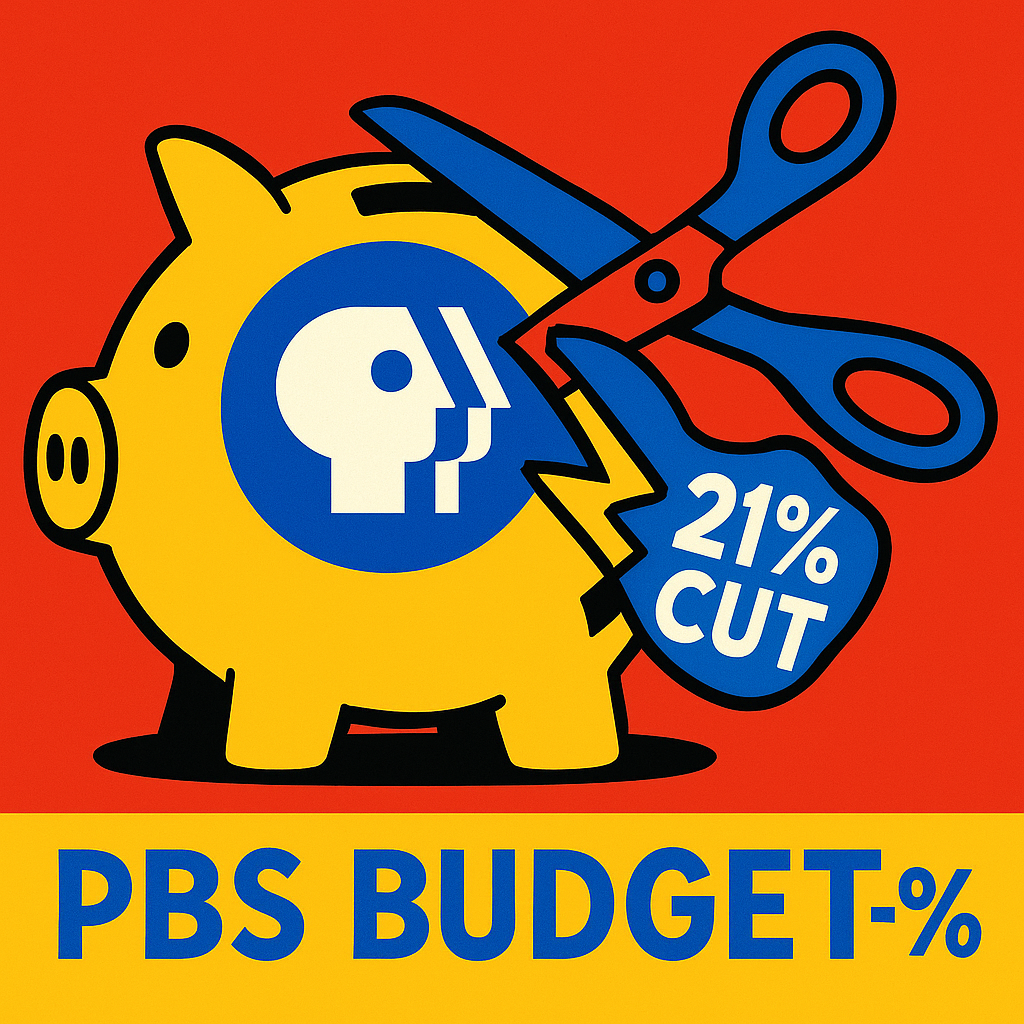

 “Listeners to our first ‘For Radio Geeks Only’ special told us they wantematthewd more – and John and I did, too! We’re glad to bring it back with an even longer show this time,” said Bob Sirott. Go back to the days before streaming, cable, VCRs, DVDs, and smartphones when rock ‘n’ roll radio was a source of entertainment. Sirott and Landecker will play their favorite jingles and will be joined by special guests, including 1960s disc jockeys Ron Riley and Spike O’Dell, one of WGN Radio’s very own. Listeners are being encouraged to call or text the station at 312-981-7200 to share their stories of listening to radio and records. The show will be available as a podcast on
  role in the decision-making journey, often sparking the craving before any digital ad or social scroll can. In fact, the survey shows a measurable lift in intent: consumers targeted by radio campaigns were 4% and 7% more likely to visit, reinforcing radio’s power to drive foot traffic.” Further, the study shows that “89% reported making last-minute meal decisions while in the car—right in radio’s sweet spot. Additionally, 84% believe it’s smart for fast food restaurants to use radio advertising to inform customers about menu items and deals. And notably, 82% admitted that simply hearing ads about food can make them feel hungry, highlighting radio’s unique ability to trigger cravings and drive immediate action.”
  saying Stern is mulling retirement and that he might consider a shorter-term deal than the usual five-year pacts he’s been signing. Still other sources say Stern isn’t the draw he once was, and a renewal of his current $500 million deal is not going to happen. Another report indicates SiriusXM may make a bid for his library of shows instead of a renewed contract for new content.
  Unintentionally, your poorly phrased comment, dated reference, weary cliché, or offhand remark can at least subtly distance you from your listener and could undercut your credibility, offend, or even spark backlash.
 A New Jersey radio station thought they were just being clever online. They scanned a photo from New Jersey Monthly, cropped out the photographer’s credit line, and posted it on Facebook – inviting listeners to edit and reshare it for fun. ying to engage listeners to interact with the station with more than just their ears.”
 Salzone to operations manager for the 10-station cluster. Salzone will take over for Chris Allinger who is retiring at the end of August. Cayuga Media Group president and GM Chet Osadchey says, “Joe is an incredibly hard-working and knowledgeable broadcast professional. He will be a guiding force in our continued evolution as a local media source.”
 Mark Walters
 the country, particularly in rural and underserved areas. However, Americans are increasingly skeptical of media institutions, with trust in media at historic lows. That reality cannot be ignored. It is not unreasonable for taxpayers to expect transparency, accountability, and balance from any outlet receiving federal support. Nor is it unreasonable for Congress to reassess whether public funding models established in a different media era remain justified today, especially when Americans have more access to more content from more sources than ever before. This action does not signal the end of public media. Instead, it presents an opportunity for innovation, partnerships, and more localized decision-making. As a regulator, I will continue to support policies that promote access and competition in media, without presupposing that one model of funding or content creation should be immune from public scrutiny or reform.”
 receive on our mobile phones. With underlying frameworks that are 31 and 13 years old respectively, we think it’s time to explore if structural changes to these systems are needed, with an eye towards making sure we are leveraging the latest technology to save lives. Similarly, we will also vote to initiate a review of our system for collecting real-time data on network outages and restoration during and after major disasters. Since its inception in 2007, our Disaster Information Reporting System (DIRS) has proven to be a valuable tool for collecting actionable information to help with recovery efforts. While the DIRS reports are valuable, they can be time-consuming to produce, drawing resources away from responding to an ongoing disaster. The Commission will vote on reforms to streamline DIRS to make sure that its benefits outweigh its burdens. We’ll close our August meeting by removing unnecessary regulations and injecting common sense across the Commission’s policies—critical features to streamline the implementation of our Build America Agenda.”
  defund, or threaten news outlets that support the government’s views, and there’s a reason for that. This has never been about saving money. It’s about silencing those who report the news accurately, without fear or favor. The true cost of this one-sided attack on free speech will be felt most by small and rural communities across the country. Much like the disappearance of local newspapers, cutting off support for public stations could create a new kind of ‘news desert.’ In many hard-to-reach areas, these stations may be the only source for the public to receive emergency alerts, traffic updates, and information about local events and ways to stay engaged in their own neighborhoods. Defunding them strips away these essential services and further isolates the very communities these stations seek to serve. The FCC is playing a dangerous game with its own baseless attacks on public broadcast stations. Its role should be to protect and expand the public’s access to timely, accurate news that is free from political interference. I will continue fighting this FCC’s politically motivated efforts to investigate and harass these stations.”
  available free of charge to the first 200 TALKERS readers who respond to the offer. This valuable resource is packed with contact information to reach Members of Congress and their key staffers.
  There are two broad categories of thought: Task. Creative. When in creative mode, a person innovates, imagines, plans, and solves problems. An idea bank is a bank! Money grows from the results of imagination: new products, new music, new formats, new sales strategies. Business growth depends on new!
 marketers about perceived media effectiveness in which radio came in last place, behind all measured traditional and digital media types. According to Nielsen’s global ROI benchmarks, radio delivers the second highest return for advertisers, second only to social media. Nielsen’s ROI benchmarks show radio delivers higher returns for advertisers than all other other traditional media. While radio is perceived to be less effective than digital media, it delivers an ROI +30% higher than video and display, and +70% higher than search and CTV.
  and companies seeking to hire, especially among passive job seekers who are less likely to use job sites: Nine out of 10 job seekers are reached by ad-supported audio. Over-the-air AM/FM radio reaches nearly 80% of active and passive job seekers. Six out of 10 active job seekers are reached by podcasts; 2) AM/FM radio streaming’s audience growth has surged among job seekers: Since 2021, AM/FM radio streaming has soared in usage among both active and passive job seekers. Six out 10 active job seekers are reached by AM/FM radio streaming; 3) Passive job seekers outnumber active job seekers by +50%. Active job seekers are growing: The optimal source for filling positions are passive job seekers who outnumber active job seekers by +50%. Active job seekers have surged from 15% in 2018 to 24% currently; and 4) Advertising works: There is a very linear relationship between ad spend, share of voice, ad recall, and market share. The greater the ad spend, the greater the ad recall and market share.
 made last year’s mingling of student and professional broadcasters such a resounding success. The dates are set for Friday, February 20 and Saturday, February 21. TALKERS founder Michael Harrison states, “There are exciting things happening at the radio stations and communication departments of high school, college, and university campuses across America. These institutions and creative outposts embody a spirit emanating from its practitioners as well as its audiences that bode well for the future of general radio, talk media and digital communications. This tremendous source of talent, ideas and energy has been burgeoning right under the noses of our professional industry for years. It’s time to harness that obvious synergy at this pivotal juncture.” More details including agenda, registration, hotel and sponsorship information will be posted in TALKERS in the coming weeks. Save the dates!
 storytelling and community engagement. Over the past five years, BIN: Black Information Network has achieved remarkable milestones, including: Surpassing 19 million monthly listeners, a reflection of BIN’s growing influence and strong connection to its target audience; expanding BIN News content to over 100 broadcast radio stations across the U.S., making BIN one of the most widely distributed, Black-focused news audio platforms in the country; and delivering news coverage tailored to 65 of America’s largest Black communities, with reporting that reflects the local realities, perspectives, challenges and triumphs.” BIN president Tony Coles adds, “BIN: Black Information Network has become a trusted and indispensable voice for Black communities in America. In just five years, we’ve transformed how local and national news reaches our audiences. We are giving a voice to the stories that have gone untold for too long. We are providing freedom to journalists to pursue meaningful reporting – and we’re just getting started.”
 2019 for $18 million as the podcast industry was really taking off in terms of listenership. Podnews.net notes, “Audacy shut Cadence13 (a $50mn purchase) in March 2024, and rebranded Podcorn ($22.5mn) as Audacy Creator Lab in April this year.” An Audacy spokesperson says in a statement, “This difficult decision aligns our resources with our core strengths and the most promising growth areas for our podcasting business. We’re sorry to say goodbye to talented colleagues and are grateful for their contributions.”
 -24 and, perhaps not surprisingly, their most preferred categories of podcasts are Comedy, Music, Entertainment, and True Crime. News/Information is far down the list with just 17% saying they watched or listened to a news/information podcast in the last month. Also noteworthy is the breakdown of delivery systems for audio for this demographic. Streaming music is the top audio source (42%), followed by YouTube (20%), and AM/FM (16%) in third place.