By Matthew B. Harrison
TALKERS, VP/Associate Publisher
Harrison Legal Group, Senior Partner
Goodphone Communications, Executive Producer
 AI is now embedded in the modern newsroom. Not as a headline, not as a novelty, but as infrastructure. It drafts outlines, summarizes complex reporting, surfaces background details, and accelerates prep for live conversations. For media creators operating under relentless deadlines, that efficiency is not theoretical. It is practical and daily.
That reality raises a quiet but consequential legal question. When AI contributes to your research, what does verification now require?
Professional hosts are not reading raw chatbot answers on air and calling it journalism. That caricature misses the real issue. What is actually happening is subtler and far more common.
AI now sits inside research workflows. Producers use it for background. Hosts use it to summarize reporting. Teams use it to outline controversies or draft rundowns. Most of the time, it works. Sometimes, however, it invents.
When that invention involves a real person and a serious allegation, the legal analysis looks familiar.
For public figures, defamation requires proof of actual malice – knowledge of falsity or reckless disregard for truth. For private figures, negligence is usually enough. In both cases, the focus is not on the tool. It is on the content creator’s conduct.
AI does not change the elements. It changes the context in which reasonableness is judged.
Courts have long held that repeating a defamatory statement can create liability, even if someone else said it first. If you rely on a blog, and that blog relied on AI, and the allegation is false, the question becomes whether your reliance was reasonable.
Was the source reputable? Was the claim inherently improbable? Were there obvious red flags? Was contradictory information readily available?
AI’s reputation for “hallucinating” facts now forms part of that backdrop. Widespread awareness that these systems can fabricate citations, merge identities, or invent accusations becomes relevant when a court evaluates your verification choices.
This does not mean using AI indicates reckless disregard. It means using AI does not excuse skipping verification when the stakes are high.
The more specific and damaging the claim, the greater the duty to confirm it through independent, reliable sources. Not another prompt. Not a circular reference to the same unverified blog. Rather, a primary record, official statement, or established reporting.
Documentation matters. If challenged, being able to show that you checked multiple sources before broadcast can be decisive.
None of this is new doctrine. What is new is how seamlessly AI blends into ordinary research habits. That integration makes it easier to forget that the legal question is still about human judgment.
The law will not ask whether your workflow was efficient. It will ask whether your conduct was reasonable under the circumstances.
In the age of AI, verification is not a courtesy. It is risk management.
Matthew B. Harrison is a media and intellectual property attorney who advises radio hosts, content creators, and creative entrepreneurs. He has written extensively on fair use, AI law, and the future of digital rights. Reach him at Matthew@HarrisonLegalGroup.com or read more at TALKERS.com.




 and 25–54 with double-digit shares of 13.9 and 13.1, respectively. The show is hosted by DJ Envy, Jess Hilarious, and Charlamagne Tha God and plays an important role in urban youth culture. iHeartMedia EVP of programming Thea Mitchem states, “The Breakfast Club continues to set the standard for what a truly multiplatform powerhouse looks like. These record‑setting ratings are a direct reflection of the team’s talent, consistency, and cultural impact. DJ Envy, Jess Hilarious, Charlamagne Tha God, and our exceptional production and digital teams deliver a show that resonates deeply with audiences across every platform. We’re incredibly proud of this achievement and grateful to the listeners of New York who make ‘The Breakfast Club’ a defining force in media.”
 $600 million of debt, “substantially deleveraging its balance sheet and enhancing its ability to execute on strategic priorities.” The company says it will continue operating in the ordinary course throughout the process, with no impact to employees, partners, or listeners.
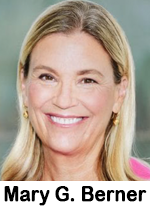 macroeconomic and industry-wide pressures we have faced have remained unrelenting. Against that backdrop, it became clear that Cumulus’s remaining debt burden limited our ability to fully realize the company’s potential, and this agreement represents a major step forward. The prepackaged process is intended to address the company’s debt efficiently with no disruption to our operations, our people, and our strategies. On emergence, a stronger financial foundation will better position Cumulus to continue investing in premium content, enriched audience experiences, advertiser performance enhancements, and the ongoing growth of our digital marketing offerings.” Cumulus has filed a proposed Plan of Reorganization that incorporates the terms of the RSA and is subject to approval by the Court. The requisite majority of debtholders committed to vote in favor of the Plan, which calls for the cancellation of 100% of the company’s existing funded indebtedness in exchange for 100% of the company’s reorganized equity and $50 million of new convertible notes, as well as the amendment and restatement of the company’s asset-based revolving credit facility to provide continued liquidity. Cumulus expects that the Court will hold a hearing to consider the approval of the Plan within 60 days of the filing date and that the company will emerge from bankruptcy following receipt of required regulatory approvals from the Federal Communications Commission.
 Mayor Zohran Mamdani an “America hating, Jew hating, Radical Islam cockroach running our once beautiful city.” He also addressed President Trump, asking him to “stop complimenting the mayor.” Rosenberg removed the post and stated, “To the mayor, and anyone else that I offended with my tweet on Saturday, I send out a heartfelt apology,”
 Unless you live in Hawaii and Arizona (except the Navajo Nation) or American Samoa, Guam, the Northern Mariana Islands, Puerto Rico and the U.S. Virgin Islands, your clocks will change when we “Spring Forward” on Sunday 3/8.
 Talk radio has a long incredibly successful run of shows about sex.
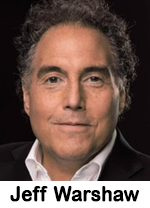 Management’s Michael Del Nin in 2022 and began working together “to try to acquiring Cox Radio, with Del Nin agreeing that Warshaw would manage the business as CEO upon successful acquisition.” While both parties were doing due diligence on the CMG deal, Warshaw learned that an Audacy majority stake holder was willing to sell its stake in the company. Warshaw says he steered SFM and Del Nin to the deal that made SFM a majority stake holder of the new Audacy in early 2024. Warshaw alleges he was promised he’d be the next CEO of Audacy or that he would get 5% of SFM’s profits from the Audacy acquisition. Later, SFM filed a motion to strike arguing that talks between Del Nin and Warshaw did not rise to the level of an employment offer. In his recent filing with the court, Warshaw says SFM reads “the Complaint in the light least favorable to Plaintiff. And they introduce new facts and make factual arguments that must be left for resolution by a jury at trial. Even so, based on the Complaint’s detailed allegations, Defendants’ arguments fall apart. Defendants ask the Court to believe that Jeffrey Warshaw, a veteran executive and dealmaker in radio, attempted to ‘cozy up’ to Defendants, newcomers to radio. But why did they seek an introduction to Warshaw in the first place? Why did they need Warshaw to source the Audacy transaction, and quickly ask him to introduce them to Audacy’s controlling debtholder? Why did Michael Del Nin call Warshaw 107 times between October 2023 and October 2024? On breach of contract, Defendants argue that the Complaint does not plead definite and certain terms of the contract between Warshaw and SFM. That ignores the definiteness of the contract terms alleged, as well as controlling precedent holding that an oral agreement is enforceable so long as missing terms can be ascertained by fair implication or industry custom. Defendants also downplay the value of Warshaw’s sourcing of the Audacy deal and his introduction of Defendants to the firm holding a controlling interest in Audacy debt.”
 field with global technology platforms.” He underscored broadcasters’ unique and essential role in public safety, civic engagement and strengthening local democracy. Additionally, broadcasters heard from key policymakers shaping broadcast policy, including Sen. Ed Markey (D-MA), who spoke about the enduring value of broadcast radio and his leadership on the bipartisan effort to pass the AM Radio for Every Vehicle Act… and U.S. Rep. Richard Hudson (R-NC), chairman of the House Energy and Commerce Subcommittee on Communications and Technology, who spoke about the need for broadcast ownership rules to reflect today’s landscape and the importance of keeping AM radio in cars.
 revenue increased $47.7 million, or 14.1%, driven primarily by continuing increases in demand for digital and podcast advertising, as well as increased non-cash trade revenue resulting from strategic marketing initiatives. Multiplatform Group revenue decreased $19.2 million, or 2.8%, primarily resulting from lower political revenues, as 2024 was a presidential election year, as well as a decrease in broadcast advertising in connection with continued uncertain market conditions.
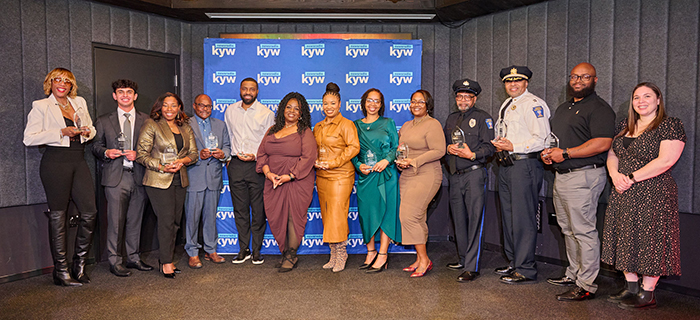
 Station owner John Catsimatidis says, “Big name personalities define WABC Radio. Sean is a powerful addition to our Sunday lineup and another example of WABC’s unmatched ability to attract major talent and deliver must-hear talk. The show is going to be fast, fearless, and honest, with smart conversation, sharp opinion, and honest discussion about the stories driving the country.” Spicer comments, “WABC Radio doesn’t whisper, it leads! It is one of the most iconic and influential radio stations in the U.S. WABC Radio listeners expect truth, energy, and authenticity, and that’s exactly what I’m going to give them. I couldn’t be more excited to join the incredible 77WABC lineup.”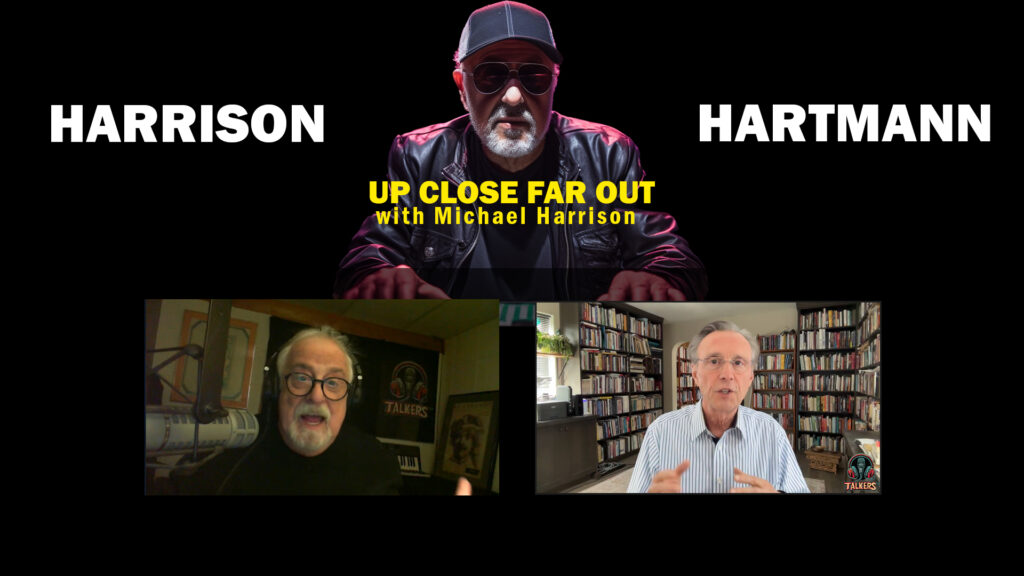
 According to the study, 22.07% (2366 stations) had women holding the general manager position in 2025. This is a slight increase from last year where the number was 21.67% and compared to 2004 continues to show solid growth when the percentage of female general managers was only 14.9%. MIW says, “Overall, the best management opportunities for women in radio continues to be in sales management. 35.31% (3561 stations) had a woman sales manager in 2025 which is basically flat from 35.67% in 2024. The greatest challenge for women in radio management continues to be in the area of program directors/brand managers. Women currently program 13.02% (289 stations) which is a slight gain from 12.38% in 2024. MIW board president Sheila Kirby comments, “Twenty-five years of data give us clarity. We are encouraged to see movement in general manager and programming roles, particularly within the Top 100 markets. At the same time, flat growth in sales leadership and the continued underrepresentation of women in programming nationally remind us that progress is not automatic. Sustainable advancement requires intention. MIW remains committed to mentoring, advocating, and creating pathways for women to lead at every level of the industry.”
 Leadership Award honorees are: Heather Cohen, president, The Weiss Agency; April Carty-Sipp, EVP, Industry Affairs at NAB; Michael J. Hayes, president, Hearst Television; Mike Hulvey, president & CEO, Radio Advertising Bureau; Chad Matthews, president, ABC-Owned Television Stations; Alissa Pollack, EVP, Global Music Marketing, iHeartMedia. The 2026 Lowry Mays Excellence in Broadcasting Award honoree is John Catsimatidis, owner & CEO, WABC Radio/Red Apple Media. The 2026 Chairman’s Award honoree is Emmy-winning broadcast journalist Deborah Norville.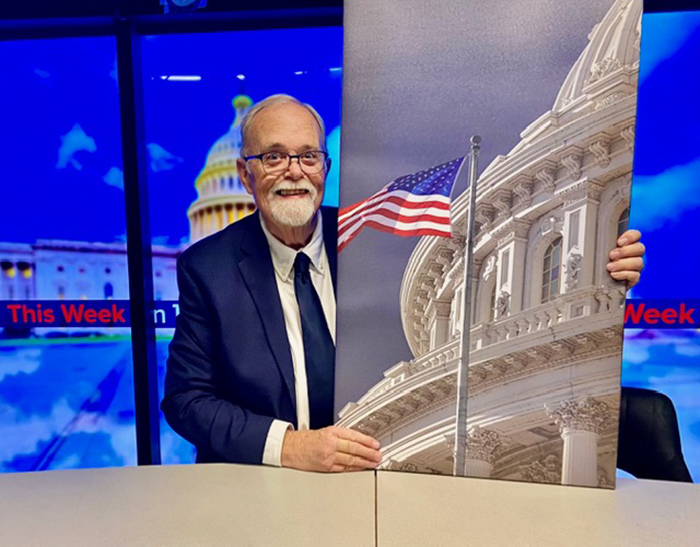
 patriotic, pro-America content that celebrates the American journey and inspires its citizens by highlighting the historic accomplishments of this great nation from our founding through the Trump Administration today.” Carr adds, “On July 4, 2026, America will celebrate the 250th Anniversary of the signing of the Declaration of Independence. That revolutionary document set forth our founding principles – including Life, Liberty, and the pursuit of Happiness – and put America on a collision course with destiny. Over the following centuries, the American story has defined modern history and spread freedom, opportunity, and prosperity across the globe. As America’s 250th anniversary approaches, it is important to reflect on the ideals and events that have defined our past while keeping an eye towards our country’s bright future. The White House is leading our national celebration of this historic event with the Salute to America 250 Task Force, which calls on the federal government, among others, to mark this momentous occasion. As part of this effort, I am calling on broadcasters to pledge to provide programming that promotes civic education, national pride, and our shared history.” Carr shares some examples stations could use, including:
 If you work in radio, you’ve heard every flavor of AI anxiety. Some fear it will wipe out jobs. Others treat it like a super shortcut – cranking-out spots, promos, and proposals faster and cheaper. Kate O’Neill’s “
 Rochester sports. Audacy SVP and market manager Tim Wenger says, “This hybrid approach lets us bring the full strength and recognition of WGR’s established sports lineup to Rochester while still delivering a strong local voice tailored specifically to Rochester fans. We know how deeply connected Rochester listeners are to Buffalo-area teams, and this expansion allows us to serve that passion while preserving meaningful, local sports talk and engagement. With the launch of WGR Rochester, our reach now more fully covers the Rochester market and further cements WGR as Western New York’s sports giant and voice of the fans.”
 purchasing power – backed by a population of nearly 70 million that is a leading ethnicity in growth – has now reached $4.1 trillion and continues to grow more than twice as fast as that of non‑Latinos. iHeartMedia says, “The impact of this can only be measured in global scale: If isolated, the GDP of current U.S. Latinos would rank fifth in the world, having surged from $2.2 trillion in 2015 to $4 trillion.” iHeartLatino president and chief creative officer Enrique Santos says, “Bicultural Latinos are not just an audience — they are a cultural vanguard, driving tastes, trends and conversations across every platform while powering one of the fastest‑growing segments of the U.S. economy and redefining what it means to be American. For brands, the takeaway is clear: culture is the strategy — language is the tactic. Those who lead with cultural intelligence, not just translation, earn more than attention, they earn long-term loyalty and trust.” The study also finds that audio is important to this demographic. The study finds: “Broadcast reaches 9 in 10 Latinos monthly, according to Nielsen, and this new research shows that Bicultural Latino radio listening is diverse – 92 percent listen in English, 78 percent listen in Spanish – and 65 percent of Bicultural Latinos prefer listening to radio/music/podcasts equally in Spanish and English. Additionally, the research shows that 98 percent are listening to music weekly, 63 percent tune into podcasts weekly and 69 percent engage with live sports through audio.”
 radio industry (and its related fields) seeks to connect with and develop a next generation of professional practitioners as well as engaged audiences. TALKERS is honored to again provide financial support, encouragement, experience, and advice to the dedicated organizers of this very special event.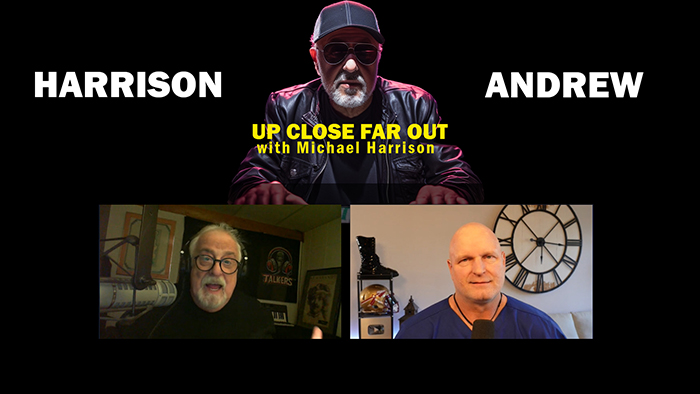
 recommended proposals for the International Telecommunication Union’s World Radiocommunication Conference, which will be held in 2027. The World Radiocommunication Conference is a treaty-level forum held by the International Telecommunication Union (a United Nations agency) every three to four years in which countries decide on the allocation of frequency spectrum to allow the deployment or growth of all types of radiocommunication services such as wireless, broadcasting, satellite, and aeronautical services.