By Jonathan Little
TroyResearch
President
 An annual physical is a wise idea. Doc asks, “How are you doing?”. Then he or she asks some detailed questions based on your medical history. Then “how have you been feeling? Any issues?” Doc always orders blood draws to see what might be lurking. Is the statin drug keeping your cholesterol in check? Are you getting plenty of exercise, plenty of sleep? How’s your diet? Over the years, I’ve visited about my health with at least a dozen different doctors. I’m convinced that the good ones always ask good questions and then listen carefully. Good questioner – good listener. That’s the doc I can respect and put my trust in.
If you operate a radio station, your station could benefit from an annual physical. You already know how it’s doing based on ratings, revenue, and profit. Your listeners know how you’re doing for them personally because they’re the users of your radio product. Is it pleasing, challenging, inspiring or annoying, irritating, and easily ignored with a click? If you ask them, they’ll tell you. You should ask them at least once a year.
TroyResearch has been in the business of asking listeners what they think for 27 years. We recently teamed up with Midwest Communications, Inc., in Green Bay to conduct an exploratory research project with their news/talk station WTAQ. TroyResearch’s association with MCI goes back nearly 27 years, doing music and perceptual research for the Duke Wright music stations. The WTAQ project was something new. Our goal was to discover what actionable data the opinions of loyal listeners might produce. TroyResearch worked with VP Programming Jeff McCarthy and Operations Manager Jason Hillery to develop a 25-question study.
Survey respondents were recruited over the air and were encouraged to go to the WTAQ website to take a brief survey. Clearly, we wanted to hear from P1’s, those listeners who produce 60%+ of reported listening. Their answers provided a clear picture of WTAQ loyalists – what they like, what they don’t like, their political affiliation, their listening behaviors (radio, podcasts, TV news, cable news, etc.), favorite news outlets, trustworthiness of news outlets, their thoughts about protests becoming riots, and their favorite podcasts to mention a few.
More than 200 respondents, Persons 18+, completed the WTAQ perceptual study. (32% 18-54, 68% 55+). With Jeff’s and Jason’s permission, we share some results.
Political Affiliation
1% Democrat
78% Republican
15% Independent
6% Other, like Libertarian, Socialist
In car listening
80% Local radio
10% Satellite radio
6% Streaming services like Spotify
3% Podcasts
1% Other like personal playlists
Listening to WTAQ, which simulcasts
76% FM
9% AM
8% Streaming from WTAQ app
6% Streaming from a smart device
1% Streaming from WTAQ.com
Where do you get your news? (Select all that apply)
93% Radio
46% Broadcast TV (local channels)
41% Cable news like Fox, CNN, MSNBC
29% Social Media like X, Facebook, Tiktok
16% Internet news like NY Post, Washington Post
10% Newspaper
12% Other
Your primary news source
58% Radio
15% Cable news like Fox, CNN, MSNBC
8% Broadcast TV (local channels)
7% Internet news like NY Post, Washington Post
7% Social Media like X, Facebook, Tiktok
3% Other
1% Newspaper
When does a protest/demonstration become a riot? (Select all that apply)
85%+ When protesters strike police, throw projectiles, set fires, do property damage
75% When protesters spit on police officers
60% When protesters burn the American flag
37% When protesters curse at police officers
Do you listen to podcasts?
23% Frequently
29% Occasionally
35% Rarely
13% Never
What podcast platform do you use? (Select all that apply)
32% YouTube
25% Spotify
19% iHeart
19% Apple
10% Amazon
2% Rumble
1% The Blaze
1% Daily Wire
As a broadcaster that reports news and information, WTAQ is interested in knowing how trustworthy you consider the reporting presented by these companies. (1 = very untrustworthy, 5 = very trustworthy)
4.43 WTAQ Radio, Green Bay
3.78 Fox News
3.59 Fox 11, Green Bay
2.92 WBAY, Channel 2, Green Bay
2.83 WFRV, Channel 5, Green Bay
2.77 WHBY Radio, Appleton
2.71 NBC 26, Green Bay
2.22 Green Bay Press Gazette
2.01 Wisconsin State Journal
1.99 Milwaukee Journal Sentinel
1.46 MSNBC
1.37 CNN
WTAQ asked the 0-10 Customer Endorsement Score question – “On a scale of 0-10 how likely would you be to recommend WTAQ to a friend or colleague?” Those scores reflect the listeners’ opinions of how the station is doing and it’s a forecast of WTAQ’s future. As a rule, a CES of 50 or higher indicates a healthy and sustainable product. WTAQ scored a strong 73 Customer Endorsement Score.
VP Jeff McCarthy and OM Jason Hillery are pleased with the results of this exploratory study. The WTAQ Sales Team is delighted with the data.
Good questioner … Good listener! WTAQ asked good questions. And now their leadership team is “listening” to the answers and determining what adjustments, if any, may result in improved ratings, revenue, and profit, on the way to an 80 Customer Endorsement Score with the next WTAQ study.
Jonathan Little is president of TroyResearch. He can be phoned at 608-219-1077 or emailed via: jlittle@troyresearch.net
Share this with your network



 election. About returning, Spadea says, “I’m excited to be returning to the airwaves with ‘New Jersey 101.5’ and the largest audience in the state. I’m looking forward to continuing our mission of fighting for common-sense solutions to save New Jersey. Our show has always been about the listeners, and I’m ready to keep amplifying the voices of small business owners, parents, teachers, first responders, nurses, and everyone else committed to digging in and staying in New Jersey. Stay tuned – there’s more to come!” Townsquare Media regional VP Brian Lang says, “Bill’s audience and the team at ‘New Jersey 101.5’ are looking forward to his return. There’s no doubt he’ll have great stories to share. I also want to thank Eric Scott and the entire morning show team for doing an outstanding job while Bill was away.”
 hosted the weekend edition of “All Things Considered” since May of 2023. He says, “I’m really excited and honored to step into this role. I’m mindful of just how important All Things Considered’s legacy is for listeners, and I also know just how much I’ve loved working with the show’s team these past two years on weekends. I can’t wait to bring listeners the news five days a week now. And at this moment where we are all focusing on strengthening the entire public media network and working together more closely than ever before, I’m proud that I started out as an ‘All Things Considered’ host at a NPR Member station, and now will be doing that job nationally.”
 breathe, peel back layers, and allow a person to reveal their truth. I’m also an obsessive – and my wife would say, annoying – sports fan who will joyously listen to hours of loud Pittsburgh sports talk radio. What’s missing in my life? A show that honors the best of what we do in public media and also brings the spark and energy sports fans relish. We’ve nailed it with ‘Sports in America.’ And what better time than now, as sports are one rare thing we all still show up for together.” Greene hosted NPR’s “Morning Edition” for more than a decade and hosted NPR’s morning news podcast, “Up First.” He also serves as the host of public radio’s politics program “Left, Right & Center” from KCRW and PRX.

 As TV touts its perennial New Fall Season, our DVR is already set to “record series” so we can pick-up where the “Matlock” sequel left-us-hanging; and for a third season of quirky “Elsbeth” (a closet reboot, the female “Columbo”). And where I live – where everyone seems to know everyone – we are salivating for “The Real Housewives of Rhode Island.”
 WPEN-FM 97.5 The Fanatic on August 8 after almost a year back behind the mic at the station. Missanelli joined sister rock WMMR’s Kathy Romano – a cast member of the “Steve and Preston Show” – was also let go. Beasley issued the following public statement: “We are very grateful for his contributions to the station and our listeners, and we wish him all the best.”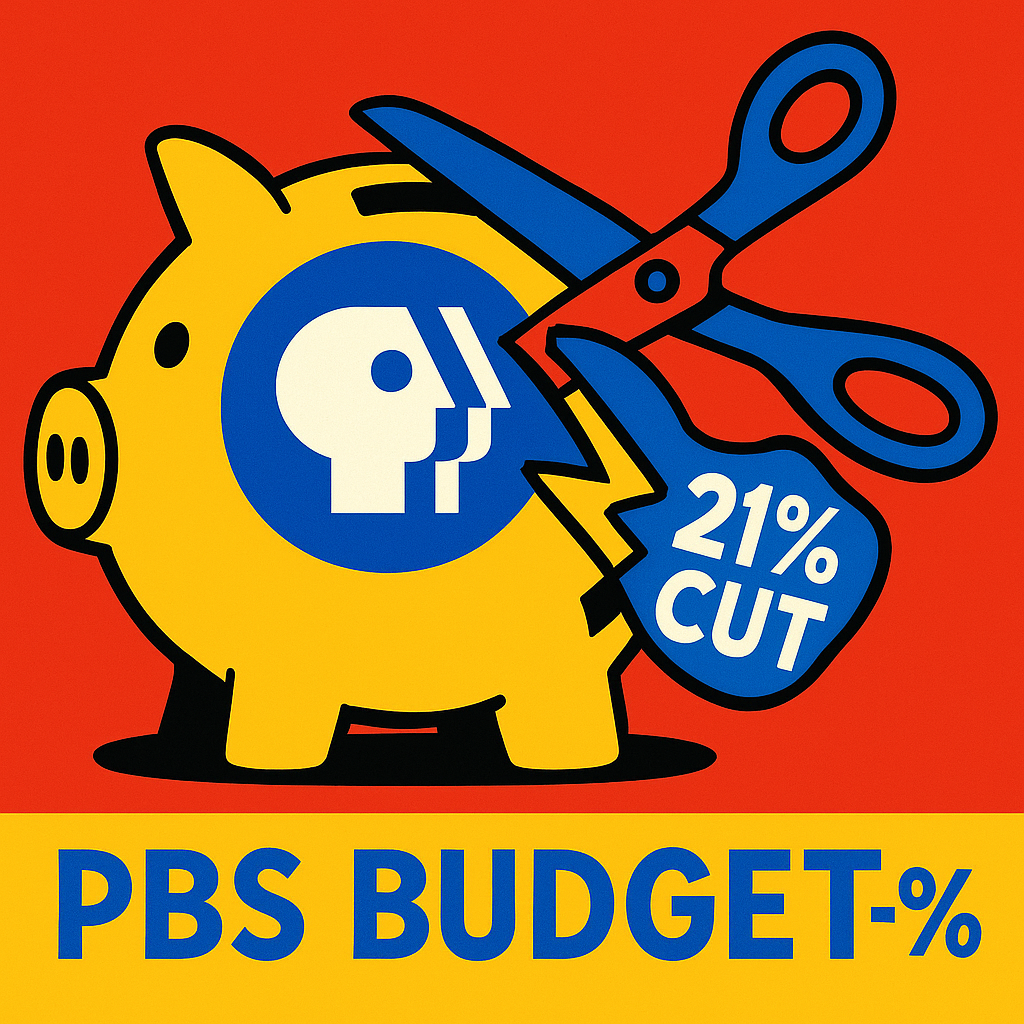
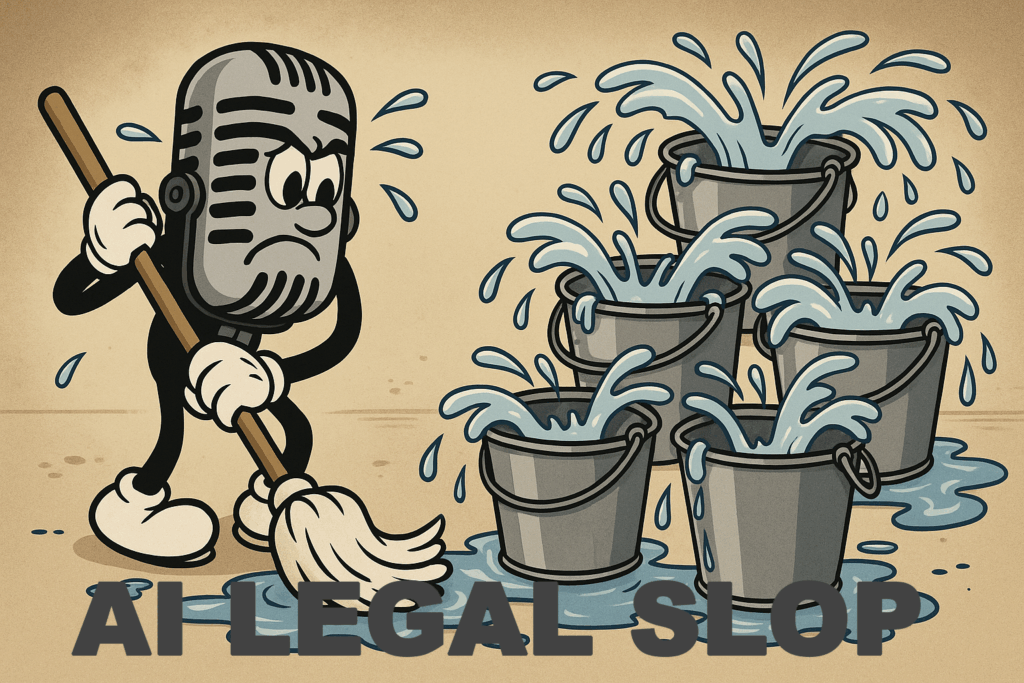
 Artificial intelligence now makes it possible to replicate a human voice with striking accuracy. For broadcasters, podcasters, and content creators, the central question is: When does using or imitating a voice become a legal problem? The answer depends on the person being imitated, the purpose of the use, and the rights attached to that voice. Below is a six-bucket framework to help evaluate the risk.
 pursuit of pure profit. It embraced this Administration’s radical notion that discriminatory behavior should be tolerated and even embraced, while efforts to expand opportunity for everyone should be rejected.
 You did everything right – or so you thought. You used a short clip, added commentary, or reshared something everyone else was already posting. Then one day, a notice shows up in your inbox. A takedown. A demand. A legal-sounding, nasty-toned email claiming copyright infringement, and asking for payment.
 South Florida viewers are confused. WPLG, which brands as “Local 10,” was an ABC-TV affiliate for 69 years… until yesterday. Now it’s more local than ever, after divorcing its network, whose programming moved to the FOX affiliate’s digital channels 18.1 and 7.2, now branded “ABC Miami.” Among courteous FAQs about this change on WPLG’s web site: “How do I rescan my TV?” to find ABC programming.
 and actions prior to the Paramount-Skydance merger. Paramount’s CBS agreed to a settlement with President Donald Trump over a Kamala Harris interview on “60 Minutes.” The complaint says, “Everyone from U.S. senators to CBS employees to a dissenting FCC commissioner has said the settlement appears to have been a bribe to grease the wheels for Carr’s FCC to approve the merger. Even putting Paramount aside, Carr has pursued numerous other frivolous and unconstitutional legal proceedings and threatened more of them in furtherance in his efforts to intimidate broadcast licensees to censor themselves and fall in line with Trump’s agenda.” It goes on to say, “Carr’s actions brazenly violate legal and ethical standards that govern the practice of law and public officials, undermining the First Amendment, the FCC’s credibility, and the laws he is trusted to administer. His abuse of his office to force an unwarranted settlement of a private lawsuit is shameful and warrants disbarment.”
 for free markets, Gomez called out the FCC’s role and Paramount for “cowardly capitulation.” Trusty said, “This transaction reflects the free market at work, where private investment, not government intervention, is preserving an iconic American media institution. During its review of the transaction, the Commission determined the merger was lawful and would serve the public interest. This deal brings fresh
  leadership, new capital, and a clear plan to compete with dominant tech platforms.” Gomez stated, “In an unprecedented move, this once-independent FCC used its vast power to pressure Paramount to broker a private legal settlement and further erode press freedom. Once again, this agency is undermining legitimate efforts to combat discrimination and expand opportunity by overstepping its authority and intervening in employment matters reserved for other government entities with proper jurisdiction on these issues. Even more alarming, it is now imposing never-before-seen controls over newsroom decisions and editorial judgment, in direct violation of the First Amendment and the law… The Paramount payout and this reckless approval have emboldened those who believe the government can – and should – abuse its power to extract financial and ideological concessions, demand favored treatment, and secure positive media coverage. It is a dark chapter in a long and growing record of abuse that threatens press freedom in this country.”
 local communities and civic issues.” According to a press statement, Bolling will assist in guiding Re:Public’s strategic communications, serve as voice of the platform in national and regional media, and assist with outreach as Re:Public expands throughout the United States. Bolling says, “Re:Public is an innovative new platform that returns the voice of ordinary Americans to the center of our public life. Local news has been dominated by goliath corporations for too long. Re:Public empowers people with the ability to report what is important in their own neighborhoods — unfiltered, uncensored, and held accountable.”
 People Mover, the city of Detroit’s elevated public transportation system. The city makes the announcement as the People Mover celebrates its 38th anniversary and Jackson becomes the first new voice for the system’s on-board station announcements in over 30 years. The WJR personality’s voice will now greet thousands of riders daily, both on the trains and from the station platforms. In addition to station announcements, Jackson will also be heard on a series of welcome messages, greeting riders from the station platforms.
  newsprint tabloid, TALKERS proclaimed that “talk radio” was, indeed, an “industry within an industry” and worthy of its own, unique full-service trade publication. Founded by pioneering radio broadcaster (KMET, WNEW-FM, WLIR-FM, WCBS-FM, WPIX, KPRI, CBS, Westwood One, RKO) Michael Harrison, who also brought his experience with publications including Radio & Records, Goodphone Weekly, and Billboard to the table, the independent journal went on to produce annual conferences, numerous radio shows, and contribute to the ongoing success and influence of a variety of spoken word formats and talk media offshoots.
 by President Trump’s claims of liberal bias at NPR, voted to strip public broadcasting of all federal funding. But Chapin says the choice was hers and not driven by the action in Congress. Chapin says, “I have had two big executive jobs for two years, and I want to take a break. I want to make sure my performance is always top-notch for the company. NPR CEO Katherine Maher says, “Edith has been an indispensable partner during my first year at NPR, a steady leader for a large part of this organization, and a fantastic collaborator as a member of the executive team.”
 the country, particularly in rural and underserved areas. However, Americans are increasingly skeptical of media institutions, with trust in media at historic lows. That reality cannot be ignored. It is not unreasonable for taxpayers to expect transparency, accountability, and balance from any outlet receiving federal support. Nor is it unreasonable for Congress to reassess whether public funding models established in a different media era remain justified today, especially when Americans have more access to more content from more sources than ever before. This action does not signal the end of public media. Instead, it presents an opportunity for innovation, partnerships, and more localized decision-making. As a regulator, I will continue to support policies that promote access and competition in media, without presupposing that one model of funding or content creation should be immune from public scrutiny or reform.”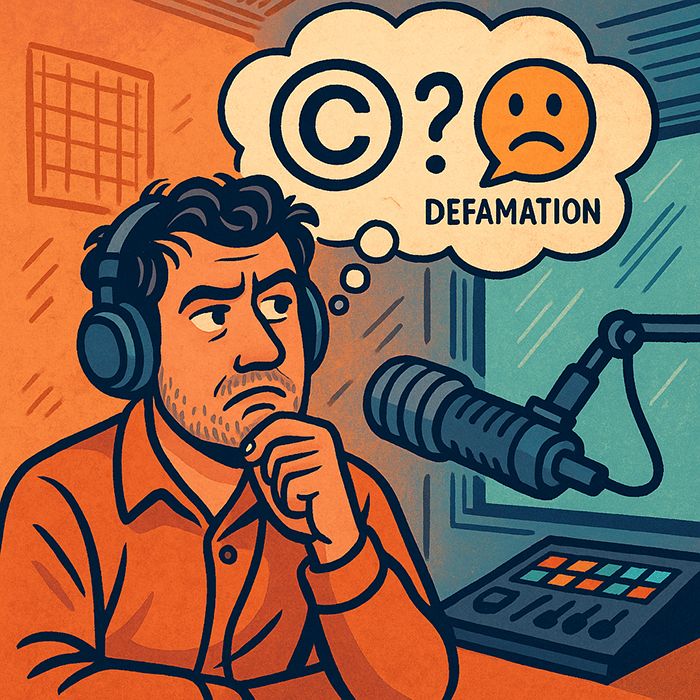
 A radio (or video podcast) host grabs a viral clip, tosses in some sharp commentary, and shares it online. The goal? Make some noise. The result? A takedown notice for copyright infringement – and then a letter threatening a defamation suit.
 defund, or threaten news outlets that support the government’s views, and there’s a reason for that. This has never been about saving money. It’s about silencing those who report the news accurately, without fear or favor. The true cost of this one-sided attack on free speech will be felt most by small and rural communities across the country. Much like the disappearance of local newspapers, cutting off support for public stations could create a new kind of ‘news desert.’ In many hard-to-reach areas, these stations may be the only source for the public to receive emergency alerts, traffic updates, and information about local events and ways to stay engaged in their own neighborhoods. Defunding them strips away these essential services and further isolates the very communities these stations seek to serve. The FCC is playing a dangerous game with its own baseless attacks on public broadcast stations. Its role should be to protect and expand the public’s access to timely, accurate news that is free from political interference. I will continue fighting this FCC’s politically motivated efforts to investigate and harass these stations.”
  available free of charge to the first 200 TALKERS readers who respond to the offer. This valuable resource is packed with contact information to reach Members of Congress and their key staffers.
  In radio and podcasting, editing isn’t just technical – it shapes narratives and influences audiences. Whether trimming dead air, tightening a guest’s comment, or pulling a clip for social media, every cut leaves an impression.