

TALKERS News Notes
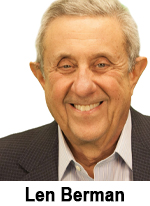
WOR, New York Morning Co-host Len Berman to Anchor Station’s First-Time Ever Live Coverage of New York City Marathon (11/3). iHeartMedia New York announced today (10/28) that Emmy award-winning New York City sports anchor Len Berman, currently heard from 6:00 am – 10:00 am weekdays on 710 WOR’s “Len Berman and Michael Riedel in the Morning,” will anchor 710 WOR’s live coverage of the 53rd TCS New York City Marathon on Sunday November 3. This first-ever radio broadcast of the iconic New York City event will be heard from 8:00 am – 12:00 noon on 710 WOR-AM, Q104.3HD2, on the free iHeartRadio app, smart devices and at 710wor.com. “When iHeartMedia New York partnered with the New York Road Runners (NYRR) to produce this inaugural radio broadcast of the marathon, it was a no-brainer to put Len at the helm of the broadcast,” said Tom Cuddy, program director for 710 WOR. “His association with New York sports, during his more than 50-year television career, and his ‘second life’ as co-host of the WOR morning show since 2015, ensure that Len will make this a can’t-miss broadcast.” “I’m honored to be hosting WOR’s maiden voyage with the TCS New York City Marathon,” said Berman. “I’ve hosted TV coverage of the event many times and it’s consistently one of the best days of the year in the city. We look forward to conveying that same message to our listeners.”
WGN, Chicago Renews Contract with Host Lou Manfredini. WGN Radio today (10/28) announced a contract extension with host Lou Manfredini, the station’s do-it-yourself expert and mainstay for nearly 30 years. His call-in radio show “HouseSmarts Radio with Lou Manfredini” airs Saturdays, 6:00 am to 10:00 am, and delivers an entertaining mix of practical and useful home improvement advice. 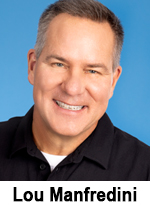 “I have been blessed to call WGN Radio home for the past three decades,” Manfredini tells TALKERS. “But in the end, it’s all about our listeners. I’m excited to continue to help them better understand how their homes work, show them they can have fun, and, of course, remind them to never hold a nail for someone else.” The Chicagoland native will be celebrating his 30th anniversary on WGN Radio in 2025. Mr. Manfredini first appeared on the station as a guest on the Bob Collins Show in 1995 following a letter writing campaign to pitch a call-in home improvement show on WGN.
 “We are delighted that Lou will be with us for his 30th year and beyond,” said WGN Radio VP/GM Mary Sandberg Boyle. “In the nearly 30 years since first appearing on WGN Radio, Lou’s presence across the media world has evolved considerably. Yet, what truly sets him apart is his natural gift of connecting to and interacting with our listeners in the special way that only radio does. Making those listener ‘connections’ has historically been – and will continue to be – the very fabric of WGN 720.” Manfredini can also be heard on weekday segments with John Williams (Mondays), Lisa Dent (Thursdays) and Bob Sirott (Fridays). Lou Manfredini is also a weekly contributor to WGN-TV’s Morning News.
Liberty News Radio and The Big Mig Rumble Channel to Present Election RoundTable 2024. Nationwide Broadcast Liberty News Radio and the Big Mig Show on Rumble are presenting what they describe will be a “captivating” live event, “Election RoundTable 2024,” to be held on November 5, 2024, between 7:00 pm – 12:00 midnight ET. Hosted by Sam Bushman, James Edwards, Dr. Scott Bradley, and Lance Migliaccio, the forum will feature a panel of notable experts including Sheri Richard Mack, Alex Newman, George Balloutine, Lew Moore, Lowell Nelson, Dave Krieger, Peter Scoop Stanton, and others. Highlights will include in-depth analysis of election dynamics, key issues, and candidate strategies. The forum is set to be a key resource for political enthusiasts and voters across the nation, providing a comprehensive look at the elements shaping the future of our Constitutional Republic.  It will be carried by LibertyNewsRadio.com or video stream at TheBigMigShow on Rumble. For additional information or press inquiries, please contact Sam Bushman at 801-756-9133 or LibertyRoundTable@gmail.com.

 One day last winter, Alison Stewart, the host of “All of It” on public station WNYC, New York was alarmed to find herself speaking gibberish.
 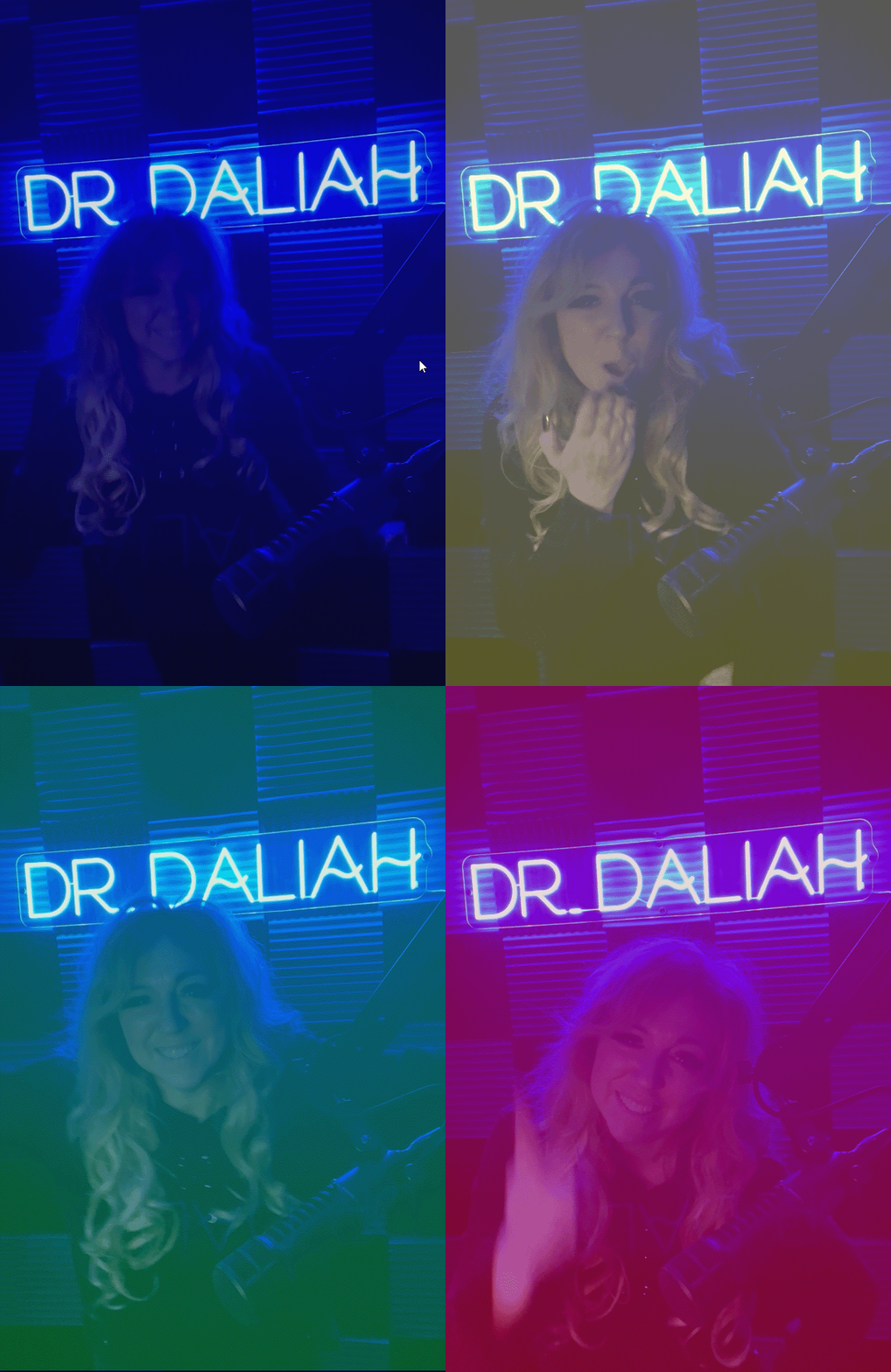 Music Group Gunhill Road Putting Final Touches on Talk Radio Anthem. Gunhill Road, the perennial pop music ensemble that has attracted hundreds of thousands of worldwide followers with its growing repertoire of issue-oriented songs and music videos, is currently in post-production with an anthem celebrating talk radio. Titled “Don’t Stop Talkin’” – the song is an uplifting and infectiously catchy tune about the vital role talk radio plays in serving the cause of American freedom of speech. With lines that include “As long as you’ve got a voice, don’t ever stop!” and “As long as you’ve got the truth, don’t ever stop!” the original composition co-written by band members Steve Goldrich, Paul Reisch, Brian Koonin, and Michael Harrison encourages talk radio practitioners to keep up the good work and great service they provide the nation.TALKERS Heavy Hundred syndicated host Dr. Daliah Wachs pictured above bopping to the music in a scene from the forthcoming video “Don’t Stop Talkin'” by Gunhill Road.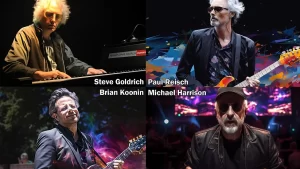
 this year’s Benztown 50 is the presentation of the voiceover industry’s highest honor, the Chris Corley Lifetime Achievement Award, to Ann DeWig. Benztown president Dave “Chachi” Denes says, “We are thrilled to recognize the top 50 VO artists in the U.S. and Canada for 2024, along with the peer-voted ‘Best of Format’ honorees and the great Ann DeWig, recipient of the Chris Corley Lifetime Achievement Award. These individuals represent the pinnacle of audio branding and are synonymous with many major brands in our industry. Fifteen years ago, when we began working with VO talent, I never imagined we would collaborate with the best in North America. I am incredibly grateful for their support; without it, Benztown would not be where it is today. As we celebrate these honorees, we also honor all world-class VO talent and the emerging voices that shape the future of the industry.”
  As a media creator, incorporating copyrighted material, such as video clips or actualities, into your content can enhance your message. But when using someone else’s work, you need to consider fair use, a legal principle that permits limited use of copyrighted material under certain conditions – without needing permission from the copyright holder. Understanding when and how you can safely use this material is critical to avoiding costly liability – whether it’s a copyright strike or complicated copyright litigation.
 The research notes millennials (ages 27-42) are the most concerned at 83%. The survey finds people are feeling the effects of the higher costs of goods and services, and they remain concerned about inflation. In addition, 37% said their finances are in worse shape than four years ago. Thirty-four percent said their finances are about the same, while only 29% said they’re better off than they were four years ago. The research indicates more than half (52%) of Americans believe the U.S. presidency has a major impact on their personal finances. “We encourage every American to go out and vote,” said Dave Ramsey, personal finance expert and host of “The Ramsey Show.” “But remember, what goes on in your house is a whole lot more important than who’s in the White House. The research shows that less than half of Americans believe a written household budget is the way to win with money. That has to change, or nothing will.”
 Starnes Media Group is hosting a live, six-hour Election Night special for radio stations across the nation.
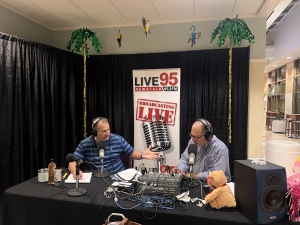 The 22nd annual Children’s Miracle Network Radiothon benefitting McLeod Children’s Hospital was recently held in Florence, SC. During the Radiothon, Community Broadcasters’ stations WWKT 99.3 The Cat, (news/talker) WFRK Live 95.3, WPDT Almighty 105.1 and WSIM 93.7 Frank FM hosted live broadcasts from McLeod Children’s Hospital. Pictured above: former SC Lt. Gov. Ken Ard and station VP operations Dave Baker (r) during broadcast on news/talk Live 95. “As always, at Community Broadcasters, we are always doing our best to live up to our name, and stand for the communities that we broadcast in,” company VP Wayne Mulling tells TALKERS. “And we are proud of what we have been able to do in hosting the Children’s Miracle Network Radiothon each year to raise funds for McLeod Children’s Hospital and Children’s Miracle Network. We are humbled by the amount of people that have been helped directly through the years by these organizations, and glad to play a small part in keeping this active and ongoing to continue to help others every year. We invite you to be a part as well.” DJs and talk show hosts asked listeners for donations in support of the programs and technology that McLeod offers to families in the Pee Dee. Listeners also had the opportunity to hear real stories from those who have benefited directly from the McLeod Children’s Hospital, in addition to interviews with doctors, nurses and employees who all share the same passion. “What an exciting Radiothon we had this year raising more than $127,000 for the McLeod Children’s Hospital!” says Davis Sawyer, Children’s Hospital fund manager. “The hard work and dedication from all involved truly make a difference in the lives of the children treated in McLeod Children’s Hospital. I value the partnership and friendship we have with Community Broadcasters and look forward to growing this partnership as we continue to impact the children we serve.” There was also a live auction throughout the week, with some bids surpassing $500. Auction items were donated from collegiate and professional sports teams, nationally known musicians and local businesses. At the conclusion of the Radiothon, this year’s donations equaled $127,098. All donations will remain here in the Florence area to help fund life-saving McLeod programs, and purchase new technology to better serve the Pee Dee families. To learn more about the annual Radiothon, check out this year’s sponsors, or make a donation, visit
 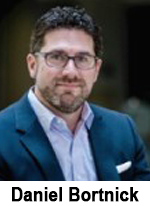 Bortnick is a successful industry veteran who most recently served as regional vice president of sales at iHeart Media in Washington, DC. Elizabeth Hamma, market president tells TALKERS, “We are fortunate to welcome Danny Bortnick as director of sales for Hubbard South Florida. With his extensive and successful track record of driving revenue growth as well as fostering strong client relationships, we are confident Danny will make a big impact on our team and our advertising partners.” Bortnick states, “I couldn’t be more excited to be joining Hubbard South Florida. I’m humbled to be representing such powerful brands, as well 2060 Digital. Looking forward to helping the Hubbard South Florida team reach new levels of success.”
 In his new role, according to the company, Bortnick will oversee sales operations for Hubbard’s South Florida stations, as well as 2060 Digital, focusing on driving revenue growth, building strong relationships with advertisers, and creating innovative solutions to meet client needs.
 The station will continue to be heard on 1250 AM. Concurrent with the FM relaunch, the station will introduce two new local weekday shows. “The Pack-A-Day Radio Show” will air weekdays from 8:00 am to 9:00 am CT. Hosted by Green Bay Packers insider Andy Herman, the show will serve as a destination for all things green and gold. Herman currently hosts the “Pack-A-Day Podcast” and “Packer Report.” The station will also launch “The Mason Crosby Show,” starring 17-year NFL kicker, Super Bowl champion and Packers all-time leading scorer Mason Crosby, weekdays from 9:00 am to 11:00 am CT. The show will also feature Mitch “Thunder” Nelles as co-host and veteran producer Tommy Wortz. “We couldn’t be more excited to bring The Fan back to FM and expand the reach of the best sports talk in Milwaukee,” said Jason Bjorson, SVP/market manager, Audacy Madison and Milwaukee. “Milwaukee has long been a premier market for football coverage, and through the addition of ‘The Pack-A-Day Radio Show’ and ‘The Mason Crosby Show,’ coupled with our existing must-listen programming, we’re elevating the listening experience and keeping fans connected to their favorite teams.” The station’s weekday lineup rounds out with “The Jim Rome Show” from 11:00 am to 2:00 pm CT and “Wisconsin Sports Daily” with station APD Steve “Sparky” Fifer from 2:00 pm to 5:00 pm CT.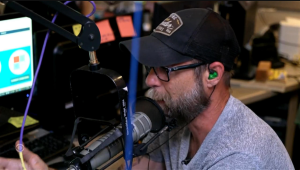
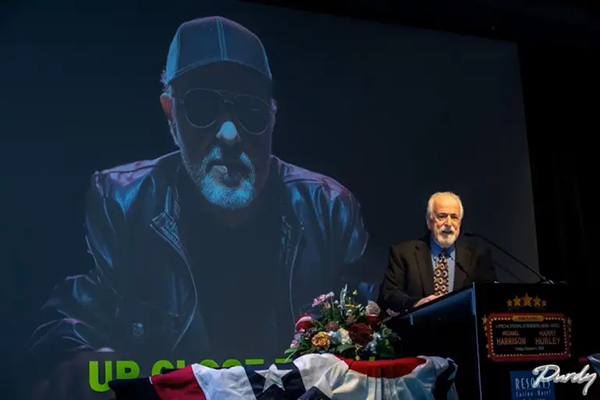 TALKERS publisher Michael Harrison addressed a packed house of New Jersey political, civic, and business leaders at last Friday’s Hurley in the Morning Foundation Charity Dinner in Atlantic City (10/4) discussing the biological and sociological impact of modern era communications technology. In this clip, he discusses the potential influence of AI on the talk show host job market. One of the many highlights of Harrison’s 48-minute keynote address was his observation that it is very possible for robots powered by artificial intelligence to be able to hold multi-faceted on-air conversations with each other or with guests or callers by tapping into their ability to instantaneously access every talking point already out there in cyberspace – left, right, or center – and to present them with an endless array of voices and attitudes. To protect their jobs and future against this formidable competitor, Harrison advises talk show hosts to significantly “up their game” and operate with more originality outside the realm of hackneyed talking points. To see a brief clip of Harrison’s comments please
  Times’ “The Daily,” followed by NPR’s “NPR News Now” at #2 and NPR’s “Up First” at #3. Some moves of note include Dan Bongino’s “The Dan Bongino Show” sliding from #4 to #5, The DailyWire’s “The Ben Shapiro Show” dipping two spots to #11, and Cumulus Podcast Network’s “The Shawn Ryan Show” rising to one spot to #12.
  This edition explores game-changing shifts in creativity, artificial intelligence, measurement, and audience activation—highlighting key trends crucial for navigating the evolving ad environment. KEY FINDINGS: According to research compiled in the guide, emotional messaging is gaining renewed importance in audio advertising, driving an 8.2% increase in consumer action with ads that evoke positive feelings. In the creator economy, “test and see” strategies are becoming obsolete, as authentic creator partnerships are now essential to media plans. In fact, 40% of advertisers are shifting from one-off campaigns to year-long collaborations with creators, recognizing the lasting value these partnerships offer.
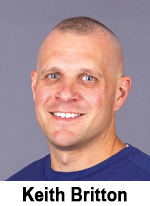 Britton had previously served as the station’s assistant brand manager since 2019. “Keith’s deep understanding of the station, his passion for sports radio, and his proven leadership make him the ideal person to drive The Fan’s continued success,” says Jeff Miller, SVP, market manager and director of sales, Audacy Cleveland. “Keith has played an integral role in shaping the station’s identity over the years, and we look forward to seeing him grow in this new position.” Britton tells TALKERS, “I’m humbled and excited to lead this radio station and our incredible staff. Having been here since the station flipped to sports in 2011, it’s been a phenomenal experience to help build a strong foundation with unlimited potential,” adding, “There are big shoes to fill in this position, and I want to personally thank Andy Roth for his endless mentorship, former market manager Tom Herschel, current market manager Jeff Miller, and operations manager Chase Daniels. This opportunity is one that I’ve looked forward to for a long time and one that I will value and approach with enthusiasm every day to help build the legacy of Audacy Cleveland.”
 FNN is looking for someone who brings excitement, passion, and interest in providing federal and industry executives with news and information about the policies, people and programs that drive the mission of the federal government. The ideal candidate MUST have knowledge of, and high degree of interest in, information technology, acquisition, human resources, financial and program management as they operate within the federal government. The current managing editor and anchor of the Federal Drive, Tom Temin, is retiring in April 2025 after 17 years of leading the program and more than 45 years in journalism. For this position, experience in developing ideas, conducting, and managing interviews is strongly preferred, but consideration will be given for the right person with the right background in federal issues. The host is primarily responsible for show content and adherence to Federal News Network editorial niche of serving federal employees and contractors. Federal News Network (first called WTOP2), the world’s first, Internet-only, all-news radio station was created in February 2000 with a focus on the federal community. Federal News Network is owned by Hubbard Radio. Federal News Network can be heard on a clear channel 50,000 watt station on 1500 AM. If you are interested in applying, contact Federal News Network executive editor
 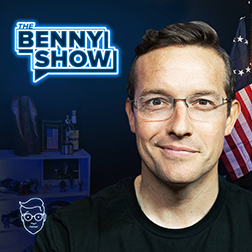 has amassed “a combined 12 million subscribers across platforms. ‘The Benny Show’ has become a go-to platform for the next generation of news consumers and creators alike. The program features commentary and exclusive interviews with special guests including presidential candidates, world leaders, cultural icons and Hollywood actors.” Under Westwood One’s leadership, the Cumulus Podcast Network distributes, markets, and monetizes “The Benny Show” exclusively with this new partnership. WWO president Collin R. Jones says, “As the Cumulus Podcast Network further expands into video, ‘The Benny Show’ is a natural addition to our portfolio of personality-driven talk shows. Benny is well known on YouTube as a strong and independent voice in conservative talk. He challenges mainstream opinions with cutting-edge insight and straightforward questions, capturing both listeners and partners with his streamlined, frank approach.”
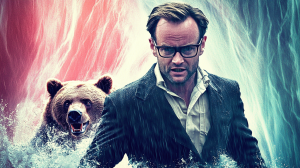 WOR, New York morning co-host Michael Riedel returned to the airwaves yesterday morning (10/1) after a camping trip to North Carolina that turned into a rather harrowing experience due to Hurricane Helene.
 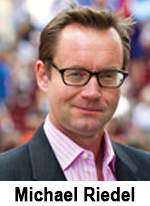 Riedel arrived in North Carolina last Tuesday and learned from his group’s guide that the forecast was rain for the entire duration of their trip. At that point, no one connected the rain with the hurricane, however. When their time on the mountain first began, Michael and his fellow hikers may have thought their near run-in with a bear was going to be the craziest part of their trip, but after two days of near-steady rain, Riedel’s group’s guide made the decision to end the hike and come down the mountain to seek safety. “The guide said if we don’t get down to the road…the river is going to flood and we will be trapped,” Riedel told his co-host Len Berman and morning news anchor Larry Mendte. “[But] all of the little streams and the creeks that we crossed on the way up…were now raging torrents of water, and we had to find places to cross. And when we crossed the streams, we all had to, like, hold on to each other to form a chain so that the water wouldn’t wash us away…and we had to do that three times.” Even though they were without electricity, internet, or phone service and had virtually no food and were down to just four bottles of water to share among 10 group members, Riedel and his group found a bed and breakfast in downtown Asheville that despite calls for evacuation was willing to take them in. “You know, I have to say I was very lucky,” Riedel reflected. “There was a woman who worked [there who] took water from the Creek behind the B&B and… made vegetable soup [using vegetables from their garden]…to feed us.” Ultimately, after three days of being stranded, Riedel was able to share a ride to the airport with another guest at the bed and breakfast and landed back at LaGuardia airport Monday evening (9/30). Talk about home sweet home. To hear more about Riedel’s adventure,
 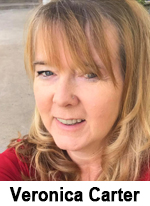 Broadcasting weekdays 5:00 am to 9:00 am PT, the show delivers what station sources describe as “unmatched news coverage of the critical stories shaping the community.”
  The program has a reputation for being a trusted news source dedicated to delivering timely and accurate coverage tackling everything from local and national news to business, entertainment headlines plus traffic and weather reports. Known for her warm delivery and engaging storytelling, Carter’s distinguished career includes roles at major news outlets such as WBBM in Chicago and Newsradio KFBK in Sacramento, where she became known for her sharp reporting and ability to connect with audiences. She will report to PD Mary Ayala who tells TALKERS, “I’m thrilled to welcome Veronica to our team,” adding, “Her depth of experience, vibrant enthusiasm and passion for connecting with the people of California make her a great addition to our morning show.” Carter comments, “I’m honored to join such a respected team and excited to connect with our listeners each morning, bringing them the news and stories that matter most.” Carter replaces LaDona Harvey, who announced she was stepping down from the role earlier this month.
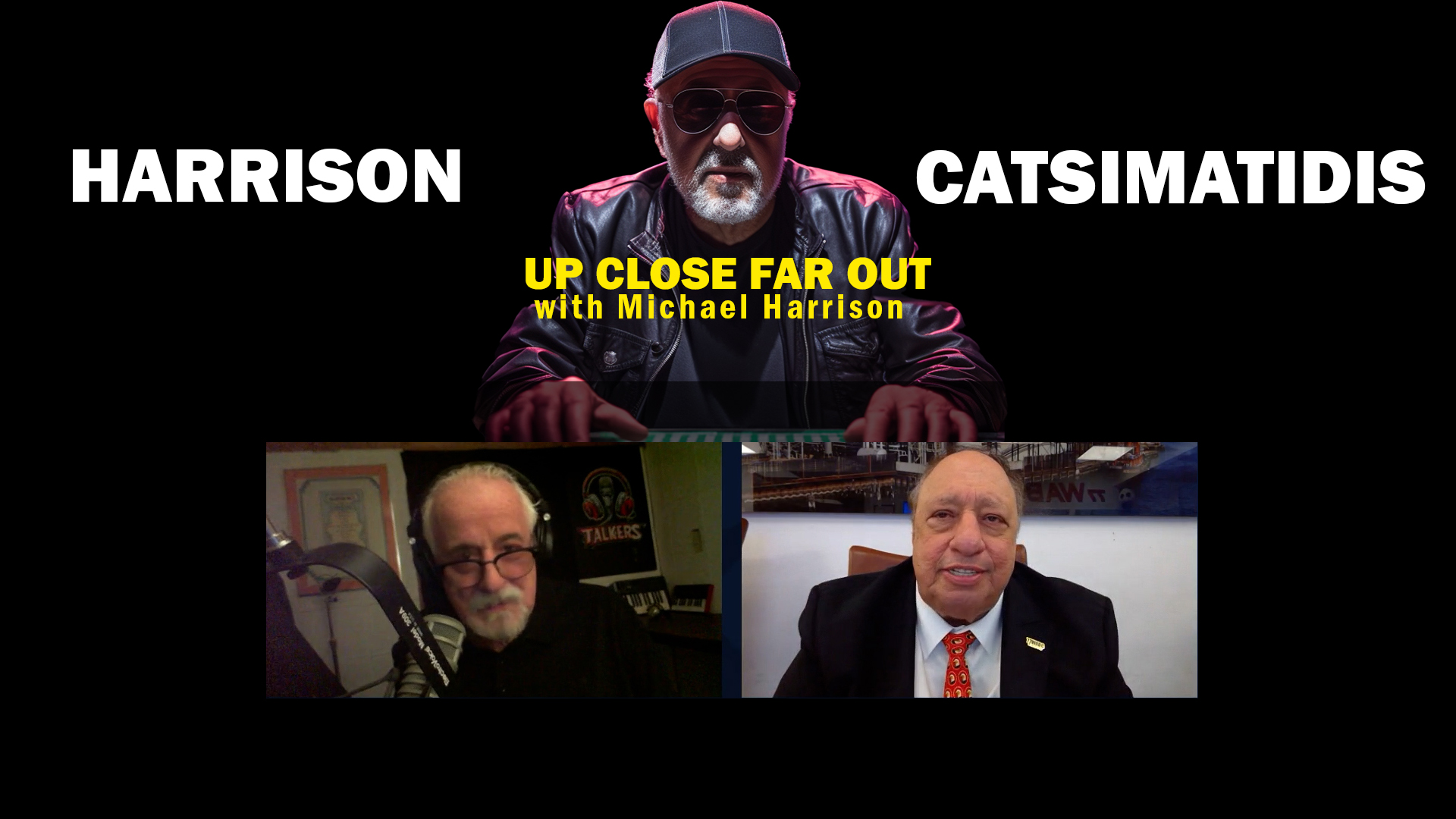 What’s it like to be a self-made billionaire mogul with powerful ownership interests in the media, grocery, energy, real estate, political, and sports industries? TALKERS publisher Michael Harrison presents a candid one-on-one dialogue with Red Apple Group CEO and WABC, New York owner John Catsimatidis that covers all the above bases and then some. “Cats” discusses his ongoing plans for WABC Radio; the future of the AM radio dial; roots of the inflated cost of food and gasoline; his development of beach front condo properties in Coney Island, NY and St. Petersburg, FL; and what he describes as his “common sense” approach to today’s political environment. Catsimatidis’ life is the embodiment of the American Dream – a true rags-to-riches story of a Greek immigrant who came to New York City with his family at the age of six months and worked his way to success, starting in his parents’ humble grocery store, to become one of the most influential individuals in the nation. Harrison and Catsimatidis take the viewer on an amazing “fun” journey from the nostalgic sidewalks and baseball stadiums of old New York to the pinnacle of 21st century business, media, and technology. To view this exciting new entry on the TALKERSMEDIA YouTube channel, please