

John Fredericks Media Network (JFMN) Expands to Nine Radio Stations in West Virginia
The John Fredericks Media Network, which lays claim to be the largest independently owned and operated news-talk-sports network in America, has expanded its operations in West Virginia. Fredericks radio company, Disruptor Radio, LLC has entered into an Asset Purchase Agreement (APA) with LHTC-Radio Division to acquire it’s nine stations in West Virginia, which include:
• WGYE 102.7 FM / 95.3 FM – Morgantown WV, Mannington WV
• WMMN AM 920 / 95.7 FM – Fairmont WV, North Central WV, Wheeling WV
• WHTI 105.7 FM – Clarksburg WV
• WZST 100.9 FM – Morgantown WV
• WBKE AM 1490 / 98.3 FM – Morgantown WV, Fairmont WV, Grafton WV
• WRLF 94.3 FM – Morgantown WV, North Central WV, Fairmont WV
Disruptor Radio will take over operational control of the above stations effective today (1/6) through a License Management Agreement (LMA) with LHTC-Radio division until the sale formally closes. Both the LMA and APA have been filed with the FCC and is a matter of public record. The URL is WVTheTorch.com and a radio APP is available. The addition of the West Virginia radio cluster gives Fredericks’ company a total of 22 signals from West Virginia to Georgia. The new West Virginia stations will air the JFRN lineup of populist proprietary hosts and sports. The full lineup can be found at WVTheTorch.com.
WVTheTorch.com and WZST 100.9 FM will remain the flagship radio network for WVU Athletics, which airs WVU Mountaineer football, men’s basketball, women’s basketball, and baseball on all WV channels except WGYE and WHTI. WVTheTorch.com and its affiliated network carries the NFL’s Pittsburgh Steelers and the Pittsburgh Penguins of the NHL.
Fredericks tells TALKERS, “This West Virginia opportunity is key to our growth plan, as it dovetails nicely with our Pittsburgh footprint and reaches a very pro-populist, pro America First and pro-Trump area of America. West Virginian’s voted overwhelmingly -over 70 percent- for President-elect Donald Trump, who also carried Morgantown and the county. We are excited about offering listeners in West Virginia a choice from the stale, woke and warmed over pablum served up every day by the corporatists and conservative Inc. bunch that regurgitates FOX and RINO RNC talking points of the day.” Fredericks, whose show airs weekdays 6:00 am-10:00 am, Fredericks lives in Pittsburgh, PA and will be covering the White House live from Washington, D.C. most weekdays.
Anne Fredericks, Disruptor Radio’s CEO is credited as the ultimate architect of the company’s growth and acquisition strategy. She tells TALKERS, “We’ve built a burgeoning national legion of devout and dedicated listeners across the country who yearn for the truth and a commonsense approach. We don’t rely on click bait for ad revenue and this approach has forged an unshakable bond with our audience.” She adds, “As a result, we are singularly focused on advertiser ROI, over-serving our customers, and a commitment to their economic success and enduring engagement.”

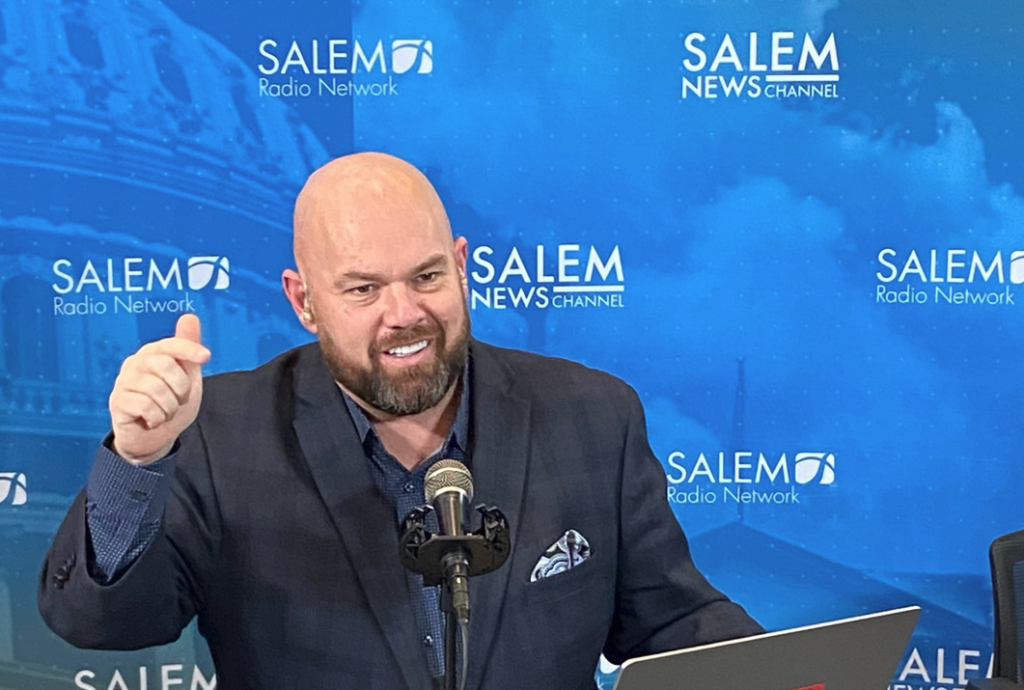 With the imminent departure of Salem Radio Network (SRN) star Sebastion Gorka to join the forthcoming administration of President-elect Donald Trump in an advisory position, longtime Salem Philadelphia morning star Chris Stigall of 980 AM WNTP will replace Hugh Hewitt in the 6:00 am – 9:00 am ET position starting January 13. That same day, Hewitt will move into Gorka’s daily 3:00 pm – 6:00 pm slot. Pictured above: Stigall addressing thousands of conservatives yesterday (12/19) at AmericaFest 2024 in Phoenix where SRN “introduced” him to a large swath of its core audience. AmericaFest is an annual rally hosted by Charlie Kirk of Turning Point USA – also an SRN personality.
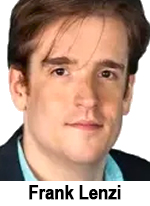 With nearly 30 years of experience in journalism, Lenzi has held roles as morning editor, managing editor, and most recently, news director and program director at KNWN/KOMO. He led coverage of major events such as the 2009 Lakewood Police shooting, the 2014 KOMO TV helicopter crash, and the 2020 police dispersal of the Seattle CHOP Zone. Bonneville Seattle SVP/ market manager Cathy Cangiano tells TALKERS she’s eager for Lenzi to come aboard. “Frank’s extensive experience and proven leadership in the industry make him the perfect fit for our team. His dedication to journalistic excellence and his ability to inspire and lead will keep our newsroom standards high. We look forward to the fresh perspectives and innovative ideas he will bring to KIRO.”
  Bryan Buckalew, KIRO program director, echoed those sentiments. “Frank has a deep commitment to keeping audiences informed and connected. I’m confident he’ll be a great addition to our team.” Lenzi comments, “KIRO has always been the gold standard for radio journalism not only in the Seattle market, but across the country. It is an honor to lead this fine team of veteran broadcasters.” Lenzi will replace outgoing news director Charlie Harger, who will take over as host of “Seattle’s Morning News” on KIRO in January.
 WDAE’s weekday lineup, which already features “The Dan Patrick Show” and “The Herd with Colin Cowherd,” will now also broadcast FOX Sports Radio from 7:00 pm to 6:00 am ET, which includes “The Odd Couple with Kelvin Washington & Rob Parker,” “The Jason Smith Show with Mike Harmon,” and “The Ben Maller Show.” Additionally, WDAE will broadcast FOX Sports Radio around the clock on weekends. “We are thrilled to announce the further expansion of FOX Sports Radio programming to our lineup, which features the best sports content and personalities, both local and national,” said Nick Wize, WDAE program director. “We believe this expansion will provide our audience with even more engaging and insightful sports talk, continuing WDAE’s legacy as the ultimate meeting spot for the Tampa Bay sports fan.”
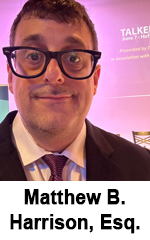 In a recent high-profile case, late-night host Jimmy Kimmel successfully defended himself against a copyright infringement lawsuit brought by former congressman George Santos. The case, which centered on Kimmel’s use of prank videos involving Santos, highlights the ongoing importance of fair use protections for media creators, broadcasters, and digital content producers.
 NYF Radio Categories eligible for the award include News Program, News Report/Feature, Documentary, Entertainment, Promo, Digital, Podcast, and Student.
 In 2024, over 180 award-winning teams worldwide shared their acceptances, while industry leaders spotlighted their creative journeys in special segments. Additionally, the JusticeAid Award-winning submission will be honored at the JusticeAid Concert in May 2025 in New York City, showcasing the transformative power of music and the arts to raise awareness for civil rights and inspire positive change.
 The webinar offered up to five years of trending data and new findings about Latino podcast listeners as well as video interviews of podcast creators discussing how they’ve utilized the studies throughout the years. According to the study, 43% of U.S. Latinos age 18+ are monthly podcast listeners, a 72% increase since 2020 (25%).
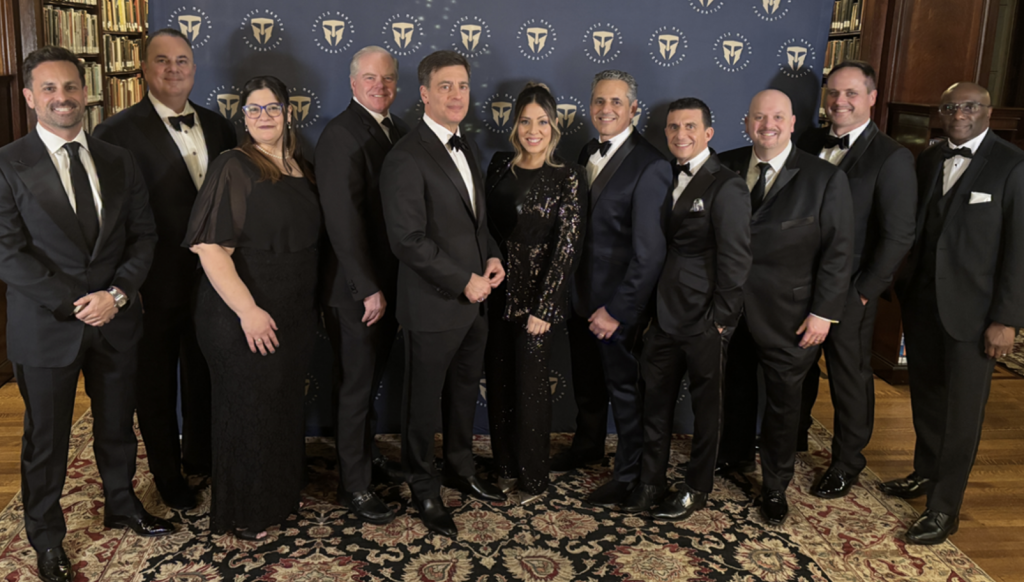
 with their insights into how audio marketing spending will evolve, how YouTube is impacting the podcasting industry, the growth of contextual targeting tools, and more for the coming year:
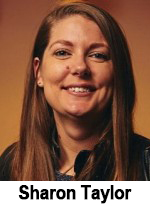 These tools will not only proactively guide brands on optimal content alignment but also streamline ad buying processes through automation and data-driven insights, reducing the need for extensive manual intervention. This approach will power precise content targeting and scale reach effectively, all while ensuring brand messages align seamlessly with the right contexts and audiences.
 Digital audio marketing spend worldwide will increase 10% next year, in part due to key drivers including the rise of contextual targeting, allowing advertisers to immerse their message within relevant content, and utilizing the growing versatility of dynamic audio insertion to make scaling campaigns more efficient. Additionally, the rapid growth of influencer marketing on TikTok and X is cooling, with marketers increasing spend on podcasts where creators can cultivate more meaningful audience connections. This growth in audio spending will heighten the insistence for transparency as advertisers demand greater visibility into performance metrics and content alignment to ensure trust and accountability. This convergence will solidify audio’s position as a successful channel for integrated marketing strategies worldwide.
 While podcasting will remain fundamentally audio-first, driven by convenience and flexibility, consumers now have more options for how they discover and consume content. YouTube is bringing in new, first-time podcast consumers with a different audience profile. In some cases, they are watching shorter length content or on additional devices other than mobile. Informed by insights about their audience, publishers and creators will be able to deliver an engaged experience across listening platforms and devices, and grow reach.
 More specifically, the focus will be on enabling humans to automate tasks so they can focus on strategy. AI will be leveraged to drive more effective and efficient spending, including helping achieve yield for publishers and meaningful campaign outcomes for advertisers, as well as content analysis and audience insights. This tech shift will put a bigger emphasis on having robust data-backed insights on audiences, content, and campaign performance.
 This approach will be particularly transformative for long-tail podcasters and creators with smaller followings, offering a sustainable revenue stream that can be both a growth and retention strategy. For creators with niche audiences, subscriptions provide a viable alternative to ads and ensure the lion’s share of the revenue goes directly to the creator. As platforms invest more in these tools, creators will be able to engage directly with their subscribers through integrated communication features and eliminate the need for third-party tools. This evolution promises to empower indie creators by streamlining their workflows and enhancing their ability to cultivate loyal audiences.
 As advertisers prioritize accurate audience engagement, the shift toward contextual targeting is gaining significant traction. This trend is expected to drive more ad dollars into solutions that deliver measurable results. Innovative technology that amplifies the ability to connect with highly specific audiences at scale and helps meet advertisers’ evolving expectations will win. For publishers, this surge in demand for targeted ad placements unlocks exciting opportunities to expand inventory and enhance reach through strategic partnerships within digital audio networks.

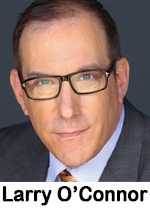 The free 3-hour, 1-hour, 25- and 30-minute radio specials are hosted by long-time WMAL, Washington, DC radio personality Larry O’Connor and feature stories of our nation’s heroes, the families who serve by their side, and how Fisher House plays a role in their journey. This program is appropriate for the entire Christmas, Hanukkah and New Year season and is a fitting and inspirational holiday programming alternative for all formats. The show features interviews with wounded warriors and veterans including heroes from Operation Enduring Freedom, the Vietnam War and an incredible, emotional story of one of America’s World War II living legends. Listeners will hear their stories fighting for our freedoms, the injuries and illnesses they endured. and the welcoming homes Fisher House provides for them and their loved ones while they go through their painful and painstaking recoveries. Fisher House Foundation provides a home away from home for families of patients receiving medical care at major military and VA medical centers. For more information on this radio special, available cash and barter free, contact TALKERS Heavy Hundred member Larry O’Connor at 562-665-9537 or

 Las Vegas-based, nationally syndicated (TMN) talk radio star, Daliah Wachs, M.D. continues her philanthropic ways. Each year, Opportunity Village holds its Magical Forest event in Southern Nevada that runs from Thanksgiving through the New Year. Opportunity Village helps those with intellectual disabilities and their families through enrichment, empowerment, and employment programs and services. Sponsors decorate a tree that comprises a huge beautiful magical forest, one of their largest fundraisers to fund their programs and employment placement. Wachs (pictured above with her “medical tree”) tells TALKERS, “It’s super cool and our show has helped support their mission for years. We create a medical tree with an EKG sign and it’s one of our favorite local charities we support.” Wachs is a member of the TALKERS Heavy Hundred and a past recipient of the TALKERS Humanitarian of the Year award.
 A grim day. They fired the whole band. You know who “they” are! Bloated management. The future of radio… ruined!
 Noted real estate industry figure and radio personality Suzanne Miller, the founder of Empire State Properties and host of “The Miller Report,” was honored last night (12/11) in a dazzling awards party featuring speakers, food, music, and dancing in the Manhattan offices and studios of WABC Radio. The event brought together New York media luminaries, and close friends of Miller for a night, in a packed room, celebrating not only her accomplishments but the resilience and vibrancy of the city she loves.