


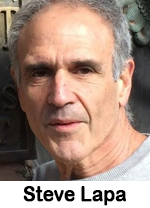
Veteran Radio Industry Executive Steve Lapa Passes
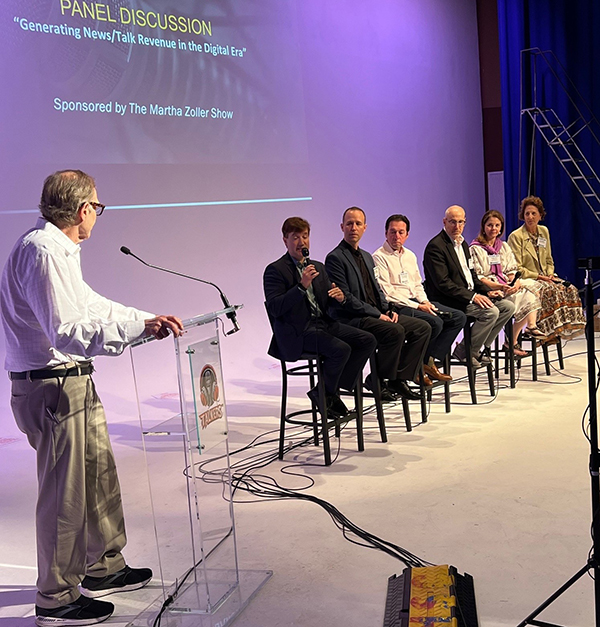
BREAKING NEWS: Details at press time are still sketchy but TALKERS has learned that longtime radio industry executive Steve Lapa passed away this morning (6/28) at the age of 72. Cause of death is not available at press time. Lapa was the CEO and founder of South Florida-based media marketing firm, Lapcom Communications. He was a widely read TALKERS columnist whose weekly “Pending Business” commentary was a source of information and inspiration to radio sellers across the nation and one of the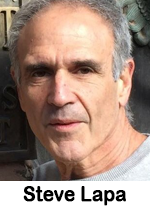 trade publication’s most popular features. He also recently appeared as the moderator of the “Generating News/Talk Revenue” panel at the recent TALKERS 2024: Radio and Beyond conference – a role he also played at the 2023 installment of the TALKERS conference. Lapa was highly active as an advisor to Newsmax Media for the past decade in the development of its multimedia operations including Newsmax Radio. Starting on-air, then working through the ranks of programming, production and sales, Steve Lapa, at age 25, became the youngest general manager in the US of a group owned top 30 DMA radio station WGRQ, Buffalo. Continually assigned to lead turnaround properties, Steve focused on delivering revenue and audience growth through the insightful opportunities blending on-air talent creating unique programming with high-profile event partnerships. He quickly became a category innovator. Steve’s first-mover concept, developed in the early era of superstar stadium concerts, proved highly profitable across program channels, talents, and venues at all levels. Steve held upper-level management positions at 28 radio and TV stations for public and privately held companies from South Florida to San Francisco. One of his most recent positions was as VP/GM of talker WFTL, Fort Lauderdale/Miami. After successfully managing and innovating for others, Steve and financial partner Myer Feldman co-founded Ardman Broadcasting of Florida and Cape Cod, to acquire underdeveloped broadcast assets, which were developed then divested at 200-400% returns. Steve went on as founder of his own Lapcom Communications generating the same results at his wholly owned stations. Lapcom Communications was the parent company for Lapa’s current business activities until his death today. More information including arrangements will be posted when available.
 watching video podcasts. Sixty-two percent of weekly podcast listeners 13+ have enjoyed video podcasts passively, with the video content playing in the background while listening to the audio. Meanwhile, the data reveals a compelling point – 72% of weekly podcast listeners 13+ have enjoyed video podcasts actively, meaning they have watched video as they listen to the podcast. Edison says, “Podcasts with video elements also allow creators to repurpose content into short, engaging clips tailor-made for social media platforms – think YouTube shorts, TikTok, or reels on Instagram or Facebook. This strategy can work to enhance a show’s digital presence, while amplifying the reach and engagement of podcasts overall.”
 welcome back ESPN NFL insiders Adam Schefter and Field Yates, who will be sharing their expert insights and engaging with fans throughout the event.” ESPN Chicago director of content Danny Zederman states, “‘Football Fest’ is the unofficial kickoff of the NFL season, and I am excited about this year’s fest, from the stars we’ll have in the room to the show we have planned. We listened to fan feedback, and we’ve added new ways for fans to interact with their favorite ESPN Chicago and Bears Radio Network personalities, as well as a live onstage version of our fan-favorite, unfiltered podcast ‘Crosstalk Unhinged’ with Carm, Jurko, Waddle, and Silvy.”
 Mason, a visionary leader who has successfully guided our sports station for the past four years, is now poised to bring the same focus, passion, and energy to our news/talk station – ‘SuperTalk 99.7 WTN.’ With an exciting blend of local hosts delivering both local and national stories in an informative and engaging manner, Paul is ready to lead this station to new heights. As we recently launched the SuperTalk YouTube channel, we anticipate continued dominance in spoken word content under Paul’s steady guidance. I would be remiss if I did not at the same time thank Dan Mandis for his outstanding leadership of the station over the last 10 years. Dan has successfully managed both the station, especially through challenging times, and breaking news while maintaining hosting duties and we look forward to letting him settle into his weekday morning show.” Mason comments, “SuperTalk 99.7 WTN’s reputation in the news/talk format is among the elite. Dan Mandis has built a strong brand, and I look forward to working alongside not only Dan, but with the entire on-air staff (Chris Hand, Matt Murphy, and Brian Wilson), and our producers. The recent launch of SuperTalk TV has positioned WTN to continue to be a leader in news/talk. WTN has loyal clients and listeners, and we are committed to bringing stories, news, and opinions in a meaningful and engaging way. I’m humbled and thankful for the trust Allison Warren, Brian Phillips, and John Dimick have in me to lead spoken word at Cumulus Nashville.”
 When market leaders drop rates, what comes next?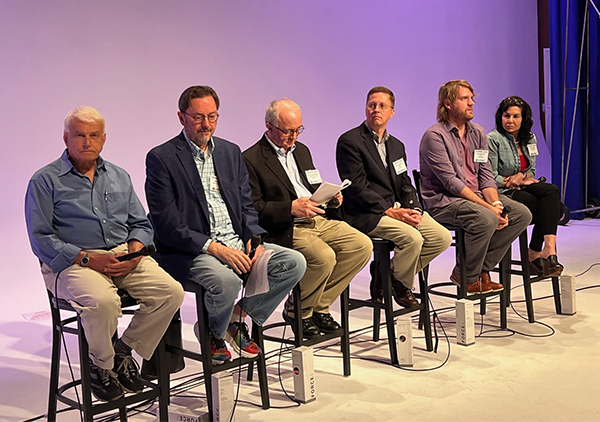
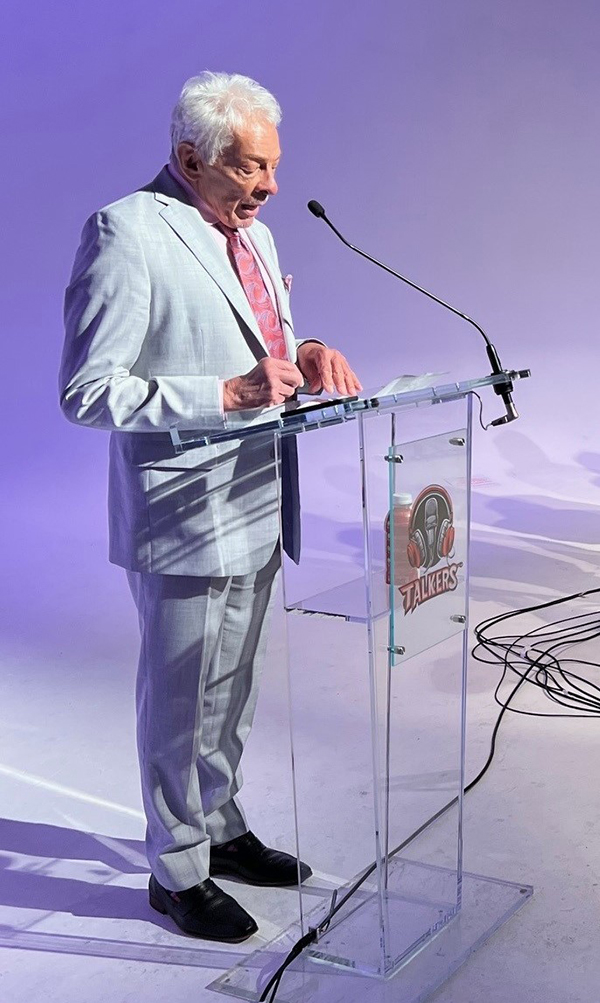
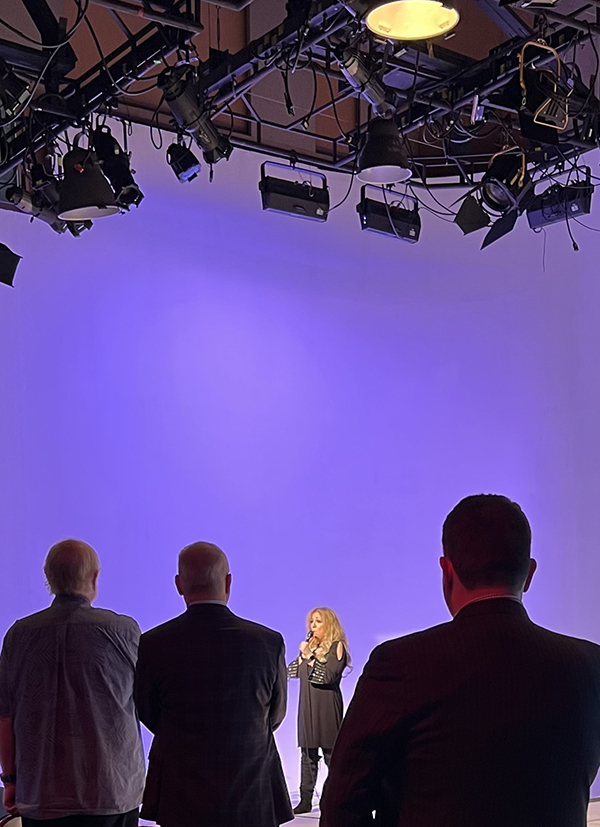
 The fourth of four rounds of ratings data from Nielsen Audio’s May 2024 PPM survey has been released for 12 markets including Austin, Raleigh, Indianapolis, Milwaukee, Nashville, Providence, Norfolk, Jacksonville, West Palm Beach, Greensboro, Memphis, and Hartford. The survey covered April 25 through May 22. Today, TALKERS managing editor Mike Kinosian presents his Ratings Takeways from this group of markets. In Austin, Waterloo Media’s news/talk KLBJ-AM is steady with a 4.4 share (weekly, 6+ AQH share) and remains ranked #7, while in Raleigh, iHeartMedia’s news/talk WTKK-FM adds a full share for an 8.3 share and climbs to the #2 rank, and in Indianapolis, Urban One’s news/talk WIBC-FM rises 1.2 shares for a 6.9 share finish that lifts it to the #4 rank. In Milwaukee, iHeartMedia’s news/talk WISN posts its ninth straight #1 rank after adding 1.8 shares to finish with a 12.1 share.
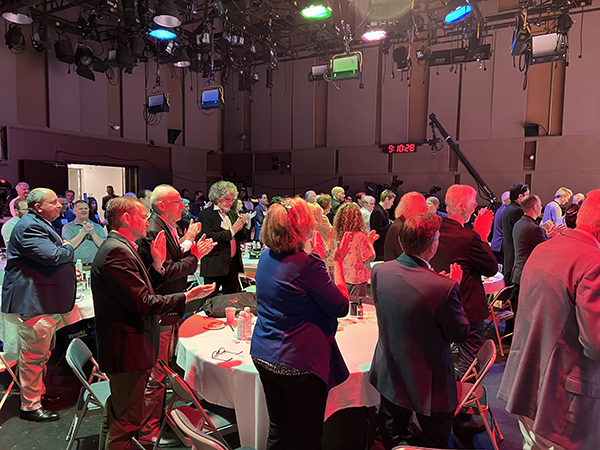
  In case you missed it, honesty was on full display at Friday’s TALKERS 2024: Radio and Beyond conference.
 Got young local radio news talent? CONGRATULATIONS, for five reasons:

 News and The World. Lothian is currently the executive producer of “The World.” GBH president and CEO Susan Goldberg states, “Dan has impeccable credentials and is respected by colleagues throughout GBH and by journalists across the globe. With his background in both breaking news and longform features, and with deep experience in radio, television, and across digital platforms, he is ideally suited to lead coverage for today’s audiences.” Additionally, Tinku Ray, currently managing editor for “The World,” will be promoted to executive editor of the program.
 What happened to us? Unless we move quickly, the radio business stands to lose the final frontier: in-car listening.
 be able to alter the course of established radio stations and the marketplace of ideas before the 2024 election or even soon thereafter. Harrison told “America at Night” host Rich Valdés last night (5/22) that radio is far too idiosyncratic an industry – already run by too many people who don’t understand how it really operates – for someone (who also doesn’t really have first-hand experience in the field) to just step in and make drastic alterations to entrenched stations, formats, audiences and sponsors just to make a political statement. Harrison states, “There are more
  expedient uses of his money if that is his main purpose. After all, not all Audacy stations are conservative news/talkers… many are music, sports and a variety of formats. How inefficient such a move would be!” Harrison went on to say that radio is still an extremely powerful and potentially lucrative medium if only its present owners and operators believed in it and invested in its programming and marketing. He encouraged radio broadcasters to understand and believe in the “esthetic of ‘radio’ and not be so anxious to bail out into the utilitarian term ‘audio.’” Harrison and Valdés tied the discussion into the current news about the AM for Every Vehicle Act currently making its way through Congress stating that radio is still a lifeline for service to the community as a place for information, education, and entertainment and that eliminating it from automobile dashboards would be about “five to 10 years premature.”
  “Clay Travis & Buck Sexton Show.” Outkick SVP and managing editor Gary Schreier says, “OutKick continues to be authentic, unfiltered, and driven by common sense. We continue to feature topics that most sports sites refuse to cover. Our ability to stand out amongst the rest of the industry is reflected positively by the strength of our numbers every month.” The platform also recently expanded the “Tomi Lahren is Fearless” program from evenings three days per week to a daily show running live at 1:00 pm ET.
 stations, prominently acting as the morning show in both markets, offering a fresh and dynamic start to the day. This partnership marks a significant expansion of Podcast Radio’s format into the American radio landscape, promising to offer Missouri listeners a novel way to explore podcasting content through traditional radio. Listeners will hear top-quality podcast content from across North America and the world, while also giving airtime to local Missouri podcast content. Localized imaging and station IDs will feature across ‘Podcast Radio Missouri’ broadcast hours, which also include original interviews with podcasters. Gene ‘Bean’ Baxter acts as lead interviewer, delving deep into the methodology and personality of both local and national podcasts and their creators.” Alpha Media EVP of content Phil Becker says, “We’re excited to partner with Podcast Radio to bring this innovative format to our listeners in Missouri. This partnership underscores our commitment to delivering fresh, engaging content that resonates with our communities. While we are launching on one station in two Missouri markets, our goal is to expand the format to our other two Missouri markets.”
 Historically, the beginning of the Major League Baseball season has been good to radio stations that serve as flagships for play-by-play, often bringing new cume to their ratings. Today, TALKERS managing editor Mike Kinosian looks at how flagship stations performed during Nielsen Audio’s April PPM survey. He notes, “Generally speaking, Major League Baseball radio flagships enjoyed a solid first at bat in Nielsen Audio’s 2024 rating season (March 28 – April 24). There was a (6+) March 2024 – April 2024 uptick in approximately four of every five applicable flagship cases (81%); 15%dipped; and 4% were flat.” iHeartMedia’s news/talk WLW, Cincinnati (Reds) saw the biggest leap in AQH share rising from an 11.3 share in March to a 13.3 share in April (retaining its #1 rank as well).