By Matthew B. Harrison
TALKERS, VP/Associate Publisher
Harrison Legal Group, Senior Partner
Goodphone Communications, Executive Producer
 In the golden age of broadcasting, the rules were clear. If you edited the message, you owned the consequences. That was the tradeoff for editorial control. But today’s digital platforms – YouTube, X, TikTok, Instagram – have rewritten that deal. Broadcasters and those who operate within the FCC regulatory framework are paying the price.
These companies claim to be neutral conduits for our content. But behind the curtain, they make choices that mirror the editorial judgment of any news director: flagging clips, muting interviews, throttling reach, and shadow banning accounts. All while insisting they bear no responsibility for the content they carry.
They want the control of publishers without the accountability. I call them neutraliars.
A “neutraliar” is a platform that claims neutrality while quietly shaping public discourse. It edits without transparency, enforces vague rules inconsistently, and hides bias behind shifting community standards.
Broadcasters understand the weight of editorial power. Reputation, liability, and trust come with every decision. But platforms operate under a different set of rules. They remove content for “context violations,” downgrade interviews for being “borderline,” and rarely offer explanations. No appeals. No accountability.
This isn’t just technical policy – it’s a legal strategy. Under Section 230 of the Communications Decency Act, platforms enjoy broad immunity from liability related to user content. What was originally intended to allow moderation of obscene or unlawful material has become a catch-all defense for everything short of outright defamation or criminal conduct.
These companies act like editors when it suits them, curating and prioritizing content. But when challenged, they retreat behind the label of “neutral platform.” Courts, regulators, and lawmakers have mostly let it slide.
But broadcasters shouldn’t.
Neutraliars are distorting the public square. Not through overt censorship, but through asymmetry. Traditional broadcasters play by clear rules – standards of fairness, disclosure, and attribution. Meanwhile, tech platforms make unseen decisions that influence whether a segment is heard, seen, or quietly buried.
So, what’s the practical takeaway?
Don’t confuse distribution with trust.
Just because a platform carries your content doesn’t mean it supports your voice. Every upload is subject to algorithms, undisclosed enforcement criteria, and decisions made by people you’ll never meet. The clip you expected to go viral. Silenced. The balanced debate you aired. Removed for tone. The satire? Flagged for potential harm.
The smarter approach is to diversify your presence. Own your archive. Use direct communication tools – e-mail lists, podcast feeds, and websites you control. Syndicate broadly but never rely solely on one platform. Monitor takedowns and unexplained drops in engagement. These signals matter.
Platforms will continue to call themselves neutral as long as it protects their business model. But we know better. If a company edits content like a publisher and silences creators like a censor, it should be treated like both.
And when you get the inevitable takedown notice wrapped in vague policy language and polished PR spin, keep one word in mind.
Neutraliars.
Matthew B. Harrison is a media and intellectual property attorney who advises radio hosts, content creators, and creative entrepreneurs. He has written extensively on fair use, AI law, and the future of digital rights. Reach him at HarrisonMediaLaw.com or read more at TALKERS.com.


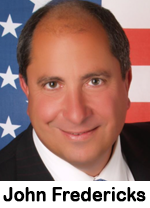 9.4 million views, while TikTok delivered nearly 1.4 million. GETTR Live added 545,800 views, X generated 644,500 impressions, and YouTube and Rumble contributed nearly 250,000 additional views. The company goes on to say its core broadcast and streaming operations remained strong, reaching more than 220,000 terrestrial radio listeners while producing 240,140 internet radio and JFMN.TV streaming sessions. JFMN’s mobile apps generated another 17,535 sessions. JFMN co-founder John Fredericks adds, “This is an absolutely phenomenal milestone for our company. We built JFMN from the ground up – without the corporate media establishment, without billionaire gatekeepers, without Wall Street gangster-banksters and without compromising what we believe. More than 12.7 million in monthly reach proves that Americans are hungry for bold, independent media that respects its audience and tells the truth.”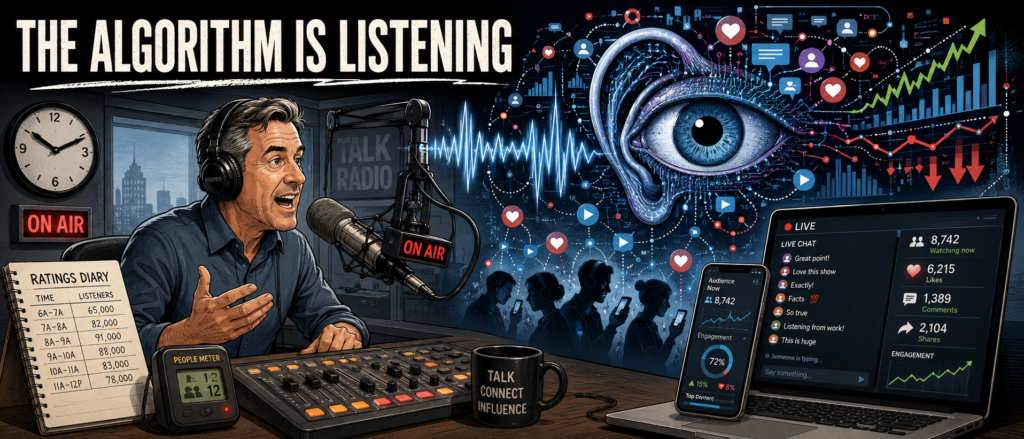

 debuted on the internet as a live, video-based podcast on July 31, 2023, and recently streamed its 350th episode. Peters tells TALKERS, “We went from no presence on TikTok to the top one percent in five months. And amazingly, relatively speaking our average views by TikTok standards aren’t that high. But we generate so much content – from four shows weekly we’re posting about 40 shorts a week – that apparently that makes up for it.”
  episodes viewed and streamed on YouTube and Spotify; and Podcast video clips played on Instagram, TikTok and YouTube. Under this new format, Podtrac’s Multi-Channel Podcast Ranking for December 2025 ranks “The Meidas Touch Podcast” #1, followed by “The Joe Rogan Experience” at #2, and “The Rest is History” at #3. Other news/talk media related shows of note include: “The Tucker Carlson Show” at #12, and “The Ben Shapiro Show” at #17.
  If you missed yesterday’s webinar, look for the replay which will be posted today at
  TikTok creators, as well as a national broadcast and digital radio channel, and a series of live event integrations. iHeartMedia president, COO and CFO Rich Bressler says, “This partnership connects TikTok’s cultural energy and creator community with the unmatched scale and reach of iHeartMedia. We’re giving creators access to the biggest audio platforms in America – creating new ways to tell stories, entertain, and build deeper connections with fans. Together, we’re combining our vast networks to deliver relevant content on a massive scale. It’s a win for creators, fans, and brands alike.”
 These aren’t just bulletin boards. They’re extensions of your station, where listeners expect to be acknowledged and advertisers expect to see results.
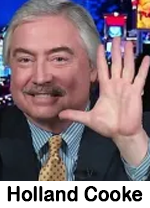 Remember how Larry King would interrupt rambling callers to ask, “What’s your question?” It could sound gruff, but it was really a courtesy, to viewers or listeners. Larry feared TV clickers and dashboard radio buttons. He kept-it-moving to keep viewers and listeners from wandering.
 distribution for its podcast offerings, enabling listeners the option to engage with content in a more dynamic and interactive way. This move has proven highly successful, leading to an explosive increase in video consumption across both its owned channels and third-party platforms.” Company president and co-founder Kit Gray comments, “We are thrilled with the success of our video distribution strategy. Podcasting is no longer just about audio, it’s about offering our audience a rich, immersive, and multi-channel experience. Expanding into video has allowed us to reach new viewers and unlock impactful opportunities for our advertising partners. PodcastOne has a unique ability to support our shows with the technology and resources needed to create best-in-class video podcasts.”
 Corporate cost cuts continue. In
  watching video podcasts. Sixty-two percent of weekly podcast listeners 13+ have enjoyed video podcasts passively, with the video content playing in the background while listening to the audio. Meanwhile, the data reveals a compelling point – 72% of weekly podcast listeners 13+ have enjoyed video podcasts actively, meaning they have watched video as they listen to the podcast. Edison says, “Podcasts with video elements also allow creators to repurpose content into short, engaging clips tailor-made for social media platforms – think YouTube shorts, TikTok, or reels on Instagram or Facebook. This strategy can work to enhance a show’s digital presence, while amplifying the reach and engagement of podcasts overall.”
 Indeed, TikTok has been caught engaging in a pattern of illicit surveillance and making false statements about personnel in Beijing accessing sensitive U.S. user data. These facts were laid bare for the world to see when the House Energy and Commerce Committee held a TikTok oversight hearing last year. And that is why there is now a broad, bipartisan consensus that TikTok cannot continue to operate in the U.S. in its current form. I want to applaud the strong, bipartisan leadership that Members of Congress have shown in advancing this bill, which would definitively resolve the serious national security threats TikTok poses by banning the app or requiring that it genuinely sever ties to the CCP. This is a smart, threat-specific bill that would address a clear and present danger. I hope that this bill will soon become law.”
 total of four hours and 15 minutes per day. Ninety percent of moms access the internet from their mobile phones. It also says that TikTok is used by 50% of U.S. moms, up from 42% in 2022, while Facebook is used by 83% of U.S. moms, down from 88% in 2022. Edison Research VP Melissa DeCesare says, “U.S. moms are heavily engaged with social media and online audio, and their time on the Internet continues to increase with the ease of mobile phone access. They are busy with children and are taking advantage of the convenience offered by wireless headphones and smart watches.”