Industry News

NAB: AM Radio Act Opponents Distort Study Conclusions

National Association of Broadcasters says that the study the Alliance for Automotive Innovationim funded to analyze the potential effects of the AM Radio for Every Vehicle Act on the auto industry reveals the cost to the industry would be minimal, but that AAI “misrepresents, distorts and spins the results of the report it paid for to advance its position” in opposition to the legislation. See NAB’s refutation of AAI’s interpretation of the study here.

Industry News

WBZ-FM, Boston’s Toucher & Rich Show Breaks Up

The highly rated “Toucher & Rich” show – starring Fred Toucher (left) and Rich Shertenlieb (right) – on Beasley Media Group’s sports talk WBZ-FM, Boston “98.5 The Sports Hub” is no more. Shertenlieb andim Beasley were unable to come to terms on a new contract a few weeks after the company announced Toucher had inked a new, multiyear deal that will see him continue as lead host of the morning show. WBTS-TV, Boston “NBC10” reports that Toucher announced the change on this morning’s show and indicated he was surprised when management told him Shertenlieb was leaving the program. He also said management wanted him to tell the audience that the company made him “a multi-year offer that he chose not to accept” and that “negotiations weren’t going anywhere.” Shertenlieb has not commented publicly other than to inform the show’s X followers that he has a new X handle. See the “NBC10” report here.

Industry News

Fisher House Veterans Day Weekend Shows Available for Free

Fisher House Foundation is making its Veterans Day Weekend edition of “The Fisher House Story” available for download now for free. Just register here. “The Fisher House Story” is a radio special provided in varying lengths for news/talk radio stations as well as a 30-minute public affairs show for ALL formats in the U.S. and around the world. The three-hour, one-hour, 25 and 30-minute radio specials are hosted by long-time Washington DC radio personality Larry O’Connor and feature stories of our nation’s heroes, the families who serve by their side, and how Fisher House plays a role in their journey. Theim inspiring and patriotic radio show features an exclusive interview with Jessica Lynch who recounts her harrowing experience as a prisoner of war during the early days of the 2003 Invasion of Iraq during Operation Enduring Freedom. She reveals details of her treatment during her captivity, her rescue, the ensuing years of medical treatment and the special role Fisher House played (and continues to play) in her recovery. This informational talk show will leave listeners feeling inspired during Veterans Day weekend and through the holiday season, sharing stories of amazing service members, veterans, and their families. Fisher House Foundation provides a home away from home for families of patients receiving medical care at major military and VA medical centers. Fisher Houses provide temporary free lodging so families can be close to their loved ones during medical care because “A Family’s LOVE is Good Medicine.” For more information on this radio special, available cash and barter free, contact Larry O’Connor at 562-665-9537 or loconnor@fisherhouse.org.

Industry News

NPR and Edison Research Unveil Spoken Word Audio Report

The fifth edition of the The Spoken Word Audio Report from NPR and Edison Research was unveiled during a webinar presented yesterday (11/9). The 2023 edition concludes that spoken word audio listening time and audience size “attained record highs in the U.S.” This report places special focus on listening locations and explores spoken word audio consumption at home, at work, in-car, and other locations. Some of the key findings include: 1) Almost half (48%) — approximately 135 million people — of those in the U.S. age 13+ listen to some type of spoken word audio daily, up two percentage points (46%) from last year. Listeners in the U.S. age 13+ spend 31% of their daily audio time with spokenim word, which is a 55% increase over nine years ago (20%); 2) Spoken word listening at home has grown dramatically: 60% of the total daily audio time spent with spoken word audio is at home, 24% in the car, 13% at work, and 3% at some other location. The time spent listening to spoken word audio at home has grown to 41 daily minutes in 2023 from 27 daily minutes in 2014. Increases in at-home spoken word audio listening are seen across every hour in the listening day; 3) Spoken word listening in-car has shifted post-pandemic, but AM/FM radio remains on top: Of all the daily time spent listening to spoken word audio, time spent listening in the car has declined from 36% in 2014 to 24% in 2023. In the car, 62% of spoken word audio consumed by those in the U.S. age 13+ is to AM/FM radio content, including over the air and streams; 4) For the first time ever, the mobile device is the primary way people listen to spoken word: 39% of spoken word audio consumed daily by those age 13+ in the U.S. is on a mobile device, followed by 35% on an AM/FM radio receiver. At home, 41% of spoken word audio is consumed on a mobile device, and at work, 47% of spoken word is consumed on a mobile device. AM/FM radio receivers still dominate in-car, garnering 60% of the spoken word audio listening there; and 5) Podcasts represent a large and growing share of spoken word listening: Podcasts now represent over one-third (36%) of time spent with spoken word audio. Twenty-eight percent of time spent listening to podcasts goes to NPR/public radio. At home, 40% of spoken-word audio listening goes to podcasts. See more about the study here.

Industry Views

Steven J.J Weisman is This Week’s Guest on Harrison Podcast

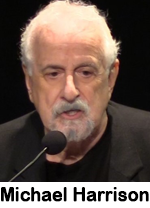
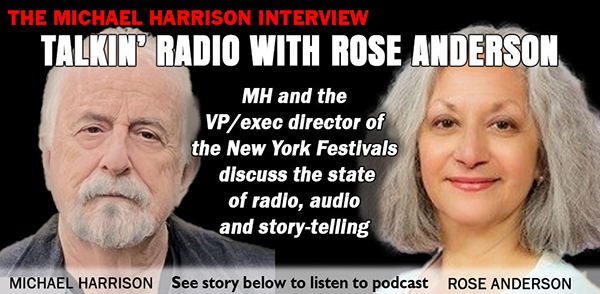
Attorney Steve Weisman is this week’s guest on the award-winning PodcastOne series, “The Michael Harrison Interview.” The idea for this podcast episode originated as a TALKERS magazine webinar for operators of radio stations who are increasingly concerned about the number of ransomware attacks that have been plaguing the communications industry. It is expanded in this dialogue to serve businesses beyond radio and cybersecurity dangers including, but not limited to, ransomware. Weisman is an attorney and college professor at Bentley University in Boston where he teaches White Collar Crime and Media Law. He is a prolific author and one of the America’s leading experts on scams, identity theft and cybersecurity. His widely read blog, Scamicide.com, provides daily updated information about the latest dangers and developments in this arena.  Scamicide.com was named by The New York Times as one of the three best sources of information regarding COVID-related scams. Weisman is a frequent speaker, media guest and consultant regarding all aspects of cybersecurity. He also serves as TALKERS magazine’s legal editor. This conversation will tell you where you are vulnerable and steps you can take to become more secure as well as comply with federal regulations. Listen this podcast here

Industry News

Nashville-based Talk Host Causes Controversy After Releasing Shooter’s Manifesto

Steven Crowder – who does a talk show streamed on YouTube and other digital platforms – is causing controversy and raising questions about the public’s right to know after releasing what is purported to be the “manifesto” of Audrey Hale, whom authorities say is responsible for the Covenant School shooting in Nashville last March that claimed the lives of three children and three adults. YouTube removed theim video saying it violates its community guidelines that “prohibit linking to content containing manifestos from individuals who have committed violent attacks.” Crowder issued a notice on X regarding the removal of the content, saying, “YOU determine what matters. YOU determine the content. Not YouTube, not the rest of BigTech, not their lackies, and not a gaggle of sponsors who don’t have the b***s to stand behind the kind of content you actually want to see.” According to a report by Newsweek, “The Metro Nashville Police Department has not confirmed that the screenshots shared by Crowder are Hale’s manifesto. A department spokesperson told Newsweek Monday that police were ‘unable to confirm the authenticity of what has been released, although we are looking into that at this very moment.’” Read the Newsweek story here.

Features

How News/Talk Radio Should Adapt to Attract and Retain a Younger Audience

By Bill Bartholomew
Talk Host/Podcaster/Journalist/Musician

imFolks in the Gen Z and millennial demographics are heavily engaged in political issues, care about news in their communities and the world, and are constantly bombarded with content.  So why are they less likely to tune into and interact with news/talk radio than older demographics?

Talk radio has historically skewed older, and from an ad portfolio standpoint, is often targeted at the coveted 35-54 and 55+ demographics.  However, in a world where social media influencers and podcasters supply information to millions of young consumers, news/talk radio should be able to effectively compete for the ears of younger generations in a comparable, if not expanded way.

For all of the anecdotal and hard evidence that terrestrial radio may be trending in a downward direction, the format continues to have a vast reach.  It is convenient to engage with it in automobiles, and occasionally in home or office settings.  Yet, while younger generations listen to radio, news/talk is not the format that they turn to by and large.

Unlike many digital-first content producers, radio retains a unique quality: authority.  By virtue of editorial standards, FCC regulation and brand – things that social media and podcasts often lack – radio has the unique ability to deliver credible, vetted, nuanced and universally trustworthy content that can instantaneously adapt to meet the needs of the moment.  This is true in everything from natural disasters to rapidly evolving breaking news stories, providing a channel for immediate, reactionary insight and analysis.

There are several steps that news/talk radio should pursue in earnest to adapt to the current climate of content consumption, particularly by younger listeners, that can reach, and most importantly, retain broader, younger, more diverse and more engaged audiences.

  1. Introduce younger people into the conversation.

Too often, Gen Z and millennials are skewered by older hosts, mocked for their perceived naivety, unchecked optimism and me-first approach.  While some of these qualities can be accurate, that approach reflects a disconnect between older generations and the experience of younger ones.  Millennials and Gen Z have grown up in a post-9/11 world replete with “endless wars”, the fallout from the 2008 financial crisis, runaway student debt, a massive housing crisis, the mental health stressors of social media, Covid19’s impact on traditional youth experiences, climate change, a deeply bifurcated political environment and a constantly evolving quest for social justice.  Through these experiences, younger generations offer an important perspective that should be assigned the same news value as experts from older generations.

Are you discussing shifts towards electric vehicles?  Bring on someone from Gen Z to share their perspective on why steps towards carbon neutrality are important to them.  Engaging a conversation on the president’s approval rating?  Perhaps younger conservative and leftist voices should be included in the conversation.  Discussing immigration?  How about the perspective of a younger member of a Latino organization?

By giving younger generations and more diverse guests a platform, stations can simultaneously expand their content and reach.  With consistency, the station’s brand will become more familiar to younger potential listeners who may be inclined to tune in to hear someone who shares their identity and perspective on – here’s that word again – a platform of authority.  Let the guest do the work of establishing the credibility and importance of your station or talk show to younger audiences by posting about their appearance on social media, sharing audio clips and mentioning to their peers.  It will build familiarity and trust among those generations, who in turn, will begin to tune in on a more regular basis.

Stations should also consider bringing more younger, competent voices into on-air roles, whether that be through reporting, segments, fill-in hosts, weekend shows or full-time hosts.

  1. Meet the audience where they are: their phones. 

As mentioned above, the convenience of simply turning on AM/FM radio is highly appealing in automobiles, though as Apple Carplay continues to adapt and evolve, digital-first content is likely to become as simple and convenient in the near future.

Talk radio needs to make consuming their product on smartphones as simple and direct as turning on a traditional radio.  This means no clunky websites, no lengthy pre-roll spots, a reliable stream connection and a “one touch” means of turning on and off the station.  This should also mean expanding talk shows to high-quality video livestreams, following in the footsteps of the top YouTube and Twitch performers; developing unique content for TikTok and Instagram; building podcasts that are focused on specific issues, and; providing interaction via text and chat.

Radio has the ability to be the ultimate livestreamer, social media influencer and podcaster, but rarely harnesses these platforms in a meaningful way.

It is not enough to simply strive to “expand a digital presence”; stations and shows must engage in the hard work of building platform-specific content with their brands.

  1. Music, cultural references and themes for the modern age.

A few weeks ago on a seemingly benign episode of the TV show FOX NFL Sunday, panelists Jimmy Johnson and Terry Bradshaw offered an example of the type of cultural adaptation that sophisticated writers and producers provide their brands.  While describing a fight between two football players, Mr. Johnson said something to the effect of “when it comes to these two, what’s that Taylor Swift song?”, and then in synch with Mr. Bradshaw, “bad blood!”.  It is highly unlikely that these two 70+ men listen to Taylor Swift’s music with any regularity or would simultaneously pull the “Bad Blood” reference.  Yet, with excellent preparation that played into the greater cultural moment as well as the specific, current Taylor Swift/NFL overlap, in a six-second span, FOX NFL Sunday was able to give the illusion that their panelists are contemporary, hip and plugged into “what is going on”.  Is your station or show plugged into what’s going on?  Do you use contemporary music for bumps?  Are your images – including headshots and social content – modern, interesting and engaging or are they more akin to a miscellaneous real estate agent?  You are a performer in an entertainment business that, while certainly paying homage to the past and lineage of the industry, must be contemporary in aural and visual presentation.  This goes for everything from wardrobe on video and in photo to fonts on graphic design.

How often do you or your producer read Pitchfork to learn about new music that is breaking this week?  How often do you or your producer read Variety to understand major trends that are happening in the broader entertainment industry?  What live events are you broadcasting from, covering and building partnerships with?  You should strive to be cutting edge.

  1. We need a friend now more than ever.

This is something that goes for all audiences, but particularly for younger ones.  It’s OK, in fact, great to be yourself, present yourself from your generation and retain the authoritative stance that has built your brand.  Take a look at the success that sports talker Mike Francesa enjoyed by leaning into his persona – and in turn – developing legions of younger listeners that fell in love with his dad-like delivery and frequent meltdowns.

Few things are as uncomfortable to see as a 40+ person dressing or acting like a teenager.  Younger listeners want that senior, experienced, trusted friend to entertain them, inform them, and at times, tell them that everything is going to be OK.  You can help make sense of the world for younger audiences, something that is absolutely essential in the modern era.

Through attracting younger listeners by including them in the conversation, effectively delivering content on smartphones, presenting a cutting-edge entertainment product and continuing to serve as a trusted friend, news/talk radio can greatly expand its reach, relevance and revenue.

To that point, some younger listeners who discover a radio station or show via any of the above entry points will likely work backwards to the traditional AM/FM dial.  Like the resurgence of vinyl records, AM radio in particular has the opportunity to become a hip delivery format for discerning younger listeners.

The big question is: are radio companies, stations and hosts prepared to do the hard work of reimaging their product?


Bill Bartholomew is a talk radio and podcast host/producer, journalist and musician based in Providence, Rhode Island. Email him at: william.f.bartholomew@gmail.com. 
Industry News

Dan Michaels Resigns from KFGO, Fargo

According to a report at The Forum, longtime Fargo radio personality Dan Michaels resigned fromim Midwest Communications’ news/talk KFGO, Fargo The Mighty 790 on November 2. He tells The Forum that he left the station due to a difference in programming philosophy with management. “We differed on the operation of the ‘Morning Crew,’ and so I decided to step away.” Michaels serves as the public address announcer for North Dakota State football and basketball games, a position he will continue to hold. Read the Forum story here.

Industry News

Urban One Facing Heat from Anti-Semitic On-Air Comments

Tomorrow’s referendum on a casino project for South Richmond, Virginia has been a hot-button issue in the market. After two recent on-air incidents on Urban One-owned radio stations, the company has had to apologize. It has also fired fill-in host Preston Brown. The company is partnering with Churchillim Downs for a $562 million casino project that faces opposition from a group called No Means No Casino, led by Paul Goldman. While hosting a shot on The Box 99.9, Brown referred to Goldman as “a Jew who’s got the same trait as Judas,” and a “white Jew with the background of Judas.” WRIC-TV reports that Urban One regional VP Marsha Landess called Brown’s comments “horrible and offensive” and that Urban One CEO Alfred Liggins apologized directly to Goldman. Read the WRIC-TV story here.

Industry Views

Monday Memo: TV Synergies

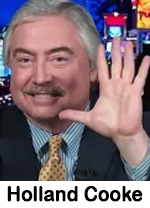
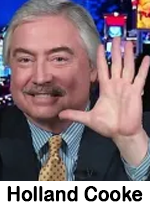
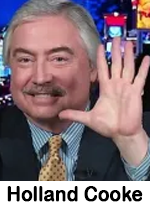
By Holland Cooke
Consultant

imI am always impressed when I see-and-hear radio and TV stations swapping product.

— The most obvious asset is weather. Many radio stations’ forecasts are voiced by local television meteorologists, often gratis because their boss assigned them to, as part of an information alliance. So, the radio station’s weather cred’ stands on the broad shoulders of the weather brand the TV station promotes so relentlessly.

— For some news/talk stations, simulcasting a television newscast is the only way they can air local news in the afternoon. Turn lemons into lemonade. Radio people who love to hate TV audio under-estimate how loyal viewers are; and how conspicuous and convenient this can make the radio station.

— Especially if the deal includes promos – on both stations – voiced by trusted local TV anchors, offering that “If you can’t be home in time to SEE us, you can HEAR us…”

— In every market where we have executed this strategy, the TV talent has remarked about how many compliments they get for being on radio.

— Deal point: During simulcast newscasts, the TV station supers “Heard live on WXXX 8:50 AM.”

How’s THIS for resourceful?  

— A radio station’s afternoon drive newscast consists of a 60-second live shot (or prerecorded live-on-tape) from a local TV newsroom, voiced by the TV anchor who ticks-off “the stories we’re following” that will be seen on evening newscasts.

— The radio station wraps it into a four-minute package, including:

— that live headline package, at the end of which

— the TV anchor hands off to radio’s traffic reporter, then…

— the traffic reporter teases weather into a radio spot, and…

— after the commercial, the weather comes on.

— And here’s the kicker…that live shot from the TV newsroom is a commercial for the TV station! To the listener’s ear, it’s a free newscast from a credible, branded source. Possibly a trade for TV time to advertise the radio station?

im

Another win-win synergy: Reciprocal excerpting, with attribution 

Translation: Each station gives blanket permission for the other to grab, from the air, whatever it wants, crediting the originating partner.

— There will be times when someone from the radio station is on-scene; or when radio scores a newsworthy interview that TV can use the audio of. More often, thinner-staffed radio will use TV sound more than vice-versa.

— When I programmed WTOP, Washington, WUSA9 let us help ourselves to their newscast audio (“And the mayor told Channel 9…”). Each day, our desk and theirs compared assignments, and we recorded every WUSA newscast.

— True story: The news director from NBC4 came to my office and said, “You can use OUR sound, and you don’t even have to say ‘Channel 4!’ Just STOP saying ‘Channel 9.’”

— It was a flattering offer, but we remained loyal to WUSA, the once-upon-a-time WTOP-TV. Decades later we were still getting mail addressed to “WTOP-TV.” And both stations being CBS affiliates contributed to the lingering impression that we were siblings, so the confusion was actually useful. Does your radio station have a long-lost TV brother? 

Radio takes TV where it otherwise can’t go: in-car

Note how aggressively TV stations are programming their apps and websites. They want to be a news brand, not just a news station.

— A smart TV station should want to give radio a ROSR (Reporter On-Scene Report) during the day (when radio audience is high and TV audience is low), because doing so serves to promote the upcoming evening TV newscast.

— WARNING, based on experience: This can be a tough sell to over-protective TV news directors, who may fret that by going-live on radio they’re alerting other TV stations to the story. Stinkin’ thinkin.’ Other TV stations could show up anyway, and they wouldn’t be as-well-known for covering the story as the TV station that’s also already reporting it on radio.

Local TV news is a hungry critter…

…with a limited budget. Which is why some TV stations toss-live to their radio partner’s host: “Gene, what are your callers saying about the congressman’s abrupt resignation?” Arrangements like this were commonplace even decades ago, when TV had to equip the radio studio with equipment more elaborate than modern day video chat requires.

The calculus is simple

Radio + TV > Radio – TV or TV – Radio

(Radio PLUS television is greater-than Radio MINUS television or television MINUS Radio.)

Even if you’re a music station that doesn’t do much news at all, these opportunities are worth exploring. At least trade spots, because neither station can afford to promote as much as it should.

Holland Cooke (HollandCooke.com) is a consultant working at the intersection of broadcasting and the Internet. He is the author of “Close Like Crazy: Local Direct Leads, Pitches & Specs That Earned the Benjamins” and “Confidential: Negotiation Checklist for Weekend Talk Radio.” Follow HC on Twitter @HollandCooke

Industry Views

The Vital Element of Surprise

By Walter Sabo
Consultant, Sabo Media Implementers
A.K.A. Walter Sterling
Radio Host, “Sterling On Sunday”
Talk Media Network

Visitors to Disneyland five years ago will be given a memorable experience when they visit this month. About 50% of Disneyland has changed since 2018. The theme park constantly changes, trying new rides, exhibits, displays. Walt Disney never considered his park to be finished. Roy Disney said that Walt viewed Disneyland as a giant block of clay which could be molded and remolded constantly. Changing the park constantly gives visitors surprises, joy and the excitement of the unexpected. The unexpected at Disneyland is newness in its ideal form: Everything is new, memorable and completely safe.

Your show, music or talk, has the same power to create memorable entertainment. Wrapped in the safety of your voice, and your familiar station, you can SAY the unexpected, the surprising, the new.

Remember when the news was a radio station? Remember when a radio station generated word of mouth, talk at work, and gossip among friends? It could have been yesterday or years ago. A radio station or on-air talent was at the epicenter of the community’s conversation when it did the unexpected. 

The short list 

A station said the name of your business. Gave away an outrageous prize. Roasted a pig. Lesbian Dial-A-Date. Broke a record. Asked the caller if they were naked. Aired Amazing Mouth TV Spots. There is no top-of-mind real estate claimed by a station if it is following the format really well.

Delivering surprises is not hard, but it is essential to the medium’s growth. Today, the most recent “surprises” have been all wrong. Too often the surprise is the public shaming and forced apology of a host because of an unfortunate comment about Erin Andrews or slight of a team owner.  (BTW, the single dumbest management move is a public apology. Thousands of people learn of the incident who would never have known about it if the moment was allowed to pass.)

You may be worried that if you or an air talent break the corporate dictate format, all will be fired. No. You know where you can experiment. Your experiment could lead to a new, fresh awareness of your station and of your hard work. Do it.

WALTER SABO’s company, Sabo Media has advised the C Suite of some of America’s largest media companies including SiriusXM Satellite Radio, Apollo Advisors, Conde Nast, Wall Street Journal Radio, RKO General, and NBC. He is a member of the Nominating Committee of the national Radio Hall of Fame and on the Dean’s Advisory Board of the Newhouse School of Communications at Syracuse University.  His radio show, “Sterling on Sunday” is heard nationally.www.waltersterlingshow.com  Contact him at walter@sabomedia.com

Industry News

Darren McKee Joins Altitude Sports Radio in Denver

The Denver Post reports that Mile High City sports talker Darren McKee, a.k.a. DMac, joins the midday show at KSE Radio Ventures’ KKSE-FM “Altitude Sports Radio 92.5.” DMac partnersim with Scott Hastings and Tyler Polumbus for the 12:00 noon to 3:00 pm “P.H.D.” show. The 24-year Denver sports radio pro was let go from Bonneville’s KKFN-FM “104.3 The Fan” in September. KSE Radio SVP/GM Dave Fleck comments, “We are excited to add Darren to our new and improved midday P.H.D. show. He is a respected member of the community whose work ethic and passion for broadcasting will help take our radio stations to new heights. Having DMac as part of ‘Altitude Sports Radio’ allows us to reconfigure our daily lineup while adding a great voice to the station.” Read the Post story here.

Industry News

Fisher House Offers Free Veterans Day Weekend Radio Show

Fisher House Foundation is offering to news/talk radio stations a free Veterans Day Weekend edition of “The Fisher House Story.” This program is provided in varying lengths for news/talk radio stations as well as a 30-minute public affairs show for all formats in the U.S. and around the world. The programs are hosted by radio pro Larry O’Connor (AM drive host at WMAL-FM, Washington, DC) and featuresim stories of our nation’s heroes, the families who serve by their side, and how Fisher House plays a role in their journey. Fisher House Foundation provides a home away from home for families of patients receiving medical care at major military and VA medical centers. Fisher Houses provide temporary free lodging so families can be close to their loved ones during medical care. The inspiring and patriotic radio show features an exclusive interview with Jessica Lynch who recounts her harrowing experience as a prisoner of war during the early days of the 2003 invasion of Iraq during Operation Enduring Freedom. She reveals details of her treatment during her captivity, her rescue, the ensuing years of medical treatment and the special role Fisher House played (and continues to play) in her recovery. Hear the demo and register for the show here.

Industry Views

International “1World Radio” Co-hosts Andy Gladding (USA) and Jamie-Lee Fredericks (South Africa) are This Week’s Guests on Harrison Podcast

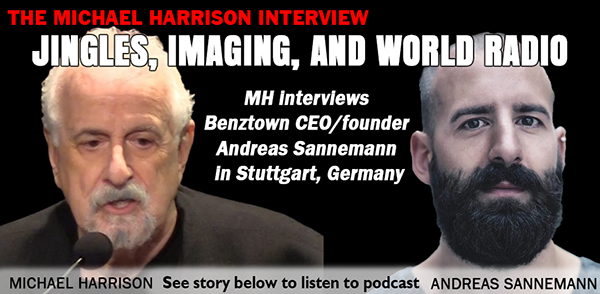
The co-hosts of “1World Radio,” Andy Gladding and Jamie-Lee Fredericks, are this week’s guests on the award-winning PodcastOne series, “The Michael Harrison Interview.” Their weekly international radio show is a co-production of Gladding’s WRHU 88.7 FM, Hempstead, NY, USA and Fredericks’ Bush Radio 89.5 FM, Cape Town, South Africa. WRHU is a highly respected campus radio station broadcasting from Hofstra University on Long Island, just outside of New York City. The American co-host is also the chief engineer at WRHU as well as a college instructor. He simultaneously serves as chief engineer at Salem Media’s WNYM and WMCA in New York. The South African co-host is an air personality on Bush Radio – a dynamic young woman who grew up with an intense love of radio. The conversation explores the differences and similarities between their stations and how they reflect the cultures of their home nations. Not to be missed. Listen to the podcast in its entirety here.

Industry News

WWO: Brand Advertisers Now Tops in Podcasting Ad Spend

According to this week’s Cumulus Media | Westwood One Audio Active Group blog post, when it comes to podcast revenue, brand spending now represents 61% of ad dollars, surpassing direct response (39%). This data comes from the Interactive Advertising Bureau’s eighth annual podcast revenue report. The blog post notes, “Podcast advertising revenue was born thanks to direct responseim advertising. In 2016 and 2017, direct response represented the vast majority of podcast advertising. From 2018 to 2021, the proportion of podcast ad spend was equally split between brand and direct response.” The post says there are four major implications of the shift to podcast brand advertising: 1) Targeting will become much broader: Wide campaign reach will become the priority with a goal of “being known before you’re needed”; 2) Creative will shift to become more entertaining and emotion based: The objective will be to stir passions and create positive feelings and associations with ads that people find interesting and enjoyable; 3) Brand safety and suitability measurement will become more crucial: Firms like Barometer will become powerful resources to help marketers find the right context for their campaigns with nuanced data; and 4) Measurement will focus on how well campaigns build memories to ensure brands are “easy to mind and easy to find”: Key performance indicators are brand awareness, brand consideration, and brand preference. See the complete blog here.

Industry Views

Monday Memo: Stamina, Systems, Support

By Holland Cooke
Consltant

imFeel busy? Try keeping-up with these four:

— Like George Clooney’s character in “Up In The Air,” Mike McVay attained an elite status earned by only a handful when Continental Airlines was the principal carrier in Cleveland, his home base. And he’s still at it, consulting full-time since 1984.

— “Rhode Island’s anchorman” is ultimate split-shifter Gene Valicenti, who hosts 3 hours of radio on WPRO at 6AM (11 years), then at 6PM he co-anchors on NBC10 TV (31 years), both top-rated shows.

— For 10 years I’ve been riding 138 miles with owner Jay Philippone from his home in Pittsburgh to Connect FM + Sunny 106 in DuBois PA. He lived there when his children were young, then moved to the Burgh’ when he bought stations in nearer West Virginia; and “because you get home quicker from Pirates and Penguins and Steelers games.”

— And for 20 years I’ve followed owner Paul Gleiser “106.3 miles door-to-door” from his home in Dallas to KTBB + KRWR in Tyler-Longview. Why the trek? “My wife gets to do what she wants to do” in the culturally rich Metroplex, and where she is a university professor.

How DO they do it?

“On the cusp of my 65th birthday,” Jay laughs, “that’s a good question!” As bosses, he and Paul are innately motivated. Gene sets the alarm for 5AM, but – because “I just can’t wait to get on the radio — I find myself getting up earlier,” to execute a show he and his producers mapped-out the day before.

Their love for our craft is clear. Mike says he’s “up late and up early because l absolutely love what I’m doing. I really don’t feel like I’m working for the most part.”

im

Their routine seems anything-but

Gleiser has gone-though “a lot of tires” making his trans-Texas trek 4 days a week since 1991 (on Wednesdays in his ATW Creative Services studio in Dallas). And he makes the most of all those miles: “I’m in the News and Talk business, so I use that time to consume news and keep myself current.” As does Philippone; and all that back-N-forth time affords them an invaluable perspective listening in-car, where AM/FM radio is still #1.

Mike McVay travels 3 weeks a month (down from 48 weeks X 5 days pre-pandemic), unlike Gene Valicenti’s 6AM + 6PM gigs that keep him closer to home. And, yes, Gene naps between shows (“30 minutes, longer makes it worse”). But by 5PM he’s in the bustling NBC10 newsroom, where “I start to work on the 6P TV script” he’s given, “which I go through and rewrite almost every story and tease, to make the copy sound like me.” 

Technology: Friend or foe?

“Yes!” Gleiser quips. “There are only tradeoffs.” On the plus side, the pandemic-necessitated telecommuting that has transformed so many other industries has shown radio new options.

Jimmy Failla’s first affiliate remote was from KTBB, where – minutes before airtime – Internet service failed. If I hadn’t seen it in person, I wouldn’t have believed that we fed New York via an iPhone hotspot. And as Failla’s frequent fill-in, Paul has hosted the show from KTBB and from home in Dallas and in-studio at Fox/NY, and my trained ear can’t hear the difference. And when Valicenti does his radio show at home Monday and Friday mornings, he can even do his live NBC10 TV simulcast hit there.

Philippone raves about the Radio.cloud automation system “that allows us to work and manage the product and diagnose transmitter problems from anywhere.” But he confesses that “I’m still working on a perfect way to manage my In box, to be able to keep-up” with the volume of communication and information, the velocity of which is “lots faster than pre-Internet/pre-Email days.”

During my 17 years as McVay Media news/talk specialist, I learned lots from Mike about keeping organized. “Obsessive about detail and staying focused on the job at hand,” he types meeting notes in real-time. “I do everything I need to do as quickly as it can be done,” which also means making the most of all that time in-flight. He warns managers to “prioritize properly, so the crisis of one person doesn’t become a crisis for someone else.”

It takes a team 

Gene Valicenti admits “I got lucky with two good producers,” one at WPRO the other at NBC10. “They’re both fast and technologically-savvy,” and his radio producer “can quickly find something during commercial breaks.” He talks with both producers several times each day, and they talk to each other. “It’s all about cross-promoting, cross-purposing” on-air material from station-to-station, win-win.

Paul Gleiser IS his stations. He has a PD, but he himself is owner, GM, Sales Manager, Promotion Manager, and choosy endorsement spot talent. “It’s an unusual management structure,” in which “everybody is in Sales, and everybody knows their job, and has tenure, almost zero turnover” (the last couple openings were because two longtime staffers died suddenly, too young).

Jay Philippone is at his Pennsylvania stations Mondays (interacting with each staffer and finalizing his visit to-do list) and Tuesdays (“meetings day”) and Wednesdays (follow-through). He has a full-time GM and “she’s been on the job 30 years next month, someone to make sure things get done and ‘the trains run on time.’”

Hitting Pause 

Mike urges “find time to turn it off. Let your brain be on rest, and entertain yourself.” He’s a sports fan, and binge-watches his favorite TV shows. Jay will “take a half day and not work, just read,” and he calls that decompression “really, really worthwhile.”

But retirement? McVay: Nope. Gleiser: “And do WHAT?” Philippone: “I’ve been in radio since I was 19 and I love what I do.” When I ask “If you didn’t do this?” Jay admits “I don’t have an answer,” and he thinks “it would be easy to lose a sense of direction.” As did his retired friend who said “it sucks.”

Valicenti is struck by the reach of WPRO’s station stream: “You would not believe how many rely on it,” and when it hiccups “we hear about it!” And not just from locals using the station app and smart speakers. He has a big following in Florida, seasonal snowbirds and Rhode Island ex-pat retirees who are frequent callers. When the time comes? “Maybe doing a radio show from Florida,” where – vacationing recently in Naples – he was greeted by New England accents when spotted in restaurants callers had recommended.

Holland Cooke (HollandCooke.com) is a consultant working at the intersection of broadcasting and the Internet. He is the author of “Confidential: Negotiation Checklist for Weekend Talk Radioand “Close Like Crazy: Local Direct Leads, Pitches & Specs That Earned the Benjamins.” Follow HC on Twitter @HollandCooke

Industry News

KMBZ-FM, Kansas City Host Scott Parks Returns After Rehab Stint

Morning drive talk host Scott Parks (right) thanks his co-host Dana Wright (left) and his family members who staged an intervention that got him into rehab for saving his life. Parks returned to the morning show on im Audacy’s KMBZ, Kansas City yesterday (10/26) after spending the last month in a rehab program, according to a story in the Kansas City Star. Parks says he’s been addicted to alcohol for much of his adult life but had been sober for three years before an undisclosed family trauma in July led him back to drinking. Wright noticed Parks’ relapse and, fearing for his health, contacted Parks’ brother. Parks credits the resulting intervention with getting him the help he needed. Read the Kansas City Star story here.

Industry Views

SABO SEZ: Stream to Success

By Walter Sabo
Consultant, Sabo Media Implementers
A.K.A. Walter Sterling
Radio Host, “Sterling On Sunday”
Talk Media Network

imIn May 2007, I was enjoying the brand-new app called YouTube. Still independently owned, still relatively unknown. Some of the videos pulled millions of viewers, more viewers than enjoyed by ESPN or any cable network. More interesting, the videos with high counts were not made by NBC or ESPN or any traditional video source. High view count videos were being made by people with no experience in traditional media, they were experimenters producing in their basements and bedrooms.

As these new performers were pulling major view counts, they revealed that they worked at Starbucks, were going to school and wanting to make enough money to get out of their parent’s house. Wait. Some video creators were winning more viewers than ESPN and they were broke? Simultaneously major brands like Pepsi and Budweiser knew they had to enter the online video space and each attempt was a disaster. BUD TV! Online video entertainment was a brand-new medium; USG User Generated Content.

I started a company called HITVIEWS. The goal was to placed brand messages in User Generated Content. The first company. No one had ever done it. We gathered the top video performers and started to marry them with brands like Pepsi, FOX TVTimberlandMTV,  CBS TelevisionIBMLogitech, many more. A TALKERS conference introduced the first Influencer (we called them “Web Stars”), Caitlin Hill, to radio executives.

From this pioneering initiative into online video, I can share a significant amount of information about the ingredients of a successful video campaign.

  1. Use video stars, influencers, to deliver your message. It’s a different medium and requires different stars.
  2. Engage every capability of the platform. The videos with the highest view counts demand the most interaction with the viewer. Click now. Comment below. Make a response video. Send a text back. THEN answer all responses. Every single viewer response must be answered by you or it is wasted.
  3. It’s not radio or TV. Don’t bother putting up videos at a fixed day and time. Put up as many videos as you possibly can. Two days is too old!
  4. Funny works best.

Online video success makes the medium the message. The touch screen, mouse, keyboard. Audio, video capabilities must all be integrated into the entertainment. If full functionality is not part of the show, the show is boring.

Walter Sabo has consulted the largest media companies worldwide in digital initiatives. He was the on-site consultant for SiriusXM Satellite Radio for nine years. He can be reached by email at walter@sabomedia.com and his network radio show can be discovered at  www.waltersterlingshow.com.

Industry News

Fred Toucher Signs Extension with “98.5 The Sports Hub”

WBZ-FM, Boston “98.5 The Sports Hub” morning drive personality Fred Toucher and Beasley Media Group agree to terms on a new, multi-year contract that keeps Toucher at the helm of the morning show “for years to come.” The station says, “Under Toucher’s tenure, the show has been recognized amongim the top sports morning shows in America and has won numerous national industry awards including a Marconi Award. Toucher was a foundational member of the launch of the station in August 2009. Prior to joining the ‘98.5 Sports Hub’ team, he worked at the former legendary rock station, WBCN.” Toucher comments, “I am thrilled to be able to work with my Beasley family over the coming years. I will continue my record of immense competence and brilliance.” Station PD Rick Radzik adds, “Fred has been entertaining ‘Sports Hub’ listeners each morning since 2009 with his compelling viewpoints and opinions on a wide range of topics. We are very pleased that he will continue on with us for years to come.” There’s no mention of morning drive co-host and Toucher’s longtime partner Rich Shertenlieb in the press release and the Boston Globe’s Chad Finn writes about the possibility Shertenlieb will exit the station soon. Read his column here.

Industry News

WWO: AM/FM Radio Tops TV Among Persons 18-49

The latest blog post from Cumulus Media | Westwood One’s Audio Active Group features data from Nielsen’s Total Audience Report for Q3 of 2023 that indicates “AM/FM radio’s persons 18-49 average audience is now +5% greater than television.” Other takeaways from the research include: 1) Sinceim 2018, Nielsen’s Total Audience Report reveals the 18-49 weekly reach of live and time-shifted TV has dropped -26%. Over the same period, TV’s daily time spent is down -59%; 2) cord-cutting is a major driver of TV’s audience collapse: The MRI Simmons January 2023 “How Americans Watch TV” report reveals 51% have cut the cord; 3) While a huge number of Americans have abandoned traditional TV for streaming, AM/FM radio remains the dominant audio platform: According to Edison Research’s Q2 2023 “Share of Ear,” AM/FM radio has a massive 69% share of U.S. ad-supported audio. AM/FM radio audience shares are over 17 times larger than ad-supported Pandora and ad-supported Spotify. See the full blog post here.

Industry Views

Monday Memo: ChatGPT – Threat and Tool

By Holland Cooke
Consultant

imAfter post-consolidation cutbacks have whacked local on-air content, there’s now angst that Artificial Intelligence can – literally – dehumanize radio (and other media – HUGE issue in the SAG-AFTRA strike). Voice cloning is child’s play; and several vendors are already peddling AI gimmicks to radio stations.

Glass-half-full: When I asked, “How talk radio hosts and DJs can use ChatGPT to prepare shows,” the robot replied instantly…

“Talk radio hosts and DJs can leverage ChatGPT to enhance their show preparation, generate engaging content, and connect with their audience more effectively. Here’s a guide on how they can use ChatGPT effectively:

— Show Topic Generation: Use ChatGPT to brainstorm and generate unique and interesting show topics. Input keywords related to your show’s theme or current events to get topic suggestions.

— Content Research: Ask ChatGPT to provide background information on a particular topic or guest. It can summarize recent news, provide historical context, or even suggest relevant questions.

— Interview Preparation: Use ChatGPT to generate interview questions and talking points. Input information about your guest or their expertise, and ChatGPT can help you create a list of thoughtful and engaging questions.

im

— Script Writing: When scripting segments or promotional materials, you can collaborate with ChatGPT to draft scripts. It can provide creative ideas for introductions, transitions, and promotional announcements.

— Audience Engagement: Ask ChatGPT to generate polls, questions, or discussion points to engage with your audience during live shows. It can also help create intriguing teasers to promote upcoming segments.

— Fact-Checking: Use ChatGPT to fact-check information before presenting it on air. This ensures the accuracy of your content and maintains your credibility.

— Content Expansion: If you need to expand on a topic or provide additional information during a show, ChatGPT can help by generating elaborative content or explanations.

— Generating Show Summaries: After the show, ChatGPT can assist in creating summaries or show notes for your listeners, making it easier for them to catch up on missed episodes.

— Storytelling and Narration: DJs can use ChatGPT to help craft engaging stories or narratives to share with their audience, making their radio shows more entertaining and relatable.

— Creative Segment Ideas: Ask ChatGPT for creative ideas for segments, games, or challenges to keep your show fresh and exciting.

— Language Assistance: For DJs hosting shows in multiple languages, ChatGPT can help with translation, pronunciation, and language learning, ensuring smooth communication.

— Show Promotion: Collaborate with ChatGPT to create compelling social media posts, newsletters, or blog content to promote your shows and engage with your audience online.

— Handling Caller Questions: If you take live caller questions, ChatGPT can assist in formulating responses or clarifying complex issues for your callers.

— Real-Time Updates: For breaking news or sudden changes, ChatGPT can provide real-time updates and help you adapt your show’s content on the fly.”

Remember how those Terminator movies warned-against SkyNet A.I. becoming self-aware? While there’s no question that ChatGPT is the cure for writer’s block, its response ended with some impressive self-awareness, a reminder that YOU are the author of your show: “Remember to review and edit the content generated by ChatGPT to ensure it aligns with your show’s tone, style, and audience preferences. ChatGPT can be a valuable tool for radio hosts and DJs, streamlining the preparation process and enhancing the overall quality of their shows.”

Holland Cooke (HollandCooke.com) is a consultant working at the intersection of broadcasting and the Internet. He is the author of “Confidential: Negotiation Checklist for Weekend Talk Radio;” and “Close Like Crazy: Local Direct Leads, Pitches & Specs That Earned the Benjamins.” Follow HC on Twitter @HollandCooke

Industry Views

Harry Hurley is This Week’s Guest on Harrison Podcast

WPG, Atlantic City, New Jersey legendary host Harry Hurley is this week’s guest on the award-winning PodcastOne series “The Michael Harrison Interview.” Hurley has been at the helm of the heritage station’s wildly successful morning show for more than 30 years. He is also known to talk radio audiences nationwide as a special guest host making numerous appearances on FOX News Radio. Before he made an indelible mark in radio, Hurley was an accomplished executive in Atlantic City’s hotel and banking industries. Michael Harrison describes Hurley as being “a remarkable combination of business savvy and emotional intelligence – not to mention, extremely talented.” One of the notable accomplishments this outstanding broadcaster has achieved in his career has been on the philanthropical front. During the past 16 years, Hurley’s 501c3 charitable foundation, which annually presents both a gala civic dinner and a charity golf tournament, has raised and distributed more than $1.4 million to worthy causes across the State of New Jersey and beyond. His most recent dinner took place on September 29. It alone raised over $100,000. Hurley is a public service dynamo and in Harrison’s words, “a role model for local hosts and stations to emulate in establishing a positive brand within their market.” Hurley is the recipient of numerous radio industry and local New Jersey honors. Listen to the podcast in its entirety here.

Industry News

LABF Honors David Gleason

Broadcaster David Gleason is being honored with the inaugural Library of American Broadcasting Foundation’s Excellence in Broadcast Preservation Award in recognition of his outstanding dedication and commitment to preserving broadcast history. LABF says, “Working on his own time and with hisim money for the past 20 years, Gleason has built a massive online archive of broadcasting and cable trade publications, books, music magazines, technical manuals, directories, yearbooks, company and station publications, programming guides and more. The archive — www.worldradiohistory.com — now tops nine million pages. Because it is online, the pages are readily available to the public – and searchable.” LABF co-chairs Heidi Raphael and Jack Goodman say, “There is no stopping him. What David has accomplished – virtually single-handedly — is extraordinary. He’s made an unparalleled contribution not only to the history of broadcasting, but to the story of the modern world as reflected and shaped by the media.”

Industry News

LA Daily News: Is All-Digital the Best Future for AM?

A piece by Richard Wagoner in the Los Angeles Daily News looks at the question of whether all-digital AM is ultimately the best solution for AM radio’s fidelity and interference issues. He writes, “Over the years, technical improvements have helped make AM sound better, but the erosion of listeners from the band has continued. One potential solution was digital HD radio, but the hybrid HD system introduced itsim own problems by increasing overall interference on the band, leading many stations to abandon it.” But all-digital AM is a much better signal and as more and more infotainment systems in new cars are HD compatible, more listeners are likely. Outfitting AM stations with digital transmitters is not inexpensive, even though they use far less electricity than an analog AM transmitter. And in the United Kingdom where digital audio broadcasting (DAB) launched more than 10 years ago, most commercial radio stations still broadcast an analog signal as well. Even though about 60% of listening in the UK is to DAB signals, Ofcom recently agreed to renew analog licenses through 2032 because many Britons still listen to analog on their old radios. Read the LA Daily News piece here.

Industry Views

Monday Memo: What Aren’t You?

By Holland Cooke
Consultant

imThanks to those who sent comments on last week’s column “Gradually, they know you,” which recommended brevity in explaining to listeners who you are.

Equally important: Clarity that you’re NOT what listeners DON’T want. If you’re a host or programmer, you want to understand listener turn-offs as well as Viking Riverboat Cruise Lines seems to know their prospects.

Promising that “We do not try to be all things to all people,” the Viking brochure promises:

im

No children under 18.

No casinos.

No nickel and diming.

No charge for Wi-Fi.

No charge for beer & wine at lunch & dinner.

No umbrella drinks.

No photography sales.

No art auctions.

No inside staterooms.

No smoking.

No waiting in lines.

No format lights, butlers or white gloves.

And the brochure details an “Environmentally Considerate” culture “reducing impact through design & technology,” i.e., solar panels, recycling & waste management, etc.

With SO many audio competitors, we can’t risk ambiguity.

Holland Cooke (HollandCooke.com) is a consultant working at the intersection of broadcasting and the Internet. He is the author of “Confidential: Negotiation Checklist for Weekend Talk Radio;” and “Close Like Crazy: Local Direct Leads, Pitches & Specs That Earned the Benjamins.” Follow HC on Twitter @HollandCooke

Features

The Greatest Home Run

A sports moment for the ages, a botched radio call, a live broadcast believed lost forever… then miraculously rediscovered. What a story!

By Mark Wainwright

imThe History Channel calls it “The Most Dramatic Home Run in World Series History.” ESPN has often described it as the greatest home run of all time. To this day, it is the only World Series Game 7 walk-off home run.

Long-time baseball fans know the basic facts: On October 13, 1960, Bill Mazeroski of the Pittsburgh Pirates hit a line drive over the left field wall at Pittsburgh’s Forbes Field to win the World Series for the Pirates.

This was an iconic moment in baseball history, and an iconic moment in baseball broadcasting history, as well … although the Hall of Fame broadcaster who described the moment for the national radio audience probably wished he could have done a second take!

im

Above: Bill Mazeroski crosses the plate for the Game 7 victory! (photo courtesy YouTube)

It was a dramatic finish to an astonishing World Series, but as often happens, the backstory of that moment and how it was broadcast– and everything that led up to it – has been largely forgotten. As we follow this year’s MLB playoffs (while taking note of the anniversary), it’s worthwhile to look back at an earlier, very different era of post-season baseball…

******************************

The 1960 World Series opponents could hardly have been more different. The New York Yankees of that era were a machine, and the 1960 team easily dominated the American League on their way to the pennant. In contrast, the Pittsburgh Pirates were a surprise. The Pirates had not been to the Series since 1927, they were coming off a mediocre 1959 season, and expectations were low… but they got off to a good start and managed to keep it going. With timely pitching, clutch hitting, lucky breaks, and a never-say-die attitude (21 of their 95 wins came in their final at-bat), the Pirates claimed the National League pennant. The Yankees were studs, while the Pirates were scrappers, and the first six games of the Series reflected the character and personality of the respective teams.

In their three wins, the Yankee sluggers clobbered Pittsburgh pitchers for 38 runs. Yet, the Pirates managed to hang on, squeezing out three close victories in response. It all came down to Game 7 at Forbes Field on the afternoon of Thursday, October 13. Not only were there multiple Hall-of-Famers on the field and in the dugouts, there were Hall-of-Famers in both the TV and radio broadcast booths:

NBC’s national TV broadcast (in “Living Color!”) was handled by Yankees announcer Mel Allen and the Pirates’ Bob Prince, while NBC’s national radio broadcast was called by the Chicago Cubs’ Jack Quinlan, and Chuck Thompson, the play-by-play voice of the Washington Senators… wait, what? The Washington Senators? Wasn’t Chuck Thompson the voice of the Baltimore Orioles forever? For most of his career, yes… but Thompson was caught in a business dispute between the Baltimore brewery that owned the Orioles and the Baltimore brewery that owned his broadcasting contract, so Chuck wound up in Washington for a while (alas, as so often happens in life, it was a battle between money and beer, and money won out).

Game 7 combined and concentrated all the craziness of the previous six. Both pitching staffs were tired, and the hitters took advantage; it is the only game in World Series history where no pitcher from either team recorded even a single strikeout. The Pirates jumped out to an early 2-0 lead, but the New York offense awakened and the Yankees took a 7-4 lead into the bottom of the eighth inning. That’s when things really started to get strange…

In the Pittsburgh half of the 8th, it appeared a routine ground ball would start a double-play and stall a potential Pittsburgh rally… but the ball took a bad hop and hit Yankee shortstop (and later, Hall of Fame broadcaster) Tony Kubek in the throat. He got up bleeding and gasping for air, and was taken to the hospital with bruised vocal cords and a swollen trachea.The injury didn’t damage Kubek’s future career, but it kept the Pirates alive, and they followed with five runs to take a 9-7 lead into the 9th inning. Just three outs away, and yet…

The Yankees scored two runs to tie it at 9-9. The tying run was another odd play; a hard shot toward first base looked like a game-ending (and Series-ending) double play, but Pittsburgh first baseman Rocky Nelson took the easy out at first… which turned the play into a fielders’ choice. Mickey Mantle (the runner already on first) dove back to base and avoided the tag, which gave the Yankee runner on third the opportunity to tie it up. The Yankee inning ended with a routine ground out, so it all came down to the bottom of the 9th.

New York manager Casey Stengel left Ralph Terry in to pitch the 9th, with 15-game-winner Art Ditmar warming in the bullpen, if needed. Second baseman Bill Mazeroski would lead off the inning for the Pirates. Mazeroski was much better known for his outstanding glove work than his hitting, but he had one of the Pirates’ hottest bats late in the season, and it paid off.

Ball one, high. Catcher Johnny Blanchard went to the mound to briefly confer with Terry. Up in the radio booth, Chuck Thompson was obviously caught up in the excitement of the moment and everything leading up to it:

“Well, a little while ago, when we mentioned that this one, in typical fashion, was going right to the wire, little did we know…”

Then, at 3:36 pm, the 1-0 pitch, and…

“Art Ditmar throws…”

(Chuck, no! Ditmar’s still in the bullpen! Terry’s pitching!)

Thompson called the following moments superbly when Mazeroski connected and the ball sailed over the wall at the 406’ mark. Pandemonium ensued as Mazeroski quickly rounded the bases. Fans poured onto the field; it looked like half of Pittsburgh was poised to welcome him at home plate.

Unfortunately, Thompson committed another gaffe in the midst of the uproar:

“Ladies and gentlemen, Mazeroski has hit a one-nothing pitch over the left field fence at Forbes Field to win the 1960 World Series for the Pittsburgh Pirates by a score of ten to nothing!”

(Chuck, no! Look at the scoreboard! Look at your scorecard!)

…to his credit, he corrected himself moments later.

As both a long-time broadcaster and a Baltimore native – someone who heard Chuck Thompson broadcast countless games for the Baltimore Orioles and the Baltimore Colts of the NFL – it’s bizarre to hear Thompson commit these gaffes. Chuck Thompson did NOT make mistakes like this; he just didn’t. In his 1996 autobiography, he called it “easily the most embarrassing moment of my career behind the microphone.” His flawed moment did not derail a stellar career. In 1993, he received the Ford C. Frick broadcasting award from the Baseball Hall of Fame, and his name is honored in Cooperstown alongside the greats of the sport.

There’s a YouTube link, of course. Whoever produced it did a nice job of capturing this iconic event in sports history. You’ll hear Chuck Thompson’s “flawed but endearing” (as Wikipedia describes it) radio call of the homer, combined with the actual broadcast video. Although the audio portion switches over to Mel Allen’s TV call toward the conclusion, this minor deviation from the archived radio recording does nothing to spoil the drama and excitement. And by the way… the story behind how and why the Game 7 telecast was preserved is amazing enough on its own. So stay tuned for our post-game wrap-up!

The Greatest Home Run!

******************************

EPILOGUE

Although NBC videotaped all seven games (in “Living Color!”), those recordings soon disappeared. As I’ve mentioned in previous articles, videotape was very expensive back then, the reels were cumbersome, and storage was an issue. Thus, networks often re-used the tapes for various purposes, wiping everything that was recorded previously. Countless hours of television history have been lost due to this practice. So why did the entire TV broadcast of Game 7 survive intact (at least in black-and-white)?

You can thank Hollywood singing star Bing Crosby. Bing held an ownership interest in the Pirates then and was a huge fan, but he was oddly superstitious about things. He believed that watching the game on television would jinx the team, and showing up at Forbes Field would have been even worse. So he and his wife took off for a brief vacation in France, where he listened to the broadcast on shortwave radio. However…

Crosby had a close relationship with Ampex (including a financial interest), and he asked the folks at Ampex to record the game so he could watch it upon his return (but only if the Pirates won!). It’s not clear whether they taped it and transferred it to kinescope film or if they filmed a kinescope directly from the live broadcast. In any event, a black-and-white kinescope was saved and presented to Crosby. Presumably, Bing enjoyed viewing it and subsequently stashed it in his basement – where it remained untouched for forty-nine years!

In 2009, long after Crosby’s death, Robert Bader – an executive from Bing Crosby Enterprises – was going through materials at Crosby’s former home in Hillsborough, California. He was looking for any useful recorded video that could be transferred to DVD and marketed, and he stumbled onto the five-reel set in Bing’s wine cellar! It is the only known copy of the historic game. The reels were preserved and digitized, and later broadcast as part of several retrospectives covering the 1960 World Series and Game 7 specifically.

So… what’s mellowing in your wine cellar?

******************************

Mark Wainwright is a veteran radio performer and voiceover artist who has spent decades working as a disc jockey, talk show host, and morning personality at well-known radio stations throughout the United States. He was most recently the morning host at WSYR in Syracuse, New York. Mark can be reached through his LinkedIn page or at: markwainwright@earthlink.net


Industry Views

The Problems Facing Radio Were Not Caused by Consolidation

By Walter Sabo
Consultant, Sabo Media Implementers
A.K.A. Walter Sterling
Radio Host, “Sterling On Sunday”
Talk Media Network

imAs your friends get fired and on-air hosts are replaced with WideOrbit and Profitable Software, the mournful refrain is to unfairly blame consolidation. Consolidation has, in fact, made the medium financially viable and brought hundreds of individual stations from a river of red ink to the glow of black ink. Prior to consolidation, over half the radio stations in the U.S. lost money – year after year. Not a secret stat, those numbers were revealed annually by the NAB.

The flaw in the deregulation law was the elimination of the rules regarding financing of station acquisitions. Previous regulations required a licensee to prove it had the financial resources to cover expenses through the term of the license. Licenses could not be purchased with debt. Licensees could not sell the license until it expired. Radio stations could not be used for speculatory financial gain. When those rules were tossed, the industry hit a financial tailspin from which it has not recovered. That’s the problem.

That is not a “problem” with radio. In talks with publisher Michael Harrison about his exciting role in the United Nations as executive advisor to World Radio Day 2024, we shared a key observation: The world’s radio industry is overwhelmingly enthusiastic. Working with clients in London, Toronto, Montreal, Amsterdam, Athens and Sydney, the passion for the medium continues to grow and is supported by audience engagement and response.

Internationally, there is a robust radio set design and manufacturing industry. European listeners seek clothing featuring radio set themes and artwork. Believe me, the food at the NAB Europe is much better than that crap served here.

Follow the money. Radio is not legacy media. Radio is proven media – proven for over 100 years. Local retail advertisers are a practical lot. They buy advertising that works for this weekend. If it doesn’t bring feet to the floor and dollars to the door, sponsors just don’t repeat-buy.

I was the in-house programming guru at SiriusXM Satellite Radio for eight years starting pre-launch. The reason Sirius exists is test after test revealed that Americans liked radio so much, used radio so much, they wanted more stations. More choice. More.

Consolidation, with considerable credit to Randy Michaels, allowed radio to convert from a frequency media buy to a reach media buy. That puts radio in budgets with TV. The opportunity right now is to actually monetize radio’s clout as a reach medium. Create scarcity. More spots mean cheaper spots, smaller budgets and higher expense. More spots mean much less efficiency for media buyers. Media buyers have to spend their budgets. They would prefer to spend that money with one or two outlets before lunch rather than having to “make the buy” by purchasing dozens and dozens of stations acquiring spots that are cheap, bonused, thrown in, flanked, and here are some tickets.  The fix starts with raising the price to meet the public’s perception and usage levels of radio.

Walter Sabo has grown audience share for a roster of clients that has included SiriusXM Satellite Radio, RKO, ABC, Apollo Advisors, Hearst, Wall Street Journal Radio and many others. Reach him at walter@sabomedia.com. Learn about his unique radio show at www.waltersterlingshow.com

Industry News

Beasley Gets Injunction Against “97.5 The Fanatic” Host Anthony Gargano

According to a report by Kevin Kinkead at Crossing Broad, Beasley Media Group and WPEN-FM, Philadelphia “97.5 The Fanatic” have won a preliminary injunction in which air personality Anthony Gargano leaves the station and he has to abide by the terms of his contract, which includes a non-imcompete effective in the Philadelphia market for six months after the official separation. This comes after Gargano announced his role as a content provider for AllCity Network’s new Philadelphia sports content platform PHLY and Beasley charged that Gargano was violating his deal with WPEN. According to the terms of the preliminary injunction, Gargano can’t do any work for AllCity that appears on PHLY; he may do a national podcast and radio show with Brian Baldinger but PHLY can’t promote it; he can’t divulge confidential information about Beasley practices and can’t solicit Beasley clients until 18 months after the date of the injunction. Read the Crossing Broad piece here.

Industry News

NYTimes: Radio Preferred Medium for Many in India

A piece in The New York Times by Karan Deep Singh that explores how radio is used by women in rural India to learn and to communicate shows just how important the medium is to many people in the world’s most populous country. The piece focuses on the community radio station “Alfaz-e-Mewat,” – the voice of the Mewati people. Singh notes that “even in a digital era, radio remains the preferred medium for millions of Indians.” Of the radio station he writes, “Its listeners are the million or so people of Nuh, a rural, agrarian district in the foothills of the Aravali mountains in the northern Indian state of Haryana. In this region — which has some of the country’s lowest female literacy rates, where early marriages are common and where violence against women is the norm — the station is the voice of change.” TALKERS founder Michael Harrison, who was recently appointed by UNESCO as executive advisor to the United Nations celebration of World Radio Day on February 13, 2024, states, “This story illustrates just how important the medium of on-air radio is to millions of people around the world. Not only for its accessibility in the many places on Earth, including the United States, that are not fully digitized – but as a grassroots weapon against poverty and injustice in all their many forms. What could be more important?” Read the Times piece here.

Industry News

Brand Effect Study Reveals Value of AM/FM and Podcasting

The latest blog post from the Cumulus Media | Westwood One Audio Active Group examines the results of a brand effect study by Upwave of the six-month campaign of an e-commerce retailer that used AM/FM radio streaming and sponsorship of a Katy Perry-narrated podcast about Elizabeth Taylor titled, “Elizabeth the First.” Some of the findings include: 1) those exposed to the digital audio campaignim were 33% more likely to say the brand “partners with all my favorite stores,” 81% more likely to indicate the e-commerce retailer “is a brand I trust,” 140% more likely to associate the brand for offering “the best sales and coupons”; 2) among those exposed versus those not exposed, brand equity measures surged, showing 54% growth in familiarity, 31% lift in average brand images, 37% greater consideration, 102% increase in purchase intent, and 55% growth in customer forecast; and 3) concluded that best practices to power direct-to-consumer marketing effectiveness calls for allocating 74% of marketing budgets to creating future demand (brand building) and 26% to converting existing demand (sales activation), targeting broadly to expand the customer base, employing emotional advertising to build direct-to-consumer brands and drive sales and profit, being known before you are needed, and buying lots of ads in all days and dayparts. See the full blog here.

Industry Views

Monday Memo: Gradually, They Know You

By Holland Cooke
Consultant

imThanks to those who sent comments on last week’s column “Beware The Banter.” For those asking how-much-is-too-much, this follow-up.

The old “Dick Van Dyke Show” depicted the life of TV writers. Collaborators Rob Petrie, Sally Rogers, and Buddy Sorrell spent their workdays in an office, riffing. The weekly script that emerged was careful with show host Alan Brady’s brand. He was a personality viewers came to know, one week at a time.

In offices like that, there’s a living document they call “The Bible.” For that first pilot episode, it might have been a single page of bullet points. A more recent example might have fleshed-out sitcom characters in broad strokes: Jerry is a comedian. He and Elaine used to date, now they’re friends. Elaine is from Maryland and she can’t dance.

Week-by-week, as we come to know these fictitious friends, new details humanize them further, and “The Bible” gets thicker. It guides writers, so they don’t burst our bubble by telling us Elaine is from Connecticut.

im

Similarly, your listeners come to know you, accruing your identity, one anecdote at a time. You may be as-surprised-as-flattered when you meet a listener who plays-back something about your life that you might not even remember sharing.

So, know that they know you. And when the boss or the consultant reminds you how mentally busy listeners are – and encourages you to keep-the-show-moving – you needn’t fret that you’ll sound like Sgt. Joe Friday in “Dragnet.” Final TV reference, I promise.

My point: The litmus test for whatever you share is relatability. I was born on the same day as one of the children of 50+ year WTIC, Hartford morning host Bob Steele, and my dad was forever bonded by his amusing baby stories. They were nuanced references, not longwinded rambles.

Remain humble about listeners’ attention.

Holland Cooke (HollandCooke.com) is a consultant working at the intersection of broadcasting and the Internet. He is the author of “Confidential: Negotiation Checklist for Weekend Talk Radio;” and “Close Like Crazy: Local Direct Leads, Pitches & Specs That Earned the Benjamins.” Follow HC on Twitter @HollandCooke

Industry News

WFDF, Detroit Owner Kevin Adell Unapologetic About New Programming

According to a piece in the Detroit Metro News, WFDF, Detroit owner Kevin Adell is all-in on the new conservative talk format recently installed on the station after several years airing an urban talk format. The station flipped after Labor Day and has been airing Premiere Networks syndicated shows includingim Glenn Beck, Sean Hannity, Jesse Kelly, and Clay Travis & Buck Sexton, as well as Key NetworksBill O’Reilly. The story indicates the station’s cume has skyrocketed from about 2,100 listeners per month to 29,000 in the first week after the change (Sept. 7-13). Adell tells the paper he has no regrets about the move, “The more divided we are, the better it is for radio. It comes down to one thing — show business. If we live in a utopia, we have nothing to talk about.” Adell also says he expects cume to jump to 200,000 per month as he continues to promote the new lineup. At the time of the change, the Black community was upset with the firing of the (unpaid) hosts and the format flip, but Adell said it was purely a business move. “[T]he format was no longer profitable and only attracted about 2,100 listeners a month, an abysmally small audience for a radio station. When you look at it, no one supported it. I couldn’t get the community to support it.” Read the Metro News piece here.