Industry Views

Monday Memo: Because “Check-Out Our Website” Sounds SO 1995…

By Holland Cooke
Consultant

img…I’m sharing promo copy now airing on my client stations, which addresses listeners’ – and advertisers’ — 2026 apprehensions:

Voice1: Online safety and privacy were already a concern…

Voice2: …and that was BEFORE what we now see Artificial Intelligence doing.

Voice1: But digital media are now part of everyday life, and always will be.

Voice2: So WHERE you get your information matters more than ever.

Voice1: And your-only-local-news-radio also makes [domain name] a place you can visit with confidence…safely and securely.

Voice2: We don’t put spyware or junk on your browser. We don’t spy on you. We don’t violate your privacy.

Voice1: You can trust [domain name]

Here is a produced example, featuring our morning host and anchor: http://getonthenet.com/30-KTBB-Trust.mp3

Holland Cooke (HollandCooke.com) is a consultant working the intersection of broadcasting and the Internet. Follow HC on Twitter @HollandCooke and connect on LinkedIn

Industry Views

Monday Memo: Delete “Our Website”

By Holland Cooke
Consultant

NOT saying delete the site. Delete the phrase “our website” when directing attention there.

im

Simply say your domain name. “On our website” is 1990s-speak that evokes sitting-still at a desktop computer. By now, they understand where your domain name takes them… likely on a smartphone.

Holland Cooke (HollandCooke.com) is a consultant working the intersection of broadcasting and the Internet. Follow HC on Twitter @HollandCooke and connect on LinkedIn

Industry News

How to Post the “Don’t Stop Talking” Music Video on Your Website

TALKERS encourages its readers in the professional media community to post the brand-new music video for the talk radio anthem “Don’t Stop Talking” by Gunhill Road on their websites.  The song is a non-partisan celebration of talk radio, liberty, and the First Amendment and should proudly be shared with the public.

Here’s what to do:   

Go to www.TalkRadioForever.com. The exact YouTube page featuring the song will load. If you haven’t already liked the video and subscribed to the channel – please do so.

Underneath the video is the “Share” button. Press it and a window will pop up.

The first option for sharing is “Embed.” Press it and another window will pop up.

Press the copy button in the lower right corner. This highlights and copies all of the code necessary to paste into your own site.

This code creates a YouTube player with the song ready to go.

There are other sharing options including linking, posting to Facebook, Linked-in and the like, and sharing with a friend directly via text, email or What’s App.

Plus there’s always www.TalkRadioForever.com.


Job Opportunity

Saga Seeks News and Sports Pro for Spencer, Iowa Market

Saga Communications’ Spencer Media Group is seeking a full-time news reporter and sports play-by-play announcer for its Spencer, Iowa station group. The company says: “We value creativity and the desire to win. We’re looking for someone who has the skills and ability to gather and write local news stories, conduct imginterviews for audio actualities, anchor local newscasts and post stories on website and social media, etc. This person will also be responsible for doing play-by-play of regional High School football and basketball games during the season.  Some evenings and weekends will be required… We need someone who understands small-market, local radio and is willing to be involved in the community. Send your cover letter, resume, audio demo(s), and references to Kevin Tlam at ktlam@spencermediagrp.com.

Uncategorized

James Koh Show Joins KNX-FM, Los Angeles Lineup

Audacy sports talk KNX-FM, Los Angeles “ 97.1 The Fan” adds “The James Koh Show” to its weekday lineup airing from 6:00 pm to 10:00 pm. Station brand manager Andrew Williams says, “James brings a rare combination of local roots, national imgperspective, and multi-platform success that aligns perfectly with our vision for the new ‘97.1 The Fan.’” Audacy notes that Koh is an award-winning journalist, broadcaster, and sports personality with experience at FOX 11, NBC 4, NFL Network, DIRECTV Sports, and the Clippers Radio Network, as well as national work at Amazon Prime Sports, FuboTV, and EA’s official Madden broadcasts. Beyond the microphone, he is an entrepreneur and educator, co-owning a football analytics website and serving as an adjunct journalism professor.

Industry News

KCMO Talk Radio Inks Deal with Mizzou Tigers

Cumulus Media announces a deal with Mizzou Athletics and Learfield’s Central Bank Tiger Network that makes KCMO-AM/KCHZ-FM “Talk Radio 95.7 FM and 710 AM” the new radio home for Mizzou Athletics starting this fall. This agreement includes Mizzou sports coverage in Topeka via new simulcast station KTOP-FM. “KCMO Talk Radio” will serve as the exclusive imgbroadcast radio home for Mizzou football, men’s basketball, and women’s basketball. In addition to broadcast coverage, fans will be able to access Mizzou Athletics programming through the KCMO Talk Radio mobile app, online streaming platforms, station websites and exclusive Tigers interviews and content via podcast distribution channels. KCMO program director Pete Mundo comments, “KCMO Talk Radio is proud to be the new home of the Missouri Tigers in Kansas City and Topeka. With Mizzou competing in the SEC, the premier conference in college sports, we’re excited to bring that energy to our listeners. From live game broadcasts and coaches’ shows to exclusive interviews and regular conversation, we’re committed to making Tigers athletics a core part of KCMO Talk Radio and building a true home for Mizzou fans across Kansas City and Topeka.”

Industry News

TALKERS 2026 – Hailed as a Stunning Industry Revival

img
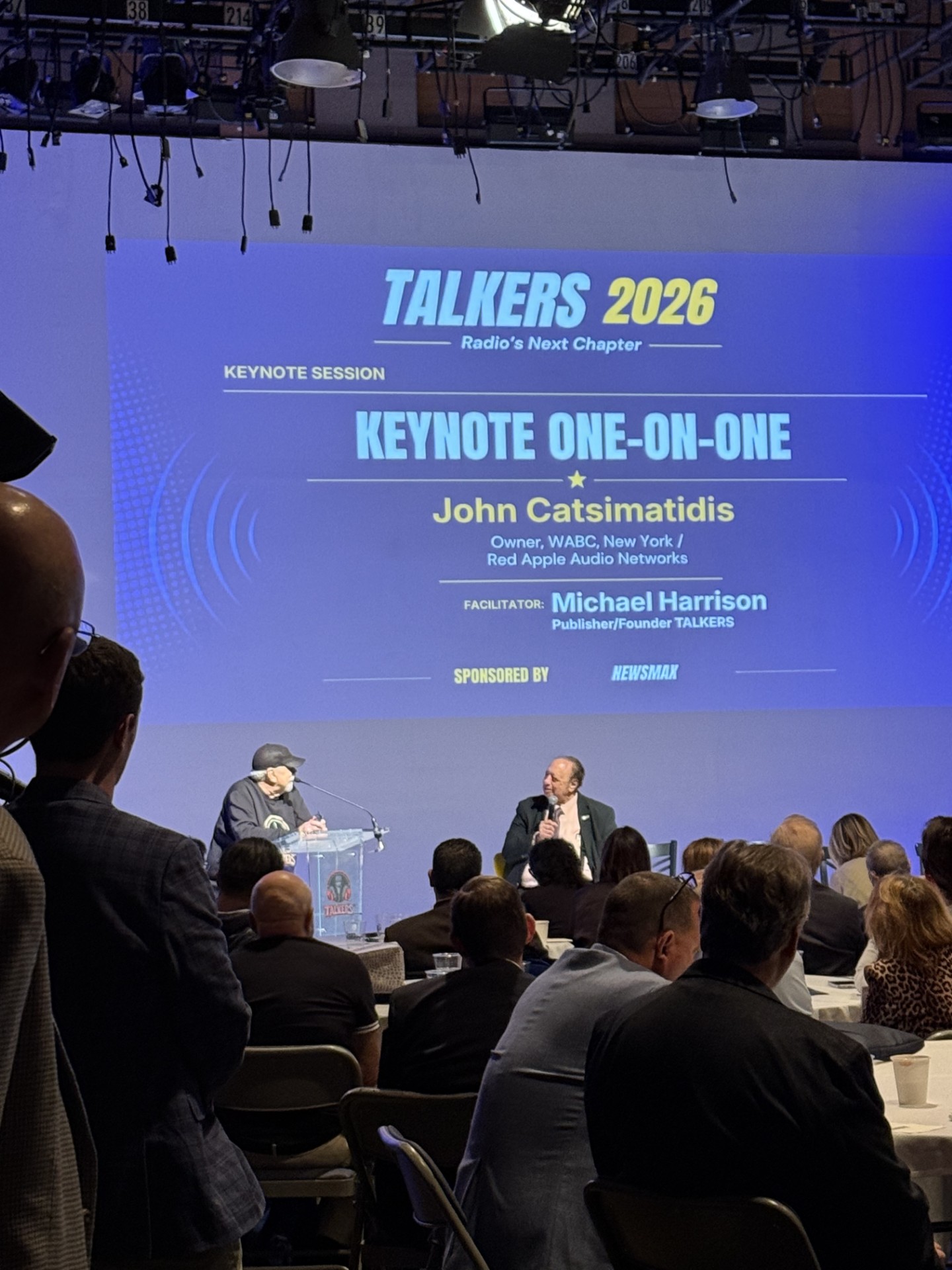
TALKERS publisher Michael Harrison (l) and Red Apple Media CEO John Catsimatidis (r) pictured above in ‘Keynote One-on-One” conversation at TALKERS 2026.

The 28th annual edition of the talk media industry’s longest running and most important national gathering – TALKERS 2026: Radio’s Next Chapter – took place at the Lawrence Herbert School of Communication on the Long Island, NY campus of Hofstra University this past Friday (6/5). It was produced in conjunction with Hofstra’s multi-Marconi Award winning campus radio station, WRHU-FM. The vibrant, sold-out gathering presented 65 speakers and 338 registered attendees engaged in the sharing of perspectives, advice, and ideas within the fertile environment of dynamic collegial networking.

The main themes of the conference included an intense focus on the future of radio and talk media in the multi-platform digital world of the second quarter of the 21st century.  These included exploration of such existential questions as how to gain profile traction in a noisy world; how to regain the public’s trust in the media; how to meet the challenge of generating revenue in a fractured and challenging economy; what entrepreneurial opportunities exist for individuals and independent companies in this new environment; how to expand programming options; how to recruit new talent; how to attract younger demos; how to deal with the enormous unforgiving power of algorithms in scoring the game; how to effectively control and exploit AI; how to make a living in this business; and so much more.

Speakers and attendees included a cross section of talk media professionals from the words of talent, management, ownership, syndication, journalism, engineering, politics, sports, the law, academia, and music – even pro-wrestling!

TALKERS founder Michael Harrison expressed his deep gratitude to the industry: “We worked day and night for months putting this one together, and we couldn’t be more pleased with the results. Heartfelt thanks to our speakers, attendees, and sponsors, as well as our dear friends and partners at Hofstra University, where it all started for me.”

TALKERS VP / executive editor Kevin Casey states, “We have enough text, photos, and video from this historic media event to keep us busy putting it together and maximizing the intellectual riches for a long time to come. It was a content motherlode!”  TALKERS will provide full coverage of TALKERS 2026: Radio’s Next Chapter over the coming days, weeks and months on its website, newsletter and video channel. Stand by!

Industry Views

Therapy, Entrepreneurism, and Talk Radio

By Pamela Garber, LMHC
Grand Central Counseling Group
New York

imgThe iconic TALKERS conference is coming up this Friday (6/5) and, again, I am looking forward to it.  As a practicing therapist and prolific talk show guest for over two decades, I find this unique gathering to be a productive educational and social ritual. It provides an opportunity to make new friends, strengthen existing relationships, and learn new things about the ever-evolving talk media industry. We have similar issues in the mental health field marked by encroaching corporatism in a business once fueled by “mom & pop” operators and independent practitioners.

I am pleased to see that one of the prevailing themes of this year’s TALKERS gathering is a call for the rebirth of entrepreneurism in the radio arena. This is certainly applicable to those brave souls willing to buck the onslaught of consolidation and take the daring leap into station ownership. But it also applies to management-level pros who are faced with learning “intrepreneurship” in order to be effective, productive, and at home within the potentially stifling environment of a large corporation. Entrepreneurism also applies to “talent” now presented with endless opportunities to be their own persons in podcasting, blogging, and myriad online endeavors. Talk show hosts are the “brand managers” of their own personas.

I like talk show hosts for reasons that go beyond their political ideologies. For the most part, talk show hosts are brave, informed, outgoing (at least in performance), quirky and, no matter how seemingly tough on the air, sensitive to being easily bruised and emotionally pained.

Talk show hosts and therapists share similar functions and traits in the performance of their jobs, not to mention their commonality with entrepreneurs. It takes entrepreneurial thinking in identifying and solving problems – the backbone of both therapy and talk show hosting. To a certain degree, therapists are talk show hosts and talk show hosts are therapists.  And both groups are in need of developing their entrepreneurial instincts.

All professions attract individuals with certain emotional and behavioral challenges. Clichéd therapist portrayals show common clinician flaws such as being rigid, or overly analytical, as well as being too distant and reserved. Talk show hosts are not as burdened by behavioral pressures as therapists which include strict licensing regulations and the potential threat of bad “reviews,” but they have a slew of their own restraints to contend with in keeping their audiences and their jobs.

Talk show hosts DO have one enviable option in dealing with callers, not as readily available to therapists for handling patients. They actually get to hang up on people.

Pamela Garber, LMHC is a practicing therapist based in NYC and South Florida and a longtime guest mental health commentator on radio and television news programs across the nation. She can be contacted by phone at 646-745-6709 or email at Pamelagarber@gmail.com.  Her website is Grandcentralcounselinggroup.com.

Industry Views

We Sad Frogs

img

By Pamela Garber, LMHC
Grand Central Counseling Group
New York

imgThese are scary times. People on all sides of the mic are on the front lines. Not just “them,” otherwise referred to as the audience. We try to fool ourselves into thinking that society and civilization are relatively “safe.” However, simply being alive and stepping outside in the morning, turning on the computer, or checking the annoyingly smart phone, puts us smack dab in the middle of a war. Literally and figuratively. But like so much else in this modern era, this war lacks foundation.

We have no base upon which to support conflict and, at every turn, from the most mundane moment of waiting in line at the store to fulfilling a day’s work; from meeting a friend for lunch to using a credit card or answering a phone – danger is just a breath away.  Rest assured, YOU are not the only one who feels this way. As much as we try to maintain a professional “distance” from those we serve and with whom we engage from our “platforms” on high – they are us and we are them.  I am my patients.  You are your listeners. We are all brewing in the same stew. Are you worried about losing your job (or business) as a result of the cutbacks in the media?  If you’re not, perhaps you should dig deeper. Or at least get in touch with your empathy – for self and others.

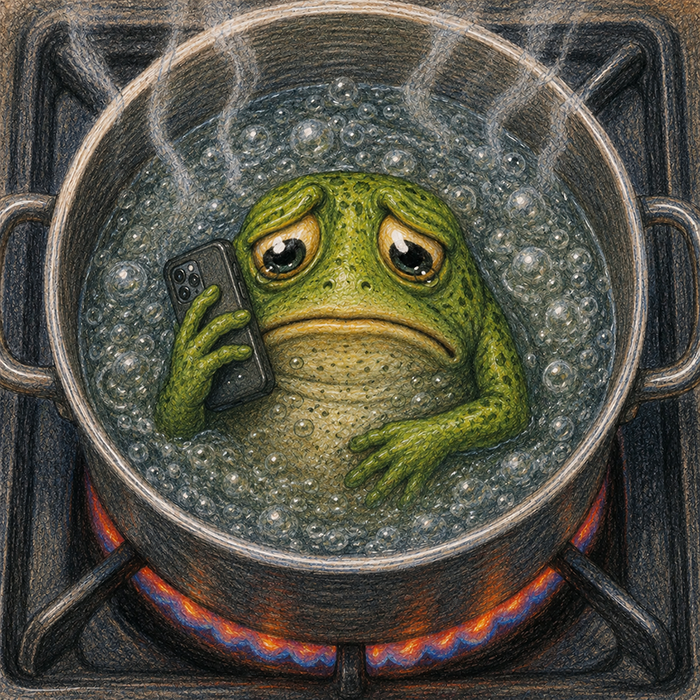
We frogs, who still remember living life in cooler water, are increasingly sad. Underneath one-issue pigeonholing, ideological frustration, or brief political triumph on a so-called good news day, the temperature is still rising. It feels like the world was robbed from us, and, on the inside, we are afraid. We have no baseline within the fundamentals of basic life – medical, legal, family, economy, clergy, education, fidelity, intimacy, and even the justice department.

Humans on both sides of the speaker miss the days when pain could exist in a single file. Today even the specific pain of loss gets steady competition within a backdrop of boiling chaos. Our relatability to each other is increasingly unseen. Our pain breeds ugliness. Ugliness of the verbal and behavioral variety breeds isolation, rage, destruction and an urgent need for help. Expert help. At a time when everyone is an expert, there seems to be no one to call… except maybe a therapist. Or maybe a talk show host.

Pamela Garber, LMHC is a practicing therapist based in NYC and South Florida and a longtime guest mental health commentator on radio and television news programs across the nation. She can be contacted by phone at 646-745-6709 or email at Pamelagarber@gmail.com.  Her website is Grandcentralcounselinggroup.com.

Industry Views

The Power of First-Hand Experience

By Pamela Garber, LMHC
Grand Central Counseling Group
New York

imgTo quote a radio friend, “Some talk show hosts think the news of the day only exists to serve up interesting fodder for their shows.” Many media practitioners, whose jobs encompass letting their audiences know about the pain and suffering of “others,” feel personally exempt from experiencing a connection to the talking points of poverty, ignorance, violence, and injustice that they eagerly collect (and even welcome) as fresh “content” for their platforms. It’s all just “material” to them.

That was a largely overlooked aspect of last Saturday night’s Washington Hilton debacle in which some 2,600 members of the press, media, and political punditry came face-to-face with the sheer terror of not knowing if they were about to be caught in a spray of deadly bullets from an insane perp’s automatic weapon. During those fleeting seconds of horror we witnessed, in excruciatingly real time, a political cross-section of America’s media insiders understandably cowering in the face of such a deadly possibility. A critical mass of the nation’s observers, influencers and content creators, might never again be numb to what had seemingly become a normal occurrence in schools, malls, churches, theaters, and other public places.  Empathy comes from experience…  and experience has a way of transforming the abstract into the concrete.

The WHCD (alleged) shooter “incident” forced several thousand formally attired, champagne-sipping, Saturday evening socialites into becoming terrified participants – actors in a very real-life news story that they had told countless times – looking for a table under which to take cover or a rolling tray behind which to hide.

First-hand life experience reshapes us (or our core beings) more profoundly than any other learning format curriculum. This concept is especially applicable to talk radio – one of humanity’s most personally influential forms of mass communication.

Pamela Garber, LMHC is a practicing therapist based in NYC and South Florida and a longtime guest mental health commentator on radio and television news programs across the nation. She can be contacted by phone at 646-745-6709 or email at Pamelagarber@gmail.com.  Her website is Grandcentralcounselinggroup.com.

Industry News

TALKERS News Notes

iHeartMedia to Reveal Q1 Results. iHeartMedia will report results for the quarter ending March 31 on May 11 and will host a conference call at 4:30 pm ET that day to discuss its financial performance and outlook. A live audio webcast will be accessible through its investor website.

Urban One Sets Earnings Call. Urban One says it will release its operating results for the first quarter of 2026 on May 14 and will host an earnings call at 10:00 am ET on that day. A replay of the call will be available through May 21 on the company’s website.

Subscribe

* indicates required

Industry Views

Talk Radio Mile Markers

By Pamela Garber, LMHC
Grand Central Counseling Group
New York

imgIn a piece I recently wrote for TALKERS I encouraged talk show hosts and producers to book more guests from the mental health profession to provide much-needed relief from the alarming level of anxiety afflicting American society. Since then, the non-stop news cycle, replete with the media pushing people’s buttons to keep them sucked in, has me further convinced this need would benefit the medium as well as the public. Win-win.

People today are negatively impacted by fear, pressure, disgust and confusion. Pressure to keep up with runaway technology. Fear of crushing financial responsibilities and institutional betrayal. Anger over ever-lurking danger from scams, identity theft, and violent assault on the street. Confusion over rapidly changing values, diminishment of ethics, and contentious relationships.

The result: talk radio listeners (as well as potential ones) are drowning in anxiety.

Where does the tumult of an increasingly noisy and uncertain world reach a daily crescendo?  On news/talk radio, of course. That unto itself is not a bad thing. The airing of news and views in the public marketplace of ideas is both therapeutic and a healthy exercise of our First Amendment rights. It is also grimly entertaining.

However, as both a therapist in practice for over two decades and a guest on many talk show interviews, I strongly believe that people need an occasional “spoonful” of relief to “help the medicine go down.” It’s not that I’m advocating sugar coating the content. But even just acknowledging the problems real people are facing from a human perspective can alleviate pain.

Mile markers to the rescue

My experience as a running enthusiast evokes a talk radio reference to the “mile markers” that dot the paths of long-distance races.

It was at mile 18 in the New York Marathon when I first yearned for a mile marker. Mile markers are those coveted little stations along the running races where everyone who extends their arm to offer runners a cup of water or Gatorade is Florence Nightingale to each participant who grabs the “reward.”

A little mile marker has such a big impact on going the distance in races (and in life). Life is hilly, sometimes suddenly downhill, with sprints and injuries, struggling to keep pace, and pretending to be slow. Mile markers in real life give us a boost.  That occasional mental health expert popping up every now and then as a news/talk radio element can put things in context, offer solutions, and stop the spread of those deadly words: “I can’t listen to this anymore; It make me too anxious.”

Check out this talk radio hit, “Close My Ears,” by Gunhill Road by clicking here.

Pamela Garber, LMHC is a practicing therapist based in NYC and South Florida and a longtime guest mental health commentator on radio and television news programs across the nation. She can be contacted by phone at 646-745-6709 or email at Pamelagarber@gmail.com.  Her website is Grandcentralcounselinggroup.com.

Industry News

WJR’s Jamie Edmonds to Take Leave to Battle Breast Cancer

WJR, Detroit morning drive co-host Jamie Edmonds announces to listeners that she will be taking a leave of absence after being diagnosed with breast cancer. Cumulus Media notes on the WJR website that Edmonds shared the news during the program yesterday, “explaining that her absence from some recent shows had been related to her health and imgtreatment schedule. Edmonds, 42, said the diagnosis came unexpectedly about two months ago and described it on the air as a ‘total gut punch.’ A mother of a young daughter, she acknowledged the fear that followed the discovery but said she is confident in her care team and treatment plan at Henry Ford Health. Edmonds told listeners she has already begun chemotherapy and believes she will get through the process.” Edmonds says her oncologist emphasized the importance of consistent sleep and recovery during chemotherapy. She made clear that the change is temporary and that she plans to remain connected to WJR and its audience as she is able while focusing on her health.

Industry News

WABC’s Sid Rosenberg Charges Mr. & Mrs. Met as Antisemites

WABC, New York morning host Sid Rosenberg got a lot of traction over an X post claiming proof that the New York Mets’ mascots Mr. & Mrs. Met imgare antisemites. How could this be? Rosenberg posted a video clip of the mascots warmly embracing New York Mayor Zohran Mamdani at Citi Field, followed by a still photo of himself in a corridor at Citi Field with Mr. Met about 20 yards down the same corridor walking in the opposite direction after, Sid says, ignoring him. It’s unclear at this time if the Justice Department has opened an investigation into the New York Mets. See the video and story on WABC’s website here.

Industry Views

Providing Support and Comfort to the Suffering Masses

By Pamela Garber, LMHC
Grand Central Counseling Group
New York

imgIn ongoing discussions about the dwindling relevance of radio in the modern world, the medium is grudgingly defended as a reliable “first responder” during times of public emergencies.

Nothing beats having an old-fashioned battery powered radio handy when confronted by hurricanes, tornados, blizzards, earthquakes, wildfires, floods, blackouts, and (dare I say it) weapons of war. Yes, radio is quite useful in the thick of natural “disasters” when the grid goes down, and the lights go out.

However, we are missing a huge opportunity by limiting radio to the roleimg of modern-day media Sterno.
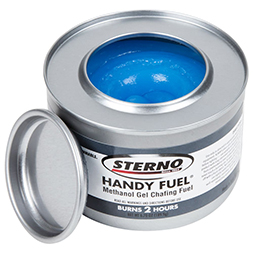
I’ve been a practicing therapist in New York and South Florida for the past 25 years, and although not a host, I have served, and continue to participate, as a guest on broadcasts across the nation, discussing the emotional connections between hot news topics and people’s feelings. I am not alone in the perception that people of my profession have performed for decades as fully invested members of the talk radio family.

During this period, it has become obvious that the one-time talk radio mainstay of the in-house or “go to” mental health professional has become an endangered species. Some of the biggest names in radio were practicing therapists. They were a familiar part of the talk (even news/talk) format. Without turning this into a historical essay or a scold, it is sad to note that most of them are gone.

Ironically, now more than ever, the deeply troubling events in the world, the nation, and our local communities, constituting news and statistics, are bringing deep emotional pain and crippling anxiety to the masses… especially the kind of people likely to tune in to talk radio. Professionals. Businesspeople. Workers. Parents.

Looking for younger demos? Gen-Z is perhaps the most anxiety-plagued segment of the population. These “kids” need support, guidance, and understanding.

Hurricanes and heat waves are not the only disasters that call for the helpful and healing power of radio.

The hot topics of the day: crime, inflation, corruption, disease, ignorance, racial strife, and identity politics – not to mention the ever-lingering threat of nuclear devastation – are not merely subjects (and excuses) to vent blame, anger and hate. They contribute to an environment of deep fear and institutionalized discomfort. There are millions of real-life, personal “disasters” going on out there, exacerbated by relationship betrayals and family breakdowns, that make a heavy snowstorm feel like an adventure by comparison.

Stoking people’s fear and anger with cherry-picked cherry bombs is only a small part of the equation when it comes to serving the desperate needs of both current and potential listeners.

It would be a good thing to bring back to the talk radio menu some psychology shows and professional purveyors of emotional clarity, available in the local communities, as guests to dole out much sought compassion, empathy, guidance, and old fashioned advice.

Pamela Garber, LMHC is a practicing therapist based in NYC and South Florida and a longtime guest mental health commentator on radio and television news programs across the nation. She can be contacted by phone at 646-745-6709 or email at Pamelagarber@gmail.com.  Her website is Grandcentralcounselinggroup.com.
Industry News

Chris Moore to Retire from KDKA, Pittsburgh

KDKA Radio personality Chris Moore is retiring from the Audacy news/talk station after his last show on February 15. Moore delivered the news to his audience on his 5:00 pm to 9:00 pm Sunday program. Heimg said, “Having our meaningful discussions about world and local issues, as well as more mundane issues with you has been one of the highlights of my career.” In a piece posted to KDKA’s website, the station says Moore’s health and mobility issues, combined with the recent winter weather forced him to consider his future. “‘The Moore of Pittsburgh’ has been a local weekend staple since 1994 and Chris has provided countless hours of entertaining radio that made listeners smile, think and participate.” Moore is also the founder and co-chairperson of the educational committee of the Frank Bolden Urban Journalism Workshop of the Pittsburgh Black Media Federation where a Chris Moore Internship was named in his honor in 2024.
Industry Views

Monday Memo: Dogs Are Having a Moment

By Holland Cooke
Consultant

imgNotice how often you see one in TV commercials, even when the product has nothing to do with pets? I see spots for a local building supply outlet, in which the owner’s dog ambles through every shot, then plops down – seeming to smile – among employees in the closing shot.

I am disappointed not to hear local radio spots – with a bark toward the end – for that same business. Does a retailer in your area appear in TV commercials with his or her dog? Can radio – the #1 in-car media – can take that business for a “RIDE???”

Dogs appearing in national ads convey loyalty and adventure. Microsoft, Wells Fargo, Target, Volkswagen, and Subaru are among brands that have used dogs to soften their image and boost attention. Why? Research demonstrates that “harnessing the ​universal ​appeal of man’s‌ best friend, these advertisements ​have emerged as ‍a powerful ‌tool ​for marketers‍ seeking to resonate with consumers on a deeply ‍emotional level.” Dogs evoke warmth and joy. They refine a brand, ‌making it‌ more relatable and trustworthy. ‌

“If only radio had pictures,” you say? We do, in social media posts and on station websites and everywhere else we can take a local advertiser. And beyond dog copy, think: dog content.

  • A number of news/talk stations I’ve worked with broker weekend ask-the-expert hours to veterinarians whose investment ROI’s big-time. The lines are jammed and smart stations extend such weekend warriors by repurposing excerpts. “Pet Pro Dr. Donna Stone has tips for helping your critters keep-their-cool during this long, hot summer” links to an aircheck clip that you Tweet-out and post elsewhere online. Include a picture of an adorable puppy and you’ll click like crazy. Music stations: Sell the vet spots-disguised-as informative features that invite listeners to see/hear/learn more in podcasts or videos or other content on your or the doctor’s website.
  • One of my client stations boosts adoptions each holiday season by featuring “The 12 Strays of Christmas” from the local shelter, sponsored by, you guessed it, a vet.’
  • Tchotchke opportunity: a station-logo’d tennis “BALL!” Toss ‘em around at dog parks and give ‘em away at appearances.
  • Brainstorm other opportunities.

I live at the beach — dog nirvana. It’s a sensory symphony: the scent of salt air, warm sun, sand to dig and roll-around in… canine bliss. On the beach here, dogs don’t have to be leashed; and when you let ‘em romp they sure do, chasing waves, and plunging-in to retrieve “BALL!”

In that wonderful moment, they are living like they will never grow old. Sadly, we know better. Thus The Farmer’s Dog tag line “Making old dogs feel young again;” and Blue Buffalo’s “Love them like family. Feed them like family.”

That’s the emotional space radio can own: warmth, loyalty, companionship, trust. Let’s create messages – and moments – that honor the joy and spirit our buddies bring us.

Holland Cooke (HollandCooke.com) is a consultant working the intersection of broadcasting and the Internet. Follow HC on Twitter @HollandCooke and connect on LinkedIn

Industry News

WNIR, Akron’s Carey Coleman Exits Station for Congressional Run

Longtime Northeastern Ohio media figure Carey Coleman is exiting his evening talk show on WNIR-FM, Akron to run for U.S. Rep. in Ohio’s 13th Congressional District. Before becoming at talk radio host,img Coleman was a television meteorologist who worked in the Cleveland market at WKYC-TV and WOIO-TV, as well as with The Weather Channel and CNN. Carey’s campaign website says “understands the real challenges facing working families: rising costs, government overreach, and a political system that puts insiders ahead of citizens. He is running for Congress to restore fiscal discipline, secure our borders, defend constitutional freedoms, support law enforcement, and ensure parents have a strong voice in their children’s education.”

Industry Views

Monday Memo: The Fearless Cold Caller

By Holland Cooke
Consultant

imgOften, when visiting client stations, I ride shotgun on a sales call, and it’s always a masterclass. Retailers have a canny, insightful feel for their customers (our listeners). And accompanying these reps, I feel like I’m “Dancing With The Stars.”

Cold calling still rattles many new sellers, even some veterans. The fear is understandable: interrupting strangers to ask for their time sounds like a recipe for rejection. And seems old-school, but the cold call isn’t a relic – it’s a differentiator. Done right, it’s not a pitch. It’s about discovery.

Here’s what successful sellers I work with seem to have in common:

  • — Their goal isn’t a cold close.It’s to open a conversation about helping a business grow. They are confident in what radio advertising – done right – can accomplish.
  • — They do homework beforehand, checking the prospect’s website, social feeds, Google reviews, and its other advertising. So, they can go in with something specific to reference. Some bring “an actual commercial that got results for a business like yours, somewhere else.” When I do a station sales meeting, I leave behind a thumb drive of successful spots from other markets. Retailers are wary of experiments, and curious for proven concepts.
  • — They lead with curiosity. Like a job interview, you are judged more by the-questions-you-ask than the-information-you-give. Productive questions I hear include, “How are you attracting new customers right now?” and, “What’s been working best for you lately… and what’s been frustrating?” and, “Have you ever used local radio to tell your story?” Ask, “What’s the biggest mistake consumers make when planning a kitchen remodel [or purchasing whatever else the prospect sells]?” And, “Why buy from YOU?” Entrepreneurs like to talk about their business. Let them, and take notes, recording on your smartphone.
  • — They present a no-risk offer that invests in the prospect’s growth. Hearing is believing, so “Let me take what-you’ve-told-me and bring back a message that tells your story, at no cost or obligation to you.” Rather than describing that story, spec spots demonstrate it. Note: “spots,” plural.
  • — They bring back two spec spots, so the choice is this-or-that rather than yes-or-no. Not two versions of the same concept, but two different approaches. One might be a live read mock-up; the other a fully produced commercial, incorporating copy points from the prospect’s existing marketing material, and from that first-call interview…
  • — If possible, they use the prospect’s voice. If he or she can read without sounding sing-songy, bring back a draft script. Here’s a straight pitchI wrote for the guy who maintains my home water system. More often, the most productive use of the prospect’s voice is unscripted sound bites lifted from the smartphone after that first call, wrapped with lean announcer copy, like this. Either way, spots like these can get people telling the advertiser “I heard you on the radio.” 😉
  • — If that doesn’t close, they offer to re-do the spec spot, based on feedback from that second call. This persistence demonstrates a partnership with the prospect’s success, and shares authorship of the final version.
  • — They anticipate rejection, and prep responses to common objections. They understand that “no” often means “not now.” Seeming super-appreciative for the prospect’s time, they thank him or her and ask “to check-back with you” in the future. They track attempts, conversations, and follow-ups.

Lately, I’m impressed by how reps are using Artificial Intelligence… not as a crutch, but to collaborate. Various vendors are hawking apps that will write – even voice – spots. Whenever I’m given a demo, I ask for copy about a restaurant my wife and I frequent. And what comes back is painfully generic – “in a relaxing atmosphere” – rather than capturing the experience. DO exploit AI. But ask it for copy concepts, and use it as a first draft, always to frame the prospect’s words.

Holland Cooke (HollandCooke.com) is a consultant working the intersection of broadcasting and the Internet. Follow HC on Twitter @HollandCooke and connect on LinkedIn

Industry News

Connoisseur Media Partners with Audiospace for Digital Assets

Connoisseur Media partners with software solution firm Audiospace for the company to develop its digital radio platforms. Connoisseur CEO Jeff Warshaw says, “The culture of Connoisseur Media is about being local and about meeting our audiences where they are. Today, that meansimg having a first-class digital experience alongside fantastic local programming.  Audiospace understands that and they understand radio.  They’re not just building apps and websites, they are helping us connect with our listeners while also unlocking new revenue opportunities for our advertisers.  We thrilled to be working with Audiospace, we expect this partnership to help take Connoisseur Media’s digital game to the next level.” The first websites and apps were successfully launched in early December, with additional releases scheduled in the coming weeks.

Industry News

FCC’s Carr Testifies His Agency is Not Independent; Must Enforce “Public Interest” Standard

In testimony at an oversight hearing before the Senate Commerce, Science and Transportation Committee, FCC chair Brendan Carr told senators that his agency is not animg independent one because commissioners can be removed by the president. Numerous news organizations pointed out that the mission statement on the FCC’s website described it as an independent agency – until yesterday afternoon when the website was apparently updated to reflect Carr’s testimony. Numerous news outlets also pointed to Carr himself describing the agency as independent as recently as April of 2021. When questioned about the FCC regulating content, Carr said that he believes political satire is protected speech but he added that broadcast television and radio stations are held to a “public interest” standard that the FCC is required by law to enforce.

Industry News

TALKERS News Notes

Dr. Daliah Wachs Show Adds Affiliate. The Talk Media Network nationally syndicated “Dr. Daliah Wachs Show” is now being heard on weekends on Larson-Wynn Inc’s news/talk KODL-AM, City of The Dalles, Oregon

PodcastOne and Dr. Phil Announces Partnership. PodcastOne and Dr. Phil’s Envoy Media Co are partnering to launch a co-branded multi-platform podcast network. The networks’ content lineup debuts later this month with an all-new daily “Dr. Phil Podcast” distributed across Spotify, Apple Podcasts, YouTube, iHeartRadio, Amazon Music, PodcastOne, as well as LiveOne’s streaming video network.

Saga to Present at Financial Conference. Saga Communications president and CEO Christopher S. Forgy EVP/CFO and treasurer Samuel D. Bush will be presenting at the Noble Capital Markets’ Twenty First Annual Emerging Growth Equity Conference at Florida Atlantic University tomorrow (12/3). A video webcast of the presentation will be available following the event on the company’s website.

Industry News

Monday Memo: Gobble Gobble

By Holland Cooke
Consultant

imgRunning a successful radio station, hosting a show, or producing a podcast is a lot like hosting Thanksgiving dinner. You need a plan. You need to deliver something satisfying to a crowd with varying tastes. And most of all – if you get it right – you’ll have leftovers you can turn into even more value long after the main event.

The Menu is the Strategy. You don’t just “wing it” on Thanksgiving. Same goes for your content. Who are you serving? What do they expect? Your content calendar is your shopping list. Your team is your kitchen crew. And if you’re still deciding what’s on the menu the morning of, don’t expect rave reviews.

Timing is the Secret Sauce. Get the turkey in too late, and the sides suffer. Hit “record” without a clear rundown, and the show flounders. Publish an episode at the wrong time? Lost in the noise. Stations, shows, and podcasts are all about flow and timing. Great pacing, clean execution, smart transitions. Just like the perfect meal, everything needs to hit the table hot and in the right order.

The Turkey is your Centerpiece. For a station, it’s your format or your tentpole talent. For a show, it’s the host or the day’s big segment. For a podcast, it might be your story structure or your featured guest. Nail the turkey, and people forgive a few lumpy mashed potatoes. Miss it – bland, dry, underwhelming – and no one remembers the green bean casserole.

The Sides are the Supporting Elements. News, weather, traffic, and imaging turn a decent meal into a memorable one. Great intros, tight sound design, and a well-timed punchline make your core content shine.

im

Different Tastes, One Table. Uncle Edgar wants deep-fried turkey. Your cousin’s vegan. Grandma’s still mad you skipped the marshmallows on the yams. Your audience is just as varied – P1 loyalists, casual browsers, podcast subscribers who never miss a week. You can’t be everything to everyone, but you can build a spread that makes multiple types of listeners feel seen. Know your audience segments. Serve accordingly.

Table Setting = Delivery Platform. Whether it’s FM, a podcast app, a smart speaker, or a website, presentation matters. Is the user experience smooth? Is the stream clean? Is the podcast art appealing? Are your links working? A cold plate on fine china is still cold. Don’t let great content get lost in clunky delivery.

Leftovers = Repurposing. You spent all that time prepping and recording. Don’t just serve it once. Chop up segments for social. Turn interviews into blog posts. Republish as “Best Of” content. Archive it smartly so people can find it later.

Leftover content, when handled right, can fuel long term engagement. Don’t throw away anything tasty just because the initial serving is over.

Thanksgiving reminds us that people crave connection, comfort, and a sense of occasion. So does your audience, whether they tune in live, stream on demand, or binge your podcast during a road trip.

So, plan well. Deliver hot. Serve generously. And whatever you do, don’t forget the gravy.

Happy Thanksgiving. Pass the ratings.

Holland Cooke (HollandCooke.com) is a consultant working the intersection of broadcasting and the Internet. Follow HC on Twitter @HollandCooke and connect on LinkedIn

Industry Views

Monday Memo: Costs Are Criminal. And You’re on the Case.

By Holland Cooke
Consultant

The number of Americans asking Google for help with debt is way up. Delinquencies are surging. Credit scores are falling at the fastest pace since the Great Recession. Consumerimg Confidence is down. Costco is mobbed.

Gasoline, eggs, now coffee. What DOESN’T cost more? Seen beef prices? Hamburger Helper sales are up double-digits year-over-year.

A client station asked me for something to pitch to a local credit union. So, I called-in “The Deal Detective.” He’s a frugal flatfoot, the lieutenant of low prices, a savings sleuth with a barcode scanner. He reads receipts like rap sheets. And he’s a stack of 60-second features.

Special for TALKERS readers: Help yourself, here.

im

They’re FREE, no paperwork, no national spot. Sell a local sponsorship and keep the money. It’s your license to bill. OK to use as stream cover-up spots, or on your station website (help yourself to the graphic). NOT “available wherever you get your podcasts.”

Holland Cooke (HollandCooke.com) is a consultant working the intersection of broadcasting and the Internet. Follow HC on Twitter @HollandCooke and connect on LinkedIn

Industry News

WWO: Importance of Branding Early and Often

This week’s Cumulus Media | Westwood One Audio Active Group blog addresses creative best practices related to branding. Blog author Pierre Bouvard writes that when a campaign fails to get the desired brand lift or poor website traffic, usually creative is the issue and your campaign is failing to “brand early and often.” He recommends the following analysis procedure: 1)img Conduct a “brand early and often” creative audit: Watch/listen to all your ads. Check off if your brand is mentioned in first two seconds and if there are at least five or more audio track brand mentions in 30-second ads; 2) You can look away but you cannot shut your ears: In video ads, audio branding does all the brand recall heavy lifting; 3) Audio case studies reveal implementing the “brand early and often” creative best practice generates stronger purchase intention and increased brand lift and website attribution; 4) Do you want your brand association and recall to explode? Use a jingle with melody that says the name of your company; and 5) Don’t blame the media plan or media vendors for weak attribution and brand lift: Usually creative is the issue and the ad copy fails to “brand early and often.” See the full blog post here.

Industry Views

The Annual (Radio Station) Physical

By Jonathan Little
TroyResearch
President

imgAn annual physical is a wise idea. Doc asks, “How are you doing?”. Then he or she asks some detailed questions based on your medical history. Then “how have you been feeling? Any issues?” Doc always orders blood draws to see what might be lurking. Is the statin drug keeping your cholesterol in check? Are you getting plenty of exercise, plenty of sleep? How’s your diet? Over the years, I’ve visited about my health with at least a dozen different doctors. I’m convinced that the good ones always ask good questions and then listen carefully. Good questioner – good listener. That’s the doc I can respect and put my trust in. 

If you operate a radio station, your station could benefit from an annual physical. You already know how it’s doing based on ratings, revenue, and profit. Your listeners know how you’re doing for them personally because they’re the users of your radio product. Is it pleasing, challenging, inspiring or annoying, irritating, and easily ignored with a click? If you ask them, they’ll tell you. You should ask them at least once a year. 

TroyResearch has been in the business of asking listeners what they think for 27 years. We recently teamed up with Midwest Communications, Inc., in Green Bay to conduct an exploratory research project with their news/talk station WTAQ. TroyResearch’s association with MCI goes back nearly 27 years, doing music and perceptual research for the Duke Wright music stations. The WTAQ project was something new. Our goal was to discover what actionable data the opinions of loyal listeners might produce. TroyResearch worked with VP Programming Jeff McCarthy and Operations Manager Jason Hillery to develop a 25-question study. 

Survey respondents were recruited over the air and were encouraged to go to the WTAQ website to take a brief survey. Clearly, we wanted to hear from P1’s, those listeners who produce 60%+ of reported listening. Their answers provided a clear picture of WTAQ loyalists – what they like, what they don’t like, their political affiliation, their listening behaviors (radio, podcasts, TV news, cable news, etc.), favorite news outlets, trustworthiness of news outlets, their thoughts about protests becoming riots, and their favorite podcasts to mention a few. 

More than 200 respondents, Persons 18+, completed the WTAQ perceptual study. (32% 18-54, 68% 55+). With Jeff’s and Jason’s permission, we share some results. 

Political Affiliation

1% Democrat
78% Republican
15% Independent
6% Other, like Libertarian, Socialist

In car listening

80% Local radio
10% Satellite radio
6% Streaming services like Spotify
3% Podcasts
1% Other like personal playlists 

Listening to WTAQ, which simulcasts

76% FM
9% AM
8% Streaming from WTAQ app
6% Streaming from a smart device
1% Streaming from WTAQ.com

Where do you get your news? (Select all that apply)

93% Radio
46% Broadcast TV (local channels)
41% Cable news like Fox, CNN, MSNBC
29% Social Media like X, Facebook, Tiktok
16% Internet news like NY Post, Washington Post
10% Newspaper
12% Other 

Your primary news source

58% Radio
15% Cable news like Fox, CNN, MSNBC
8% Broadcast TV (local channels)
7% Internet news like NY Post, Washington Post
7% Social Media like X, Facebook, Tiktok
3% Other
1% Newspaper

When does a protest/demonstration become a riot? (Select all that apply)

85%+ When protesters strike police, throw projectiles, set fires, do property damage
75% When protesters spit on police officers
60% When protesters burn the American flag
37% When protesters curse at police officers

Do you listen to podcasts?

23% Frequently
29% Occasionally
35% Rarely
13% Never

What podcast platform do you use? (Select all that apply)

32% YouTube
25% Spotify
19% iHeart
19% Apple
10% Amazon
2% Rumble
1% The Blaze
1% Daily Wire 

As a broadcaster that reports news and information, WTAQ is interested in knowing how trustworthy you consider the reporting presented by these companies. (1 = very untrustworthy, 5 = very trustworthy)

4.43 WTAQ Radio, Green Bay
3.78 Fox News
3.59 Fox 11, Green Bay
2.92 WBAY, Channel 2, Green Bay
2.83 WFRV, Channel 5, Green Bay
2.77 WHBY Radio, Appleton
2.71 NBC 26, Green Bay
2.22 Green Bay Press Gazette
2.01 Wisconsin State Journal
1.99 Milwaukee Journal Sentinel
1.46 MSNBC
1.37 CNN 

WTAQ asked the 0-10 Customer Endorsement Score question – “On a scale of 0-10 how likely would you be to recommend WTAQ to a friend or colleague?” Those scores reflect the listeners’ opinions of how the station is doing and it’s a forecast of WTAQ’s future. As a rule, a CES of 50 or higher indicates a healthy and sustainable product. WTAQ scored a strong 73 Customer Endorsement Score. 

VP Jeff McCarthy and OM Jason Hillery are pleased with the results of this exploratory study. The WTAQ Sales Team is delighted with the data. 

Good questioner … Good listener! WTAQ asked good questions. And now their leadership team is “listening” to the answers and determining what adjustments, if any, may result in improved ratings, revenue, and profit, on the way to an 80 Customer Endorsement Score with the next WTAQ study. 

Jonathan Little is president of TroyResearch. He can be phoned at 608-219-1077 or emailed via: jlittle@troyresearch.net

Industry News

WWO: Visual AM/FM Ads Generate Lift

This week’s blog from Cumulus Media | Westwood One’s Audio Active Group presents data from a Quantilope study that shows Quu in-dash visual ads on vehicle screens “drive significant awareness, consideration, and purchase intent.” The blog post adds that a new study from System1 and major out-ofimg-home media company JCDecaux reveals creative best practices for billboard advertising that the AM/FM radio industry can utilize to improve visual ad impact. Some of the key findings include: 1) Quu visual AM/FM radio ads on auto dashboards increase purchase intent by +89%; 2) You’ve got two seconds so brand fast: Visual logos placed at top of the frame deliver 4X higher brand recognition; 3) Beware the cost of dull: Failure to engage emotionally is the cost of creative mediocrity; 4) Be consistent with a brand’s colors, logos, slogans, and fonts that appear in other advertising; 5) Keep it short: The fewer the words, the greater the brand recognition; and 6) Create happiness: Ads that create positive emotions with happiness, surprise, or humor generate much stronger memorability, brand association, store visits, and website visits. See the blog post here.

Industry News

Torrey Snow Exits WBAL, Baltimore

Hearst news/talk WBAL, Baltimore parts company with afternoon drive talk host Torrey Snow after fiveimg years in that role. Snow doesn’t say much about his departure other than to post to his X account, “It’s been real, WBAL! On to the next great adventure! Thank you all for being part of a wonderful chapter of my life!” WBAL’s website doesn’t reveal what the station plans to air in the PM drive daypart.

Industry Views

Monday Memo: Feature the Moments That Matter

By Holland Cooke
Consultant

imgAre archived shows – whole hours – your station’s only on-demand offering? It’s an easy checkbox: post the aircheck, call it a podcast.

And why not? In our on-demand culture, why expose this work – and its sponsors – only to those who happened to be listening in real-time? But few listeners will sit through an hour – or three – of linear audio. Most don’t when listening live. They’re busy. The only person who hears the whole show is the host (which is why I cringe when I hear “hour number three”).

Trim the fat, serve the steak 

Many more will be interested in highlights, those couple minutes of Pet Pro Dr. Donna Stone’s tips for “Helping Your Critters Keep Their Cool During a Long Hot Summer,” or whatever “money moments” aired.

im

— Give these excerpts a title, incorporating words someone might include in Search. Add a sharable description. Let MS Copilot or ChatGPT make you a graphic. For this example, make it a cute puppy.
— In addition to the station’s website, these clips should be all over your social media. Think of your whole show as a movie. Hashtag-laden Tweets that include a click-to-listen link are the trailer. Script several versions and post at intervals.
— Get good at this, and your posts will get shared.
–And Dr. Donna can share her moment to her followers.

This is something music station morning shows do better than talk stations, because archiving whole songs is taboo. They’re forced to cull. 

Find the time

It’s an investment in reach, relevance, and revenue. Don’t just archive – curate. You can find new ears, using these audio appetizers to offer people who don’t know your show to try the entrée.

Holland Cooke (HollandCooke.com) is a media consultant working at the intersection of broadcasting and the Internet. Follow HC on Twitter @HollandCooke

Industry Views

Neutraliars: The Platforms That Edit Like Publishers but Hide Behind Neutrality

By Matthew B. Harrison
TALKERS, VP/Associate Publisher
Harrison Media Law, Senior Partner
Goodphone Communications, Executive Producer

imgIn the golden age of broadcasting, the rules were clear. If you edited the message, you owned the consequences. That was the tradeoff for editorial control. But today’s digital platforms – YouTube, X, TikTok, Instagram – have rewritten that deal. Broadcasters and those who operate within the FCC regulatory framework are paying the price.

These companies claim to be neutral conduits for our content. But behind the curtain, they make choices that mirror the editorial judgment of any news director: flagging clips, muting interviews, throttling reach, and shadow banning accounts. All while insisting they bear no responsibility for the content they carry.

They want the control of publishers without the accountability. I call them neutraliars.

A “neutraliar” is a platform that claims neutrality while quietly shaping public discourse. It edits without transparency, enforces vague rules inconsistently, and hides bias behind shifting community standards.

Broadcasters understand the weight of editorial power. Reputation, liability, and trust come with every decision. But platforms operate under a different set of rules. They remove content for “context violations,” downgrade interviews for being “borderline,” and rarely offer explanations. No appeals. No accountability.

This isn’t just technical policy – it’s a legal strategy. Under Section 230 of the Communications Decency Act, platforms enjoy broad immunity from liability related to user content. What was originally intended to allow moderation of obscene or unlawful material has become a catch-all defense for everything short of outright defamation or criminal conduct.

These companies act like editors when it suits them, curating and prioritizing content. But when challenged, they retreat behind the label of “neutral platform.” Courts, regulators, and lawmakers have mostly let it slide.

But broadcasters shouldn’t.

Neutraliars are distorting the public square. Not through overt censorship, but through asymmetry. Traditional broadcasters play by clear rules – standards of fairness, disclosure, and attribution. Meanwhile, tech platforms make unseen decisions that influence whether a segment is heard, seen, or quietly buried.

So, what’s the practical takeaway?

Don’t confuse distribution with trust.

Just because a platform carries your content doesn’t mean it supports your voice. Every upload is subject to algorithms, undisclosed enforcement criteria, and decisions made by people you’ll never meet. The clip you expected to go viral. Silenced. The balanced debate you aired. Removed for tone. The satire? Flagged for potential harm.

The smarter approach is to diversify your presence. Own your archive. Use direct communication tools – e-mail lists, podcast feeds, and websites you control. Syndicate broadly but never rely solely on one platform. Monitor takedowns and unexplained drops in engagement. These signals matter.

Platforms will continue to call themselves neutral as long as it protects their business model. But we know better. If a company edits content like a publisher and silences creators like a censor, it should be treated like both.

And when you get the inevitable takedown notice wrapped in vague policy language and polished PR spin, keep one word in mind.

Neutraliars.

Matthew B. Harrison is a media and intellectual property attorney who advises radio hosts, content creators, and creative entrepreneurs. He has written extensively on fair use, AI law, and the future of digital rights. Reach him at HarrisonMediaLaw.com or read more at TALKERS.com.

Industry News

iHeartMedia and Washington Commanders Extend Deal

The Washington Commanders and iHeartMedia DC are extending their flagship broadcast partnership. Commanders games will continue to be heard on classic rock WBIG “BIG 100.3 FM,” as well as via the station’s website and the iHeartRadio App. iHeartMedia region president Aaron Hyland says, “We are thrilled to extend our dynamic audio partnership with the Washington Commanders, building on the momentum and shared success we’ve achieved together the past three seasons. By harnessing the power of audio across ‘BIG 100’ and our iHeartMedia platforms with broadcast, podcast, and streaming, we’re excited to deliver even more access, energy, and unforgettable gameday moments to Commanders fans throughout the region.”