

TALKERS Magazine Enthusiastically Supports the 2026 IBS Conference in New York as its Presenting Sponsor
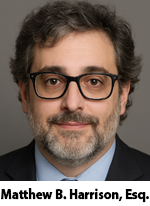
By Matthew B. Harrison
TALKERS, VP/Associate Publisher
Harrison Legal Group, Senior Partner
Goodphone Communications, Executive Producer
 TALKERS magazine, the leading trade publication serving America’s professional broadcast talk radio and associated digital communities since 1990, is pleased to participate as the presenting sponsor of the forthcoming Intercollegiate Broadcasting System (IBS) conference for the second consecutive year.
IBS NYC 2026 – America’s preeminent annual college radio and media gathering – will take place February 19-21 at the Sheraton Times Square Hotel in midtown Manhattan. The non-profit, volunteer-driven, IBS has been diligently serving student broadcasters since 1940, and its services are needed today more than ever.
Campus broadcasting continues to take on growing importance as the radio industry (and its related fields) seeks to connect with and develop a next generation of professional practitioners as well as engaged audiences. TALKERS is honored to again provide financial support, encouragement, experience, and advice to the dedicated organizers of this very special event.
We highly recommend that radio and media professionals attend this dynamic gathering because the grass roots future of the field oozes out of its content-rich meeting rooms, exhibition areas, and hallways. It provides fertile ground at which to network with almost a thousand wide-eyed up and coming stars in both talent and management – the next generation of professional industry movers and shakers. From the high school, college, and university perspective, the fact that it continues to be a must-attend conference for dedicated students of communication and professional media hopefuls remains a self-evident truth. Here, in the early stages of the second quarter of the 21st century, everybody’s in show biz and everybody’s a star. To quote Ray Davies, “There are stars in every city, in every house and on every street.”
The skills of modern communication are a vocational necessity well beyond entering a career in radio, TV or podcasting. The abilities to produce a podcast, YouTube video, social media campaign, cogent press release, or “talk show” constitute a minimal level of modern age literacy needed in almost all fields of endeavor going forward.
Since its launch nearly four decades ago, TALKERS magazine has been a potent presence at the intersection of media creation, education, and accountability. That’s why our support of the Intercollegiate Broadcasting System (IBS) conference isn’t just symbolic – it’s practical.
The next generation of broadcasters, podcasters, digital hosts, producers, and media entrepreneurs is already building the future of this industry. IBS has been helping them do that – consistently, seriously, and without shortcuts – for decades.
Campus stations are often where experimentation happens first:
- New formats
- New voices
- New distribution models
- New cultural conversations
- New technology
- New legal frontiers
IBS recognizes that reality and treats student media creators with the same seriousness the industry demands at the professional level. This aligns directly with our TALKERS mission: supporting informed, responsible, creative media across emerging platforms.
We’re not simply sponsoring a conference. We’re investing in the people who will define the next era of media.
For more information on the 2026 IBS conference, please click HERE.
Matthew B. Harrison is a media and intellectual property attorney who advises radio hosts, content creators, and creative entrepreneurs. He has written extensively on fair use, AI law, and the future of digital rights. Reach him at Matthew@HarrisonLegalGroup.com or read more at TALKERS.com.
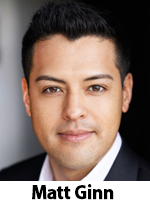 his new role with iHeartMedia he’ll “be responsible for helping local sales teams operate efficiently by providing them with the tools, training, and best practices needed to deliver strong results and measurable value for advertisers in today’s evolving media landscape.” President of community markets John Karpinski says, “Matt brings a rare combination of experience across every level of sales leadership and enablement. His background
 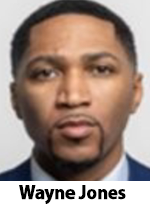 in developing people, sharpening processes and driving modern revenue strategy will help us to continue to grow and elevate iHeartMedia’s commitment to drive results for advertisers. His understanding of how high-performing organizations operate will help us accelerate what’s working and raise the bar even further. We’re fired up to have him on board and excited for the impact he’s going to make across our division.” In addition, iHeartMedia appoints Wayne Jones metro president for the Texas community markets, overseeing operational sales efficiency in Beaumont, Corpus Christi, Waco, McAllen and Bryan. Jones comes to iHeartMedia from Urban One in Houston, where he served as the director of sales and business.
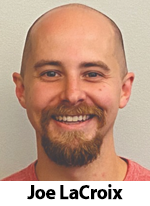 help to the entire team throughout the past year, stepping in without hesitation and taking on added responsibility. His work ethic, commitment to the station, and focus on fostering a collaborative environment have not gone unnoticed, making him the ideal candidate for this elevated role.” LaCroix, who’s been with the station since 2017 and has served as executive producer of the morning show since 2021, says, “I’m delighted to accept this role and grateful for the opportunity. I’m excited to continue working with this team and to help drive the continued growth and success of ‘The Fan.’”
 produce and distribute radio broadcasts for preseason, regular season and playoff games starting in 2026. The Bills say, “The traditional radio broadcast, currently on WGR-AM 550 and Rochester affiliate 950-AM The Fan, will transition to streaming exclusively on BuffaloBills.com and THE BILLS APP from 1-3 p.m. every weekday. ‘One Bills Live’ will continue to be simulcast on MSG Western New York.” Bills president of business operations Pete Guelli says, “The delivery of media content has changed dramatically over the years. We believe the model of in-house production, distribution, and sales will better position the organization to provide access to our fans as well as allow us to further engage with the local business community.” The team notes that “One Bills Live” co-hosts Chris Brown and Steve Tasker will remain in their current roles.
 CEO. NYPR says Tanner is “known for more than two decades of transformative media industry leadership in executive roles at CBS – where she oversaw the global expansion of CBSN, helping redefine live news for digital audiences – TV Guide, and The Washington Post Company. She serves as chair of Swerve Sports, a streaming TV company, and on the board of directors of Audacy, one of the nation’s largest audio companies.”
 the recipient of the Philip J. Lombardo Spirit Award. BFoA Chair Scott Herman says, “Ernest exemplifies the values at the heart of the Broadcasters Foundation — generosity, leadership, and an unwavering commitment to helping others. His dedication to our mission and his longstanding support of the broadcasting community make him an exceptionally deserving recipient of the Philip J. Lombardo Spirit Award.”
 listening to the 10k flamethrower, with a history dating back to 1947, that blankets the Santa Cruz / Monterey / Salinas market and most of the Central California coast. Since acquiring the station, Zwerling has operated it hands-on as a conservative-leaning news-talker featuring a carefully crafted balance between local programming with a parade of hometown personalities (including local superstar Dave Michaels) and a menu of leading syndicated talent. It was one of the original affiliates of Rush Limbaugh and carried the iconic show until his passing in 2021. Zwerling tells
  TALKERS, “Back then I was 39 years old and never dreamed I’d last this long as a real broadcaster.” TALKERS publisher Michael Harrison – a longtime fan of KSCO – stated, “Congratulations to Michael Zwerling and all the folks at one of America’s most colorful radio stations, for keeping the spirit of independent local broadcasting alive through the many obstacles and changes that have proven challenging for the practitioners of this wonderful industry. They are champions of a major slice of grassroots Americana represented by the modern era of talk radio.” Today, KSCO maintains its powerful presence in the world-famous market at 1080 AM with the addition of three FM translator signals at 104.1, 95.7, and 107.9. The station still broadcasts from a historic art deco building located on the beach in Santa Cruz and continues to surprise its listeners with unexpected twists and turns in what Harrison describes as “one of radio’s longest running reality shows.”
 Notice how often you see one in TV commercials, even when the product has nothing to do with pets? I see spots for a local building supply outlet, in which the owner’s dog ambles through every shot, then plops down – seeming to smile – among employees in the closing shot.
 WKNR-AM “ESPN Cleveland.” The station says in a social media post, “Since joining the station in 2018, he’s played a key role in shaping programming, managing content across platforms, and helping drive the station’s expanding digital strategy. We’re excited to see Jordan lead our programming and content vision now and into the future. Well deserved!”
  with the Lifetime Achievement Award, an honor designated contributions to local news. Bertrand has been a trusted voice on WGN Radio for four decades, anchoring news since 1992 and earning the confidence of generations of Chicago listeners. Over his career, he covered many of the most significant local and national events of the past 40 years while mentoring colleagues and helping define the standard for excellence in local radio journalism. His retirement in 2025 marks the culmination of a lifetime dedicated to informing the public and strengthening the role of local news.”
  bring together leaders from Nevada’s Jewish community, educators, advocates, and law enforcement professionals to advise the governor on emerging challenges, community safety concerns, and long-term policy solutions.” Stock tells TALKERS, “The group will provide an important opportunity for Jewish community leaders to share their perspectives and ensure that Nevada Governor Joe Lombardo hears directly from those affected as we work together to address antisemitism in Nevada. Policy recommendations will be due by April 15, shaping the agenda for Nevada’s 2027 legislative session.” Stock hosts his daily morning program “Vegas @ 8” on news/talk KXNT and produces commentaries that air three times per day on the Audacy station.
 Often, when visiting client stations, I ride shotgun on a sales call, and it’s always a masterclass. Retailers have a canny, insightful feel for their customers (our listeners). And accompanying these reps, I feel like I’m “Dancing With The Stars.”
 February 2. Audacy Chicago SVP and market manager Kevin Cassidy states, “Chicago fans are the best in the world, and they deserve coverage that matches their passion. Our roster features the best talent in the city with unmatched dedication to delivering the latest sports news and insight. We’re excited to expand The Score’s reach through this FM simulcast, bringing our premier sports content to an even wider audience so they can join the conversation and stay connected to their favorite Chicago teams.”
 having a first-class digital experience alongside fantastic local programming. Audiospace understands that and they understand radio. They’re not just building apps and websites, they are helping us connect with our listeners while also unlocking new revenue opportunities for our advertisers. We thrilled to be working with Audiospace, we expect this partnership to help take Connoisseur Media’s digital game to the next level.” The first websites and apps were successfully launched in early December, with additional releases scheduled in the coming weeks.
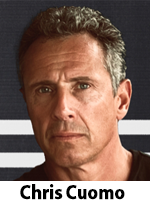 solutions-oriented conversations about the political, cultural, and social issues shaping Americans’ lives… expected guests in the show’s first days include James Carville, Bob Costas, Mark Cuban, former Senator Joe Manchin, Gov. Wes Moore, Sen. Rand Paul and more. Cuomo comments, “Too much of our politics is about teams instead of truth. ’Cuomo Mornings’ is going to be about breaking through those barriers, asking better questions, and bringing people into the conversation instead of talking past them. We need to prioritize common sense, accountability, and real dialogue, and SiriusXM’s P.O.T.U.S. channel is exactly where that belongs. I’m very excited to be back on the platform and to engage with callers every day. Let’s get after it.”
 councilor Cliff Ponte. WPRI-TV, Providence reports that the new owners say “they’re going to shift programming to cover 100% local content focusing on Fall River and its suburbs while still keeping Celtics and Patriots broadcasts.” Ponte tells WPRI, “This station has been a part of my life for more than two decades. I got my start behind the microphone here as a teenager, learning the ropes at WSAR and later moved to other stations in Cape Cod and Providence.” The report says that Silvia will serve as the station’s general manager, Ponte will serve as program director, and current station general manager Sue Nadar will move to the role of sales manager.
  Circus Came to Town.” The Minneapolis-based former DJ, programmer and radio exec tells TALKERS, “In full disclosure, this song was created on suno.com using V5. The lyrics are all mine, and the orchestration is mine too by virtue of having given all of the instructions to create the track. Regardless of how all the controversy about artificial intelligence plays out, I am releasing this opinionated and highly emotional song purely as an expression of my free speech and artistic expression – not for commercial marketing purposes.”
 Cars were some of the big stars at CES. Not flying cars, which were news there, years ago. But cars that drive themselves, and how the cars we still drive are safer and smarter — some smaller, very inexpensive — and electric cars that go longer between charges. Solar powered cars are coming, among other sustainability breakthroughs like farming with less chemicals and appliances that use lots less energy.
 president. NYSBA chairman Chris Musial states, “David is doing an outstanding job, but he believes the time has come to turn over management of the Association to the next generation. The Board of Directors is delighted he will continue to lead our lobbying efforts in Albany and Washington. The NYSBA Board and Executive Search Committee look forward to advancing the important work of Broadcasters on Multiple Platforms as we begin this search.” Donovan comments, “It has been a great run. Our goal is to bring someone on board earlier in the year to have a smooth transition. NYSBA has an outstanding Board of Directors and the best staff of any association in America.” Resumes will be accepted until February 28, 2026.
  Every media creator knows this moment. You are building a segment, you find the clip that makes the point land, and then the hesitation kicks in. Can I use this? Or am I about to invite a problem that distracts from the work itself?