By Mike Kinosian
TALKERS magazine
Managing Editor
 Last week, we recapped how all-news stations have recently performed in Nielsen Audio‘s (volatile) “Holiday” PPM survey periods.
As a companion piece, the following summarizes ratings performances of news/talk stations in the two most recent “Holiday” sweeps.
“Holiday” 2022 – “Holiday” 2023 6+ Increase, 43%.
“Holiday” 2022 – “Holiday” 2023 6+ Decrease, 50%.
“Holiday” 2022 – “Holiday” 2023 6+ Flat, 7%.
Average “Holiday” 2022 – “Holiday” 6+ 2023 Increase, +.61.
Average “Holiday” 2022 – “Holiday” 6+ 2023 Decrease, -.98.
Typical “Holiday” 6+ Share, 3.19 (2022), versus 3.01 (2023).
Representative “Holiday” 6+ Market Rank, #12.42 (2022), versus #12.26 (2023).
News/Talk Composite 6+ Share/Rank Arranged By Market Size
“Hol” “Hol”
2022 2023
WABC, New York 3.1 #10 3.0 #11
KFI, Los Angeles 4.4 #3 4.6 #4
WGN, Chicago 2.8 #12 2.6 #11
WLS-AM, Chicago 0.9 #24 1.7 #19
KSFO, San Francisco 1.7 #18 1.4 #22
WBAP, Dallas 3.7 #8 2.8 #14
KTRH, Houston 3.3 #12 2.6 #17
WSB-AM & WSBB, Atlanta 4.4 #7 7.4 #2
WMAL, Washington 3.4 #7 3.1 #9
WPHT, Philadelphia 0.8 #24 1.7 #19
WKXW, Philadelphia 1.2 #20 1.2 #23
WRKO, Boston 2.8 #13 3.1 #9
KIRO-FM, Seattle 5.5 #3 4.0 #6
KFYI, Phoenix 3.3 #8 2.9 #8
KTAR-FM, Phoenix 1.7 #22 2.2 #14
WJR, Detroit 2.3 #15 2.4 #15
WCCO, Minneapolis 3.7 #12 3.8 #10
KTMY, Minneapolis 3.1 #14 1.9 #17
KTLK, Minneapolis 2.0 #17 1.6 #19
WHPT, Tampa 3.7 #12 4.1 #7
WFLA, Tampa 2.2 #17 3.2 #13
KOA, Denver 2.4 #16 2.7 #14
KHOW, Denver 1.5 #20 1.4 #19
KOGO, San Diego 5.4 #5 3.9 #6
WABC, Long Island 1.1 #21 1.1 #20
WBT, Charlotte 3.7 #10 4.0 #9
KXL, Portland 6.0 #5 4.9 #6
KEX, Portland 2.2 #16 1.1 #21
WBAL, Baltimore 3.6 #10 2.7 #11
WCBM, Baltimore 1.6 #17 1.5 #17
WMAL, Baltimore 0.6 #20 DNA DNA
KMOX, St. Louis 4.4 #9 2.8 #14
KFTK, St. Louis 1.4 #17 1.5 #17
KTLK-FM, St. Louis 0.5 #23 1.1 #18
WOAI, San Antonio 2.6 #13 2.4 #15
KTSA, San Antonio 2.5 #14 1.8 #19
KSL, Salt Lake City 4.6 #5 3.6 #9
KNRS, Salt Lake City 4.4 #6 2.2 #17
KFBK, Sacramento 8.8 #2 6.1 #3
KSTE-AM, Sacramento 3.2 #8 2.1 #16
KLBJ-AM, Austin 4.4 #5 4.1 #6
WTKS, Orlando 5.1 #7 3.1 #12
WDBO, Orlando 4.6 #8 3.1 #12
WFLF, Orlando 0.7 #22 0.6 #20
KDKA-AM, Pittsburgh 2.8 #13 3.6 #8
KDKA-AM Stream, Pittsburgh 0.7 #19 0.4 #22
KDWN, Las Vegas 2.3 #16 DNA DNA
WLW, Cincinnati 10.7 #1 10.8 #2
WKRC, Cincinnati 2.8 #13 4.5 #6
KMBZ-FM, Kansas City 3.2 #11 4.1 #7
KCMO-AM, Kansas City 0.4 #25 1.8 #17
KMBZ-AM, Kansas City 1.4 #20 1.4 #19
WTAM, Cleveland 4.6 #8 4.8 #8
WTVN, Columbus 5.3 #8 4.5 #7
WTKK, Raleigh 10.4 #2 5.0 #5
WIBC, Indianapolis 5.7 #3 4.8 #8
KSFO, San Jose 1.1 #22 1.5 #19
WWTN, Nashville 4.9 #7 3.9 #12
WLAC, Nashville 1.2 #17 1.2 #19
WKXW, Middlesex 6.2 #4 5.7 #4
WOR, Middlesex 0.4 #26 1.6 #15
WKXW-Stream, Middlesex DNA DNA 0.7 #20
WISN, Milwaukee 8.8 #3 9.0 #1
WTMJ, Milwaukee 6.2 #5 6.4 #5
WPRO-AM, Providence 4.5 #7 5.9 #5
WHJJ, Providence 0.5 #18 0.8 #15
WNIS, Norfolk 2.8 #11 2.0 #14
WOKV-FM, Jacksonville 6.1 #5 6.5 #3
WPTI, Greensboro 3.2 #8 3.3 #8
WFTL, West Palm Beach 1.0 #15 2.1 #9
WZZR, West Palm Beach 1.7 #10 1.3 #13
WJNO, West Palm Beach 1.1 #13 0.6 #15
WREC, Memphis 2.6 #13 1.0 #11
WKIM, Memphis 2.1 #15 DNA DNA
KWAM, Memphis 0.4 #21 0.4 #13
WTIC-AM, Hartford 5.1 #6 5.2 #6
WDRC-AM, Hartford 1.0 #17 1.5 #15
WTIC-AM-Stream, Hartford 0.2 #20 0.4 #19
WPOP, Hartford 0.2 #20 DNA DNA
“Holiday” 2023 6+ Share (Highest to Lowest)
WLW, Cincinnati 10.8
WISN, Milwaukee 9.0
WSB-AM & WSBB, Atlanta 7.4
WOKV-FM, Jacksonville 6.5
WTMJ, Milwaukee 6.4
KFBK, Sacramento 6.1
WPRO-AM, Providence 5.9
WKXW, Middlesex 5.7
WTIC-AM, Hartford 5.2
WTKK, Raleigh 5.0
KXL, Portland 4.9
WTAM, Cleveland 4.8
WIBC, Indianapolis 4.8
KFI, Los Angeles 4.6
WKRC, Cincinnati 4.5
WTVN, Columbus 4.5
WHPT, Tampa 4.1
KLBJ-AM, Austin 4.1
KMBZ-FM, Kansas City 4.1
KIRO-FM, Seattle 4.0
WBT, Charlotte 4.0
KOGO, San Diego 3.9
WWTN, Nashville 3.9
WCCO, Minneapolis 3.8
KSL, Salt Lake City 3.6
KDKA-AM, Pittsburgh 3.6
WPTI, Greensboro 3.3
WFLA, Tampa 3.2
WMAL, Washington 3.1
WRKO, Boston 3.1
WDBO, Orlando 3.1
WTKS, Orlando 3.1
WABC, New York 3.0
KFYI, Phoenix 2.9
WBAP, Dallas 2.8
KMOX, St. Louis 2.8
KOA, Denver 2.7
WBAL, Baltimore 2.7
WGN, Chicago 2.6
KTRH, Houston 2.6
WJR, Detroit 2.4
WOAI, San Antonio 2.4
KTAR-FM, Phoenix 2.2
KNRS, Salt Lake City 2.2
KSTE-AM, Sacramento 2.1
WFTL, West Palm Beach 2.1
WNIS, Norfolk 2.0
KTMY, Minneapolis 1.9
KTSA, San Antonio 1.8
KCMO-AM, Kansas City 1.8
WLS-AM, Chicago 1.7
WPHT, Philadelphia 1.7
KTLK, Minneapolis 1.6
WOR, Middlesex 1.6
WCBM, Baltimore 1.5
KFTK, St. Louis 1.5
KSFO, San Jose 1.5
WDRC-AM, Hartford 1.5
KHOW, Denver 1.4
KMBZ-AM, Kansas City 1.4
WZZR, West Palm Beach 1.3
WLAC, Nashville 1.2
WABC, Long Island 1.1
KTLK-FM, St. Louis 1.1
WREC, Memphis 1.0
WHJJ, Providence 0.8
WKXW-Stream, Middlesex 0.7
WFLF, Orlando 0.6
WJNO, West Palm Beach 0.6
KWAM, Memphis 0.4
WTIC-AM-Stream, Hartford 0.4
“Holiday” 2023 6+ Market Rank
WISN, Milwaukee #1
WSB-AM & WSBB, Atlanta #2
WLW, Cincinnati #2
KFBK, Sacramento #3
WOKV-FM, Jacksonville #3
KFI, Los Angeles #4
WKXW, Middlesex #4
WTKK, Raleigh #5
WTMJ, Milwaukee #5
WPRO-AM, Providence #5
KIRO-FM, Seattle #6
KOGO, San Diego #6
KXL, Portland #6
KLBJ-AM, Austin #6
WKRC, Cincinnati #6
WTIC-AM, Hartford #6
WHPT, Tampa #7
KMBZ-FM, Kansas City #7
WTVN, Columbus #7
KFYI, Phoenix #8
KDKA-AM, Pittsburgh #8
WTAM, Cleveland #8
WIBC, Indianapolis #8
WPTI, Greensboro #8
WMAL, Washington #9
WRKO, Boston #9
WBT, Charlotte #9
KSL, Salt Lake City #9
WFTL, West Palm Beach #9
WCCO, Minneapolis #10
WABC, New York #11
WGN, Chicago #11
WBAL, Baltimore #11
WREC, Memphis #11
WDBO, Orlando #12
WTKS, Orlando #12
WWTN, Nashville #12
WFLA, Tampa #13
WZZR, West Palm Beach #13
KWAM, Memphis #13
WBAP, Dallas #14
KTAR-FM, Phoenix #14
KOA, Denver #14
KMOX, St. Louis #14
WNIS, Norfolk #14
WJR, Detroit #15
WOAI, San Antonio #15
WOR, Middlesex #15
WHJJ, Providence #15
WJNO, West Palm Beach #15
WDRC-AM, Hartford #15
KSTE-AM, Sacramento #16
KTRH, Houston #17
KTMY, Minneapolis #17
WCBM, Baltimore #17
KFTK, St. Louis #17
KNRS, Salt Lake City #17
KCMO-AM, Kansas City #17
KTLK-FM, St. Louis #18
WLS-AM, Chicago #19
WPHT, Philadelphia #19
KTLK, Minneapolis #19
KHOW, Denver #19
KTSA, San Antonio #19
KMBZ-AM, Kansas City #19
KSFO, San Jose #19
WLAC, Nashville #19
WTIC-AM-Stream, Hartford #19
WABC, Long Island #20
WFLF, Orlando #20
WKXW-Stream, Middlesex #20
“Holiday” 2022 6+ Share (Highest to Lowest)
WLW, Cincinnati 10.7
WTKK, Raleigh 10.4
KFBK, Sacramento 8.8
WISN, Milwaukee 8.8
WKXW, Middlesex 6.2
WTMJ, Milwaukee 6.2
WOKV-FM, Jacksonville 6.1
KXL, Portland 6.0
WIBC, Indianapolis 5.7
KIRO-FM, Seattle 5.5
KOGO, San Diego 5.4
WTVN, Columbus 5.3
WTKS, Orlando 5.1
WTIC-AM, Hartford 5.1
WWTN, Nashville 4.9
KSL, Salt Lake City 4.6
WDBO, Orlando 4.6
WTAM, Cleveland 4.6
WPRO-AM, Providence 4.5
KFI, Los Angeles 4.4
WSB-AM & WSBB, Atlanta 4.4
KMOX, St. Louis 4.4
KNRS, Salt Lake City 4.4
KLBJ-AM, Austin 4.4
WBAP, Dallas 3.7
WCCO, Minneapolis 3.7
WHPT, Tampa 3.7
WBT, Charlotte 3.7
WBAL, Baltimore 3.6
WMAL, Washington 3.4
KTRH, Houston 3.3
KFYI, Phoenix 3.3
KSTE-AM, Sacramento 3.2
KMBZ-FM, Kansas City 3.2
WPTI, Greensboro 3.2
WABC, New York 3.1
KTMY, Minneapolis 3.1
WGN, Chicago 2.8
WRKO, Boston 2.8
KDKA-AM, Pittsburgh 2.8
WKRC, Cincinnati 2.8
WNIS, Norfolk 2.8
WOAI, San Antonio 2.6
WREC, Memphis 2.6
KTSA, San Antonio 2.5
KOA, Denver 2.4
WJR, Detroit 2.3
KDWN, Las Vegas 2.3
WFLA, Tampa 2.2
KEX, Portland 2.2
WKIM, Memphis 2.1
KTLK, Minneapolis 2.0
KSFO, San Francisco 1.7
WZZR, West Palm Beach 1.7
WCBM, Baltimore 1.6
KHOW, Denver 1.5
KFTK, St. Louis 1.4
KMBZ-AM, Kansas City 1.4
WKXW, Philadelphia 1.2
WLAC, Nashville 1.2
WJNO, West Palm Beach 1.1
WFTL, West Palm Beach 1.0
WDRC-AM, Hartford 1.0
KDKA-AM Stream, Pittsburgh 0.7
WMAL, Baltimore 0.6
WHJJ, Providence 0.5
WPOP, Hartford 0.2
WTIC-AM-Stream, Hartford 0.2
“Holiday” 2022 6+ Market Rank
WLW, Cincinnati #1
KFBK, Sacramento #2
WTKK, Raleigh #2
KFI, Los Angeles #3
KIRO-FM, Seattle #3
WIBC, Indianapolis #3
WISN, Milwaukee #3
WKXW, Middlesex #4
KOGO, San Diego #5
KXL, Portland #5
KSL, Salt Lake City #5
KLBJ-AM, Austin #5
WTMJ, Milwaukee #5
WOKV-FM, Jacksonville #5
KNRS, Salt Lake City #6
WTIC-AM, Hartford #6
WSB-AM & WSBB, Atlanta #7
WMAL, Washington #7
WTKS, Orlando #7
WWTN, Nashville #7
WPRO-AM, Providence #7
WBAP, Dallas #8
KFYI, Phoenix #8
KSTE-AM, Sacramento #8
WDBO, Orlando #8
WTAM, Cleveland #8
WTVN, Columbus #8
WPTI, Greensboro #8
KMOX, St. Louis #9
WABC, New York #10
WBT, Charlotte #10
WBAL, Baltimore #10
WZZR, West Palm Beach #10
KMBZ-FM, Kansas City #11
WNIS, Norfolk #11
WGN, Chicago #12
KTRH, Houston #12
WCCO, Minneapolis #12
WHPT, Tampa #12
WRKO, Boston #13
WOAI, San Antonio #13
KDKA-AM, Pittsburgh #13
WKRC, Cincinnati #13
WJNO, West Palm Beach #13
WREC, Memphis #13
KTMY, Minneapolis #14
KTSA, San Antonio #14
WJR, Detroit #15
WFTL, West Palm Beach #15
WKIM, Memphis #15
KOA, Denver #16
KEX, Portland #16
KDWN, Las Vegas #16
KTLK, Minneapolis #17
WFLA, Tampa #17
WCBM, Baltimore #17
KFTK, St. Louis #17
WLAC, Nashville #17
WDRC-AM, Hartford #17
KSFO, San Francisco #18
WHJJ, Providence #18
KDKA-AM Stream, Pittsburgh #19
WKXW, Philadelphia #20
KHOW, Denver #20
WMAL, Baltimore #20
KMBZ-AM, Kansas City #20
WTIC-AM-Stream, Hartford #20
WPOP, Hartford #20
“Holiday” 2023 6+ Fluctuation from “Holiday” 2022
WSB-AM & WSBB, Atlanta +3.0
WKRC, Cincinnati +1.7
KCMO-AM, Kansas City +1.4
WPRO-AM, Providence +1.4
WOR, Middlesex +1.2
WFTL, West Palm Beach +1.1
WFLA, Tampa +1.0
WPHT, Philadelphia +.9
KMBZ-FM, Kansas City +.9
WLS-AM, Chicago +.8
KDKA-AM, Pittsburgh +.8
KTLK-FM, St. Louis +.6
KTAR-FM, Phoenix +.5
WDRC-AM, Hartford +.5
WHPT, Tampa +.4
KSFO, San Jose +.4
WOKV-FM, Jacksonville +.4
WRKO, Boston +.3
KOA, Denver +.3
WBT, Charlotte +.3
WHJJ, Providence +.3
KFI, Los Angeles +.2
WTAM, Cleveland +.2
WISN, Milwaukee +.2
WTMJ, Milwaukee +.2
WTIC-AM-Stream, Hartford +.2
WJR, Detroit +.1
WCCO, Minneapolis +.1
KFTK, St. Louis +.1
WLW, Cincinnati +.1
WPTI, Greensboro +.1
WTIC-AM, Hartford +.1
WKXW, Philadelphia Flat
WABC, Long Island Flat
KMBZ-AM, Kansas City Flat
WLAC, Nashville Flat
KWAM, Memphis Flat
WTKK, Raleigh -5.4
KFBK, Sacramento -2.7
KNRS, Salt Lake City -2.2
WTKS, Orlando -2.0
KMOX, St. Louis -1.6
WREC, Memphis -1.6
KIRO-FM, Seattle -1.5
KOGO, San Diego -1.5
WDBO, Orlando -1.5
KTMY, Minneapolis -1.2
KXL, Portland -1.1
KEX, Portland -1.1
KSTE-AM, Sacramento -1.1
KSL, Salt Lake City -1.0
WWTN, Nashville -1.0
WBAP, Dallas -.9
WBAL, Baltimore -.9
WIBC, Indianapolis -.9
WTVN, Columbus -.8
WNIS, Norfolk -.8
KTRH, Houston -.7
KTSA, San Antonio -.7
WKXW, Middlesex -.5
WJNO, West Palm Beach -.5
KFYI, Phoenix -.4
KTLK, Minneapolis -.4
WZZR, West Palm Beach -.4
KSFO, San Francisco -.3
WMAL, Washington -.3
KLBJ-AM, Austin -.3
KDKA-AM Stream, Pittsburgh -.3
WGN, Chicago -.2
WOAI, San Antonio -.2
WABC, New York -.1
KHOW, Denver -.1
WCBM, Baltimore -.1
WFLF, Orlando -.1
Notes
- News/talk stations appearing above typically posted a “Holiday” 2022 6+ share of 19, compared to “Holiday” 2023’s 3.01.
- Even though news/talk’s year-to-year 6+ share dropped slightly, market rank managed to improve – albeit by a razor thin margin (#12.42 – #12.26, 6+).
- Exactly half the news/talk stations in our sample (50%) faltered from “Holiday” 2022 – “Holiday” 2023, with the average dip roughly being a full-share (-.98).
- Among all news/talk stations in the 48 PPM markets, Cincinnati’s WLW boasts the strongest 6+ share in “Holiday” 2023 (8) and “Holiday” 2022 (10.7).
- Precisely four of every ten (40%) news/talk stations listed finished in the top ten (“Holiday” 2023, 6+), off marginally from “Holiday” 2022’s 43%.
- Whereas WSB-AM & WSBB notches news/talk’s loftiest 6+ “Holiday” 2022 – “Holiday” 2023 gain (4.4 – 7.4, +3.0) – enabling “Atlanta’s News & Talk” to vault from seventh to second – WTKK suffers a more than 50% year-to-year erosion (10.4 – 5.0, -5.4, 6+), dropping from second in Raleigh to fifth.
- All above data is based on news/talk stations that appeared in the top twenty in the “Holiday” 2022 and/or “Holiday” 2023 survey period.
- “DNA” indicates a station “Did Not Appear” in that particular survey and/or wasn’t a Nielsen Audio subscriber in that sweep.
Contact managing editor Mike Kinosian at Mike.Kinosian@gmail.com

 started 29 years ago. Whether it’s helping the first-time gun buyer sort out what she needs to buy, or exposing politicians who claim to be supporters of the Second Amendment while putting restrictions on this right, there’s plenty to talk about. Responsible gun ownership is strong, and I’m glad to be part of movement.” The program – currently heard on more than 260 stations – airs live on Sundays from 2:00 pm to 5:00 pm ET.
  Think about the concept for just a minute. Manhattan Island for $24? Peter Minuit knew value.
 questions as it did answers about what young broadcasters entering professional media today should be prepared for in navigating the unpredictably turbulent waters of the next decade and beyond. Among the sweeping panorama of topics covered in his address, Harrison told the students, “When looking to the future, don’t be too sure that current events will follow a predictable script. There are always ‘black swan events’ that change the storyline and our expectations in an instant. Plus, there are multiple outcomes, possibilities, and forks in the road for almost every situation.” Regarding the current focus on artificial intelligence, Harrison advised, “All technology is a double-edged sword and AI will prove to be a particularly consequential one with both positive and negative implications. However, don’t fall into the age-old trap of thinking that productions and performances created or enhanced by new technology are necessarily ‘artificial’ or ‘fake.’ New tools not only create new art, they have an irrepressible influence on giving rise to new culture. The immediate years ahead are likely going to provide us with the challenging question of ‘what does it mean to be truly human?’” Harrison concluded, “As young broadcasting students in 2024 looking to make a difference in the world, be prepared to face the challenge of following your dreams, ideals and inspiration while confronting the harsh realities of making a living in a stressed environment of relentless change. We live our lives in this business at the dangerous intersection between art and commerce.”
 Is that host read you are pitching “baked-in?”
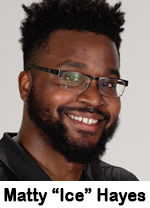 Rothman) program and as host of “The Fan” pregame show every gameday Saturday in the fall. Hayes says, “‘The Fan’ has been my home for 10 years and I’m very excited to continue working at a station that has been a part of my life for so long.” WBNS station manager Cody Welling comments, “Matt has been working extremely hard developing his broadcast talents. We value his point-of-view on topics, and is the perfect duo for our highly rated midday show, ‘Rothman and Ice.’ I’m happy that Columbus sports fans will be able to access Matt Hayes for years to come each weekday, and on college football gamedays.”
  Effect’s most popular personalities for a day full of live podcast tapings and informative discussions aimed at aspiring podcasters in the Black community. He says, “We are proud to return to Atlanta for the second year in a row to showcase the talent across our network, and some of the biggest shows in podcasting. Through culture-defining storytelling, unique brand partnerships, compelling panel discussions, special live podcast recordings and more, we are inviting everyone to experience the power of The Black Effect and the many ways Black creators are driving the culture forward.”
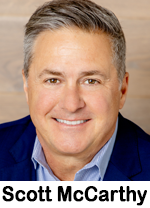 Paul Anderson says, “We are beyond fortunate to have Scott as part of the Workhouse family. Scott is a smart, disruptive thinker whose background and entrepreneurial drive make him the perfect person to lead our new sports vertical.” Workhouse EVP John McConnell adds, “I’ve worked alongside and across the table from Scott for 30 years. He is a best-in-class executive and is perfectly positioned in this role.” McCarthy says, “I could not be more excited or honored to be joining the Workhouse Media team and getting the opportunity to work alongside Paul, John, and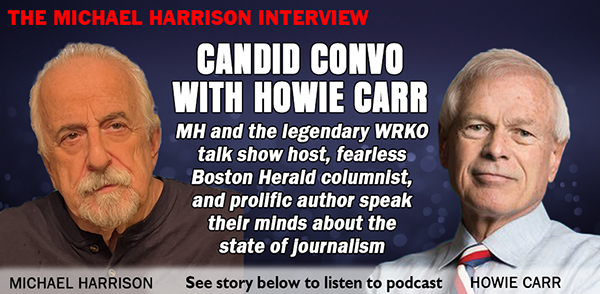
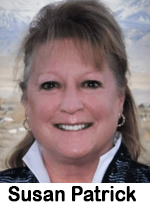 file them with the IRS. After the IRS contacted Patrick and requested that she file the unfiled returns, Patrick lied to the IRS, claiming that her accounting firm had timely filed the returns and that she would provide copies of those returns. Patrick, however, did not provide copies of the accurate returns that had been prepared by her accounting firm. Instead, Patrick doctored the business returns, removing $10 million in gross receipts received by her brokerage firm, and altered the personal returns by removing over $9.5 million in related income that she and her husband had earned from 2012 through 2014. Patrick also falsely backdated her signature on each tax return to make it appear as if the returns had been timely signed and mailed these false documents to the IRS, hoping to evade paying the full amount of taxes she owed. In addition, Patrick did not timely file business and individual returns for 2015, which she had also hired the accounting firm to prepare, nor did she pay the tax due and owing for the individual return. In total, Patrick sought to evade more than $2.5 million in taxes.”
 Have we passed the disappointment of 2023?
 If you’re a news/talk station, don’t assume that you own “news radio” in your market. Imaging is important, but it merely talks-the-talk. You walk-the-walk with local news copy that delivers what solid commercial copy does: benefits. Just doing local news makes you special. But do listeners simply hear a station voice… reading something? Are you merely… accurate? Or do you deliver “take-home pay,” unwrapping the story to tell the listener something useful?
 Post says it confirmed the report with Audacy and the company added, “The decision by our existing and new debtholders to become equity holders in Audacy represents a significant vote of confidence in our company and the future of the radio and audio business.” The story cites an insider close to the situation who is a Republican saying he believes its “possible Soros was buying the stake to exert influence on public opinion in the months leading up to the 2024 presidential election.”
 the automobile industry has intelligently responded. The issue however is much larger. As UNESCO’s chief of section for media development and society, Mirta Lourenco puts it, ‘The free flow and easily accessible information provided by terrestrial radio supports the spirit of the First Amendment via the concept of media pluralism and more. This expands to a valid concern about privacy rights – which is equally important to freedom and democracy. With GPS and internet platforms simultaneously in our cars, we are turning the enormous power to invade the privacy of individuals over to a mere handful of Big Tech giants. They know what and who we listen to, including where, when and how we travel.’” Harrison adds, “Finally, I am compelled as a lifelong radio broadcaster and publisher of a major trade journal to protect the viability of radio stations as a going concern and the well-being of their owners, employees, and listeners.”
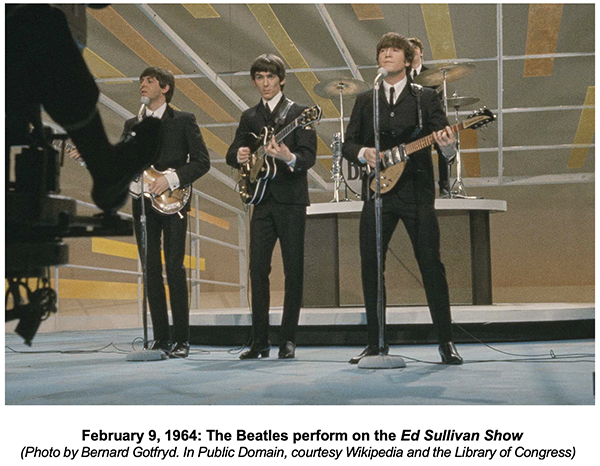
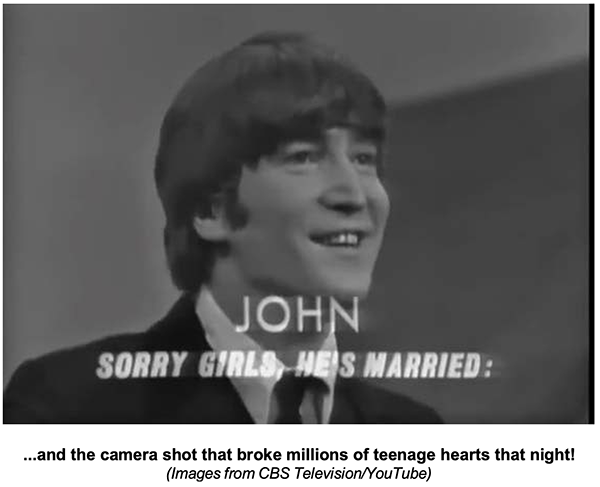
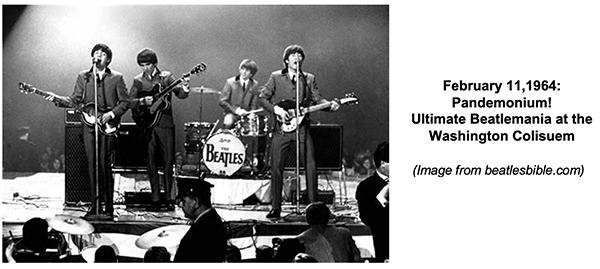
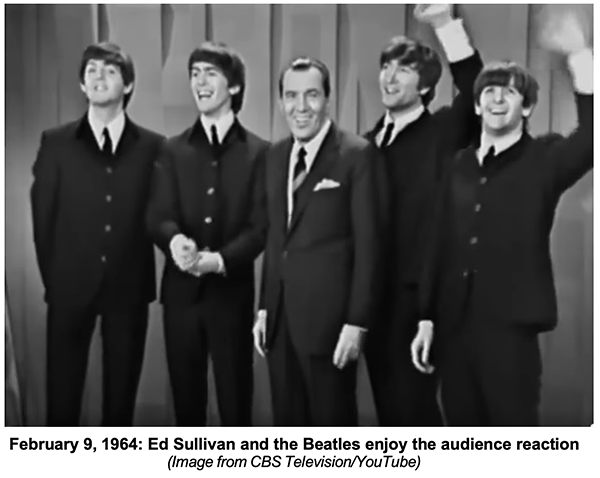
 In early December 1963, America was a very gloomy place. The assassination of President John F. Kennedy on November 22 brought the country to a virtual standstill for four days, and the emotional and psychological hangover lingered for weeks. The nation needed a dose of uplifting energy and fun, and the Beatles were the ideal remedy.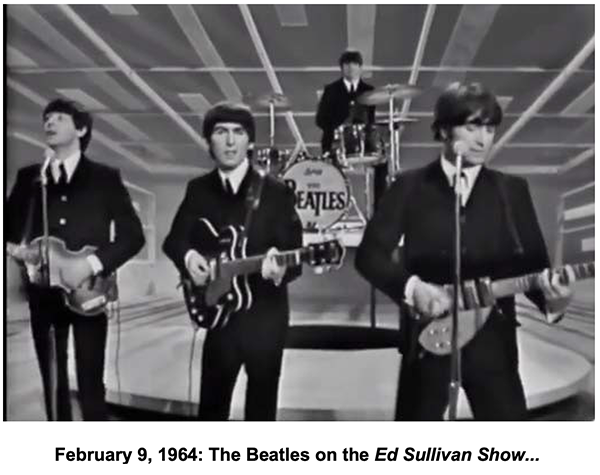
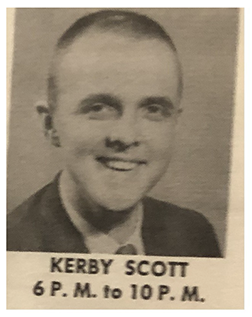 1964 WCAO Promotional Material: “Kerby Scott photo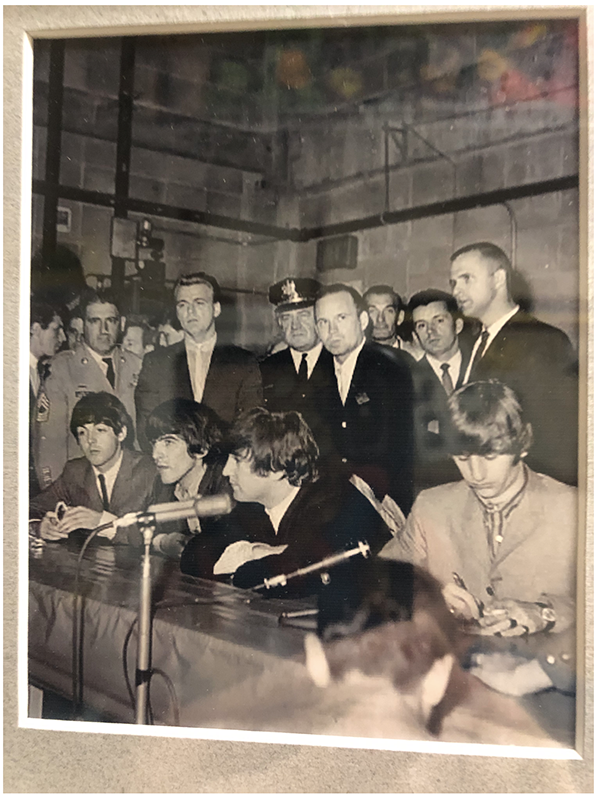
 One person can make a difference.
 market, Cumulus operates news/talk WBAP-AM/FM, news/talk KLIF-AM/FM, sports talk KTCK-AM/FM and two country music brands. Cumulus regional vice president Dan Bennett says, “I can’t say enough about our air talent and programming team who understand that serving our community in Dallas-Fort Worth means raising awareness for organizations that give a lift to people who need it. They give so much of their time to make a difference and 2023’s efforts show the incredible results.”
 I’m no expert, but I do have a theory.