By Matthew B. Harrison
TALKERS, VP/Associate Publisher
Harrison Media Law, Senior Partner
Goodphone Communications, Executive Producer
 In the golden age of broadcasting, the rules were clear. If you edited the message, you owned the consequences. That was the tradeoff for editorial control. But today’s digital platforms – YouTube, X, TikTok, Instagram – have rewritten that deal. Broadcasters and those who operate within the FCC regulatory framework are paying the price.
These companies claim to be neutral conduits for our content. But behind the curtain, they make choices that mirror the editorial judgment of any news director: flagging clips, muting interviews, throttling reach, and shadow banning accounts. All while insisting they bear no responsibility for the content they carry.
They want the control of publishers without the accountability. I call them neutraliars.
A “neutraliar” is a platform that claims neutrality while quietly shaping public discourse. It edits without transparency, enforces vague rules inconsistently, and hides bias behind shifting community standards.
Broadcasters understand the weight of editorial power. Reputation, liability, and trust come with every decision. But platforms operate under a different set of rules. They remove content for “context violations,” downgrade interviews for being “borderline,” and rarely offer explanations. No appeals. No accountability.
This isn’t just technical policy – it’s a legal strategy. Under Section 230 of the Communications Decency Act, platforms enjoy broad immunity from liability related to user content. What was originally intended to allow moderation of obscene or unlawful material has become a catch-all defense for everything short of outright defamation or criminal conduct.
These companies act like editors when it suits them, curating and prioritizing content. But when challenged, they retreat behind the label of “neutral platform.” Courts, regulators, and lawmakers have mostly let it slide.
But broadcasters shouldn’t.
Neutraliars are distorting the public square. Not through overt censorship, but through asymmetry. Traditional broadcasters play by clear rules – standards of fairness, disclosure, and attribution. Meanwhile, tech platforms make unseen decisions that influence whether a segment is heard, seen, or quietly buried.
So, what’s the practical takeaway?
Don’t confuse distribution with trust.
Just because a platform carries your content doesn’t mean it supports your voice. Every upload is subject to algorithms, undisclosed enforcement criteria, and decisions made by people you’ll never meet. The clip you expected to go viral. Silenced. The balanced debate you aired. Removed for tone. The satire? Flagged for potential harm.
The smarter approach is to diversify your presence. Own your archive. Use direct communication tools – e-mail lists, podcast feeds, and websites you control. Syndicate broadly but never rely solely on one platform. Monitor takedowns and unexplained drops in engagement. These signals matter.
Platforms will continue to call themselves neutral as long as it protects their business model. But we know better. If a company edits content like a publisher and silences creators like a censor, it should be treated like both.
And when you get the inevitable takedown notice wrapped in vague policy language and polished PR spin, keep one word in mind.
Neutraliars.
Matthew B. Harrison is a media and intellectual property attorney who advises radio hosts, content creators, and creative entrepreneurs. He has written extensively on fair use, AI law, and the future of digital rights. Reach him at HarrisonMediaLaw.com or read more at TALKERS.com.
Share this with your network

 Buffalo market, acquired WHDL from Cumulus Media earlier this year. He says, “I’m thrilled to be debuting a local talk station that deals with real issues. I feel the conservative talk lane is open, and that will give listeners a choice of the type of talk that they really want to hear.” The station will feature syndicated shows including Premiere Networks’ “The Sean Hannity Show,” “Glenn Beck,” “Clay Travis & Buck Sexton,” and “Jesse Kelly,” plus Erik Erickson, Lars Larson, Vince Coglianese, and more. New York State Assemblyman David DiPietro will also host a local program.
 KPIs and lower CPMs can be misleading, and a channel’s ability to claim conversion credit doesn’t necessarily translate to real value. This bias can lead to underinvestment in traditional channels, like radio, which, despite being perceived as less effective, can deliver substantial ROI.” The perceived effectiveness of radio by marketers puts it dead last in ROI. But a weighted average shows that radio is second only to social media in ROI. The study also found that “podcasts demonstrate strong ROI, comparable to TV and digital display, yet they are often overlooked or undervalued.”
 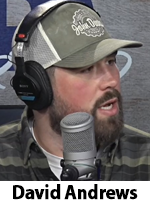 throughout the Patriots season. Andrews will also be featured on The Sports Hub Patriots Radio Network Pregame Show and will co-host a video podcast with Alex Barth. WBZ-FM program director Rick Radzik says, “David’s leadership and deep understanding of the game made him a standout on the field, and we’re excited to bring that same level of insight and authenticity to our listeners. He’s a natural fit for our lineup and the perfect voice to help break down the season from a player perspective.” Andrews comments, “I’ve enjoyed a great relationship with ‘The Sports Hub’ since coming to New England 10 years ago. I’m looking forward to providing my analysis and perspective across the station’s various platforms this season.”
 average downloads and NPR maintains its grasp on the top two spots with “NPR News Now” at #1 and “Up First” at #2. iHeartRadio’s “Stuff You Should Know” is #3 and Audacy’s
  community events, retail/client events, local fairs and more. You will meet new people and engage with the public. Plus, interact with multi-media marketing pros to get an edge on your career with real world experience. This is a great job for all ages over the age of 18. If you are retired, a veteran, looking to fill some time on the weekends, in college looking for some extra part-time work or interested in the radio and television industry this is a great opportunity.” The position pays $21 per hour.
  manager Liz Mayer says, “There is no denying that YouTube is playing an important role in the podcast ecosystem, especially when it comes to discovering new podcasts. However, over half of weekly podcast consumers indicate they consume via audio primarily. So, while the new video capabilities are exciting and need to be focused on, the industry can’t forget that it’s what consumers are hearing that is most important.” Highlights from the report include: 1) Audio remains the primary mode of podcast consumption (58%) despite growing video options; 2) YouTube is the leading podcast platform, yet it is not a walled garden as consumers listen to podcasts across multiple platforms; 3) Podcast discovery: YouTube is the place to be found; 44% of new podcast audiences started listening on YouTube; 4) Downloads and listens underestimate the actual audience: The current download impression model fails to account for co-listening; and 5) Why podcast advertising works so well: Podcasts hosts are three times more influential than social media influencers.
  group’s CEO. As part of the new deal, Hyphenate and Longoria will executive produce a slate of new original podcasts with iHeartMedia’s My Cultura. She says, “Storytelling shapes how we see ourselves and how the world sees us, and podcasting is one of the most intimate, accessible and powerful ways to connect with audiences and share meaningful, authentic conversations. There’s never been a more urgent time to elevate Latino voices and talent. Through this partnership between Hyphenate and iHeart’s My Cultura, we’re building a bigger platform for stories that reflect the richness and complexity of our community.”
 to the industry in a free webinar on June 25 at 2:00 pm ET. More than 2,000 people ages 13-24 in the U.S. were surveyed for the report. Edison says, “The study explores what shapes the lives of Gen Z – from current issues to overall outlooks, and what their media choices include – from music discovery to their favorite podcasts. Learn how Gen Z listeners use audio, tech, and social media, and most importantly, the role audio plays in their daily lives.”
 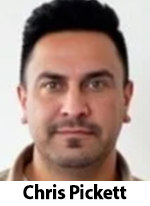 over for Jeff Evans, who was recently promoted to vice president of radio for HMG. Pickett previously served as director of content for Townsquare Media in Boise and as regional vice president at iHeartMedia, “further strengthening his background in multi-market and multi-format programming, talent development, and creating engaging on-air content. His broad experience and passion for mission-driven media make him uniquely equipped to lead WayFM into its next season of growth and innovation.”
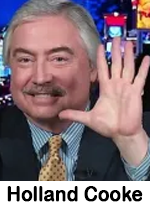 With so many of us taking vacation time soon, guest hosts are often local somebodies who are not career broadcasters and don’t share our second-nature performance routines. For their benefit, these tips, based on my experience on both sides of the mic:
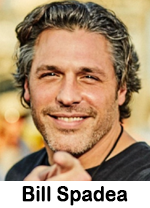 primary to take on Democrat Mikie Sherrill in November. New Jersey 101.5’s coverage noted, “Conservative radio host Bill Spadea was expected to give Ciattarelli a fight, but any hope that Spadea might have had to keep the race close ended when President Donald Trump endorsed Ciattarelli. Ciattarelli defeated Spadea on election night with a landslide victory margin of over 40 points. Ciattarelli swept every county, including Ocean County, where Spadea’s base of support was believed to be strongest.” So far, neither the station nor Spadea have stated whether Spadea intends to return to the morning radio program.
 was the 26th year for the iconic Iowa summertime event that brings some 325 vintage tractors together at the Midwest Old Threshers Reunion fairgrounds in Mount Pleasant, Iowa. NRG Media says that while some entities might have been deterred from taking over such a popular and well-established event, company COO/CFO Jim Smith embraced the opportunity. He says, “We’re learning as we go, but we’re learning from people who have done this for a long time – very seasoned – so… it hasn’t been that heavy of a lift because we’re surrounded by good people.”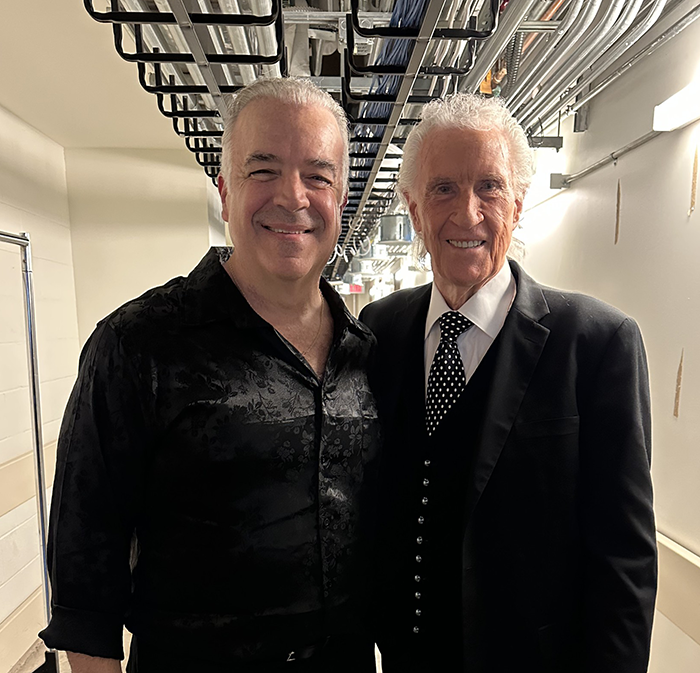
 demonstrating that they have met their duty of inquiry in seeking to obtain the information needed to determine whether programming is sponsored, paid for, or furnished by a foreign governmental entity.” While this new sponsorship identification requirements for foreign government-provided programming was passed 3-2 by the Commission last summer, it has been challenged in the courts and remains there. Because of this, yesterday’s announcement of the publication of the rules in the federal register also adds that the implementation of the rules are being put off for six months until December 8, 2025. One of the arguments put forth by broadcasters opposed to the new rules is that they put radio and TV stations in the position of having to conduct an investigation in order to comply with the law.
 diverse group of stations. DeGroot comments, “Leading the entire portfolio of Woodward Community Media stations in Northeast Wisconsin is a significant honor. I’m committed to working with our talented local teams to continue delivering relevant content and strengthening our connection with the community.” The company also announces that Kelly Radandt, who was named director of broadcast in November 2024, will oversee broadcast brands across both Northeast Wisconsin and the company’s Springfield, Illinois stations. DeGroot and Kevin O’Dea, market manager of Springfield, will both report to Radandt. Radandt comments, “This expanded role presents a unique opportunity to unify our broadcast efforts and innovate across markets. I am eager to contribute to Woodward Community Media’s continued success and evolution. Onward!”
 chairman and chief executive officer of Nexstar Media Group, who will remain on the executive committee as immediate past joint board chair. Also, Chris Ornelas, EVP and general counsel for Beasley Media Group, was elected chair by the NAB Radio Board. Leonard Wheeler, president of Mel Wheeler, Inc was elected first vice chair while Allen Power, president, Broadcast Media for Salem Media Group, was elected second vice chair. Eddie Harrell, co-president, Audio Division of Urban One was elected to the major group representative seat on the NAB Radio Board.
 website: “He was our friend and co-worker at WWJ Newsradio 950 and also a friend to our listeners, bringing you the stories of the day from Detroit and across Southeast Michigan. Someone recently described him as a hero, and we can’t argue with that. We are heartbroken to share that WWJ reporter and anchor Mike Campbell died on Sunday. He was 65 years old, having just celebrated his birthday at the end of May. He was a fearless reporter, with unique style — a way of talking to and connecting with the people who were a part of the stories he told.” Campbell is survived by his wife Terri and is children.
 Show Award for “Key Bridge Collapse” in the Outstanding Spot News Reporting category. Director of news and programming Julia Ziegler says, “Our goal every day is to serve those who live in this region by delivering to them the stories that impact their lives. The newsroom pushes hard to produce content for our audio, web and social platforms that informs and engages our audience. It is an honor to be recognized for this work.”
 Santos, and one other employee. According to a memo to staff from WURD CEO and president Sara Lomax wrote praising those affected for their “meaningful contributions to our station, our community, and our city. This decision was not made lightly. As an independent media radio station, it is imperative that we maintain our ability to give Black Philadelphia a voice and a place to make their voices heard.” She also wrote, “I’m very confident we will survive and thrive. “It’s time like this that outlets like WURD are needed more than ever. We want to be around for another 22 years and another 22 after that.”
 the Corporation” because it was established to be a private non-profit corporation independent from governmental control or influence. This comes after the Trump administration attempted to remove three of the CPB’s board of directors – Laura G. Ross, Thomas E. Rothman, and Diane Kaplan – earlier this year. CPB CEO Patricia Harrison says, “We are very pleased that the Court recognized CPB is an independent, non-profit corporation, free from governmental control or influence, and CPB, board and management, looks forward to continuing our work with policymakers and other stakeholders to ensure accurate, unbiased and nonpartisan public media is available for all Americans.”