Industry News

Monday Memo: We’re There, Too

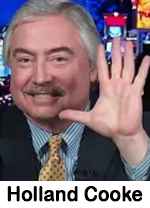
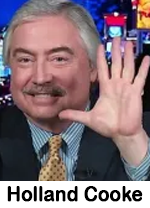
By Holland Cooke
Consultant

imgHow obsolete does this sound? “Newsweek magazine.” News, gathered during most-of the week, had to be frozen by week’s-end, on deadline, to roll the presses in time for hard copy to be delivered in Monday’s snail mail. Back then – picture people dressed like “Mad Men” characters – enough subscribers felt informed-enough to deliver Return On Investment for the magazine’s advertisers. Seems antique. Now, news is reported moment-to-moment, on any device. And newsweek.com is there… along with everyone else competing for attention.

Also quaint: that “clock radio” on the nightstand, which accomplished two-of-many functions now on smartphones. And the “transistor radios” heard all along the beach this time of year in the 1960s? In Providence, the capital city here in The Ocean State, an AM 630 signal superior to its AM 1290 Top 40 competitor led WPRO to brand itself as “The Station That Reaches the Beaches.” Now, there are smart speakers on those beach blankets. I live at the beach and hear them playing Pandora and Spotify.

Good news, but…

Radio is still the #1 in-car audio; increasingly ported there via smartphone app, if stations have explained theirs well. And there’s plenty of other audio on those phones, and on the smart speakers that brought radio back in-home… unless we ask Alexa to instead “play hotel poolside music” or ask her for the weather or some other heretofore radio content.

im

Repetition builds habit, and to best explain that we’re there too, you should audit the user’s experience consuming your stream. Does “Just say ‘Alexa, play 102.3 WXXX’” or “Hey Siri, play KXXX on TuneIn” get you there? Does the smartphone app instantly play your on-air programming, or are multiple clicks required?

More important than Where and How to listen: Why?

Radio’s real-time nature is still its superpower, and if your station has earned a news reputation, listeners will find you – however they listen – when the fit hits the shan. And between bombshells, diligent stations whose real-time audio seems helpful and relevant and uniquely local will be habit-forming and keep ‘em comin’ back for more. Adding push notifications, breaking news alerts, and other direct engagement can bridge the gap, prompting more live listening.

Beyond that “linear” delivery, our on-demand culture favors predictable utility. Smart stations repurpose their best moments into snackable content: a daily local news roundup, your morning show’s funniest bit, or the weather and event calendar for the weekend; all sponsorable. ICYMI, my recent TALKERS column: Feature The Moments That Matter.

Your over-the-air signal is still the beating heart of your operation. Your call letters are a family surname, these new platforms are siblings. They’re extensions, not threats; extra doors into your house. Make sure they’re open wide, easy to find, and lead to something welcoming. Ideally something they can’t hear anywhere else.

Holland Cooke (HollandCooke.com) is a media consultant working at the intersection of broadcasting and the Internet. Follow HC on Twitter @HollandCooke
Industry Views

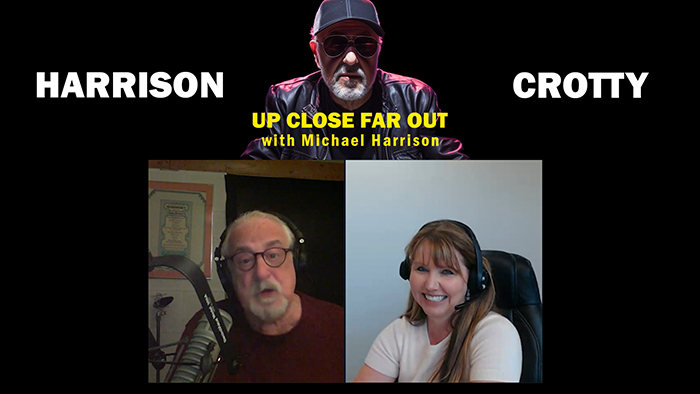
Michael Harrison Interviews C. Crane CEO Jessica Crotty About the Future of the AM/FM Receiver and Radio-Oriented Devices

img

In its latest post (7/2), “Up Close Far Out” – a YouTube video series hosted by TALKERS publisher Michael Harrison – takes a deep dive into the rapidly evolving world of radio, examining the state of the radio device itself – the actual appliance – from the perspective of those on the front line of its development, manufacturing, marketing and distribution.

What is the state of the gizmos we call “radios” in the early decades of the digital era?

Is radio an obsolete technology on its last legs or is the device going through an exciting evolution in terms of its technology, content and broader societal purpose going forward into a brave new world?

What is the difference between “radio” and the broader term “audio?”

What impact does the prospect of ongoing tariff wars have upon the domestic radio manufacturing industry?  And what exactly does it take to move back and develop a new product such as a modern radio in the USA?

Harrison’s guest, Jessica Crotty, is an important player in that industry. She is the CEO of a small, but highly influential, Northern California-based company – C. Crane – that for more than three decades has specialized in manufacturing, aggregating, distributing and marketing radios and radio-oriented devices for the platform’s most ardent fans.

The company’s focus on radio literally began as a “mom & pop” operation by draftsman, designer and electronics engineer Bob Crane, his wife Sue, and Grandma Faye who ran the fledgling business at the kitchen table of their home north of the “Redwoods Curtain.”

Since selling their first AM antenna, C. Crane has grown into a nationally respected “boutique” electronics company. They have developed several outstanding radios to serve radio listeners who prefer information, talk radio and audio tuned for voice clarity. After several near 7.0 earthquakes, in 1992 they added radio and light products that would become essentials during an emergency event anywhere in the country.

Jessica Crotty launched her professional career with C. Crane almost three decades ago working her way through the ranks from customer service all the way up to being CEO and a company principal.

Crotty and Harrison engage in a candid, information-packed conversation exploring the evolving technical and cultural intersection between radio’s glorious past, underrated present, and potentially impactful, but somewhat ambiguous, future. If you are interested in radio as a broadcaster or a fan, you do not want to miss this interview.

To view the video in its entirety, please click here.

Industry News

Top News/Talk Media Stories Over the Weekend (7/12-13)

The most discussed stories over the weekend on news/talk radio and related talk media according to TALKERS research:

1. Epstein “Client List” Mystery
2. Death at California ICE Raid
3. Trump’s Tariffs / Financial Markets Activity
4. Fed Renovations Criticism
5. Trump vs Rosie O’Donnell

Industry Views

You Cut for Time. They Cut You a Lawsuit.

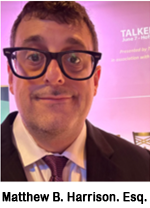
By Matthew B. Harrison
TALKERS, VP/Associate Publisher
Harrison Media Law, Senior Partner
Goodphone Communications, Executive Producer

imgLet’s discuss how CBS’s $16 million settlement became a warning shot for every talk host, editor, and content creator with a mic.

When CBS settled a lawsuit with Donald Trump for $16 million over a selectively edited “60 Minutes” interview with Kamala Harris, it wasn’t about guilt. It was about leverage. The lawsuit happened to coincide with Paramount’s FCC merger review – coincidentally, right when regulatory pressure was needed the most.

For broadcasters and digital creators alike, the message is clear: even lawful edits can become political weapons. If you shape content, you’re a target. And the courts aren’t the only battleground. Public outrage, regulatory scrutiny, and advertiser anxiety all shape the cost of controversy.

For Broadcasters: Every Cut Counts

Editing always alters reality. That doesn’t make it wrong – but it makes it risky. Even good-faith trims for time or tone can be reframed as distortion. What matters isn’t just what you cut, but whether you can defend it.

Case in Point: “60 Minutes” vs. DeSantis

CBS was accused of misleading edits in a 2021 vaccine rollout story. They published full transcripts and stood their ground. No apology, no payout.

Takeaways:

— Archive raw footage.
— Log your editorial decisions.
— Be ready to explain your process with clarity and conviction.

For Digital Creators: You’re Not as Untouchable as You Think

Section 230 might protect platforms, but it doesn’t shield you from smear campaigns, takedowns, or frivolous lawsuits. Editing with commentary or critique is often fair use – but that doesn’t stop bad-faith actors from flipping the narrative.

Case in Point: “Decoding Fox News”

Jules Terpak’s critique series survived coordinated attacks thanks to clear sourcing, transparency, and credibility built ahead of time.

Takeaways:

— Know your rights, but also your vulnerabilities.
— Keep receipts.
— Build audience trust before someone tries to burn it down.

The Real Risk Isn’t the Edit – It’s the Optics

Trump didn’t need to win the lawsuit. He just needed the headlines – and CBS needed their merger. Settlements aren’t always about truth. They’re about timing.

So protect yourself:

— Document your work.
— Develop internal standards.
— Don’t panic under pressure – prepare for it.

Because in an era where outrage spreads faster than facts, defending the integrity of your edit isn’t optional. It’s essential.

Matthew B. Harrison is a media and intellectual property attorney who advises radio hosts, content creators, and creative entrepreneurs. He has written extensively on fair use, AI law, and the future of digital rights. Reach him at Matthew@HarrisonMediaLaw.com or read more at TALKERS.com.

Industry Views

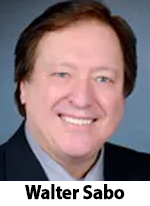
SABO SEZ: Music on the Weekends Can Build Cume

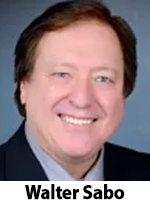
By Walter Sabo
a.k.a. Walter Sterling, Host
WPHT, Philadelphia, “Walter Sterling Every Damn Night”
and TMN syndicated, “Sterling on Sunday”

imgMusic on the weekend provides multiple positive strategic weapons for talk stations. From launch, “New Jersey 101.5” (1,000,000+ cumer); WTKS-FM “Real Radio,” Orlando; WABC, New York; WPHT, Philadelphia; and other major market winners air music all weekend or on dayparted shows.

When launching WTKS, NJ101.5 and many others, Sabo Media researched talk stations throughout the country to find any facility that did as well or better on the weekend than during the week. Not one. KGO at the time was dominant in San Francisco, but its weekend audience share was HALF its weekday share. Then we studied music formats looking for genre that did better on the weekends than during the week.  Answer: oldies and alternative rock.

Music on the weekend works:

Music prevents an outlet from suffering the negatives of being a “talk station.”Music blows off the chronic callers and people who need the station for companionship. You know who they are.
A carefully chosen song list targets a specific cume. People sample radio on weekends. They have fewer utilitarian needs for radio listening and can indulge in entertainment. When they hear a song they like—they lock in the frequency. The station enjoys fresh sampling. WTKS FM plays alternative rock all weekend, the result is a very young overall cume base.
Music is good for sales.  Clubs, concerts, festivals, and comic cons buy music radio. Music on the weekend keeps talk stations on those buys!
Innovative execs replace infomercials with specialty music shows. They sell those shows to wedding venues, wedding suppliers, party stores, mobile DJs, boat and RV rentals, as well as home improvement retailers.
Publisher Michael Harrison posits that genre and chronological segregation of songs is not as essential today as it was back in the day. 13-year-olds love the Beatles and Beach Boys. Hits are always absolute necessities but “Never My Love” by the Association, “Light My Fire” by the Doors and the #1 song today, “Ordinary,” are all hits and could be played back-to-back.

In most cities, the second highest audience daypart is midday Saturdays. Stations that recognize that fact by offering quality, local, live entertainment grow their cume.

Walter Sabo has been a C Suite action partner for companies such as SiriusXM, Hearst, Press Broadcasting, Gannett, RKO General and many other leading media outlets. His company HITVIEWS, in 2007, was the first to identify and monetize video influencers.. His nightly show “Walter Sterling Every Damn Night” is heard on WPHT, Philadelphia. His syndicated show, “Sterling On Sunday,” from Talk Media Network, airs 10:00 pm-1:00 am ET, and is now in its 10th year of success. He can be reached by email at sabowalter@gmail.com.

Industry News

Little Change at the Top of Podtrac’s June Podcast Ranker

NPR’s “NPR News Now” stays at #1 on Podtrac’s June 2025 Top Podcasts chart based on U.S. uniqueimg monthly audience. In fact, the top eight spots are the same as the May ranker, including FOX Audio Network’s “FOX News Hourly Update” holding on to the #5 spot. One move of note is Salem Podcast Network’s “The Charlie Kirk Show” jumping 12 places to the #19 rank. See Podtrac’s rank of the top 20 U.S. podcasts here.

Industry Views

Monday Memo: X Marks the Spot – Radio’s Most Valuable Demo

By Holland Cooke
Consultant

imgIpsos Generations Report 2025: “Right now, it’s Generation X who are the highest-earning generation in the US, surpassing both Boomers and Millennials.”

Born 1965 to 1980, they grew up with an AM/FM radio habit. And – as they are about to inherit a LOT of money from wealthy grandparent Silents and Boomer parents over the next few decades – which prospective advertisers want to meet them?

im

Prospect banks, financial planners, real estate agents, and wellness and eldercare consultants and Elder Law and Trust attorneys.

Recommended commercial creative: advertorial. “Tell ‘em and you’ll sell ‘em,” with spots disguised as informative features. Sample topics:

— “5 Inheritance Mistakes to Avoid”
— “How to Talk to Your Parents About Their Will”
— “Downsizing Without Downgrading”
— “Kids, Parents, and Cash”

Holland Cooke (HollandCooke.com) is a media consultant working at the intersection of broadcasting and the Internet. Follow HC on Twitter @HollandCooke
Industry News

Top News/Talk Media Stories Over the Weekend (7/5-6)

The most discussed stories over the weekend on news/talk radio and related talk media according to TALKERS research:

1. Deadly Texas Floods
2. Big, Beautiful Bill Passes
3. Musk’s “America Party”
4. Netanyahu to Meet with Trump
5. DOJ: No Epstein Client List

Industry News

SAVE THE DATES: TALKERS to Team Up Again with Intercollegiate Broadcasting System (IBS) for 2026 Conference

img

Iconic broadcasting industry trade publication, TALKERS is pleased to announce that it will again be teaming up with the Intercollegiate Broadcasting System (IBS) in presenting and sponsoring the forthcoming IBSNYC26 conference for the second consecutive year. The event will again take place at the centrally located Sheraton Times Square hotel in midtown Manhattan and embrace the “Generations” theme thatimg made last year’s mingling of student and professional broadcasters such a resounding success. The dates are set for Friday, February 20 and Saturday, February 21. TALKERS founder Michael Harrison states, “There are exciting things happening at the radio stations and communication departments of high school, college, and university campuses across America. These institutions and creative outposts embody a spirit emanating from its practitioners as well as its audiences that bode well for the future of general radio, talk media and digital communications. This tremendous source of talent, ideas and energy has been burgeoning right under the noses of our professional industry for years. It’s time to harness that obvious synergy at this pivotal juncture.” More details including agenda, registration, hotel and sponsorship information will be posted in TALKERS in the coming weeks. Save the dates!
Industry News

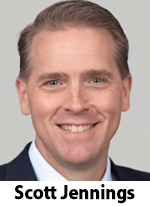
Salem Launches “The Scott Jennings Show”

Salem Media Group announces the launch of “The Scott Jennings Show,” new daily program that airs weekdays from 2:00 pm to 3:00 pm ET, effective July 14 on the Salem Radio Network and on demand via the Salem Podcast Network. Jennings is a longtime conservative political strategist who also serves as aimg contributor to CNN. Jennings says, “We’re going on offense. Every day, I’ll take calls, interview big names, and take the fight directly to the liberal machine. It’s time to bust the narratives and bring back some plain old common sense.” Salem SVP Phil Boyce comments, “Scott Jennings is a disruptor. He’s the Lone Ranger of the CNN panel, armed with facts and fearless in delivery. He doesn’t just survive in hostile territory — he dominates. Now, with a national platform on Salem, Scott becomes a daily fixture in the battle to save the country.” Jennings new show replaces “The Jack Posobiec Show” in the SRN live broadcast slot, while Posobiec continues as a force on SPN with exclusive podcast content.

Industry News

Wayne Allyn Root and The Gateway Pundit Partner for Podcast

Nationally syndicated talk media personality Wayne Allyn Root is partnering with The Gateway Pundit on his two-hour daily video podcast that’s being renamed, “Wayne Allyn Root’s WAR Zone, Presented by The Gateway Pundit.” This makes “WAR Zone” the official podcast of TheGatewayPundit.com and will beimg featured live each night from 6:00 pm to 8:00 pm ET.  Root says, “Tens of millions of die-hard Trump supporters go to theGatewayPundit.com 24/7 for the news and opinions that you won’t find in the mainstream media. It’s the perfect platform and synergy for my podcast. This is a marriage made in heaven. My daily podcast offers raw truth, the most exciting content for MAGA fans, and the most intense, passionate, combative, controversial, in-your-face, high-energy show anywhere in American media, combined with the biggest personality, and the loudest MAGA mouth on the planet. My show takes your breath away. It’s two hours of ‘pedal to the metal, balls to the walls,’ without taking a breath.”
Industry Views

Monday Memo: Feature the Moments That Matter

By Holland Cooke
Consultant

imgAre archived shows – whole hours – your station’s only on-demand offering? It’s an easy checkbox: post the aircheck, call it a podcast.
And why not? In our on-demand culture, why expose this work – and its sponsors – only to those who happened to be listening in real-time? But few listeners will sit through an hour – or three – of linear audio. Most don’t when listening live. They’re busy. The only person who hears the whole show is the host (which is why I cringe when I hear “hour number three”).

Trim the fat, serve the steak 

Many more will be interested in highlights, those couple minutes of Pet Pro Dr. Donna Stone’s tips for “Helping Your Critters Keep Their Cool During a Long Hot Summer,” or whatever “money moments” aired.

im

— Give these excerpts a title, incorporating words someone might include in Search. Add a sharable description. Let MS Copilot or ChatGPT make you a graphic. For this example, make it a cute puppy.
— In addition to the station’s website, these clips should be all over your social media. Think of your whole show as a movie. Hashtag-laden Tweets that include a click-to-listen link are the trailer. Script several versions and post at intervals.
— Get good at this, and your posts will get shared.
–And Dr. Donna can share her moment to her followers.

This is something music station morning shows do better than talk stations, because archiving whole songs is taboo. They’re forced to cull. 

Find the time

It’s an investment in reach, relevance, and revenue. Don’t just archive – curate. You can find new ears, using these audio appetizers to offer people who don’t know your show to try the entrée.

Holland Cooke (HollandCooke.com) is a media consultant working at the intersection of broadcasting and the Internet. Follow HC on Twitter @HollandCooke

Industry News

Top News/Talk Media Stories Over the Weekend (6/28-29)

The most discussed stories over the weekend on news/talk radio and related talk media according to TALKERS research:

1. Big, Beautiful Bill
2. Idaho Firefighter Shooting
3. Iran Strikes Post-Mortem
4. Israel’s Gaza Strikes
5. Tillis Won’t Run for Reelection

Industry News

WHBC, Canton Celebrates 100 Years on the Air

img

Canton, Ohio radio station WHBC-AM is celebrating its 100th anniversary of service to the market with a live, on-air celebration today from 4:00 pm to 8:00 pm in downtown Canton. CantonRep.com reports the story noting that WHBC launched in 1925 and in 1939 moved into its current facility, a classic art deco building that still features the architecture and décor of the era that feels like walking into a time machine. About today’s festivities, morning host Pam Cook says, “It’s us celebrating the community and saying thank you because, honestly, we wouldn’t be on the air for 100 years if it wasn’t for the community.” WHBC is owned by Alpha Media and part of the pending acquisition by Connoisseur Media. Photo: Julie Vennitti Botos / Canton Repository See the CantonRep.com story here.

Industry News

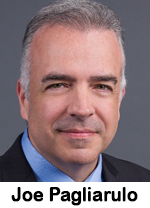
KSTA, San Antonio the New Home for the Joe Pags Show

Talk radio star Joe “Pags” Pagliarulo will be heard in his home market of San Antonio on Alpha Media’s news/talk KTSA, effective July 1. The Joe Pags show is nationally syndicated to some 170 affiliates via Compass Media Networks and will air on KTSA in the 5:00 pm to 8:00 pm daypart. Alpha Media SVP andimg market manager Lance Hawkins says, “Joe Pags represents everything we value at KTSA. He’s dynamic, authentic, and rooted in Texas values. Our mission is to build radio brands that are Live and Local, deeply involved in the communities they serve, and always evolving. Pags’ addition to KTSA proves that mission in action.” Pags says that his welcome to KTSA is both professional and personal. “I am thrilled to call KTSA the new flagship for the Joe Pags Show. I’ve been based in San Antonio for 20 years and have always been a fan of the amazing hosts on KTSA. It’s truly an honor to get back on the air in SA and talk with these amazing people on their ride home once again. I can’t thank Jeff Warshaw, Lance Hawkins, Greg Martin, and Dax Davis enough for this remarkable opportunity!” Alpha Media is being acquired by Connoisseur Media and FCC approval is expected by this fall.
Industry Views

SABO SEZ: Do You Really Think the Back of Your Head is Worth Watching?

By Walter Sabo
a.k.a. Walter Sterling, Host
WPHT, Philadelphia, “Walter Sterling Every Damn Night”
and TMN syndicated, “Sterling on Sunday”

imgThe drive to stream video of radio shows has always been risky. Remember your shock when you first saw one of your radio heroes? Video streaming can present a constant disconnect between the show in the listener’s head and the show on the stream. Many stations make the disconnect worse by streaming terrible video images. Combine the trauma of how a host really looks with a dreary TV show and the package cannot benefit the relationship between station and listener/viewer.
Too many stations stream from one or two fixed cameras in the studio. That picture looks like a police interrogation room. Some stations embarrassingly use one camera on a two person show. The result is a shot of the face of one host and the back of the head of the other, for the entire show. OMG.

Done right, video should enhance the listening experience, it should make the hosts more attractive, more engaging, and more entertaining.

Mistake: Many radio hosts ignore the cameras during spot breaks. These hosts go silent during spots, giving a viewer absolutely no reason to stream. Obviously, if one sits in silence during the break the image presented is pure boredom. On the radio, the listener hears commercials. On their stream they see a silent radio host doing nothing. Double disappointment.

Producing video that enhances a radio show experience takes planning and commitment. One technically simple way to make video work for a host is to address the audience directly during commercial breaks. One on one. The moment a break starts, smart hosts and anchors address the camera and candidly speak with the viewer. Their conversation is topical, urgent and fun.

Engaging the viewer during radio commercial breaks provides added value to a stream and a reason to watch.

Some examples worth watching are found in these links:

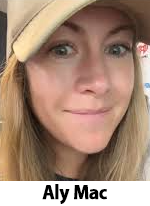
B-93, Grand Rapids morning host Aly Mac never stops talking with streaming viewers. She does itimg right, two shows… one on the radio, one on the stream. Seamless and fun.
WPHT produces a TV show with switching, graphics that flows with the radio show.
Baylee Martin is a TV anchor who could teach the industry how to conduct an on-air show enhanced by the stream.  Hearst should sell schedules in her stream content. Have a look, she’s a streaming savant.

When streaming, consider if the video stream is helping or hurting the radio show. If the “reveal” is the back of a head, hurting!

Walter Sabo has been a C Suite action partner for companies such as SiriusXM, Hearst, Press Broadcasting, Gannett, RKO General and many other leading media outlets. His company HITVIEWS, in 2007, was the first to identify and monetize video influencers.. His nightly show “Walter Sterling Every Damn Night” is heard on WPHT, Philadelphia. His syndicated show, “Sterling On Sunday,” from Talk Media Network, airs 10:00 pm-1:00 am ET, and is now in its 10th year of success. He can be reached by email at sabowalter@gmail.com.

Industry News

Top News/Talk Media Stories Over the Weekend (6/21-22)

The most discussed stories over the weekend on news/talk radio and related talk media according to TALKERS research:

1. U.S. Strikes on Iran
2. MAGA “Civil War”
3. Israel-Iran Bombings
4. ICE Raids
5. Heat Dome Scorching Eastern U.S.

Industry News

Buffalo’s “The Patriot” to Launch on July 4

Buddy Shula’s new radio station WUSW, Niagara Falls, New York – formerly WHLD – will officially launch its conservative talk format on July 4 as “1270 AM The Patriot.” Shula, who operates oldies WECK in theimg Buffalo market, acquired WHDL from Cumulus Media earlier this year. He says, “I’m thrilled to be debuting a local talk station that deals with real issues. I feel the conservative talk lane is open, and that will give listeners a choice of the type of talk that they really want to hear.” The station will feature syndicated shows including Premiere Networks’ “The Sean Hannity Show,” “Glenn Beck,” “Clay Travis & Buck Sexton,” and “Jesse Kelly,” plus Erik Erickson, Lars Larson, Vince Coglianese, and more. New York State Assemblyman David DiPietro will also host a local program.
Industry News

Retired Pats Center Andrews to Contribute to “98.5 The Sports Hub”

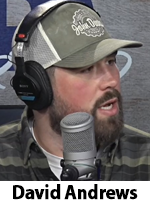
Recently retired New England Patriots center David Andrews is joining Beasley Media Group’s WBZ-FM, Boston “98.5 The Sports Hub” as a contributor starting with the 2025 season. Andrews won two Super Bowls with the Patriots and he’ll appear on “The Zolak & Bertrand Show” with a weekly appearanceimg throughout the Patriots season. Andrews will also be featured on The Sports Hub Patriots Radio Network Pregame Show and will co-host a video podcast with Alex Barth. WBZ-FM program director Rick Radzik says, “David’s leadership and deep understanding of the game made him a standout on the field, and we’re excited to bring that same level of insight and authenticity to our listeners. He’s a natural fit for our lineup and the perfect voice to help break down the season from a player perspective.” Andrews comments, “I’ve enjoyed a great relationship with ‘The Sports Hub’ since coming to New England 10 years ago. I’m looking forward to providing my analysis and perspective across the station’s various platforms this season.”
Industry News

Top News/Talk Media Stories Over the Weekend (6/14-15)

The most discussed stories over the weekend on news/talk radio and related talk media according to TALKERS research:

1. Minnesota Lawmaker Assassinated
2. DC Military Parade
3. Israel-Iran Strikes
4. ICE Protests / “No Kings Day”
5. Big, Beautiful Bill

Industry Views

SABO SEZ: Managing the Meters is a Fatal Time Waster

By Walter Sabo
a.k.a. Walter Sterling, Host
WPHT, Philadelphia, “Walter Sterling Every Damn Night”
and TMN syndicated, “Sterling on Sunday”

imgAt first, I thought it was a joke. When I realized there were serious people having serious meetings about the joke, it became both horrific and symptomatic
The sitcom is called: MANAGING THE METERS. Note: As a suited consultant I was a prime mover to get Arbitron off diaries and onto meters.

Worldly success is often the result of being highly focused on what one can control versus imagining what can be controlled. Nielsen can manage their meters. You can’t.

Imagining what can be controlled has led to wasting time playing MANAGING THE METERS.  To participate one must learn where Nielsen meters are placed, which station has which meters, and who is carrying “your” meters. Yes, one can learn, for example, that a 19-year-old in Glendale listens to KIIS-FM for 17 hours a week. More than 17 hours in radio conference rooms will be spent playing whack-a-mole with that 19-year-old’s meter; where will it land next?

Playing MANAGING THE METERS is a major time waster and cume killer. Once upon a time many music stations embraced “request line call-in research.” Shudder. Stations would tally which songs were getting how-many requests and make on-air playlists based on those counts. Obviously call-in request playlists would appeal primarily to existing listeners and do nothing to reach new listeners. Sure, P1s are appeased but cume always dies.

And here we are: Super-serving meter holders who already listen to a station will appease P1s but cume will diminish every month. It is pure myth that “talk” is high TSL and low cume.  In fact, most current talking stations do everything possible to lower cume. Casual cuming is virtually impossible. (Who is talking? What’s the number? Thanks for holding on! Who has time to hold on?). The MANAGING THE METERS fantasy gives “science” to cume-killing actions and reactions.

MANAGING THE METERS, rather than making better, bigger shows has resulted in fear, indecision, and the crime of overthinking. Nothing could be worse for a medium that thrives on emotional wallops than turning feelings into math.

What to do when tempted to play MANAGING THE METERS:

Go for a pleasant walk and imagine a better show, new promotions, fresh promos and surprising, possibly weird topics.
Eat your favorite ice cream and imagine a better show, new promotions, fresh promos and surprising, possibly weird topics.
Call your father and thank him and imagine a better show, new promotions, fresh promos and surprising, possibly weird topics.
Remember that innovative programmers who CREATE – rather than copy – great stations give all of their attention to P2s and then imagine a better show, new promotions, fresh promos and surprising, possibly weird topics.

Walter Sabo has been a C Suite action partner for companies such as SiriusXM, Hearst, Press Broadcasting, Gannett, RKO General and many other leading media outlets. His company HITVIEWS, in 2007, was the first to identify and monetize video influencers.. His nightly show “Walter Sterling Every Damn Night” is heard on WPHT, Philadelphia. His syndicated show, “Sterling On Sunday,” from Talk Media Network, airs 10:00 pm-1:00 am ET, and is now in its 10th year of success. He can be reached by email at sabowalter@gmail.com.

Industry News

Joe Pags Gets Standing “O” at Righteous Brothers Concert

img

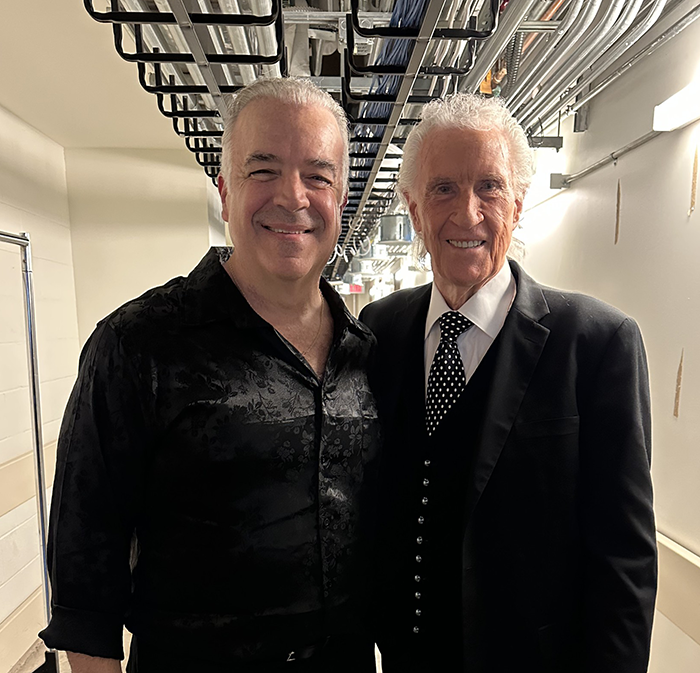
Pictured above at the HEB Performance Hall in San Antonio is nationally syndicated talk radio star Joe “Pags” Pagliarulo (left) with music legend Bill Medley (right). Medley brought his national Righteous Brothers “Lovin’ Feelin’ Farewell Tour” to San Antonio last Sunday night with singer Bucky Heard taking over for the late Bobby Hatfield. When Medley learned that radio talker Pags was in the audience, he did a special shout-out to the hometown favorite and asked him to stand. Pags received an ovation from the crowd and later met with Medley and Heard backstage. They also recorded a conversation for Pags’ podcast. 

Industry Views

Neutraliars: The Platforms That Edit Like Publishers but Hide Behind Neutrality

By Matthew B. Harrison
TALKERS, VP/Associate Publisher
Harrison Media Law, Senior Partner
Goodphone Communications, Executive Producer

imgIn the golden age of broadcasting, the rules were clear. If you edited the message, you owned the consequences. That was the tradeoff for editorial control. But today’s digital platforms – YouTube, X, TikTok, Instagram – have rewritten that deal. Broadcasters and those who operate within the FCC regulatory framework are paying the price.
These companies claim to be neutral conduits for our content. But behind the curtain, they make choices that mirror the editorial judgment of any news director: flagging clips, muting interviews, throttling reach, and shadow banning accounts. All while insisting they bear no responsibility for the content they carry.

They want the control of publishers without the accountability. I call them neutraliars.

A “neutraliar” is a platform that claims neutrality while quietly shaping public discourse. It edits without transparency, enforces vague rules inconsistently, and hides bias behind shifting community standards.

Broadcasters understand the weight of editorial power. Reputation, liability, and trust come with every decision. But platforms operate under a different set of rules. They remove content for “context violations,” downgrade interviews for being “borderline,” and rarely offer explanations. No appeals. No accountability.

This isn’t just technical policy – it’s a legal strategy. Under Section 230 of the Communications Decency Act, platforms enjoy broad immunity from liability related to user content. What was originally intended to allow moderation of obscene or unlawful material has become a catch-all defense for everything short of outright defamation or criminal conduct.

These companies act like editors when it suits them, curating and prioritizing content. But when challenged, they retreat behind the label of “neutral platform.” Courts, regulators, and lawmakers have mostly let it slide.

But broadcasters shouldn’t.

Neutraliars are distorting the public square. Not through overt censorship, but through asymmetry. Traditional broadcasters play by clear rules – standards of fairness, disclosure, and attribution. Meanwhile, tech platforms make unseen decisions that influence whether a segment is heard, seen, or quietly buried.

So, what’s the practical takeaway?

Don’t confuse distribution with trust.

Just because a platform carries your content doesn’t mean it supports your voice. Every upload is subject to algorithms, undisclosed enforcement criteria, and decisions made by people you’ll never meet. The clip you expected to go viral. Silenced. The balanced debate you aired. Removed for tone. The satire? Flagged for potential harm.

The smarter approach is to diversify your presence. Own your archive. Use direct communication tools – e-mail lists, podcast feeds, and websites you control. Syndicate broadly but never rely solely on one platform. Monitor takedowns and unexplained drops in engagement. These signals matter.

Platforms will continue to call themselves neutral as long as it protects their business model. But we know better. If a company edits content like a publisher and silences creators like a censor, it should be treated like both.

And when you get the inevitable takedown notice wrapped in vague policy language and polished PR spin, keep one word in mind.

Neutraliars.

Matthew B. Harrison is a media and intellectual property attorney who advises radio hosts, content creators, and creative entrepreneurs. He has written extensively on fair use, AI law, and the future of digital rights. Reach him at HarrisonMediaLaw.com or read more at TALKERS.com.

Industry Views

Is That Even Legal? Talk Radio in the Age of Deepfake Voices: Where Fair Use Ends and the Law Steps In

By Matthew B. Harrison
TALKERS, VP/Associate Publisher
Harrison Media Law, Senior Partner
Goodphone Communications, Executive Producer

imgIn early 2024, voters in New Hampshire got strange robocalls. The voice sounded just like President Joe Biden, telling people not to vote in the primary. But it wasn’t him. It was an AI clone of his voice – sent out to confuse voters.

The calls were meant to mislead, not entertain. The response was quick. The FCC banned AI robocalls. State officials launched investigations. Still, a big question remains for radio and podcast creators:

Is using an AI cloned voice of a real person ever legal?

This question hits hard for talk radio, where satire, parody, and political commentary are daily staples. And the line between creative expression and illegal impersonation is starting to blur.

It’s already happening online. AI-generated clips of Howard Stern have popped up on TikTok and Reddit, making him say things he never actually said. They’re not airing on the radio yet – but they could be soon.

Then came a major moment. In 2024, a group called Dudesy released a fake comedy special called, “I’m Glad I’m Dead,” using AI to copy the voice and style of the late George Carlin. The hour-long show sounded uncannily like Carlin, and the creators claimed it was a tribute. His daughter, Kelly Carlin, strongly disagreed. The Carlin estate sued, calling it theft, not parody. That lawsuit could shape how courts treat voice cloning for years.

The danger isn’t just legal – it’s reputational. A cloned voice can be used to create fake outrage, fake interviews, or fake endorsements. Even if meant as satire, if it’s too realistic, it can do real damage.

So, what does fair use actually protect? It covers commentary, criticism, parody, education, and news. But a voice isn’t just creative work – it’s part of someone’s identity. That’s where the right of publicity comes in. It protects how your name, image, and voice are used, especially in commercial settings.

If a fake voice confuses listeners, suggests false approval, or harms someone’s brand, fair use probably won’t apply. And if it doesn’t clearly comment on the real person, it’s not parody – it’s just impersonation.

For talk show hosts and podcasters, here’s the bottom line: use caution. If you’re using AI voices, make it obvious they’re fake. Add labels. Give context. And best of all, avoid cloning real people unless you have their OK.

Fair use is a shield – but it’s not a free pass. When content feels deceptive, the law – and your audience – may not be forgiving.

Matthew B. Harrison is a media and intellectual property attorney who advises radio hosts, content creators, and creative entrepreneurs. He has written extensively on fair use, AI law, and the future of digital rights. Reach him at Harrison Legal Group or read more at TALKERS.com.

Industry News

The American Miracle Premieres at the Kennedy Center

img

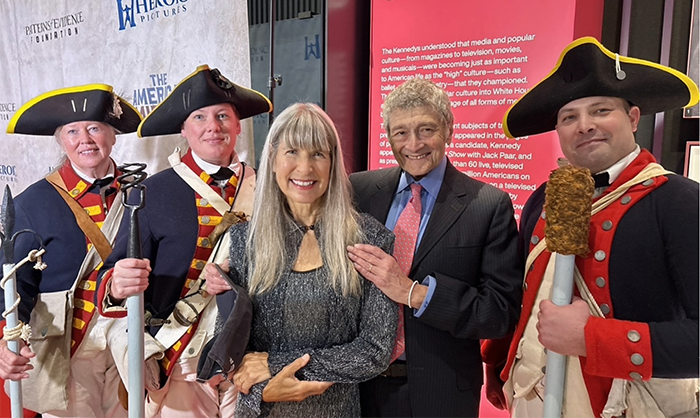
On June 4, Heroic Pictures and Patterns of Evidence Foundation hosted an exclusive VIP red carpet premiere at the John F. Kennedy Center for the Performing Arts in Washington, D.C. for the new film, The American Miracle: Our Nation Is No Accident. The film was inspired by talk radio host Michael Medved’s bestselling book of the same name and portrays the successful American Revolution as happening due to the intervening hand of God. The movie was produced and directed by Timothy Mahoney and stars Pat Boone and Kevin Sorbo, among numerous others. Pictured above is Michael Medved with his wife Diane and actors in period costumes.

Industry News

Top News/Talk Media Stories Over the Weekend (6/7-8)

The most discussed stories over the weekend on news/talk radio and related talk media according to TALKERS research:

1. LA ICE Protests-National Guard Callup
2. Abrego Garcia Returned to U.S.
3. Gaza Aid Ship Intercepted
4. U.S.-China Trade Negotiations
5. ABC Suspends Terry Moran

Industry News

Lionel to Host WABC’s “The Other Side of Midnight”

Red Apple Media Group announces that Lionel is assuming hosting duties for the station’s overnight program, “The Other Side of Midnight,” formerly hosted by newly elected New York City Councilor Frankimg Morano. Lionel comments, “I’m honored beyond words to be back at WABC – where it all began, my alma mater, the greatest talk radio station in the world. Legendary, historic, storied, unmatched in its legacy. This isn’t just radio, it’s home. It’s the gold standard, the birthplace of giants. And now, I’m back where I belong.”

Industry News

Top News/Talk Media Stories Over the Weekend (5/31-6/1)

The most discussed stories over the weekend on news/talk radio and related talk media according to TALKERS research:

1. Trump Tariffs Ruling
2. Big, Beautiful Bill
3. Ukrainian Drone Attack on Russia
4. Colorado Flamethrower Attack
5. ICE Arrests / Student Visas Policy

Industry News

BIN Announces Partnership with The Obama Foundation

iHeartMedia’s BIN: Black Information Network announces its collaboration with The Obama Foundation to advance community engagement with youth. “This multi-year collaboration — the first of its kind for BIN — brings together its mission to inform, educate and elevate Black voices with The Obama Foundation’s commitment to empowering individuals and communities to create lastingimg change. Both organizations share a vision of advancing equity, social justice and civic engagement for future generations.” BIN president Tony Coles adds, “This powerful collaboration will deliver important, unbiased information to our audiences, promote civic engagement, and foster inclusive dialogue. In today’s news environment, our responsibility is to ensure the stories, commitment and goals of civic and community leaders are heard by our listeners and carried forward by future generations.” BIN will advance the mission of the Obama Presidential Center in the runup to opening in 2026 by sharing and distributing stories focused on President Obama’s legacy, community-driven initiatives on the South Side of Chicago and engaging in national conversations around equity, democracy and change.
Industry News

Jeff Katz Takes Part in Virginia’s “Say Their Names” Ceremony

img

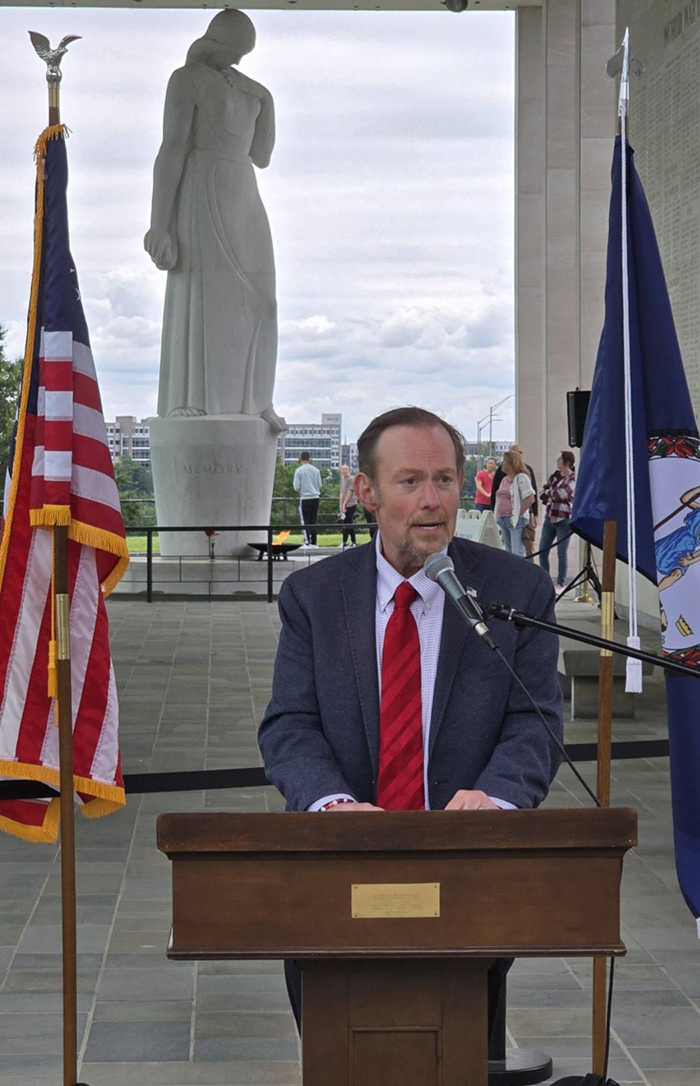
Pictured above is WRVA, Richmond afternoon host Jeff Katz at the Virginia War Memorial in Richmond participating in the first-ever “Say Their Names” marathon. Katz joined some 200 people chosen – including Virginia Governor Glenn Youngkin – to recite the names of the almost 12,000 Virginia military heroes who died in service of their nation. The marathon took place over the course of 12 hours and included those who died in conflicts from World War II through the Global War on Terror.

Industry News

Top News/Talk Media Stories Over the Holiday Weekend (5/24-26)

The most discussed stories over the weekend on news/talk radio and related talk media according to TALKERS research:

1. Trump’s Putin Criticism / Russia-Ukraine War
2. EU Tariff Pause
3. Big, Beautiful Bill
4. Memorial Day Holiday
5. Gaza Peace Plan

Industry Views

SABO SEZ: They Want What You Have

By Walter Sabo
a.k.a. Walter M Sterling
Host, Sterling Every Damn Night
WPHT, Philadelphia
Sterling On Sunday, Syndicated, TMN

imgDozens of brand-new audio hardware and software companies have been launched during the past 20 years. These start-ups are usually funded by venture capital money. VC money is not invested to return a profit, it’s poured in to – pour it in. Their money is “different” than the cashflow that fuels your business. Start-up money buys time to profit.

Amazon lost money its first 10 years. Spotify launched in 2008 and turned a full year profit for the first time – last year.

MOST venture-backed start-ups do not make it to profit, they close.

With virtually unlimited funds and no deadlines, what are the strategic markers for success of most fresh, new audio businesses? Having performed due diligence for many start-ups, this is an informed summary of their goals:

— Significant distribution of the product.
— Robust, broad-appeal content offerings
— Proven metrics for securing advertising dollars
— Positive cultural impact
— Embraced by late-stage adopters
— Advertiser credibility

Hold radio to the above checklist.  92% of the population has a radio – more households than own a TV. Radio’s distribution is elegant, wireless, and free. Streaming? Yes, radio has streamed to the car since 1938. How’s UCONNECT or APPLE PLAY working in your KIA? Buffering now? Bluetooth pairing? At-home streams cost about $1,000 for a computer, $100 a month for WiFi, $150 for software upgrades and repairs. Radio distribution: turn it “ON.” No startup audio service will match radio’s distribution system.

Mature means predictable. Content offerings on radio are understood, accepted, and quickly adjusted if not appealing. Audio start-ups are rarely run by execs with audio entertainment experience. Their execs tend to be recruited from two groups: techs and discoverers. Techs because somebody has to make it work. Discoverers because you would be shocked at how many audio newcomers were funded on the wacky premise that AM/FM fails to see how badly Americans want to hear brand new music! Lurking among workers within the streaming and satellite communities is the harsh prejudice that pros with actual radio experience are satanic dinosaurs.

Most start-ups flirt with doing good for the country, ie; positive messaging, lots of jazz or world music. AM/FM has hardcore positive impact witnessed by the fact that most public radio stations enjoy ratings dominance. No other medium – none – raises more money for community charities than AM/FM.

Driving a new product past the innovators, early adopters, early majority to late majority is the path to success in any industry. AM/FM reached late majority when Bing Crosby had his own show. How’s mom doing with Spotify?

Advertiser credibility: Procter & Gamble returned to radio in the early 2000s. Last year P&G landed near the top of radio advertisers. Procter has no sense of humor or time for nonsense. If P&G buys a lot of radio, end of story. Again.

Not legacy media. Proven media.

Walter Sabo has been a C Suite action partner for companies such as SiriusXM, Hearst, Press Broadcasting, Gannett, RKO General and many other leading media outlets. His company HITVIEWS, in 2007, was the first to identify and monetize video influencers.. His nightly show “Walter Sterling Every Damn Night” is heard on WPHT, Philadelphia. His syndicated show, “Sterling On Sunday,” from Talk Media Network, airs 10:00 pm-1:00 am ET, and is now in its 10th year of success. He can be reached by email at sabowalter@gmail.com.