


Industry News

Lee Harris Exit from Red Apple Media Triggers Dust Storm of Mystery

The story of noted radio news executive Lee Harris‘s surprising departure (8/12) from his role as senior vice president of news and programming at Red Apple Media’s WABC, New York and its Worldwide News Network (WWNN) has left a dust storm of conflicting details and speculation in its aftermath on radio message boards, social media and industry trades.
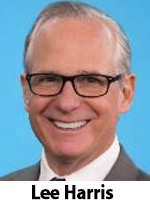
imgHarris joined Red Apple Media on May 4 as VP of news for WABC and the new Worldwide News Network, which launched May 23. Six weeks later, Red Apple promoted him to SVP of news and programming, expanding his authority across WABC, WWNN and Red Apple Audio Networks. On August 12 – roughly 100 days after his hiring – company CEO / owner John Catsimatidis announced Harris’s departure. Catsimatidis stated he had requested Harris’s resignation following a dispute involving a longtime employee returning from medical leave. Red Apple later attributed the separation to differences involving “leadership style.” Harris said he had decided to return to his longtime independent business developing broadcast technology products, but neither side identified a replacement nor fully explained in detail whether Harris resigned voluntarily or was dismissed.

Seasoned radio industry veterans know that it is a common practice for the actual details of such endings of employment to remain ambiguous. It is also known that strong-minded members of a company’s staff in both talent and management can be prone to butt heads within the minefield of corporate structure.

In this story, everything beyond that remains unproven. Early forum speculation suggested political or ideological incompatibility, but no reporting supports that theory; available off-record information specifically contradicts it. The returning employee’s identity also remains unconfirmed, as does the precise sequence of resignation and dismissal. The safest conclusion is that this was an internal management conflict subsequently framed by Red Apple as a personnel-related termination and by Harris as a voluntary career change.

Industry News

Beasley’s 2026 Second Quarter Net Revenue Falls 16.7%

Beasley Broadcast Group’s financial report for the second quarter of 2026 reveals net revenue of $44.1 million, a decrease of 16.7% from the same period in 2025. The company posts net income of $84.3 million, a big turnaround from the net loss of $154,175 that it reported in Q2 of 2025. Beasley CEO Caroline Beasley comments, “While second quarter results continued to reflect pressure across portions of the traditional advertising marketplace, imgwe are encouraged by the progress we’re making in transforming Beasley into a more diversified, higher-margin media company. Our digital and local direct spot businesses continue to build momentum, our cost structure is significantly more efficient than it was a year ago, and we remain focused on improving the quality of our revenue. We believe these initiatives are creating a stronger operating foundation and positioning the company for more consistent financial performance over the long term. At the same time, we continue to execute against the financial priorities we established at the beginning of the year. We are operating with discipline, allocating capital thoughtfully, and taking deliberate actions to strengthen our balance sheet through debt reduction, portfolio optimization, and improved financial flexibility. These efforts, combined with our ongoing operational initiatives, are designed to improve cash flow generation and create long-term value for our shareholders. Looking ahead, our strategy remains unchanged. We are focused on delivering sustainable revenue growth, expanding EBITDA through continued operating discipline and higher-margin revenue, and further reducing leverage over time. While the broader advertising environment remains dynamic, we believe the actions we are taking today are positioning Beasley to emerge as a stronger, more profitable, and more resilient company.”

Industry Views

The Algorithm Knows What You Did But It Doesn’t Know Why

img

By Matthew B. Harrison
TALKERS, VP/Associate Publisher
Harrison Legal Group, Senior Partner
Goodphone Communications, Executive Producer


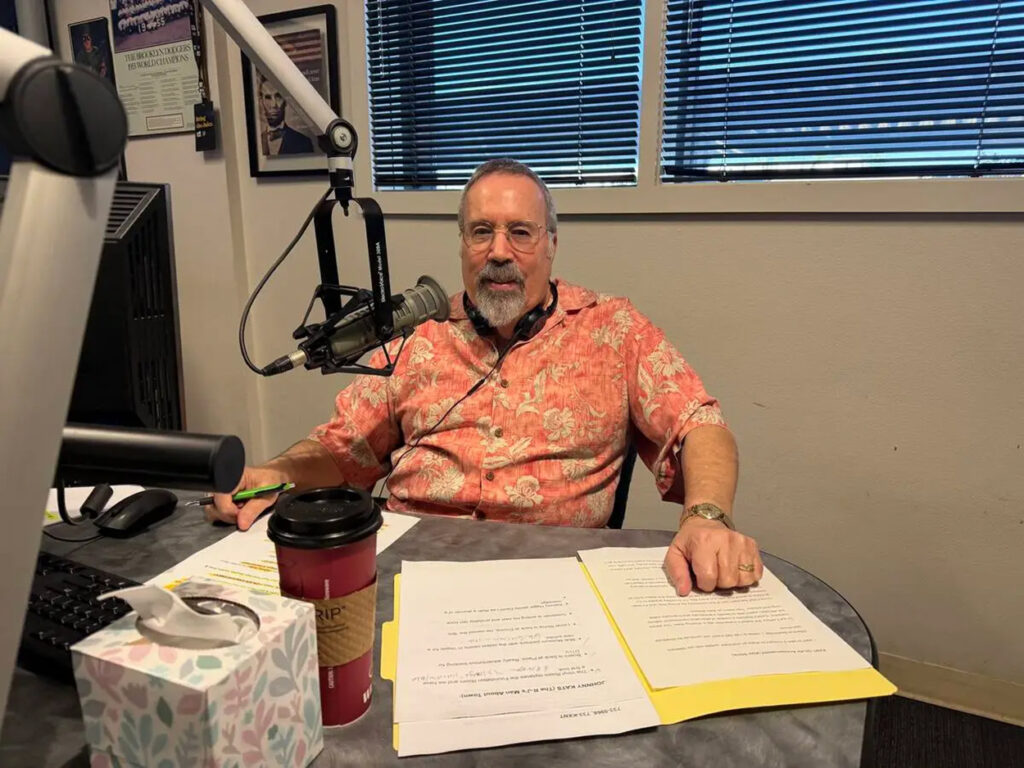
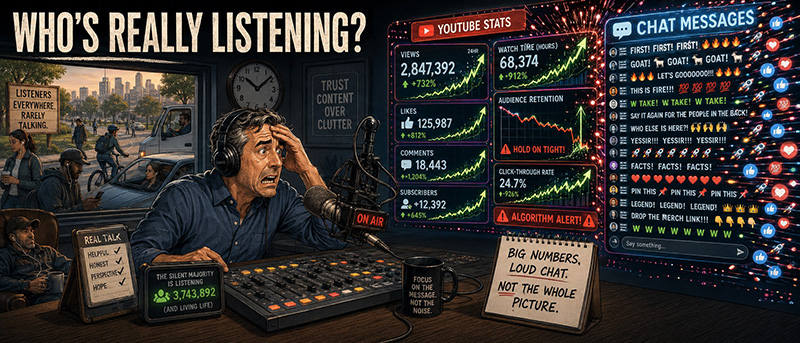
imgA viewer watches the same political clip three times. The platform sees a powerful signal: this person stopped, stayed, and came back. What it cannot reliably know is whether the viewer loved the argument, hated it, was factchecking it, or was showing it to someone else in disbelief. The algorithm knows a viewer watched. It does not necessarily know why. That is why YouTube looks beyond viewing itself to other signals of appeal, engagement, and satisfaction.
That distinction matters to broadcasters because digital analytics can look much more intelligent than they really are. An algorithm can measure behavior with extraordinary precision, but behavior is not motive. PPM taught radio a version of the same lesson. Nielsen’s meter can passively detect exposure to encoded audio, but the resulting audience measurement cannot tell a programmer why someone listened or why audience levels changed.

Livestreaming creates the opposite problem. Instead of too little explanation, the host suddenly gets too much of it. The chat is moving. People are demanding another topic, praising a guest, attacking a caller, or announcing that the segment is dying.

That feedback is valuable, but the people typing are not necessarily representative of the people listening. Radio hosts should already understand this because callers have never represented the entire audience. They represent the portion motivated enough to pick up the telephone. Livestream chat is the same phenomenon at digital speed.

The danger comes when these two imperfect signals reinforce each other. The dashboard says engagement jumped. The chat says, “More of this.” A host can easily conclude that the audience has spoken when what actually happened is that a particularly active portion of the audience became particularly visible.

Good broadcasters have always listened to the audience without surrendering the show to it. Digital tools make that listening faster and more detailed, but they do not eliminate the need for judgment.

The algorithm knows what people did. The chat tells you what some people said. The programmer still has to decide what either one means.

For the larger discussion of ratings, PPM, algorithms and digital distribution, read The Algorithm Is Listening here: https://talkers.com/category/industry-views/

Matthew B. Harrison is a media and intellectual property attorney who advises radio hosts, content creators, and creative entrepreneurs. He has written extensively on fair use, AI law, and the future of digital rights. Reach him at Matthew@HarrisonLegalGroup.com or read more at TALKERS.com.

Industry Views

Monday Memo: Radio’s New Fall Season

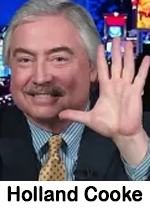
By Holland Cooke
Consultant


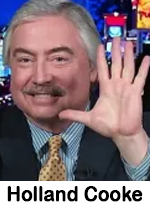
imgAs TV is touting its coming attractions, take a step back. We – inside the box – live-and-breathe radio.
Listeners have their hands full just living and breathing. Their day is time-crunched and financially-challenged, and we want to be its soundtrack. But listening is free, unlike umpteen other purchase decisions they agonize. So what’s high-stakes to us is low-stakes to them.

We only matter if we matter, and we’ve never had so much audio competition.

  • This month, as the school year begins in so many places, the listeners local retailers want as customers revert to “normal.” Their tempo changes, and builds to a holiday season climax. Do they know who you are and how you can help?
  • Off-air promotion (remember that?) merely says give-us-a-try. When they do, does what they hear deliver? Even with scant (or no) off-air promotion, much of what you can do to become more habit-forming costs nothing. As consultants do, I’m talking about “the fundamentals,” the blocking-and-tackling stuff. For starters, think: recognition and relevance.

Who are you?

  • Are call letters or station nickname delivered frequently? PPM myth: call letters matter less. Baloney. Awareness drives use. Ditto your dial position(s) and how to listen via smartphone, smart speaker, and streams. Name-and-address.
  • As your listeners cume 3 stations this week, help ’em remember yours more than the other 2 (not to mention streams and satellite radio and podcasts). And are you selling — or merely reciting — call letters, dial position, and slogans? This is often an issue with veteran talent, creatures of habit.

“Who cares?”

Or as my WTOP successor Jim Farley (RIP) asked: “W.G.A.S.?” He hung a sign in the newsroom there, meaning “Who Gives A Shit?”

  • Are topics relatable and useful? Enable listeners with helpful information, and they’ll keep coming back.
  • Do you say “you” and “your,” a lot? It’s a litmus test for relevance.
  • Do you keep setting the stage as audience tunes in? Someone JUST got in the car.
  • Are you teasing the next quarter hour? And what you’ll offer same-time-tomorrow?
  • Even with apps in the dashboard, weather and traffic are super-local and can be super-impactful.
  • Is your on-air imaging about the station? Or about listeners’ lives? “Because ONE traffic jam can jam-up your whole day…”

There’s more from radio’s right-now To-Do list at HollandCooke.com

Holland Cooke is a consultant working the intersection of broadcasting and the Internet. Follow HC on Twitter @HollandCooke and connect on LinkedIn

Industry News

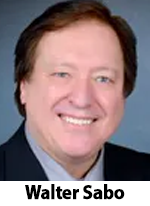
Sabo Sez: Mitch Reed’s Deserved Award

imgBy Walter Sabo
A.K.A. Walter Sterling
Host, The Other Side of Midnight
WABC, New York / Red Apple Audio Networks

The Radio Hall of Fame has just announced their “Legends” inductees, and it includes B. Mitchell Reed. YES!

One of the minor injustices of radio is the curious legacies of Tom Donahue and B. Mitchell Reed relative to the creation of free-form progressive rock radio. They were best friends with parallel careers. Both were top-of-their-game “screaming” Top 40 DJs. Tom in San Francisco, Mitch in LA and NYC. Top earnings, ratings, and both around 40 when they went to the Monterey Pop Festival. There they learned that their teens were changing fast. Harder rock, anger about Vietnam, and drugs. They knew their style of radio was out of synch with the moment.

Every day on his way to work in LA, Mitch drove past the Pasadena Presbyterian church and noticed a radio antenna on the grounds.

The tower was pumping out an FM signal that covered Los Angeles, broadcasting from the basement of the church. Underground. Mitch talked to the preacher he met along the way. And he bought time on the station at night and experimented with playing hard rock and a new form of presentation. His friend Donohue sent tapes from San Francisco, and the two of them created “free form” radio (also referred to as “underground” radio) from the basement of the church. The frequency became KPPC-FM.

Note: both of them created free-form radio at risk to their careers and income while over the age of 40. Tom continued as a progressive rock jock in San Francisco, and Mitch became an icon in Los Angeles as an album rock jock on KLOS and KMET. Oddly, Tom gets more of the image and credit, but they were very much partners.

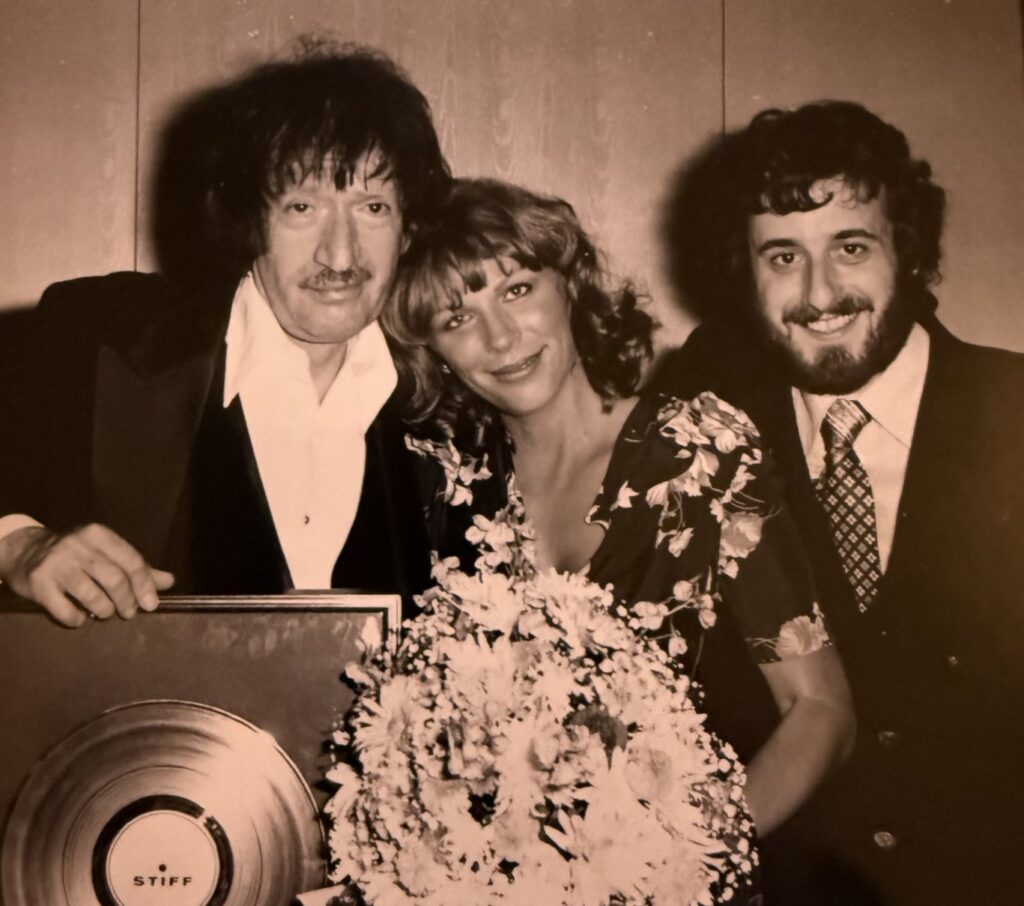
BMR MH
B. Mitchell Reed (l), his wife Carol (c), and Michael Harrison (r) at KMET, Los Angeles in the late seventies.

Walter Sabo has been a C-Suite action partner for companies such as SiriusXM, Hearst, Press Broadcasting, Gannett, RKO General, and many other leading media outlets. His company, HITVIEWS, in 2007, was the first to identify and monetize video influencers. His nightly show “The Other Side of Midnight” is heard on WABC, New York and the Red Apple Audio Network 1:00 am – 5:00 am. His syndicated show, “Sterling On Sunday,” from Talk Media Network, airs 10:00 pm – 1:00 am ET, and is now in its 10th year of success. He can be reached by email at sabowalter@gmail.com. He can be phoned at 646-678-1110.

Industry News

Dickey Broadcasting Announces Expanded Lineup on Sports Radio 680 The Fan

680 the fan logo vertical1200x1200 300x300Dickey Broadcasting Company announces, “an exciting new chapter” for Sports Radio 680 The Fan in Atlanta as veteran broadcaster John Kincade joins Matt Chernoff weekdays from 2:00 pm to 6:00 pm for the all-new “Kincade & Chernoff Show.” The pairing brings together two of Atlanta’s most respected and recognizable sports radio personalities. The new show will feature the latest sports news, interviews, and debate.
As part of this programming change, station personality Chuck Oliver will continue to play an “impactful” role on The Fan while expanding his focus on “The Chuck Oliver Show,” heard across the Southern Sports Today Network. According to station management, Oliver remains an integral part of 680 The Fan’s programming and will continue to provide the station’s signature college football coverage and analysis through exclusive segments, special features, and fan-favorite promotions including “Win Chuck’s Dinner.”  With his nationally recognized expertise, Oliver will also devote additional attention to growing “The Chuck Oliver Show,” further expanding coverage of SEC and ACC football, the College Football Playoff, recruiting, and the biggest stories from across the college football landscape throughout the Southeast.

“This is an exciting opportunity for all of our brands,” said David Dickey, president of Dickey Broadcasting Company. “John and Matt are an outstanding combination for afternoon drive, and our listeners should know that Chuck Oliver isn’t going anywhere. Chuck remains a huge part of The Fan and will continue to be our premier voice for college football through regular appearances, features, and promotions, while also expanding the reach of ‘The Chuck Oliver Show’ across the Southern Sports Today Network. These moves strengthen our commitment to delivering best-in-class sports programming both locally and throughout the Southeast.”

Industry News

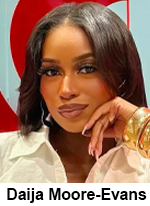
IHeart Philadelphia Promotes Daija Moore-Evans to Digital Content Manager

Daija Moore EvansiHeartMedia Philadelphia announced today (8/6) that Daija Moore-Evans has been promoted to digital content manager, effective immediately. In her new role, she will lead the market’s digital content efforts across iHeartMedia Philadelphia’s six-station cluster, which spans music, talk and news formats, driving audience growth and engagement across broadcast, digital and social platforms. In this role, Moore-Evans will lead the cluster’s digital content strategy, audience engagement, and social media initiatives. She will oversee the development and execution of digital content designed to expand audience reach, strengthen brand engagement, and support the company’s on-air and online platforms. She reports to Jeff Hurley, SVP of programming, iHeartMedia Philadelphia. Hurley tells TALKERS, “Daija has already made a tremendous impact on our team, and this promotion is well deserved. Her creativity, work ethic, and vision make her the perfect person to lead our digital efforts into the future.”

Industry News

Tulsa News/Talker KRMG to Move FM Dial Position


KRMG

Zoellner Media Group announced an upcoming frequency realignment involving two of its flagship radio stations, music-formatted Mix 96.5 and news/talker 102.3 KRMG. As part of this strategic move, Mix 96.5 and 102.3 KRMG will transition to new positions on the FM dial, Mix 102.3 and 96.5 KRMG, reportedly “enhancing signal reach and strengthening the listener experience across the Tulsa market.”  Group owner, Dr. Robert Zoellner tells TALKERS, “We are always looking for ways to better serve our listeners and our community. This frequency realignment allows us to strengthen our signal presence and ensure that both Mix and KRMG are positioned for continued growth and long-term success. It’s an exciting step forward for our company and for the audiences we serve.” The transition will take place on August 31, 2026, and listeners will be guided through the change with on-air messaging and promotional support to ensure what station management describes as “a seamless experience.”

Industry Views

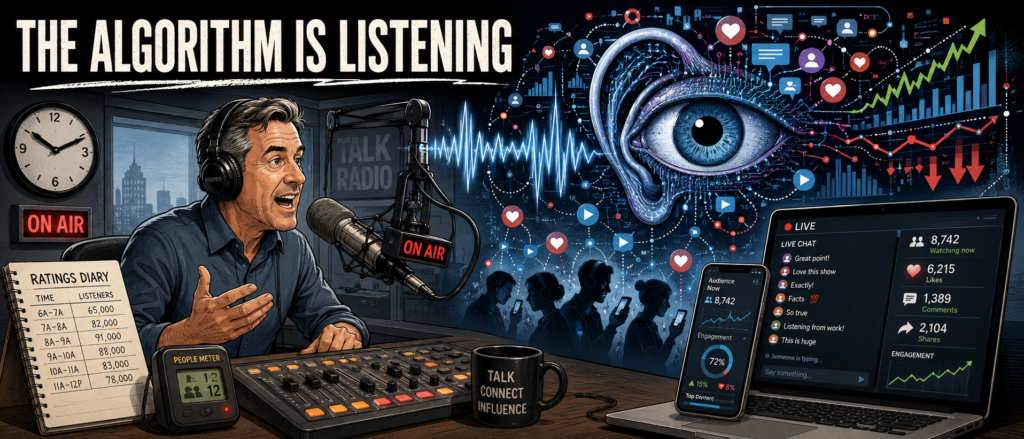
The Algorithm is Listening

1527a63f d481 4de5 8636 2bcf88a23c44

img

By Matthew B. Harrison
TALKERS, VP/Associate Publisher
Harrison Legal Group, Senior Partner
Goodphone Communications, Executive Producer

Radio once measured the audience… now digital platforms use the audience to decide what happens next

Radio programmers have always watched the audience. The difference for programmers today is that the audience can now watch back, respond instantly, influence the show, and determine whether the next person ever receives it.

That is the practical meaning of an algorithm for a broadcaster. It is not a mysterious robot hiding inside the black box of an enigmatic social platform. It is a set of instructions used to make decisions. On YouTube, Facebook, TikTok, Spotify, Twitch, and other services, those instructions help determine which content gets shown, to whom, in what order, and under what circumstances.

Radio has used simpler forms of algorithmic thinking for decades. A music clock is a set of instructions. So is a rule prohibiting two songs by the same artist within a specified period. Or two female vocals in a row. A programmer who schedules news at the top of the hour, traffic twice an hour, and the strongest feature before a commercial break has created a decision system.

Digital algorithms do something more consequential. They do not merely organize the program. They organize the audience around each individual piece of content.

From diaries to PPM

The traditional radio diary asked selected listeners to record what they heard and when they heard it. Nielsen defines the diary as a measurement method in which respondents manually record their listening habits. Those reported habits are then used to estimate listening across a larger market.

The system was necessarily crude. A diary could show that someone reported listening to a station during morning drive. It could not reliably establish whether that person loved the program, ignored it, hated it, stayed because the station was playing in a waiting room, or simply remembered the call letters incorrectly.

Still, the diary produced an enormously valuable number. Ratings influenced advertising rates, station formats, talent contracts, syndication opportunities, and management decisions. The ratings service measured the audience, but the station still controlled the programming and the transmitter.

The Portable People Meter changed the speed and granularity of that feedback. PPM panelists carry a small device that detects inaudible identification codes embedded in participating broadcasts. Instead of relying entirely on a listener’s memory and written entry, the meter passively detects exposure to encoded audio.

That gave programmers something closer to immediate feedback. They could study audience movement within smaller portions of a show, identify apparent tune-out points, compare features, evaluate commercial breaks, and make changes much more quickly.

PPM therefore became the bridge between traditional ratings and algorithmic distribution. The diary remembered the audience. PPM observed the audience more closely. Both still produced information for human beings to interpret.

A programmer could see a decline and decide to shorten a segment. The meter did not shorten it. A consultant could conclude that a feature hurt retention. The PPM system did not prevent tomorrow’s listeners from hearing it.

The algorithm closes that gap.

(more…)

Industry Views

Monday Memo: Trust is the New Currency

By Holland Cooke
Consultant

Holland Cooke

It is now the ultimate competitive advantage, and for broadcasters it’s a survival strategy. In The Five-Year Century: Bold Leadership and Accelerated Outcomes in the Age of AI, Mihir Shukla and Nancy Hauge explain how—as artificial intelligence accelerates change and demographics reshape the audience—trust becomes the only durable asset radio and television can bank on.

The book describes a 2026 world where the “twin engines” of growth—population and productivity—have stalled. Birth rates are plunging, workforces are shrinking, and productivity has flatlined across most industries. Meanwhile, AI is compressing decades of innovation into months. This collision creates what the authors call “The Five-Year Century,” in which the pace of change overwhelms institutions built for slower times—broadcasting, for instance.

Radio and television were built on industrial-era assumptions: mass audiences, standardized programming, rigid schedules, and hierarchical decision-making. Those assumptions worked when the audience was broad, predictable, and captive. On February 9, 1964, the Beatles tripled Ed Sullivan’s ratings. Back to the future…

AI is rewriting the rules of content creation, distribution, and consumption. Personalized news feeds, customized ad loads, and algorithmic programming are expectations. Younger audiences don’t wait for a newscast; they expect a feed. They don’t tune in; they scroll. They don’t accept one-size-fits-all; they demand one-size-fits-me.

In this environment, trust becomes the new currency because it’s the one thing AI cannot manufacture.

Broadcasting’s advantage has always been credibility. When a storm hits, people still turn to local radio. When a shelter-in-place alert hits their phone, they still switch on local TV. That instinct is powerful, but it’s not permanent. Trust must be earned continuously, especially as AI-generated misinformation floods the ecosystem.

The book’s chapter on the “Trust Economy” makes a critical point: trust accelerates outcomes. High-trust organizations move faster, innovate more boldly, and adapt more effectively. For broadcasters, trust accelerates audience loyalty, advertiser confidence, and community relevance. But trust now requires new behaviors.

It requires transparency about how AI is used in newsrooms. It requires clarity about what is human judgment and what is machine assistance. It requires authenticity as AI-generated talent becomes increasingly commonplace—and increasingly convincing.

Trust requires broadcasters to lean into what humans do best: context, empathy, moral reasoning, and community connection. The book reminds us that “work worthy of human potential” is work that machines cannot replicate. For broadcasters, that means storytelling, accountability journalism, and the human presence that makes local media local.

By all means, assign AI the routine tasks: editing, logging, transcription, versioning, and production. Then reinvest the human time you save in the relationship between a station and its community. In The Five-Year Century, trust isn’t just a virtue. It’s a conspicuous differentiator. It’s the currency that will determine which broadcasters thrive and which fade into the noise of an algorithmic world. As our industry suffers workforce cutbacks, we risk downsizing trust.

To read two sample chapters and watch a short video interview with the authors, click here.

Holland Cooke is a consultant working at the intersection of broadcasting and the Internet. Follow HC on Twitter @HollandCooke and connect on LinkedIn.

Industry News

Audacy to Shut Down KXNT, Las Vegas

Longtime KXNT, Las Vegas host of the station’s morning show “News at 8,” Alan Stock delivered the sad news of the station’s demise to his listeners this past Friday.  Photo credit: the Las Vegas Review-Journal.   

After nearly 40 years as a mainstay of Las Vegas radio broadcasting, News Talk 840 KXNT will be going dark effective September 1.  Parent company, Audacy announced its plan to shut down the iconic news/talk outlet this past Friday (7/31) on longtime Las Vegas radio talk show host Alan Stock‘s one-hour morning program, “News at 8.” According to a report by John Katsilometes in the Las Vegas Review-Journal, Stock stunned his audience with the statement,  “I have an important update for our listeners. Effective September 1, News Talk 840 KXNT will conclude its broadcast operation.” Stock continued reading from a prepared statement: “To put it simply, the station’s transmitter site is shutting down. Our parent company, Audacy, explored a number of alternative transmission options, but ultimately wasn’t able to identify a technically and financially viable long-term solution. This wasn’t an easy decision. I know KXNT has been a part of this community for a long time, and it’s been an honor to spend time with you every day.” Stock continued, “I’m incredibly grateful to our listeners, our advertisers, and everyone who has made the station such an important part of Las Vegas.”  The article in the Friday NEON section of the Vegas publication went on to report that according to Audacy, Stock’s show will move to the company’s other Las Vegas news/talk property, KDWN 101.5-FM in its 8:00 am weekday time slot beginning Tuesday, September 1. At this point, Stock’s “News at 8” is the only locally-produced talk show on KXNT, a conservative platform that is otherwise home to nationally syndicated programming. The report states, shows hosted by such right leaning voices as Glenn Beck and Mark Levin will end their programming in Las Vegas, but still be available nationwide, as the station signs off. Station SVP/market manager Gina Massenzi said the station’s approximately 40 full- and part-time staffers would remain with the company. KXNT-AM 840 signed on under the call letters KVEG in 1986, mixing talk and middle-of-the-road music. In 1997, KVEG changed its call sign to KXNT, the “NT” standing for “News/Talk.”

Industry News

Radio Hall of Fame Announces “Legends” Inductees

imgThe Radio Hall of Fame announced today (8/3) the selection of nine 2026 Legends inductees. These individuals were selected by the Radio Hall of Fame’s 2026 Nominating Committee, which meets annually to recognize deceased individuals who made significant contributions to the radio industry. The Radio Hall of Fame is housed within the Museum of Broadcast Communications in Chicago.

The following nine radio legends take their place in the Radio Hall of Fame immediately:

  • Lin Brehmer — on-air personality
  • Vivian Carter — on-air personality and record company executive
  • Dale Dorman — on-air personality
  • Gary Krantz — network radio and syndication executive
  • Wink Martindale — on-air personality, game show host, and television producer
  • B. Mitchell Reed — on-air personality
  • Pierre Robert — on-air personality
  • Polito Vega — on-air personality
  • D.E. “Duke” Wright — radio station owner and executive

Dennis Green, co-chair of the Radio Hall of Fame, tells TALKERS: “The Radio Hall of Fame is proud to honor this year’s Legends inductees, whose extraordinary careers have helped define the history and enduring impact of radio. From iconic on-air personalities to visionary executives, each has left an indelible mark on our industry and earned their rightful place in the Radio Hall of Fame.”

Kraig Kitchin, co-chair of the Radio Hall of Fame, adds: “It’s an honor and privilege to witness the induction of these radio industry legends. We hope this recognition of their industry contributions benefits their family, colleagues, friends, and listeners.”

The Radio Hall of Fame will recognize its 2026 class of inductees at the 2026 Radio Hall of Fame induction ceremony on Thursday, October 8, 2026, at the Fairmont Chicago. Tickets are on sale now at RadioHallOfFame.com. A portion of each ticket purchase is a tax-deductible charitable donation to the Museum of Broadcast Communications.`

Industry News

WTOP Ends 103.9 FM Simulcast; K-Love Takes Over

Hubbard Broadcasting’s all-news WTOP-FM, Washington will cease its simulcast on the Frederick, Maryland station imgWTLP-FM (licensed to Braddock Heights) at 103.9 FM and the company will begin leasing it to the Christian music network K-LOVE on August 1. WTOP general manager Joel Oxley states, “Our main signal on 103.5 FM covers most of Frederick County’s population and with the advent of streaming, listeners can get us anywhere in the country.” WTOP began simulcasting on 103.9 FM in 2007.

Industry Views

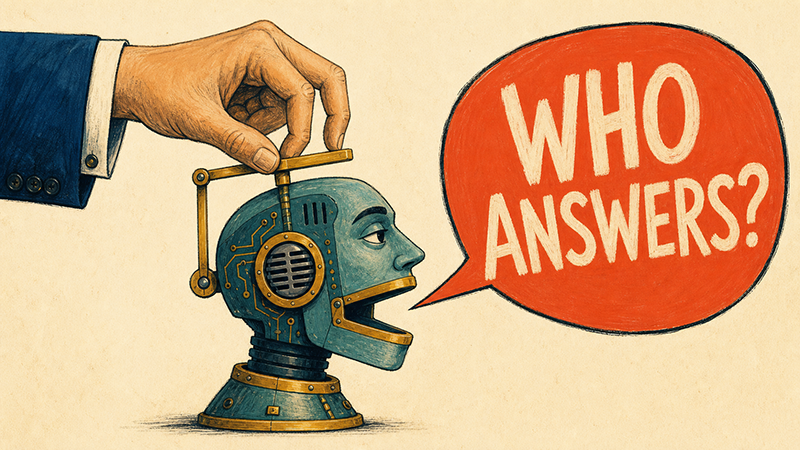
When AI Speaks, Who’s Accountable?

img

By Matthew B. Harrison
TALKERS, VP/Associate Publisher
Harrison Legal Group, Senior Partner
Goodphone Communications, Executive Producer


imgNew laws may hold AI companies responsible, but regulating machine-generated speech presents risks of its own.

Florida recently sued OpenAI and CEO Sam Altman, alleging that they marketed ChatGPT while concealing known safety risks. California has taken a different approach: a company accused of causing harm cannot defend itself simply by saying the AI acted autonomously. Neither development guarantees liability, but both signal that “the AI did it” may no longer work as a legal escape hatch.  

That sounds sensible. An AI model cannot pay damages, carry insurance, exercise professional judgment, or go to jail. If a company releases a system, profits from it, and markets it as useful or reliable, the law should at least ask what the company knew, promised, and reasonably could have prevented.

Mark Walters – host of Armed America Radio – learned how difficult that can be. ChatGPT falsely reported that he had been accused of embezzling money from a gun-rights organization. Walters sued OpenAI for defamation, but a Georgia court granted the company summary judgment in 2025, finding insufficient evidence that OpenAI knew the output was probably false. The machine was wrong; the legal remedy failed.

The harder question involves speech. Colorado adopted requirements intended to prevent discriminatory automated decisions, prompting AI to sue on First Amendment and equal-protection grounds. The Federal Trade Commission has now suggested that secretly steering a model away from the accurate or objective answers users expect could itself constitute consumer deception.

This presents a genuine slippery slope. Government should protect people from fraud, defamation, discrimination, dangerous products, and nonconsensual deepfakes. It should not acquire a broad power to decide what an AI system must identify as “truth,” particularly in areas involving politics, history, public policy, or contested scientific opinion.

For broadcasters and content creators, the immediate lesson remains familiar. AI may assist with research, writing, editing, and production, but it does not inherit responsibility for the finished product. The person or company that publishes the words still needs to verify them, while the companies building the machines should not escape scrutiny merely because no human typed the final sentence.

Accountability should follow control, knowledge, and profit. The challenge will be imposing that accountability without turning AI regulation into government supervision of lawful speech.

Matthew B. Harrison is a media and intellectual property attorney who advises radio hosts, content creators, and creative entrepreneurs. He has written extensively on fair use, AI law, and the future of digital rights. Reach him at Matthew@HarrisonLegalGroup.com or read more at TALKERS.com.

Industry News

MIW Announces Fourth Annual Speak Up! Mentorship Program

Mentoring and Inspiring Women in Radio says the application window is open for its Fourth Annual Speak Up! Mentorship Program in partnership with Media Staffing Network. The application period runs through imgFriday, August 28. The program was created in honor of the late founder of Media Staffing Network, Laurie Kahn. MIW says Speak Up! is a year-long mentorship program designed to empower women working in small- and medium-market radio stations across all departments. One outstanding candidate will receive personalized mentorship from MIW’s network of female broadcast leaders, complemented by executive coaching from Media Staffing Network’s certified coaches. Get more info and apply here.

Industry News

Kings County Conservative Party Honors Dominic Carter with American Heritage Award

By Robert Pearl

imgVeteran journalist, author, political commentator, and 77WABC Radio personality Dominic Carter was honored with the American Heritage Award at the Kings County Conservative Party’s Annual American Heritage Reception on July 23 at the Knights of Baron DeKalb in Sheepshead Bay, Brooklyn. The event celebrated Carter’s more than four decades in broadcast journalism, recognizing his distinguished career as a radio host, television commentator, author, and one of New York’s most respected media voices.
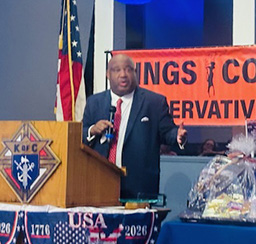
Hosted by Kings County Conservative Party and Chairwomanimg Frances Vella Marrone, the reception brought together elected officials, candidates, community leaders, and supporters to recognize Carter’s professional achievements while celebrating the values of perseverance, public service, and the American Dream.
Presenting the award, Vella Marrone praised Carter’s remarkable journey from a difficult childhood in a Bronx housing project to becoming a nationally recognized broadcaster.

“Where you begin in life does not determine where you can go,” she said, describing Carter as someone whose life story reflects the opportunities made possible through determination, personal responsibility, and hard work. She also commended his willingness to openly share his experiences through his journalism and bestselling memoir, “No Momma’s Boy”, inspiring listeners and readers far beyond New York City.

Accepting the honor, Carter explained that he had undergone surgery less than 24 hours earlier but was determined to attend.

“I was not going to miss this event,” he told the audience. “The Conservative Party has saved my life.” Carter reflected on his upbringing in public housing and his political evolution, saying he came to embrace the values of work, family, accountability, and opportunity. “I was a lifelong Democrat… but the Democrat Party left me. I didn’t leave them,” he said, noting he proudly shares those beliefs on the air and during speaking engagements nationwide.

One of the evening’s heartfelt moments came when Carter invited his son, Dominic Jr., and wife, Marilyn, to the stage. Sharing that doctors once believed his son would never graduate from high school because of epilepsy and a learning disability, Carter proudly announced that Dominic Jr. earned two college degrees.

“Never let anybody define who you are,” Carter said, drawing sustained applause.

Vella Marrone thanked supporters and volunteers for strengthening the Kings County Conservative Party and encouraged continued grassroots involvement.

“We’re going to keep fighting and fighting,” she said, urging attendees to remain engaged in preserving liberty and opportunity through civic participation.

Additional remarks were delivered by Conservative Party State Chairman Gerard Kassar, Assembly Minority Leader Edward Ra, Assemblyman Alec Brook-Krasny, and other elected officials, all of whom praised Carter’s broadcasting career and contributions to journalism. The evening concluded with a standing ovation, featuring book signings, and photographs as guests celebrated Carter’s enduring impact on New York media and public discourse.

Robert Pearl is a Brooklyn-based journalist who writes about New York City media, politics, and culture.  He can be emailed at pearlknows@yahoo.com.

Industry News

Abernethy to Chair BFoA Golf Tournament

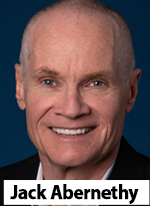
FOX Television Stations CEO Jack Abernethy will serve as chair of the Broadcasters Foundation of America’s 2026 Celebrity Golf Tournament on Monday, September 14, at Siwanoy Country Club in Bronxville, New York. Abernethy says, “The BFOA Celebrity Golf imgTournament is one of the industry’s signature events. It offers a unique opportunity to play one of the region’s premier courses while spending the day with colleagues, industry leaders, and celebrities, all in support of a charity that provides a vital lifeline to our fellow broadcasters when they need it most.” All proceeds from the tournament directly benefit the BFOA’s charitable mission.
Industry News

TALKERS News Notes

The Divorce Hour Hits Five-Year Mark. “The Divorce Hour,” hosted by acclaimed divorce journalist and advocate Ilyssa Panitz, proudly celebrates its fifth anniversary on CRN Digital Talk Radio. CRN says, “‘The Divorce Hour’ has become a staple and respected voice in the divorce and relationship space, featuring carefully vetted attorneys, financial planners, therapists, mediators, coaches, authors, wellness experts, celebrities, and other notable guests. Every episode is carefully designed to educate, inform, inspire, and empower listeners with the knowledge and confidence they need to navigate one of life’s most difficult transitions.”

NHPR Promotes Content Leaders. New Hampshire Public Radio names 16-year NHPR staffer Rebecca Lavoie the organization’s first chief content officer. Lavoi, who previously ran NHPR’s podcast studio, will ensure that NHPR’s journalism and programming meet its business objectives and strategic goals. Additionally, NHPR promotes news director Dan Barrick to vice president of news.

Industry News

JFMN Releases Network Listening Report

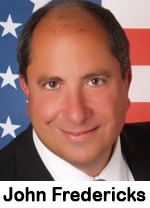
Talk media entrepreneur John Fredericks – owner of the John Fredericks Media Network that’s comprised of more than a dozen signals in five states – reports that its combined monthly audience for June 2026 across radio, television, streaming, digital, and social media platforms achieved a 2.7-million-person audience reach. JFMN says the achievement reflects its expansion as an independent multimedia platform. John Fredericks states, “We built this network from the ground up without corporate owners, private imgequity, or Wall Street investors. We answer to one group: our audience. This milestone proves there’s tremendous demand for independent voices delivering news, politics, sports, and commentary people can trust. Truth and clarity are making a comeback.” Company CEO Anne Fredericks adds, “We strive to cover what matters most in people’s daily lives: their country, their community, and their sports teams. News, talk, and sports are simply different expressions of the same mission: giving people truthful information, honest perspective, and a voice. What makes the John Fredericks Media Network different is our independence. No newsroom hierarchy, no C-Suites, no suits and no boardrooms.”
Industry News

TALKERS News Notes

KIRO-FM Debuts Home Improvement Show. Bonneville’s KIRO-FM, Seattle “Newsradio 97.3 FM” will launch “Inside Out with Tami Michaels” on August 8 airing from 2:00 pm to 3:00 pm. KIRO says the home improvement show will bring listeners an entertaining and informative mix of interior design trends, practical how-to advice, innovative home and lifestyle products and services, pet topics, and more.

WPEN-FM Becomes “97.5 LeBron – Home of King James.” Following Friday’s news that LeBron James is joining the Philadelphia 76ers, Beasley’s sport talk WPEN-FM “97.5 The Fanatic” is celebrating by temporarily rebranding the station “97.5 LeBron… Home of King James!” Program director Scott Masteller comments, “These are the moments sports radio is built for. Philadelphia has been waiting for this day, and every conversation is about LeBron and the Sixers. From the first show this morning through the final segment tonight, we’re bringing fans everything they need to know about one of the biggest stories in NBA history.”

Industry News

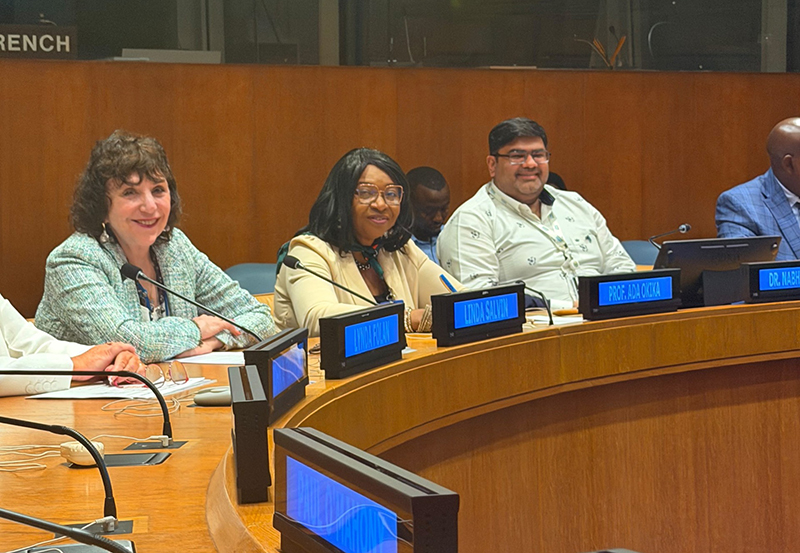
Prolific Talk Radio Guest, Dr. Linda Salvin Addresses African Clean Water Crisis at UN.

img

One of talk media’s most popular guests (and former radio host) on a wide range of subjects from metaphysics to epidemiology, Linda Salvin, PhD, recently spoke (7/16), during her current New York City media tour, at a special meeting at the United Nations where she serves as a representative and speaker for the international organization’s Water & Sanitation for Africa. The WSA is a pan-African intergovernmental agency that holds Permanent Observer status at the UN. Operating under this mission, the organization actively promotes clean water, sanitation initiatives, and recently launched Africa’s first Three Tier Sanitation Club to empower youth and students. Dr. Salvin (l) is pictured at the discussion along with Professor Ada Okika (c), and Dr. Nabhit Kapur (r) along with a wide array of international experts and spokespersons. She tells TALKERS, “2.2 million people in the world are still without water. As a former epidemiologist, I know cholera, dysentery dehydration, salmonella, and other diseases are rampant. The goal is to have fresh water – especially for women and children worldwide.  We take it for granted. They walk miles for water. I’m proud of this assignment.”  The Southern California-based Dr. Salvin continues, “I’m going to be a guest with Walter Sterling on his “The Other Side of Midnight” show on WABC Tuesday, July 21st at 1:00 am ET, 10:00 pm PT. I’m really looking forward to joining such an icon.”  Dr. Salvin’s website is www.LindaSalvin.com.

Industry News

Skyview Networks Announces Organizational Changes for “More Focused Leadership”

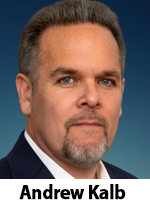
Skyview Networks is unveiling a series of organizational moves that president and CEO Steve Jones says are “designed to sharpen strategy, improve alignment and increase efficiency across the company. These changes create clearer, more focusedimg leadership around the priorities that matter most, and I’m confident they will help us move quickly, enhance innovation and stay at the leading edge of a changing media landscape as we build toward the future.”
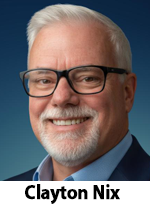
Among those changes are Andrew Kalb rising to chief operating officer. Jones says his new title and oversight reflect the leadership role he plays across the organization, a change imgintended to strengthen coordination and execution across our operational functions. Clayton Nix is now chief financial officer. Jones says Nix has become an instrumental member of the executive team in guiding the company’s financial direction, and this title reflects both his growing responsibilities and his impact in shaping our strategic decisions, enhancing partner service and delivering industry insight through reporting and analytics.

Additionally, Sarah Foss joins the company in the role of chief transformation officer in which she’ll work closely with executive leadership to drive key initiatives across the company and ensure disciplined execution. Ethan Aragon rises to senior executive director, business strategy, and Nicholaus Tzineff joins the company as revenue analytics strategist.

Industry News

Nielsen: Audio Still the Backbone of Podcast Consumption

Nielsen issues the results of data from an analysis of consumers’ consumption of podcasts. The study finds that while more people are seeing video-enabled podcasts, audio remains the absolute foundation of the ecosystem, with 90% of all monthly podcast consumers choosing to listen, while 62% engage by watching. imgOther key findings include: Sports content acts as a unique bridge between listening and watching experiences, drawing the closest parity between listeners and viewers across top genres; Format choice signals entirely distinct consumer mindsets: the highly structured, utility-driven “Pragmatic Listener” versus the entertainment-seeking, visually focused “Interactive Watcher.”; and Conversion mechanics differ by format, with audio consumers acting as direct digital responders and video watchers acting as high-intent brand translators and social amplifiers. See the report here.

Industry News

Buffalo Bills Radio Network Adds Affiliates in NYC and West Palm Beach

During the spring, the NFL’s Buffalo Bills announced they would, through a deal with Good Karma Brands, take production and distribution of Bill radio play-by-play in house after years of imgAudacy’s sports talk WGR-AM, Buffalo serving as the flagship station. Now, the team announces that it has 23 stations signed up as affiliates, including Good Karma-operated WHSQ-AM, New York City (formerly WCBS-AM at 880 kHz) and WESP-FM, West Palm Beach “ESPN West Palm” – both stations operated by Good Karma. In the Buffalo market, games will be heard on Cumulus Media’s rock WGRF-FM.

Industry News

Nielsen: Removing Radio from Cars a “Multi-Billion Dollar Gamble”

Nielsen is saying that an In Car Radio Study that it conducted in partnership with iHeartMedia in May 2026 shows that auto manufacturers are risking alienating their customer base by not including AM/FM radios in new cars. Nielsen says, “Despite the influx of modern infotainment options, the study of over 1,000 recent and prospective car buyers highlights that traditional radio imgremains bedrock equipment.” Some of the findings include: 1) Around half of all respondents stated they would outright refuse to purchase a vehicle that lacks an AM/FM radio; 2) More than seven in 10 consumers view AM/FM radio as an essential feature that should come standard as basic equipment in all new vehicles. This places its perceived importance on par with smartphone integration (Apple CarPlay/Android Auto) and significantly ahead of satellite radio or built-in subscription music apps; 3) Around half of respondents indicated that if an OEM decided to completely remove AM/FM radio from its lineup, they would instantly have a less favorable perception of that car brand; and 4) This brand erosion and purchase refusal is significantly more pronounced among buyers aged 55+, creating a massive hurdle for brands relying on loyal, returning buyers. Read the report here.