 By Andy Gladding, Ed.D.
WMCA 570 / WNYM 970 Radio, NY
WRHU 88.7 FM, Hofstra University
Chief Engineer
Following the 2024 election cycle, there has been a flurry of conversation and speculation over the diminishing role linear media played in deciding the outcome of high-profile national races. With both the Trump and Harris teams choosing to heavily engage with social media influencers, digital media outlets and podcasters, campaign operatives have demonstrated that they are willing to shift their political ad spending into newer forms of broadcast messaging. This has called into question just how much influence and effectiveness legacy media has over audiences in the current media market.
However, not every country shares this perception. In 2020, WRHU Radio Hofstra University in New York formed an alliance with 89.5FM Bush Radio in Cape Town, South Africa. Bush Radio is the oldest community radio station in South Africa, having long been an established voice for the Cape Town area since the early 1990s. With programming in three languages and a highly diverse staff, the station is deeply ingrained in the fabric of the Cape Town media space. The parallel goals of WRHU and Bush Radio, specifically emphasis on local journalism, community programming and educational radio training, provided a strong foundation for the stations to build this joint venture. The purpose of this partnership was to explore the power and reach of community radio in each station’s respective broadcast area. Since the inception of this relationship, both stations have enjoyed a continuous flow and exchange of ideas, goals and programming, even co-producing a weekly show called “1World Radio,” which highlights news, talk and music content featured WRHU and Bush Radio.
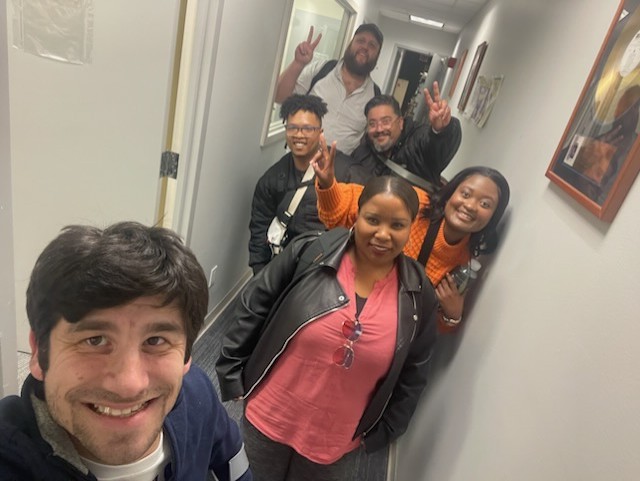
Bush Radio journalists Jasnine Roberts, Lydia Marwanqana, Renato Van Schalkwyk, and Adrian Louw tour the Salem Radio New York facilities with chief engineer Andy Gladding (pictured in rear) and assistant production manager Alex Garrett (pictured in front).
As part of this alliance, the stations were able to engage in a radio exchange program commencing just before the 2024 U.S. elections. With monies gained from a cultural grant, Bush Radio sent five radio journalists abroad to New York and Washington, DC to cover the national elections. The purpose of this trip was for the Bush Radio journalists to have the opportunity to see the American democratic process up close and later report their findings back to the Cape Town listening audience.
During the New York leg of their journey, I had the pleasure of offering our colleagues from WRHU’s “sister station” an up close and personal look at some of the New York’s finest broadcast institutions. The Bush Radio journalists, using WRHU as their base of operations, had the chance to visit New York Public Radio, Salem Media of New York, Long Island News Radio and fellow NCE broadcasters at WHPC and WCWP. Bush Radio members had the opportunity to interview local politicians, interface with student journalists and even participate in some radio broadcasts, including AM970’s “The Arthur Aidala Power Hour” “The One Leg Up Podcast” with Alex Garrett and WRHU’s Hofstra’s Morning Wake Up Call.
At the beginning of their visit, the Bush Radio team had a number of pre-conceived notions about the American electoral process, national media and cultural ideals. They were all aware of the large impact that American media has had on the rest of the world, with most of their impressions of the USA generally rooted in older idioms of American pop culture, specifically things they had seen on MTV, NBC, ABC and other international network programming originating from the United States. They believed the American elections were similar to the south African cycle, with campaigns lasting only for a few months and a generally receptive population to the post-election outcomes.
However, after spending some time in New York City, Washington, D.C. and Long Island conducting interviews and analyzing news reporting during their visit, their perspective was much different. The Bush Radio journalists were amazed at the drastic differences in reporting they saw across different news outlets. They observed that different stations were geared to provide favorable reporting to targeted audiences, which was something they noted didn’t happen back in South Africa. They were also surprised at how divided and polarized Americans were, summing the experience to how people would choose sides as if they were rooting for a favorite football or soccer team. Finally, they noticed that while the national media seemed to be coalescing around Harris as their preferred candidate, the polling was pointing towards a Trump victory. The stark differences between the bias of the media verses the national momentum was also surprising to them.
According to the Bush Radio journalists, they felt that linear network and community broadcasting carried a much larger influence back home than it did in the United States. They believed that this was partially because much of their domestic population does not have access to broadband internet, which meant that many still relied on terrestrial broadcasting to receive their information. However, they also observed that many people they spoke to had developed a distrust of the media. The South African journalists believed that much of this sentiment stemmed from apparent media bias, since the national reporting didn’t seem to accurately reflect the polling trends. They also pointed out that due to the wide array of media outlets and digital content providers that were available to the public, there seemed to be a dilution of credibility across all media sources, as the sheer volume of stories made it difficult for people to fact check all of the decentralized information.
However, the Bush journalists also observed that many Americans held the First Amendment in high regard. Freedom of speech and expression is a relatively young concept in post-apartheid South Africa. The journalists were amazed at the confidence and accessibility Americans presented when it came to sharing personal opinions or thoughts. This, according to the Bush Radio journalists, was not a widely accepted practice back home.
Many of the journalists were also amazed at the willingness of different groups to cross “traditional cultural lines” to vote for candidates that were from different ethnic backgrounds. They noted that back home, voters from specific racial backgrounds would generally align with candidates that were of a similar race. According to the journalists, this demonstrated that the idea of being “American” alongside the marketing of a candidate was a unique force that could work against ingrained or learned racial stereotypes and biases.
Despite the contentious nature of the elections and the high level of emotion generated by the outcome, the Bush Radio folks believed that the American democratic process was indeed intact and that their role as community radio journalists was now more important than ever. They noted that if they could be the “standard-bearers” of the news and produce reliable and credible content, it would draw greater listenership to their linear programming. According to the journalists, credibility was the most important element a radio station could have, especially as people around the world look for new ways to consume information. They acknowledged the fact that regardless of our cultural differences, they saw a similar passion for broadcasting and community service among their radio counterparts in New York, especially after interfacing with the students at WRHU. They also learned a very valuable lesson during their visit, specifically that New York pizza has the power to bring opposing groups together, as it was their observation this celebrated cuisine seemed to be served at every management meeting that required uncomfortable discussions or decision making. As one of the Bush journalists exclaimed after enjoying his first slice, “this pizza could solve all of the world’s problems.”
As a continuation of the WRHU-Bush Radio partnership, members of WRHU have been invited to travel to Cape Town in February and participate in the reporting on the results of the South African elections. Based on the feedback from the South African journalists, I am confident that this experience will be just as rewarding and exciting as it was for the Bush Radio participants.
1World Radio airs every Tuesday between 4:00 pm and 5:00 pm on WRHU, Radio Hofstra University.
Dr. Andrew Gladding is the chief engineer of the Salem Media stations in New York City – WMCA 570 / WNYM 970 – as well as WRHU 88.7 FM, Hofstra University, where he also serves as a lecturer on communications. He can be reached at 516-527-0764 or andyg@nycradio.com.
Share this with your network



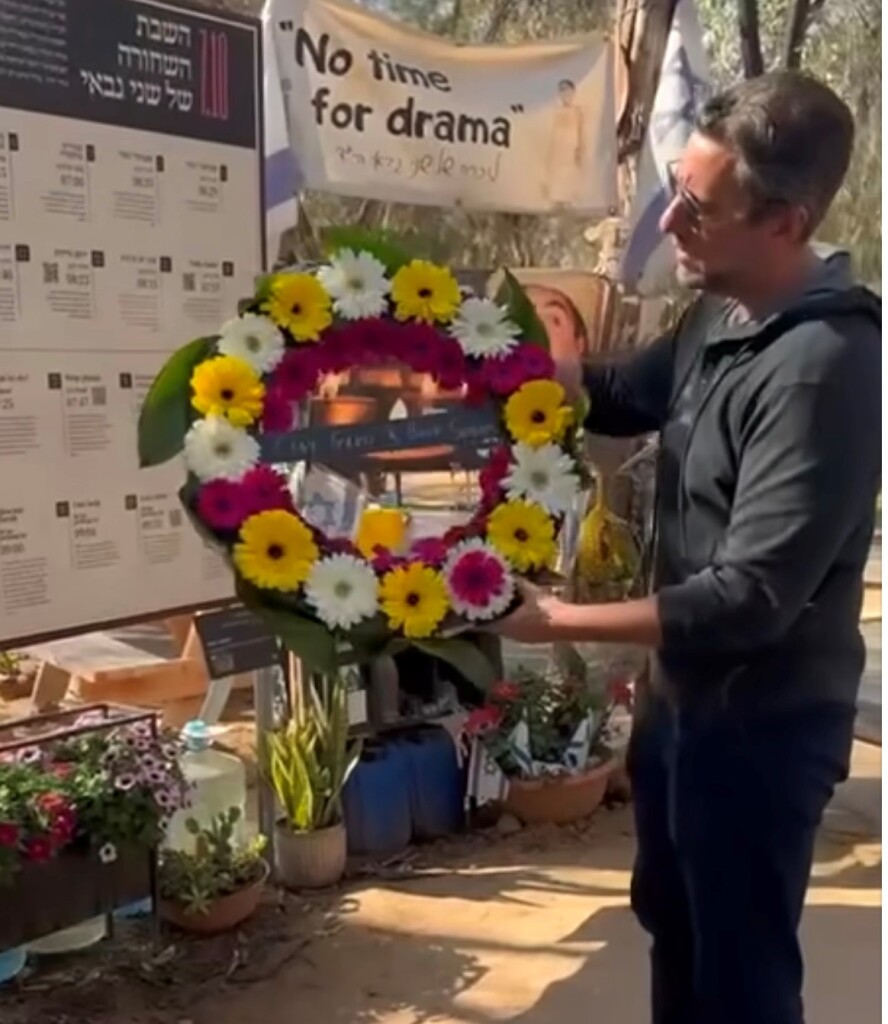
 Las Vegas-based, nationally syndicated (TMN) talk radio star, Daliah Wachs, M.D. continues her philanthropic ways. Each year, Opportunity Village holds its Magical Forest event in Southern Nevada that runs from Thanksgiving through the New Year. Opportunity Village helps those with intellectual disabilities and their families through enrichment, empowerment, and employment programs and services. Sponsors decorate a tree that comprises a huge beautiful magical forest, one of their largest fundraisers to fund their programs and employment placement. Wachs (pictured above with her “medical tree”) tells TALKERS, “It’s super cool and our show has helped support their mission for years. We create a medical tree with an EKG sign and it’s one of our favorite local charities we support.” Wachs is a member of the TALKERS Heavy Hundred and a past recipient of the TALKERS Humanitarian of the Year award.
 A grim day. They fired the whole band. You know who “they” are! Bloated management. The future of radio… ruined!
 Kylie Kelce, wife of former Philadelpia Eagles star Jason Kelce, sister-in-law of Kansas City Chiefs star (and Taylor Swift boyfriend) Travis Kelce, mother of three (with a fourth on the way), and Dunkin’ Donuts enthusiast, can add another descriptor to that incomplete list: No. 1 podcast host. Wickman writes, “I suspect Rogan will be back in first place soon, but for now, this ranking reinforces the Kelce family’s cultural dominance. (‘If everyone’s going to be talking about me and my family, you might as well hear it from me,’ she says in the show trailer.)” Kelce’s husband Jason and brother-in-law Travis host the popular “New Heights” podcast. The inaugural episode of “Not Gonna Lie,” featuring “It’s Always Sunny In Philadelphia” star Kaitlin Olson as a guest, was published on December 5, with new episodes planned to drop each Thursday. To read Wickman’s entire VF piece, please click
  Your topic is often plucked from the on-hour newscast, asking callers’ take on what you reckon to be top-of-mind and relevant to listeners you target.
 FOX Nation’s sixth annual Patriot Awards ceremony took place last evening in a sold-out event at the Tilles Center for Performing Arts in Brookville, New York on Long Island. Emceed by Long Island native and FOX News Channel’s top-rated primetime host Sean Hannity, the Patriot Awards honor and recognize America’s finest patriots, including military veterans, first responders and other inspirational everyday heroes. President-elect Donald Trump (pictured above) spoke at the event and was honored with the inaugural “Patriot of the Year” award. Introduced by Hannity, who presented the award, Trump delivered an upbeat address in which he outlined his goals, thanked FOX News and specifically praised Hannity for his friendship and service to the country.
 SiriusXM announced yesterday (12/5) the launch of the “Women’s Empowerment Network,” a new podcast network executive produced by SiriusXM Urban View host and Pulitzer Prize-winning journalist Karen Hunter. Launching on Monday, December 9, the “Women’s Empowerment Network” will debut with two new podcasts, with more original content set to premiere in the coming months. Available on the SiriusXM app and all other major podcast platforms, “The Women’s Empowerment Network” will offer a variety of new original shows, which will feature interviews with influential women from various industries and backgrounds, self-improvement tips, financial advice, mental health discussions, and more news relevant to women’s lives and careers.
 The network will also spotlight stories of resilience, activism, entrepreneurship, and community, with a focus on uplifting women in all walks of life. Among the first podcasts to premiere under the network is
  a daily podcast designed specifically to help women navigate the complex and evolving financial landscape. Hosted by a team of renowned financial experts, including Dr. Tonya Evans (cryptocurrency and intellectual property), Dr. Tisa Silver Canady (financial wellness and student loan debt eradication), Jacquette Timmons (financial behaviorist), and Ruchi Pinniger (financial coach and founder of “Watch Her Prosper”), this podcast will offer listeners practical advice and insights to help them make informed financial decisions and build lasting wealth. “The Women’s Empowerment Network is a destination where women can come together and be heard in ways that are authentic, uplifting, and transformative,” said Karen Hunter. “I’ve always believed in the power of women supporting each other, and I’m excited to have this new platform where we can rise together.” “Karen has a great talent for identifying emerging voices and building communities through audio,” Dave Gorab, VP/GM of SiriusXM’s talk programming. “I’m excited to see Karen’s vision for a new podcast network thrive while it has a meaningful impact on all who listen.” In addition to her new podcast, Hunter will continue to host “The Karen Hunter Show” weekdays from 3-6pm ET on Urban View channel 126.

 Early Bird Deadline for the Milestone 50th Gracie Awards Approaching. The AWM Foundation invites all content creators to submit their exceptional work for the historic 50th Annual Gracie Awards. With the Early Bird Deadline approaching on December 12, 2024, now is the time to take advantage of discounted entry fees and secure your place in celebrating the best in media. As the Gracie Awards commemorate 50 years of recognizing excellence, it is more important than ever to honor the exceptional talent in front of and behind the camera and microphone across radio, podcasting, television, streaming, and online programs in news and entertainment. The Gracie Awards recognize contributions from journalists, actors, hosts, producers, showrunners, writers, directors, and other roles that bring impactful stories to life. Each entry directly supports the AWM Foundation, with the Gracies serving as the largest fundraiser of the year. “This year’s milestone celebration reflects our continued commitment to honoring the talent that shapes the stories of our time,” said Becky Brooks, president of the AWM Foundation. “We encourage local media to participate and take advantage of the best rates and prepare to celebrate together in 2025.” For a complete list of new and updated categories for 2025, pricing, and submission guidelines, please visit
  In this newly updated edition, industry pros as well as aspirants will find a complete guide to becoming a successful communicator. Beyond Powerful Radio teaches time-tested techniques that work in any format – radio, TV, podcast, or digital. Learn how to get, keep, and grow audiences with powerful storytelling, and become a dynamic presenter. This book holds the tools needed to create winning content; tell compelling stories; build your brand; develop talent; produce a show; report the news; sell; and write commercials.
  Practical tips and methods from over 50 top experts from across the world of media illuminate interviewing, managing talent, becoming an authentic personality, and getting started in the business. This fully revised edition features new sections on podcasting, social media, storytelling, artificial intelligence, and cross platform synergy. Whether you’re a professional with years in the industry, an instructor with a class full of media hopefuls, or you are just starting out as a podcaster or radio host, this book will help you reach your goals. A full Instructor Manual is available with complete lesson plans for broadcast instructors. For more info, please click
  Tomorrow (12/5) at 7:00 pm, Townsquare Media’s New Jersey 101.5 (WKXW-FM) is presenting a special Town Hall broadcast, “Targeted: Protecting New Jersey Children from Online Predators,” confronting the crisis of online child predators, and how New Jersey children and parents are affected. In what is an alarming statistic, the FBI estimates that 500,000 predators are online daily, with kids between the ages of 12 and 15 most at risk. These predators are lurking on social media sites, online gaming platforms, chatrooms, and anywhere else popular with kids. New Jersey 101.5’s Eric Scott leads the news and digital departments in bringing listeners the most up-to-date information about the ever-changing ways predatory behavior manifests itself on the internet and connected devices. “Our kids are spending considerable time on the internet every day,” Scott warns. “Parents need to understand how to identify where predators are lurking and how to safeguard their children.” The program’s on-air guest panel includes John Pizzuro, CEO of Raven and former commander of the New Jersey State Police Internet Crimes Against Children Task Force; Alicia Kozak, internet safety expert and founder of The Alicia Project; Stephanie Lyon, licensed clinical psychologist and assistant professor of clinical psychology at Rutgers University; and Gina Cavallo, a consultant and vice president for the Board of Trustees for the New Jersey Coalition Against Human Trafficking. Online, the program will be streamed live and available for embedding at facebook.com/nj1015/live. The broadcast may also be accessed via nj1015.com, the New Jersey 101.5 YouTube channel, or the free New Jersey 101.5 app.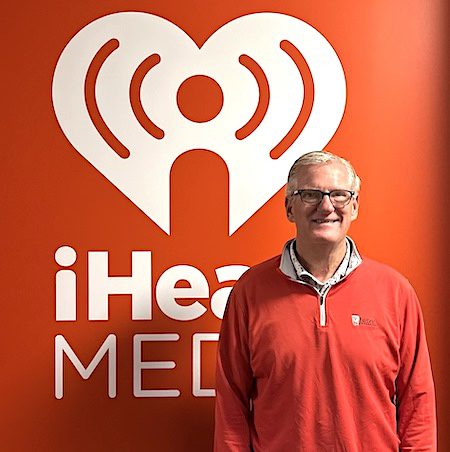
 iHeartMedia Philadelphia is teaming up with Boost Mobile and Cradles to Crayons® to launch the “Boost Up for Winter” campaign, a large-scale community coat drive in support of the Cradles to Crayons® Gear Up for Winter initiative. From now (12/2) until Sunday, December 22 the drive will aim to collect and distribute 20,000 warm winter coats and other essential items to children and families in need across the Greater Philadelphia area. Cradles to Crayons® distributes donated items via a robust network of Service Partner organizations including hospitals, schools, and community centers. As winter approaches, many families face the harsh reality of inadequate protection against cold weather. Too often, the cost of winter wear and boots are out of reach for the more than 300,000 children living in low-income or homeless situations in Greater Philadelphia. Through this campaign, iHeartMedia Philadelphia and its partners are committed to ensuring that local children have the clothing and essentials necessary to stay warm at home, at school, and at play throughout the season. For more information on the campaign, including participating Boost Mobile store locations please click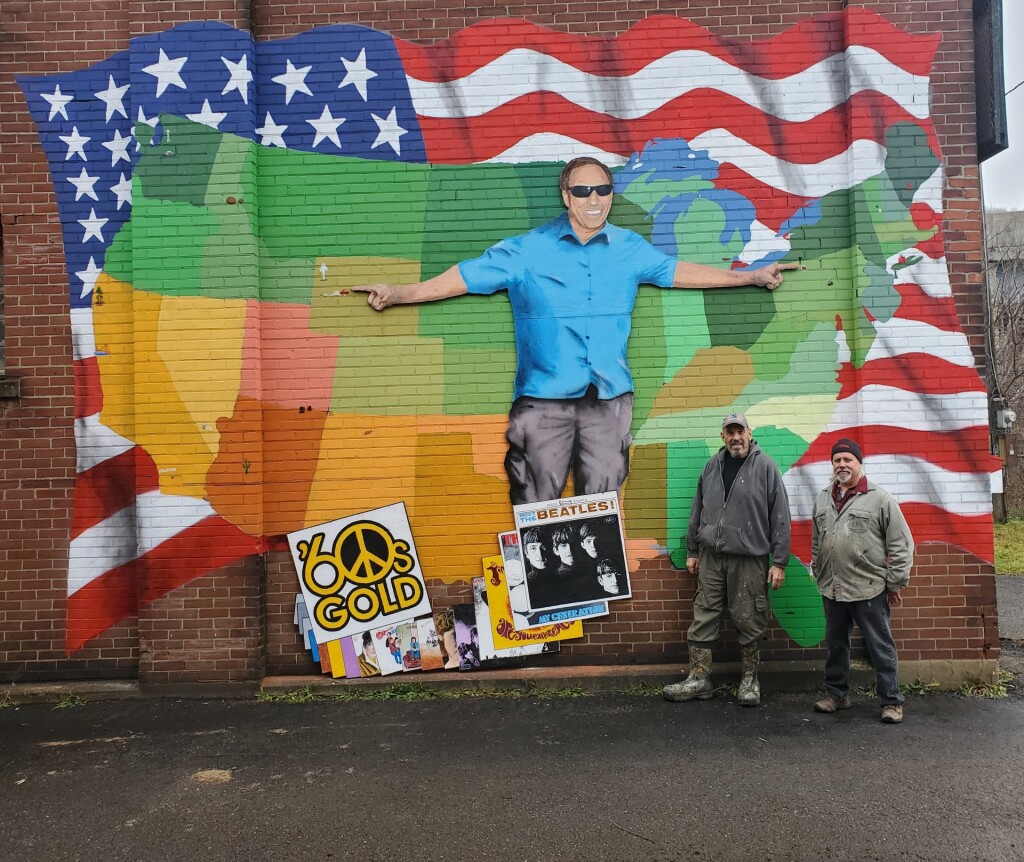
 Greg Souchick (l) and Rick Minard (r) expressed their appreciation for the popular music host with a huge mural on the side of a building in downtown Bradford at 181 Main Street. Phelps was overwhelmed by the rendering and said he’s headed up to north central Pennsylvania to see it himself. We’re not sure if any other radio talent has ever had such a tribute. Phelps said, “I’ve had a racehorse named after me and a flag flown over the U.S. Capitol, but I’m truly stunned by this incredible mural. My phans are phantastic!” Part of Phelps’ schtick is he spells all Fs with PH. He is known for his fast-talking, retro style of broadcasting and for making American geography a focal point of his show. TALKERS publisher Michael Harrison states, “Phelps is a remarkably creative disc jockey who uses the element of ‘talk’ in a most entertaining and productive way by tying local towns, villages and communities around America into his show and saluting each with special attention to detail. He is my seven-year-old grandson and geography buff, Oliver Harrison‘s favorite radio star. Don’t think I don’t take notice of such things.” Phelps is heard nationally on SXM’s channel 73 M-F 6:00 am – 12:00 noon ET.
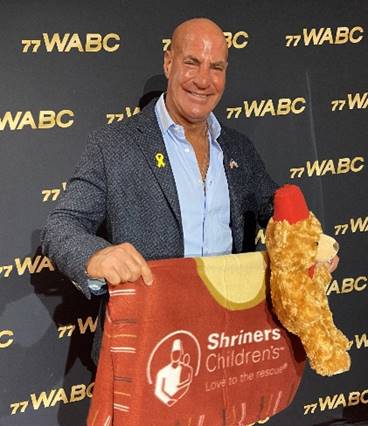 We See a Pattern of Philanthropy Developing Here.77WABC, New York has continually been using its powerful platform to support charities and people in need – in addition to creating exciting live and local talk radio. The station is partnering now with Shriners Children’s™️for a multi-media campaign that will increase awareness and support for the mission of providing The Most Amazing Care Anywhere™️. Started on November 18 and running through Giving Tuesday on December 3, 77WABC is running promos on air and in its e-newsletter soliciting donations to Shriners Children’s healthcare system.
  WABC Radio personality and legendary New York TV anchor Ernie Anastos is the voice of the campaign. On Giving Tuesday, WABC will expand the promotion to include a stream display on the 77WABC app, video social media posts from all talent, and pre-rolls on its podcasts, with the call to action to donate to Shriners Children’s. Donations to Shriners Children’s on Giving Tuesday will be 3X matched by one of their supporters for triple the impact on children’s health. In addition, on Giving Tuesday listeners will be invited to donate $225 per person to the WABC Radio Foundation, with net proceeds earmarked for Shriners Children’s, to be part of an intimate, 40-person audience for a live broadcast of “Sid & Friends In The Morning” with host Sid Rosenberg (pictured above).
  The live broadcast will take place in January at Studio 77, WABC Radio’s state-of-the-art audio/video event space. These audience members will have the opportunity for a picture with Sid and will receive a Shriners Children’s “Love to the rescue” blanket. In addition, a silent auction to benefit Shriners Children’s will take place for listeners attending the live broadcast, who will have the opportunity to bid on Shriners Children’s “Love to the rescue” blankets. “Shriners Children’s gives hope to children and their families across the country and around the world, regardless of their ability to pay,” said John Catsimatidis, owner of Red Apple Media and WABC Radio. “At WABC Radio, we are proud to help support Shriners Children’s mission to deliver specialty medical care to children.” “77WABC is committed to serving our community across the New York City area,” added Chad Lopez, president, Red Apple Media and WABC Radio. “By partnering with Shriners Children’s, we are able to bring awareness and help raise funds for their charitable mission.”
 The effort by KISS 104.1 (WALR), 95.5 WSB (WSBB-FM/WSB-AM), B98.5 (WSB-FM) and 97.1 The River (WSRV) generated 12,272 meals for food-insecure individuals in Georgia. “We have the best listeners in Atlanta. Each year they support these terrific events and help us do good for the communities we serve,” said Chris Eagan, SVP audience/programming for Cox Media Group. “This is what live and local radio is truly all about.” “We are grateful to the Cox Media Group radio station teams and personalities who continue to show an unwavering commitment to supporting the Food Bank’s efforts during the holiday season,” said Kyle Waide, president/CEO of the Atlanta Community Food Bank. “Our partnership with Cox Media Group helps us amplify the prominent issue of food insecurity among our neighbors, and these events underscore the generosity and willingness of the community to help those in need.” During the holidays, food becomes a focal point for many family gatherings, which deepens the despair felt by many neighbors who are already struggling. Thirteen percent of Georgians and 18 percent of children in Georgia are estimated to be food insecure. Among communities of color, food insecurity can be as much as two or three times higher than their white neighbors. Every dollar donated can make a giant impact. The Food Bank’s processes and partners help them transform every dollar donated into up to three meals.
 Legendary journalist and all-around local media hero in Western Massachusetts, G. Michael Dobbs, is this week’s guest on the award-winning PodcastOne series, “The Michael Harrison Interview.” Harrison states, “Western Mass is a special place I’ve called home for the past 40 years. Although I have had several simultaneous homes in different parts of the country during this stretch of time, the Springfield, Massachusetts area has played a very important role in my life. And in this beautiful, ‘salt of the earth’ segment of America, my guest is well-known to just about all its civically, socially and politically active citizens. His half-century career has been a testimony to the power and importance of local media… which, as we all know, is rapidly becoming an endangered species.” After decades of service, the recently retired executive editor of Reminder Publishing, continues his multi-faceted career in mass communications. Harrison comments, “I’m not sure he understands the meaning of the word retirement.” In his no-frills-down-to-the-basics career, Dobbs has worked as a newspaper reporter and editor, freelance writer, radio talk show host, college instructor and was the editor of two nationally distributed magazines about animation. He has written seven books to date and continues to write as well as appear as a host for Focus Springfield cable television. Harrison adds, “He has covered hundreds of school board and city council meetings; conducted thousands of interviews with local leaders; knows just about everything involved in how local government operates; and is an expert on cigars, brandy, old films, cartoons, comics, and even strippers. He’s an amazing guy and a quintessential example of the tremendous importance of local, grassroots journalism in sustaining and preserving American freedom and democracy.” The conversation with Dobbs started out with Harrison appearing as a guest on the media practitioner’s local podcast titled, “The Ink-stained Wretch with G. Michael Dobbs.” But, according to Harrison, “The conversation went deep into some very meaty material, so I decided to dip into it and extract some content for my own podcast.” To listen to the podcast in its entirety, please
  Nielsen Media Research: Morning Joe Ratings Plummet After Co-hosts Meet with Trump. Nielsen numbers indicate that the MSNBC “Morning Joe” show ratings suffered a significant drop on Tuesday (11/19) after co-hosts Joe Scarborough and Mika Brzezinski announced that they met with President-elect Donald Trump at Mar-a-Lago. “Morning Joe” delivered one of its lowest-rated programs of 2024 with just 680,000 viewers and 76,000 in the 25-54 demo on Tuesday. Tuesday was the show’s third lowest broadcast of 2024. Compared to the show’s 2024 average, Tuesday’s broadcast plummeted 38% with viewers and 37% in the 25-54 demo. And compared to Monday’s broadcast, the show was also down double digits seeing a 12% decline with both viewers and A25-54.
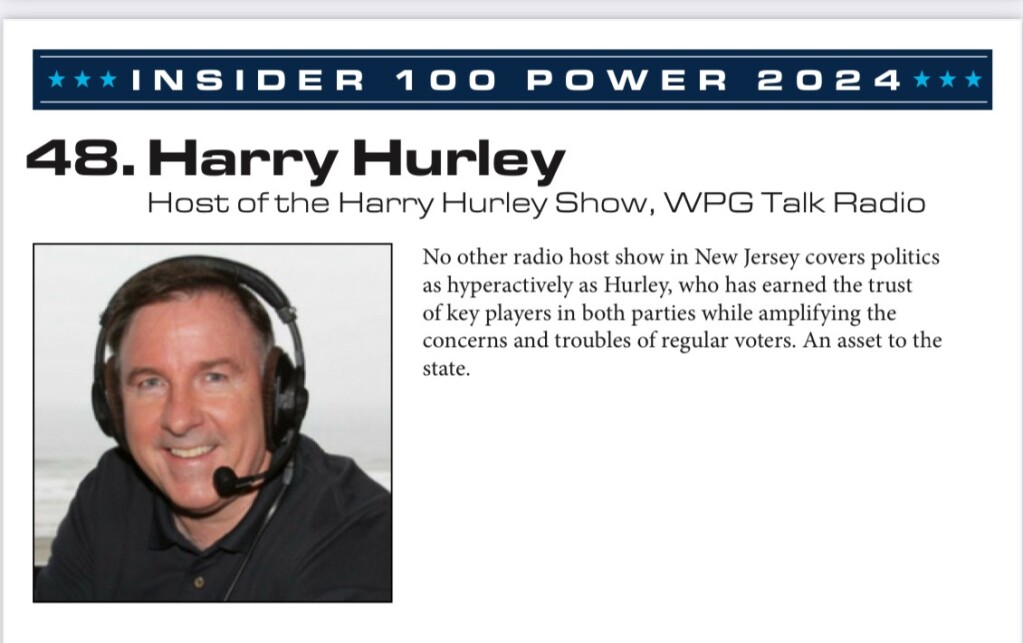 WPG, Atlantic City Morning Legend Harry Hurley Makes Prestigious List. The InsiderNJ.com Annual New Jersey Power List 2024 has again placed longtime WPG, Atlantic City morning host Harry Hurley as one of the Garden State’s most politically influential citizens (11/20). It is always released on the Wednesday of the New Jersey League of Municipalities Conference. Hurley placed in the #48 position on this year’s list. Power lists are nothing new for Hurley who came in at #25 on the 2024 TALKERS “Heavy Hundred” list of the 100 Most Important Radio Talk Show Hosts in America. TALKERS publisher Michael Harrison says of Hurley, “If talk radio were boxing, Harry Hurley would be its ‘pound-for-pound’ champion.”
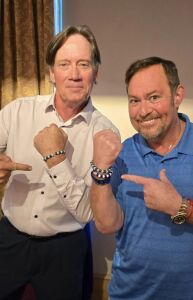 Hercules, Hercules! Yup that is Hollywood Legend Kevin Sorbo and WRVA, Richmond Afternoon Mainstay Jeff Katz. Actor Kevin Sorbo was in town to deliver a speech and he took the time to appear on the Jeff Katz Show. Katz presented Sorbo with a Julia Katz bracelet which is made by Emily Morrissey, a local artist with special needs, who sells her work at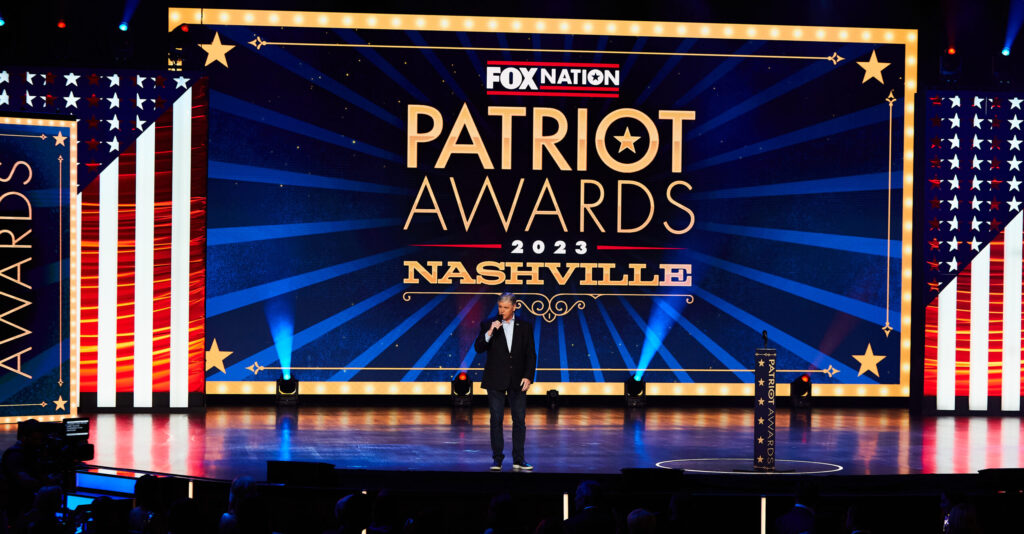
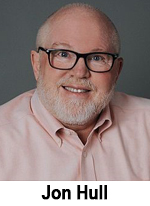 Hope Media Group (HMG) – a ministry of Christian-oriented media brands – announces Jon Hull as its new vice president emeritus, effective January 1, 2025. In his new position, Hull will use his extensive experience to help lead and encourage the on-air donor acquisition teams, while also working with those teams that engage existing and lapsed donors off-air. In addition, Hull will join the leadership team that strategizes support drives and programming initiatives. “I’m so grateful Jon Hull will become Hope Media Group’s vice president emeritus. This title is one of distinction and honor – something Jon has more than earned in his 28 years of service to God through this ministry. I consider Jon a national treasure, as does the Christian radio industry,” shared Joe Paulo, CEO of Hope Media Group.
 According to an article by reporter Manuela Vega in the Toronto Star (11/19), Canadian broadcasting giant Rogers Sports & Media – reflecting major cutbacks taking place in the U.S. radio industry – has laid off more than two dozen employees in the company’s radio and podcasting divisions, citing declining revenue and challenges in advertising. “With the radio industry continuing to feel the pressure of an uncertain advertising market, we made some difficult but necessary changes in our audio business impacting roles in several markets,” a Rogers Sports & Media spokesperson told the Star in a statement last night. The company said the job losses included a “handful” of journalists, as well as some managerial and administrative positions, but noted there would be no closures or terminations of stations, programming or podcasts. “We recognize and thank the team members who are leaving us for their dedication to our listeners and advertisers,” the statement read. To read the complete article, please
  For the last 10 years, Edison Research’s quarterly “Share of Ear” study has been a highly respected examination of time spent with audio in America. Edison surveys 4,000 Americans annually to measure daily reach and time spent with all forms of audio. Each report is based on a four-quarter rolling average. The most recent Q3 2024 survey is comprised of Q4 2023, Q1 2024, Q2 2024, and Q3 2024. This week’s Cumulus Media | Westwood One Audio Active Group® blog is an analysis of the just released Q3 2024 data and focuses on what advertisers care most about – ad-supported audio.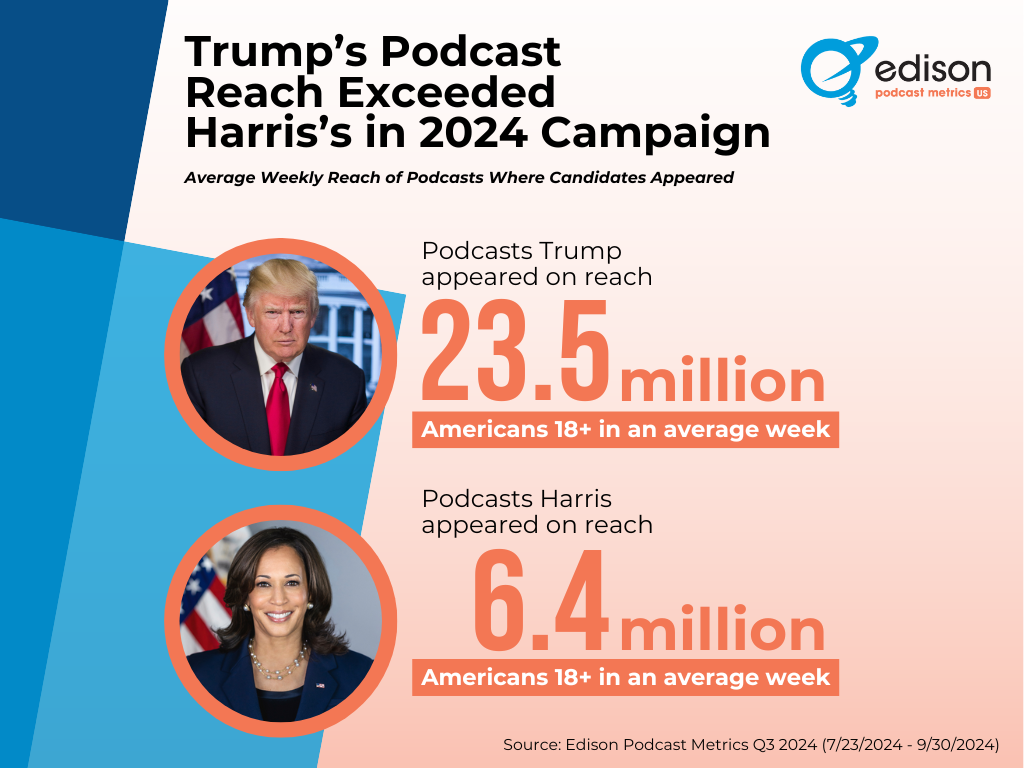
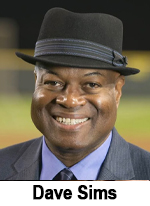 Audacy’s WFAN 101.9 FM / 660 AM announces Emmy Award-winning broadcaster Dave Sims as the new lead play-by-play announcer of its flagship broadcasts of the New York Yankees. Sims replaces recently retired broadcasting legend John Sterling, who held the position from 1989 until his retirement this past season. Dave Sims will join Suzyn Waldman to form the franchise’s new radio broadcast team. “The radio voice of the Yankees is a storied position in the history of baseball,” said Chris Oliviero, Audacy New York Market president. “From [Mel] Allen and [Red] Barber to [Phil] Rizzuto to Sterling, the names are synonymous with the pinstripes. Dave Sims is a worthy successor to that lineage. We are honored to have Dave join the incomparable Suzyn Waldman in the booth in the Bronx.” “It’s great to be home,” said Sims. “What an honor to be part of the iconic Yankees franchise. New York is where it all started for me, and I can’t wait for Opening Day and to work with my good friend Suzyn!” Sims is a Ford Frick Award Baseball Hall of Fame nominee and Emmy Award-winning broadcaster and has spent the last 18 seasons as the lead TV play-by-play voice of MLB’s Seattle Mariners. Sims previously hosted talk shows at WNBC-AM, WFAN-AM and the Madison Square Garden Television Network in New York and also spent time at WCBS-TV and the New York Daily News. Beyond baseball, Sims has covered the NFL for Westwood One and college basketball for ESPN. He also launched the “Hey Now! Podcast” with his two sons in July 2024. WFAN has served as the flagship station of the Yankees since 2014. From 2002 to 2014, games were heard on Audacy’s WCBS 880 (WCBS-AM). Games can be heard on WFAN and streamed via the free Audacy app and website within the team’s geographic region.
 and Howie Carr encouraging listeners to donate and raise funds for the DAV of Massachusetts’ homeless shelter and transportation programs. iHeartMedia Boston director of operations, news, talk and sports Bill Flaherty says, “Once again, the WRKO listeners responded in support of our Veterans. Their generosity provides much needed services for those who sacrificed so much for our country.” Since 2016, the DAV Radiothon has raised over $1,125,000 to benefit veterans in the community.
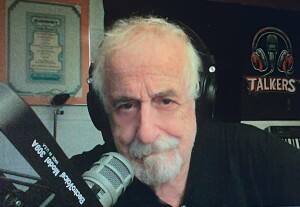 This presidential election cycle provided a number of insights, revelations, and takeaway lessons for news/talk radio. And by using the term “news/talk radio” I mean all spoken word platforms on the AM/FM dial including commercial, public, educational, and ethnic outlets that provide news, politics, and commentary. They are all RADIO.
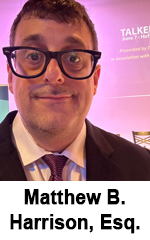 Let’s continue our ongoing series of articles about fair use. A recent case highlights fair use considerations in audio media and podcasting, particularly concerning music and short audio clips used in intros, where some creators assume that brief snippets automatically qualify as “fair use.” Legal experts clarify that using a song clip, even if brief, doesn’t inherently meet fair use criteria. Courts have emphasized that fair use hinges not just on brevity but also on factors like purpose, nature, and market impact on the original work. Music clips, even short ones, are often seen as significant portions of the original content, carrying substantial value, making unauthorized use in podcasts or similar formats legally risky.