


Is That Even Legal? Talk Radio in the Age of Deepfake Voices: Where Fair Use Ends and the Law Steps In
By Matthew B. Harrison
TALKERS, VP/Associate Publisher
Harrison Media Law, Senior Partner
Goodphone Communications, Executive Producer
 In early 2024, voters in New Hampshire got strange robocalls. The voice sounded just like President Joe Biden, telling people not to vote in the primary. But it wasn’t him. It was an AI clone of his voice – sent out to confuse voters.
The calls were meant to mislead, not entertain. The response was quick. The FCC banned AI robocalls. State officials launched investigations. Still, a big question remains for radio and podcast creators:
Is using an AI cloned voice of a real person ever legal?
This question hits hard for talk radio, where satire, parody, and political commentary are daily staples. And the line between creative expression and illegal impersonation is starting to blur.
It’s already happening online. AI-generated clips of Howard Stern have popped up on TikTok and Reddit, making him say things he never actually said. They’re not airing on the radio yet – but they could be soon.
Then came a major moment. In 2024, a group called Dudesy released a fake comedy special called, “I’m Glad I’m Dead,” using AI to copy the voice and style of the late George Carlin. The hour-long show sounded uncannily like Carlin, and the creators claimed it was a tribute. His daughter, Kelly Carlin, strongly disagreed. The Carlin estate sued, calling it theft, not parody. That lawsuit could shape how courts treat voice cloning for years.
The danger isn’t just legal – it’s reputational. A cloned voice can be used to create fake outrage, fake interviews, or fake endorsements. Even if meant as satire, if it’s too realistic, it can do real damage.
So, what does fair use actually protect? It covers commentary, criticism, parody, education, and news. But a voice isn’t just creative work – it’s part of someone’s identity. That’s where the right of publicity comes in. It protects how your name, image, and voice are used, especially in commercial settings.
If a fake voice confuses listeners, suggests false approval, or harms someone’s brand, fair use probably won’t apply. And if it doesn’t clearly comment on the real person, it’s not parody – it’s just impersonation.
For talk show hosts and podcasters, here’s the bottom line: use caution. If you’re using AI voices, make it obvious they’re fake. Add labels. Give context. And best of all, avoid cloning real people unless you have their OK.
Fair use is a shield – but it’s not a free pass. When content feels deceptive, the law – and your audience – may not be forgiving.
Matthew B. Harrison is a media and intellectual property attorney who advises radio hosts, content creators, and creative entrepreneurs. He has written extensively on fair use, AI law, and the future of digital rights. Reach him at Harrison Legal Group or read more at TALKERS.com.
 since 2014 and a part of the Pittsburgh sports media landscape for nearly 25 years. He takes over for Bill Hillgrove, who retired after serving for 30 seasons. King is joined in the booth by color analyst Craig Wolfley. King says, “The Steelers hold a special place in this community and across the country. I am thankful to Art Rooney II, the Steelers and iHeartMedia for giving me this incredible opportunity to be a meaningful part of one of the greatest organizations in professional sports. I look forward to getting started, doing the job well and bringing the enthusiasm of the games to people around the world. I could not be more excited.”
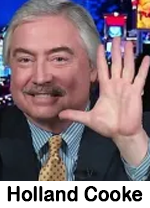 Actor Hugh Grant’s Tweet called it “The destruction of the human experience. Courtesy of Silicon Valley.” He was reacting to Apple’s
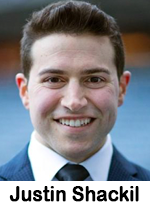 in for legendary play-by-play voice John Sterling for approximately 30 games, alongside Suzyn Waldman, during the 2023 season. Audacy New York market president Chris Oliviero states, “Justin is no stranger to the Bronx and his passion for the pinstripes make him the ideal person to join the iconic duo of John and Suzyn in the booth. His contributions to the broadcast last season were terrific and well received, so we’re excited to see him return in this enhanced role.”
 deployed consistently over time can reinforce a visual and verbal brand identity and enhance brand recall” in a radio ad by 17% and in a podcast by 14%. Regarding voice, the study concludes that the most significant and consistent driver for success is the use of multiple voices. Ads with multiple voices increase recall by 10%. Audacy SVP of research and insights Idil Cakim says, “The study, based on an incredibly rigorous design that combines content analysis and survey methodologies, spans creative elements in OTA and podcast ads, across auto, financial service, CPG, and entertainment categories. It shows the impact of creative element choices on how brands are perceived and stay top of mind. And how sonic messaging ushers consumers through the purchase funnel to purchase.”