By Matthew B. Harrison
TALKERS, VP/Associate Publisher
Harrison Legal Group, Senior Partner
Goodphone Communications, Executive Producer
 TALKERS magazine, the leading trade publication serving America’s professional broadcast talk radio and associated digital communities since 1990, is pleased to participate as the presenting sponsor of the forthcoming Intercollegiate Broadcasting System (IBS) conference for the second consecutive year.
IBS NYC 2026 – America’s preeminent annual college radio and media gathering – will take place February 19-21 at the Sheraton Times Square Hotel in midtown Manhattan. The non-profit, volunteer-driven, IBS has been diligently serving student broadcasters since 1940, and its services are needed today more than ever.
Campus broadcasting continues to take on growing importance as the radio industry (and its related fields) seeks to connect with and develop a next generation of professional practitioners as well as engaged audiences. TALKERS is honored to again provide financial support, encouragement, experience, and advice to the dedicated organizers of this very special event.
We highly recommend that radio and media professionals attend this dynamic gathering because the grass roots future of the field oozes out of its content-rich meeting rooms, exhibition areas, and hallways. It provides fertile ground at which to network with almost a thousand wide-eyed up and coming stars in both talent and management – the next generation of professional industry movers and shakers. From the high school, college, and university perspective, the fact that it continues to be a must-attend conference for dedicated students of communication and professional media hopefuls remains a self-evident truth. Here, in the early stages of the second quarter of the 21st century, everybody’s in show biz and everybody’s a star. To quote Ray Davies, “There are stars in every city, in every house and on every street.”
The skills of modern communication are a vocational necessity well beyond entering a career in radio, TV or podcasting. The abilities to produce a podcast, YouTube video, social media campaign, cogent press release, or “talk show” constitute a minimal level of modern age literacy needed in almost all fields of endeavor going forward.
Since its launch nearly four decades ago, TALKERS magazine has been a potent presence at the intersection of media creation, education, and accountability. That’s why our support of the Intercollegiate Broadcasting System (IBS) conference isn’t just symbolic – it’s practical.
The next generation of broadcasters, podcasters, digital hosts, producers, and media entrepreneurs is already building the future of this industry. IBS has been helping them do that – consistently, seriously, and without shortcuts – for decades.
Campus stations are often where experimentation happens first:
- New formats
- New voices
- New distribution models
- New cultural conversations
- New technology
- New legal frontiers
IBS recognizes that reality and treats student media creators with the same seriousness the industry demands at the professional level. This aligns directly with our TALKERS mission: supporting informed, responsible, creative media across emerging platforms.
We’re not simply sponsoring a conference. We’re investing in the people who will define the next era of media.
For more information on the 2026 IBS conference, please click HERE.
Matthew B. Harrison is a media and intellectual property attorney who advises radio hosts, content creators, and creative entrepreneurs. He has written extensively on fair use, AI law, and the future of digital rights. Reach him at Matthew@HarrisonLegalGroup.com or read more at TALKERS.com.


 The rise of independent, talk show-style political commentary on YouTube has created a new class of media actors who do not see themselves as broadcasters, journalists, or publishers. They see themselves as creators. That distinction is real in terms of identity, tone, and platform. It is not real where it matters most: liability.
 from using his radio and TV skills to raise awareness of issues that are important to him. In a piece by KPRC-TV, Houston, Patrick’s efforts to draw attention to courier service lottery sales and legal marijuana in Texas via “amateur investigative-style videos” are highlighted. Patrick tells the station that his efforts are just for the sake of theatrics. “It’s not theatrics to say, ‘look at me.’ It’s theatrics to tell a story, so that people can connect with what we’re doing here and why we’re doing it.” He adds that most people are busy and don’t pay attention to the day-to-day goings-on at the state capitol. “Our job is to break through that.”
  Pick a day, any day. At least one news item will have the little voice in your head hollering “TELL me you’re kidding!” After recent headlines, and as various plots thicken, that little voice might need a lozenge.
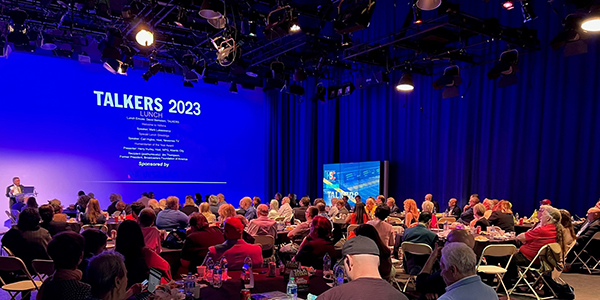
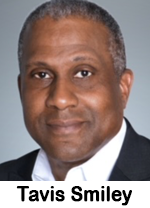 and entrepreneurs. The company says Smiley will continue to serve as managing editor of his signature show with SmileyAudioMedia, Inc producing and syndicating the program. The program’s first affiliate station is Equity Media LLC’s talk WBOK, New Orleans. Smiley says, “We’re excited to bring our radio program to listeners across America. Our innovative programming with groundbreaking, exclusive interviews has filled a void for African American and progressive listeners in Southern California and soon in markets throughout the United States.” Smiley was honored with the “Gene Burns Memorial Award for Freedom of Speech” – a.k.a., the Freedom of Speech Award – from TALKERS magazine at this year’s TALKERS 2023 conference held on June 2 at Hofstra University.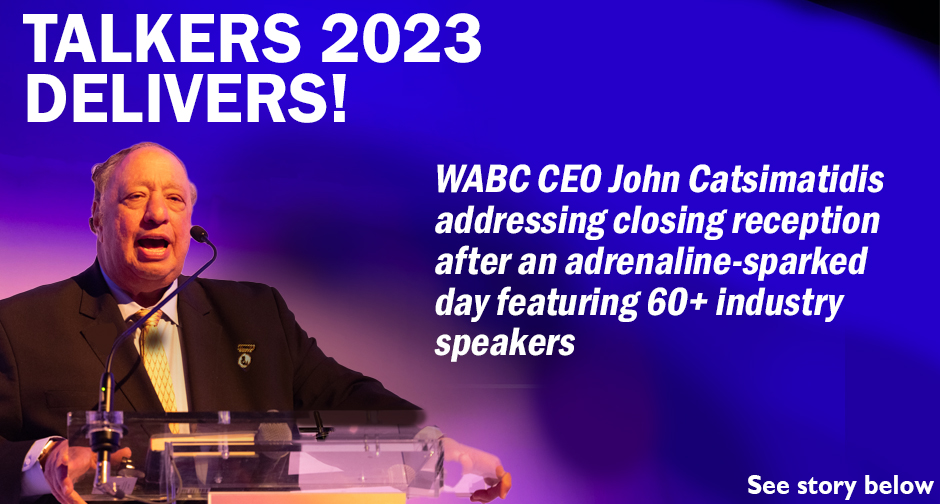
 Talk show talent, program directors, show producers and broadcast business decision-makers represent the core readership of this publication. Sometimes we are so close to something that we fail to see it for what it really is. That is the case of the “talk show host” in American radio. Michael Harrison refers to the often-shameless targeting of audiences as “the daily dance of affirmation.” I view the daily process of radio talk show hosting at its very core, as “the daily dance of freedom.”
 advice!” The duo has worked together since 2006, including a formerly syndicated radio show and a podcast. Beasley Media Group chief content officer Justin Chase says, “As someone who grew up listening to fun and edgy night shows like ‘Loveline’ and others, I’m very excited to launch the ‘Cooper & Anthony’ show on three of our great rock brands. They will most certainly make radio a lot more interesting at night in Fort Myers, Tampa and Vegas.” Cooper states, “This is the show I got into radio to do. I’ve been waiting for the right team with the same vision. We found it with the amazing folks at Beasley. Anthony and I can’t wait to share this show with our listening family, because it’s all about them!”
  complement Manny Munoz. The ideal candidate will be well-rounded and well-informed. They must be passionate about South Florida, news savvy, and have a strong interest in current events, politics, and lifestyle issues affecting their target audience. A strong digital platform and social media skills are vital for this role. In addition, all candidates must be proactive and work well in a team environment.