


NYC City Councilor and Former WABC Host Calls on FCC to Protect Baseball Broadcasts
New York City council member Frank Morano (R-Staten Island) and council member Harvey Epstein (D-Manhattan) are introducing a resolution calling on congress to review Major League Baseball’s antitrust exemption and on the Federal Communications Commission to explore approaches that promote 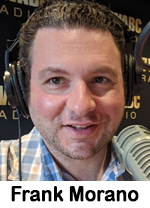 the availability of professional sports programming on free, over-the-air broadcast television. The resolution comes amid growing frustration among baseball fans over the increasing number of games being placed behind streaming paywalls and spread across multiple subscription services. Morano, who previously served as host of the late-night program on WABC, New York, states, “Baseball is America’s pastime, but in New York it’s also our pastime. For generations, families could turn on the television or radio and follow their hometown team. Today, fans are often expected to juggle multiple subscriptions and streaming platforms just to watch a season’s worth of games. That’s bad for consumers, bad for working families, bad for seniors, and ultimately bad for the future of the game itself.”
 could not have anticipated today’s streaming options. This resolution reflects growing concern that sports programming is increasingly fragmented across exclusive digital platforms, forcing fans to purchase multiple subscriptions, maintain reliable broadband access and navigate a maze of services just to follow their favorite teams. It calls on congress to assess whether these evolving distribution practices are covered under the law, serve the public interest and preserve broad fan access to sports programming.” NAB president and CEO Curtis LeGeyt says, “We commend the state broadcasters associations for their leadership and engagement on this important issue. Local television remains the only universally available video platform in America, delivering live sports, trusted local news, emergency information and essential public service to every community. Policymakers should put fans first and ensure that the future of sports distribution preserves broad access through free, local broadcast television.”