


You Cut for Time. They Cut You a Lawsuit.
By Matthew B. Harrison
TALKERS, VP/Associate Publisher
Harrison Media Law, Senior Partner
Goodphone Communications, Executive Producer
 Let’s discuss how CBS’s $16 million settlement became a warning shot for every talk host, editor, and content creator with a mic.
When CBS settled a lawsuit with Donald Trump for $16 million over a selectively edited “60 Minutes” interview with Kamala Harris, it wasn’t about guilt. It was about leverage. The lawsuit happened to coincide with Paramount’s FCC merger review – coincidentally, right when regulatory pressure was needed the most.
For broadcasters and digital creators alike, the message is clear: even lawful edits can become political weapons. If you shape content, you’re a target. And the courts aren’t the only battleground. Public outrage, regulatory scrutiny, and advertiser anxiety all shape the cost of controversy.
For Broadcasters: Every Cut Counts
Editing always alters reality. That doesn’t make it wrong – but it makes it risky. Even good-faith trims for time or tone can be reframed as distortion. What matters isn’t just what you cut, but whether you can defend it.
Case in Point: “60 Minutes” vs. DeSantis
CBS was accused of misleading edits in a 2021 vaccine rollout story. They published full transcripts and stood their ground. No apology, no payout.
Takeaways:
— Archive raw footage.
— Log your editorial decisions.
— Be ready to explain your process with clarity and conviction.
For Digital Creators: You’re Not as Untouchable as You Think
Section 230 might protect platforms, but it doesn’t shield you from smear campaigns, takedowns, or frivolous lawsuits. Editing with commentary or critique is often fair use – but that doesn’t stop bad-faith actors from flipping the narrative.
Case in Point: “Decoding Fox News”
Jules Terpak’s critique series survived coordinated attacks thanks to clear sourcing, transparency, and credibility built ahead of time.
Takeaways:
— Know your rights, but also your vulnerabilities.
— Keep receipts.
— Build audience trust before someone tries to burn it down.
The Real Risk Isn’t the Edit – It’s the Optics
Trump didn’t need to win the lawsuit. He just needed the headlines – and CBS needed their merger. Settlements aren’t always about truth. They’re about timing.
So protect yourself:
— Document your work.
— Develop internal standards.
— Don’t panic under pressure – prepare for it.
Because in an era where outrage spreads faster than facts, defending the integrity of your edit isn’t optional. It’s essential.
Matthew B. Harrison is a media and intellectual property attorney who advises radio hosts, content creators, and creative entrepreneurs. He has written extensively on fair use, AI law, and the future of digital rights. Reach him at Matthew@HarrisonMediaLaw.com or read more at TALKERS.com.
 In the golden age of broadcasting, the rules were clear. If you edited the message, you owned the consequences. That was the tradeoff for editorial control. But today’s digital platforms – YouTube, X, TikTok, Instagram – have rewritten that deal. Broadcasters and those who operate within the FCC regulatory framework are paying the price.
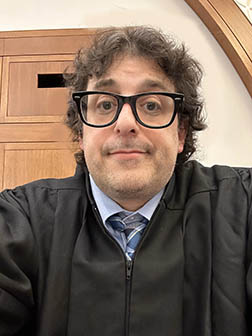 competition last evening (2/22) at the 1st Circuit Court of Appeals in Boston, MA. The American Bar Association, Law Student Division holds a number of annual national moot court competitions. One such event, the National Appellate Advocacy Competition, emphasizes the development of oral advocacy skills through a realistic appellate advocacy experience with moot court competitors participating in a hypothetical appeal to the United States Supreme Court. This year’s legal question focused on the Communications Decency Act – “Section 230” – and the applications of the exception from liability of internet service providers for the acts of third parties to the realistic scenario of a journalist’s photo/turned meme being used in advertising (CBD, ED treatment, gambling) without permission or compensation in violation of applicable state right of publicity statutes. Harrison tells TALKERS, “We are at one of those sensitive times in history where technology is changing at a quicker pace than the legal system and legislators can keep up with – particularly at the consequential juncture of big tech and mass communications. I was impressed and heartened by the articulateness and grasp of the Section 230 issue displayed by the law students arguing before me.”