The lineup of industry speakers set to speak at the forthcoming GENERATIONS 2025 conference being presented by TALKERS at the forthcoming Intercollegiate Broadcasting System (IBS) convention – IBSNYC 2025 – continues to grow.
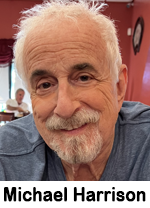
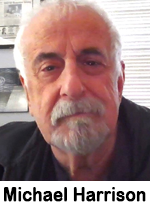
A stellar line-up of speakers have already signed up to speak at this groundbreaking industry event including (in alphabetical order): Vince Benedetto, CEO, Bold Gold Media Group; Chris Berry, VP News/Talk/Sports, iHeartMedia; Scot Bertram, General Manager, WRFH, Hillsdale College, Hillsdale, MI / Lecturer In Journalism; Mike Gallagher, talk show host, Salem Radio Network; Dom Giordano, talk show host, WPHT, Philadelphia; Lee Harris, Director of Integrated Operations, NewsNation / WGN, Chicago; Michael Harrison, Publisher, TALKERS; Matthew B. Harrison, Esq., VP/Associate Publisher, TALKERS; Harrison Media Law, Senior Partner; Harry Hurley, morning talk show host, WPG, Atlantic City; Jeff Katz, talk show host, WRVA, Richmond, VA; Chad Lopez, President, WABC, New York, Red Apple Media Group; John T. Mullen, general manager, WRHU-FM/WRHU.org, Hofstra University, Hempstead, NY; Walter Sabo (a.k.a. Walter M Sterling), consultant / talk show host / WPHT, Philadelphia / Talk Media Network; Rich Valdés, talk show host, Westwood One; with several more to be announced in the next few days. See agenda and accompanying stories below.
Sheraton Times Square New York Hotel
New York East Room
Saturday March 8, 2025
12:30 pm – 4:30 pm
AGENDA
12:30 – 1:00 pm Keynote Address “Welcome to the Brave New World”
Speakers:
Michael Harrison, Publisher, TALKERS
Matthew B. Harrison, Esq., VP/Associate Publisher, TALKERS; Harrison Media Law, Senior Partner
1:10 – 1:40 pm Fireside Chat “Setting the Stage”
Facilitator: Michael Harrison, Publisher, TALKERS
Special Guest: Chad Lopez, President, WABC, New York, Red Apple Media Group
1:50 – 2:20 pm Discussion: “Launching and Managing a Career in a Changing Media Industry”
Moderator: Dom Giordano, talk show host, WPHT, Philadelphia
Speaker: John T. Mullen, general manager, WRHU-FM/WRHU.org, Hofstra University, Hempstead, NY
Speaker: TBA
Speaker: TBA
2:30 – 3:00 pm Discussion: “Old School/New School/Next School – Learning from Each Other”
Moderator: Harry Hurley, morning talk show host, WPG, Atlantic City
Speaker: Vince Benedetto, CEO, Bold Gold Media Group
Speaker: Scot Bertram, General Manager, WRFH, Hillsdale College, Hillsdale, MI / Lecturer In Journalism
Speaker: Walter Sabo (a.k.a. Walter M Sterling), consultant / talk show host / WPHT, Philadelphia / Talk Media Network
3:10 – 3:40 pm Discussion: “Radio’s Place in a Diverse, Digital World”
Moderator: TBA
Speaker: Mike Gallagher, talk show host, Salem Radio Network
Speaker: Rich Valdés, talk show host, Westwood One
Speaker: TBA
3:50 – 4:20 pm Discussion: “Finding Truth in an Age of Misinformation”
Moderator: Lee Harris, Director of Integrated Operations, NewsNation / WGN, Chicago
Speaker: Chris Berry, VP News/Talk/Sports, iHeartMedia
Speaker: Jeff Katz, talk show host, WRVA, Richmond, VA
Speaker: TBA
4:20 – 4:30 pm Wrap Up: Group Chat
Share this with your network




 International Day of the United Nations, February 13 became World Radio Day (WRD). Each year WRD focuses on a specific theme involving radio that is timely, and important. This year the theme is “Radio and Climate Change.” UNESCO points out: Radio contributes to the achievement of its international objectives by supporting populations through climate disasters such as tropical storms and floods. It helps with the dissemination of fact-based information, listeners’ voices, and dedicated radio shows.
  pm on Saturday, March 8 in the heart of the iconic IBS gathering. It will feature an array of six sessions with 16+ luminary industry speakers (to be named shortly) including a keynote address, fireside chat, and four panel discussions that will tackle such topics as “Launching and Managing a Career in a Changing Media Industry,” “Old School, New School, Next School: Learning from Each Other,” “Radio’s Place in a Digital World,” “Finding and Delivering Truth in an Age of Misinformation,” and much more. TALKERS will also serve as the Presenting Sponsor of the entire IBSNYC 2025 event.
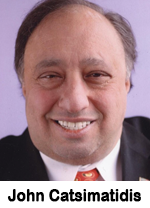
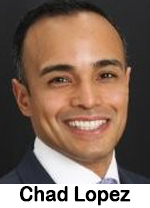 Harrison as “one of the most dynamic and effective radio managers in America” – has served as president of WABC Radio, Red Apple Media Group, and the Red Apple Audio Network since the iconic AM station was acquired and expanded five years ago by New York-based billionaire businessman / talk show host / philanthropist John Catsimatidis. Since then, the station and its associated media group have shown explosive growth that has grabbed the attention and respect of the national broadcasting industry. Prior to joining Red Apple, Lopez had already achieved notable recognition for his leadership as VP/MM of Cumulus New York and before that as GSM of CBS Radio New York. The Fireside Chat will be one of the highlights of the innovative four-hour TALKERS event on Saturday, March 8 that will be co-located with the national Intercollegiate Broadcasting System (IBS) conference March 7-8 at the Sheraton New York Times Square hotel. More speakers will be announced next week. For more information about the event including discount conference registration and room registrations, please see the story immediately below.
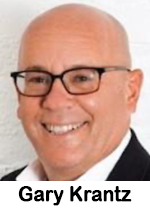 acquisition of AMFM, took on an EVP role at Premiere Networks. He was the president of the fledgling liberal talk radio company Air America and joined Westwood One after Air America shut down in 2006. TALKERS publisher Michael Harrison states, “This is a devastating loss to the radio industry. I had the privilege of working with Gary all the way back to my music radio days when he was a young executive at the old MJI Broadcasting with major industry players like Julie Talbott and Josh Feigenbaum in the early days of our careers. He has subsequently worn a number of key management and entrepreneurial hats in the business – all reflecting his dedication to professionalism and quality. He was very well liked and respected by broadcasters on both sides of the Atlantic. He will be missed.” A service will be held on January 26, 2025 at Riverside Memorial Chapel at 180 West 76th Street, New York, NY 10023. In lieu of flowers, the family requests donations be made to the American Foundation for Suicide Prevention in Gary Krantz’s memory.
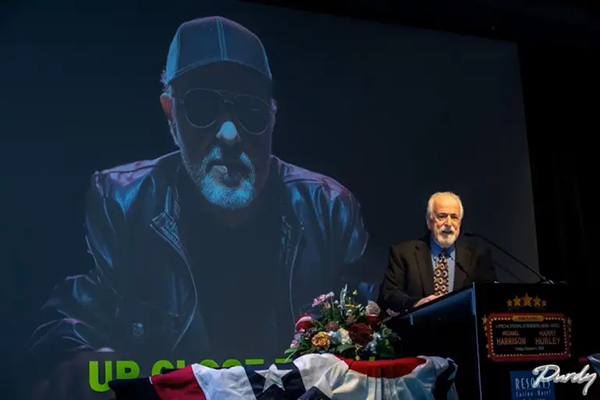
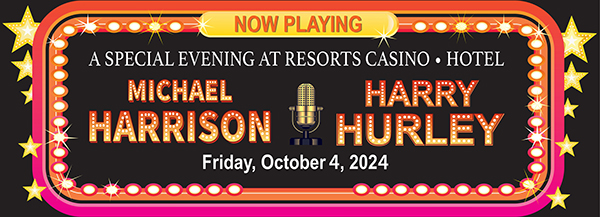
 philanthropist Harry Hurley, has raised more than $1.4 million for worthy causes across New Jersey and beyond. It has become one of the most important annual civic events in the Garden State drawing 270+ guests including government officials, media representatives and community-minded business leaders. The gala will be at Resorts Casino Hotel in Atlantic City. Harrison says, “This is a huge honor and I’m looking forward to addressing this distinguished event with observations about the media’s position at the crossroads between politics, journalism and changing social norms.” Hurley tells TALKERS, “Our special event will be taking place four weeks before one of the most consequential national elections in American history… arguably, the most important election since the Civil War era. It deserves to have a keynote speaker as even-handed and eloquent as Michael Harrison.”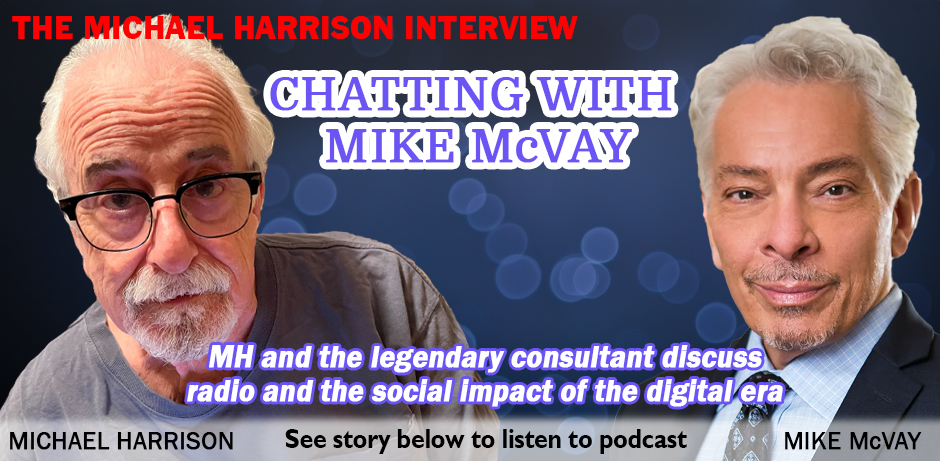
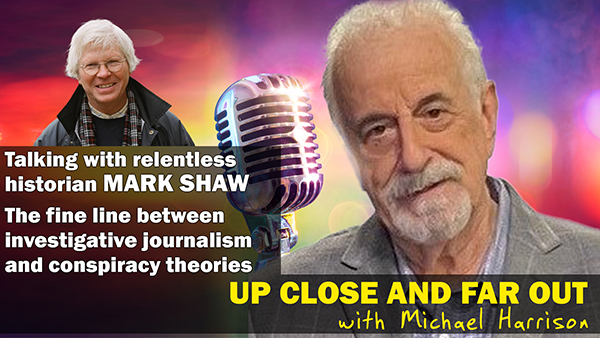
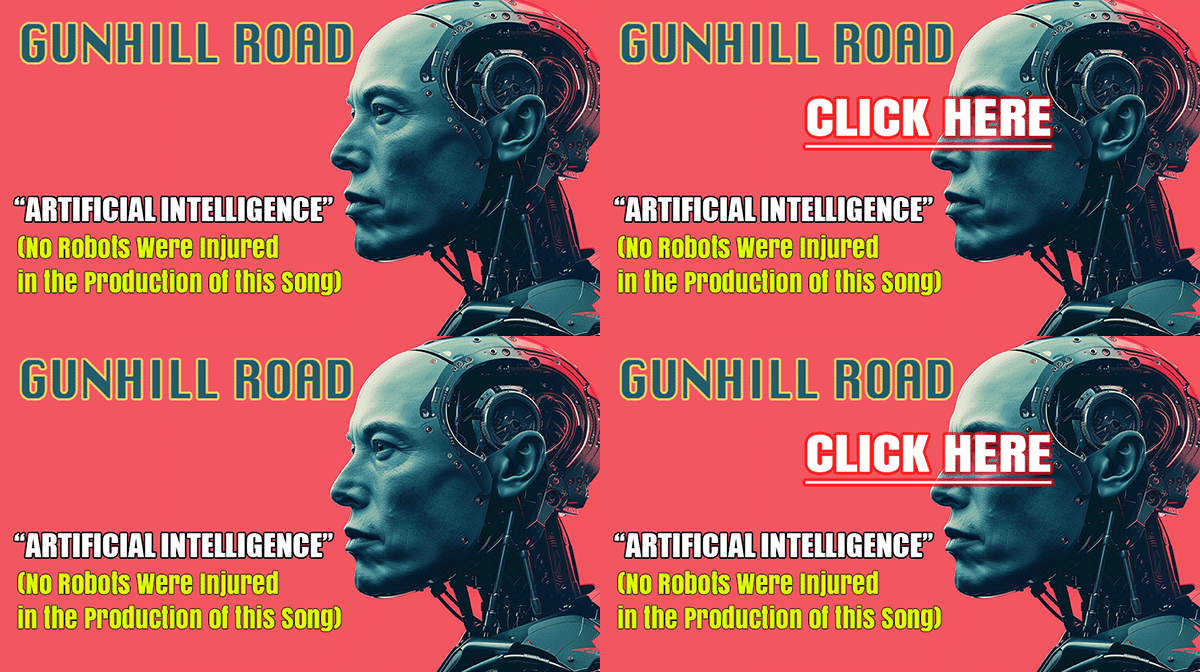
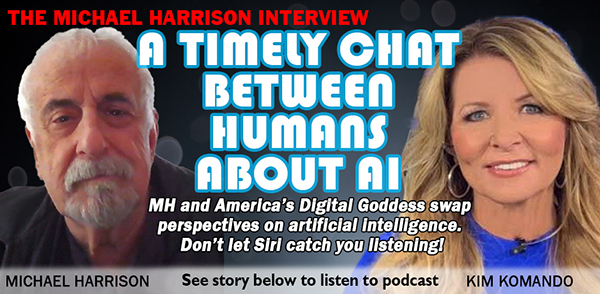
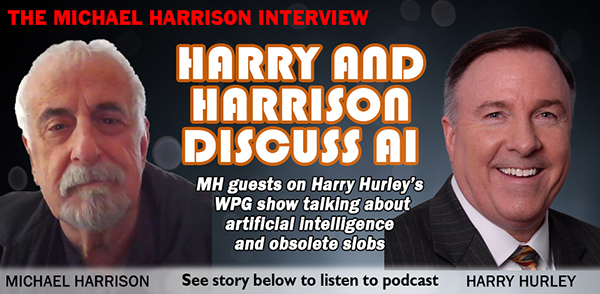
 In the opinion of TALKERS publisher Michael Harrison, we are entering an era in which it is possible – even likely – for robot voices generated by artificial intelligence to replace at least some human talk show hosts, especially in the wake of relentless corporate cost-cutting by radio’s largest companies. On the music radio side, the process of “voice tracking,” although initially controversial, has become a widely employed budget-tightening process. However, voice tracking still employs organic talent to generate the verbal content.
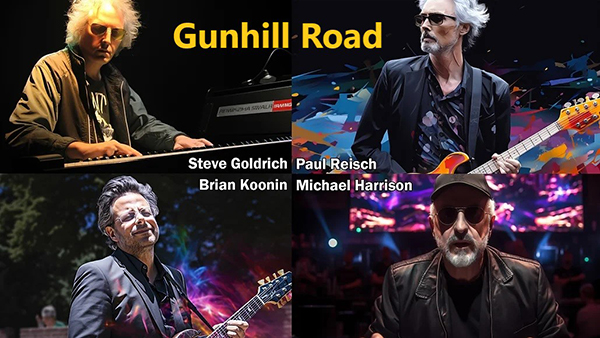
 AI, on the other hand, bypasses the human element completely. In a guest appearance yesterday (8/22) on the Manny Munoz mid-morning show on WIOD, Miami, in which the subject of AI was being discussed, Harrison said, “AI is upping the bar. If talk show hosts don’t stay on their game and avoid relying too heavily on the talking points – if they are not creative thinkers and leaders – they can easily be replaced by computer operators.” Harrison continued, “It won’t be too long from now – actually, it is already possible – that two robots could be having a plausible conversation if both have been fed all the talking points.” Harrison explained, “Each robot will have instant access to all the existent talking points at the speed of light. Robots are already beating human experts at Jeopardy or chess. The only thing a robot can’t do – at least for now – is to be creative outside the realm of what already exists in cyberspace. That’s the challenge facing anyone who wants to be a live traditional radio talk show host in this coming brave new world.” Harrison’s appearance on WIOD was part of his ongoing talk radio “Obsolete Slobs” tour in which he’s been promoting the Gunhill Road music video “Artificial Intelligence (No Robots Were Injured in the Production of this Song” (www.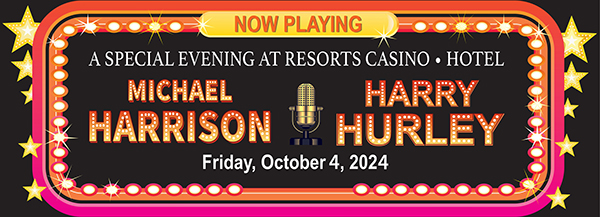
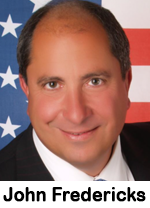 news/talk stations plus the John Fredericks Radio Network. He adds, “This undertaking was never authorized, sanctioned, or endorsed by President Trump or his campaign. Despite several very direct public communications disavowing any affiliation by Trump campaign senior staff, the fake news continued to propagate phony stories, which The Heritage Foundation and their Project 2025 leaders were willing and happy to substantiate. Sources say President Trump made the decision to shut it down himself. Good riddance to yet another grift charade using Trump to raise money.” TALKERS publisher Michael Harrison commented on Fredericks’ statement saying, “It has been disturbing watching the once-honored think tank known for its even-handed academic fastidiousness devolve into what is now perceived as just another fund-raising propaganda machine in the mud-slinging political wars. This is the kind of credibility squandering that damages the true American conservative moment and people’s confidence in all political organizations.”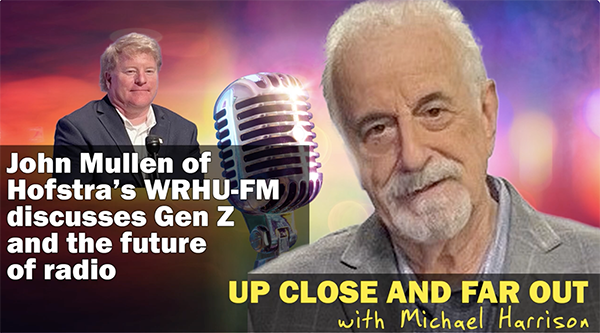
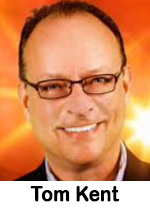 stations mostly for classic hits and adult contemporary music formats. Prior to syndication, Kent worked on the air and in programming at legendary Top 40 stations including WLS, Chicago; KLIF & KFJZ Dallas-Ft Worth; WIBG Philadelphia and more. On the passing of Tom Kent, TALKERS founder Michael Harrison states, “He was a quintessential practitioner of one of America’s great forms of audio art – top 40 radio. The disc jockey, in that now almost completely extinct genre, was a uniquely specialized vocal performer akin to being a singer or musical instrument deftly inserted within the hyper-dynamic backdrop of a symphony known as a radio format. Art Vuolo’s video captures not only the superb talent possessed by Kent in executing this amazing audio choreography – but amply displays his passion for excellence and behind-the-scenes pride. When Kent seamlessly hits the posts on driving rock intros of songs with which he is intimately familiar and pumps his fist with glee when pulling it off, it unleashes an adrenaline rush similar to a pro basketball star landing a slam dunk and swinging that extra second from the rim.
 be able to alter the course of established radio stations and the marketplace of ideas before the 2024 election or even soon thereafter. Harrison told “America at Night” host Rich Valdés last night (5/22) that radio is far too idiosyncratic an industry – already run by too many people who don’t understand how it really operates – for someone (who also doesn’t really have first-hand experience in the field) to just step in and make drastic alterations to entrenched stations, formats, audiences and sponsors just to make a political statement. Harrison states, “There are more
  expedient uses of his money if that is his main purpose. After all, not all Audacy stations are conservative news/talkers… many are music, sports and a variety of formats. How inefficient such a move would be!” Harrison went on to say that radio is still an extremely powerful and potentially lucrative medium if only its present owners and operators believed in it and invested in its programming and marketing. He encouraged radio broadcasters to understand and believe in the “esthetic of ‘radio’ and not be so anxious to bail out into the utilitarian term ‘audio.’” Harrison and Valdés tied the discussion into the current news about the AM for Every Vehicle Act currently making its way through Congress stating that radio is still a lifeline for service to the community as a place for information, education, and entertainment and that eliminating it from automobile dashboards would be about “five to 10 years premature.”
  Because you can? Because you aren’t doing AM/FM radio? Because you are on radio, but can’t-do-there what you can-do podcasting? Because you are making money podcasting?
 defaming two Georgia election workers, and they were accusing him of make new false accusations against them.
  talking about the 2020 election for three years and was never made aware that election talk was off limits. In The New York Times story Giuliani states that WABC’s policies on this topic are “a clear violation of free speech” to which TALKERS founder Michael Harrison comments, “As a lawyer, former attorney
 general and former mayor, Giuliani should know better than to muddy the waters about ‘free speech’ by citing it and distorting it for his own defense in this manner. The letter of the law regarding the First Amendment protects the rights and responsibilities of Catsimatidis as the licensee and platform owner in this situation. And as far as the spirit of the law as indicated by the general term ‘free speech’ is concerned, the understanding between these two men as to what Giuliani can discuss on WABC is completely subjective and ultimately based on what the licensee determines at any given moment to be in the best interest of the platform, its listeners and most importantly, the truth.”
 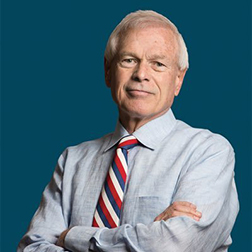 region that carry Carr’s independently syndicated afternoon drive talk show. He is an inductee in the Radio Hall of Fame. With roots in investigative print journalism, Carr is the New York Times best-selling author of The Brothers Bulger and Hitman, in addition to several other Boston organized-crime books and two novels. He has remained in newspaper work that goes back prior to his radio career as an active columnist for the Boston Herald and has received a National Magazine Award for his work with Boston Magazine. Boston organized-crime boss Whitey Bulger was so infuriated by Carr’s groundbreaking reporting that he once put out a murder contract on Carr – a story detailed on “60 Minutes.” At his 2013 trial on murder and racketeering charges, Bulger tried to have Carr banned from the courtroom by calling him as a defense witness. Before he was brutally murdered in a gangland hit, the crime czar still said his greatest regret was not murdering Carr when he had the chance. Carr once taught a course at Harvard, where he had to cross a picket line against himself to get to his class. In making the announcement, TALKERS founder Michael Harrison stated, “Howie Carr is the real deal – the best of both the old and new schools in media. He was practicing ‘cross-platform’ journalism and commentary long before it became the digital-era norm. He’s got ink in his veins and RF in his brains. His impact in the Northeast has been so strong for such a long time that if the six New England States were to consolidate as one, he would possibly be its first governor.” Carr will be one of 60 industry leaders speaking at TALKERS 2024: Radio and Beyond. For more information, see story below.