
Is That Even Legal? Talk Radio in the Age of Deepfake Voices: Where Fair Use Ends and the Law Steps In
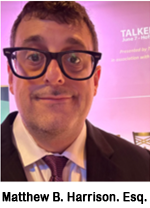
By Matthew B. Harrison
TALKERS, VP/Associate Publisher
Harrison Legal Group, Senior Partner
Goodphone Communications, Executive Producer
 In early 2024, voters in New Hampshire got strange robocalls. The voice sounded just like President Joe Biden, telling people not to vote in the primary. But it wasn’t him. It was an AI clone of his voice – sent out to confuse voters.
The calls were meant to mislead, not entertain. The response was quick. The FCC banned AI robocalls. State officials launched investigations. Still, a big question remains for radio and podcast creators:
Is using an AI cloned voice of a real person ever legal?
This question hits hard for talk radio, where satire, parody, and political commentary are daily staples. And the line between creative expression and illegal impersonation is starting to blur.
It’s already happening online. AI-generated clips of Howard Stern have popped up on TikTok and Reddit, making him say things he never actually said. They’re not airing on the radio yet – but they could be soon.
Then came a major moment. In 2024, a group called Dudesy released a fake comedy special called, “I’m Glad I’m Dead,” using AI to copy the voice and style of the late George Carlin. The hour-long show sounded uncannily like Carlin, and the creators claimed it was a tribute. His daughter, Kelly Carlin, strongly disagreed. The Carlin estate sued, calling it theft, not parody. That lawsuit could shape how courts treat voice cloning for years.
The danger isn’t just legal – it’s reputational. A cloned voice can be used to create fake outrage, fake interviews, or fake endorsements. Even if meant as satire, if it’s too realistic, it can do real damage.
So, what does fair use actually protect? It covers commentary, criticism, parody, education, and news. But a voice isn’t just creative work – it’s part of someone’s identity. That’s where the right of publicity comes in. It protects how your name, image, and voice are used, especially in commercial settings.
If a fake voice confuses listeners, suggests false approval, or harms someone’s brand, fair use probably won’t apply. And if it doesn’t clearly comment on the real person, it’s not parody – it’s just impersonation.
For talk show hosts and podcasters, here’s the bottom line: use caution. If you’re using AI voices, make it obvious they’re fake. Add labels. Give context. And best of all, avoid cloning real people unless you have their OK.
Fair use is a shield – but it’s not a free pass. When content feels deceptive, the law – and your audience – may not be forgiving.
Matthew B. Harrison is a media and intellectual property attorney who advises radio hosts, content creators, and creative entrepreneurs. He has written extensively on fair use, AI law, and the future of digital rights. Reach him at Harrison Legal Group or read more at TALKERS.com.
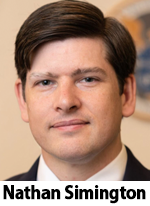 end of this week. It has been the greatest honor of my professional life to serve the American people as a Commissioner. I am deeply honored to have been entrusted with this responsibility by President Donald J. Trump during his first term.
  and regional news director position with iHeartMedia’s KOA, Denver. She says, “iHeartMedia has graciously agreed to keep me part time, so you will still hear me anchor a newscast here or there… I have been honored to talk and write my way through 35 years at KOA.”
  Nathan Fischer, and fellow farm department contributors are teaming up to produce the debut show this Saturday (6/7). WHO adds, “‘We Speak Farm Saturday’ builds upon all that’s delivered throughout the week during ‘The Big Show’ with a Market Recap, a weekly ‘Agriculture USA’ segment from the USDA, insightful conversations on Iowa farming, agronomy and food, and will also cover topics such as gardening, farmers markets, rodeos and county fairs.” WHO program director Cole Blair comments, “We are always looking to deliver more for the hard-working farmers and all those involved in Iowa’s agriculture industry at WHO, so we’re proud to expand our Ag programming with the launch of ‘We Speak Farm Saturday.’ When farmers and Ag industry workers get in the truck, tractor or workplace on Saturday it’s only right we’re there with them, too.”
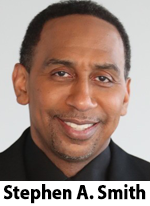 commentary on “everything beyond the world of sports – from politics and social issues to entertainment news, pop culture trends and more.” Smith comments, “To say that I’m excited would be an understatement. I’ve been on Mad Dog before, had the time of my life. So, I’m loving the fact that I get to reunite with my guy, Mad Dog, on his turf. That in itself is a beautiful thing. But to then add a weekly show where I have a potent platform to discuss riveting subjects in the world of pop culture, politics and social commentary… let’s just say it doesn’t get any better than that. September can’t come soon enough. It’s been a long time since I’ve been in radio… especially going back and forth with the callers. Can’t wait to get re-started. Buckle Up! I’m coming!” Stephen A. Smith is a featured commentator and executive producer on ESPN’s “First Take.” Since 2021 he has been an analyst on “NBA Countdown,” ESPN and ABC’s longstanding NBA pregame show.
 When Georgia-based nationally syndicated radio personality, and Second Amendment advocate Mark Walters (longtime host of “Armed American Radio”) learned that ChatGPT had falsely claimed he was involved in a criminal embezzlement scheme, he did what few in the media world have dared to do. Walters stood up when others were silent, and took on an incredibly powerful tech company, one of the biggest in the world, in a court of law.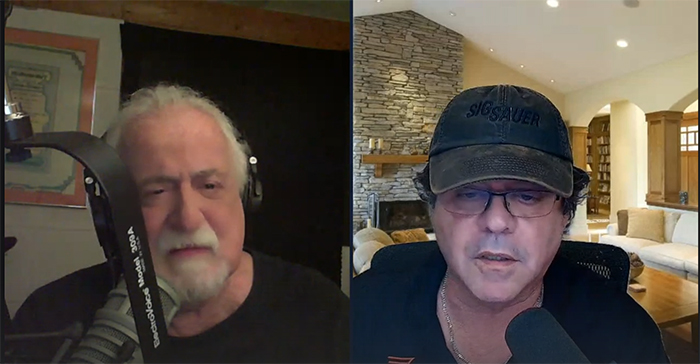
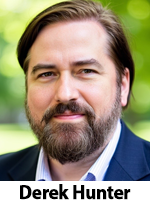 served as a fill-in host for “The Rush Limbaugh Show.” WMAL program director Bill Hess says, “We’re thrilled to have Derek’s fresh voice and perspective on our fulltime lineup. His width of interests will make for a fun and informative afternoon program as we wrestle this news cycle each day.” Hunter comments, “I couldn’t be more excited – this is a homecoming for me. Returning to where I first hosted is a great feeling. I’ve been fortunate to fill in across the lineup – from ‘O’Connor and Company’ to Chris Plante, and even for Rush Limbaugh. To now have a permanent home here is incredibly special. I want to thank Bill Hess, Jeff Boden, and all of Cumulus for this amazing opportunity.”
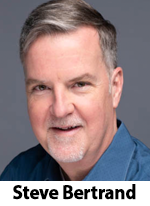 states, “Steve has shared his entire broadcasting career with the WGN Radio audience and built respect, trust, and friendships along the way. It’s a special relationship and four decades deserves recognition.” Bertrand started at WGN Radio as an intern and was hired full-time in 1985. He has been in the news anchor chair since 1992. Bertrand reflects, “Growing up in a small town, I always had my eye on moving to the big city. Never during those years of daydreaming would I have imagined the career I’ve had at WGN Radio. I have worked with, and still do work with, some of the best in radio. I’m so grateful. And lucky. Back in the day, many people might have considered my fantasy a pipe dream. But, it turns out, dreams can come true.”
 Morano. Lionel comments, “I’m honored beyond words to be back at WABC – where it all began, my alma mater, the greatest talk radio station in the world. Legendary, historic, storied, unmatched in its legacy. This isn’t just radio, it’s home. It’s the gold standard, the birthplace of giants. And now, I’m back where I belong.”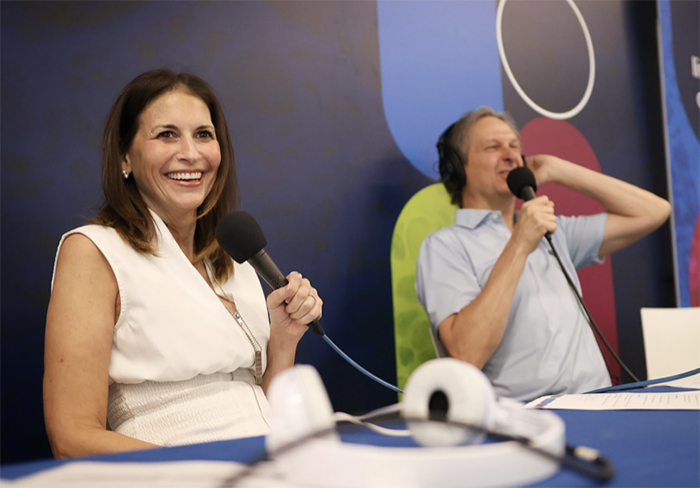
 “Fewer than half of Americans plan to travel this Summer,” according to a
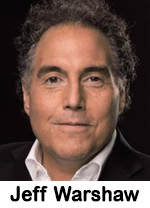 Cox Radio, with Del Nin agreeing that Warshaw would manage the business as CEO upon successful acquisition.” While both parties were doing due diligence on the CMG deal, Warshaw learned that an Audacy majority stake holder was willing to sell its stake in the company. Warshaw says he steered SFM and Del Nin to the deal that made SFM a majority stake holder of the new Audacy in early 2024. Warshaw alleges he was promised he’d be the next CEO of Audacy or that he would get 5% of SFM’s profits from the Audacy acquisition. After that though, Warshaw says Del Nin balked and denied there was ever an agreement, calling any such claims “fabricated.” Warshaw is seeking compensatory and punitive damages and asking that the court award specific performance of their agreement.
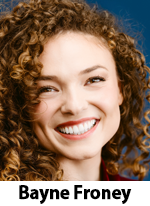 meteorologist. Froney most recently served with WLEX-TV, Lexington, Kentucky. She comments, “I’m looking forward to working with the talented group of meteorologists at FOX Weather. I can’t wait to continue exploring my fascination with meteorology and work with some of the best in the industry.”
 driving brand preference is ‘mental availability’: how well known a brand is, and how easily it comes to mind. Brands with low mental availability tend to struggle, rejected in favor of more familiar rivals. Or not considered in the first place. Brands with high mental availability don’t have to push so hard to sell, so tend to have higher market shares and better margins.” The authors also advise, “Always aim to get more customers from all segments of the market. It’s the main way brands grow.” The blog post concludes that AM/FM radio makes your media plan better by increasing reach. One example is illustrated as follows: Edison’s “Share of Ear” study of ad-supported audio reveals the combined persons 18+ daily reach of Pandora and Spotify is only 12% of Americans. Adding podcasts causes reach to surge to 29%. The introduction of AM/FM radio lifts daily reach to 74%.
  School with Dom Giordano” – a phrase inspired by the recent TALKERS conference “Generations 2025” held earlier this year in conjunction with IBS NY 2025. The podcast will be carried on the industry’s major platforms.
 Dozens of brand-new audio hardware and software companies have been launched during the past 20 years. These start-ups are usually funded by venture capital money. VC money is not invested to return a profit, it’s poured in to – pour it in. Their money is “different” than the cashflow that fuels your business. Start-up money buys time to profit.
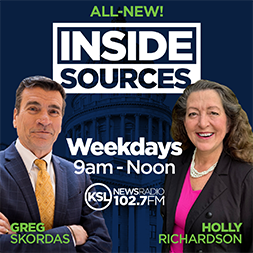 together hosted the “Dave & Dujanovic” show. Dr. Holly Richardson is a former state legislator who currently serves as editor of Utah Policy and a columnist for the Deseret News. Greg Skordas is a defense attorney, former prosecutor, and former candidate for Utah Attorney General. Bonneville president and COO Tanya Vea says, “This reflects our commitment to provide Utahns with smart, solution-oriented news and analysis. Greg and Holly bring a rare depth of expertise, perspective, and connection to our community, and we’re thrilled to welcome them to the KSL NewsRadio lineup.” KSL program director Kevin Larue adds, “Our evolving lineup reflects what KSL NewsRadio stands for—credible voices, engaging conversations, and a deep connection to the community. No matter the topic or the time of day, our listeners know we have them covered.”
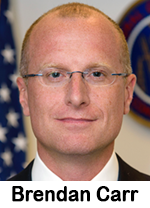 regulatory burdens. We received great feedback from a range of stakeholders already and plan on eliminating onerous, antiquated, and unlawful requirements across the board.” Carr added, “And we have been delivering these results with a focus on efficiency. At the beginning of Fiscal Year 2025, the FCC employed 1,461 full-time employees. As of April 28, 2025, the FCC employed 1,383 full-time employees. The difference over the last six months can be attributed to many factors, including FCC employees who took advantage of the early retirement window opened by my predecessor, the deferred resignation program offered by President Trump, and natural turnover. The agency is well positioned to continue carrying out its statutory mission for the remainder of Fiscal Year 2025 and beyond.”