By Matthew B. Harrison
TALKERS, VP/Associate Publisher
Harrison Media Law, Senior Partner
Goodphone Communications, Executive Producer
 Mark Walters didn’t expect to lose private-figure legal protections over something he never talked about – especially since the thing he never talked about never even happened. A nationally syndicated radio host and outspoken Second Amendment advocate, Walters is publicly known, but in a specific lane. He never discussed nonprofits, financial misconduct, or legal ethics. Yet when ChatGPT hallucinated a claim that he had embezzled from a charity, a Georgia court ruled he was a public figure – and dismissed his defamation suit.
The logic? Walters had a platform, a following, and a history of public commentary. That was enough. The court held that his general media presence elevated him to public-figure status, even though the allegedly defamatory statement had nothing to do with the subject matter of his actual work. wasn’t defamed about what he’s known for—but his visibility was used against him anyway.
The case didn’t just shut down a complaint. It opened a wider question: who qualifies as a public figure in the modern media era – and when does that designation apply to topics you never touched?

Why Public Figure Status Matters
Defamation law protects people from false, reputation-harming statements – but not equally. A private figure needs only to show that the speaker was negligent. A public figure, by contrast, must prove actual malice – that the speaker knew the statement was false or recklessly disregarded the truth.
This high standard, first articulated in New York Times v. Sullivan, was intended to protect freedom of speech and the press. But in the age of digital publishing and algorithmic reach, it’s increasingly used to deny protection to people who never thought they were stepping into the spotlight.
What Makes Someone a Public Figure?
Courts recognize two main categories:
– General-purpose public figures are household names – people famous across all topics and platforms.
– Limited-purpose public figures are individuals who have voluntarily entered public controversy or engaged in widespread public commentary on specific issues.
Here’s where the modern problem begins.
Thanks to blogs, newsletters, podcasts, and social media, it’s easier than ever to participate in public dialogue – and harder than ever to keep that participation confined to just one topic.
Post a viral thread on immigration?
Host a weekly podcast about school choice?
Weigh in on TikTok about local politics?
You may have just stepped into “limited-purpose public figure” territory – whether you intended to or not.
The Walters v. OpenAI Case – Now the Law
In Walters v. OpenAI, the court didn’t question whether the claim was false – only whether Walters could meet the public figure burden of proof. The court held that he could not. Despite the fact that he had never discussed the subject matter in question, his general visibility was enough to require that he prove actual malice. And he couldn’t.
The decision came with no trial, no settlement – just a dismissal. It now stands as legal precedent: having a public voice on one issue may cost you private-figure protections on others.
Microphone, Meet Microscope
This shift affects:
Independent journalists
– Podcast hosts
– Niche content creators
– Local activists with modest but vocal platforms
They may not feel “public,” but courts increasingly view them that way. And once that threshold is crossed, the burden in a defamation case becomes dramatically harder to meet.
he more you speak publicly—even on one topic—the more legally exposed you are everywhere else.
That wasn’t the intent of Sullivan. But in today’s fragmented, always-on media culture, visibility leaks- and so do legal thresholds.
Final Takeaway
You don’t need to be famous to be “public.” You just need to be findable.
Whether you’re behind a mic, a blog, or a camera, your platform may elevate you into public figure status – and bring defamation law’s toughest burdens with it. If you’re defamed, you’ll have to prove the speaker acted with knowing falsehood. If you’re doing the speaking, your target’s legal classification could determine how costly a misstep becomes.
In 2025, every microphone is also a microscope. Know what the law sees before you go live.
Matthew B. Harrison is a media and intellectual property attorney who advises radio hosts, content creators, and creative entrepreneurs. He has written extensively on fair use, AI law, and the future of digital rights. Reach him at Matthew@HarrisonMediaLaw.com or read more at TALKERS.com.
Share this with your network


 and achievements of women in media.” The Gracies Gala takes place May 19, 2026, at the Beverly Wilshire and the Gracies Luncheon happens June 16, 2026, at Cipriani 42nd Street in New York City. AWMF president Becky Brooks says, “Following a landmark 50th anniversary season, we remain inspired by the power of women’s voices in shaping our media landscape. The 51st Gracie Awards will honor the enduring influence of those who paved the way and spotlight the voices who continue to challenge, innovate, and lead. As we look to the future, we are committed to elevating the diverse and brilliant stories women bring to audiences every day.”
 She brings to the microphone more than two decades of experience in communications and marketing across both commercial and political sectors, with commentary featured on FOX News Channel and Univision, as well as published opinion pieces in The Baltimore Sun. She grew up attending Maryland schools while her father served as an Army officer and returned home after graduating from the University of South Florida.” Aviles comments, “As WBAL celebrates its 100th year on the air, I’m incredibly honored to join this legacy of broadcasting and to bring my voice to Maryland’s afternoon drive. This show will be about real conversations – local, national, cultural – I’m excited to connect with listeners every day.”
 lineup anchored by Shannon Burke (PM drive) and Bubba the Love Sponge (AM drive), and will welcome Panama City’s own Brian Rust to the network as the new 9:00 am to 12:00 noon host. JVC CEO John Caracciolo says, “This is more than a format flip; it’s a statement. By bringing WYOO into the Florida Man Radio Network, we’ve created a single, dominant talk radio platform that spans from Pensacola through Panama City and beyond. The Florida Panhandle is one of the most politically engaged and conservative regions in the country. This move allows us to deliver content that speaks directly to the values, voice, and lifestyle of real Floridians.”
 Salzone to operations manager for the 10-station cluster. Salzone will take over for Chris Allinger who is retiring at the end of August. Cayuga Media Group president and GM Chet Osadchey says, “Joe is an incredibly hard-working and knowledgeable broadcast professional. He will be a guiding force in our continued evolution as a local media source.”
 and actions prior to the Paramount-Skydance merger. Paramount’s CBS agreed to a settlement with President Donald Trump over a Kamala Harris interview on “60 Minutes.” The complaint says, “Everyone from U.S. senators to CBS employees to a dissenting FCC commissioner has said the settlement appears to have been a bribe to grease the wheels for Carr’s FCC to approve the merger. Even putting Paramount aside, Carr has pursued numerous other frivolous and unconstitutional legal proceedings and threatened more of them in furtherance in his efforts to intimidate broadcast licensees to censor themselves and fall in line with Trump’s agenda.” It goes on to say, “Carr’s actions brazenly violate legal and ethical standards that govern the practice of law and public officials, undermining the First Amendment, the FCC’s credibility, and the laws he is trusted to administer. His abuse of his office to force an unwarranted settlement of a private lawsuit is shameful and warrants disbarment.”
 Reviewing radio’s challenges:
 of Atlanta. And raised an event record of more than $2.1 million. WSB director of operations Ken Charles says, “95.5 WSB has the most generous listeners in the country, without them this is not possible. I am blessed to work with the most passionate, dedicated and hardworking team in the business. I couldn’t be prouder of what we achieved over these incredible and inspirational 38 hours.”
 Why we’re already seeing TV tout its coming attractions: They understand how, after Labor Day, routines settle in. Viewers will be ready to re-engage.
 and more in alleging that he had a deal with Del Nin in 2022 and began working together “to try to acquiring Cox Radio, with Del Nin agreeing that Warshaw would manage the business as CEO upon successful acquisition.” Warshaw also says he steered SFM and Del Nin to the deal that made SFM a majority stake holder of the new Audacy in early 2024 and alleges he was promised he’d be the next CEO of Audacy or that he would get 5% of SFM’s profits from the Audacy acquisition. As for the change of venue, both parties agree the case involves both complex legal issues and a claim for monetary damages. The defendants says it’s likely to require resolution of “complicated legal and factual issues.” (Del Nin has already moved to dismiss on jurisdiction grounds, which involves questions of constitutional law.) Plus, SFM anticipates the case will benefit from careful discovery oversight as it will need discovery from Warshaw as well as potentially from third parties, including from Connoisseur and the other investment firms Warshaw references in the Complaint.
 for free markets, Gomez called out the FCC’s role and Paramount for “cowardly capitulation.” Trusty said, “This transaction reflects the free market at work, where private investment, not government intervention, is preserving an iconic American media institution. During its review of the transaction, the Commission determined the merger was lawful and would serve the public interest. This deal brings fresh
  leadership, new capital, and a clear plan to compete with dominant tech platforms.” Gomez stated, “In an unprecedented move, this once-independent FCC used its vast power to pressure Paramount to broker a private legal settlement and further erode press freedom. Once again, this agency is undermining legitimate efforts to combat discrimination and expand opportunity by overstepping its authority and intervening in employment matters reserved for other government entities with proper jurisdiction on these issues. Even more alarming, it is now imposing never-before-seen controls over newsroom decisions and editorial judgment, in direct violation of the First Amendment and the law… The Paramount payout and this reckless approval have emboldened those who believe the government can – and should – abuse its power to extract financial and ideological concessions, demand favored treatment, and secure positive media coverage. It is a dark chapter in a long and growing record of abuse that threatens press freedom in this country.”
 have ever consumed a podcast, 55% have consumed a podcast in the last month, and 40% have consumed a podcast in the last week, each measure being an all-time high; 2) Video podcast consumption has redefined the podcast landscape: Over half (51%) of the U.S. 12+ population has ever watched a video podcast; 37% have watched a video podcast in the last month and 26% have watched a video podcast in the last week. Those who actively watch video podcasts are younger and more diverse than those who only listen to audio-only podcasts; and 3) Podcasts offer high engagement and trust from listeners: 88% of weekly podcast consumers agree that hearing ads is a fair price to pay for free content; 68% say they don’t mind hearing ads on podcasts. You can see
  local communities and civic issues.” According to a press statement, Bolling will assist in guiding Re:Public’s strategic communications, serve as voice of the platform in national and regional media, and assist with outreach as Re:Public expands throughout the United States. Bolling says, “Re:Public is an innovative new platform that returns the voice of ordinary Americans to the center of our public life. Local news has been dominated by goliath corporations for too long. Re:Public empowers people with the ability to report what is important in their own neighborhoods — unfiltered, uncensored, and held accountable.”
 Conventional industry wisdom: “If our morning star leaves, we’re dead. How could we replace them?”
 retirement of Jeff Austin. The station the serves as flagship for University of Oregon Ducks football, men’s and women’s basketball and baseball. Along with these changes, the station unveils a tweaked program schedule that includes the debut of “The Firm of Harris and Marang,” airing daily from 10:00 pm to 1:00 pm and hosted by Danny Marang and Patrick Harris; “Dirt and Sprague” extending their show an hour from 6:00 am to 10:00 am; and “The Happy Hour with Luke Andersen” airing weekdays from 2:00 pm to 3:00 pm. Audacy Portland SVP and market manager Ryan Cooley says, “We’re incredibly excited to bring ‘The FAN’ to the FM dial. This move is long overdue and all about delivering a better listening experience for our audience with clearer sound and great content our fans know and love. For the first time in our history, our entire primetime on-air lineup will be 100% local and led by our new brand manager, Dusty Harrah, a native Oregonian.”
 the country, particularly in rural and underserved areas. However, Americans are increasingly skeptical of media institutions, with trust in media at historic lows. That reality cannot be ignored. It is not unreasonable for taxpayers to expect transparency, accountability, and balance from any outlet receiving federal support. Nor is it unreasonable for Congress to reassess whether public funding models established in a different media era remain justified today, especially when Americans have more access to more content from more sources than ever before. This action does not signal the end of public media. Instead, it presents an opportunity for innovation, partnerships, and more localized decision-making. As a regulator, I will continue to support policies that promote access and competition in media, without presupposing that one model of funding or content creation should be immune from public scrutiny or reform.”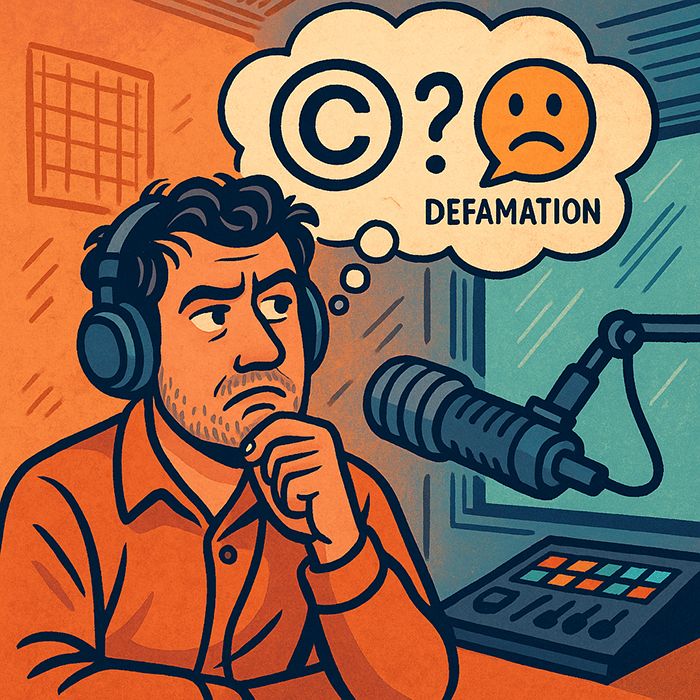
 available free of charge to the first 200 TALKERS readers who respond to the offer. This valuable resource is packed with contact information to reach Members of Congress and their key staffers.
  In radio and podcasting, editing isn’t just technical – it shapes narratives and influences audiences. Whether trimming dead air, tightening a guest’s comment, or pulling a clip for social media, every cut leaves an impression.

 Let’s look into the crystal ball. Humor me if you will.
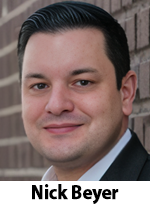 Hubbard Seattle stations (then owned by Sandusky) and rose through the ranks in promotions, sales, and on-air roles, and was selected for Hubbard’s inaugural NextGen Leadership program. Most recently, Beyer held senior sales leadership positions at CRISTA Media and iHeartMedia Seattle. Beyer says, “I’m incredibly honored to return to where it all began. Hubbard Radio Seattle is home, and I can’t wait to work with this amazing team to serve our listeners, clients, and community.”
 How obsolete does this sound? “Newsweek magazine.” News, gathered during most-of the week, had to be frozen by week’s-end, on deadline, to roll the presses in time for hard copy to be delivered in Monday’s snail mail. Back then – picture people dressed like “Mad Men” characters – enough subscribers felt informed-enough to deliver Return On Investment for the magazine’s advertisers. Seems antique. Now, news is reported moment-to-moment, on any device. And newsweek.com is there… along with everyone else competing for attention.
 There are two broad categories of thought: Task. Creative. When in creative mode, a person innovates, imagines, plans, and solves problems. An idea bank is a bank! Money grows from the results of imagination: new products, new music, new formats, new sales strategies. Business growth depends on new!
 Let’s discuss how CBS’s $16 million settlement became a warning shot for every talk host, editor, and content creator with a mic.
 business as CEO upon successful acquisition.” While both parties were doing due diligence on the CMG deal, Warshaw learned that an Audacy majority stake holder was willing to sell its stake in the company. Warshaw says he steered SFM and Del Nin to the deal that made SFM a majority stake holder of the new Audacy in early 2024. Warshaw alleges he was promised he’d be the next CEO of Audacy or that he would get 5% of SFM’s profits from the Audacy acquisition. After that though, Warshaw says Del Nin balked and denied there was ever an agreement, calling any such claims “fabricated.” Now, Soros and Del Nin filed both a Motion to Dismiss saying the “Court lacks personal jurisdiction over Mr. Del Nin under Connecticut’s long-arm statute”; and a Motion to Revise that asks Warshaw to revise his complaint with specific details about his contracts – written or verbal – that he claims were breached, and more. In the Motion to Revise, Soros and Del Nin imply that Warshaw doesn’t have the contractual proof necessary to support his claim.