By Holland Cooke
Consultant
It is now the ultimate competitive advantage, and for broadcasters it’s a survival strategy. In The Five-Year Century: Bold Leadership and Accelerated Outcomes in the Age of AI, Mihir Shukla and Nancy Hauge explain how—as artificial intelligence accelerates change and demographics reshape the audience—trust becomes the only durable asset radio and television can bank on.
The book describes a 2026 world where the “twin engines” of growth—population and productivity—have stalled. Birth rates are plunging, workforces are shrinking, and productivity has flatlined across most industries. Meanwhile, AI is compressing decades of innovation into months. This collision creates what the authors call “The Five-Year Century,” in which the pace of change overwhelms institutions built for slower times—broadcasting, for instance.
Radio and television were built on industrial-era assumptions: mass audiences, standardized programming, rigid schedules, and hierarchical decision-making. Those assumptions worked when the audience was broad, predictable, and captive. On February 9, 1964, the Beatles tripled Ed Sullivan’s ratings. Back to the future…
AI is rewriting the rules of content creation, distribution, and consumption. Personalized news feeds, customized ad loads, and algorithmic programming are expectations. Younger audiences don’t wait for a newscast; they expect a feed. They don’t tune in; they scroll. They don’t accept one-size-fits-all; they demand one-size-fits-me.
In this environment, trust becomes the new currency because it’s the one thing AI cannot manufacture.
Broadcasting’s advantage has always been credibility. When a storm hits, people still turn to local radio. When a shelter-in-place alert hits their phone, they still switch on local TV. That instinct is powerful, but it’s not permanent. Trust must be earned continuously, especially as AI-generated misinformation floods the ecosystem.
The book’s chapter on the “Trust Economy” makes a critical point: trust accelerates outcomes. High-trust organizations move faster, innovate more boldly, and adapt more effectively. For broadcasters, trust accelerates audience loyalty, advertiser confidence, and community relevance. But trust now requires new behaviors.
It requires transparency about how AI is used in newsrooms. It requires clarity about what is human judgment and what is machine assistance. It requires authenticity as AI-generated talent becomes increasingly commonplace—and increasingly convincing.
Trust requires broadcasters to lean into what humans do best: context, empathy, moral reasoning, and community connection. The book reminds us that “work worthy of human potential” is work that machines cannot replicate. For broadcasters, that means storytelling, accountability journalism, and the human presence that makes local media local.
By all means, assign AI the routine tasks: editing, logging, transcription, versioning, and production. Then reinvest the human time you save in the relationship between a station and its community. In The Five-Year Century, trust isn’t just a virtue. It’s a conspicuous differentiator. It’s the currency that will determine which broadcasters thrive and which fade into the noise of an algorithmic world. As our industry suffers workforce cutbacks, we risk downsizing trust.
To read two sample chapters and watch a short video interview with the authors, click here.
Holland Cooke is a consultant working at the intersection of broadcasting and the Internet. Follow HC on Twitter @HollandCooke and connect on LinkedIn.



 he returned from a sold-out trip with listeners to Italy. Bauerle didn’t go into details about exiting the company’s Buffalo cluster where he’s been on the air – if you include his time at sister sports talker WGR – for the past 42 years but it stands to reason the decision by management was a financial one. It’s unclear what Audacy’s plans for the afternoon drive daypart are. As of today, Bauerle’s show is still listed on the station’s website.
  Bongino returned to the Cumulus fold doing his podcast that’s sold by the Cumulus Podcast Network after leaving his assistant director position with the FBI. The new show will feature Shawn Farash hosting the first hour and Bongino hosting hours two and three. Bongino comments, “I’m excited to partner with Shawn to bring listeners a daily program focused on the stories that matter most. Our goal is simple: deliver honest analysis and keep our
 audience informed and engaged. Radio remains one of the most powerful ways to connect directly with people, and I’m excited to be back on Westwood One!” Farash adds, “This is an incredible opportunity for me to connect with listeners across the country every day. Working alongside Dan and the team at Westwood One allows us to bring a fresh, energetic approach to afternoons while staying focused on the stories our audience cares about most.”
 $12.8 million net loss it reported for the same period in 2025. Breaking down the company’s revenue by segment, broadcast spot revenue was $81.5 million, down 10.6% from a year ago; network revenue was $21.4 million, a decline of 21.5% compared to 2025; and digital revenue was $38.7 million, basically flat compared to Q2 of 2025. Cumulus Media CEO Mary G. Berner comments, “We are pleased to report our second quarter earnings. With our plan of reorganization confirmed by the court and the FCC approval process well underway, we are positioned to emerge from Chapter 11 with a stronger balance sheet to capitalize on future market opportunities.”
 news site, “There’s a great quote from Theodore Roosevelt back in 1910 about being ‘a man in the arena,’ I think it’s time for me to get in the arena and try to do what’s right.” Elci is entering the race a bit late after the candidate endorsed by the Connecticut Republican Party in May – Ron LaBonte – says he’s no longer able to run for the office currently held by Democrat Martha Marx. The Connecticut State Legislature is a part-time body that meets for several months during the first half of the year. Elci says he could do both jobs if he wins the race. Elci tells LymeLine he will continue to do his show and will not talk about his campaign or issues involving towns in the district.
  slipped including KFRU, Columbia, Missouri talk hosts David Gaines and Simon Rose. Gaines posted to Facebook: “As of this week, I’m no longer with Columbia’s heritage radio station KFRU. Corporate downsizing, the elimination of Cumulus Media positions nationwide, hit our market this week. That’s the nature of this business. Despite this setback, I’m writing this with a sense of gratitude. These past 18 years have been such a wonderful stretch of my career. I’ve worked with so many talented and creative people. Been a part of countless wonderful events. Interviewed multiple local and state leaders, and interesting guests from all walks of life.” Rose’s wife Jenna posted to Facebook: “Simon Rose has come to the end of a legendary run in local radio. He weathered plenty of rounds of belt-tightening over the years, but this time was the one he didn’t survive. The hardest part for him isn’t the ending itself – it’s that he didn’t get the chance to say a proper goodbye to the listeners on either station. He wants them to know how much being part of their lives has meant to him. They have been with him since before we were married and took daily interest in him and our growing family. Thank you for that.”
 For the second quarter of 2026, Salem’s net revenue was $45.9 million, a decrease of 15.2% from the same period in 2025. On the plus side, Salem’s net loss for the quarter was $3.4 million, a dramatic 81% decline from the $17.6 million net loss it reported a year ago. By segment for the quarter, Salem’s broadcast advertising revenue was $17.85 million, a dip of 11.3% compared to Q2 of 2025; broadcast programming revenue was $34.3 million, a decline of 6.3%; and digital revenue was $32.7 million, a decrease of 12.5%.
 we are encouraged by the progress we’re making in transforming Beasley into a more diversified, higher-margin media company. Our digital and local direct spot businesses continue to build momentum, our cost structure is significantly more efficient than it was a year ago, and we remain focused on improving the quality of our revenue. We believe these initiatives are creating a stronger operating foundation and positioning the company for more consistent financial performance over the long term. At the same time, we continue to execute against the financial priorities we established at the beginning of the year. We are operating with discipline, allocating capital thoughtfully, and taking deliberate actions to strengthen our balance sheet through debt reduction, portfolio optimization, and improved financial flexibility. These efforts, combined with our ongoing operational initiatives, are designed to improve cash flow generation and create long-term value for our shareholders. Looking ahead, our strategy remains unchanged. We are focused on delivering sustainable revenue growth, expanding EBITDA through continued operating discipline and higher-margin revenue, and further reducing leverage over time. While the broader advertising environment remains dynamic, we believe the actions we are taking today are positioning Beasley to emerge as a stronger, more profitable, and more resilient company.”
 Rush” program on Bell Media’s CFRA, Ottawa for the past 10 years. Now, he’ll also do a one-hour, Toronto-focused show from 9:00 am to 10:00 am on CFRB “Newstalk 1010.” Last fall, Bell Media and iHeartMedia announced a long-term extension of their partnership that created the iHeartMedia Canada digital platform. That relationship has brought content, including more than 360 licensed Canadian radio stations across 170 markets, hundreds of thousands of podcasts, playlists, and on demand content to Canada.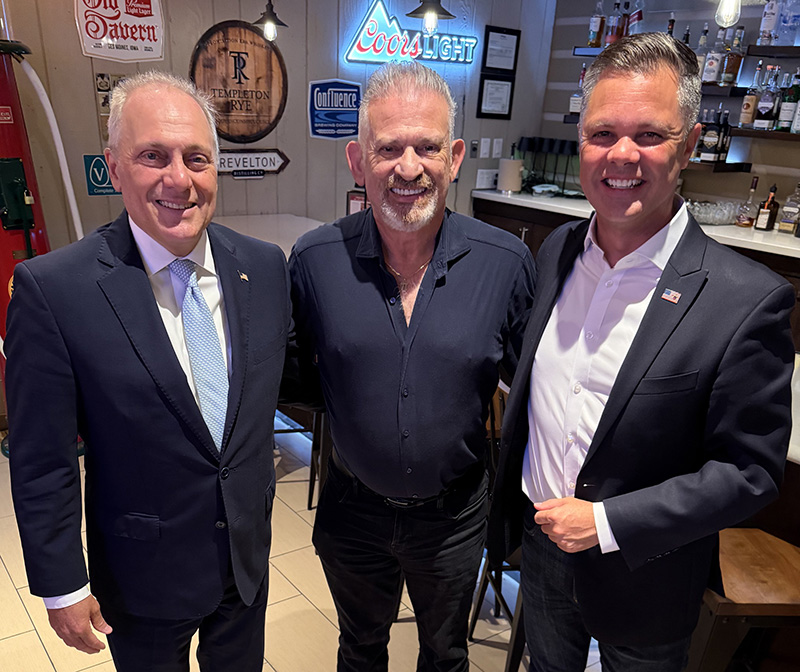
 Zimmer argues in its filing that relief from the ownership cap would not adversely affect competition in the Springfield, Missouri market and notes that if approved, its revenue share in the market would be 33.6% (up from its current 8.5%), while SummitMedia’s revenue share is currently 34.8%. Zimmer goes on to add that in terms of audience share, Zimmer would have 21.3% of the market’s audience compared to iHeartMedia’s 22.3%. Additionally, Zimmer points out that, if approved, 18 different owners would control stations in the Springfield market.
 company’s Digital Audio Group revenue was $364 million, up 12% over Q2 of 2025, with the podcast segment rising 21% on revenue of $162 million. iHeartMedia chairman and CEO Bob Pittman comments, “We’re pleased with our second quarter results, generating Adjusted EBITDA of $152 million, slightly above the midpoint of our previously provided guidance range. Our consolidated revenue was $977 million, up 4.7% compared to the prior year quarter and above our guidance. Our podcast revenue momentum continues, up 20.7% compared to prior year, and in addition to helping propel our growth as the #1 podcast publisher, our broadcast radio assets have also allowed us to develop and drive the new video podcast marketplace – an incremental growth opportunity for us, including on streaming video services including Netflix and Disney+ and Hulu, which we announced today. And our work in building our digital assets continues to pay off; this is the sixth consecutive quarter in which the Digital Audio Group Adjusted EBITDA is larger than the Multiplatform Group Adjusted EBITDA.”
 Security Bureau, as well as the agency’s Consumer and Governmental Affairs Bureau. FCC Chairman Brendan Carr states, “I want to congratulate Danielle on her nomination to serve as a Commissioner on the FCC. Danielle is a dedicated public servant and has worked with skill and distinction on some of the most important matters before the agency. Danielle has delivered policy wins across the FCC’s economic agenda – from bridging the digital divide and protecting consumers to advancing public safety. With the advice and consent of the Senate, Danielle would make a terrific Commissioner.”
 As TV is touting its coming attractions, take a step back. We – inside the box – live-and-breathe radio.
 By Walter Sabo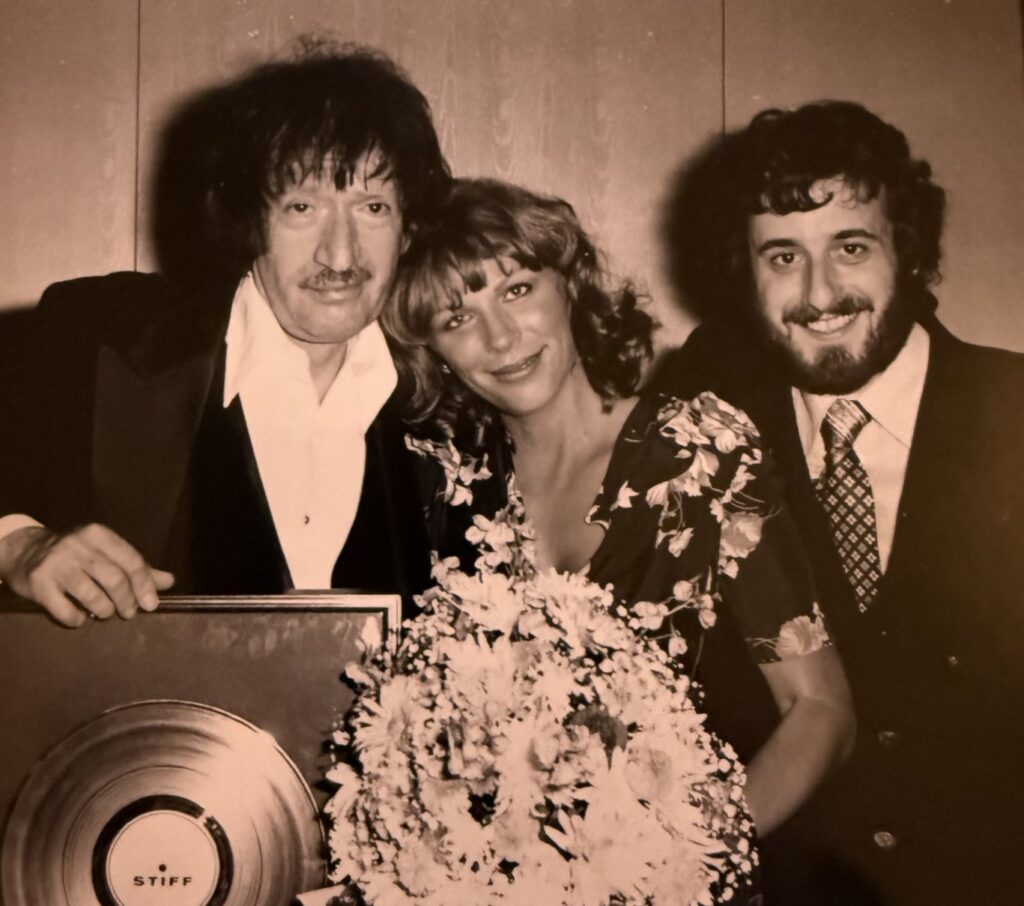
 Red Apple Audio Networks’ recently launched Worldwide News Network (WWNN) is stepping into the weekend business and financial news space with the launch of WWNN Weekend Business Reports, a new series of reports delivering timely, insightful coverage of the markets, the economy and the companies driving growth. The reports debuted on Hubbard Broadcasting’s WTOP in Washington, DC, this past Saturday, August 1, marking the first affiliate partnership for the new service.
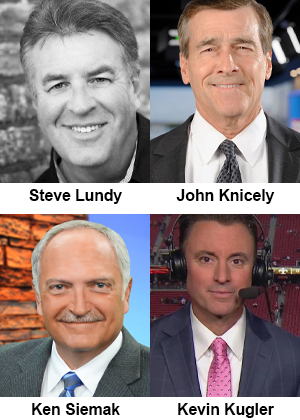
 Beasley Media Group’s 97.5 The Fanatic (WPEN-FM), Philadelphia’s announced a new weekday on-air lineup highlighted by the promotion of current midday host Jon Marks to the station’s morning drive program. Beginning Monday, August 17th, Marks will join Andrew Salciunas as co-host of the weekday morning show from 6:00 to 10:00 am, following the departure of John Kincade. Marks, who currently hosts the station’s popular “Middays with Marks” program, will transition to mornings alongside Salciunas, who has been part of the morning show for the past two-and-a-half years. The move pairs one of Philadelphia’s most recognized sports radio personalities with one of the market’s emerging voices while maintaining a strong local focus during the station’s highest-profile daypart. The programming changes also create new opportunities across the station’s weekday schedule. Ray Dunne, who previously served as producer of the station’s midday program, moves into an on-air hosting role and will join Sean Brace to lead the midday show from 10:00 am to 2:00 pm. Meanwhile, “Unfiltered with Ricky Bo and Bill Colarulo” will continue in afternoon drive from 2:00 pm to 6:00 pm. “Jon Marks has earned the trust of Philadelphia sports fans through years of outstanding work on the air, making him a natural choice to drive our morning show” said Paul Blake, Vice President and Market Manager, Beasley Media Group Philadelphia. “Along with Andrew, Sean, Ray, Ricky and Bill, we’re confident this lineup reflects the depth of talent at The Fanatic and reinforces our commitment to delivering the best local sports talk in Philadelphia.”
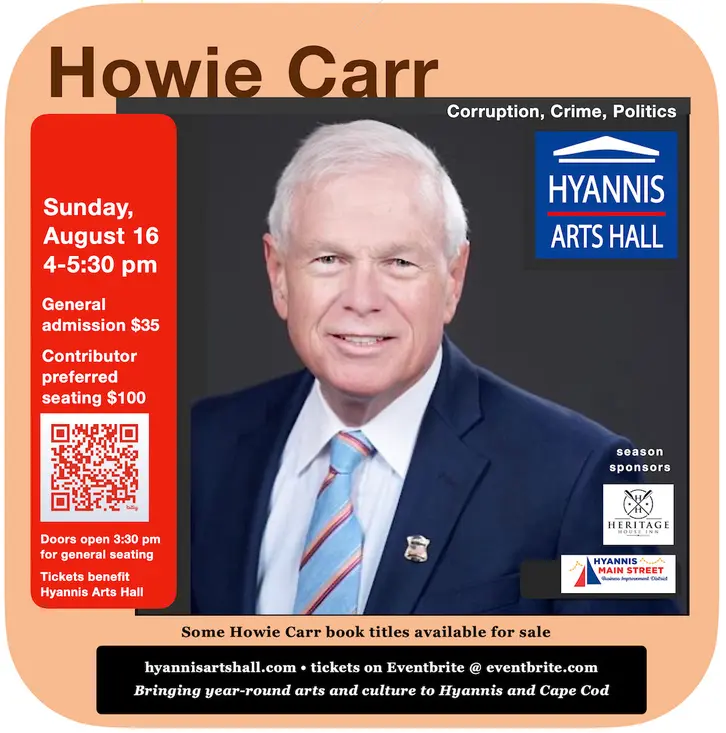 Long known as the kind of radio talk show host who can “draw a crowd,” legendary New England personality, best-selling author, newspaper columnist, and broadcasting entrepreneur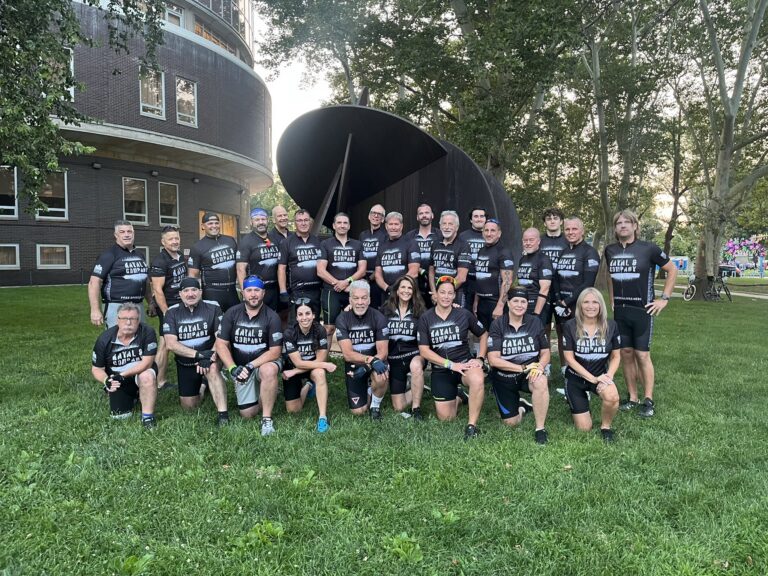


 In an impressive example of the productive synergy that can be generated by the teaming of campus and professional spoken word radio organizations,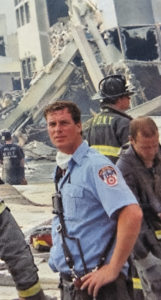
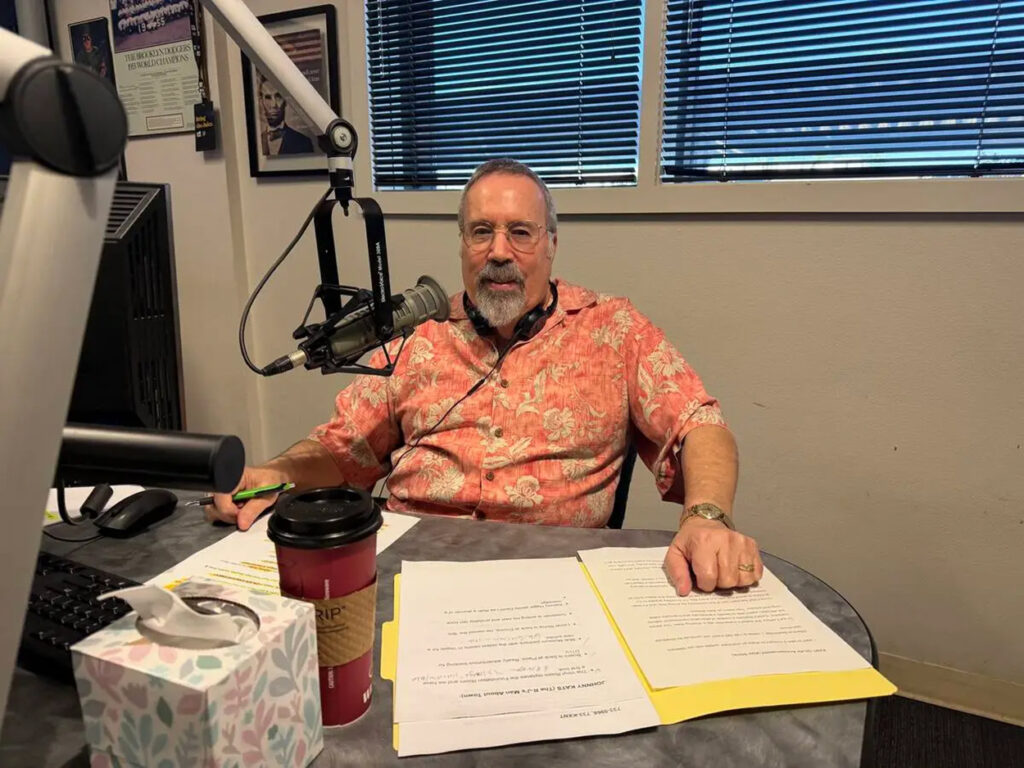

 By Matthew B. Harrison
 chance to weigh in on whether to allow the FCC to continue its campaign of censorship and control, the American public showed up in a big way, and the vast majority who spoke up delivered the same message. They believe in the value of their local news, they trust those who cover their communities, and they understand that the FCC has no business deciding who is a journalist and what counts as real news. A small number of partisan voices tried to hijack this process into a referendum on a network they dislike, but the public refuses to let local stations become collateral damage in the FCC’s political games. The FCC has no authority to police the ideological balance of the airwaves, and no matter what this Commission does next, the record now makes clear that this was never a genuine search for the public interest.”