


Dickey Broadcasting Announces Expanded Lineup on Sports Radio 680 The Fan
 Dickey Broadcasting Company announces, “an exciting new chapter” for Sports Radio 680 The Fan in Atlanta as veteran broadcaster John Kincade joins Matt Chernoff weekdays from 2:00 pm to 6:00 pm for the all-new “Kincade & Chernoff Show.” The pairing brings together two of Atlanta’s most respected and recognizable sports radio personalities. The new show will feature the latest sports news, interviews, and debate.
As part of this programming change, station personality Chuck Oliver will continue to play an “impactful” role on The Fan while expanding his focus on “The Chuck Oliver Show,” heard across the Southern Sports Today Network. According to station management, Oliver remains an integral part of 680 The Fan’s programming and will continue to provide the station’s signature college football coverage and analysis through exclusive segments, special features, and fan-favorite promotions including “Win Chuck’s Dinner.” With his nationally recognized expertise, Oliver will also devote additional attention to growing “The Chuck Oliver Show,” further expanding coverage of SEC and ACC football, the College Football Playoff, recruiting, and the biggest stories from across the college football landscape throughout the Southeast.
“This is an exciting opportunity for all of our brands,” said David Dickey, president of Dickey Broadcasting Company. “John and Matt are an outstanding combination for afternoon drive, and our listeners should know that Chuck Oliver isn’t going anywhere. Chuck remains a huge part of The Fan and will continue to be our premier voice for college football through regular appearances, features, and promotions, while also expanding the reach of ‘The Chuck Oliver Show’ across the Southern Sports Today Network. These moves strengthen our commitment to delivering best-in-class sports programming both locally and throughout the Southeast.”
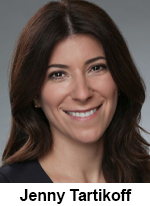 SiriusXM today (8/6) announced that Jenny Tartikoff has been named senior vice president and head of communications, effective August 10, 2026. Tartikoff will report to president and chief content officer Scott Greenstein and lead SiriusXM’s overall communications and public relations strategy and execution. She will be responsible for promoting the company’s content and business narrative while serving as a senior advisor to the company’s leadership team on major business developments and high-profile moments. Tartikoff brings more than 20 years of communications experience across media, entertainment, and technology. She most recently served as EVP, Global Communications at Paramount Pictures, where she led internal and external corporate communications, corporate social responsibility and awards strategy for the studio’s live-action and animation properties. During her tenure, Tartikoff guided the company’s communications through the industry’s post-pandemic recovery and the evolution of Paramount’s multi-platform release strategy.
 Beasley Media Group’s 97.5 The Fanatic (WPEN-FM), Philadelphia’s announced a new weekday on-air lineup highlighted by the promotion of current midday host Jon Marks to the station’s morning drive program. Beginning Monday, August 17th, Marks will join Andrew Salciunas as co-host of the weekday morning show from 6:00 to 10:00 am, following the departure of John Kincade. Marks, who currently hosts the station’s popular “Middays with Marks” program, will transition to mornings alongside Salciunas, who has been part of the morning show for the past two-and-a-half years. The move pairs one of Philadelphia’s most recognized sports radio personalities with one of the market’s emerging voices while maintaining a strong local focus during the station’s highest-profile daypart. The programming changes also create new opportunities across the station’s weekday schedule. Ray Dunne, who previously served as producer of the station’s midday program, moves into an on-air hosting role and will join Sean Brace to lead the midday show from 10:00 am to 2:00 pm. Meanwhile, “Unfiltered with Ricky Bo and Bill Colarulo” will continue in afternoon drive from 2:00 pm to 6:00 pm. “Jon Marks has earned the trust of Philadelphia sports fans through years of outstanding work on the air, making him a natural choice to drive our morning show” said Paul Blake, Vice President and Market Manager, Beasley Media Group Philadelphia. “Along with Andrew, Sean, Ray, Ricky and Bill, we’re confident this lineup reflects the depth of talent at The Fanatic and reinforces our commitment to delivering the best local sports talk in Philadelphia.”

 WTLP-FM (licensed to Braddock Heights) at 103.9 FM and the company will begin leasing it to the Christian music network K-LOVE on August 1. WTOP general manager Joel Oxley states, “Our main signal on 103.5 FM covers most of Frederick County’s population and with the advent of streaming, listeners can get us anywhere in the country.” WTOP began simulcasting on 103.9 FM in 2007.
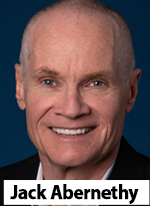
 “It’s all media,” declared accomplished media executive Jack Griffin when confronted with brand new definitions of content and content distribution. Jack, for years, was president of Meredith Publishing, Time Inc., and The Tribune Company. I met Jack when he was publisher of PARADE magazine. Jack is pragmatic, won’t waste your time and spots BS faster than most humans. We were listening to discussions of the impact of online media versus traditional media, and his line was running out. Jack declared “It’s all media” and the meeting blessedly ended. The phrase haunts me and it is being proven true every second of every day.
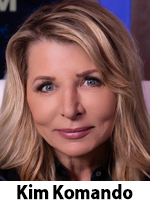 Saturdays from 12:00 noon to 3:00 pm. Industry affiliate relations pro Jim Watkins is serving WestStar Entertainment as director of affiliate sales, he says, “We’re excited to partner with KEIB and expand Kim’s presence in one of the nation’s most important radio markets. Technology touches every part of daily life, and Kim’s rare ability to make complex issues entertaining and easy to understand makes her program an outstanding addition to The Patriot’s weekend lineup.
 Veteran journalist, author, political commentator, and 77WABC Radio personality Dominic Carter was honored with the American Heritage Award at the Kings County Conservative Party’s Annual American Heritage Reception on July 23 at the Knights of Baron DeKalb in Sheepshead Bay, Brooklyn. The event celebrated Carter’s more than four decades in broadcast journalism, recognizing his distinguished career as a radio host, television commentator, author, and one of New York’s most respected media voices.
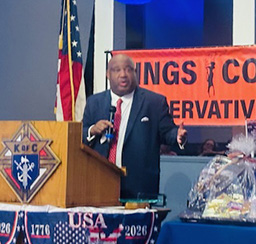 Frances Vella Marrone, the reception brought together elected officials, candidates, community leaders, and supporters to recognize Carter’s professional achievements while celebrating the values of perseverance, public service, and the American Dream.
 Tournament is one of the industry’s signature events. It offers a unique opportunity to play one of the region’s premier courses while spending the day with colleagues, industry leaders, and celebrities, all in support of a charity that provides a vital lifeline to our fellow broadcasters when they need it most.” All proceeds from the tournament directly benefit the BFOA’s charitable mission.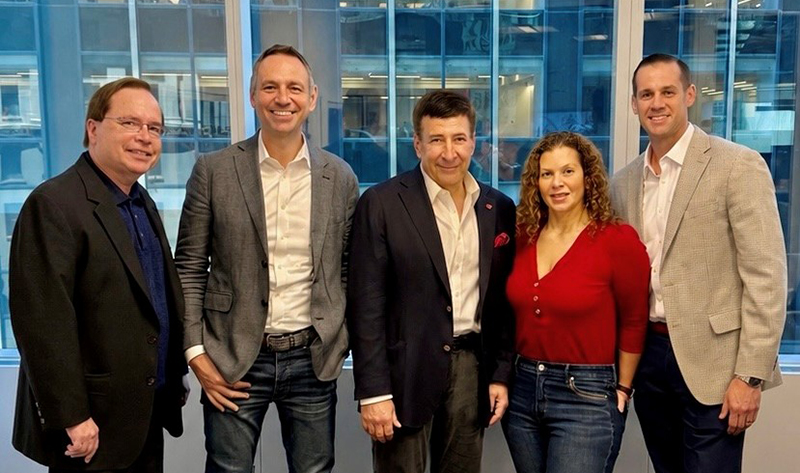
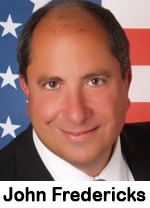 equity, or Wall Street investors. We answer to one group: our audience. This milestone proves there’s tremendous demand for independent voices delivering news, politics, sports, and commentary people can trust. Truth and clarity are making a comeback.” Company CEO Anne Fredericks adds, “We strive to cover what matters most in people’s daily lives: their country, their community, and their sports teams. News, talk, and sports are simply different expressions of the same mission: giving people truthful information, honest perspective, and a voice. What makes the John Fredericks Media Network different is our independence. No newsroom hierarchy, no C-Suites, no suits and no boardrooms.”
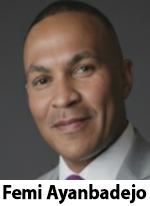 Joe LaCroix says, “Femi’s sports knowledge spans far beyond football, encompassing the entire Charm City sports scene. His fearless opinions and local sports knowledge will complement Ken’s fiery takes and Tim’s sharp insights. We can’t wait for our listeners to experience the next chapter of afternoons with ‘The Final Drive.’” Ayanbadejo’s radio experience began in 2012 with contributions to several programs, including “The Scott Garceau Show,” Ravens game-day radio with Gerry Sandusky, and, most recently, “The Bruce and Femi Show” on “105.7 The Fan.”