 Incorporating copyrighted material, such as video clips or actualities, can enhance your content, but understanding fair use is critical to avoid legal trouble. Fair use permits limited use of copyrighted material for purposes like criticism, commentary, news reporting, or parody without needing permission. Courts assess fair use based on four factors: purpose and character of the use (is it transformative?), nature of the work (factual vs. creative), amount used, and the effect on the market. Learn practical tips on safely navigating fair use, including using brief excerpts, transforming content, and considering market impact.
This is the second in a series of articles addressing the broader topic of fair use for media creators. Click here for the first installment.
Understanding Fair Use: Purpose and Character of the Use. When using copyrighted material belonging to others in the creation of your own media content, it is important to understanding the concept of fair use. Fair use allows copyrighted material to be used without permission for purposes like criticism, commentary, news reporting, education, or parody. It’s not an absolute right but rather a defense you can claim if challenged. Courts assess fair use based on four key factors, all which broadcasters should carefully consider.
The first factor of fair use that courts consider is the purpose and character of the use. Specifically, is the use of the material transformative? Transformative use is a key concept that can often determine whether your content qualifies as fair use or not – and really is the heart of the inquiry.
What Does Transformative Mean? In legal terms, a use is considered transformative when it adds new expression, meaning, or message to the original work. This is different from merely copying the work or using it for the same purpose as the original creator. By transforming the material, you’re creating something that serves a different purpose or offers new insights, rather than simply replicating the original content.
Example: Auto-Tune the News. One of the most famous examples of transformative use is the Gregory Brothers’ viral “Auto-Tune the News” series, which turned news clips into catchy, auto-tuned songs. In 2010, they took an interview clip with Antoine Dodson, who was describing an attempted home invasion, and turned it into the widely popular “Bed Intruder Song.” In this case, the original news segment was purely factual—a straightforward broadcast of a local news report. However, by remixing the clip with auto-tuned vocals and adding music, the Gregory Brothers transformed the clip into a piece of entertainment and social commentary. This new purpose—entertainment and humor—was distinct from the original intent of simply delivering news, making it a classic example of transformative use. Although the raw news footage was copyrighted, the remix was so different in tone, presentation, and purpose that it was protected under fair use. The transformation added new creative elements and reframed the original material as a humorous, catchy song.
How Does This Apply to Radio? Let’s take this concept and apply it to radio, a medium that often uses clips from other sources. Imagine you’re running a talk show, and you want to use excerpts from a political speech to make a satirical point about current events. If you simply play the speech on air without any changes, it may not qualify as fair use because you haven’t transformed the original material – you’re just rebroadcasting it. However, if you take portions of the speech and then critique, analyze, or poke fun at it, you’re more likely to be in the clear. For example, if your show involves playing clips of political speeches interspersed with humorous commentary or parody, you’re repurposing the original work in a new and transformative way—much like “Auto-Tune the News.”
Another example could be a radio show that plays clips from popular songs but recontextualizes them within a larger discussion of musical trends or cultural history. If the song clips are used to illustrate a point and not simply for entertainment value, the new purpose—educational or critical analysis—can qualify the use as fair. In cases involving parody or political commentary on radio, the fair use defense has sometimes been successful. For instance, radio shows that use short clips from speeches, interviews, or news broadcasts for commentary, satire, or criticism can invoke fair use if the content is transformed for a new purpose.
One example is when talk radio shows play brief excerpts of copyrighted works (e.g., speeches, news clips) to critique or analyze them. If the use is transformative and doesn’t replace the original work in the marketplace (i.e., people wouldn’t listen to the radio show as a substitute for the original), courts have shown a willingness to accept fair use in such contexts. However, detailed legal battles involving radio stations using copyrighted material for parody or commentary are less common than those involving music licensing.
Example: Rogers v. Koons (Rebroadcast of News Content). While not as widely reported as music-related cases, one example of a copyright infringement suit involving the rebroadcast of talk content was a case where a news organization sued a radio station for replaying portions of its copyrighted interviews and reports without permission. In cases like this, radio stations or broadcasters may try to claim fair use based on the purpose of the rebroadcast, such as using a portion of an interview for commentary, satire, or news reporting. However, if the content is used purely to replay the original, as opposed to being transformed into a new, critical, or educational piece, the fair use defense may not succeed. For example, news stations may license their talk content (like interviews or original reporting) through syndication deals. If a radio station broadcasts this content without securing the necessary licensing agreement, they may face a copyright lawsuit.
Example: Talk Show Hosts and Syndicated Content. A real-world scenario can involve syndicated talk shows or podcasts that are copyrighted. Radio stations can face lawsuits if they replay this content without proper authorization. An example would be stations rebroadcasting popular talk radio shows or political commentaries (such as those by syndicated hosts like Rush Limbaugh or Howard Stern) without purchasing broadcast rights. This unauthorized use can lead to legal action from the copyright holders. For example, if a station replays clips of an interview conducted by NPR or a news network for entertainment or even news purposes, and it doesn’t transform the content for criticism or commentary, it may be violating copyright law. Radio companies might try to claim fair use, but the courts will look closely at whether the replay served a new, transformative purpose or was simply a verbatim rebroadcast.
Key Considerations for Broadcasters. To better understand whether your use of copyrighted content is transformative, ask yourself:
• Are you adding new meaning or message? The more your work transforms the original content – such as using it for commentary, criticism, or satire – the more likely it qualifies as fair use.
• Does your use serve a different purpose? If you’re using the content for a new purpose, like entertainment, education, or social commentary, rather than simply duplicating the original, it can be seen as transformative.
• Are you just using the original for its own sake? If the copyrighted material is used in a way that does not add new expression or meaning, it’s less likely to fall under fair use. Transformative use is a powerful defense in fair use claims, but it’s not a guarantee. Always make sure your purpose and character are different from the original intent of the work, and when in doubt, seek legal counsel.
Media attorney, Matthew B. Harrison is VP/associate publisher, TALKERS; Senior Partner, Harrison Media Law; and executive producer, Goodphone Communications. He is available for private consultation and media industry contract representation. He can be reached by phone at 724.484.3529 or email at matthew@harrisonmedialaw.com





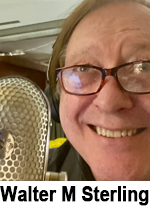 Chris Licht was executive producer of the Steven Colbert show. Then he took the job of CEO of CNN. There was unpleasantness. Thanks to our shared position on the Newhouse School Advisory Board at Syracuse University, I learned how he is advancing his career while seeking the right job.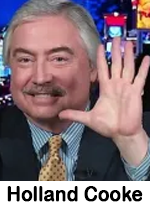

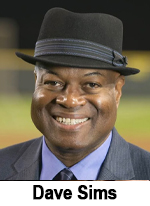 Audacy’s WFAN 101.9 FM / 660 AM announces Emmy Award-winning broadcaster Dave Sims as the new lead play-by-play announcer of its flagship broadcasts of the New York Yankees. Sims replaces recently retired broadcasting legend John Sterling, who held the position from 1989 until his retirement this past season. Dave Sims will join Suzyn Waldman to form the franchise’s new radio broadcast team. “The radio voice of the Yankees is a storied position in the history of baseball,” said Chris Oliviero, Audacy New York Market president. “From [Mel] Allen and [Red] Barber to [Phil] Rizzuto to Sterling, the names are synonymous with the pinstripes. Dave Sims is a worthy successor to that lineage. We are honored to have Dave join the incomparable Suzyn Waldman in the booth in the Bronx.” “It’s great to be home,” said Sims. “What an honor to be part of the iconic Yankees franchise. New York is where it all started for me, and I can’t wait for Opening Day and to work with my good friend Suzyn!” Sims is a Ford Frick Award Baseball Hall of Fame nominee and Emmy Award-winning broadcaster and has spent the last 18 seasons as the lead TV play-by-play voice of MLB’s Seattle Mariners. Sims previously hosted talk shows at WNBC-AM, WFAN-AM and the Madison Square Garden Television Network in New York and also spent time at WCBS-TV and the New York Daily News. Beyond baseball, Sims has covered the NFL for Westwood One and college basketball for ESPN. He also launched the “Hey Now! Podcast” with his two sons in July 2024. WFAN has served as the flagship station of the Yankees since 2014. From 2002 to 2014, games were heard on Audacy’s WCBS 880 (WCBS-AM). Games can be heard on WFAN and streamed via the free Audacy app and website within the team’s geographic region.
 “The Joe Rogan Experience,” “Crime Junkie,” and “The Daily” remain in the top three spots, respectively. This chart is based on total audience reach for weekly podcast listeners 13+ in the U.S. Other news/talk podcasts of note on this quarter’s chart include: “The Dan Bongino Show” at #17; “The Tucker Carlson Show” at #20; “The Ben Shapiro Show” at #22; “The Ramsey Show” at #30; and “The Megyn Kelly Show” at #50.
  decrease of 6.3% from the same period a year ago. Revenue from radio advertising was $36.4 million during the quarter, down 3.6% from the same period in 2023. Urban One reports a net loss of $31.4 million, a substantial decline from the $53.7 million net loss it reported in Q3 of 2023. Urban One owns and operates news/talk outlets WBT-AM/FM, Charlotte and WIBC-FM, Indianapolis.
 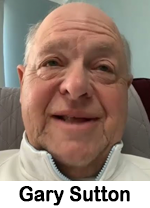 the Cumulus Media news/talk station on November 7. Sutton began working full time at the station in 1997. He tells WHTM that he does not plan on retiring. “Tomorrow is the first time in 52 years that I don’t have to work, but I hope that doesn’t last long because I am not retiring. God is in control, and I know there are new opportunities ahead and a new chapter in my life.” Sutton says he and producer Mark McKenzie were dismissed due to budget cuts.
  number of retailers shopped, retailers shopped most often, brand perceptions, and advertising recall have recovered; 2) Brand equity and shopping patterns for the top two performers (AutoZone and O’Reilly Auto Parts) are stable to up. The second-tier players are slightly off; 3) AM/FM radio and podcasts are the ideal platforms to advertise auto aftermarket. TV underperforms with category usage and brand equity: Heavy AM/FM radio and podcast listeners visit more retailers in the category, make more shopping trips, and spend far more than the average. Two key consumer segments, do-it-yourselfers and ultra-heavy shoppers are more likely to be heavy AM/FM radio listeners. TV viewers are weak category users.
  DeLusant and Kurtz will report to Bernie Weiss, division president, iHeartMedia. DeLusant and Kurtz will be responsible for managing multiple platforms across New York and Chicago iHeartMedia brands. In these newly appointed positions, both region presidents will work closely with the sales, programming and digital teams for all station brands in the New York and Chicago markets and will also have direct oversight of the respective sales teams. “I’m thrilled to promote both Steve and Adam. It’s especially rewarding to find the best candidates for key leadership roles in your own buildings,” Weiss tells TALKERS. “They’re extremely knowledgeable about our ever-evolving business and have built some of the best media sales teams in the country. I’m confident that they will continue to elevate our New York and Chicago operations to even greater heights and continue to drive revenue.” Prior to his new role, Steve DeLusant has held the position of SVP of sales for iHeart New York since January 2020.
  Earlier in his career, DeLusant was senior account executive for Emmis Communications and a sales associate for WLTW. Adam Kurtz is a seasoned media veteran with 23 years of sales experience at iHeartMedia including 14 years in sales management. Kurtz began his media career at WLIT in Chicago where he was an account executive for nine years.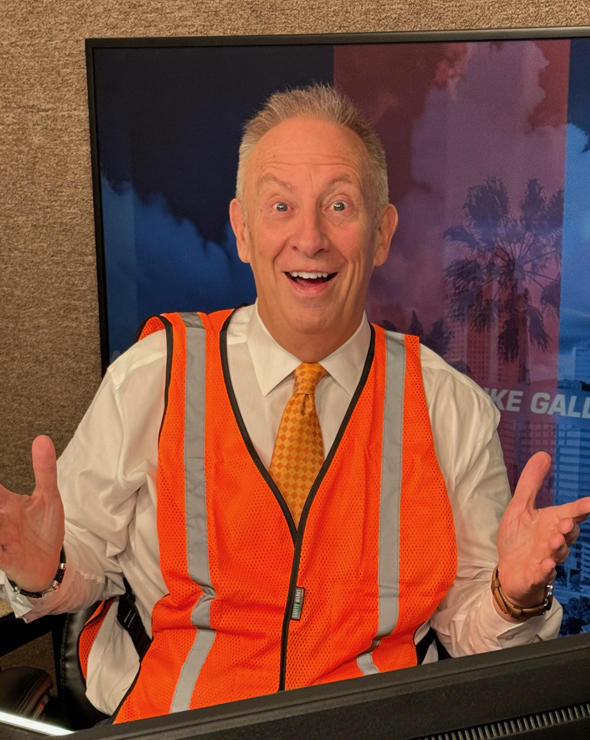
 more recognition as a (legacy) medium that’s constantly innovating and evolving to enhance the consumer experience and the advertiser opportunity. At the heart of Audio lives great storytelling. From the beginning of humankind to today’s best advertising, storytelling is the single most effective tool for sharing information and knowledge – all while entertaining, educating and yes, selling. Storytelling is a constant, but the way stories are told is shifting, driven by new technologies and approaches that allow brands to create more emotional connection, deliver more personalized experiences and scale their campaigns for maximum impact. And no medium is better equipped to do this than audio.”
 “My family, Red Apple Media, and WABC Radio have supported numerous causes and organizations,” stated Catsimatidis.
  “At this time of great need for colleagues catastrophically impacted by these storms, I will match the next $25,000 in donations to help them get back on their feet. I applaud all those who have already donated any amount because every dollar helps.” “We are grateful to John and Red Apple Media for their generous patronage of our charitable mission,” said Tim McCarthy, president of the Broadcasters Foundation of America. “It is with the support of industry leaders like John that the Foundation can provide assistance to those in our industry who need it most, including in times of emergency. I ask every broadcaster to consider giving an individual or corporation donation so that we can continue our charitable mission for broadcasters in need.” Additionally, WABC is running PSAs to appeal to listeners for donations. In addition, the station has produced a version of the PSA that can be tagged by a radio station with their own call letters. Interested stations should contact WABC. To make a donation to the Broadcasters Foundation of America Hurricanes Helene and Milton Emergency Fund, please click
  featuring Brady Quinn, LaVar Arrington and Jonas Knox. The program will continue to air in the network’s 6:00 am to 9:00 am ET weekday timeslot on 380 stations nationwide. FSR and iHeartMedia executive Don Martin and Scott Shapiro say in a statement, “We’re so proud of what this trio has built with ‘Two Pros and a Cup of Joe.’ The unique combination of these dynamic personalities has created one of the most fun and entertaining sports morning shows, and we continue to hear excellent feedback from advertisers, affiliates and listeners alike. They are the perfect kickoff to our weekday lineup, and we look forward to extending our relationship for years to come.”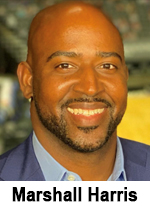
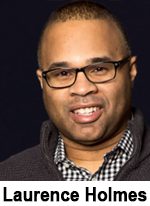 Midday show host Laurence Holmes (pictured left) will transition to afternoon drive and join co-host Matt Spiegel. “The Spiegel and Holmes Show” began being heard weekdays from 2:00 pm to 6:00 pm CT yesterday (9/23). The station also installs local broadcast veteran Marshall Harris as midday show co-host. Harris succeeds Holmes and will be heard alongside Dan Bernstein on weekdays from 10:00 am to 2:00 pm CT beginning September 30. “We’re thrilled to debut the future of afternoons on The Score by pairing Laurence Holmes with Matt Spiegel,” said Kevin Cassidy, SVP/market manager, Audacy Chicago. “Laurence’s deep knowledge of Chicago sports, coupled with Matt’s existing rapport with our afternoon listeners, promises to deliver compelling, insightful content that resonates with our audience. We’re equally thrilled to welcome Marshall Harris, a seasoned sports broadcaster with deep local ties, to our midday lineup.” Holmes joined The Score in 1998 and covered the Bears for 10 years. He has also been a sports anchor on NBC5 and NBC Sports Chicago. He succeeds Danny Parkins, who recently left the station. Harris joins 670 The Score after serving as sports director for CBS2 in Chicago. He has also served as a fill-in host for 670 The Score since 2022 and has been heard on sister station Sports Radio 94WIP in Philadelphia.
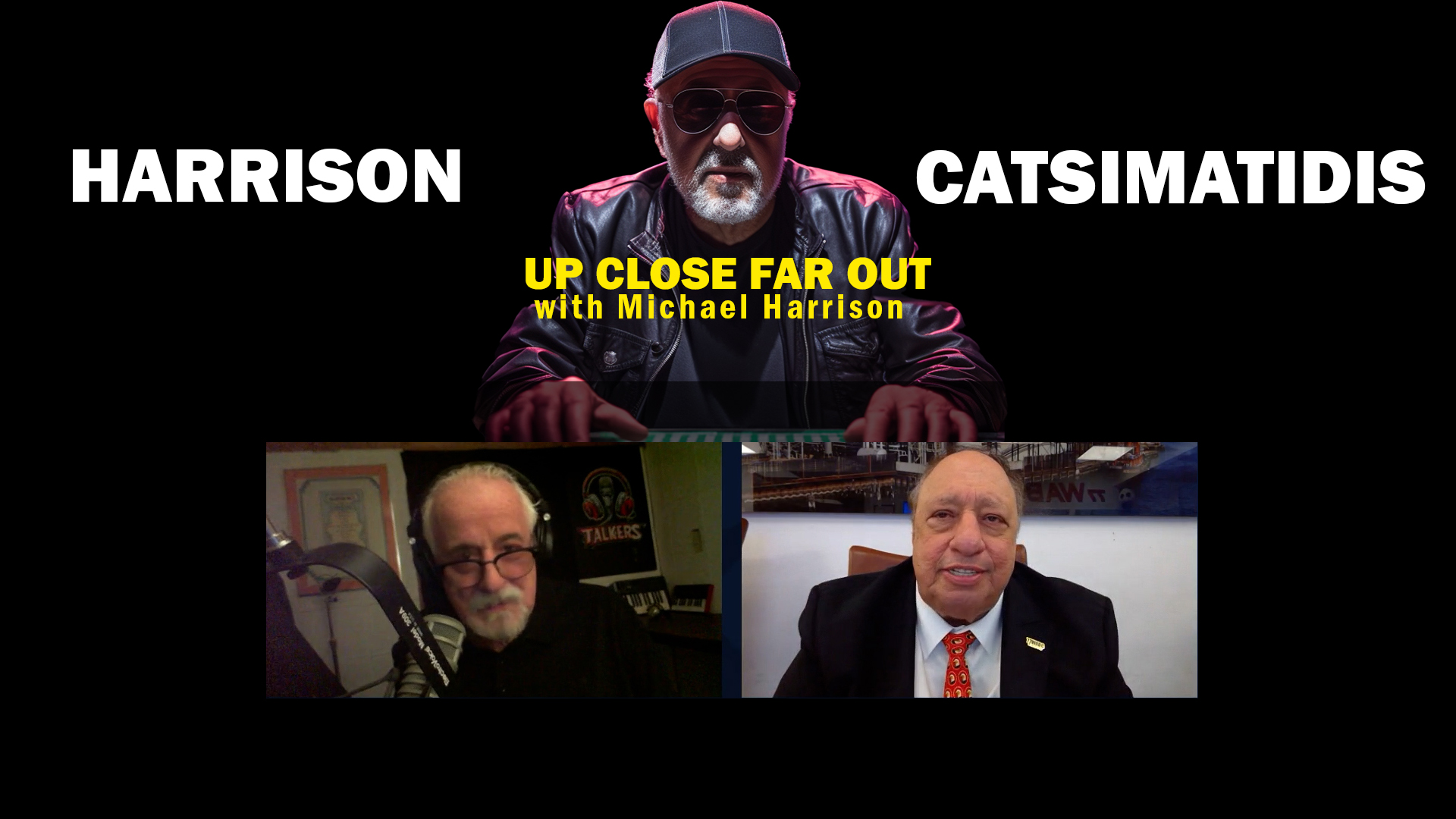 What’s it like to be a self-made billionaire mogul with powerful ownership interests in the media, grocery, energy, real estate, political, and sports industries? TALKERS publisher Michael Harrison presents a candid one-on-one dialogue with Red Apple Group CEO and WABC, New York owner John Catsimatidis that covers all the above bases and then some. “Cats” discusses his ongoing plans for WABC Radio; the future of the AM radio dial; roots of the inflated cost of food and gasoline; his development of beach front condo properties in Coney Island, NY and St. Petersburg, FL; and what he describes as his “common sense” approach to today’s political environment. Catsimatidis’ life is the embodiment of the American Dream – a true rags-to-riches story of a Greek immigrant who came to New York City with his family at the age of six months and worked his way to success, starting in his parents’ humble grocery store, to become one of the most influential individuals in the nation. Harrison and Catsimatidis take the viewer on an amazing “fun” journey from the nostalgic sidewalks and baseball stadiums of old New York to the pinnacle of 21st century business, media, and technology. To view this exciting new entry on the TALKERSMEDIA YouTube channel, please
 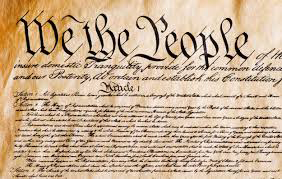 Written in 1787, signed on September 17, 1787, ratified in 1788, and in operation since 1789, the United States Constitution is the world’s longest surviving written charter of government. Today is the anniversary of that initial signing. After spending all summer crafting the original seven articles of the historic document, an assemblage of the nation’s founding fathers in Philadelphia at the Constitutional Convention, under the leadership of George Washington, created what would prove to be the ideological and legal backbone of the United States of America. The 39 remarkable individuals who put their signatures to the document included such icons as Benjamin Franklin, Alexander Hamilton, James Madison, and Gouverneur Morris.