 November 2023 PPM Data – Information for the November 2023 ratings period (October 12 – November 8) has been released for New York, Los Angeles, Chicago, San Francisco, Dallas, Houston, Atlanta, Philadelphia, Nassau-Suffolk (Long Island), Riverside-San Bernardino-Ontario, San Jose, and Middlesex-Somerset-Union (New Jersey).
The only requirement for a spoken-word station to be included here is that they be a Nielsen Audio subscriber – there are no share or rank thresholds.
NFL; NBA; and NHL team names of corresponding spoken-word flagship(s) are bolded.
DNA – DNA = Did Not Appear – Does Not Appear
Comparisons are October 2023 – November 2023 (6+).
NEW YORK
News/Talk
WABC 3.1 – 3.0, #11 – #11
WOR 1.2 – 1.3, #23 – #22
WKXW .8 – .8, #25 – #25
WKXW Stream .3 – .2, #37 – #38
News
WINS-FM 4.3 – 4.8, #7 – #6
WCBS-AM 2.3 – 1.9, #15 – #19
Business News WBBR .4 – .5, #34 – #31
WINS-FM Stream .4 – .4, #34 – #34
WCBS-AM Stream .2 – .2, #40 – #38
Sports Talk
WFAN FM & AM 2.9 – 2.8, #13 -#12 (Giants, Brooklyn Nets, New Jersey Devils)
WEPN-FM 1.4 – 1.5 #21 – #21 (Jets, Knicks, Islanders, Rangers)
WFAN FM & AM Stream .9 – .9, #24 -#24 (Giants, Brooklyn Nets, New Jersey Devils)
Public Radio News/Talk
WNYC-FM 4.4 – 4.0, #6 – #9
WNYC-AM 1.3 – 1.1, #22 – #23
LOS ANGELES
News/Talk
KFI 4.5 – 5.1, #5 – #4
KEIB .8 – .7, #32 – #33 (Clippers)
KRLA .6 – .5, #33 – #36
News
KNX-FM 3.3 – 3.2, #10 – #10
KNX-FM Stream .1 – .1, #39 – #40
Sports Talk
KLAC 1.3 – .9, #27 – #30 (Chargers, Clippers)
Public Radio News/Talk
KPCC 2.5 – 2.5, #13 – #15
Flagship of the Rams and Lakers is sports talk KSPN, which is unlisted in this sweep.
Kings’ games are heard on the iHeartRadio app, while games of the Anaheim Ducks are heard on the Ducks stream.
CHICAGO
News/Talk
WGN 3.6 – 3.4, #8 – #10 (Blackhawks)
WLS-AM 1.5 – 1.5, #24 – #23
WLIP .3 – .2, #37 – #41
WVON DNA – DNA, DNA – DNA
WLS-AM Stream DNA – DNA, DNA – DNA
News
WBBM-AM & WCFS 5.6 – 5.4, #3 – #3
WBBM-AM & WCFS Stream .1 – .1, #45 – #44
Sports Talk
WSCR 2.5 – 2.3, #14 – #14 (Bulls)
WMVP 1.6 – 1.7, #22 – #19 (Bears)
WSCR Stream .3 – .5, #37 – #33 (Bulls)
Public Radio News/Talk
WBEZ 3.2 – 3.1, #12 – #11
SAN FRANCISCO
News/Talk
KSFO 1.6 – 1.6, #20 – #19
KSFO Stream .4 – .4, #28 – #28
News
KCBS-AM & KFRC 6.6 – 6.5, #2 – #3
KNEW .2 – .3, #32 – #31
KCBS-AM & KFRC Stream .1 – .2, #36 – #34
KKSF DNA – .1, DNA – #37
Sports Talk
KNBR 3.2 – 3.4, #11 – #9 (49ers)
KGMZ 1.8 – 2.1, #18 – #15 (Golden State Warriors)
KTCT .3 – .6, #29 – #26
KGO .3 – .2, #29 – #34
KGO Stream .2 – .2, #32 – #34
Public Radio News/Talk
KQED 5.3 – 6.7, #3 – #2
KALW .3 – .3, #29 – #31
Note: Public radio news/talk KQED’s +1.4 (5.3 – 6.7) is tied for the highest (6+) October 2023 – November 2023 increase by any station in these 12 PPM-markets.
DALLAS
News/Talk
WBAP 4.5 – 3.5, #4 – #11
KEGL 1.4 – 1.6, #27 – #25 (Mavericks)
KSKY .6 – .6, #33 – #32
KLIF-AM .4 – .5, #37 – #33
KSKY Stream DNA – DNA, DNA – DNA
News
News – Talk KRLD-AM 2.1 – 2.0, #21 – #21 (Cowboys)
News – Talk KRLD-AM Stream DNA – .1, DNA – #39 (Cowboys)
Sports Talk
KTCK 4.7 – 5.6, #3 – #1 (Stars)
KRLD-FM 3.6 – 4.1, #10 – #5 (Cowboys)
KRLD-FM Stream .2 – .5, #38 – #33 (Cowboys)
Public Radio News/Talk
KERA 2.4 – 3.8, #18 – #6
Note: Public radio news/talk KERA’s +1.4 (2.4 – 3.8) is tied for the highest (6+) October 2023 – November 2023 increase by any station in these 12 PPM-markets; conversely, news/talk WBAP’s -1.0 (4.5 – 3.5) is Dallas’ largest (6+)October 2023 – November 2023 decrease.
HOUSTON
News/Talk
KTRH 4.0 – 4.1, #9 – #9 (Rockets)
KPRC .9 – .6, #26 – #28
News
None
Sports Talk
KBME 1.5 – 1.3, #22 – #22 (Rockets)
KILT-AM 1.5 – 1.3, #22 – #22 (Texans)
KFNC .3 – .2, #29 – #30
KILT-AM Stream .2 – .2, #31 – #30 (Texans)
Public Radio News/Talk
KUHF 1.8 – 2.2, #21 – #20
ATLANTA
News/Talk
WSB-AM & WSBB 8.1 – 8.8, #2 – #1
WFOM .4 – .4, #30 – #29
WGKA .3 – .2, #32 – #33
WSRV-HD3 Stream 2 – .2, #33 – #33
WAOK .1 – .1, #37 – #36
WAOK Stream .1 – .1, #37 – #36
News
WBIN DNA – DNA, DNA – DNA
Sports Talk
WZGC 3.0 – 3.4, #14 – #11 (Falcons, Hawks)
WCNN 1.8 – 1.2, #18 – #21
WZGC Stream .6 – .4, #27 – #29 (Falcons, Hawks)
Public Radio News/Talk
WABE 3.6 – 3.2, #10 – #13
WRAS .6 – .9, #27 – #24
Note: Sports/talk WCNN’s -.6 (1.8 – 1.2) is tied for Atlanta’s highest (6+) October 2023 – November 2023 decrease.
PHILADELPHIA
News/Talk
WPHT 2.1 – 2.2, #15 – #15
WKXW DNA – 1.0, DNA – #24
WPHT Stream .5 – .6, #23 – #26
WURD Stream .6 – .3, #25 – #26
WURD .5 – .4, #23 – #28
WDEL-AM DNA – .1, DNA – #31
WKXW Stream DNA – DNA, DNA – DNA
News
KYW & WPHI 5.4 – 5.3, #6 – #6
KYW & WPHI Stream .1 – .1, #27 – #31
Sports Talk
WIP 8.2 – 8.5, #2 – #2 (Eagles)
WIP Stream 1.5 – 1.7, #20 – #19 (Eagles)
WPEN-FM 1.2 – 1.3, #21 – #22 (76ers, Flyers)
Public Radio News/Talk
WHYY 3.1 – 2.9, #11 – #11
NASSAU-SUFFOLK (LONG ISLAND)
News/Talk
WABC 2.2 – 2.1, #18 – #17
WOR 1.1 – 1.3, #22 – #20
WLIR .2 – .2, #30 – #31
News
WINS-FM 3.7 – 4.1, #7 – #7
WCBS-AM 2.7 – 2.4, #12 – #13
WINS-FM Stream .6 – .6, #25 – #25
Business News WBBR .3 – .3, #29 – #30
WCBS-AM Stream .2 – .2, #30 – #31
Sports Talk
WFAN-FM & AM 3.9 – 3.9 #6 – #8 (Giants, Brooklyn Nets, New Jersey Devils)
WEPN-FM 3.0 – 3.3, #11 – #11 (Jets, Knicks, Islanders, Rangers)
WFAN-FM & AM Stream 1.2 – .9, #21 – #22 (Giants, Brooklyn Nets, New Jersey Devils)
Public Radio News/Talk
WSUF .2 – .2, #30 – #31
RIVERSIDE
News/Talk
None
News
KFOO .1 – .1, #24 – #22
Sports Talk
KPWK DNA – .1, DNA – #22
Public Radio News/Talk
KVCR .5 – .4 #19 – #20
KPCC .1 – DNA, #24 – DNA
SAN JOSE
News/Talk
KSFO 1.1 – 1.4, #23 – #21
KSFO Stream .2 – .2, #30 – #31
News
KCBS-AM & KFRC 6.0 – 5.9, drops to #2 after four consecutive months at #1
KCBS-AM & KFRC Stream .3 – .3, #29 – #28
KNEW .2 – .3, #30 – #28
Sports Talk
KNBR 5.2 – 4.0, #5 – #7 (49ers)
KGMZ 2.1 – 1.7, #16 – #18 (Golden State Warriors)
KGO Stream 1.0 – .8, #25 – #26
KTCT .8 – .8, #27 – #26
KGO .6 – .3, #28 – #28
Public Radio News/Talk
None
Sharks’ games are carried on the Sharks Audio Network.
Note: Sports/talk KNBR’s -1.2 (5.2 – 4.0) represents the highest October 2023 – November 2023 decrease by any station in these 12 PPM-markets (6+).
MIDDLESEX-SOMERSET-UNION (New Jersey)
News/Talk
WKXW 6.0 – 6.3, #2 – #3
WKXW Stream 1.0 – .6, #19 – #22
WOR .6 – .6, #23 – #22
News
WINS-FM 2.3 – 2.1, #11 – #12
WCBS-AM .9 – 1.1, #21 – #18
WINS-FM Stream .3 – .3, #27 – #26
WCBS-AM Stream DNA – DNA, DNA – DNA
Sports Talk
WFAN-FM & AM 3.4 – 3.6, #9 – #9 (Giants, Brooklyn Nets, New Jersey Devils)
WEPN-FM 1.2 – 1.4, #17 – #17 (Jets, Knicks, Islanders, Rangers)
WFAN FM & AM Stream 1.2 – 1.1, #17 – #18 (Giants, Brooklyn Nets, New Jersey Devils)
Public Radio News/Talk
None
Up next: November 2023 overviews for: Washington, DC; Boston; Miami; Seattle; Detroit; Phoenix; Minneapolis; San Diego; Tampa; Denver; Baltimore; and St. Louis.
Mike.Kinosian@gmail.com
Share this with your network



 The third of four rounds of ratings data from Nielsen Audio’s November 2023 PPM survey has been released for 12 markets including Portland, Charlotte, San Antonio, Sacramento, Pittsburgh, Salt Lake City, Las Vegas, Orlando, Cincinnati, Cleveland, Kansas City, and Columbus. The survey period covered October 12 through November 8. Today, TALKERS magazine managing editor Mike Kinosian presents his Ratings Takeaways from this group of markets. In Portland, Alpha Media news/talk KXL-FM is flat with a 6.9 share (weekly, 6+ AQH share) but rises to the #2 rank, while iHeartMedia’s crosstown news/talk KEX-AM dips one-tenth to a 1.6 share and remains ranked #21. In San Antonio, iHeartMedia news/talk WOAI adds three-tenths to finish with a 3.1 share but falls back to the #14 rank, while Alpha Media’s news/talk KTSA declines four-tenths to a 2.2 share and slips to the #17 rank. In Salt Lake City, Bonneville news/talk KSL-AM/FM loses eight-tenths and wraps the survey with a 6.1 share that leaves it ranked #4, while iHeartMedia news/talk KNRS-AM/FM rises a full share to a 3.9 share and leaps to the #9 rank. See Mike Kinosian’s complete Ratings Takeaways from this group of markets here.
  Broadcasting executives spend millions building their radio station’s brand in the marketplace. But is it being spent in the right place?
 “Mijo’s extensive experience and passion for Hispanic radio make him the perfect person to usher in the next chapter of ‘Radio Libre.’ He will play a pivotal role in shaping our content strategy, enhancing the brand, and continuing our vision. Together, we look forward to delivering a fresh and vibrant listening experience that resonates with our diverse audience.” The three new shows include “Despierta Miami” with host Eli Escobar airing from 6:00 am to 10:00 am. She most recently served with the company’s hot AC KHMX-FM, Houston. New to middays is “En este Pais” hosted by Lourdes Ubieta airing from 11:00 am to 2:00 pm. In afternoon drive is “El Show de Jorge Bonilla,” airing from 2:00 pm to 6:00 pm. Bonilla has written for FOX News, Newsmax, The Blaze, The Daily Wire, Breitbart and many more conservative news outlets.
  be able to review podcasts to ensure they meet their brand’s safety and suitability standards. Brands are also able to monitor their ad-buys during and after the campaigns to ensure their standards are being upheld. Westwood One SVP, sales and digital partnerships David Cohn comments, “We are proud to provide Barometer’s transparency and accountability to the marketplace. Brand marketers now represent 61% of U.S. podcast revenue. Advertisers deserve a brand-suitability solution that is designed for the unique attributes of podcast content rather than the legacy systems that were designed for display and online video.”
 Books, 2022) by Dr. Murray Sabrin. The book has been an Amazon bestseller and a popular vehicle sparking conversations on political news/talk shows across America. Its author, Murray Sabrin, Ph.D. is emeritus professor of finance, Ramapo College of NJ. Dr. Sabrin – a prolific author – is considered a “public intellectual” for writing essays about the economy in scholarly and popular publications as well as being a prolific guest and “go-to” resource on hundreds of radio and TV talk shows and podcasts. According to publisher Michael Harrison, who wrote the book’s provocative foreword, “From Immigrant to Public Intellectual is a truly American story about an immigrant child’s rise from humble beginnings to forge a stellar career as an educator, author, candidate, and media influencer. Murray Sabrin explains libertarianism in plain language using his own life story set against a half-century of changing times. Talk show hosts have been tapping into this articulate scholar’s knowledge and views for more than three decades since his impressive third-party showing as the Libertarian candidate for Governor of New Jersey in 1997.” To learn more about Dr. Murray Sabrin please visit murraysabrin.com and murraysabrin.substack.com.
 WHAT WOULD YOU DO? A very good major market DJ murders his wife and injures her lover upon catching them in the marital bed. An 11-year-old girl was in the house – a witness. The murderer is convicted (second-degree murder/“situational crime”) sent to prison, does his time and is released after a few years for good behavior while incarcerated.
 Los Angeles. She takes over for Raj Sharan, who exits the station after four-and-a-half years. Bonneville Denver SVP and market manager Katie Reid says, “We are thrilled to welcome Amanda to the Bonneville family. She brings an extensive amount of experience, knowledge, and leadership to our team. Her understanding of the evolving sports landscape, and tremendous passion for digital media embodies everything we strive for at Denver Sports and on 104.3 The Fan.” Brown begins her new gig on December 4.
 incorporating SourceAudio’s cutting-edge AI technology to access top-tier movie and TV music catalogs of 1.2 million songs, PodcastOne aims to elevate the creative quality of their podcasts, providing audiences with an immersive and iconic audio experience.” PodcastOne co-founder and president Kit Gray states, “This partnership marks a significant leap forward in our commitment to delivering an unparalleled podcasting experience. By leveraging SourceAudio’s AI technology, we are empowering our podcasters to discover audio elements that resonate with the essence of their shows, creating a more engaging and immersive listening experience.”
 women in radio with female professionals recognized as leaders in all aspects of the industry. The 2023 class is comprised of broadcast professionals Rosanna Cole, regional traffic manager, Townsquare Media; Caleigh Fisher, director of teammate experience, Good Karma Brands; Kristi Nguyen, director, digital sales & campaign management, Audacy; and Jade Springart, WRIF-FM program director, Beasley Media Group.
  AM/FM radio listeners are 39% more likely to pay $301+ to have their taxes prepared and show greater familiarity, interest, consideration, and usage of tax category brands; 2) AM/FM radio ads drive site traffic for tax preparation brands: In the LeadsRx attribution study of a tax preparation service’s multi-wave campaign, AM/FM radio generated between a 43% to 47% increase in website traffic; 3) Branding early and often in tax preparation service ads drives more site traffic: LeadsRx found the top three creative executions that drove site traffic for a tax preparation service had the marketer’s brand name within the first five seconds of the ad; and 4) compared to other radio formats, a 2023 tax prep campaign on news/talk and sports stations realized a higher percentage share of interactions than the percentage share of their Nielsen ad impressions.
  Common Ground with Bill Spadea” and will feature live episodes of the podcast on location from towns, landmarks and businesses across New Jersey. The station says the deal will give Spadea the resources to focus on hard-hitting conversation and longer form interviews with leaders from New Jersey (and beyond). Spadea adds, “This partnership is the next step in the great success of our morning show, which has seen ratings skyrocket in recent years. We’re excited to be bringing multiple remote podcasts to our audience every month and look forward to seeing everyone on the trail!”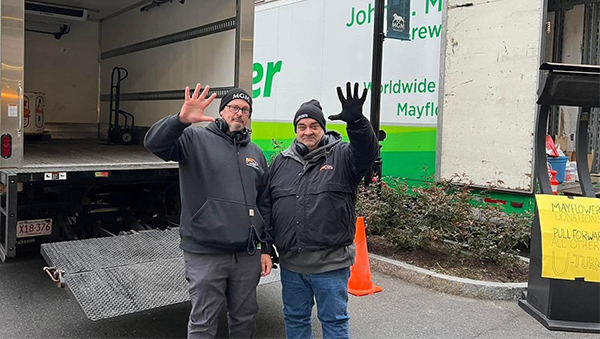
 Have you tried the $7 cup of coffee at Starbucks?
 approximately $100 million of proceeds related to its equity interest in BMI, subject to approval of the transaction by BMI shareholders and customary regulatory approvals. iHeartMedia says it plans to use the proceeds for general corporate purposes, which may include the repayment of debt. The transaction is expected to close by the end of Q1 2024.
 (11/25) after a brief illness at the age of 80. Gauthier had been the host of the “Bristol County Breakfast Club” on Bristol County Broadcasting’s WSAR-AM for more than four decades. Gauthier began working at WSAR in the 1960s. During his career with the station he served as program director, general manager, news reporter, production director, account executive, and copy writer. In 2000, Gauthier was named Radio Broadcaster of the Year by the Massachusetts Broadcaster’s Association.
 effective December 4. Since January 2022, Scarpino has been serving as a FOX News multimedia reporter based out of St. Louis. In this capacity, she shot, wrote, and edited numerous enterprise and breaking news stories for FNC including the United Auto Worker strike, the Titanic submersible implosion and the border surge in Arizona and Texas. Scarpino is a 2020 graduate of the University of Mississippi with a Bachelor of Arts degree in broadcast journalism.