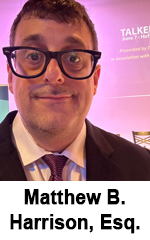
By Matthew B. Harrison
TALKERS, VP/Associate Publisher
Harrison Legal Group, Senior Partner
Goodphone Communications, Executive Producer
This is the third installment of a multi-part TALKERS Legal Series on Fair Use for the Media Creator. The first installment is here. The second installment is here.
The “Nature of the Copyrighted Work” is a key factor in fair use analysis, with courts more likely to allow the use of factual works, such as news reports, than highly creative works like music or films. The landmark case Feist Publications, Inc. v. Rural Telephone Service Co. established that mere facts, like telephone numbers, cannot be copyrighted unless presented with originality. In media, factual content like news clips may support a fair use defense, while creative works like syndicated talk shows are more protected. Broadcasters should add commentary or criticism when using factual material and be cautious when reusing creative content. Understanding this factual-creative spectrum is critical for media creators navigating copyright law.
In the context of fair use, courts are more likely to allow the use of factual works, such as news reports, historical accounts, or other informational content, than highly creative works like songs, movies, or artwork. The theory behind this is that factual works generally serve a public interest – society benefits from the free exchange of information and ideas, and we want “the system” to encourage this. On the other hand, creative works involve more personal expression, and copyright law is designed to protect that artistic effort (and allow for monetization thereof.) This distinction plays a crucial role in determining fair use, as courts are more protective of creative works because they represent a higher degree of originality and personal investment.
Classic Case: Feist Publications, Inc. v. Rural Telephone Service Co. (1991)
A landmark case that helps illustrate this factor is Feist Publications, Inc. v. Rural Telephone Service Co., which asked whether copyright protection could be applied to a seemingly factual work: a telephone directory. In this case, Rural Telephone Service Co., a public utility, created a telephone directory of its customers’ names, addresses, and phone numbers. Feist Publications, a company that produced a larger, regional telephone directory, copied some of these listings and was sued by Rural for copyright infringement.
Rural argued that its directory was protected by copyright, but Feist countered that the information in the directory (names, addresses, and phone numbers) was purely factual and, therefore, not eligible for copyright protection.
The Supreme Court ruled in favor of Feist, stating that facts are not protected by copyright because they are not original to the author. The Court held that Rural’s directory did not qualify for copyright protection because it lacked creativity and originality – it was simply a compilation of facts (names and numbers). The case established the principle that mere facts are ineligible for copyright protection, even if they are compiled in an organized way.
This case is significant because it underscores that factual information, like a telephone directory, cannot be copyrighted unless there is a creative element involved in its presentation, such as an original selection or arrangement of the facts.
Application to Radio and Media:
When it comes to radio, news, or media content, the nature of the copyrighted work often comes into play, especially in cases where factual content (such as news clips or interviews) is being reused. Courts may treat factual works more leniently in fair use cases, allowing them to be repurposed for commentary, criticism, or reporting, as they serve a public interest. However, creative works, like talk shows, are given more protection because they represent original artistic expression. The more creative the work, the less likely its unauthorized use will be considered fair use.
An Example – Associated Press v. Meltwater U.S. Holdings (2013)
While not specific to radio, this case highlights the issue of using factual content in media. Associated Press (AP) sued Meltwater, a news aggregation service, for copying parts of AP’s news articles and distributing them without permission.
The court found in favor of the Associated Press, stating that even though AP’s articles contained factual information, they were written with creativity and journalistic skill – thus, they were still copyrightable. The nature of the work was not purely factual, as it involved a degree of originality in the writing and presentation. This case illustrates that while factual works may be more likely to fall under fair use, their specific presentation or creative treatment can still be protected.
Radio Case Example: Syndicated Content and Commentary
A case that touches on the nature of copyrighted works in radio can be seen in disputes over syndicated talk shows or political commentary. Stations that rebroadcast these shows without proper licensing agreements may argue fair use, but their success often depends on whether the work being used is factual or creative. For example, if a station replays a news clip or political speech, the fact that the content is factual might support a fair use defense. However, if they replay a syndicated talk show where a host offers personal opinions or creative commentary, it would be considered a more creative work, requiring higher protection. In some cases, radio stations have argued that the rebroadcasting of certain content (like portions of interviews or speeches) qualifies as fair use because it’s factual and in the public interest. Still, if the content also involves a unique editorial style or commentary, the courts may treat it as more creative and therefore not subject to fair use.
Practical takeaways for media creators:
• Factual vs. creative: When considering whether fair use applies, broadcasters should analyze whether the content they’re using is more factual or creative. Factual works (such as news reports) are more likely to be protected by fair use, while creative works (like music or dramas) are less likely.
• Add commentary or criticism: Even when using factual content, it’s crucial to add commentary, analysis, or criticism to support a fair use defense. Simply republishing factual material without transformation can still lead to copyright infringement.
• Be mindful of syndicated content: Syndicated content, such as talk shows, often involves a mix of factual information and creative opinion. Replaying such content without proper licensing can lead to legal challenges, as courts may view this as a use of creative work.
The nature of the copyrighted work plays a crucial role in fair use analysis. While factual works are more likely to be used under fair use, creative works enjoy stronger protection. Media creators, including broadcasters and radio stations, need to be aware of this distinction and ensure that their use of copyrighted material is both transformative and legally defensible. By understanding the factual-creative spectrum, media creators can better navigate the complexities of copyright law.
Media attorney, Matthew B. Harrison is VP/associate publisher, TALKERS; Senior Partner, Harrison Legal Group; and executive producer, Goodphone Communications. He is available for private consultation and media industry contract representation. He can be reached by phone at 724-484-3529 or email at Matthew@HarrisonLegalGroup.com



 Let’s continue our ongoing series of articles about fair use. A recent case highlights fair use considerations in audio media and podcasting, particularly concerning music and short audio clips used in intros, where some creators assume that brief snippets automatically qualify as “fair use.” Legal experts clarify that using a song clip, even if brief, doesn’t inherently meet fair use criteria. Courts have emphasized that fair use hinges not just on brevity but also on factors like purpose, nature, and market impact on the original work. Music clips, even short ones, are often seen as significant portions of the original content, carrying substantial value, making unauthorized use in podcasts or similar formats legally risky.
 The Influencer Network leverages the growing impact of HRN’s syndicated personalities on their radio listeners and social media followers. “Radio personalities are the original influencers” says Clark Logan, President of HRN. “Fernando Fiore (a.k.a. Mr. Soccer), Ana Maria Canseco, Riva, (Los 40 USA) and DJ Xtreme are great talents. Their audiences on air and online identify with them while listening to their shows and reading the social posts in a lean-forward fashion. Brands can use association with these influencers to increase awareness and favorability of their brands with consumers.” For more information on the HRN Hispanic Radio Network, contact Clark Logan at
  KUT/KUTX, Austin GM Debbie Hiott has been elected to the NPR Board of Directors by NPR member station peers from across the country. Her term began yesterday (11/4) and runs through 2027. “It felt important to have a seat at the table at a critical time for NPR as it determines how to address challenging audience and underwriting trends, and how it will handle relationships with member stations,” said Hiott.
  “NPR’s health is our health, and vice versa. It’s important that the member stations and NPR work together on solutions to our audience and revenue challenges. I’m hoping I can help contribute to those solutions.”
 As media creators in radio and podcasting explore ways to legally incorporate external audio, the fair use factor of “purpose and character” is crucial. This factor assesses whether the use is “transformative”—adding new expression or meaning—or merely reproduces the original’s essence, potentially infringing on copyright.

 Take advantage of the new media order. Initially, TiVo was a hit because you could pause live TV and go to the bathroom whenever you wanted. Bathroom breaks while watching live TV was a revelation. As you were going to the bathroom, your relationship with media was being re-wired in your brain. In a matter of months, you were able to watch what you wanted, whenever you wanted. DECADES of TV scheduling strategies became anachronistic. It’s November. Do you know when your favorite shows are airing on TV? No! No need you’ll watch them whenever you want!
 WURD Radio Endorses Kamala Harris for President. For the first time in its 20+ year history, Philadelphia’s only Black-owned radio station, WURD Radio has endorsed a political candidate — Kamala Harris for President of the United States. Prompted in part by the decision from owners of the Los Angeles Times and The Washington Post to overrule planned endorsements by their editorial boards, sources at the station tell TALKERS, this decision underscores the importance of independent media ownership. From the endorsement: “Our founder, Walter P. Lomax Jr., M.D., understood that the media has the power to shape perceptions, images, narratives and, most importantly in this election, to tell the truth. He understood that the media can demonize or humanize, destroy or exalt, diminish or elevate. Dr. Lomax knew that mainstream media often marginalizes, caricatures and maligns Black people. WURD is in a unique position to speak honestly and emphatically about what matters most to our community because we are independently owned.” To read the entire text of the endorsement, please
  SiriusXM Tips Off College Basketball Coverage with 74 Games on Opening Night, November 4. SiriusXM will deliver college basketball fans an extensive schedule of live games throughout the 2023-24 college basketball season, starting with a slate of 74 women’s and men’s matchups to choose from when the season tips off this Monday (11/4). The men’s schedule includes all 19 teams from the Associated Press Top 25 that are in action on Monday night, including the season’s first matchup of Top 25 ranked teams – #8 Baylor @ #6 Gonzaga (11:30 pm ET). The opening day schedule of women’s games on SiriusXM includes 12 teams from the Associated Press Top 25 and features a couple of Top 25 matchups – #20 Ole Miss @ #3 USC (noon ET) and #5 UCLA @ #17 Louisville (2:30 pm ET). Throughout the season SiriusXM listeners will get access to dozens of game broadcasts each week involving teams from the SEC, Big Ten, Big 12, ACC, Pac-12, Big East and more.
 Newsmax Launches in France on Molotov. Newsmax TV, one of America’s most popular news channels, just launched on Molotov, one of France’s leading TV platforms, as U.S. voters go to the polls to pick their next president. The Newsmax channel went live on Molotov’s platform on October 24, 2024, expanding its global footprint with 19 million Molotov users in France and French-speaking territories. Molotov is one of France’s main TV services offering streaming television to internet users across the nation and its territories. Molotov subscribers can tune to Newsmax via the platform’s free tier.
 ave decided, with the full support of WISN-AM and its parent iHeartMedia, to transition my program to podcast only effective at the end of this year.
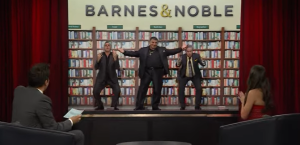 Proving There’s More to Life in America this Week than Just Presidential Politics. Pictured above is Salem Radio Networks (SRN) East Coast affiliate relations manager Jim Bligh – a frequent “player” in NYC-based skits on “Saturday Night Live“ in addition to appearing in theatrical feature films – joined NBC’s “The Tonight Show with Jimmy Fallon” on Tuesday 10/29). Fallon and Grammy-winning guest Olivia Rodrigo played “What’s Behind Me?”…a charade style game with Fallon describing action happening as her back was turned. Blight – far right – acted out a scene of Three Mobsters doing Yoga at a Barnes & Noble. See Bligh’s skit by
  Cumulus Media, which describes itself as a top “audio-first” media company, and TuneIn, self-proclaimed world’s leader in “live audio,” today (10/29) announced that they have renewed and expanded their existing content partnership. Under the terms of the deal, TuneIn will continue to make Cumulus Media’s local sports, news, talk and entertainment programming available to its 75 million monthly global listeners. The extended agreement also includes a new, non-exclusive sales and supply partnership to optimize digital audio advertising monetization for Cumulus’ diverse radio stations. Cumulus owns and operates 400 radio stations across 84 markets with an extensive collection of nationally syndicated sports, news, talk and entertainment programming.
 As part of the agreement, audio streams of Cumulus stations and podcasts, which includes popular stations like WBAP, Dallas; WLS, Chicago; and KNBR, San Francisco will remain available 24/7 through TuneIn. “TuneIn naturally aligns with our strategy to expand our digital footprint and extend the reach of our diverse programming to a global audience,” said Brian Philips, chief content officer of Cumulus Media, telling TALKERS, “TuneIn offers significant global reach that makes it possible for listeners to easily discover our extensive collection of radio stations and podcasts almost anywhere through the TuneIn platform and 200+ connected devices.” “We are excited to continue to expand our long-standing partnership with Cumulus to extend the reach of their comprehensive content offerings,” said Rich Stern, CEO of TuneIn. “This partnership allows us to bring high-quality content to our listeners while also helping Cumulus monetize its digital audio advertising inventory effectively. It’s a win-win for both companies and our audiences.”
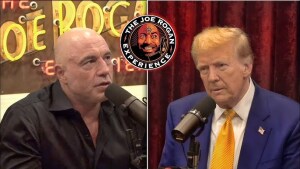 At the Monday morning (10/28) TALKERS editorial meeting, Harrison said, “The hoopla over this podcast appearance and its enormous profile within election news coverage clearly indicates we have arrived at a point where the terms ‘mainstream,’ ‘legacy,’ ‘alternative,’ ‘grassroots,’ and the like have to be reevaluated in conveying impact and importance – both individually, and certainly collectively – in the marketplace of ideas and the industries that serve it.” Harrison added, “This is especially true of Rogan’s individual impact as indicated by 1) the deference he was paid by a former president and major party candidate in showing up three-hours late for a live rally attended by thousands in which he actually implied that this podcast interview was a priority and more important to ‘winning’ than arriving on time for the event; 2) the tsunami of news coverage this podcast generated; 3) the passive aggressive irreverence granted a somewhat oblivious Trump by Rogan both during and following the interview; and 4) the sheer enormity of Rogan’s raw numbers on Spotify and YouTube, unfettered by FCC regulation.”
 One day last winter, Alison Stewart, the host of “All of It” on public station WNYC, New York was alarmed to find herself speaking gibberish.
 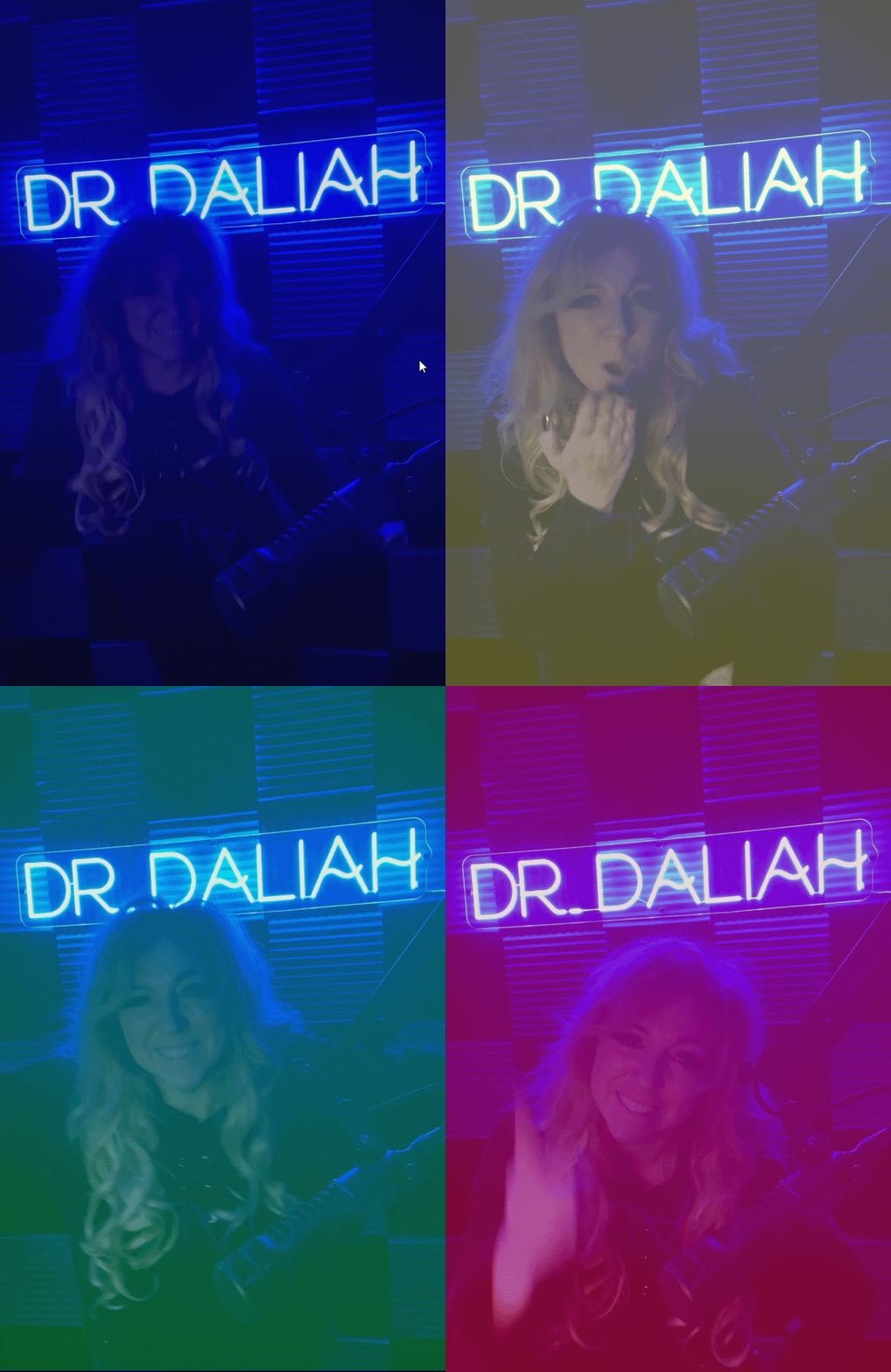 Music Group Gunhill Road Putting Final Touches on Talk Radio Anthem. Gunhill Road, the perennial pop music ensemble that has attracted hundreds of thousands of worldwide followers with its growing repertoire of issue-oriented songs and music videos, is currently in post-production with an anthem celebrating talk radio. Titled “Don’t Stop Talkin’” – the song is an uplifting and infectiously catchy tune about the vital role talk radio plays in serving the cause of American freedom of speech. With lines that include “As long as you’ve got a voice, don’t ever stop!” and “As long as you’ve got the truth, don’t ever stop!” the original composition co-written by band members Steve Goldrich, Paul Reisch, Brian Koonin, and Michael Harrison encourages talk radio practitioners to keep up the good work and great service they provide the nation.TALKERS Heavy Hundred syndicated host Dr. Daliah Wachs pictured above bopping to the music in a scene from the forthcoming video “Don’t Stop Talkin'” by Gunhill Road.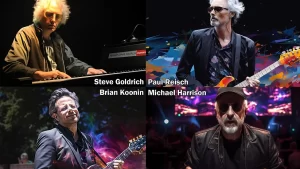
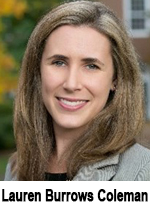 Longtime CFO Marie Tedesco will retire from Beasley after 33 years of what sources describe as “dedicated service to the company.” Before joining Beasley, Burrows Coleman served as Global Head of Strategic Corporate and Commercial Finance at Wayfair, where she led a global team of 50 across Financial Planning & Analysis, Commercial Finance, Capital Markets, Corporate Development, and Global Tax functions. Burrows Coleman’s career also includes leadership positions at WindSail Capital Group and Wind Point Partners, both private equity firms, as well as GE Capital, where she managed equity and debt investments across various industries. She began her career as an investment banker in the Communications & Media group at Lehman Brothers. “We are absolutely thrilled to welcome Lauren into the Beasley family,” said Caroline Beasley, CEO of Beasley Broadcast Group, Inc. “Her extensive and diverse experience, combined with her leadership skills, are exactly what we need to drive the company forward as we evolve into the future.” Burrows Coleman holds an MBA from Harvard Business School and an A.B. cum laude from Dartmouth College. Commenting on Marie Tedesco’s retirement, Beasley said, “Marie has been an integral part of our success, and her contributions have shaped the organization into what it is today,” adding, “It has been a privilege to work alongside her, and we are deeply grateful for her unwavering commitment, hard work, and leadership. We will greatly miss Marie’s wisdom and guidance, and we wish her nothing but the very best!”
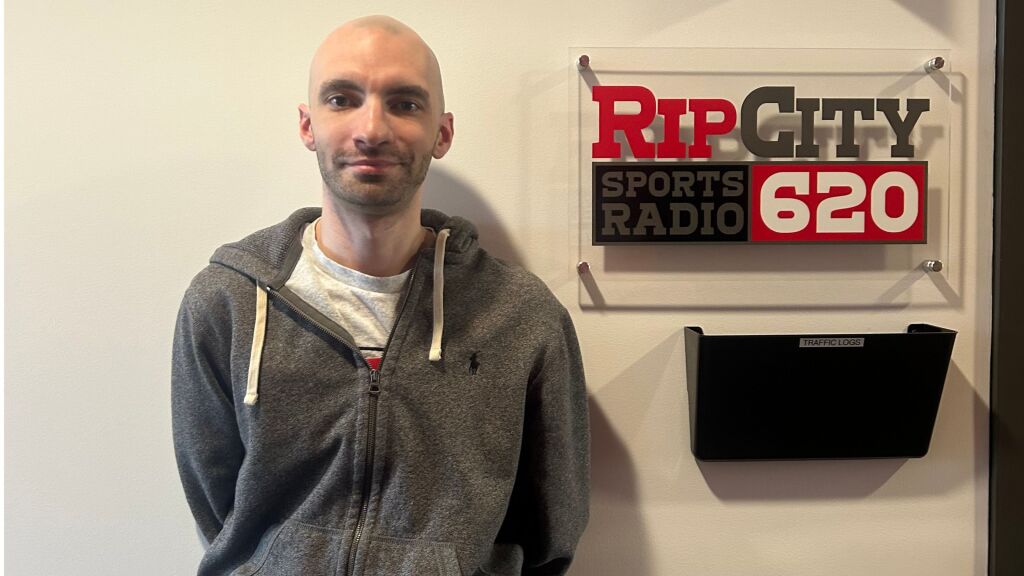 iHM Portand Adds Sean Highkin as Trail Blazers Correspondent on WPOJ-AM. iHeartMedia Portland’s Rip City Radio 620, “Your Home of the Portland Trail Blazers,” announced today (10/24) that acclaimed sports journalist Sean Highkin will join the station as the Portland Trail Blazers correspondent, effective immediately. He will provide comprehensive coverage of the games, practices, press conferences and everything revolving around the Portland Trail Blazers on their flagship station. Highkin brings over a decade of experience covering the NBA, including seven years dedicated to the Portland Trail Blazers. As a trusted voice in basketball, his experience includes contributing to national outlets such as Bleacher Report, USA Today, The Athletic and NBC Sports. In 2023, Highkin was named Oregon Sportswriter of the Year by the National Sports Media Association. “Sean’s knowledge, expertise and impressive track record will elevate and take our Trail Blazers coverage to the next level,” said Marshal Burgess, metro president of iHeartMedia Portland. “His insightful analysis and in-depth reporting have made him a respected voice in the sports journalism community, and we are thrilled to have him join the iHeartRadio Portland team.”
 New York Festivals 2025 Radio Awards Announces Distinguished Grand Jury. The New York Festivals® Radio Awards has announced its 2025 Grand Jury. The 2025 Radio Awards Grand Jury features over 100 global leaders from the radio industry across six continents. This distinguished panel comprises world-class content creators, industry visionaries, and iconic voices. Recruited from renowned companies, these directors, producers, journalists, writers, and sound artists are celebrated for their innovation and engaging storytelling. “The robust world of audio storytelling today is fully represented in the 2025 edition of the Grand Jury,” said Rose Anderson, EVP/executive director, New York Festivals Radio Awards. “From audiobooks to podcasts, from investigative journalism to live events, and from mystery to social justice, this year’s jury members volunteer their time and lend their expertise.” The New York Festivals Radio Awards provides a platform to celebrate creative storytellers from around the world. For 67 years, NYF has recognized both innovation and exceptional quality in broadcast audio content across all genres and platforms since 1957. Since 2023, The National Press Club, has partnered with New York Festivals to honor the highest scoring news program across the Coverage Of Breaking News Story, Coverage Of Ongoing News Story, Nonfiction Series, Investigative Journalism Podcast, and News Podcast categories. The winner will be announced during the 2025 Storytellers Gala in April. NYF’s Radio Awards receives entries from radio stations, networks, and independent producers from over 30 countries around the globe. The mission of the competition is to honor the achievements of the men and women who make up the global audio storytelling community. To see complete list of Grand Jurors click here
  more recognition as a (legacy) medium that’s constantly innovating and evolving to enhance the consumer experience and the advertiser opportunity. At the heart of Audio lives great storytelling. From the beginning of humankind to today’s best advertising, storytelling is the single most effective tool for sharing information and knowledge – all while entertaining, educating and yes, selling. Storytelling is a constant, but the way stories are told is shifting, driven by new technologies and approaches that allow brands to create more emotional connection, deliver more personalized experiences and scale their campaigns for maximum impact. And no medium is better equipped to do this than audio.”