


Pakman Suggests YouTube Systems are Reducing Exposure for Left-Leaning Indie Channels
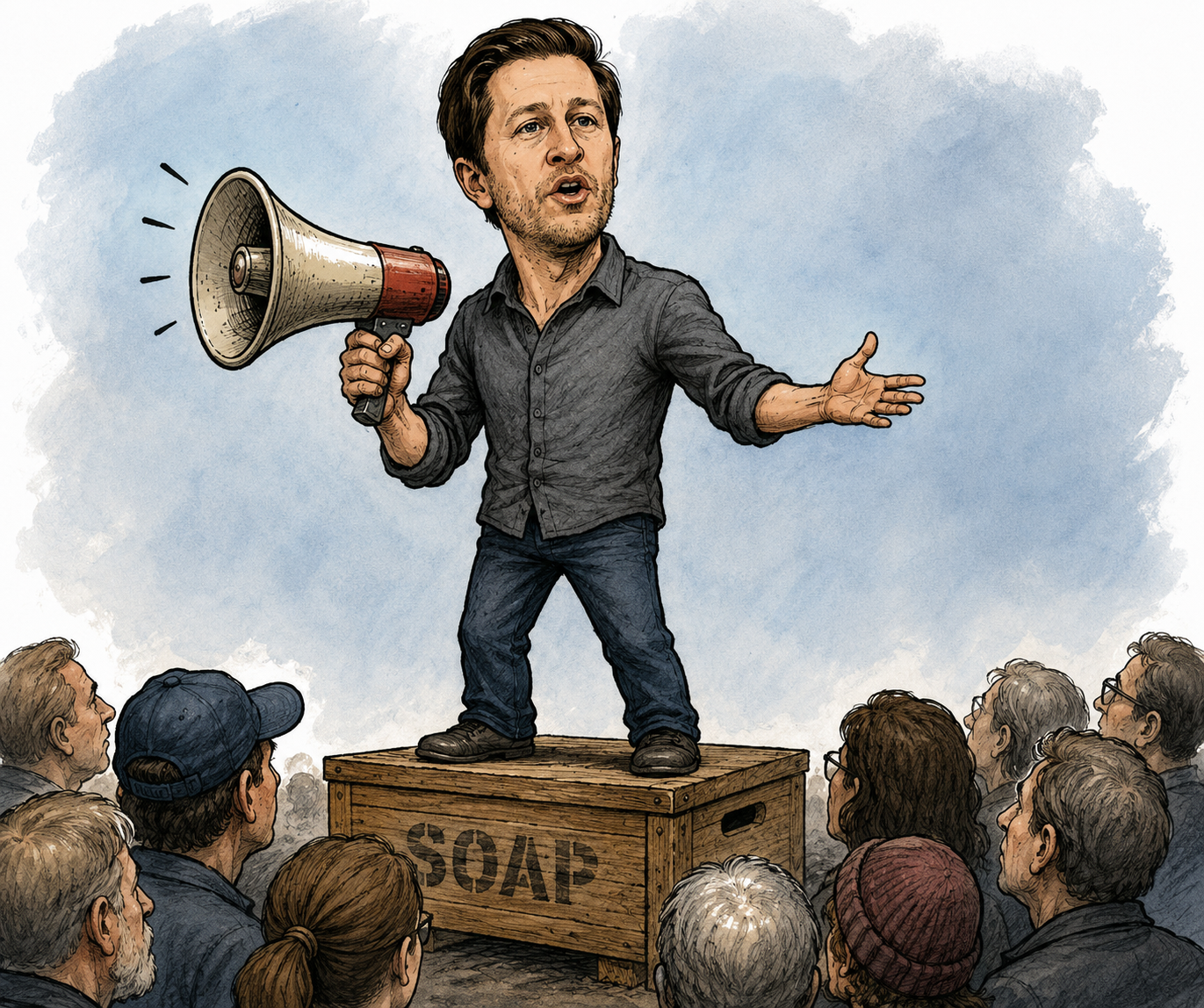
David Pakman, a major online liberal political commentator, is publicly alleging that YouTube’s recommendation and distribution systems are dramatically reducing exposure for left-leaning independent media channels, creating what he describes as an “existential crisis” for progressive political creators on the platform.
In a recent video, Pakman said that since early April, “YouTube has dramatically reduced performance for the vast majority of left-leaning independent media shows,” while asserting that right-leaning content does not appear to be experiencing the same decline.
Pakman framed the issue primarily through platform analytics rather than overt accusations of intentional censorship. He pointed to a sharp decline in impressions – the number of times YouTube displays a video thumbnail to users – while claiming audience engagement metrics remain largely stable.
“We were getting 15 million impressions a day,” Pakman said, explaining that the figure later dropped to approximately 10 million despite what he described as an unchanged audience response rate. “The click-through rate is still close to 8%. But impressions go from 15 million down to 10 million.”
Pakman argued that the consistency of click-through rates undermines the idea that audiences have simply lost interest in progressive political content. “It appears that people are just as interested in hearing from the left on YouTube right now, but they are not being shown the videos,” he said.
He also cited viewer feedback as evidence that something unusual may be occurring within YouTube’s recommendation ecosystem. According to Pakman, subscribers have repeatedly reported needing to manually search for his content despite being subscribed and having notifications enabled.
“You were being suppressed in distribution,” Pakman quoted one viewer as saying. Another viewer reportedly wrote: “I’m not seeing your new videos, and I’ve been subscribed for years.”
Pakman stopped short of alleging direct political targeting by YouTube employees or executives. “I am not arguing that someone at YouTube has flipped a switch and is deliberately suppressing left-wing channels,” he said. Instead, he suggested the platform’s recommendation systems may be reacting to engagement patterns or retention metrics in ways that inadvertently disadvantage certain political content.
At the same time, Pakman said performance on other digital platforms remains strong, including TikTok, Instagram, Snapchat, Facebook, and podcast distribution channels. “Every single other platform is doing fine,” he said. “It’s only YouTube.”
The comments add to a broader ongoing debate among digital creators regarding algorithmic visibility, platform transparency, and the growing dependence of independent media companies on recommendation systems they neither control nor fully understand.
Pakman urged viewers to subscribe directly, enable “all notifications,” and join his Substack mailing list in an effort to reduce reliance on platform algorithms. “We don’t want to rely on AI for recommendations,” he said. “We have to go back to telling the platforms what we want.”