


Therapy, Entrepreneurism, and Talk Radio
By Pamela Garber, LMHC
Grand Central Counseling Group
New York
 The iconic TALKERS conference is coming up this Friday (6/5) and, again, I am looking forward to it. As a practicing therapist and prolific talk show guest for over two decades, I find this unique gathering to be a productive educational and social ritual. It provides an opportunity to make new friends, strengthen existing relationships, and learn new things about the ever-evolving talk media industry. We have similar issues in the mental health field marked by encroaching corporatism in a business once fueled by “mom & pop” operators and independent practitioners.
I am pleased to see that one of the prevailing themes of this year’s TALKERS gathering is a call for the rebirth of entrepreneurism in the radio arena. This is certainly applicable to those brave souls willing to buck the onslaught of consolidation and take the daring leap into station ownership. But it also applies to management-level pros who are faced with learning “intrepreneurship” in order to be effective, productive, and at home within the potentially stifling environment of a large corporation. Entrepreneurism also applies to “talent” now presented with endless opportunities to be their own persons in podcasting, blogging, and myriad online endeavors. Talk show hosts are the “brand managers” of their own personas.
I like talk show hosts for reasons that go beyond their political ideologies. For the most part, talk show hosts are brave, informed, outgoing (at least in performance), quirky and, no matter how seemingly tough on the air, sensitive to being easily bruised and emotionally pained.
Talk show hosts and therapists share similar functions and traits in the performance of their jobs, not to mention their commonality with entrepreneurs. It takes entrepreneurial thinking in identifying and solving problems – the backbone of both therapy and talk show hosting. To a certain degree, therapists are talk show hosts and talk show hosts are therapists. And both groups are in need of developing their entrepreneurial instincts.
All professions attract individuals with certain emotional and behavioral challenges. Clichéd therapist portrayals show common clinician flaws such as being rigid, or overly analytical, as well as being too distant and reserved. Talk show hosts are not as burdened by behavioral pressures as therapists which include strict licensing regulations and the potential threat of bad “reviews,” but they have a slew of their own restraints to contend with in keeping their audiences and their jobs.
Talk show hosts DO have one enviable option in dealing with callers, not as readily available to therapists for handling patients. They actually get to hang up on people.
Pamela Garber, LMHC is a practicing therapist based in NYC and South Florida and a longtime guest mental health commentator on radio and television news programs across the nation. She can be contacted by phone at 646-745-6709 or email at Pamelagarber@gmail.com. Her website is Grandcentralcounselinggroup.com.
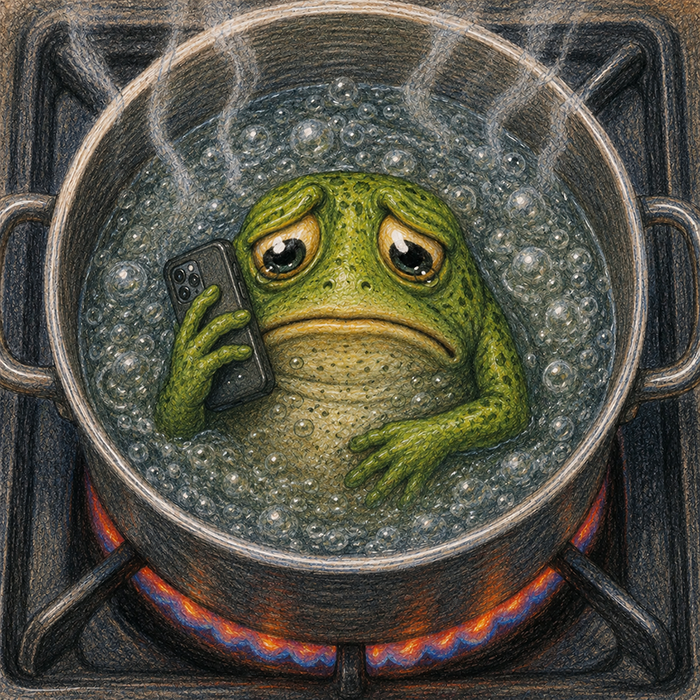
 These are scary times. People on all sides of the mic are on the front lines. Not just “them,” otherwise referred to as the audience. We try to fool ourselves into thinking that society and civilization are relatively “safe.” However, simply being alive and stepping outside in the morning, turning on the computer, or checking the annoyingly smart phone, puts us smack dab in the middle of a war. Literally and figuratively. But like so much else in this modern era, this war lacks foundation.
 To quote a radio friend, “Some talk show hosts think the news of the day only exists to serve up interesting fodder for their shows.” Many media practitioners, whose jobs encompass letting their audiences know about the pain and suffering of “others,” feel personally exempt from experiencing a connection to the talking points of poverty, ignorance, violence, and injustice that they eagerly collect (and even welcome) as fresh “content” for their platforms. It’s all just “material” to them.
 In a
In a  In ongoing discussions about the dwindling relevance of radio in the modern world, the medium is grudgingly defended as a reliable “first responder” during times of public emergencies.
 of modern-day media Sterno.