

SABO SEZ: Bad AM Shows Don’t “Get Good” on FM
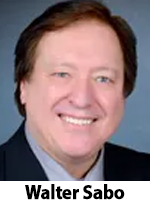
By Walter Sabo
A.K.A. Walter M Sterling
WPHT, Philadelphia
Sterling Every Damn Night
Sterling on Sunday Syndicated, TMN
 “Darn, if we were on FM everything would get better.” Not true. This writer launched many of the successful talk formats on FM stations in the early 1990s. The ones that worked, such as KLSX, Los Angeles; WTKS, Orlando; and New Jersey 101.5 in Trenton, were produced for the unique demands of FM. Then and today, the FM band cume utilized the radio in a completely different manner than AM audiences. The competition on FM isn’t another talk show. It’s Chapelle Roan and Taylor Swift. Ya know, billion-dollar Taylor Swift. The production values of FM music stations set the expectations of “the sound.” “Let’s pay some bills…” Followed by bumper music! Followed by eight minutes of commercials for Med Alert is just not what FMers are used to hearing on Elvis Duran. (Elvis is doing a talk show.)
FM music stations are laser focused on precise demographics and marketing goals
Every moment of a music station is heavily considered for its ability to capture and hold a listener. Nothing is left to chance. Compare that reality with the odd feature of, “Let’s open the phones for whatever is on your mind!” The ancient demographics delivered by most talk shows are not an accident; it’s the net result of a product that appeals to people who need companionship, a voice talking, a voice to soothe them to sleep. Put that weary product on FM and get the same result.
FM Requirements, the short list
Every city is unique and an FM talk station that will succeed has some key ingredients:
- Well-defined target listener. Everyone at the station has to buy in to this target. Including the sales department.
- A production format. Each show should “sound” the same. That helps the cume flow show to show rather than starting and stopping show to show. Rules for call length, stop sets, and other elements should be the same at 10:00 am and 10:00 pm.
- Topic playlist. Each host should have a clear understanding of which topics make the meters bounce, and which don’t. That’s right, there are some you just shouldn’t do.
- Audio processing. If your chief thinks “those settings” will result in listener fatigueuse them.
- Music on the weekends. No infomercials. The music should be super-tight appealing to your target listener. Music blows off chronic talk radio listeners and brings in young cume for Monday morning.
Happy to share more success strategies for FM at 646-678-1110.
Walter Sabo has been a C-Suite action partner for companies such as SiriusXM, Hearst, Press Broadcasting, Gannett, RKO General, and many other leading media outlets. His company, HITVIEWS, in 2007, was the first to identify and monetize video influencers. His nightly show “Walter Sterling Every Damn Night” is heard on WPHT, Philadelphia. His syndicated show, “Sterling On Sunday,” from Talk Media Network, airs 10:00 pm-1:00 am ET, and is now in its 10th year of success. He can be reached by email at sabowalter@gmail.com.
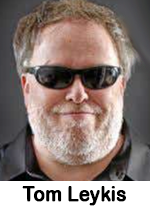 -CBS Radio’s talk KLXS-FM before the company dropped the talk format, which led to Leykis forming his The New Normal Network in 2012 and distributing his show online to subscribers. The Daily News story indicates that Leykis – who turns 68 in August – decided it was time to call it quits, saying, “A long time ago, I realized I did not want to be like some of the hosts I heard in the past — begging for callers, stretching for topics. I wanted to go out on my terms when I wanted. So, I did.” Leykis produced the final edition of his show in mid-May.
 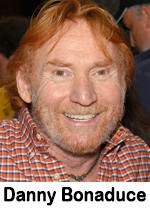 during its time as an FM talk station. KZOK says in its announcement of Bonaduce’s retirement, “Danny’s career in the limelight began at an early age, starting with appearances on ‘Bewitched’ in 1969 that landed him the role of Danny Partridge on the ‘Partridge Show’ from 1970 to 1974. Later, Danny would appear in Corvette Summer with Mark Hamill and many cameo appearances on TV and movies over the years.” He says, “I am the luckiest guy in entertainment. I joined the actors union at age three and with little interruption, I have worked in the industry I love for 60 years. I loved almost every minute of it. I want to thank the loyal fans who have followed me throughout my career, including the last 12 based in Seattle. Thank you to iHeartRadio for believing in me, to my on-air partner Sarah for putting up with me. My thanks to Paul Anderson, my agent for decades who has been my steady guide and business partner.”