

That’s My Voice but Those Aren’t My Words
By Matthew B. Harrison
TALKERS, VP/Associate Publisher
Harrison Media Law, Senior Partner
Goodphone Communications, Executive Producer
 A Tokyo ruling has revisited a question that Bette Midler raised decades ago.
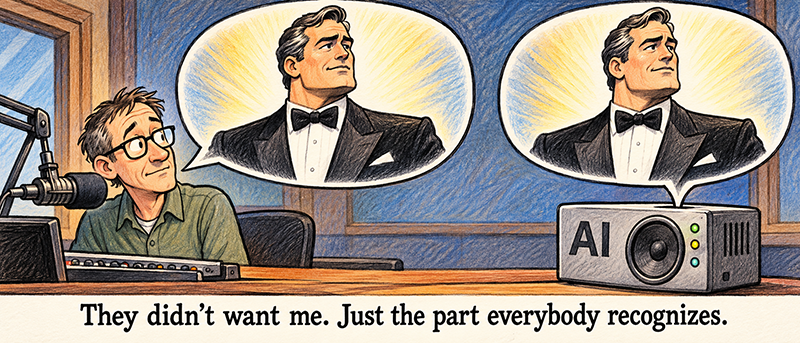
For anyone earning a living behind a microphone, your voice carries more than sound. It carries your reputation and your audience’s trust. An AI imitation can borrow both. Paying for the technology doesn’t necessarily buy permission to use the identity.
A September 30, Tokyo District Court decision recognized that a voice’s commercial appeal can receive publicity-rights protection. Actor Kenjiro Tsuda sought removal of 188 videos allegedly imitating his voice through AI. The court dismissed those claims because the material was already gone, leaving actual infringement undecided. Still, the underlying question should sound familiar to Bette Midler.
After Midler declined a Ford commercial, the advertising agency hired a former backup singer to imitate her. The agency had licensed “Do You Want to Dance.” It hadn’t secured Midler’s participation. In 1988, the Ninth Circuit held that deliberately imitating a professional singer’s distinctive, widely known voice to sell a product could violate California law. Permission to use the song didn’t settle permission to borrow the identity.
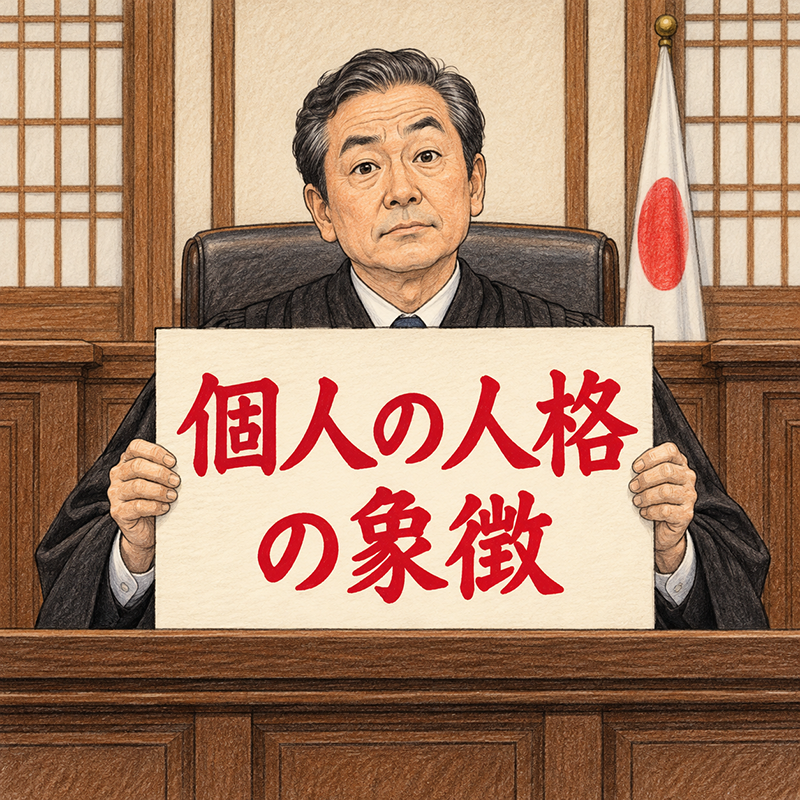
The Tokyo court described the voice as 「個人の人格の象徴」- “a symbol of individual personality.” Also, the perfect spring break tattoo: a generic phrase announcing how unique you are.
The Japanese decision doesn’t establish American law, and Midler doesn’t make every imitation unlawful. But together they frame a practical question for broadcasters using synthetic voices: whose identity is helping sell this, and what permission covers that use?
AI has changed the machinery. The person behind the voice still matters.
Matthew B. Harrison is a media and intellectual property attorney advising broadcasters, content creators, and creative entrepreneurs. Reach him at Matthew@HarrisonLegalGroup.com