

When Satire Stands Its Ground
By Matthew B. Harrison
TALKERS, VP/Associate Publisher
Harrison Media Law, Senior Partner
Goodphone Communications, Executive Producer
 When we first covered this case, it felt like only 2024 could invent it – a disgraced congressman, George Santos, selling Cameos and a late-night host, Jimmy Kimmel, buying them under fake names to make a point about truth and ego. A year later, the Second Circuit turned that punchline into precedent. (Read story here: https://talkers.com/2024/12/19/jimmy-kimmels-fair-use-victory-what-it-means-for-content-creators/)
And just to clear the record: this has nothing to do with Jimmy Kimmel’s unrelated dust-up with FCC Commissioner Brendan Carr. Different story, different planet. This one’s about copyright and commentary – and it’s a clear win for both.
The Set-Up
After his expulsion from Congress, George Santos began offering paid video shout-outs on Cameo. Kimmel’s writers sent absurd requests under pseudonyms for a segment called “Will Santos Say It?” – and he did. The show aired those clips to highlight how easily a public figure would say anything for a fee.
(If you want a taste, look up “Jimmy Kimmel Pranks George Santos on Cameo” on YouTube. That’s the kind of transformative satire the court later called “sarcastic criticism and commentary.”)
Santos sued Kimmel, ABC, and Disney for copyright infringement, fraud, and breach of contract, claiming the videos were sold for “personal use.” The district court tossed it; Santos appealed.
The Ruling
On September 15, 2025, the Second Circuit unanimously affirmed the dismissal. The panel said Kimmel’s use was transformative: he turned Santos’s self-promotion into political satire. Even Santos’s complaint described the bit as sarcastic commentary.
Claims of “market harm” fell flat. Airing a few clips on network TV doesn’t compete with Cameo. Embarrassment isn’t economic loss.
And the supposed bad faith – using fake names to order the clips – didn’t undo fair use. The court stuck to the statutory factors: purpose, nature, amount, and effect. Mischief isn’t a fifth one.
The rest of the claims – fraud, contract, enrichment – stayed dismissed as pre-empted or too thin to matter.
Why It Matters
This decision lands as courts wrestle with whether AI’s use of copyrighted works can ever be “transformative.” Santos v. Kimmel shows what that word really means: a human taking existing material and using it to say something new.
Fair use protects meaning, not mimicry. That’s why satire, commentary, and criticism still stand when they have a point.
For media creators, the lesson is simple: transformation beats permission. If you use third-party material, make sure you’re adding perspective – not just recycling content. That, more than any fine print, is what keeps you on the right side of the line.
Matthew B. Harrison is a media and intellectual property attorney who advises radio hosts, content creators, and creative entrepreneurs. He has written extensively on fair use, AI law, and the future of digital rights. Reach him at Matthew@HarrisonMediaLaw.com or read more at TALKERS.com.
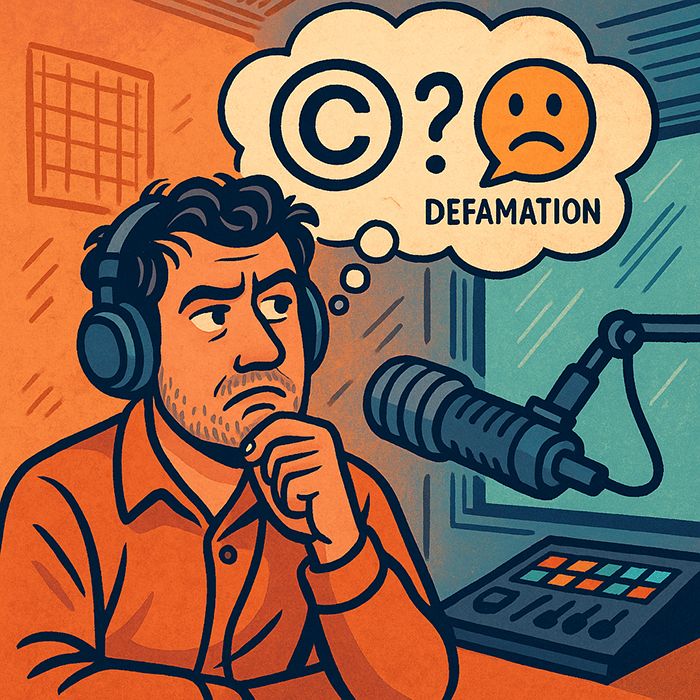
 A radio (or video podcast) host grabs a viral clip, tosses in some sharp commentary, and shares it online. The goal? Make some noise. The result? A takedown notice for copyright infringement – and then a letter threatening a defamation suit.