

Warshaw Argues Against Soros Fund Management’s Motion to Strike
In a court filing submitted on Monday (3/2), Connoisseur Media CEO Jeffrey Warshaw presented the Connecticut Superior Court with his reasons why the court should not grant Soros Fund Management’s motion to strike in his suit against the company for breach of contract, unfair trade practices and more. In the original complaint filed in May of 2025, Warshaw alleges that he had a deal with Soros Fund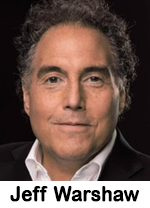 Management’s Michael Del Nin in 2022 and began working together “to try to acquiring Cox Radio, with Del Nin agreeing that Warshaw would manage the business as CEO upon successful acquisition.” While both parties were doing due diligence on the CMG deal, Warshaw learned that an Audacy majority stake holder was willing to sell its stake in the company. Warshaw says he steered SFM and Del Nin to the deal that made SFM a majority stake holder of the new Audacy in early 2024. Warshaw alleges he was promised he’d be the next CEO of Audacy or that he would get 5% of SFM’s profits from the Audacy acquisition. Later, SFM filed a motion to strike arguing that talks between Del Nin and Warshaw did not rise to the level of an employment offer. In his recent filing with the court, Warshaw says SFM reads “the Complaint in the light least favorable to Plaintiff. And they introduce new facts and make factual arguments that must be left for resolution by a jury at trial. Even so, based on the Complaint’s detailed allegations, Defendants’ arguments fall apart. Defendants ask the Court to believe that Jeffrey Warshaw, a veteran executive and dealmaker in radio, attempted to ‘cozy up’ to Defendants, newcomers to radio. But why did they seek an introduction to Warshaw in the first place? Why did they need Warshaw to source the Audacy transaction, and quickly ask him to introduce them to Audacy’s controlling debtholder? Why did Michael Del Nin call Warshaw 107 times between October 2023 and October 2024? On breach of contract, Defendants argue that the Complaint does not plead definite and certain terms of the contract between Warshaw and SFM. That ignores the definiteness of the contract terms alleged, as well as controlling precedent holding that an oral agreement is enforceable so long as missing terms can be ascertained by fair implication or industry custom. Defendants also downplay the value of Warshaw’s sourcing of the Audacy deal and his introduction of Defendants to the firm holding a controlling interest in Audacy debt.”
 When we first covered this case, it felt like only 2024 could invent it – a disgraced congressman, George Santos, selling Cameos and a late-night host, Jimmy Kimmel, buying them under fake names to make a point about truth and ego. A year later, the Second Circuit turned that punchline into precedent. (Read story here:
  and more in alleging that he had a deal with Del Nin in 2022 and began working together “to try to acquiring Cox Radio, with Del Nin agreeing that Warshaw would manage the business as CEO upon successful acquisition.” Warshaw also says he steered SFM and Del Nin to the deal that made SFM a majority stake holder of the new Audacy in early 2024 and alleges he was promised he’d be the next CEO of Audacy or that he would get 5% of SFM’s profits from the Audacy acquisition. As for the change of venue, both parties agree the case involves both complex legal issues and a claim for monetary damages. The defendants says it’s likely to require resolution of “complicated legal and factual issues.” (Del Nin has already moved to dismiss on jurisdiction grounds, which involves questions of constitutional law.) Plus, SFM anticipates the case will benefit from careful discovery oversight as it will need discovery from Warshaw as well as potentially from third parties, including from Connoisseur and the other investment firms Warshaw references in the Complaint.
 business as CEO upon successful acquisition.” While both parties were doing due diligence on the CMG deal, Warshaw learned that an Audacy majority stake holder was willing to sell its stake in the company. Warshaw says he steered SFM and Del Nin to the deal that made SFM a majority stake holder of the new Audacy in early 2024. Warshaw alleges he was promised he’d be the next CEO of Audacy or that he would get 5% of SFM’s profits from the Audacy acquisition. After that though, Warshaw says Del Nin balked and denied there was ever an agreement, calling any such claims “fabricated.” Now, Soros and Del Nin filed both a Motion to Dismiss saying the “Court lacks personal jurisdiction over Mr. Del Nin under Connecticut’s long-arm statute”; and a Motion to Revise that asks Warshaw to revise his complaint with specific details about his contracts – written or verbal – that he claims were breached, and more. In the Motion to Revise, Soros and Del Nin imply that Warshaw doesn’t have the contractual proof necessary to support his claim.
  Cox Radio, with Del Nin agreeing that Warshaw would manage the business as CEO upon successful acquisition.” While both parties were doing due diligence on the CMG deal, Warshaw learned that an Audacy majority stake holder was willing to sell its stake in the company. Warshaw says he steered SFM and Del Nin to the deal that made SFM a majority stake holder of the new Audacy in early 2024. Warshaw alleges he was promised he’d be the next CEO of Audacy or that he would get 5% of SFM’s profits from the Audacy acquisition. After that though, Warshaw says Del Nin balked and denied there was ever an agreement, calling any such claims “fabricated.” Warshaw is seeking compensatory and punitive damages and asking that the court award specific performance of their agreement.
 come to terms on a renewal to remain with “The Ticket.” The sticking point was their desire to explore digital initiatives outside of their work with Cumulus. They have since launched a podcast via Patreon that Cumulus says violates their six-month non-compete. The company also alleges the two have violated the non-solicitation and non-disparagement clauses of their contract. It alleges the duo have “commandeered” company-owned social media accounts, threatened to release “conversations Defendants illicitly recorded” with company executives. Cumulus is seeking “emergency injunctive relief” plus attorneys’ fees and costs.