
TALKERS News Notes
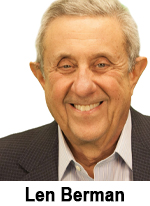
WOR, New York Morning Co-host Len Berman to Anchor Station’s First-Time Ever Live Coverage of New York City Marathon (11/3). iHeartMedia New York announced today (10/28) that Emmy award-winning New York City sports anchor Len Berman, currently heard from 6:00 am – 10:00 am weekdays on 710 WOR’s “Len Berman and Michael Riedel in the Morning,” will anchor 710 WOR’s live coverage of the 53rd TCS New York City Marathon on Sunday November 3. This first-ever radio broadcast of the iconic New York City event will be heard from 8:00 am – 12:00 noon on 710 WOR-AM, Q104.3HD2, on the free iHeartRadio app, smart devices and at 710wor.com. “When iHeartMedia New York partnered with the New York Road Runners (NYRR) to produce this inaugural radio broadcast of the marathon, it was a no-brainer to put Len at the helm of the broadcast,” said Tom Cuddy, program director for 710 WOR. “His association with New York sports, during his more than 50-year television career, and his ‘second life’ as co-host of the WOR morning show since 2015, ensure that Len will make this a can’t-miss broadcast.” “I’m honored to be hosting WOR’s maiden voyage with the TCS New York City Marathon,” said Berman. “I’ve hosted TV coverage of the event many times and it’s consistently one of the best days of the year in the city. We look forward to conveying that same message to our listeners.”
WGN, Chicago Renews Contract with Host Lou Manfredini. WGN Radio today (10/28) announced a contract extension with host Lou Manfredini, the station’s do-it-yourself expert and mainstay for nearly 30 years. His call-in radio show “HouseSmarts Radio with Lou Manfredini” airs Saturdays, 6:00 am to 10:00 am, and delivers an entertaining mix of practical and useful home improvement advice. 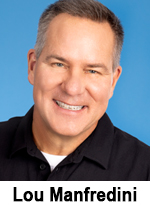 “I have been blessed to call WGN Radio home for the past three decades,” Manfredini tells TALKERS. “But in the end, it’s all about our listeners. I’m excited to continue to help them better understand how their homes work, show them they can have fun, and, of course, remind them to never hold a nail for someone else.” The Chicagoland native will be celebrating his 30th anniversary on WGN Radio in 2025. Mr. Manfredini first appeared on the station as a guest on the Bob Collins Show in 1995 following a letter writing campaign to pitch a call-in home improvement show on WGN.
 “We are delighted that Lou will be with us for his 30th year and beyond,” said WGN Radio VP/GM Mary Sandberg Boyle. “In the nearly 30 years since first appearing on WGN Radio, Lou’s presence across the media world has evolved considerably. Yet, what truly sets him apart is his natural gift of connecting to and interacting with our listeners in the special way that only radio does. Making those listener ‘connections’ has historically been – and will continue to be – the very fabric of WGN 720.” Manfredini can also be heard on weekday segments with John Williams (Mondays), Lisa Dent (Thursdays) and Bob Sirott (Fridays). Lou Manfredini is also a weekly contributor to WGN-TV’s Morning News.
Liberty News Radio and The Big Mig Rumble Channel to Present Election RoundTable 2024. Nationwide Broadcast Liberty News Radio and the Big Mig Show on Rumble are presenting what they describe will be a “captivating” live event, “Election RoundTable 2024,” to be held on November 5, 2024, between 7:00 pm – 12:00 midnight ET. Hosted by Sam Bushman, James Edwards, Dr. Scott Bradley, and Lance Migliaccio, the forum will feature a panel of notable experts including Sheri Richard Mack, Alex Newman, George Balloutine, Lew Moore, Lowell Nelson, Dave Krieger, Peter Scoop Stanton, and others. Highlights will include in-depth analysis of election dynamics, key issues, and candidate strategies. The forum is set to be a key resource for political enthusiasts and voters across the nation, providing a comprehensive look at the elements shaping the future of our Constitutional Republic.  It will be carried by LibertyNewsRadio.com or video stream at TheBigMigShow on Rumble. For additional information or press inquiries, please contact Sam Bushman at 801-756-9133 or LibertyRoundTable@gmail.com.
 With the growing popularity of talk media programs utilizing segments of other shows as key elements of scrutiny and commentary in their programming (“Clip Jockey Format” as coined by Michael Harrison), it is important that media content creators be aware of the subtle and often ambiguous rules applying to the legal aspects of this practice under the heading of fair use.
 One day last winter, Alison Stewart, the host of “All of It” on public station WNYC, New York was alarmed to find herself speaking gibberish.
 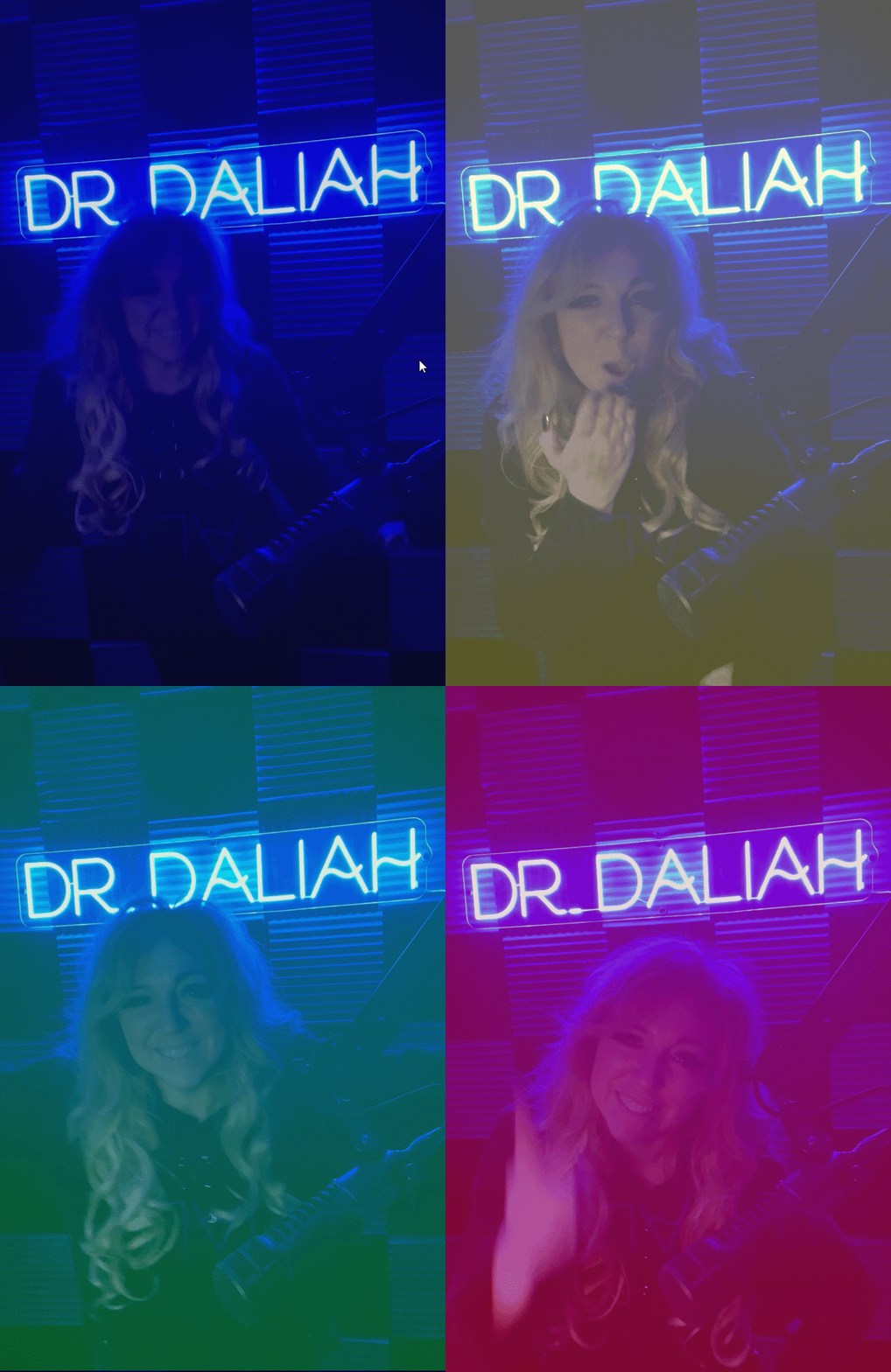 Music Group Gunhill Road Putting Final Touches on Talk Radio Anthem. Gunhill Road, the perennial pop music ensemble that has attracted hundreds of thousands of worldwide followers with its growing repertoire of issue-oriented songs and music videos, is currently in post-production with an anthem celebrating talk radio. Titled “Don’t Stop Talkin’” – the song is an uplifting and infectiously catchy tune about the vital role talk radio plays in serving the cause of American freedom of speech. With lines that include “As long as you’ve got a voice, don’t ever stop!” and “As long as you’ve got the truth, don’t ever stop!” the original composition co-written by band members Steve Goldrich, Paul Reisch, Brian Koonin, and Michael Harrison encourages talk radio practitioners to keep up the good work and great service they provide the nation.TALKERS Heavy Hundred syndicated host Dr. Daliah Wachs pictured above bopping to the music in a scene from the forthcoming video “Don’t Stop Talkin'” by Gunhill Road.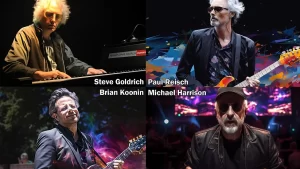
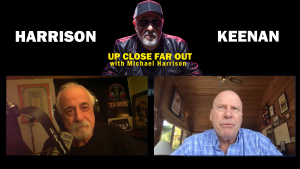 Keenan coached big time teams in the Soviet Union, Russia, Canada, China, the U.S. and more for over five decades! What does it take to be a leader in the competitive and often cutthroat world of major league professional sports? How have the generations of young athletes changed over this stretch of time? What is the state of sportsmanship in today’s culture? What is it like dealing with the media from a professional sports perspective? How is sports culture different around the world? How is gambling impacting sports? Is hockey enjoying healthy growth as both a sport and a business? These questions and more are tackled in an informative and universally interesting conversation between Harrison and Keenan. Keenan, considered one of hockey’s most controversial and intriguing figures, has just released an autobiography titled Iron Mike: My Life Behind the Bench (Randon House Canada, 2024).
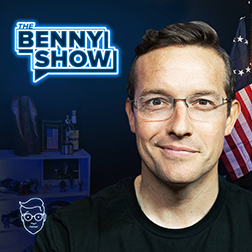 has amassed “a combined 12 million subscribers across platforms. ‘The Benny Show’ has become a go-to platform for the next generation of news consumers and creators alike. The program features commentary and exclusive interviews with special guests including presidential candidates, world leaders, cultural icons and Hollywood actors.” Under Westwood One’s leadership, the Cumulus Podcast Network distributes, markets, and monetizes “The Benny Show” exclusively with this new partnership. WWO president Collin R. Jones says, “As the Cumulus Podcast Network further expands into video, ‘The Benny Show’ is a natural addition to our portfolio of personality-driven talk shows. Benny is well known on YouTube as a strong and independent voice in conservative talk. He challenges mainstream opinions with cutting-edge insight and straightforward questions, capturing both listeners and partners with his streamlined, frank approach.”

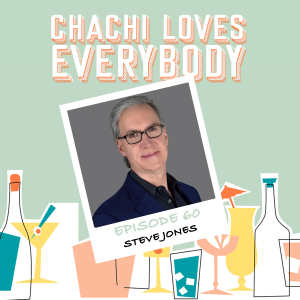
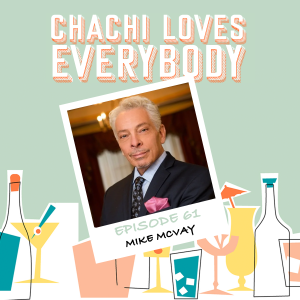 Benztown, a global leader in radio imaging, voiceovers, programming, podcasting, and jingles, has released two new episodes of “Chachi Loves Everybody,” an original podcast series hosted by its president Dave “Chachi” Denes. The episodes feature Chachi’s special guests Steve Jones, president and CEO, Skyview Networks, and Mike McVay, president, McVay Media Consulting.
  PodcastOne
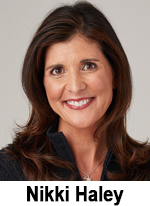 Haley, who as a former GOP candidate has played an important role in the ongoing presidential race, will also offer her opinions on the campaigns of former President Donald Trump and Vice President Kamala Harris. Throughout the hour Haley will also have open dialogues with an array of guests and callers, featuring conversations about the challenges facing Americans of varying perspectives and backgrounds. Haley tells TALKERS, “The American people are smart. They’re sick of distractions in DC and noise from the mainstream media. They want to know what the issues are and how the solutions will impact them. I’m excited to partner with SiriusXM on a show that breaks down the policies and empowers them with the facts.” As part of the multi-platform agreement, video of the program will be available on the SiriusXM app, and the show can be found across major podcast platforms following its premiere on SiriusXM.
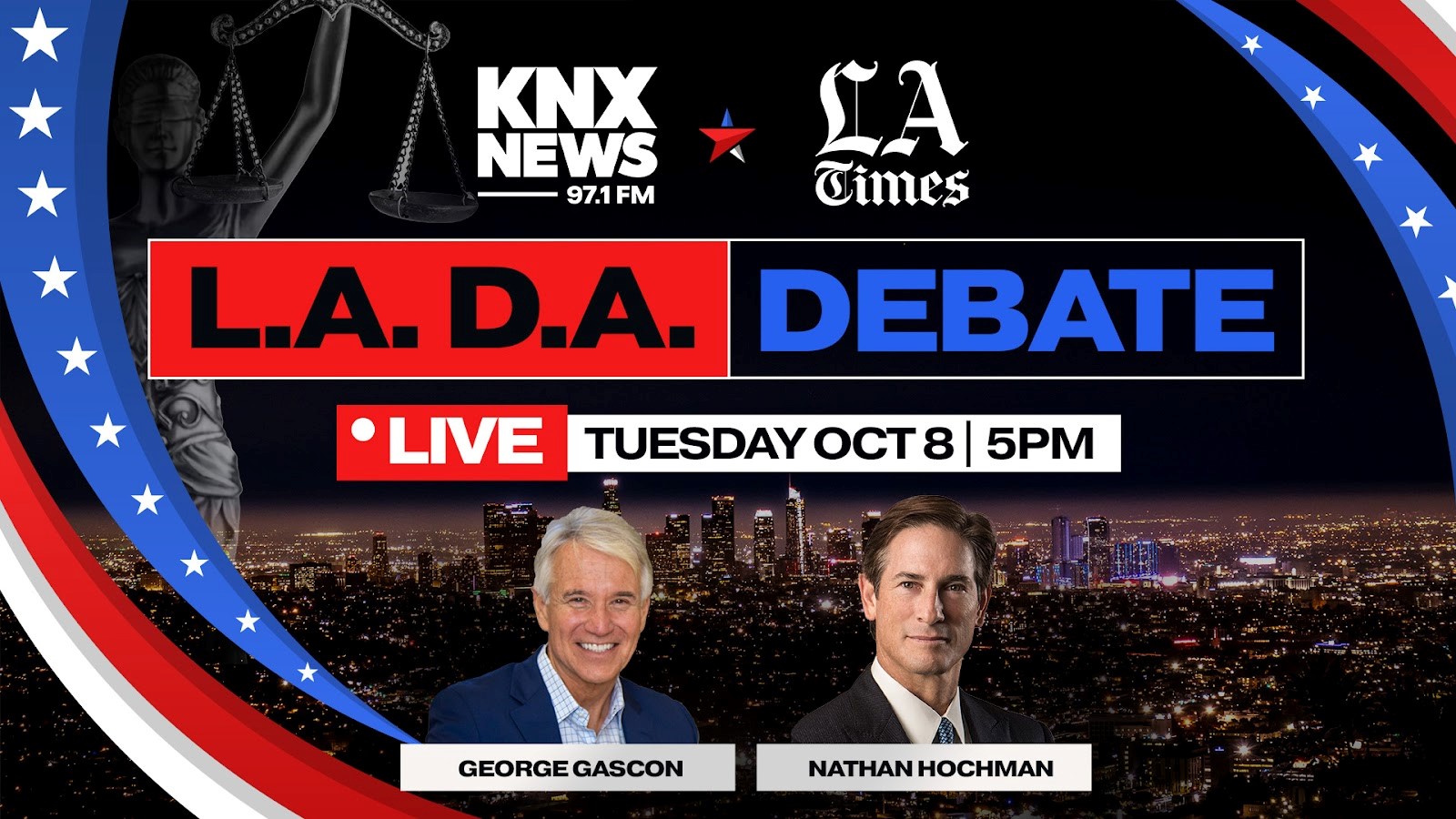 As millions of voters across Los Angeles County decide how to cast their ballots in the pivotal race for district attorney, Audacy’s KNX News 97.1 FM and the Los Angeles Times are joining forces to present a live debate between incumbent George Gascón and challenger Nathan Hochman on October 8 at 5:00 pm PT. Sources at Audacy Los Angeles tell TALKERS, “With criminal justice top of mind for voters across Southern California, the KNX News/L.A. Times debate will dig into the key issues impacting safety, equity, and quality of life for the residents of America’s most populous county ahead of the November 5 election. The one-hour, commercial-free debate will air on KNX News (97.1 FM & 1070 AM) with live video available on the digital and social platforms of KNX News and the Los Angeles Times. KNX News anchor Mike Simpson and chief correspondent Charles Feldman will moderate the debate. Panelists will include L.A. Times reporters James Queally and Brittny Mejia and KNX News reporter Emily Valdez. Media interested in attending should contact Alex Silverman at
 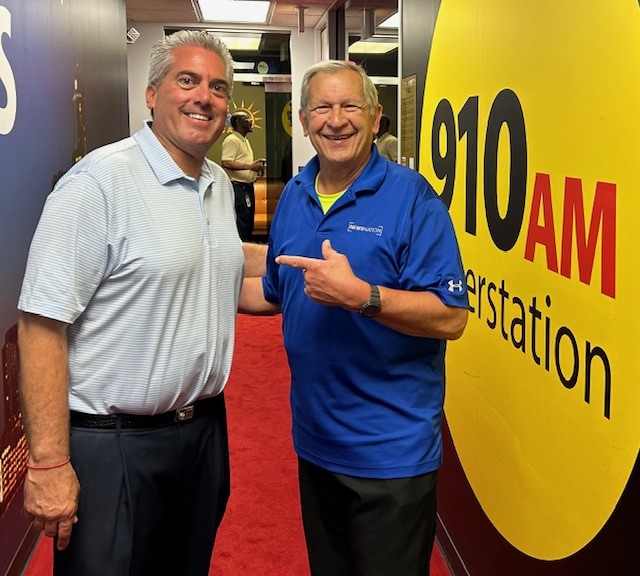 “Our industry is going to take a while to reset itself, like the newspaper industry,” he said, estimating that this “reset” would come in 10 years, or not at all. “This might be the new normal.” Pictured above: Adell (l) with radio historian and videographer Art Vuolo (r). Vuolo tells TALKERS, “He invited me to video in studio the launch of Super Station 910 the first week of September a year ago as he re-branded WFDF-AM 910 as news/talk. He wanted to go after WJR, but with mostly syndicated programming from Premiere Networks. Interestingly 910 now with 50 kw is the third biggest AM signal in Michigan!” For more info, see the entire Detroit Free Press article here.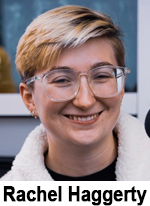
 Mentoring and Inspiring Women in Radio, Inc. (MIW), a 501(c)(3) non-profit organization dedicated to the advancement of female leadership in radio broadcasting, and the National Association of Broadcasters Leadership Foundation (NABLF), name Rachel Haggerty as the 2024 MIW NABLF Launch Program mentee. Started in 2023, Launch is a partnership between MIW and the NAB Leadership Foundation dedicated to supporting and guiding women in radio who are relatively new to the industry.
  The first of its kind, this program fosters the development and curation of talent. Haggerty graduated from Seton Hall University in 2019, where she was actively involved with WSOU-FM, serving as assistant technical operations director and later as student manager. After graduation, she completed the National Association of Broadcasters Technology Apprenticeship Program, interning with iHeartMedia’s New York City radio stations. She then worked locally and with a national support team at iHeartMedia before becoming the assistant chief engineer at WABC-AM. Since 2023, she has returned to iHeartMedia New York, working with Premiere Networks on nationally syndicated talk shows. Rachel is also an active member of the Society of Broadcast Engineers and holds a Certificate in Broadcast Radio Engineering.
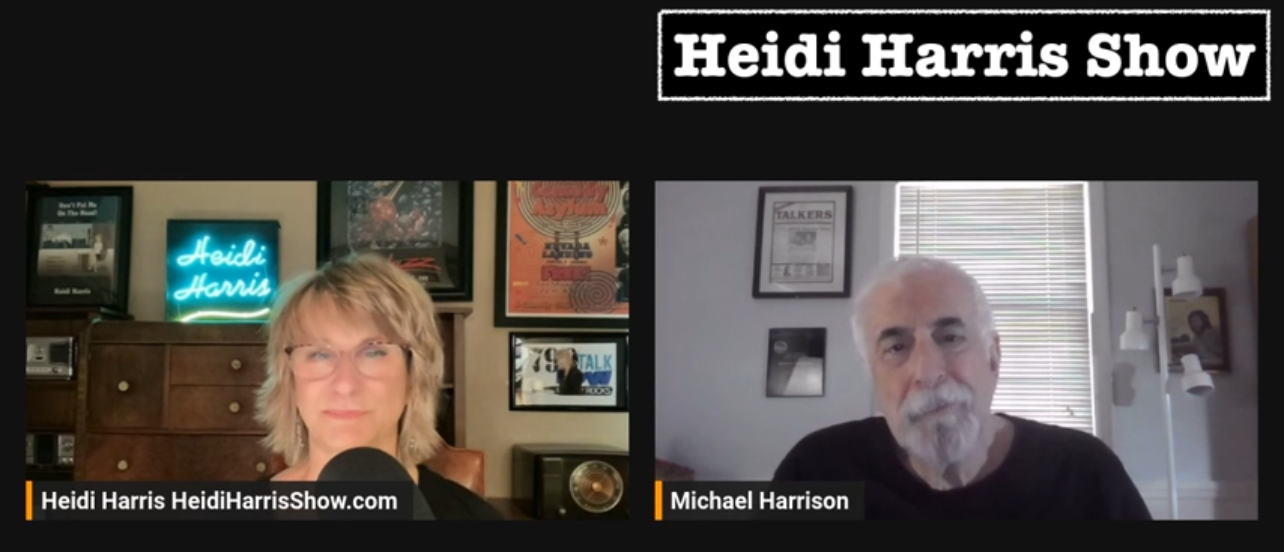 Harrison addressed the issue of artificial intelligence’s impact on talk show hosts as well as society in general presenting a mixed forecast of both good and bad news. To watch the video in its entirety please click here
  Audacy Podcasts is entering a strategic partnership with acclaimed storytelling nonprofit “The Moth” to handle sales and distribution for the organization’s award-winning podcast, including video, social and sponsorships for live events. To date, “The Moth” podcasts have been brought to listeners in partnership with PRX. PRX will continue to represent The Moth on public radio, which includes continued distribution of “The Moth Radio Hour” to more than 560 stations nationwide. “The Moth” podcast feed will move to Audacy on January 1, 2025, and be accessible on the Audacy app and everywhere podcasts are available. “The Moth” will continue its release schedule with new and encore episodes of “The Moth Radio Hour” on Tuesdays and original episodes of “The Moth Podcast” on Fridays. For over 27 years, “The Moth” has been an instrumental force in the modern storytelling movement, presenting over 60,000 true, personal stories to standing-room-only crowds at events and through storytelling workshops worldwide. Since 2008, these stories have reached tens of millions of listeners each year through “The Moth Radio Hour” and “The Moth Podcast.” Sarah Haberman, executive director of “The Moth” tells TALKERS, “As a nonprofit organization, the opportunity to broaden our reach with Audacy perfectly aligns with our mission of building a more connected world through the art of true personal storytelling. We’re thrilled to partner with their talented team to ensure these vital stories are amplified and heard by more listeners – and help brands connect with our community meaningfully through our audio programming, 600+ live events yearly, 1.3MM+ social media followers, and our digital extensions.”
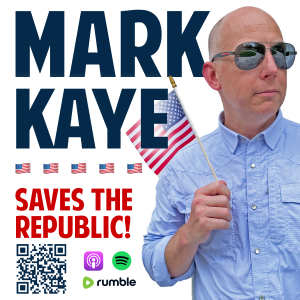 Canceled (WOKV-FM, Jacksonville) Talk Radio Host Returns With Political Podcast “Mark Kaye Saves the Republic!”Radio talk show host and Newsmax TV personality Mark Kaye tells TALKERS that he’s launching an entertaining new political podcast, “Mark Kaye Saves the Republic!”
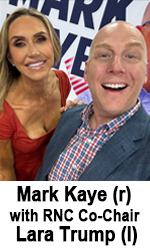 The new daily podcast and livestream promises to deliver fun and informative takes on breaking news and political headlines. Mark approaches the show with his trademark high energy and quick wit to create what he describes as “a cool atmosphere for all his loyal listeners affectionately called Kayetriots.” Kaye states, “I am beyond excited to create entertaining and informative daily content again. Since I was canceled [by WOKV-FM, Jacksonville], my audience has been struggling to find real news and true conservative values on the radio or anywhere else. This is not just another news podcast. It’s an online world where patriotic Americans come together to get the daily information and inspiration they need to keep fighting for this great country. My listeners and I are going to save the republic and we’re going to have a lot of fun doing it!” The show kicks off this week with live coverage from the Presidential Debate in Philadelphia. “Mark Kaye Saves The Republic!” is produced by Kayetriot Media.
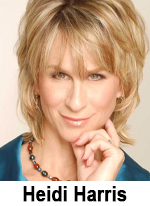 Heidi Harris Inducted Into the Nevada Broadcasters Hall of Fame. After 26 years in radio including stints at KXNT and KDWN in Las Vegas, veteran talk show host Heidi Harris was inducted into the Nevada Broadcasters Hall of Fame this past weekend (9/7). Harris tells TALKERS, “It’s an honor to be recognized by the Nevada Broadcasters Association, which works tirelessly on behalf of the broadcasting community, and awards generous scholarships every year to the next generation of broadcasters.” Harris continues to be a trailblazer presenting “The Heidi Harris Show” as an online streaming and video podcast production.
 Longtime talk media host, commentator and director of the
  As an industry, radio has a peculiar modesty. We diminish our magic and power in relating to listeners and colleagues by using the wrong slang terminology. May I suggest new “labelling” of commonly used radio terms?
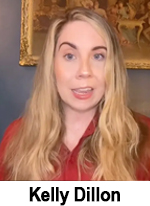 As reported in the New York Post (8/26) by reporters Steven Vago, Steve Janoski and Carl Camanille, an assailant seized a 1010 WINS journalist by the hair and body-slammed her to the ground in a random senseless act outside the radio station office building, according to police and the victim. Kelly Dillon – a veteran New York City news and traffic reporter who was also with WCBS 880 – detailed the sudden attack
 WCBS 880 Final Tribute
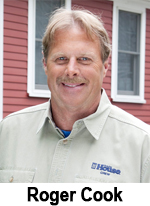 “This Old House” Personality Roger Cook Dies.
 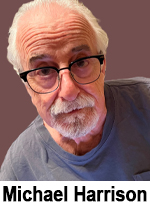 In the opinion of TALKERS publisher Michael Harrison, we are entering an era in which it is possible – even likely – for robot voices generated by artificial intelligence to replace at least some human talk show hosts, especially in the wake of relentless corporate cost-cutting by radio’s largest companies. On the music radio side, the process of “voice tracking,” although initially controversial, has become a widely employed budget-tightening process. However, voice tracking still employs organic talent to generate the verbal content.
 AI, on the other hand, bypasses the human element completely. In a guest appearance yesterday (8/22) on the Manny Munoz mid-morning show on WIOD, Miami, in which the subject of AI was being discussed, Harrison said, “AI is upping the bar. If talk show hosts don’t stay on their game and avoid relying too heavily on the talking points – if they are not creative thinkers and leaders – they can easily be replaced by computer operators.” Harrison continued, “It won’t be too long from now – actually, it is already possible – that two robots could be having a plausible conversation if both have been fed all the talking points.” Harrison explained, “Each robot will have instant access to all the existent talking points at the speed of light. Robots are already beating human experts at Jeopardy or chess. The only thing a robot can’t do – at least for now – is to be creative outside the realm of what already exists in cyberspace. That’s the challenge facing anyone who wants to be a live traditional radio talk show host in this coming brave new world.” Harrison’s appearance on WIOD was part of his ongoing talk radio “Obsolete Slobs” tour in which he’s been promoting the Gunhill Road music video “Artificial Intelligence (No Robots Were Injured in the Production of this Song” (www.