By Matthew B. Harrison
TALKERS, VP/Associate Publisher
Harrison Legal Group, Senior Partner
Goodphone Communications, Executive Producer
 The Problem Is No Longer Spotting a Joke. The Problem Is Spotting Reality
Every seasoned broadcaster or media creator has a radar for nonsense. You have spent years vetting sources, confirming facts, and throwing out anything that feels unreliable. The complication now is that artificial intelligence can wrap unreliable content in a polished package that looks and sounds legitimate.
This article is not aimed at people creating AI impersonation channels. If that is your hobby, nothing here will make you feel more confident about it. This is for the professionals whose job is to keep the information stream as clean as possible. You are not making deepfakes. You are trying to avoid stepping in them and trying even harder not to amplify them.
Once something looks real and sounds real, a significant segment of your audience will assume it is real. That changes the amount of scrutiny you need to apply. The burden now falls on people like you to pause before reacting.
Two Clips That Tell the Whole Story
Consider two current examples. The first is the synthetic Biden speech that appears all over social media. It presents a younger, steadier president delivering remarks that many supporters wish he would make. It is polished, convincing, and created entirely by artificial intelligence.
The second is the cartoonish Trump fighter jet video that shows him dropping waste on unsuspecting civilians. No one believes it is real. Yet both types of content live in the same online ecosystem and both get shared widely.
The underlying facts do not matter once the clip begins circulating. If you repeat it on the air without checking it, you become the next link in the distribution chain. Not every untrue clip is misinformation. People get things wrong without intending to deceive, and the law recognizes that. What changes here is the plausibility. When an artificial performance can fool a reasonable viewer, the difference between a mistake and a misleading impression becomes something a finder of fact sorts out later. Your audience cannot make that distinction in real time.
Parody and Satire Still Exist, but AI Is Blurring the Edges
Parody imitates a person to comment on that person. Satire uses the imitation to comment on something else. These categories worked because traditional impersonations were obvious. A cartoon voice or exaggerated caricature did not fool anyone.
A convincing AI impersonation removes the cues that signal it is a joke. It sounds like the celebrity. It looks like the celebrity. It uses words that fit the celebrity’s public image. It stops functioning as commentary and becomes a manufactured performance that appears authentic. That is when broadcasters get pulled into the confusion even though they had nothing to do with the creation.
When the Fake Version Starts Crowding Out the Real One
Public figures choose when and where to speak. A Robert De Niro interview has weight because he rarely gives them. A carefully planned appearance on a respected platform signals importance.
When dozens of artificial De Niros begin posting daily commentary, the significance of the real appearance is reduced. The market becomes crowded. Authenticity becomes harder to protect. This is not only a reputational issue. It is an economic one rooted in scarcity and control.
You may think you are sharing a harmless clip. In reality, you might be participating in the dilution of someone’s legitimate business asset.
Disclaimers Are Not Shields
Many deepfake channels use disclaimers. They say things like this is parody or this is not the real person. A parking garage can also post a sign that it is not responsible for damage to your car. That does not absolve them when something collapses on your vehicle.
A disclaimer that no one negotiates or meaningfully acknowledges does not protect the creator or the people who share the clip. If viewers believe it is real, the disclaimer (often hidden in plain sight) is irrelevant.
The Liability No One Expects: Damage You Did Not Create
You can become responsible for the fallout without ever touching the original video. If you talk about a deepfake on the air, share it on social media, or frame it as something that might be true, you help it spread. Your audience trusts you. If you repeat something inaccurate, even unintentionally, they begin questioning your judgment. One believable deepfake can undermine years of credibility.
Platforms Profit From the Confusion
Here is the structural issue that rarely gets discussed. Platforms have every financial incentive to push deepfakes. They generate engagement. Engagement generates revenue. Revenue satisfies stockholders. This stands in tension with the spirit of Section 230, which was designed to protect neutral platforms, not platforms that amplify synthetic speech they know is likely to deceive.
If a platform has the ability to detect and label deepfakes and chooses not to, the responsibility shifts to you. The platform benefits. You absorb the risk.
What Media Professionals Should Do
You do not need new laws. You do not need to give warnings to your audience. You do not need to panic. You do need to stay sharp.
Here is the quick test. Ask yourself four questions.
Is the source authenticated?
Has the real person ever said anything similar?
Is the platform known for synthetic or poorly moderated content?
Does anything feel slightly off even when the clip looks perfect?
If any answer gives you pause, treat the clip as suspect. Treat it as content, not truth.
Final Thought (at Least for Now)
Artificial intelligence will only become more convincing. Your role is not to serve as a gatekeeper. Your role is to maintain professional judgment. When a clip sits between obviously fake and plausibly real, that is the moment to verify and, when necessary, seek guidance. There is little doubt that the inevitable proliferation of phony internet “shows” is about to bloom into a controversial legal, ethical, and financial industry issue.
Matthew B. Harrison is a media and intellectual property attorney who advises radio hosts, content creators, and creative entrepreneurs. He has written extensively on fair use, AI law, and the future of digital rights. Reach him at Matthew@HarrisonLegalGroup.com or read more at TALKERS.com.



 during an informal conversation with his longtime friend, music industry publicist Anne Leighton on her YouTube program, “The Anne Leighton Inclusion Interview.” Harrison talks about the evolution of radio and its influence on popular culture through more than a half century of
  broadcasting adventures including his present-day role as a member of the classic rock band, Gunhill Road. Harrison states, “Anne is such a unique player in this business – a longtime proponent of music discovery – she has such a respect for the artists and their fans. Her podcast is SO refreshingly grassroots. It was a remarkable, fun experience talking with her about all that cool stuff.” Fans of music and radio history should not miss this. To view this installment of the Anne Leighton Inclusion Interview in its entirety, please click HERE.
 Amendment are challenged on every front, the journalists, organizations and individuals we honor today stand as powerful examples of courage, integrity and unwavering commitment to the free flow of information. Their work informs, supports and strengthens our communities, and it definitely protects the core principles that make a free press essential to democracy. We are proud to shine a spotlight on these champions of press freedom and to celebrate their vital contributions.” Honorees include recently retired WGN, Chicago news anchor Steve Bertrand; former “60 Minutes” executive producer Bill Owens; and FOX News pentagon reporter Jennifer Griffin.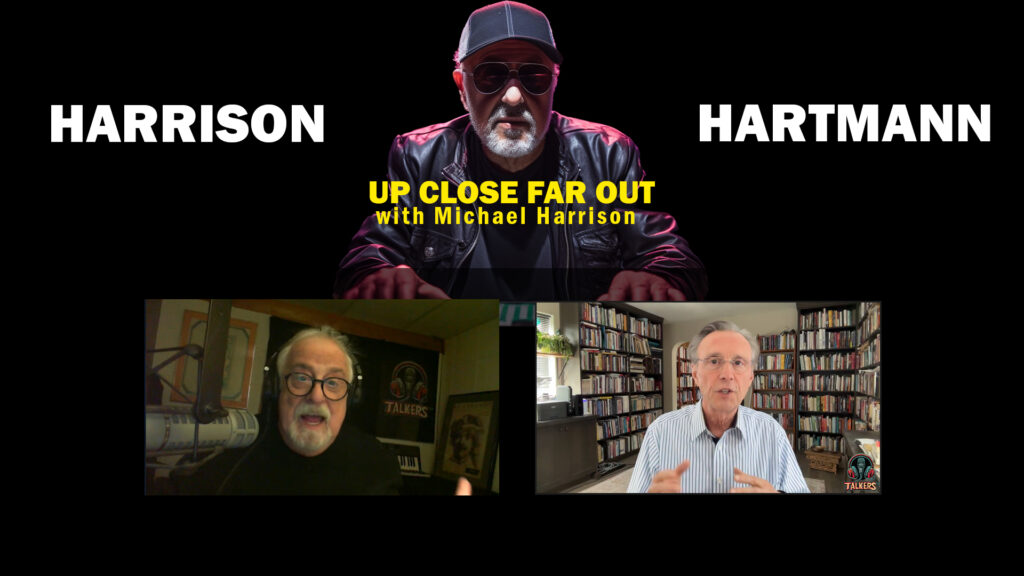
 6:00 pm to 7:00 pm, beginning March 9. The station says, “Craig is a veteran talk show host having previously worked at WGN Radio and 93 WIBC. He is also a frequent guest host with Radio America’s ‘The Dana Show’ and ‘The Chad Benson Show’ and WIBC’s ‘Tony Katz and the Morning News.’” Colling says, “How awesome is it to be at the same radio station I remember reading about in The Way Things Ought To Be! I can’t wait to get started. A big thank you to Bonny, Russell and the entire team at KSEV!”
 help to the entire team throughout the past year, stepping in without hesitation and taking on added responsibility. His work ethic, commitment to the station, and focus on fostering a collaborative environment have not gone unnoticed, making him the ideal candidate for this elevated role.” LaCroix, who’s been with the station since 2017 and has served as executive producer of the morning show since 2021, says, “I’m delighted to accept this role and grateful for the opportunity. I’m excited to continue working with this team and to help drive the continued growth and success of ‘The Fan.’”
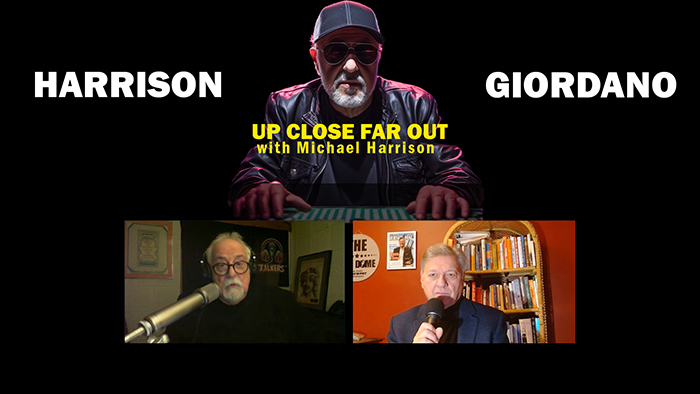
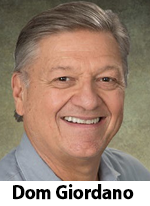 Giordano is a political commentator, social generalist and seasoned expert on education. He is a former Pennsylvania-based schoolteacher whose keen insights, innovative ideas, and communication skills were discovered by talk radio in Philadelphia in 1987 when, after serving as a dependable “go-to” source on education, he became a fulltime host on WWDB-FM. In 2000, he moved over to powerhouse WPHT 1210 am in Philly where he has been broadcasting ever since. In addition to his enduring radio presence, Giordano hosts several podcasts including the groundbreaking “Old School, New School, Next School” which takes a critical-but-constructive view of America’s education crisis and is must-listening for parents who care about their kids and the future of America. Get ready for a no-holds-barred view of such hot topics as school choice, the tyranny of social media, the distraction of smart phones, short term attention spans, bullying, the threat of guns and violence, responsible parenting, media complacency, and a whole lot more.
 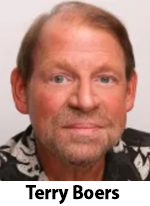 January of 2017. WSCR operations manager Mitch Rosen posted the following to social media: “The Score lost one of our own today. Terry Boers passed away today surrounded by loved ones. Terry was one of the founding fathers of The Score and one of the most popular people on the air and in The Score hallways. Terry was original, funny, smart, witty and most importantly a beautiful person. Terry’s family’s wish is there won’t be a funeral, but The Score will celebrate his life on the air next week. So today and forever, RIP Terry Boers.” Boer was one of the original hosts on “The Score when it launched in January 1992. Boers had worked for years in the newspaper business, including as a sports columnist for the Chicago Sun-Times.
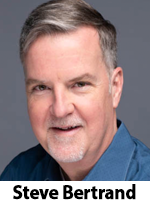 with the Lifetime Achievement Award, an honor designated contributions to local news. Bertrand has been a trusted voice on WGN Radio for four decades, anchoring news since 1992 and earning the confidence of generations of Chicago listeners. Over his career, he covered many of the most significant local and national events of the past 40 years while mentoring colleagues and helping define the standard for excellence in local radio journalism. His retirement in 2025 marks the culmination of a lifetime dedicated to informing the public and strengthening the role of local news.”
  commercially unreasonable rate for its Nationwide Report may cause it to have to do away with the Nationwide Report altogether. This testimony accompanied Nielsen’s request for a stay pending appeal as it appeals to the Second Circuit. This is the latest in action in Cumulus’ suit alleging that
  Nielsen is illegally leveraging its dominance over national and local radio audience data to stifle rivals and charge inflated prices. Judge Vargas denied the stay pending appeal but did grant an administrative stay will be in effect only until January 16, 2026, to allow Nielsen time to file a motion for a stay in the Second Circuit Court of Appeals. Tunkel’s testimony states that the order would cause Nielsen “significant irreparable harm if required to comply with the Court’s ruling during the pendency of Nielsen’s appeal… As a result, Nielsen would not be able to apply that policy in any of the at least ten negotiations with clients that Nielsen expects to have in 2026. If Nielsen is unable to apply the Network Policy, then it will be hindered in its ability to ensure that it can recover the costs of collecting the local radio-ratings data that make up the Nationwide report and spread those costs appropriately across the customers that use the products generated from those joint costs. If Nielsen cannot recover these costs, then it may have to retire the Nationwide report, similar to when Nielsen retired its other national data product, RADAR. If it does not retire the Nationwide report, it may have to pass a higher share of the costs of collecting local data on to other customers, including local radio stations, hurting Nielsen’s negotiating position with respect to those customers, as well as those customers themselves.”
 Network TV often delivers Nielsen hashmarks. No viewers! The no numbers reports started coming in over 20 years ago and they met with silence. Often on Holiday nights, long weekends, NBC, CBS, ABC or FOX delivered no measurable audience. Simultaneously, online video stars were attracting millions of views. In 2007, the media world witnessed the audience shift from broadcast TV to online video. In the following years, media buyers made the definition of a bad investment: Between the time a buy was placed on network TV to the day of air, the audience diminished. Every month. Year after year.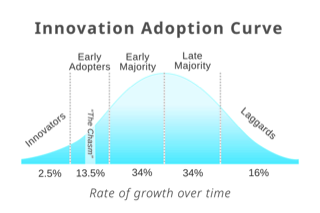
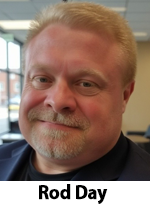 want guiding our Alaska operations. His passion for the Anchorage market, experience in broadcast and digital platforms, combined with his ability to build strong teams and elevate performance, makes him an outstanding fit. We are excited for the energy, vision, and expertise he will bring to our Alaska properties.” Day comments, “I’m truly thrilled to be joining the Connoisseur Media team and working alongside leaders who have such a clear vision for our business. It’s also incredibly exciting to return to a market I love, one that I believe has endless potential. I can’t wait to get to know each member of the Anchorage team and work together to achieve not only their personal goals, but the goals we have for the entire team.”
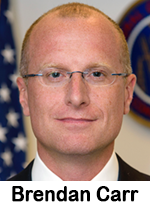 independent one because commissioners can be removed by the president. Numerous news organizations pointed out that the mission statement on the FCC’s website described it as an independent agency – until yesterday afternoon when the website was apparently updated to reflect Carr’s testimony. Numerous news outlets also pointed to Carr himself describing the agency as independent as recently as April of 2021. When questioned about the FCC regulating content, Carr said that he believes political satire is protected speech but he added that broadcast television and radio stations are held to a “public interest” standard that the FCC is required by law to enforce.
 and #2 in most past surveys – are gone from the ranker entirely. With that change, iHeartRadio’s “Stuff You Should Know” is the new #1, with Salem Podcast Network’s “The Charlie Kirk Show” at #2. Other changes for talk radio-related podcasts include Cumulus Podcast Network’s “The Shawn Ryan Show” rising five places to #4, Cumulus Podcast Network’s “VINCE” climbing two places to #10, and iHeartRadio’s “The Clay Travis and Buck Sexton Show” moving up seven places to #11.
  across the state of Wisconsin and based at WAUK, Waukesha, is doing her last program today (12/12). Matenaer, who works with co-host Greg Bach, recently announced her retirement after 44 years in the business. Prior to joining Civic Media three years ago, she served with Good Karma Brands’ news/talk WTMJ, Milwaukee in the newsroom and in morning drive.
 and how Fisher House plays a role in their journey. Fisher House Foundation provides a home away from home for families of patients receiving medical care at major military and VA medical centers. Fisher Houses provide temporary free lodging so families can be close to their loved ones during medical care. Fisher House says, “This informational talk show will leave listeners feeling inspired during the entire Holiday Week, sharing stories of amazing service members, veterans, and their families. Your audience will hear stories of heroic service members injured in combat or during training exercises as well as veterans who need long-term medical care over the course of their lives. Whether it’s a complicated birth of a child or a devastating head injury from a motorcycle accident, Fisher House is there for the spouses, parents, and children of America’s service members every step of the way. For more information on this radio special, contact Larry O’Connor at 562-665-9537 or
 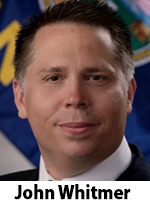 Whitmer to the KNSS morning show alongside Ted Woodward. ‘Woodward and Whit’ will build on the foundation of smart, local conversation that our listeners expect by delivering the essential news, candid analysis and enjoyable banter that starts the day right. This is a powerful pairing that promises to keep the Wichita community informed and engaged.” Whitmer has been hosting an eponymous two-hour weekend show for KNSS since 2018. He’s a veteran of Kansas politics having served in roles for local, state, and national Republican campaigns. Whitmer currently serves as the Chairman of the Sedgwick County Republicans. He says, “I’m honored to join Ted Woodward on ‘Woodward & Whit,’ stepping into the big shoes left by Steve McIntosh, who dedicated over 50 years to Wichita mornings. I look forward to bringing news coverage, straight talk, common-sense discussion and a little fun to help our community start the day on the right note.”
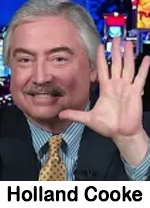 News people I coach reckon that my epitaph will read: “Consequence, not Process.”
 purchase up to $185 million in aggregate principal amount of the Existing Notes for up to $111 million in cash and the right to subscribe to purchase up to $60.6 million in aggregate principal amount of newly issued 10.500% First Lien Senior Secured Notes due 2030. As of 5:00 pm ET yesterday (12/1), Urban One received from Eligible Holders valid and unwithdrawn tenders and related Consents, as reported by D.F. King & Co., Inc., representing approximately $450 million in aggregate principal amount of Existing Notes, or approximately 92.2% of the aggregate principal amount of Existing Notes outstanding.
 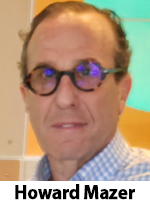 January 1. Co-president of the Urban One Audio Division Eddie Harrell says, “For more than three decades, Howard has been a steady, visionary leader for our Baltimore cluster. His commitment to excellence, his instinct
  for developing talent, and his deep understanding of this market have strengthened our stations and helped shape the culture of our entire audio division.” Willner began his career with Urban One and transitioned to account executive before rising to national sales manager, general sales manager and ultimately, director of sales. Harrell adds, “Dave has had the benefit of learning the business under Howard’s guidance for many years, and he embodies the forward-thinking leadership we need for the next chapter. I’m confident he will build on Howard’s strong foundation and continue to advance the success of the Baltimore market.” The company says Mazer will work closely with Willner through the end of the year to ensure a smooth and seamless transition.
 to develop, produce, and own all content. Shots Podcast Network shows include “Full Send Podcast,” hosted by Kyle Forgeard; “One Night with Steiny,” featuring Aaron “Steiny” Steinberg; and “The Rush with Maxx,” hosted by NFL star Maxx Crosby.Westwood One and Cumulus Podcast Network president Collin Jones says, “Shots is one of the most dynamic and influential creator networks in media today. Their fearless approach to content and ability to engage millions of fans makes them a perfect fit for the Cumulus Podcast Network. We’re thrilled to welcome John, and the entire Shots team.”