
Industry Views

Monday Memo: Podcasting Pitfalls (and How to Avoid Them)

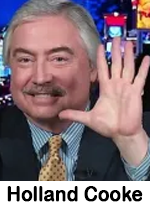
By Holland Cooke
Consultant

imgThe most common mistake podcasters make is assuming the microphone alone creates an audience. Too many would-be hosts hit Record without a clear strategy for WHY they’re doing a show, WHO it’s for, and what makes it DIFFERENT from millions of other podcasts.

Here’s where radio people have an edge. They already understand what makes audio work, fundamentals instructive to pure-play podcasters:

Know your listener. The #1 podcasting error is failing to define the audience. A show that tries to appeal to “everyone” ends up resonating with no one. In radio, you wouldn’t program an AC station to please hard rock fans; the same logic applies here. Create a mental picture of your ideal listener and talk to that person… as an individual. A radio show might have thousands of listeners, but they’re listening one-at-a-time. Podcasting is even more intimate. It’s the opposite of “Hi everybody.”

im

Prep like it matters. Many podcasters think conversation is enough. But even the loosest-sounding successful shows are tightly structured. Radio taught you this already: segments, clocks, and story arcs keep things moving. Format your podcast.

Edit ruthlessly. The average podcast listener has thousands of options. Rambling is death. Trimming, pacing interviews, and cutting inside jokes shows respect for your listener’s time. Walking-the-walk, TALKERS publisher Michael Harrison takes a mere 44 seconds to explain in this video.

Be consistent. If your show drops sporadically, you won’t build loyalty. Listeners want reliability, whether weekly, biweekly, or monthly. Radio wouldn’t move a morning show around the schedule; don’t do it with your podcast.

Think discoverability. A podcast isn’t a “Field of Dreams” (if you build it, they will come). Great audio needs marketing: social media clips, smart SEO in show notes, cross-promotion, and ideally, visibility on your broadcast platforms.

Make it about them, not you. This is the big one. Too many podcasts are self-indulgent — hosts talking about what interests them. Successful shows flip the script: What does my audience care about, and how can I deliver it in a way only I can?

The bottom line: Radio has invested 100 years doing what podcasting is just learning — creating focused, disciplined, listener-first audio. Bring those habits with you, and you’ll click, while others are still figuring it out.

Holland Cooke (HollandCooke.com) is a media consultant working at the intersection of broadcasting and the Internet. Follow HC on Twitter @HollandCooke

Industry Views

When Satire Stands Its Ground

By Matthew B. Harrison
TALKERS, VP/Associate Publisher
Harrison Media Law, Senior Partner
Goodphone Communications, Executive Producer

imgWhen we first covered this case, it felt like only 2024 could invent it – a disgraced congressman, George Santos, selling Cameos and a late-night host, Jimmy Kimmel, buying them under fake names to make a point about truth and ego. A year later, the Second Circuit turned that punchline into precedent. (Read story here: https://talkers.com/2024/12/19/jimmy-kimmels-fair-use-victory-what-it-means-for-content-creators/)

And just to clear the record: this has nothing to do with Jimmy Kimmel’s unrelated dust-up with FCC Commissioner Brendan Carr. Different story, different planet. This one’s about copyright and commentary – and it’s a clear win for both.

The Set-Up

After his expulsion from Congress, George Santos began offering paid video shout-outs on Cameo. Kimmel’s writers sent absurd requests under pseudonyms for a segment called “Will Santos Say It?” – and he did. The show aired those clips to highlight how easily a public figure would say anything for a fee.

(If you want a taste, look up “Jimmy Kimmel Pranks George Santos on Cameo” on YouTube. That’s the kind of transformative satire the court later called “sarcastic criticism and commentary.”)

Santos sued Kimmel, ABC, and Disney for copyright infringement, fraud, and breach of contract, claiming the videos were sold for “personal use.” The district court tossed it; Santos appealed.

The Ruling

On September 15, 2025, the Second Circuit unanimously affirmed the dismissal. The panel said Kimmel’s use was transformative: he turned Santos’s self-promotion into political satire. Even Santos’s complaint described the bit as sarcastic commentary.

Claims of “market harm” fell flat. Airing a few clips on network TV doesn’t compete with Cameo. Embarrassment isn’t economic loss.

And the supposed bad faith – using fake names to order the clips – didn’t undo fair use. The court stuck to the statutory factors: purpose, nature, amount, and effect. Mischief isn’t a fifth one.

The rest of the claims – fraud, contract, enrichment – stayed dismissed as pre-empted or too thin to matter.

Why It Matters

This decision lands as courts wrestle with whether AI’s use of copyrighted works can ever be “transformative.” Santos v. Kimmel shows what that word really means: a human taking existing material and using it to say something new.

Fair use protects meaning, not mimicry. That’s why satire, commentary, and criticism still stand when they have a point.

For media creators, the lesson is simple: transformation beats permission. If you use third-party material, make sure you’re adding perspective – not just recycling content. That, more than any fine print, is what keeps you on the right side of the line.

Matthew B. Harrison is a media and intellectual property attorney who advises radio hosts, content creators, and creative entrepreneurs. He has written extensively on fair use, AI law, and the future of digital rights. Reach him at Matthew@HarrisonMediaLaw.com or read more at TALKERS.com.

Industry News

Layoffs Hitting iHeartMedia Stations Across the Country

iHeartMedia has been cutting staff at radio stations across the country and talk hosts are part of this reduction in force. Some of those affected by the cuts include sports talk radio personalities Steve Czaban – who co-hosted the Czabe & Butch program with Brian Butch on theimg company’s WRNW-FM, Milwaukee “97.3 The Game,” and KBME-AM, Houston “SportsTalk 790” morning host Sean Salisbury. Salisbury tweeted, “It’s been a hell of a run the last 8 years [at] SportsTalk 790. I fully understand the financial decisions that corporate has to make. I appreciate the great bosses at iHeart that I got to work with and here in Houston, who have become friends too. Very grateful for good coworkers and the talent you hear daily on the SportsTalk 790 lineup. I’m so blessed to have worked with special teammates/friends on my show every morning, you know my love for you guys!” Also, a victim of this latest round of cuts is Salt Lake City market manager Joyce Wirthlin.
Industry News

Buck Sexton Interviews Taiwan President During Fact-Finding Mission


img

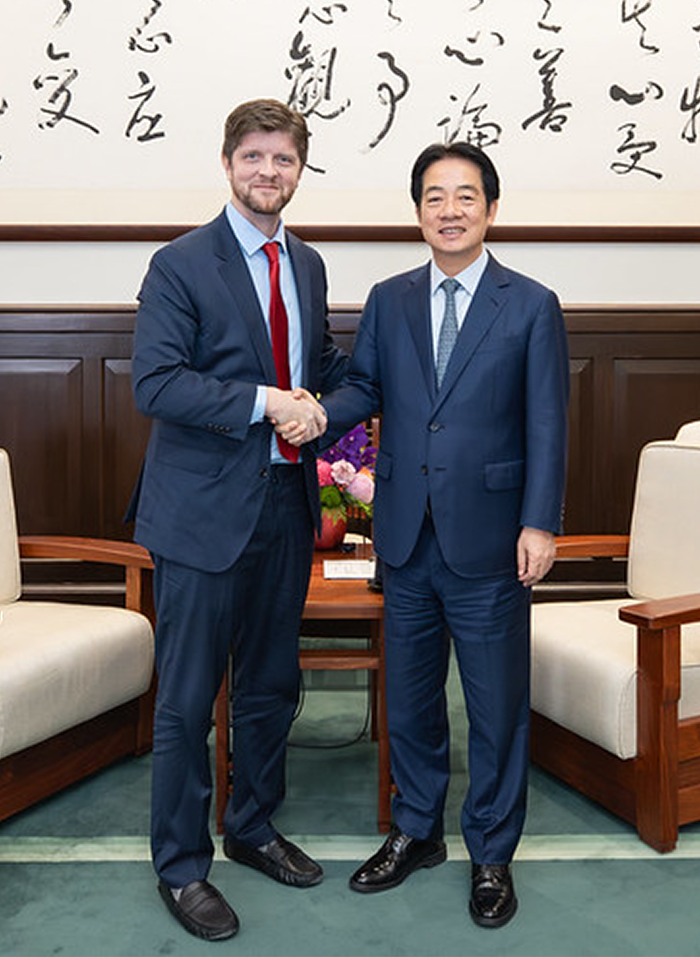
Premiere Networks nationally syndicated talk host Buck Sexton (above left) is seen here with Taiwan President Lai Ching-te (right) during his week-long fact-finding mission to the nation. As part of his trip, Sexton sat down for an exclusive interview with President Lai. The two discussed the rising tensions with China, including Xi Jinping’s expanding military presence in the Taiwan Strait and the South and East China Seas. President Lai also emphasized Taiwan’s growing importance in the global AI race and delivered a direct message to President Donald Trump, urging vigilance and strategic focus. Sexton co-hosts “The Clay Travis and Buck Sexton Show” for Premiere Networks.

Industry News

Readers Name Katz #1.

For the sixth year in a row, the readers of The Richmond Times-Dispatch overwhelmingly votedimg “The Jeff Katz Show” the Best Afternoon Radio Show in Central Virginia. Jeff Katz is now in his 13th year as the afternoon drive host at WRVA. Katz has been named one of the 100 Most Important Talk Radio Hosts in America by TALKERS numerous times. He is also a past recipient of the Humanitarian of Year award from TALKERS.

Industry Views

An Attack on One Is an Attack on All: Why the Radio Industry Must Respond

By Larry O’Connor
Talk Radio Host
WMAL-FM, Washington, DC

imgIn the wake of Charlie Kirk’s murder, one would expect every company that owns a talk radio station, every network that syndicates conservative voices, and every corporation that employs talk radio hosts to issue a unified statement of defiance. This was not just an attack on Charlie; it was an attack on the entire industry of talk radio, on the free exchange of ideas, and on the First Amendment itself. Yet, shockingly, most of these companies have remained silent. That silence is unacceptable. At a moment like this, the industry should stand shoulder to shoulder and declare to the world: we will not be intimidated, we will not be silenced, and we will never abandon the microphone.
 

We Will Not Be Silenced

The news of Charlie Kirk’s brutal murder has shaken us to our core. For those of us behind a microphone each day, it was not just an attack on a friend, a colleague, or a leader – it was an attack on our entire industry, our movement, and the very principle of free speech.

Charlie was more than a conservative activist. He was a broadcaster, a communicator, a man who understood the power of radio and its unmatched ability to reach Americans where they live, work, and drive. He embraced our medium because he knew it could bypass the gatekeepers and speak truth directly to millions. And for that reason – because he was effective, fearless, and unrelenting – he was targeted.

Let’s be clear: this was not random violence. This was political violence. It was meant to silence a voice. And in silencing that voice, it was meant to intimidate the rest of us. To scare us into pulling our punches. To warn us that telling the truth has consequences.

Well, here’s the truth: we will not be intimidated, and we will not be silenced.

Conservative talk radio is the last truly free public square in America. We don’t answer to corporate boardrooms in New York or Silicon Valley. We answer to our listeners – the American people. Every morning and every afternoon, millions tune in because they know they will hear what the mainstream media refuses to cover. They come to us because they trust us to tell it straight. And if anyone thinks the murder of Charlie Kirk is going to drive us off the airwaves, they don’t understand who we are.

The history of talk radio is the history of resilience. From Rush Limbaugh to Charlie Kirk, our voices have endured smear campaigns, advertiser boycotts, government threats, and now, tragically, deadly violence. Yet every time they try to shut us down, we come back stronger. Every time they think they’ve broken us, our audience grows.

Charlie’s death is a wound, but it is also a call to arms – not with weapons, but with words. Words of truth. Words of conviction. Words that cannot be cancelled, cannot be censored, and cannot be silenced by fear.

As an industry, we stand together today. Whether you broadcast from a major market station or a small-town affiliate, whether your show runs nationally or locally, we are united. Charlie’s microphone may have been forced into silence, but ours will burn brighter because of it. We will carry his message, his courage, and his relentless pursuit of truth forward.

To Charlie’s family, we grieve with you. To our listeners, we stand with you. And to those who think violence can silence ideas: you are wrong. The ideas of liberty, faith, and American exceptionalism will ring louder than ever.

Charlie Kirk is gone, but the cause he championed lives on. His voice echoes in every one of ours. And we will keep talking. We will keep broadcasting. We will keep fighting – together.

Because in the end, freedom always wins.

Larry OConnor is the morning drive host at Cumulus Media’s WMAL-FM, Washington, DC. He can be emailed at stagerightblogger@gmail.com.

Industry News

Saga Adds George Plaster to “ESPN Clarksville” Lineup

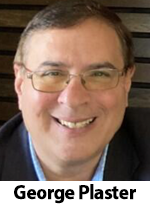
imgThe Nashville-based “George Plaster Show,” with co-hosts Kelly Holcomb and Billy Derrick, is now heard on Saga Communications’ sports talk WKFN-AM/W281BT in Clarksville, Tennessee. Clarksville Now reportsPlaster said he’s excited for the opportunity to be here and tap into a new market of sports fans. “I’m very excited about being in Clarksville. For me, this is about adding listeners – listeners who knew me from years ago. I think we’re going to do really well here, it’s a market that has a lot of sports fans, and we just simply want to tap into it.” “The George Plaster Show” will air live from 3:00 pm to 5:00 pm Monday through Friday. Read the Clarksville Nowstory here.

Industry News

Powerful Archival Interview with Charlie Kirk Posted

img

A rare audio interview with fallen talk show host and conservative thought leader Charlie Kirk has been posted to the TALKERS Media YouTube Channel.  Hosted by Michael Harrison, the half hour conversation was conducted with the then 26-year-old communicator on October 10, 2020 – just days after he was named by the Salem Radio Network as part of its daily power-packed line up of syndicated hosts. The discussion – retrieved from the extensive TALKERS archives – covers Kirk’s life and philosophy all the way from childhood to his co-founding of Turning Point USA to emerging as a major American political influencer and close friend/ally of President Donald Trump.  To quote TALKERS VP/executive editor Kevin Casey, “This remarkable interview is a definitive collection of information pertaining to the life, ideas, and work of Charlie Kirk, presented in his own words. Not to be missed!” To listen to the interview in its entirety, please click here.

Industry News

Paul Gallant and Joel Blank Exit KFNC-FM, Houston

imgSports talk hosts Paul Gallant and Joel Blank have exited Gow Media’s KFNC-FM, Houston ESPN 97.5 in moves they describe as budget related. Both personalities posted the news of their departure to social media. Gallant hosted the early evening show and Blank co-hosted the “Killer B’s” midday show with Jeremy Branham.

Industry Views

Are Your AI Logos Actually Kryptonite?

By Matthew B. Harrison
TALKERS, VP/Associate Publisher
Harrison Media Law, Senior Partner
Goodphone Communications, Executive Producer

imgSuperman just flew into court – not against Lex Luthor, but against Midjourney. Warner Bros. Discovery is suing the AI platform, accusing it of stealing the studio’s crown jewels: Superman, Batman, Wonder Woman, Scooby-Doo, Bugs Bunny, and more.

At first glance, you might shrug. “That’s Warner Bros. vs. Silicon Valley – what does it have to do with my talk media show?” Here’s the answer: everything. If you or your producer are using Midjourney, DALL·E, or Stable Diffusion for logos, promos, or podcast cover art, you’re standing in the same blast radius.

AI Isn’t Neutral Paint

The romance of AI graphics is speed and cost. Need a logo in five minutes? A flyer for a station event? A podcast cover? Fire up an AI tool and you’re done.

But those images don’t come from a blank canvas. They come from models trained on copyrighted works – often without permission. Warner Bros. alleges that Midjourney not only trained on its characters but knowingly let users download knockoff versions.

If Warner wins – or even squeezes a settlement – AI platforms will clamp down. Suddenly, the “free” art you’ve been posting may not just vanish; it may become a liability.

Too Small to Matter? Think Again

Here’s the legal catch: infringement claims don’t scale by size. A podcaster with a Facebook page is just as liable as a network if the artwork copies protected content.

It’s easy to imagine a rival, competitor, or ex-producer spotting an AI-made graphic that looks “too much like” something else – and firing off a takedown. Once that happens, you’re judged not by intent but by what you published.

Unlike FCC guardrails for on-air speech, there’s no regulator to clarify. This is civil court. You versus the claimant – and the billable hours start immediately.

Even Elon Musk Just Got Burned

Neuralink – Elon Musk’s brain-computer startup – just lost its bid to trademark the words “Telepathy” and “Telekinesis.” Someone else filed first.

If Musk’s lawyers can’t secure simple branding terms, what chance does your station or company have if you wait until after launch to file your new show name? Timing isn’t just strategy; it’s survival.

The Playbook

  1. Audit Your AI Use. Know which graphics and promos are AI-generated, and from what platform.
  2. File Early. Register show names and logos before the launch hype.
  3. Budget for Ownership. A real designer who assigns you copyright is safer than a bot with murky training data.

The Bottom Line

AI may feel like a shortcut, but in media law it’s a trapdoor. If Warner Bros. will defend Superman from an AI platform, they won’t ignore your podcast artwork if it looks too much like the Man of Steel.

Big or small, broadcaster or podcaster – if your AI Superman looks like theirs, you’re flying straight into Kryptonite.

Matthew B. Harrison is a media and intellectual property attorney who advises radio hosts, content creators, and creative entrepreneurs. He has written extensively on fair use, AI law, and the future of digital rights. Reach him at Matthew@HarrisonMediaLaw.com or read more at TALKERS.com.

Industry Views

Fair Use in 2025: The Courts Draw New Lines

By Matthew B. Harrison
TALKERSVP/Associate Publisher
Harrison Media Law, Senior Partner
Goodphone Communications, Executive Producer

imgImagine an AI trained on millions of books – and a federal judge saying that’s fair use. That’s exactly what happened this summer in Bartz v. Anthropic, a case now shaping how creators, publishers, and tech giants fight over the limits of copyright.

Judges in California have sent a strong signal: training large language models (LLMs) on copyrighted works can qualify as fair use if the material is lawfully obtained. In Bartz, Judge William Alsup compared Anthropic’s use of purchased books to an author learning from past works. That kind of transformation, he said, doesn’t substitute for the original.

But Alsup drew a hard line against piracy. If a dataset includes books from unauthorized “shadow libraries,” the fair use defense disappears. Those claims are still heading to trial in December, underscoring that source matters just as much as purpose.

Two days later, Judge Vince Chhabria reached a similar conclusion in Kadrey v. Meta. He called Meta’s training “highly transformative,” but dismissed the lawsuit because the authors failed to show real market harm. Together, the rulings show that transformation is a strong shield, but it isn’t absolute. Market evidence and lawful acquisition remain decisive.

AI training fights aren’t limited to novelists. The New York Times v. OpenAI case is pressing forward after a judge refused to dismiss claims that OpenAI and Microsoft undermined the paper’s market by absorbing its reporting into AI products. And in Hollywood, Disney and Universal are suing Midjourney, alleging its system lets users generate characters like Spider-Man or Shrek – raising the unsettled question of whether AI outputs themselves can infringe.

The lesson is straightforward: fair use is evolving, but not limitless. Courts are leaning toward protecting transformative uses of content—particularly when it’s lawfully sourced – but remain wary of piracy and economic harm.

That means media professionals can’t assume that sharing content online makes it free for training. Courts consistently recognize that free journalism, interviews, and broadcasts still carry market value through advertising, sponsorship, and brand equity. If AI systems cut into those markets, the fair use defense weakens.

For now, creators should watch the December Anthropic trial and the Midjourney litigation closely. The courts have blessed AI’s right to learn – but they haven’t yet decided how far those lessons can travel once the outputs begin to look and feel like the originals.

Matthew B. Harrison is a media and intellectual property attorney who advises radio hosts, content creators, and creative entrepreneurs. He has written extensively on fair use, AI law, and the future of digital rights. Reach him at Matthew@HarrisonMediaLaw.com

Industry Views

Could Your Own Podcast Become Your AI Competitor?

By Matthew B. Harrison
TALKERS, VP/Associate Publisher
Harrison Media Law, Senior Partner
Goodphone Communications, Executive Producer

mattybharrisonImagine a listener “talking” to an AI version of you – trained entirely on your old episodes. The bot knows your cadence, your phrases, even your voice. It sounds like you, but it isn’t you.

This isn’t science fiction. With enough content, it’s technically feasible today. A determined developer could transcribe archives, fine-tune a language model, and overlay a cloned voice. The result wouldn’t be perfect, but it would be recognizable.

Whether that’s legal is another question – one circling directly around fair use.

Why It Matters

For most content creators, archives are their most valuable asset. Yet many contracts with networks, distributors, or hosting platforms quietly grant broad rights to use recordings in “new technologies.” That language, once ignored, could be the legal hook to justify training without your permission.

Fair use is the fallback defense. Tech companies argue training is transformative – they aren’t re-broadcasting your show, only using it to teach a machine. But fair use also weighs market harm. If “AI You” pulls listeners or sponsors away from the real thing, that argument weakens considerably.

Not Just Theory

Other industries are already here. AI has generated convincing tracks of Frank Sinatra singing pop hits and “new” stories written in the style of Jane Austen. If that can be done with a few books or albums, thousands of podcast episodes provide more than enough material to train a “host model.”

Talk media is especially vulnerable because its product is already conversational. The line between “fan remix” and “AI imitation” isn’t as wide as it seems.

What You Can Do

This isn’t about panic – it’s about preparation.

— Review your contracts: confirm you own your recordings and transcripts.
— Register your work: enforceable rights are stronger rights.
— Decide your stance: licensing your archives for training might be an opportunity – if you control it.
— Emphasize authenticity: audiences still value the human behind the mic.

The Takeaway

Could your podcast be turned into your competitor? Yes, in theory. Will it happen to you? That depends on your contracts, your protections, and the choices you make.

Fair use may ultimately decide these battles, but “fair” is not the same as safe. Consider this example a reminder: in the AI era, your archive is not just history – it is raw material.

Matthew B. Harrison is a media and intellectual property attorney who advises radio hosts, content creators, and creative entrepreneurs. He has written extensively on fair use, AI law, and the future of digital rights. Reach him at Matthew@HarrisonMediaLaw.com or read more at TALKERS.com.

Industry Views

They Say YOU Infringed – But Do THEY Own the Rights?

By Matthew B. Harrison
TALKERS, VP/Associate Publisher
Harrison Media Law, Senior Partner
Goodphone Communications, Executive Producer

imgYou did everything right – or so you thought. You used a short clip, added commentary, or reshared something everyone else was already posting. Then one day, a notice shows up in your inbox. A takedown. A demand. A legal-sounding, nasty-toned email claiming copyright infringement, and asking for payment.
You’re confused. You’re cautious. And maybe you’re already reaching for the fair use defense.

But hold on. Before you argue about what you used, ask something simpler: Does the party accusing you actually own the rights?

Two Main Reasons People Send Copyright Notices

1. They believe they’re right – and they want to fix it.  Sometimes the claim is legitimate. A rights-holder sees their content used without permission and takes action. They may send a DMCA takedown, request removal, or ask for a license fee. Whether it’s a clip, an image, or a music bed – the law is on their side if your use wasn’t authorized.
2. They’re casting a wide net – or making a mistake. Other times, you’ve landed in a mass enforcement dragnet. Some companies send thousands of notices hoping a few people will pay – whether or not the claim is strong, or even valid. These are often automated, sometimes sloppy, and occasionally bluffing. The sender may not own the rights. They may not even know if what you used was fair use, public domain, or licensed.

Mistakes happen. Bots misidentify content. Images get flagged that were never protected. Even legitimate copyright holders sometimes act too fast. But once a notice goes out, it can become your problem – unless you respond wisely.

The First Thing to Check Is Ownership

Most creators instinctively argue fair use or say they meant no harm. But those aren’t the first questions a lawyer asks.

The first question is: “Do they have standing to bring the claim?”

In many cases, the answer is unclear or flat-out “no.” Courts have dismissed copyright lawsuits where the claimant couldn’t show ownership or any active licensing interest. If they can’t demonstrate control over the work – and actual market harm – they may not have the right to sue.

What To Do If You Get a Notice

Don’t panic. Not all claims are valid – and not all claimants are in a position to enforce them.
Don’t assume fair use will protect you. It might, but only after ownership is clear.
Don’t engage emotionally. Responding flippantly can escalate things fast.
Do get help early. A media attorney can help you assess whether the claim is real – and whether the sender has any legal ground at all.

Matthew B. Harrison is a media and intellectual property attorney who advises radio hosts, content creators, and creative entrepreneurs. He has written extensively on fair use, AI law, and the future of digital rights. Reach him at Matthew@HarrisonMediaLaw.com or read more at TALKERS.com.

Industry News

ESPN Re-Ups “Mason & Ireland”

ESPN announces a multi-year agreement with Steve Mason and John Ireland, co-hosts of KSPN, Losimg Angeles’ “Mason & Ireland” show to continue in that role. ESPN EVP, executive editor, sports news and entertainment David Roberts says, “We’re thrilled to continue our partnership with Steve and John. They bring energy, humor, and perspective that resonate with listeners across Los Angeles. There’s nothing quite like ‘Mason & Ireland’ in the market or in sports radio.”

Industry Views

In the Age of Blogs, Podcasts, and Substack, Defamation Law is Asking: How Public is Too Public?

By Matthew B. Harrison
TALKERS, VP/Associate Publisher
Harrison Media Law, Senior Partner
Goodphone Communications, Executive Producer

imgMark Walters didn’t expect to lose private-figure legal protections over something he never talked about – especially since the thing he never talked about never even happened. A nationally syndicated radio host and outspoken Second Amendment advocate, Walters is publicly known, but in a specific lane. He never discussed nonprofits, financial misconduct, or legal ethics. Yet when ChatGPT hallucinated a claim that he had embezzled from a charity, a Georgia court ruled he was a public figure – and dismissed his defamation suit. 

The logic? Walters had a platform, a following, and a history of public commentary. That was enough. The court held that his general media presence elevated him to public-figure status, even though the allegedly defamatory statement had nothing to do with the subject matter of his actual work. wasn’t defamed about what he’s known for—but his visibility was used against him anyway.

The case didn’t just shut down a complaint. It opened a wider question: who qualifies as a public figure in the modern media era – and when does that designation apply to topics you never touched?

Mark Walters Inspired editorial cartoon for exclusive use by TALKERS


Why Public Figure Status Matters

Defamation law protects people from false, reputation-harming statements – but not equally. A private figure needs only to show that the speaker was negligent. A public figure, by contrast, must prove actual malice – that the speaker knew the statement was false or recklessly disregarded the truth.

This high standard, first articulated in New York Times v. Sullivan, was intended to protect freedom of speech and the press. But in the age of digital publishing and algorithmic reach, it’s increasingly used to deny protection to people who never thought they were stepping into the spotlight.

What Makes Someone a Public Figure?

Courts recognize two main categories:

– General-purpose public figures are household names – people famous across all topics and platforms.

– Limited-purpose public figures are individuals who have voluntarily entered public controversy or engaged in widespread public commentary on specific issues.

Here’s where the modern problem begins.

Thanks to blogs, newsletters, podcasts, and social media, it’s easier than ever to participate in public dialogue – and harder than ever to keep that participation confined to just one topic.

Post a viral thread on immigration?

Host a weekly podcast about school choice?

Weigh in on TikTok about local politics?

You may have just stepped into “limited-purpose public figure” territory – whether you intended to or not.

The Walters v. OpenAI Case – Now the Law

In Walters v. OpenAI, the court didn’t question whether the claim was false – only whether Walters could meet the public figure burden of proof. The court held that he could not. Despite the fact that he had never discussed the subject matter in question, his general visibility was enough to require that he prove actual malice. And he couldn’t.

The decision came with no trial, no settlement – just a dismissal. It now stands as legal precedent: having a public voice on one issue may cost you private-figure protections on others.

Microphone, Meet Microscope

This shift affects:

Independent journalists

– Podcast hosts

– Niche content creators

– Local activists with modest but vocal platforms

They may not feel “public,” but courts increasingly view them that way. And once that threshold is crossed, the burden in a defamation case becomes dramatically harder to meet.

he more you speak publicly—even on one topic—the more legally exposed you are everywhere else.

That wasn’t the intent of Sullivan. But in today’s fragmented, always-on media culture, visibility leaks- and so do legal thresholds.

Final Takeaway

You don’t need to be famous to be “public.” You just need to be findable.

Whether you’re behind a mic, a blog, or a camera, your platform may elevate you into public figure status – and bring defamation law’s toughest burdens with it. If you’re defamed, you’ll have to prove the speaker acted with knowing falsehood. If you’re doing the speaking, your target’s legal classification could determine how costly a misstep becomes.

In 2025, every microphone is also a microscope. Know what the law sees before you go live.

Matthew B. Harrison is a media and intellectual property attorney who advises radio hosts, content creators, and creative entrepreneurs. He has written extensively on fair use, AI law, and the future of digital rights. Reach him at Matthew@HarrisonMediaLaw.com or read more at TALKERS.com.

Industry Views

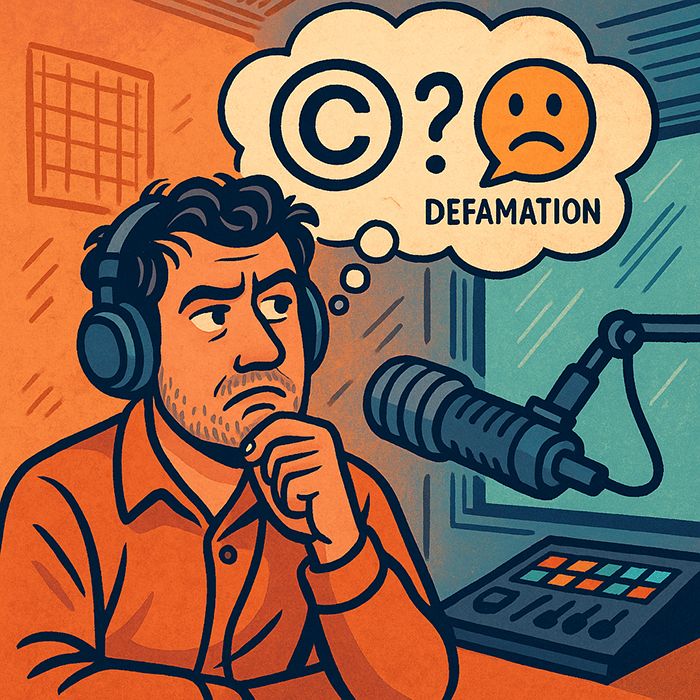
When One Clip Cuts Two Ways: How Copyright and Defamation Risks Collide

img

By Matthew B. Harrison
TALKERS, VP/Associate Publisher
Harrison Media Law, Senior Partner
Goodphone Communications, Executive Producer

imgA radio (or video podcast) host grabs a viral clip, tosses in some sharp commentary, and shares it online. The goal? Make some noise. The result? A takedown notice for copyright infringement – and then a letter threatening a defamation suit.

Sound far-fetched? It’s not. In today’s media world, copyright misuse and defamation risks often run on parallel tracks – and sometimes crash into each other. They come from different areas of law, but creators are finding themselves tangled up in both over the same piece of content.

Copyright Protects Ownership. Defamation Protects Reputation

It’s easy to think of copyright and defamation as two separate beasts. One guards creative work. The other shields reputation. But when creators use or edit someone else’s content – especially for commentary, parody, or critique – both risks can hit at once.

Take Smith v. Summit Entertainment LLC (2007). Smith wrote an original song. Summit Entertainment slapped him with a false DMCA takedown notice, claiming copyright they didn’t actually own. Smith fought back, suing not just for the bogus takedown but also for defamation, arguing that Summit’s public accusations hurt his reputation. The court said both claims could go forward.

That case shows just how easily copyright claims and defamation threats can pile up when bad information meets bad behavior.

Murphy v. Millennium Radio: A Close Call with a Clear Message

In Murphy v. Millennium Radio Group LLC, a New Jersey radio station scanned a photographer’s work – with his credit – and posted it online without permission. That alone triggered a copyright claim. But the hosts didn’t stop there. They mocked the photographer on-air, which sparked a defamation lawsuit.

Even though the copyright and defamation claims came from different actions – using the photo without permission and trash-talking the photographer – they landed in the same legal fight. It’s a reminder that separate problems can quickly become one big headache.

Why This Double Threat Matters

Fair Use Isn’t a Free Pass on Defamation. Even if you have a solid fair use argument, that won’t protect you if your edits or commentary twist facts or attack someone unfairly.
Public Comments Can Double Your Trouble. The second you speak publicly about how you’re using content – whether you’re bragging about rights you don’t have or taking a shot at someone – you risk adding a defamation claim on top of an IP dispute.
Smart Lawyers Play Both Angles. Plaintiffs know the playbook. They’ll use copyright claims for takedown leverage and defamation claims for reputational damage – sometimes in the same demand letter.
FCC Rules Don’t Cover This. It doesn’t matter if you’re FCC-regulated or a podcaster on your own. These risks come from civil law – and they’re coming for everyone.

The Takeaway

The overlap between copyright and defamation isn’t just a legal footnote – it’s a growing reality. In a world of viral clips, reaction videos, and borrowed content, creators need to watch how they frame and comment on what they use, just as much as whether they have permission to use it in the first place.

Because when one clip cuts two ways, you could take a hit from both directions.

Matthew B. Harrison is a media and intellectual property attorney who advises radio hosts, content creators, and creative entrepreneurs. He has written extensively on fair use, AI law, and the future of digital rights. Reach him at Matthew@HarrisonMediaLaw.com or read more at TALKERS.com.

Industry News

KXNO, Des Moines Unveils New Lineup

iHeartMedia’s sports talk KXNO, Des Moines is debuting its new program lineup after the departure of a number of local hosts over the past six months or so. Last year, the “Murph and Andy Show” starring Keith Murphy and Andy Fales exited for a podcast initiative. Also exiting were Ross Peterson in late 2024 andimg morning drive personality Travis Justice in January of this year. New in morning drive are Heather Burnside (who moves from the PM drive show) and Alec Busse hosting “The 1st Quarter.” Ken Miller and Trent Condon continue in the 12:00 noon to 2:00 pm slot, and program director and personality Sean Roberts partners with Lucas Strain for the afternoon drive “Off the Bench” show. Overtime Iowa – a “best of the day” program – airs from 5:00 pm to 6:00 pm.

Industry News

iHeartMedia’s AI Efforts to Translate Podcasts

Yesterday’s news that iHeartMedia is offering 10 of its top podcasts in six different languages besides their native English did not go into detail about how these podcasts are being translates. A story in Digiday looksimg at how iHeartMedia handled the process of using AI to translate and voice-clone the original podcast hosts. iHeartPodcasts president Will Pearson is quoted saying the AI translations faced two main challenges: ensuring accuracy and preserving each show’s unique tone. iHeartMedia worked with the company Speechlab to clone the voices of the hosts use them to read the show’s transcript in multiple languages. Pearson also says about a quarter of his company’s downloads come from outside the U.S. Read the Digiday story here.
Industry Views

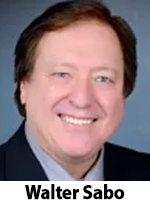
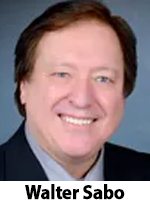
SABO SEZ: Do You Really Think the Back of Your Head is Worth Watching?

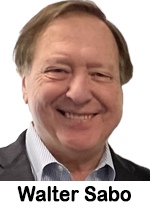
By Walter Sabo
a.k.a. Walter Sterling, Host
WPHT, Philadelphia, “Walter Sterling Every Damn Night”
and TMN syndicated, “Sterling on Sunday”

imgThe drive to stream video of radio shows has always been risky. Remember your shock when you first saw one of your radio heroes? Video streaming can present a constant disconnect between the show in the listener’s head and the show on the stream. Many stations make the disconnect worse by streaming terrible video images. Combine the trauma of how a host really looks with a dreary TV show and the package cannot benefit the relationship between station and listener/viewer.
Too many stations stream from one or two fixed cameras in the studio. That picture looks like a police interrogation room. Some stations embarrassingly use one camera on a two person show. The result is a shot of the face of one host and the back of the head of the other, for the entire show. OMG.

Done right, video should enhance the listening experience, it should make the hosts more attractive, more engaging, and more entertaining.

Mistake: Many radio hosts ignore the cameras during spot breaks. These hosts go silent during spots, giving a viewer absolutely no reason to stream. Obviously, if one sits in silence during the break the image presented is pure boredom. On the radio, the listener hears commercials. On their stream they see a silent radio host doing nothing. Double disappointment.

Producing video that enhances a radio show experience takes planning and commitment. One technically simple way to make video work for a host is to address the audience directly during commercial breaks. One on one. The moment a break starts, smart hosts and anchors address the camera and candidly speak with the viewer. Their conversation is topical, urgent and fun.

Engaging the viewer during radio commercial breaks provides added value to a stream and a reason to watch.

Some examples worth watching are found in these links:

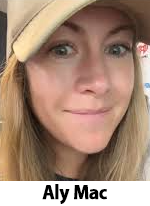
B-93, Grand Rapids morning host Aly Mac never stops talking with streaming viewers. She does itimg right, two shows… one on the radio, one on the stream. Seamless and fun.
WPHT produces a TV show with switching, graphics that flows with the radio show.
Baylee Martin is a TV anchor who could teach the industry how to conduct an on-air show enhanced by the stream.  Hearst should sell schedules in her stream content. Have a look, she’s a streaming savant.

When streaming, consider if the video stream is helping or hurting the radio show. If the “reveal” is the back of a head, hurting!

Walter Sabo has been a C Suite action partner for companies such as SiriusXM, Hearst, Press Broadcasting, Gannett, RKO General and many other leading media outlets. His company HITVIEWS, in 2007, was the first to identify and monetize video influencers.. His nightly show “Walter Sterling Every Damn Night” is heard on WPHT, Philadelphia. His syndicated show, “Sterling On Sunday,” from Talk Media Network, airs 10:00 pm-1:00 am ET, and is now in its 10th year of success. He can be reached by email at sabowalter@gmail.com.

Industry Views

Monday Memo: Stepping-Up and Sounding Solid

By Holland Cooke
Consultant

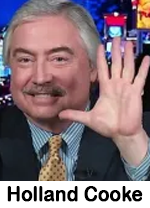
imgWith so many of us taking vacation time soon, guest hosts are often local somebodies who are not career broadcasters and don’t share our second-nature performance routines. For their benefit, these tips, based on my experience on both sides of the mic:
Get right into it. When I used to fill-in for Jim Bohannon, I figured that – to his listeners – who-the-heck was I? Lacking the back-story of “a name,” I simply, succinctly, told the truth, “I’m Jim’s pal, Holland Cooke.” Skip the biographical blah-blah-blah that devalues a show by emphasizing that the familiar host is absent. Just tee-up what the show is about this hour… why it matters to those listening… how they will benefit from not wandering-off… and how to join-in.

Make the phone ring. When “FOX Across America” host Jimmy Failla is off, my client Paul Gleiser – owner of affiliate KTBB/Tyler-Longview TX – often fills-in. Paul asked Jimmy for advice. Ever in-character, Failla quipped, “Drive it like you stole it!” So Gleiser is all about call count, teeing-up TWO tempting propositions, one topical, the other a softer “Bonus Question.” As new employment numbers were announced, “The WORST job you ever had?” got callers telling great stories.

“Know what the show was about yesterday,” Paul urges, because political topics tend to change little day-to-day. Avoid this trap: The guest host’s outspoken narrative is a point that’s already been talked-to-death BUT this is HIS shot on a big show, so this is HIS turn to me-too the unison. Better approach: Come up with a new wrinkle.

im

Invite participation multiple ways. Many listeners would rather text than call. Welcome them and you’ll sound accessible and at-the-speed-of-life. Note how effectively SiriusXM’s Michael Smerconish polls listeners via social media.

Establish a relationship with the producer “BEFORE the show” Gleiser advises: “Don’t just show up.” Ascertain who-does-what. In some cases, the producer will have booked guests and may suggest or assign call-in topics. Or if – in Jimmy Failla speak – you’re driving, the producer is simply call-screening and running-the-board… which you should NOT attempt if you’re not an experienced broadcaster or if you are unfamiliar with the station’s setup.

Keep re-setting – succinctly, “matter-of-factly,” introducing yourself and your guest-or-topic — going-into and coming-out-of breaks, and at the beginning of each hour. Listeners are constantly tuning-in.

Always and only announce the call-in number immediately after you tell them WHY to call. Most common mistake I hear, even from experienced hosts: They give-out the phone number at the very beginning of the show or hour or segment, then (eventually) they tell you why to call, possibly minutes later (an eternity in live radio). So, they’re haunted by those dreaded “regulars” who already have the number memorized. Make announcing the number your punch line, whether you’re asking opinions on topic du jour or offering access to a guest they’ll want to interact with. Seems like a little thing, but this can make a big difference in how popular you make the station sound.

Holland Cooke (HollandCooke.com) is a consultant working at the intersection of broadcasting and the Internet. Follow HC on Twitter @HollandCooke

Industry News

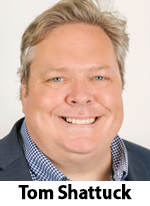
Tom Shattuck Exits WTIC-AM, Hartford

Talk host Tom Shattuck’s contract was not renewed at Audacy’s news/talk WTIC-AM, Hartford and his lastimg show was on Friday (6/6). Shattuck – whose career includes time spent as producer of Boston Herald Radio, producer and host at WRKO and WTKK-FM in Boston, as well as editor at the Boston Herald – hosted the midday show at WTIC for the past four years. He also produces and hosts the podcast, “Burn Barrel,” and will continue with that effort. Audacy is going syndicated in the daypart featuring FOX News Radio’s “The Brian Kilmeade Show” followed by “The Erick Erickson Show.”
Industry News

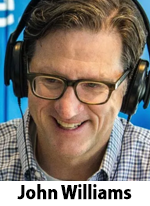
WGN’s John Williams Honored by Chicago Headline Club

WGN, Chicago talk host John Williams was honored with the “Best Featured Reporter or Host” Peter Lisagor Award from the Chicago Headline Club. The station says Williams last received a Peter Lisagor award in this category in 2023. In 2024, John Williams and his producer Pete Zimmermanimg earned a Peter Lisagor Award for their 2023 interview with the student editor of The Daily Northwestern. Williams also accepted the William Booth Award from The Salvation Army at their annual Chicago Civic Luncheon held May 8 at Navy Pier. The William Booth Award is one of the highest awards conferred upon an individual by The Salvation Army and honors people who show strong character and commitment to their community. Williams hosts a radiothon on WGN Radio every December for the organization. In addition to his on-air work, Williams also hosts “The Mincing Rascals” award-winning podcast featuring a roundtable discussion with Chicago journalists about top news stories released every Wednesday.
Industry News

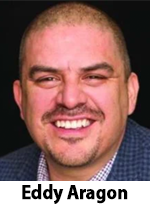
KIVA, Albuquerque’s Eddy Aragon to Run for Congress

Radio station owner and talk host Eddy Aragon says he’s planning to run for congress as a Republican in New Mexico’s 2nd Congressional District in 2026. Aragon is the operator of Rock of Talkimg LLC, owner of news/talk KIVA, Albuquerque and hosts the afternoon drive “Rock of Talk” show. The seat is currently held by Democrat Gabe Vasquez. The Albuquerque Journal reports that Aragon ran for congress in the state’s 1st Congressional District in 2021 and previously ran for mayor of Albuquerque. He tells the paper, “I can win this race… We need more privatization of education. I think the approach that’s being taken at the national level is important. We don’t want to do without the money, but we definitely want to do without the bureaucracy.” See the Albuquerque Journal story here.

Industry News

The Ramsey Network’s Ken Coleman Publishes New Book

Ken Coleman, author and Ramsey Network personality, has published his latest book, Get Clear Career Assessment: Find the Work You’re Wired to Do Student Edition, published by Ramsey Press.img The book includes access to the Get Clear Career Assessment — a tool to help teens discover their top talents, passions and mission. Coleman says, “Every student has incredible potential, but they often don’t know where to start. This book is about helping them discover their unique strengths and passions — so they can step forward with a clear vision and the confidence to pursue the work they’re meant to do.” Coleman is a three-time bestselling author and a co-host of “The Ramsey Show.” He also hosts “Front Row Seat,” part of The Ramsey Network, that debuted in January and has accrued more than 50 million views. The show “dives deep into the untold truths behind success through unfiltered conversations with top achievers.”
Industry Views

SABO SEZ: Won’t Work on FM

By Walter Sabo
a.k.a. Walter M. Sterling
Host, “Sterling Every Damn Night”
WPHT, Philadelphia
Host, “Sterling On Sunday,” TMN

img“It won’t work on FM.” Country. Country was predicted to be a failing format for the FM band. At the dawn of FM proliferation in the 1970s, the future of the band was viewed with fear and skepticism. Why wouldn’t country music work on the FM band? The conventional chatter said that “country needs to be on AM because truckers drive long distances and AM signals cover long distances. FM does not.”
According to AM management, every music and talk format that thrived on AM was going to fail on FM. Obviously, all AM genres succeeded on FM, sometimes quickly, sometimes slowly. The ones that succeeded quickly had common characteristics:

In the public’s mind, FM radio had specific, positive traits: Lower commercial load, cooler hosts and jocks, a subversive tone, fewer interruptions of every type. Talk on FM was absolutely going to fail. The first mother of talk hits on FM were “New Jersey 101.5” (which for decades had the largest FM talk cume in the world); WTKS-FM, Orlando; and WLUP, Chicago. GM Larry Wert, brilliant. In 1990 when those stations launched, the industry pundits ordered more drinks and pronounced their doom.

John Kobylt, of KFI, Los Angeles fame, was the first PM drive host on “New Jersey 101.5.” He explained to me the key difference in his work versus that of an AM talk show host: “My competition is 10 music stations playing hit songs. If Ken Chiampou and I don’t entertain this second, the audience is gone.”

Little noticed was that stations like WTKS-FM shared less than 8% of its cume with WDBO-AM (a very serious station!) WTKS sharing was with WMMO-FM and other alt rock and FM AC stations. While radio people think “talk is talk,” the audience perceives FM talk and AM talk to be very different formats. Completely different.

Today, to drive audience to an FM talk station the strategy proven to fail is to air AM shows on FM without making significant accommodations for the differences in the band. Profound differences.

QUICK NOTES:

— New 23-year-old, very good, control board operator for “Sterling Every Damn Night” asked me, “Who is Rush Limbaugh?”

— All-digital 18-year-olds today have no idea what you mean when you say, “The top of the hour.”

Walter Sabo has been a C Suite action partner for companies such as SiriusXM, Hearst, Press Broadcasting, Gannett, RKO General and many other leading media outlets. His company HITVIEWS, in 2007, was the first to identify and monetize video influencers. His nightly show “Walter Sterling Every Damn Night” is heard on WPHT, Philadelphia. His syndicated show, “Sterling On Sunday,” from Talk Media Network, airs 10:00 pm-1:00 am ET, and is now in its 10th year of success. He can be reached by email at sabowalter@gmail.com

Industry News

Simon Conway Interviews Administration Officials

img

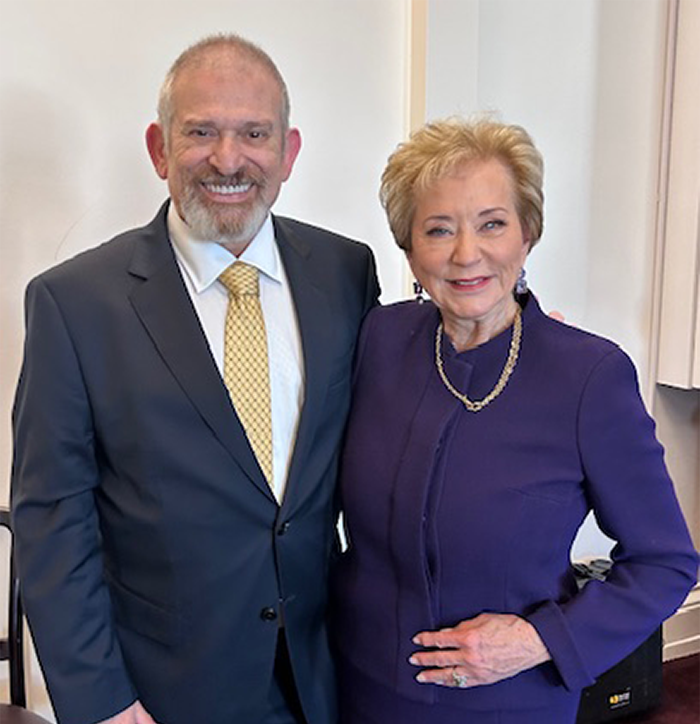
WHO, Des Moines afternoon drive talk host Simon Conway was among the talk hosts invited to the White House to speak with administration officials recognizing the first 100 days of the Trump administration. Conway tells TALKERS he has interviewed White House Press Secretary Karoline Leavitt, deputy assistant to the president and senior director for counterterrorism Dr. Sebastian Gorka, and Border Czar Tom Homan. He’s pictured above with Education Secretary Linda McMahon. Conway’s afternoon show simulcasts on WMT, Cedar Rapids and WOC, Davenport, Iowa. He also hosts of “Good Morning Orlando” on WFLF.

Industry News

Rich Herrera to Host “Richmond’s Morning News”

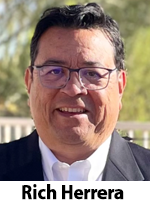
Broadcasting pro Rich Herrera is the new host of “Richmond’s Morning News” on Audacy’s WRVA/WTVR-HD2, Richmond. Audacy Virginia SVP and market manager Bennett Zier says, “Rich brings an authentic voice to the morning airwaves and a strong commitment to his community. His sharp analysis and ability toimg engage listeners in meaningful and entertaining conversation make him a valuable addition to the WRVA team. We’re excited to welcome Rich and continue delivering the news that matters most to our community.” Herrera comments, “I am thrilled to join the WRVA team, a legendary station with a great lineup of hosts and shows. After meeting with Bennett Zier and Zach McHugh and getting the chance to host Richmond’s morning news, I fell in love with the station. My family is excited to make Richmond our home. I want to thank Chris Oliviero and Jeff Sottolano for their support and mentorship, as well as Drew Anderssen, our format vice president, who encouraged me a year ago to transition from sports talk to general news.”
Industry Views

Monday Memo: ChatGPT, Carefully

By Holland Cooke
Consultant

imgObservation, as a heavy CNBC viewer: Artificial Intelligence is to 2025 what Dot Com was to the late 1990s, game-changer… and shiny object.
Everyone seemed to be chanting “AI” at this year’s CES. In a previous column here, I offered, from experience, some Do’s-and-Don’ts for crafting commercial copy. And as vendors are applying AI to various other broadcast content and operational functions, I asked the app itself: “How would you caution radio broadcasters against over-reliance on ChatGPT?” SECONDS later, the robot replied:

“Here are some key points to consider:

1. Maintain Authenticity: Radio broadcasting thrives on the personality and authenticity of its hosts. Relying too heavily on AI-generated scripts or content can make broadcasts feel robotic, inauthentic, or detached. Listeners tune in to hear the voice, opinions, and personality of the broadcaster, not just information being read off a script. ChatGPT is great for generating ideas, but it shouldn’t replace the genuine voice of the host.

2. Human Connection: One of the strengths of radio is the personal connection that hosts build with their audience. This connection comes from spontaneous moments, personal anecdotes, and relatable conversations. AI can’t replicate the unique, emotional bond that a human broadcaster forms with listeners. Overusing AI could distance the host from the audience and make the show feel more like a recorded message than a live, engaging experience.

3. Accuracy and Fact-Checking: While ChatGPT can generate a lot of information quickly, it’s not always accurate or up-to-date. Broadcasters need to be mindful that AI-generated content might contain errors, outdated facts, or biased perspectives. Relying on AI without fact-checking could lead to broadcasting misinformation, which can seriously damage the station’s credibility.

im

4. Tone and Nuance: AI like ChatGPT can struggle with tone, emotion, and subtlety in language. Radio broadcasters need to ensure that the tone of the broadcast fits the subject matter and the audience. AI might miss the mark on this, especially in more nuanced or sensitive topics. A human touch is often needed to tailor the message effectively.

5. Audience Engagement: ChatGPT can provide content, but it can’t engage with listeners the way a broadcaster can. Over-relying on AI could take away opportunities for live interaction, audience call-ins, and real-time feedback. Broadcasting is about creating a dialogue, not just delivering information, and AI isn’t capable of fostering real-time, dynamic conversations.

6. Creativity and Innovation: While AI can assist with generating ideas, true creativity comes from the human mind. Broadcasters should focus on bringing fresh, original ideas to the table—things AI can’t easily replicate. Over-relying on ChatGPT might limit creativity, turning broadcasts into predictable, generic experiences.

In summary, while AI tools like ChatGPT can be incredibly useful for research, inspiration, and content generation, broadcasters should ensure they don’t lose the human element of their shows. Maintaining authenticity, personal engagement, and creativity are key to keeping radio content fresh and compelling. AI should be a tool, not a substitute for the broadcaster’s unique voice and connection with the audience.” 

Holland Cooke (HollandCooke.com) is a consultant working the intersection of broadcasting and the Internet. Follow HC on Twitter @HollandCooke and connect on LinkedIn

Industry Views

Sabo Sez: Promoting Doom

By Walter Sabo
a.k.a. Walter M Sterling
Host, Sterling Every Damn Night
WPHT, Philadelphia
Sterling On Sunday, Syndicated, TMN

imgDuring my tenure at NBC, once a month the division heads would meet at the behest of the CEO to report on their progress and trends in their sector. As the executive vice president of the FM division, I took a seat in that formidable group and tried to keep my remarks as brief as possible. What could I possibly say that would be more damn important than the words of the president of NBC News or the NBC Television network? In addition to NBC’s CEO, the CEO of owner RCA would often join the fun.
Cable TV was flourishing, and CNN had just launched. I was at least 15 years younger than everyone in that meeting and had a different perspective on cable. Therefore, I was shocked by this exchange:

The CEO asked the president of NBC News what he thought of CNN. The President of NEWS said these exact words:

“It might do well for breaking news but otherwise it will not take the place of our news.”

Next on the staff meeting agenda was a discussion of HBO. Should NBC run spots for HBO? Again, the group did not think HBO would be much of a factor on the entertainment menu. They agreed to run the spots promoting HBO. Yes, I objected but lost.

In its first three decades, CNN was a serious factor for news, ratings, and revenue. CNN brilliantly made partnership deals with local TV stations to exchange stories and carriage. Independent TV stations could tap CNN feeds for breaking news coverage. Those deals, requiring no cable, established CNN at viewer level in every city.

HBO last year won more Emmys than NBC, CBS, ABC and FOX combined. In fact only one Emmy went to a traditional network last year: “Abbott Elementary,” ABC.

Radio’s inherent advantage over all other mass media is its distribution system. Elegant and free, it just works! A decision was made about 10 years ago by many radio companies to use radio’s power, clout, and credibility to promote podcasts. Podcasts… hard to find, hard to hear, and requiring expensive equipment that suffers from buffering now.  The hidden reason for the podcast push is that Wall Street doesn’t love legacy media. They like new things even if the new thing is deeply flawed. When needing money or liquidation, legacy media companies proudly point to their listening STREAMS.

Commercial broadcasters have proven to be not so great at podcasting.  Of course not. It’s a different medium: On-demand audio that can be paused and reviewed. Radio DJs and talk hosts were never trained or attracted to audio creation that is blind to time of day and repeated. It’s different. Why promote it? It’s like NBC promoting HBO.

The good news? Wall Street is realizing the proven appeal of legacy media: The George Soros Funds invested in Audacy. Apollo Advisors, the first-in money for Sirius, now owns Cox Broadcasting. Time to stop throwing our time spent listening and creative energy at podcasts that price their audience lower than legacy media. Bad business.

The wise way to benefit from the podcast revenue opportunity is to buy what works. Acquire existing, successful podcasts and aggregators.

Walter Sabo has been a C Suite action partner for companies such as SiriusXM, Hearst, Press Broadcasting, Gannett, RKO General and many other leading media outlets. His company HITVIEWS, in 2007, was the first to identify and monetize video influencers.. His nightly show “Walter Sterling Every Damn Night” is heard on WPHT, Philadelphia. His syndicated show, “Sterling On Sunday,” from Talk Media Network, airs 10:00 pm-1:00 am ET, and is now in its 10th year of success. He can be reached by email at sabowalter@gmail.com

Industry News

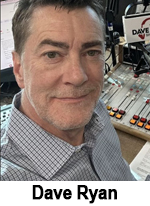
Twin Cities KDWB-FM Radio Host Dave Ryan Returns After Suspension Over Snorting Segment

Dave RyanAccording to a story by reporter Louis Krause in yesterday’s (2/11) Minnesota Star Tribune longtime KDWB-FM Twin Cities radio host Dave Ryan was suspended from appearing on his talk show Monday morning, three days after a segment aired during which Ryan and co-hosts snorted powder food ingredients as part of a Super Bowl trivia game. He returned to the show yesterday following a one-day suspension. The segment on Friday’s episode of “The Dave Ryan Show” was titled “Super Blow,” according to three listeners who spoke with the Star Tribune and others who discussed it on the Reddit online forum. To read the full Star Tribune story, click here.
Industry News

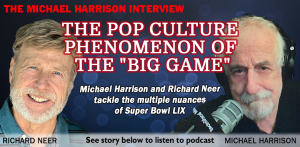
Harrison and Neer Dissect Media-Pop Culture Elements of Super Bowl LIX

MH Interview

Harrison and Neer
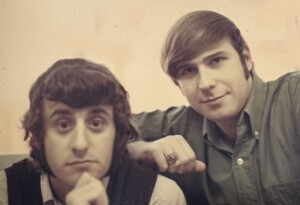
Harrison & Neer circa 1970

Longtime WFAN, New York sports talk host Richard Neer is this week’s guest on the award-winning PodcastOne series, “The Michael Harrison Interview.” Neer is a five-decade-plus veteran of two heritage Big Apple radio stations – sports talker WFAN (where he still hosts a show) and, before that, seminal album rocker WNEW-FM. He is the author of the landmark best-seller FM: The Rise and Fall of Rock Radio (Villard, 2001) and the popular series of Riley King detective novels. Harrison and Neer – whose friendship dates back to their days together in rock radio of the late 60s/early 70s – engage in a fast-paced, spirited conversation about the confluence of pop culture elements surrounding and emerging from the just-concluded Super Bowl LIX, dissecting its ratings, commercials, politics, music, customs, and social impact.  Not to be missed.  To listen to the podcast in its entirety, please click here. www.MHInterview.com


Industry News

Red Apple Audio Networks Announces Syndication of “The Rush Hour with James Golden (a.k.a. Bo Snerdley)”

Red Apple

Red Apple Audio Networks has added “The Rush Hour with James Golden (a.k.a. Bo Snerdley)” to its growing roster of program offerings. The one-hour daily show airs live weekdays in afternoon drive from 4:00 -5:00 pm ET.  Golden delivers updates on the top news stories of the day, along with a smattering of music from that day in music history to rejuvenate listeners after a day’s work. Company sources say, “Listeners are not only well-informed, they’re also bopping and singing all the way home.”  Golden gained nationwide fame as Bo Snerdley, producer of “The Rush Limbaugh Show. The Rush HourSince then, he has solidified his position as a major radio host with notable audience share growth on flagship 77WABC in New York (41% year-over-year) and impressive weekly TSL of 1 hour and 15 minutes*.  “I am looking forward to connecting every day with listeners in markets all across the U.S.,” Golden tells TALKERS. “During The Rush Hour, we take a look at events that occurred during the day, but we also take a break and have a little fun, too.” “James has attracted a loyal audience that continues to grow,” stated John Catsimatidis, owner of Red Apple Media, Red Apple Audio Networks, and 77WABC Radio. “Many of his listeners remember him from the Rush Limbaugh days, but the audience growth he is experiencing is solely on his own talent. His insights on politics, combined with his love for talk radio, has made him a phenomenal success.” In addition to “The Rush Hour,” Golden hosts a three-hour syndicated Saturday morning program, “The James Golden Show,” which launched into syndication last June. The show has amassed more than 30 affiliates, including five in the Top 50 DMAs. Both programs originate from the Red Apple Audio Networks flagship station, 77WABC Radio in New York. For information on any of Red Apple Audio Networks’ syndicated shows, stations may visit www.redappleaudionetworks.com or contact affiliation@redappleaudionetworks.com.

*Source: Nielsen Radio, New York Metro, P12+, Average Share, Weekly TSL, December 2023, December 2024.