



Reckless Disregard in the Age of AI: What Verification Now Requires
By Matthew B. Harrison
TALKERS, VP/Associate Publisher
Harrison Media Law, Senior Partner
Goodphone Communications, Executive Producer
 AI is now embedded in the modern newsroom. Not as a headline, not as a novelty, but as infrastructure. It drafts outlines, summarizes complex reporting, surfaces background details, and accelerates prep for live conversations. For media creators operating under relentless deadlines, that efficiency is not theoretical. It is practical and daily.
That reality raises a quiet but consequential legal question. When AI contributes to your research, what does verification now require?
Professional hosts are not reading raw chatbot answers on air and calling it journalism. That caricature misses the real issue. What is actually happening is subtler and far more common.
AI now sits inside research workflows. Producers use it for background. Hosts use it to summarize reporting. Teams use it to outline controversies or draft rundowns. Most of the time, it works. Sometimes, however, it invents.
When that invention involves a real person and a serious allegation, the legal analysis looks familiar.
For public figures, defamation requires proof of actual malice – knowledge of falsity or reckless disregard for truth. For private figures, negligence is usually enough. In both cases, the focus is not on the tool. It is on the content creator’s conduct.
AI does not change the elements. It changes the context in which reasonableness is judged.
Courts have long held that repeating a defamatory statement can create liability, even if someone else said it first. If you rely on a blog, and that blog relied on AI, and the allegation is false, the question becomes whether your reliance was reasonable.
Was the source reputable? Was the claim inherently improbable? Were there obvious red flags? Was contradictory information readily available?
AI’s reputation for “hallucinating” facts now forms part of that backdrop. Widespread awareness that these systems can fabricate citations, merge identities, or invent accusations becomes relevant when a court evaluates your verification choices.
This does not mean using AI indicates reckless disregard. It means using AI does not excuse skipping verification when the stakes are high.
The more specific and damaging the claim, the greater the duty to confirm it through independent, reliable sources. Not another prompt. Not a circular reference to the same unverified blog. Rather, a primary record, official statement, or established reporting.
Documentation matters. If challenged, being able to show that you checked multiple sources before broadcast can be decisive.
None of this is new doctrine. What is new is how seamlessly AI blends into ordinary research habits. That integration makes it easier to forget that the legal question is still about human judgment.
The law will not ask whether your workflow was efficient. It will ask whether your conduct was reasonable under the circumstances.
In the age of AI, verification is not a courtesy. It is risk management.
Matthew B. Harrison is a media and intellectual property attorney who advises radio hosts, content creators, and creative entrepreneurs. He has written extensively on fair use, AI law, and the future of digital rights. Reach him at Matthew@HarrisonMediaLaw.com or read more at TALKERS.com.
 They wanted WOW but those calls were taken. Still the station was known as WOW and boasted that Johnny Carson started his broadcast career there. The station took the calls KXSP in 2005 and was broadcasting a sports talk format using ESPN content. SummitMedia sold the station’s tower land, prompting the station’s sign-off.
  brands with promotion nationally across iHeartMedia’s multi-channel ecosystem. iHeartMedia president of business development and strategic partnerships Michael Biondo states, “This partnership with the International Flag League showcases iHeart’s commitment to supporting emerging sports and the communities that champion them. By combining iFlag’s explosive growth with iHeart’s unmatched reach, we’re creating new opportunities for athletes, fans and brands to engage with the sport like never before.”
 patriotic, pro-America content that celebrates the American journey and inspires its citizens by highlighting the historic accomplishments of this great nation from our founding through the Trump Administration today.” Carr adds, “On July 4, 2026, America will celebrate the 250th Anniversary of the signing of the Declaration of Independence. That revolutionary document set forth our founding principles – including Life, Liberty, and the pursuit of Happiness – and put America on a collision course with destiny. Over the following centuries, the American story has defined modern history and spread freedom, opportunity, and prosperity across the globe. As America’s 250th anniversary approaches, it is important to reflect on the ideals and events that have defined our past while keeping an eye towards our country’s bright future. The White House is leading our national celebration of this historic event with the Salute to America 250 Task Force, which calls on the federal government, among others, to mark this momentous occasion. As part of this effort, I am calling on broadcasters to pledge to provide programming that promotes civic education, national pride, and our shared history.” Carr shares some examples stations could use, including:
 If you work in radio, you’ve heard every flavor of AI anxiety. Some fear it will wipe out jobs. Others treat it like a super shortcut – cranking-out spots, promos, and proposals faster and cheaper. Kate O’Neill’s “
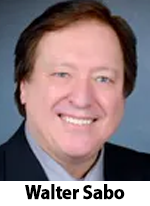 I am pleased to be speaking this weekend at the IBS New York 2026 conference in New York City. Thank you, TALKERS magazine, for being the presenting sponsor of this important, timely annual event along with the Intercollegiate Broadcasting System (IBS).
 interview due to potential implications under the Federal Communications Commission’s “equal time” rule. The rule requires broadcast licensees to provide equal opportunities to legally qualified candidates for public office if one candidate is given airtime.
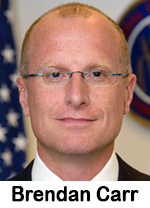 FCC Chairman Brendan Carr has indicated that the Commission is reviewing how those exemptions are applied, particularly in the context of high-profile entertainment programs that feature political figures. While no formal rule change has been adopted, CBS reportedly acted out of caution, concerned that airing the interview could trigger equal-time obligations for opposing candidates.
 Every radio conference agenda and much of what’s-up in the trade press and chat groups is about exploiting Artificial Intelligence. Often these conversations land in one of two places: fear (“Will this replace us?”) or fascination (“Look what it can do!”). Both miss the point.
 Linear broadcast media have never been more challenged. Internet video now commands far more viewing time than over-the-air TV. And their own networks are hijacking viewers! Your local NBC station tells you to watch Peacock. ABC points you to Disney+. CBS pushes Paramount+. Affiliates are effectively forced to promote their own competition.
 WKNR-AM “ESPN Cleveland.” The station says in a social media post, “Since joining the station in 2018, he’s played a key role in shaping programming, managing content across platforms, and helping drive the station’s expanding digital strategy. We’re excited to see Jordan lead our programming and content vision now and into the future. Well deserved!”
  serve in the public interest, the FCC yesterday issued a Guidance on Political Equal Opportunities Requirement for Broadcast Television Stations. While the memorandum is written to television stations, it obvious applies to radio stations as well. The memo ultimately addresses the 1959 order that exempts broadcasters from providing equal time to qualified candidates on any: (1) bona fide newscast; (2) bona fide news interview; (3) bona fidenews documentary (if the appearance of the candidate is incidental to the presentation of the subject or subjects covered by the news documentary); or (4) on-the-spot coverage of bona fide news events (including but not limited to political conventions and activities incidental thereto). Programs such as “The Tonight Show” and “The View” are cited as entertainment shows in which an interview segment can qualify as a bona fide news interview. Regarding this, the memo concludes with two important paragraphs:
 Media | Westwood One says, “The relaunch marks Bongino’s most extensive digital commitment to date, designed to meet increasing audience demand for long-form and in-depth content. The two-hour format strengthens the show’s position as a major voice in independent media, offering a highly engaging, daily destination for listeners seeking headline analysis, guest interviews, cultural commentary, and special ‘Bongino Army’ segments.” Bongino comments, “I’m excited to get back behind the mic and reconnect directly with the audience. This show has always been about cutting through the noise and talking honestly about what matters. We’re coming back bigger, bolder, and always unfiltered — exactly how people want it.” Westwood One and Cumulus Podcast Network president Collin Jones adds, “Dan Bongino is back! Few voices in talk media command the loyalty and firepower that Dan brings. His audience? Formidable. His influence? Undeniable. This promises to be an incredible journey as Dan drives the national conversation daily on the most important issues at hand, with authority that has been hard-fought and well-earned. Westwood One is beyond proud to help power the next chapter of ‘The Dan Bongino Show.’”
 Circus Came to Town.” The Minneapolis-based former DJ, programmer and radio exec tells TALKERS, “In full disclosure, this song was created on suno.com using V5. The lyrics are all mine, and the orchestration is mine too by virtue of having given all of the instructions to create the track. Regardless of how all the controversy about artificial intelligence plays out, I am releasing this opinionated and highly emotional song purely as an expression of my free speech and artistic expression – not for commercial marketing purposes.”
 dashboards and API access that support automated reporting and portfolio-level insights. The collaboration will also support select broadcast attribution initiatives within Audacy’s radio portfolio, complementing existing measurement partners. Audacy president of digital sales Michael Biemolt says, “Audacy consistently strives to deliver measurable results for advertisers, and our partnership with Podscribe further strengthens that promise. With enhanced attribution and transparency across our portfolio, we’re giving clients even greater confidence in how Audacy drives performance at scale.”
 Advice columns blanketing sites like LinkedIn, the Skimm, and Forbes 2.0 – aimed at recent graduates – encourage their readers to seek and bond with an at-work mentor. After years of skimming “5 bullet” articles, I have reached the tipping point and I’m not going to take it anymore: Seeking a mentor as a career strategy is horrible advice. Just horrible.
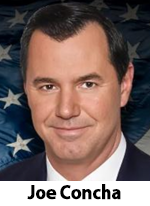 airing from 9:00 pm to 10:00 pm. Concha has been hosting a Sunday show from 11:00 am to 12:00 noon and will continue in that role. Red Apple CEO John Catsimatidis says, “Joe is exactly the kind of smart, credible, non-nonsense voice we promised our listeners. Listeners trust Joe and his ratings success backs that up. We are delighted to add him to our weeknight programming.” Concha is a columnist, author, and FOX News contributor.
 iHeartMedia’s studios in South Florida and airing in the 3:00 pm to 5:00 pm slot being vacated by Doug Gottlieb. iHeartMedia says, “Designed as a live radio extension of his popular podcast ‘Stugotz and Company,’ the show will bring together his regular crew along with a rotating cast of guest co-hosts, blending old friends and new voices.” Additionally, the Stugotz Podcast Network will launch with iHeartPodcasts, featuring “Stugotz and Company” and “God Bless Football,” plus more content to be launched later. Weiner says, “There was a ton of interest and a lot of great conversations, but it became obvious to me rather quickly that iHeart and FOX Sports Radio were going to be the landing spot. I miss doing live radio, and I was looking for a partner to grow my two existing podcasts and help us build out a network. To be able to partner with the biggest and best digital company on the planet – and host a daily, two-hour live radio show with two Hall of Famers, Dan Patrick and Colin Cowherd, as lead-ins – is a place, quite frankly, I never imagined arriving at, and an opportunity I wasn’t going to pass up.”
 operations Mark Sullivan comments, “Andrea and I have worked alongside each other for decades and shared in many successes together. She has a long track record of driving results for our Lexington stations, rooted in her passion for the business and service to the community, our advertisers, listeners, and employees. This is a well-deserved opportunity for her, and I’m looking forward to her success in this new role as VP/market manager.” Ayers says, “I’m truly honored to accept the role of VP/market manager for Cumulus Lexington. I’m excited to bring my experience and passion to the table and work alongside such a talented group to drive growth, strengthen relationships, and deliver exceptional results.”
 Trump’s historic Executive Order on artificial intelligence promotes America’s leadership in AI and advances our nation’s economic and national security interests. It does so by targeting excessive state regulations that would not only hold America back but insert ideological bias into AI models. President Trump’s decisive action also ensures a policy framework that protects children, prevents online censorship, respects copyrights, and safeguards communities. The FCC welcomes President’s Trump’s direction that the agency initiate a proceeding to determine whether to adopt a Federal reporting and disclosure standard for AI models that preempts conflicting State laws.”
 Andy Economos, the founder of Radio Computing Systems (RCS), was a leader in bringing digital tech into the radio industry. In 1980, he was leaving his position as head of technology for NBC Inc. to start his own company. I was EVP of the NBC FM stations. Andy and I were walking to lunch, crossing Sixth Avenue at 49th street and he asked me, “Is there any software your radio stations could use?”
 standard in audio, and it’s an honor to join a brand creatively steeped in sports storytelling. Not unlike the Savannah Bananas, I’m prepared to push the limits of sports talk. I’ll deliver for Jimmy in Tucson, Arizona just as much as Joe in Marshall, Texas. And for every groundbreaking Los Angeles Lakers trade, there’s a Boston College linebacker who survived cancer. You’ll hear the same fire and heart for each. We’re going to create something special; I promise you that.” Cumulus SVP sports/content & audience Bruce Gilbert comments, “Drake represents exactly what we’re building – a modern, interactive sports experience that is driven by personalities and fueled by fans – programming that breaks away from the predictable and formulaic. Drake’s ability to entertain, connect, and innovate makes him the ideal voice for mornings on Westwood One.”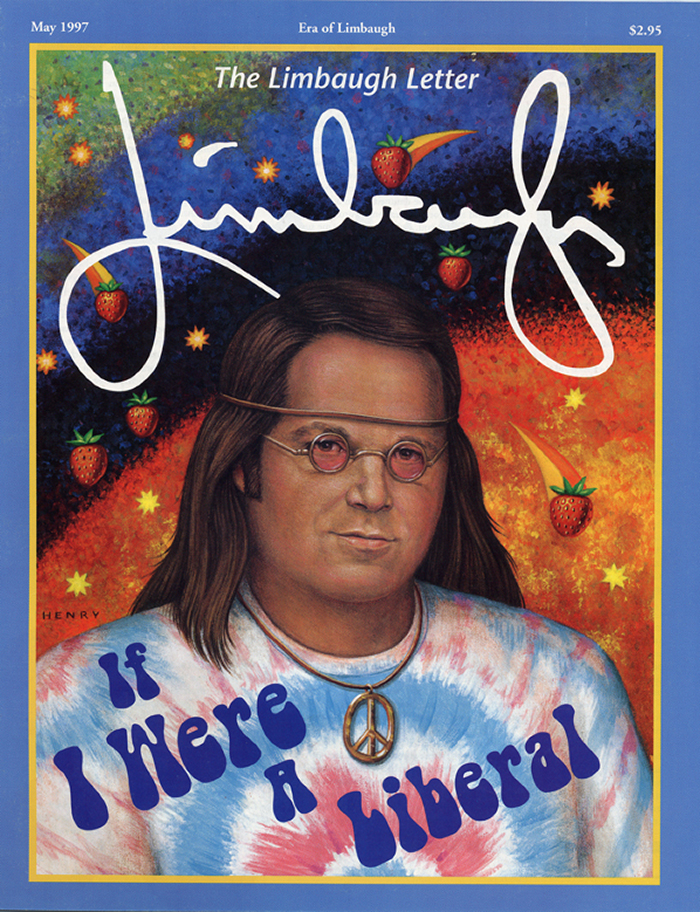
 My introduction to Rush Limbaugh begins in the fall of 1992. I began listening to Rush’s radio show after seeing him campaigning on stage with George H.W. Bush during the 1992 fall presidential election. Bill Clinton would win the election and so would begin the greatest, media political rivalry ever between Rush Limbaugh and Bill Clinton. Rush’s middle America authentic voice was cutting through the mainstream media noise of the day from a generationally unique perspective. He was the perfect counterculture combatant to Bill Clinton’s political philosophy. Being a baby boomer myself and two years younger than Rush, I was immediately hooked on the EIB radio network!
 position the cluster for continued success and growth. They include the promotion of Grant McHill to program director for “NewsRadio 101.1 FM KXL.” McHill has been serving as KXL’s news director. McHill says, “As someone who has worked at KXL for a decade, I appreciate and understand the station’s importance to the community and its potential for growth in Portland and beyond. I am thrilled, honored, and thankful for this opportunity. A huge thank you to Jeff Warshaw, Keith Dakin, Mark Handwerger, and Ross MacLeod for their confidence in me.”
 Lochridge entered the business in the sales department and by 1970 became the general manager of WRIF, Detroit. He was promoted by ABC to general manager for WPLJ, New York in 1973. He would serve at KAUM, Houston before returning to New York to serve with ABC Radio Networks. He later joined NBC’s The Source. In 1988 he and his wife purchased a small station in Wickenburg, Arizona.
 In an industry built on speed – breaking news, live liners, commercial deadlines – “pause” can feel like a luxury radio can’t afford. But Kevin Cashman’s The Pause Principle: Step Back to Lead Forward (Wiley) argues the opposite: pausing isn’t weakness, it’s a competitive advantage. For local radio leaders, the message couldn’t be timelier.
 comments, “I’m honored and excited to take on this new role and continue building on the incredible momentum our teams have created. Bonneville Seattle is home to passionate, talented individuals who care deeply about our brands, our partners, and our community. I look forward to helping us grow even stronger – together.” Bonneville Seattle SVP and market manager Cathy Cangiano states, “Crista has consistently demonstrated outstanding leadership, strategic insight, and a deep commitment to relationship-building. Her promotion is a testament to the impact she’s made and the confidence we have in her ability to lead us into the future. Crista was the clear choice for this role, and I’m thrilled to partner with her as we shape the next chapter for Bonneville Seattle. Her vision and energy will be instrumental in our continued growth.”
 If you’re a news/talk station, be known-for-knowing what’s happening. My client stations routinely invite tune-in “for a quick [name of network] news update, every hour, throughout your busy day.”