Industry Views

Spring-Forward Show Prep

By Holland Cooke
Consultant

imgUnless you live in Hawaii and Arizona (except the Navajo Nation) or American Samoa, Guam, the Northern Mariana Islands, Puerto Rico and the U.S. Virgin Islands, your clocks will change when we “Spring Forward” on Sunday 3/8.

Every year, that one missing hour becomes a big topic of conversation. So, it’s an opportunity to flex your local radio advantage. Plan now to empathize with the emotional and practical adjustments listeners are confronting, including…  

Darker Mornings
Positive:

  • Later sunrise can feel cozy, especially for people who enjoy easing into the day.
  • Early-morning workers may appreciate the quieter, calmer pre-dawn hours.

Negative:

  • For many, waking up in darkness can be jarring.
  • Kids heading to school and commuters on the road face reduced visibility.

Longer Evenings
Positive:

  • More daylight after work boosts mood, encourages outdoor activity, and feels like the unofficial start of spring.
  • Families get more time outside; businesses tied to recreation, dining, and retail see a lift.

Negative:

  • Evening routines shift, especially for parents managing homework, sports, and bedtime.
  • People who work late may feel the day stretching uncomfortably long.

Sleep Disruption
Positive:

  • Some listeners welcome the psychological “reset” of a seasonal shift.
  • A later sunset can help night owls feel more aligned with the clock.

Negative:

  • Losing an hour can hit hard.
  • Many experience grogginess, irritability, and a few days of circadian chaos.

Health and Mood
Positive:

  • More evening light is a proven mood-booster.
  • For those prone to Seasonal Affective Disorder, the extended daylight is a relief.

Negative:

  • The abrupt change can trigger fatigue, headaches, and short-term stress.
  • Sleep-deprived mornings can amplify anxiety.

Productivity and Daily Rhythm
Positive:

  • Longer evenings can inspire productivity, exercise, and social plans.
  • People feel like they “get their life back” after winter.

Negative:

  • Morning productivity tanks for a few days as bodies adjust.
  • Parents, shift workers, and early risers feel the strain most acutely.

Safety Considerations
Positive:

  • More daylight during high-traffic evening hours improves visibility and reduces accident risk.

Negative:

  • Darker mornings increase hazards for pedestrians, cyclists, and schoolchildren.
  • Sleep deprivation contributes to slower reaction times.

Energy Consumption
Positive:

  • Longer daylight in the evening can reduce lighting needs.
  • Outdoor activity replaces indoor energy use.

Negative:

  • Darker mornings mean more lights, heat, and coffee makers running earlier.
  • Any savings are inconsistent and vary by region.

Impact on Schedules
Positive:

  • The seasonal shift feels like a milestone — spring is coming.
  • People use the change as a cue to refresh routines.

Negative:

  • Parents, pet owners, and anyone with a rigid schedule face a tough adjustment.
  • “Losing an hour” becomes a shared gripe.

So, What’s a Radio Station To Do?
This is where local radio can shine – being human, helpful, and hyper-local.

  • Songs about time: Cyndi Lauper’s “Time After Time,” Cher’s “If I Could Turn Back Time,” etc.
  • Explain the history of Daylight Saving Time(NOTE: it’s “Saving,” not “Savings”).
  • Ask callers how they feel about DST. You’ll get strong opinions on both sides…and stories.
  • “What will you do with your longer evenings?”
  • Giveaways that fit the moment: Coffee cards, breakfast treats, outdoor gear, spring-cleaning kits.
  • Partner with advertisers: “Spring Ahead Specials,” etc.
  • Interview a local health pro about sleep.

Holland Cooke (HollandCooke.com) is a consultant working the intersection of broadcasting and the Internet. Follow HC on Twitter @HollandCooke and connect on LinkedIn

Industry News

LeGeyt Reiterates Need for Ownership Deregulation at NAB State Leadership Conference

During yesterday’s gathering of broadcasters in Washington, DC for the National Association of Broadcasters’ annual State Leadership Conference, NAB president and CEO Curtis LeGeyt delivered remarks to some 570 attendees, “outlining the urgent need to modernize outdated regulations that prevent local stations from competing on a level playingimg field with global technology platforms.” He underscored broadcasters’ unique and essential role in public safety, civic engagement and strengthening local democracy. Additionally, broadcasters heard from key policymakers shaping broadcast policy, including Sen. Ed Markey (D-MA), who spoke about the enduring value of broadcast radio and his leadership on the bipartisan effort to pass the AM Radio for Every Vehicle Act… and U.S. Rep. Richard Hudson (R-NC), chairman of the House Energy and Commerce Subcommittee on Communications and Technology, who spoke about the need for broadcast ownership rules to reflect today’s landscape and the importance of keeping AM radio in cars.

Industry Views

Reckless Disregard in the Age of AI: What Verification Now Requires

By Matthew B. Harrison
TALKERS, VP/Associate Publisher
Harrison Media Law, Senior Partner
Goodphone Communications, Executive Producer

imgAI is now embedded in the modern newsroom. Not as a headline, not as a novelty, but as infrastructure. It drafts outlines, summarizes complex reporting, surfaces background details, and accelerates prep for live conversations. For media creators operating under relentless deadlines, that efficiency is not theoretical. It is practical and daily.

That reality raises a quiet but consequential legal question. When AI contributes to your research, what does verification now require?

Professional hosts are not reading raw chatbot answers on air and calling it journalism. That caricature misses the real issue. What is actually happening is subtler and far more common.

AI now sits inside research workflows. Producers use it for background. Hosts use it to summarize reporting. Teams use it to outline controversies or draft rundowns. Most of the time, it works. Sometimes, however, it invents.

When that invention involves a real person and a serious allegation, the legal analysis looks familiar.

For public figures, defamation requires proof of actual malice – knowledge of falsity or reckless disregard for truth. For private figures, negligence is usually enough. In both cases, the focus is not on the tool. It is on the content creator’s conduct.

AI does not change the elements. It changes the context in which reasonableness is judged.

Courts have long held that repeating a defamatory statement can create liability, even if someone else said it first. If you rely on a blog, and that blog relied on AI, and the allegation is false, the question becomes whether your reliance was reasonable.

Was the source reputable? Was the claim inherently improbable? Were there obvious red flags?  Was contradictory information readily available?

AI’s reputation for “hallucinating” facts now forms part of that backdrop. Widespread awareness that these systems can fabricate citations, merge identities, or invent accusations becomes relevant when a court evaluates your verification choices.

This does not mean using AI indicates reckless disregard. It means using AI does not excuse skipping verification when the stakes are high.

The more specific and damaging the claim, the greater the duty to confirm it through independent, reliable sources. Not another prompt. Not a circular reference to the same unverified blog. Rather, a primary record, official statement, or established reporting.

Documentation matters. If challenged, being able to show that you checked multiple sources before broadcast can be decisive.

None of this is new doctrine. What is new is how seamlessly AI blends into ordinary research habits. That integration makes it easier to forget that the legal question is still about human judgment.

The law will not ask whether your workflow was efficient. It will ask whether your conduct was reasonable under the circumstances.

In the age of AI, verification is not a courtesy. It is risk management.

Matthew B. Harrison is a media and intellectual property attorney who advises radio hosts, content creators, and creative entrepreneurs. He has written extensively on fair use, AI law, and the future of digital rights. Reach him at Matthew@HarrisonMediaLaw.com or read more at TALKERS.com.

Industry News

WABC, New York Spices Up Sunday Mornings

WABC Radio is adding a one-hour show hosted by former White House press secretary Sean Spicer to its Sunday morning lineup. “Full Court Press with Sean Spicer” will debut this Sunday (3/1) at 10:00 am ET.img Station owner John Catsimatidis says, “Big name personalities define WABC Radio. Sean is a powerful addition to our Sunday lineup and another example of WABC’s unmatched ability to attract major talent and deliver must-hear talk. The show is going to be fast, fearless, and honest, with smart conversation, sharp opinion, and honest discussion about the stories driving the country.” Spicer comments, “WABC Radio doesn’t whisper, it leads! It is one of the most iconic and influential radio stations in the U.S. WABC Radio listeners expect truth, energy, and authenticity, and that’s exactly what I’m going to give them. I couldn’t be more excited to join the incredible 77WABC lineup.”

Industry News

FSR’s Colin Cowherd to Air on WJBR, Tampa

Beasley Media Group is adding FOX Sports Radio’s “The Herd withimg Colin Cowherd” to the program lineup at WJBR-AM, Tampa “Florida Alumni Radio 1010AM” in the 112:00 noon to 3:00 pm daypart. The program will also be simulcast on 92.1 FM in Hillsborough County, 103.1 FM in Pinellas County, and 104.7 HD2. The show will air weekdays from Noon – 3:00 p.m. ET.

Industry News

Black Effect Podcast Festival Returns to Atlanta in April

iHeartMedia and Charlamagne Tha God announce the return of the Black Effect Podcast Festival Pullman Yards in Atlanta on April 25. Theimg company says Charlamagne Tha God will join the festival alongside some of the Black Effect’s most popular personalities for a day full of live podcast tapings and informative discussions aimed at aspiring podcasters in the Black community. Charlamagne Tha God says, “Each year we return to Atlanta with purpose and intention to amplify storytelling, champion community, and celebrate excellence in podcasting with thousands of our cousins from around the world.”

Industry News

Westwood One: Sports Talk Growing on the Air and Online

Westwood One’s Audio Active Group blog presents data about the sports talk genre as it experiences an apparent growth spurt. Based on ratings data from Nielen, the blog states, “Revenue shares and station counts are up. Nielsen reports the sports AM/FM radio format is number one in streaming shares among 18-34s and 25-54s. Ranking third of twenty-four AM/FM radio formats in household income, the sports AM/FM radioimg audience over indexes for a slew of major purchase categories.” Some of the key findings in the study include: 1) The number of sports-formatted AM/FM radio stations has grown +14% over the last decade, while revenue shares increased +38%; 2) According to Nielsen, the sports format ranks an astonishing number one in streaming shares among 25-54s and 18-34s, while in-car listening is the dominant location of listening among over-the-air sports AM/FM radio listeners; 3) Advertising on sports AM/FM radio is more effective than TV sports because the AM/FM radio audience is far more attentive and sports engaged; and 4) Ranked third in income of twenty-four AM/FM radio formats, the sports format has seen household incomes grow 17% since 2020. See the full blog post here.

Industry News

FCC Chairman Carr Announces Pledge America Campaign

Federal Communications Commission chairman Brendan Carr is announcing the agency’s Pledge America Campaign designed to dovetail with the celebration of the 250th anniversary of America’s independence. The announcement says that “consistent with their longstanding public interest obligations, America’s broadcasters play a key role in educating, informing, and entertaining viewers and listeners all across America, and they are particularly well suited to air programming that is responsive to the needs and interests of their local communities.  The Pledge America Campaign enables broadcasters to lend their voices in support of Task Force 250 and the celebration of America’s 250th birthday by airingimg patriotic, pro-America content that celebrates the American journey and inspires its citizens by highlighting the historic accomplishments of this great nation from our founding through the Trump Administration today.” Carr adds, “On July 4, 2026, America will celebrate the 250th Anniversary of the signing of the Declaration of Independence. That revolutionary document set forth our founding principles – including Life, Liberty, and the pursuit of Happiness – and put America on a collision course with destiny.  Over the following centuries, the American story has defined modern history and spread freedom, opportunity, and prosperity across the globe.  As America’s 250th anniversary approaches, it is important to reflect on the ideals and events that have defined our past while keeping an eye towards our country’s bright future. The White House is leading our national celebration of this historic event with the Salute to America 250 Task Force, which calls on the federal government, among others, to mark this momentous occasion.  As part of this effort, I am calling on broadcasters to pledge to provide programming that promotes civic education, national pride, and our shared history.” Carr shares some examples stations could use, including:

Running PSAs, short segments, or full specials specifically promoting civic education, inspiring local stories, and American history.

  • Including segments during regular news programming that highlight local sites that are significant to American and regional history, such as National Park Service sites.
  • Starting each broadcast day with the “Star Spangled Banner” or Pledge of Allegiance.
  • Airing music by America’s greatest composers, such as John Philip Sousa, Aaron Copland, Duke Ellington, or George Gershwin.
  • Providing daily “Today in American History” announcements highlighting significant events that took place on that day in history.
  • Partnering with community organizations and other groups that are already working hard to bring America’s stories of unity, perseverance, and triumph to light.
Industry News

iHeartMedia: Bicultural Latinos Are Cultural and Economic Force

iHeartMedia reveals the results of a study developed in partnership with Collage Group that looked at the influential consumer group known as Bicultural Latinos – those who identify equally as Americans and Hispanics. The study, “New American Consumer: Bicultural Latinos,” determined that this demographic – now encompassing nearly 40 percent of all U.S. Latinos – represents “a powerful economic force led by a culture-first, identity‑driven audience that is shaping the next era of American growth.” According to the study, two‑thirds of Bicultural Latinos say they identify as equally Hispanic and American and feel more cultural pride than ever, with 78 percent saying they feel more connected to their heritage today than they did just one year ago. This rising cultural confidence coincides with economic momentum as U.S. Latinoimg purchasing power – backed by a population of nearly 70 million that is a leading ethnicity in growth – has now reached $4.1 trillion and continues to grow more than twice as fast as that of non‑Latinos. iHeartMedia says, “The impact of this can only be measured in global scale: If isolated, the GDP of current U.S. Latinos would rank fifth in the world, having surged from $2.2 trillion in 2015 to $4 trillion.”  iHeartLatino president and chief creative officer Enrique Santos says, “Bicultural Latinos are not just an audience — they are a cultural vanguard, driving tastes, trends and conversations across every platform while powering one of the fastest‑growing segments of the U.S. economy and redefining what it means to be American. For brands, the takeaway is clear: culture is the strategy — language is the tactic. Those who lead with cultural intelligence, not just translation, earn more than attention, they earn long-term loyalty and trust.” The study also finds that audio is important to this demographic. The study finds: “Broadcast reaches 9 in 10 Latinos monthly, according to Nielsen, and this new research shows that Bicultural Latino radio listening is diverse – 92 percent listen in English, 78 percent listen in Spanish – and 65 percent of Bicultural Latinos prefer listening to radio/music/podcasts equally in Spanish and English. Additionally, the research shows that 98 percent are listening to music weekly, 63 percent tune into podcasts weekly and 69 percent engage with live sports through audio.”

Industry Views

TALKERS Magazine Enthusiastically Supports the 2026 IBS Conference in New York as its Presenting Sponsor

By Matthew B. Harrison
TALKERS, VP/Associate Publisher
Harrison Media Law, Senior Partner
Goodphone Communications, Executive Producer 

imgTALKERS magazine, the leading trade publication serving America’s professional broadcast talk radio and associated digital communities since 1990, is pleased to participate as the presenting sponsor of the Intercollegiate Broadcasting System (IBS) conference for the second consecutive year. The conference is currently underway in New York.

IBS NYC 2026 – America’s preeminent annual college radio and media gathering began last night (2/19) and continues today and tomorrow (2/20-21) at the Sheraton Times Square Hotel in midtown Manhattan. The non-profit, volunteer-driven, IBS has been diligently serving student broadcasters since 1940, and its services are needed today more than ever.

Campus broadcasting continues to take on growing importance as theimg radio industry (and its related fields) seeks to connect with and develop a next generation of professional practitioners as well as engaged audiences. TALKERS is honored to again provide financial support, encouragement, experience, and advice to the dedicated organizers of this very special event.

We highly recommend that radio and media professionals attend this dynamic gathering because the grass roots future of the field oozes out of its content-rich meeting rooms, exhibition areas, and hallways. It provides fertile ground at which to network with almost a thousand wide-eyed up and coming stars in both talent and management – the next generation of professional industry movers and shakers. From the high school, college, and university perspective, the fact that it continues to be a must-attend conference for dedicated students of communication and professional media hopefuls remains a self-evident truth. Here, in the early stages of the second quarter of the 21st century, everybody’s in show biz and everybody’s a star. To quote Ray Davies, “There are stars in every city, in every house and on every street.”

The skills of modern communication are a vocational necessity well beyond entering a career in radio, TV or podcasting. The abilities to produce a podcast, YouTube video, social media campaign, cogent press release, or “talk show” constitute a minimal level of modern age literacy needed in almost all fields of endeavor going forward.

Since its launch nearly four decades ago, TALKERS magazine has been a potent presence at the intersection of media creation, education, and accountability. That’s why our support of the Intercollegiate Broadcasting System (IBS) conference isn’t just symbolic – it’s practical.

The next generation of broadcasters, podcasters, digital hosts, producers, and media entrepreneurs is already building the future of this industry. IBS has been helping them do that – consistently, seriously, and without shortcuts – for decades.

Campus stations are often where experimentation happens first:

  • New formats
  • New voices
  • New distribution models
  • New cultural conversations
  • New technology
  • New legal frontiers

IBS recognizes that reality and treats student media creators with the same seriousness the industry demands at the professional level. This aligns directly with our TALKERS mission: supporting informed, responsible, creative media across emerging platforms.

We’re not simply sponsoring a conference.  We’re investing in the people who will define the next era of media.

For more information on the 2026 IBS conference, please click HERE.

Matthew B. Harrison is a media and intellectual property attorney who advises radio hosts, content creators, and creative entrepreneurs. He has written extensively on fair use, AI law, and the future of digital rights. Reach him at Matthew@HarrisonMediaLaw.com or read more at TALKERS.com.

Industry News

Triton Digital Releases 2025 U.S. Podcast Report

Triton Digital releases its fourth annual U.S. Podcast Report for 2025 investigating how Americans are listening to podcasts across devices, platforms, genres, and demographics. Triton says, “Podcasting now reaches 53% of the U.S. population each month, surpassing the halfway mark for the first time and underscoring podcasting’s growing influence as a core channel for entertainment, information, and advertising.” Triton SVP, measurement product strategy Daryl Battaglia comments,img “Podcasting’s momentum strengthened in 2025, with audio remaining the foundation of the medium while video helped bring in new audiences. What’s most compelling is the diversity podcasting now delivers across content, platforms, and consumers. Triton’s report highlights where new listeners are engaging and how their evolving behaviors – including shopping and purchase intent – are creating a highly engaged audience that is increasingly attractive for brand investment.” One key finding from the study is that “consumption preferences vary sharply by genre. Categories primarily consumed via audio are Science (58%), History (56%), Fiction (54%), Arts (51%), and True Crime (50%), while Music (34%), Sports (32%), Kids & Family (31%), Comedy (30%), News (30%) skew more heavily toward exclusive video consumption. This emphasizes a need for differentiated content and monetization strategies.” See more about the report here.

Industry Views

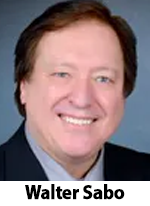
SABO SEZ: Bad AM Shows Don’t “Get Good” on FM

By Walter Sabo
A.K.A. Walter M Sterling
WPHT, Philadelphia
Sterling Every Damn Night
Sterling on Sunday Syndicated, TMN

img“Darn, if we were on FM everything would get better.” Not true. This writer launched many of the successful talk formats on FM stations in the early 1990s. The ones that worked, such as KLSX, Los Angeles; WTKS, Orlando; and New Jersey 101.5 in Trenton, were produced for the unique demands of FM. Then and today, the FM band cume utilized the radio in a completely different manner than AM audiences. The competition on FM isn’t another talk show. It’s Chapelle Roan and Taylor Swift. Ya know, billion-dollar Taylor Swift. The production values of FM music stations set the expectations of “the sound.” “Let’s pay some bills…” Followed by bumper music! Followed by eight minutes of commercials for Med Alert is just not what FMers are used to hearing on Elvis Duran. (Elvis is doing a talk show.)

FM music stations are laser focused on precise demographics and marketing goals 

Every moment of a music station is heavily considered for its ability to capture and hold a listener. Nothing is left to chance. Compare that reality with the odd feature of, “Let’s open the phones for whatever is on your mind!” The ancient demographics delivered by most talk shows are not an accident; it’s the net result of a product that appeals to people who need companionship, a voice talking, a voice to soothe them to sleep. Put that weary product on FM and get the same result.

FM Requirements, the short list

Every city is unique and an FM talk station that will succeed has some key ingredients:

  • Well-defined target listener. Everyone at the station has to buy in to this target. Including the sales department.
  • A production format. Each show should “sound” the same. That helps the cume flow show to show rather than starting and stopping show to show.  Rules for call length, stop sets, and other elements should be the same at 10:00 am and 10:00 pm.
  • Topic playlist.  Each host should have a clear understanding of which topics make the meters bounce, and which don’t. That’s right, there are some you just shouldn’t do.
  • Audio processing. If your chief thinks “those settings” will result in listener fatigueuse them.
  • Music on the weekends. No infomercials. The music should be super-tight appealing to your target listener. Music blows off chronic talk radio listeners and brings in young cume for Monday morning.

Happy to share more success strategies for FM at 646-678-1110.

Walter Sabo has been a C-Suite action partner for companies such as SiriusXM, Hearst, Press Broadcasting, Gannett, RKO General, and many other leading media outlets. His company, HITVIEWS, in 2007, was the first to identify and monetize video influencers. His nightly show “Walter Sterling Every Damn Night” is heard on WPHT, Philadelphia. His syndicated show, “Sterling On Sunday,” from Talk Media Network, airs 10:00 pm-1:00 am ET, and is now in its 10th year of success. He can be reached by email at sabowalter@gmail.com.

Industry News

Jessica Reid Named 2026 MIW Digital Mentee

Mentoring & Inspiring Women in Radio, Inc announces that Jessica Reid of Townsquare Media Northwest Michigan as the 2026 MIW Digital Mentee. MIW says “The Digital Mentorship program continues to elevateimg rising leaders in digital sales and strategy, providing direct access to industry executives, structured mentorship, and strategic guidance at a time when audio and digital integration has never been more critical to client success.” Reid comments, “I’m honored to be selected as an MIW Digital Mentee. This mentorship is an opportunity to strengthen my leadership skills, learn from industry leaders shaping the future of digital and audio, and continue delivering smarter, more effective advertising solutions in a rapidly evolving media landscape.”

Industry News

Bonneville’s KTAR-FM, Phoenix Expands Outspoken with Bruce and Gaydos

Bonneville Phoenix makes some changes to its on-air lineup on news/talk “KTAR News 92.3 FM,” starting with the expansion of the afternoon drive show “Outspoken with Bruce & Gaydos,” [Bruce St. James and Larry Gaydos] now airing from 2:00 pm to 6:00 pm. The station says,img “‘Outspoken’ has built a devoted following by tackling Arizona’s biggest political, social and cultural issues with insight, humor and a willingness to challenge conventional thinking. The expanded time slot allows the show to dig deeper into the stories shaping the state and the nation, while continuing to engage listeners and viewers through spirited conversation. The change will help position KTAR News’ marquee afternoon drive show during a pivotal election year in front of larger audiences, bringing the hosts’ signature blend of bold opinions, sharp analysis and lively debate to the heart of the drive‑time lineup. Outspoken will continue to push the conversation forward with exclusive guests and the Faceoff roundtable conversation every Wednesday.” The station also brings back “Arizona’s Evening News,” hosted by Becky Lynn and Joe Huizenga, from 6:00 pm to 7:00 pm.  It will keep listeners and viewers tuned into local programming with a news program focused on in-depth conversation. Bonneville says the new program schedule reflects the end of the two-year run of The Chris & Joe Show in the 2:00 pm to 4:00 pm daypart with the departure of talk host Chris Merrill.

Industry News

TALKERS Magazine Enthusiastically Supports the 2026 IBS Conference in New York as its Presenting Sponsor

By Matthew B. Harrison
TALKERS, VP/Associate Publisher
Harrison Media Law, Senior Partner
Goodphone Communications, Executive Producer

imgTALKERS magazine, the leading trade publication serving America’s professional broadcast talk radio and associated digital communities since 1990, is pleased to participate as the presenting sponsor of the forthcoming Intercollegiate Broadcasting System (IBS) conference for the second consecutive year.

IBS NYC 2026 – America’s preeminent annual college radio and media gathering – will take place February 19-21 at the Sheraton Times Square Hotel in midtown Manhattan.  The non-profit, volunteer-driven, IBS has been diligently serving student broadcasters since 1940, and its services are needed today more than ever.

Campus broadcasting continues to take on growing importance as the radio industry (and its related fields) seeks to connect with and develop a next generation of professional practitioners as well as engaged audiences. TALKERS is honored to again provide financial support, encouragement, experience, and advice to the dedicated organizers of this very special event.

We highly recommend that radio and media professionals attend this dynamic gathering because the grass roots future of the field oozes out of its content-rich meeting rooms, exhibition areas, and hallways. It provides fertile ground at which to network with almost a thousand wide-eyed up and coming stars in both talent and management – the next generation of professional industry movers and shakers. From the high school, college, and university perspective, the fact that it continues to be a must-attend conference for dedicated students of communication and professional media hopefuls remains a self-evident truth.  Here, in the early stages of the second quarter of the 21st century, everybody’s in show biz and everybody’s a star. To quote Ray Davies, “There are stars in every city, in every house and on every street.”

The skills of modern communication are a vocational necessity well beyond entering a career in radio, TV or podcasting. The abilities to produce a podcast, YouTube video, social media campaign, cogent press release, or “talk show” constitute a minimal level of modern age literacy needed in almost all fields of endeavor going forward.

Since its launch nearly four decades ago, TALKERS magazine has been a potent presence at the intersection of media creation, education, and accountability. That’s why our support of the Intercollegiate Broadcasting System (IBS) conference isn’t just symbolic – it’s practical.

The next generation of broadcasters, podcasters, digital hosts, producers, and media entrepreneurs is already building the future of this industry. IBS has been helping them do that – consistently, seriously, and without shortcuts – for decades.

Campus stations are often where experimentation happens first:

  • New formats
  • New voices
  • New distribution models
  • New cultural conversations
  • New technology
  • New legal frontiers

IBS recognizes that reality and treats student media creators with the same seriousness the industry demands at the professional level. This aligns directly with our TALKERS mission: supporting informed, responsible, creative media across emerging platforms.

We’re not simply sponsoring a conference.  We’re investing in the people who will define the next era of media.

For more information on the 2026 IBS conference, please click HERE.

Matthew B. Harrison is a media and intellectual property attorney who advises radio hosts, content creators, and creative entrepreneurs. He has written extensively on fair use, AI law, and the future of digital rights. Reach him at Matthew@HarrisonMediaLaw.com or read more at TALKERS.com.

Industry News

John DePetro Broadcasts Live from Guthrie Search in Tucson

img

Pictured above is WNRI, Woonsocket, Rhode Island talk host John DePetro of doing his show live from Tucson, outside the home of Nancy Guthrie, the mother of “Today” show host Savannah Guthrie, whom authorities believe is a kidnapping victim.

Industry News

iHeartMedia Announces Executive Appointments

iHeartMedia names Matt Ginn division president of community markets. I, effectively immediately. Ginn joins the company from his most recent role with TEGNA as head of sales enablement and business development. Inimg his new role with iHeartMedia he’ll “be responsible for helping local sales teams operate efficiently by providing them with the tools, training, and best practices needed to deliver strong results and measurable value for advertisers in today’s evolving media landscape.” President of community markets John Karpinski says, “Matt brings a rare combination of experience across every level of sales leadership and enablement. His background imgin developing people, sharpening processes and driving modern revenue strategy will help us to continue to grow and elevate iHeartMedia’s commitment to drive results for advertisers. His understanding of how high-performing organizations operate will help us accelerate what’s working and raise the bar even further. We’re fired up to have him on board and excited for the impact he’s going to make across our division.” In addition, iHeartMedia appoints Wayne Jones metro president for the Texas community markets, overseeing operational sales efficiency in Beaumont, Corpus Christi, Waco, McAllen and Bryan. Jones comes to iHeartMedia from Urban One in Houston, where he served as the director of sales and business.

Industry News

“105.7 The Fan” in Baltimore Promotes Joe LaCroix

Audacy’s Baltimore sports talk outlet WJZ-FM “105.7 The Fan” promotes Joe LaCroix to assistant brand manager. WJZ brand manager Scott Jameson says, “Joe has been an incredible resource and tremendousimg help to the entire team throughout the past year, stepping in without hesitation and taking on added responsibility. His work ethic, commitment to the station, and focus on fostering a collaborative environment have not gone unnoticed, making him the ideal candidate for this elevated role.” LaCroix, who’s been with the station since 2017 and has served as executive producer of the morning show since 2021, says, “I’m delighted to accept this role and grateful for the opportunity. I’m excited to continue working with this team and to help drive the continued growth and success of ‘The Fan.’”

Industry News

Buffalo Bills Take Audio In-House After 14 Years with Audacy’s Sports Talk WGR

The NFL’s Buffalo Bills are wrapping their 14year relationship with Audacy’s WGR, Buffalo as the flagship radio outlet for its games and other content and will take their audio content in-house. The team willimg produce and distribute radio broadcasts for preseason, regular season and playoff games starting in 2026. The Bills say, “The traditional radio broadcast, currently on WGR-AM 550 and Rochester affiliate 950-AM The Fan, will transition to streaming exclusively on BuffaloBills.com and THE BILLS APP from 1-3 p.m. every weekday. ‘One Bills Live’ will continue to be simulcast on MSG Western New York.” Bills president of business operations Pete Guelli says, “The delivery of media content has changed dramatically over the years. We believe the model of in-house production, distribution, and sales will better position the organization to provide access to our fans as well as allow us to further engage with the local business community.” The team notes that “One Bills Live” co-hosts Chris Brown and Steve Tasker will remain in their current roles.

Industry News

Tanner Named to Lead New York Public Radio

New York Public Radio names Christy Tanner its next president andimg CEO. NYPR says Tanner is “known for more than two decades of transformative media industry leadership in executive roles at CBS –  where she oversaw the global expansion of CBSN, helping redefine live news for digital audiences – TV Guide, and The Washington Post Company. She serves as chair of Swerve Sports, a streaming TV company, and on the board of directors of Audacy, one of the nation’s largest audio companies.”

Industry News

Liebre to Receive BFoA’s Philip J. Lombardo Spirit Award

The Broadcasters Foundation of America announces that Ernest A. Liebre, SVP and institutional financial advisor at CAPTRUST, is namedimg the recipient of the Philip J. Lombardo Spirit Award. BFoA Chair Scott Herman says, “Ernest exemplifies the values at the heart of the Broadcasters Foundation — generosity, leadership, and an unwavering commitment to helping others. His dedication to our mission and his longstanding support of the broadcasting community make him an exceptionally deserving recipient of the Philip J. Lombardo Spirit Award.”

Industry News

KSCO, Santa Cruz Marks 35th Year of Ownership by Zwerling Broadcasting System (ZBS)

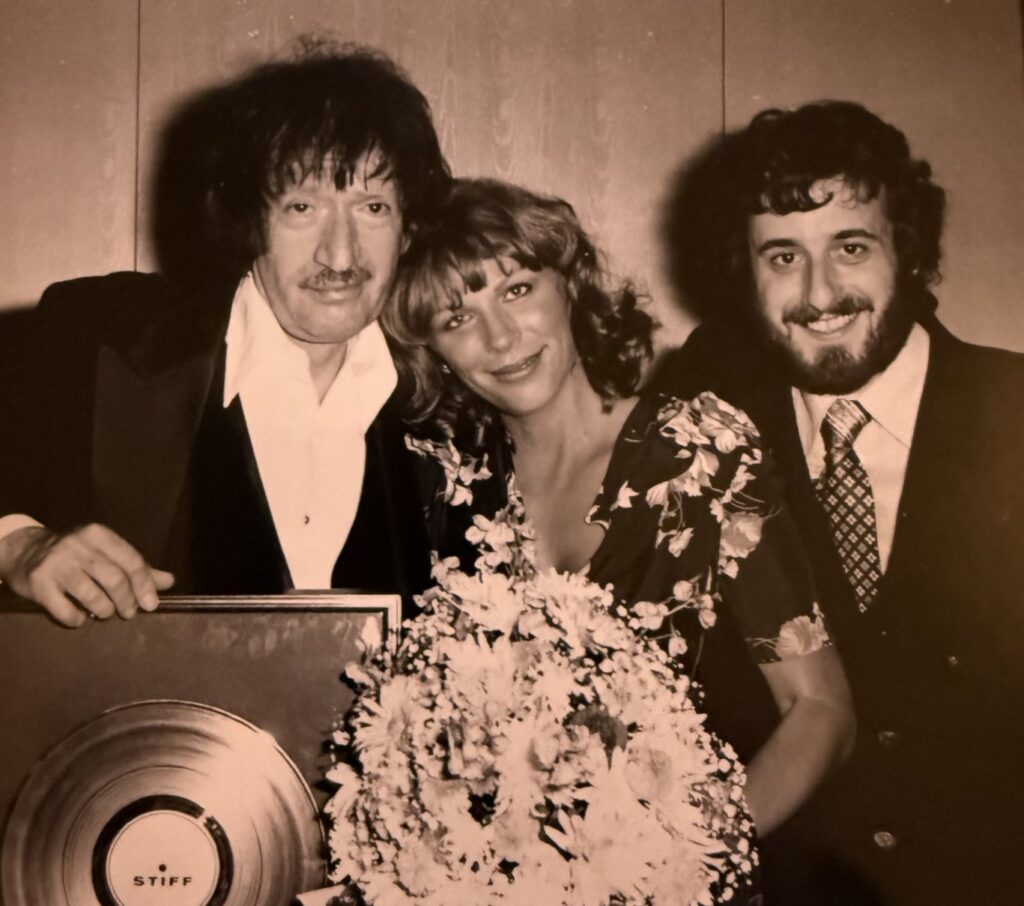
January 31 marked the 35th anniversary of local real estate businessman-turned-broadcaster Michael “MZ” Zwerling‘s purchase of KSCO-AM 1080, Santa Cruz. Zwerling, pictured below with Amy Hau, his life partner and co-host on KSCO’s “Saturday Special,” grew upimg listening to the 10k flamethrower, with a history dating back to 1947, that blankets the Santa Cruz / Monterey / Salinas market and most of the Central California coast. Since acquiring the station, Zwerling has operated it hands-on as a conservative-leaning news-talker featuring a carefully crafted balance between local programming with a parade of hometown personalities (including local superstar Dave Michaels) and a menu of leading syndicated talent. It was one of the original affiliates of Rush Limbaugh and carried the iconic show until his passing in 2021.  Zwerling tells imgTALKERS, “Back then I was 39 years old and never dreamed I’d last this long as a real broadcaster.” TALKERS publisher Michael Harrison – a longtime fan of KSCO – stated, “Congratulations to Michael Zwerling and all the folks at one of America’s most colorful radio stations, for keeping the spirit of independent local broadcasting alive through the many obstacles and changes that have proven challenging for the practitioners of this wonderful industry.  They are champions of a major slice of grassroots Americana represented by the modern era of talk radio.” Today, KSCO maintains its powerful presence in the world-famous market at 1080 AM with the addition of three FM translator signals at 104.1, 95.7, and 107.9.  The station still broadcasts from a historic art deco building located on the beach in Santa Cruz and continues to surprise its listeners with unexpected twists and turns in what Harrison describes as “one of radio’s longest running reality shows.”

Industry News

Top News/Talk Media Stories This Past Week (January 26-30, 2026)

Here are the most talked about stories of the past week (1/26-30) on news/talk radio and related talk media according to TALKERS:

Stories

  1. Killings by ICE Agents / 2nd Amendment Uproar
  2. Dems Threaten DHS Funding
  3. Noem & Bovino Criticism
  4. Potential Government Shutdown
  5. Fed Keeps Rates Steady / Warsh Nominated for Fed Chair
  6. The Economy / Falling Dollar
  7. U.K. & Canada China Deals
  8. Trump Threatens Iran
  9. Winter Storm Aftermath
  10. Melania Movie / Belichick Snubbed by HOF

People

  1. Donald Trump
  2. Kristi Noem / Gregory Bovino
  3. Tom Homan
  4. Alex Pretti / Renee Good
  5. Chuck Schumer
  6. Jerome Powell / Kevin Warsh
  7. Keir Starmer / Mark Carney / Xi Jinping
  8. Masoud Pezeshkian
  9. Melania Trump
  10. Bill Belichick

To see the full TALKERS Stories, Topics, and People Charts, please click HERE.

Job Opportunity

WORT, Madison Seeks Development Director

Community radio WORT, Madison, Wisconsin is looking for an experienced fundraiser to play a key role in shaping the future of the station. You will be responsible for a $895,000 annual fundraising plan that highlights the station’s partnership with listeners and donors. Incumbent will direct on-air fundraising drives to engage with major donors, write monthly donor newsletters, and promote our many income streams. Salary range: $60,000 – $65,000. A detailed position description and complete benefits package are available here. (PDF) To apply, click HERE

Industry Views

Monday Memo: Dogs Are Having a Moment

By Holland Cooke
Consultant

imgNotice how often you see one in TV commercials, even when the product has nothing to do with pets? I see spots for a local building supply outlet, in which the owner’s dog ambles through every shot, then plops down – seeming to smile – among employees in the closing shot.

I am disappointed not to hear local radio spots – with a bark toward the end – for that same business. Does a retailer in your area appear in TV commercials with his or her dog? Can radio – the #1 in-car media – can take that business for a “RIDE???”

Dogs appearing in national ads convey loyalty and adventure. Microsoft, Wells Fargo, Target, Volkswagen, and Subaru are among brands that have used dogs to soften their image and boost attention. Why? Research demonstrates that “harnessing the ​universal ​appeal of man’s‌ best friend, these advertisements ​have emerged as ‍a powerful ‌tool ​for marketers‍ seeking to resonate with consumers on a deeply ‍emotional level.” Dogs evoke warmth and joy. They refine a brand, ‌making it‌ more relatable and trustworthy. ‌

“If only radio had pictures,” you say? We do, in social media posts and on station websites and everywhere else we can take a local advertiser. And beyond dog copy, think: dog content.

  • A number of news/talk stations I’ve worked with broker weekend ask-the-expert hours to veterinarians whose investment ROI’s big-time. The lines are jammed and smart stations extend such weekend warriors by repurposing excerpts. “Pet Pro Dr. Donna Stone has tips for helping your critters keep-their-cool during this long, hot summer” links to an aircheck clip that you Tweet-out and post elsewhere online. Include a picture of an adorable puppy and you’ll click like crazy. Music stations: Sell the vet spots-disguised-as informative features that invite listeners to see/hear/learn more in podcasts or videos or other content on your or the doctor’s website.
  • One of my client stations boosts adoptions each holiday season by featuring “The 12 Strays of Christmas” from the local shelter, sponsored by, you guessed it, a vet.’
  • Tchotchke opportunity: a station-logo’d tennis “BALL!” Toss ‘em around at dog parks and give ‘em away at appearances.
  • Brainstorm other opportunities.

I live at the beach — dog nirvana. It’s a sensory symphony: the scent of salt air, warm sun, sand to dig and roll-around in… canine bliss. On the beach here, dogs don’t have to be leashed; and when you let ‘em romp they sure do, chasing waves, and plunging-in to retrieve “BALL!”

In that wonderful moment, they are living like they will never grow old. Sadly, we know better. Thus The Farmer’s Dog tag line “Making old dogs feel young again;” and Blue Buffalo’s “Love them like family. Feed them like family.”

That’s the emotional space radio can own: warmth, loyalty, companionship, trust. Let’s create messages – and moments – that honor the joy and spirit our buddies bring us.

Holland Cooke (HollandCooke.com) is a consultant working the intersection of broadcasting and the Internet. Follow HC on Twitter @HollandCooke and connect on LinkedIn

Industry News

Good Karma Brands Ups Klimack to Director of Content

Good Karma Brands promotes Jordan Klimack to director of content atimg WKNR-AM “ESPN Cleveland.”  The station says in a social media post, “Since joining the station in 2018, he’s played a key role in shaping programming, managing content across platforms, and helping drive the station’s expanding digital strategy. We’re excited to see Jordan lead our programming and content vision now and into the future. Well deserved!”

Industry News

RTDNA to Honor Steve Bertrand with Lifetime Achievement Award

Retired WGN, Chicago journalist Steve Bertrand is being honored with the Lifetime Achievement Award as part of the RTDNA Foundation’s 2026 First Amendment Awards taking place at the Watergate Hotel in Washington on March 12. RTDNA says it “is celebrating Steve Bertrandimg with the Lifetime Achievement Award, an honor designated contributions to local news. Bertrand has been a trusted voice on WGN Radio for four decades, anchoring news since 1992 and earning the confidence of generations of Chicago listeners. Over his career, he covered many of the most significant local and national events of the past 40 years while mentoring colleagues and helping define the standard for excellence in local radio journalism. His retirement in 2025 marks the culmination of a lifetime dedicated to informing the public and strengthening the role of local news.”

Industry News

Las Vegas Talk Host Alan Stock Named to Governor’s Antisemitism Working Group

Las Vegas talk radio host Alan Stock joins the Antisemitism Working Group created by Nevada Governor Joe Lombardo and announced in December. Lombardo’s office says the Antisemitism Working Group “willimg bring together leaders from Nevada’s Jewish community, educators, advocates, and law enforcement professionals to advise the governor on emerging challenges, community safety concerns, and long-term policy solutions.” Stock tells TALKERS, “The group will provide an important opportunity for Jewish community leaders to share their perspectives and ensure that Nevada Governor Joe Lombardo hears directly from those affected as we work together to address antisemitism in Nevada. Policy recommendations will be due by April 15, shaping the agenda for Nevada’s 2027 legislative session.” Stock hosts his daily morning program “Vegas @ 8” on news/talk KXNT and produces commentaries that air three times per day on the Audacy station.

Industry Views

Monday Memo: The Fearless Cold Caller

By Holland Cooke
Consultant

imgOften, when visiting client stations, I ride shotgun on a sales call, and it’s always a masterclass. Retailers have a canny, insightful feel for their customers (our listeners). And accompanying these reps, I feel like I’m “Dancing With The Stars.”

Cold calling still rattles many new sellers, even some veterans. The fear is understandable: interrupting strangers to ask for their time sounds like a recipe for rejection. And seems old-school, but the cold call isn’t a relic – it’s a differentiator. Done right, it’s not a pitch. It’s about discovery.

Here’s what successful sellers I work with seem to have in common:

  • — Their goal isn’t a cold close.It’s to open a conversation about helping a business grow. They are confident in what radio advertising – done right – can accomplish.
  • — They do homework beforehand, checking the prospect’s website, social feeds, Google reviews, and its other advertising. So, they can go in with something specific to reference. Some bring “an actual commercial that got results for a business like yours, somewhere else.” When I do a station sales meeting, I leave behind a thumb drive of successful spots from other markets. Retailers are wary of experiments, and curious for proven concepts.
  • — They lead with curiosity. Like a job interview, you are judged more by the-questions-you-ask than the-information-you-give. Productive questions I hear include, “How are you attracting new customers right now?” and, “What’s been working best for you lately… and what’s been frustrating?” and, “Have you ever used local radio to tell your story?” Ask, “What’s the biggest mistake consumers make when planning a kitchen remodel [or purchasing whatever else the prospect sells]?” And, “Why buy from YOU?” Entrepreneurs like to talk about their business. Let them, and take notes, recording on your smartphone.
  • — They present a no-risk offer that invests in the prospect’s growth. Hearing is believing, so “Let me take what-you’ve-told-me and bring back a message that tells your story, at no cost or obligation to you.” Rather than describing that story, spec spots demonstrate it. Note: “spots,” plural.
  • — They bring back two spec spots, so the choice is this-or-that rather than yes-or-no. Not two versions of the same concept, but two different approaches. One might be a live read mock-up; the other a fully produced commercial, incorporating copy points from the prospect’s existing marketing material, and from that first-call interview…
  • — If possible, they use the prospect’s voice. If he or she can read without sounding sing-songy, bring back a draft script. Here’s a straight pitchI wrote for the guy who maintains my home water system. More often, the most productive use of the prospect’s voice is unscripted sound bites lifted from the smartphone after that first call, wrapped with lean announcer copy, like this. Either way, spots like these can get people telling the advertiser “I heard you on the radio.” 😉
  • — If that doesn’t close, they offer to re-do the spec spot, based on feedback from that second call. This persistence demonstrates a partnership with the prospect’s success, and shares authorship of the final version.
  • — They anticipate rejection, and prep responses to common objections. They understand that “no” often means “not now.” Seeming super-appreciative for the prospect’s time, they thank him or her and ask “to check-back with you” in the future. They track attempts, conversations, and follow-ups.

Lately, I’m impressed by how reps are using Artificial Intelligence… not as a crutch, but to collaborate. Various vendors are hawking apps that will write – even voice – spots. Whenever I’m given a demo, I ask for copy about a restaurant my wife and I frequent. And what comes back is painfully generic – “in a relaxing atmosphere” – rather than capturing the experience. DO exploit AI. But ask it for copy concepts, and use it as a first draft, always to frame the prospect’s words.

Holland Cooke (HollandCooke.com) is a consultant working the intersection of broadcasting and the Internet. Follow HC on Twitter @HollandCooke and connect on LinkedIn

Industry News

Audacy Adds Full-Market FM to The Score in Chicago

Audacy is dropping the classic hip hop on WBMX and adding the 104.3 FM frequency to sports talk WSCR-AM “670 The Score,” beginningimg February 2. Audacy Chicago SVP and market manager Kevin Cassidy states, “Chicago fans are the best in the world, and they deserve coverage that matches their passion. Our roster features the best talent in the city with unmatched dedication to delivering the latest sports news and insight. We’re excited to expand The Score’s reach through this FM simulcast, bringing our premier sports content to an even wider audience so they can join the conversation and stay connected to their favorite Chicago teams.”

Industry News

Connoisseur Media Partners with Audiospace for Digital Assets

Connoisseur Media partners with software solution firm Audiospace for the company to develop its digital radio platforms. Connoisseur CEO Jeff Warshaw says, “The culture of Connoisseur Media is about being local and about meeting our audiences where they are. Today, that meansimg having a first-class digital experience alongside fantastic local programming.  Audiospace understands that and they understand radio.  They’re not just building apps and websites, they are helping us connect with our listeners while also unlocking new revenue opportunities for our advertisers.  We thrilled to be working with Audiospace, we expect this partnership to help take Connoisseur Media’s digital game to the next level.” The first websites and apps were successfully launched in early December, with additional releases scheduled in the coming weeks.

Industry News

TALKERS News Notes

AdLarge Acquires Inlet Media. AdLarge is acquiring the assets of technology platform Inlet Media, Inc that it has used for nearly two years to onboard, distribute, and monetize audio and video content through its AI-powered podcast and creator workflows. As part of the transaction, Patrick Cedrowski, co-founder of Inlet Media, has been named chief technology officer of AdLarge and the fwd. network. Brian Egan, co-founder of Inlet Media and longtime AdLarge and fwd. network team member, has been promoted to vice president and head of product.

NHPR Partners with The Podglomerate. New Hampshire Public Radio enters into an exclusive sales partnership with Portsmouth-based podcast agency The Podglomerate,, in which The Podglomerate will serve as the exclusive sales partner for podcasts produced by NHPR. NHPR director of on-demand audio Rebecca Lavoie says,“Partnering with The Podglomerate is a natural next step in our relationship. We’ve worked with them on several marketing campaigns, and are impressed with their steadfast advocacy for our journalism. They also have some of the most innovative approaches to monetization I’ve seen in the industry.”

Edison Presenting “Evolving Ear” Webinar. Edison Research will present, “The Evolving Ear: How New Listeners are Shaping Podcast’s New Chapter,” in a webinar on January 27 at 2:00 pm ET.  Edison says, “The future of podcasting may be unpredictable, but listener trends offer the best clues about where it’s headed. Drawing from over 20 years of Edison Research data, senior research director Gabriel Soto will explore how the next wave of podcast consumers is shaping the medium.” Get more info and register here. 

Radio Mercury Awards Call for Entry. Call for Entry for the 2026 Radio Mercury Awards is officially open. Entrants have the opportunity to be awarded in 17 categories along with the Best of Show recognition. Call for Entry deadline is Monday, April 6, 2026. Finalists for the show will be announced in early May, and winners will be announced at the live Radio Mercury Awards event on Wednesday, June 3, 2026, at SONY Hall in New York City. For more information regarding entry categories, guidelines, entry fees and deadlines, available sponsorship information and more, click here.