By Walter Sabo
a.k.a. Walter Sterling, Host
WPHT, Philadelphia, “Walter Sterling Every Damn Night”
TMN syndicated, “Sterling on Sunday”
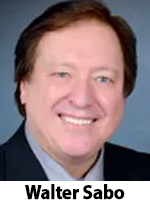 The plague of pessimism about the future of radio is fueled internally by radio employees. Doomsayers are logically found in the sales department. All day, salespeople meet with buyers. A buyer’s job is to negotiate a lower price by arguing radio’s negatives. The wall of negativity thrives within the work environment of a seller. Tough. But there is little or no reason for pessimism.
Kevin O’ Leary (a.k.a. “Mr. Wonderful” on TV’s Shark Tank) is a pragmatic investor. When asked about AI’s impact on radio, he says, “It’s the same phobia we had when television hit radio. ‘Oh, it’s going to decimate radio!’ No, it’s not. The art form exists today, even bigger, terrestrial, and in space. To me, AI is just a tool.” (Variety. January 5, 2026)
Surprising to many, radio’s audience numbers today are virtually the same as they were in 1970.
Radio Listenership Today (2020s)
Weekly Reach: As of 2022–2023, approximately 82% to 88% of Americans aged 12 and older listen to terrestrial (AM/FM) radio in a given week.
Monthly Reach: Nielsen data indicates that AM/FM radio reaches 91% of U.S. adults each month.
Daily Listening: Approximately 66% of U.S. adults listen to broadcast or streaming AM/FM radio on a daily basis.
Resiliency: Despite the rise of podcasts and music streaming, 55% of Gen Z in the U.S. still listen to AM/FM radio every day, and it remains the top reach medium, even exceeding social media.
1970s: The era of AM to FM transition and the peak of top-40 terrestrial radio, with 25 million CB radios also becoming popular in the mid-70s.
Today: While reach is still high, the amount of time spent listening is more fragmented, with radio facing competition from streaming (Spotify/Apple Music) and podcasts, although it remains the dominant ad-supported audio choice in cars.
CB radio, cassettes, 8-tracks, CDs, DVDs, Walkman, iTunes, iPhones, SiriusXM, Spotify, podcasts, Pandora… all terminators of radio. None of them made a dent. The killer of radio will be radio’s odd internal pessimism that while predicting doom that never comes drives actions that are suicidal: Elimination of audience qualitative research. Tracking. More Tracking. (Radio Fracking!) No external marketing. Endless talent cuts. No contests. (A $1,000 national contest WOW!) None of those cuts are good business because they cut potential revenues.
And yet there is a relentless, funded determination to end all FCC ownership caps allowing companies to buy more radio stations to operate with great Panglossian efficiency!
Walter Sabo has been a C-Suite action partner for companies such as SiriusXM, Hearst, Press Broadcasting, Gannett, RKO General, and many other leading media outlets. His company, HITVIEWS, in 2007, was the first to identify and monetize video influencers. His nightly show “Walter Sterling Every Damn Night” is heard on WPHT, Philadelphia. His syndicated show, “Sterling On Sunday,” from Talk Media Network, airs 10:00 pm-1:00 am ET, and is now in its 10th year of success. He can be reached by email at sabowalter@gmail.com.


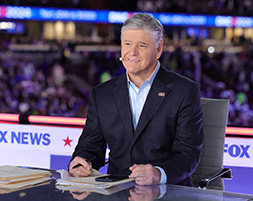 politics, and beyond. Filmed from Hannity’s new set in Florida, dubbed the personal ‘man cave,’ the show will offer a candid, behind-the-scenes look at the conversations that take place when the cameras stop rolling.” FOX News Digital and New Media president Porter Berry says, “Sean Hannity remains one of the most influential voices in media, grounded by the same values and work ethic that defined his early days. We’re thrilled to expand our podcast portfolio with one of the most accomplished broadcasters to ever pick up a microphone.” Hannity comments, “I’ve always been interested in how people got to where they are – the risks they took, the failures they pushed through, and the lessons that don’t make it on TV. This podcast is a chance to slow down and have those conversations, no scripts, no talking points, just real discussions with people who have something meaningful to say.” In addition to the podcast, Hannity will continue to host his Premiere Networks nationally syndicated radio program, “The Sean Hannity Show,” while sunsetting “Sean” on FOX Nation.
  interview due to potential implications under the Federal Communications Commission’s “equal time” rule. The rule requires broadcast licensees to provide equal opportunities to legally qualified candidates for public office if one candidate is given airtime.
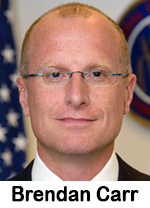 FCC Chairman Brendan Carr has indicated that the Commission is reviewing how those exemptions are applied, particularly in the context of high-profile entertainment programs that feature political figures. While no formal rule change has been adopted, CBS reportedly acted out of caution, concerned that airing the interview could trigger equal-time obligations for opposing candidates.
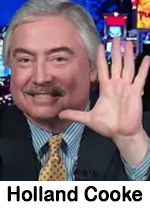 Every radio conference agenda and much of what’s-up in the trade press and chat groups is about exploiting Artificial Intelligence. Often these conversations land in one of two places: fear (“Will this replace us?”) or fascination (“Look what it can do!”). Both miss the point.
 response to Nielsen’s Counterclaims, including any motion to dismiss the Counterclaims and March 16 for Nielsen to notify the Court whether it intends to file an amended pleading. If Nielsen doesn’t amend its Counterclaims, then April 3 is the deadline for Nielsen to file its opposition to Cumulus’s
  motion to dismiss the Counterclaims, if any, and April 17 for Cumulus to file a reply, if any. Then, if Nielsen amends its Counterclaims, April 24 is the date for Cumulus to file its response to Nielsen’s amended Counterclaims, including any motion to dismiss the amended Counterclaims. May 15 is the deadline for Nielsen to file its opposition to Cumulus’s motion to dismiss the amended Counterclaims, if any, and May 28 is the deadline for Cumulus to file a reply, if any.
 The Hub – The Voice for Freedom.” The station features Salem Radio Network programming including Mike Gallagher, Hugh Hewitt, Larry Elder, and Scott Jennings, plus Compass Media Network’s Erick Erickson. The station is also airing local agribusiness programming from hosts Tony St. James and Steven Orr in morning drive.
  “Darn, if we were on FM everything would get better.” Not true. This writer launched many of the successful talk formats on FM stations in the early 1990s. The ones that worked, such as KLSX, Los Angeles; WTKS, Orlando; and New Jersey 101.5 in Trenton, were produced for the unique demands of FM. Then and today, the FM band cume utilized the radio in a completely different manner than AM audiences. The competition on FM isn’t another talk show. It’s Chapelle Roan and Taylor Swift. Ya know, billion-dollar Taylor Swift. The production values of FM music stations set the expectations of “the sound.” “Let’s pay some bills…” Followed by bumper music! Followed by eight minutes of commercials for Med Alert is just not what FMers are used to hearing on Elvis Duran. (Elvis is doing a talk show.)
 report include: When it comes to audio’s value versus TV, diehard fans are 1.4 times more likely to tune into pre- and post-game shows on radio than on TV; Local voices matter as 79% of fans say sports make them feel part of a community. Many mute national broadcasts to follow local radio calls that capture their city’s emotion and history. Audacy adds that it now ranks #1 in sports talk reach across radio and television, surpassing ESPN and FS1; When it comes to reaching Gen Z, younger fans aren’t disengaged, they follow personalities, podcasts, and audio creators instead of networks; It’s a myth that only marketing beer and betting works on sports audio: sports audio drives measurable results beyond traditional categories, with web traffic lifts on air days vs. off-air days: +105% for financial services, +42% home improvement, +22% grocery, +10% automotive.
  Kevin McCullough tells TALKERS that as of the end of January, weekly affiliates taking one or both of his weekday, or weekend “That KEVIN Shows” is up to 693. He adds, “Not only have former Eric Metaxas stations been quick to jump on board, but we are also increasingly replacing some Charlie Kirk slots as well. New adds include: KLBE-FM, Bismarck; KOMT-FM, Lake View, Arkansas; and KWPM-AM/FM, West Plains, Missouri.
 clear on what this is. This is government intimidation, not a legitimate investigation. Like many other so-called ‘investigations’ before it, the FCC will announce an investigation but never carry one out, reach a conclusion, or take any meaningful action. The real purpose is to weaponize the FCC’s regulatory authority to intimidate perceived critics of this Administration and chill protected speech. That is not how a free society operates. The First Amendment protects the right of daytime and late-night programs to cover newsworthy issues and express viewpoints without government interference. I urge broadcasters and their parent networks to stand strong against these unfounded attacks and continue exercising their constitutional rights without fear or favor.”
 If you’re on-air, it’s an important part of your job. Here’s what I see and hear working:
 TALKERS magazine, the leading trade publication serving America’s professional broadcast talk radio and associated digital communities since 1990, is pleased to participate as the presenting sponsor of the forthcoming Intercollegiate Broadcasting System (IBS) conference for the second consecutive year.

 and content for iHeart’s My Cultura podcast network. The first show from the collaboration will debut early 2026 featuring MLB’s 2025 Comeback Player of the Year and Rimas talent Ronald Acuña Jr. My Cultura Podcast Network head Leo Gomez states, “Sports aren’t just something the Latino community watches, it’s something we live. Sports are part of the culture, heritage and legacy that is woven into who we are. Partnering with Rimas Sports on amazing audio content curated by Bad Bunny and his team will allow us to bring sports and pop-culture icons like Ronald to listeners everywhere and share richer stories about how Latinos experience, elevate and redefine sports every day.”
 deal to provide a one-minute news update hosted by one of the network’s anchors to over 15,000 taxis across the country, including in New York City. In a January 21 letter to Mamdani and Taxi and Limousine Commissioner Midori Valdivia, Hoylman-Sigal stated the cabs should not carry Newsmax because of its “politically charged content.” The letter went further, stating Newsmax “is not a credible news source for New Yorkers. I urge you to summarily suspend the NYC Taxi and Limousine Commission’s partnership with Curb… and demand that Curb cease its collaboration with Newsmax as a condition of licensure given the platform’s history of misinformation and disingenuous reporting.” Newsmax says, “This is a pure act of censorship targeting a news organization reaching over 50 million Americans regularly. Newsmax plays it straight and that drives the far left crazy.”
  Linear broadcast media have never been more challenged. Internet video now commands far more viewing time than over-the-air TV. And their own networks are hijacking viewers! Your local NBC station tells you to watch Peacock. ABC points you to Disney+. CBS pushes Paramount+. Affiliates are effectively forced to promote their own competition.
 FAN Sports Network. Audacy Portland SVP and market manager Ryan Cooley states, “We’re extremely excited to partner with the Portland Timbers as we continue delivering the best local sports content and growing the FAN Sports Network. Together, we’re committed to delivering high-quality coverage and meaningful access for fans, so The Fan becoming the radio home of the Portland Timbers was a natural fit. We look forward to working closely with the club to enhance the matchday and season-long experience.”
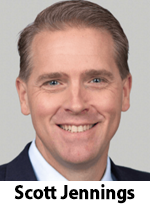 is a fearless communicator with unmatched credibility. His experience, intelligence, and no-nonsense delivery make him a strong addition to our primetime lineup. Scott doesn’t just react to the news — he shapes the conversation and arms listeners with insight they can use.” Jennings comments, “I’m thrilled to join the lineup at Seattle Red! My mission is to debunk liberal narratives, bring forward blockbuster news-making conversations, and give the audience a daily dose of common sense. Can’t wait to be part of this terrific station!”
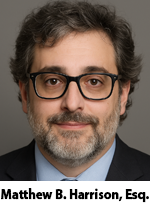 For years, “protect your name and likeness” sounded like lawyer advice in search of a problem. Abstract. Defensive. Easy to ignore. That worked when misuse required effort, intent, and a human decision-maker willing to cross a line.
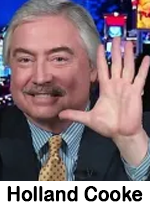 Notice how often you see one in TV commercials, even when the product has nothing to do with pets? I see spots for a local building supply outlet, in which the owner’s dog ambles through every shot, then plops down – seeming to smile – among employees in the closing shot.
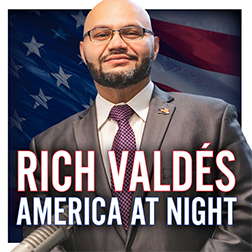 Media Federation and its streaming network Festiva TV syndication partnership. The deal will make Valdés’ late-night show exclusively in Spanish to Roku’s 90 million+ subscribed households. Valdés’ English-language show continues to be available via iHeartRadio, and Valdés says he is “completely open to English syndication opportunities across terrestrial radio, cable television, and streaming platforms like Rumble—building on my ongoing work in those spaces.”
 gathering – will take place February 19-21 at the Sheraton Times Square Hotel in midtown Manhattan.