Industry News

Top News/Talk Media Stories This Past Week (August 18 – 22, 2025)

Here are the most talked about stories of the past week (8/18-22) on news/talk radio and related talk media according to TALKERS:

Stories

1. Russia-Ukraine Negotiations
2. Texas & California Redistricting
3. The Economy/Fed Policy
4. Tariffs
5. Federal Takeover of DC
6. The Epstein Files
7. ICE Raids
8. Israel-Gaza War
9. Trump vs The Smithsonian
10.Trump Voting System Criticisms / Newsmax-Dominion Settlement

People

1. Donald Trump
2. Vladimir Putin
3. Volodymyr Zelensky
4. Greg Abbott
5. Gavin Newsom
6. Jerome Powell / Lisa Cook
7. Jeffrey Epstein / Ghislaine Maxwell
8. Kristi Noem
9. Pam Bondi
10.Benjamin Netanyahu

To see the full TALKERS Stories, Topics, and People Charts, please click HERE.

Industry News

“ESPN Chicago” Unveils New Program Schedule

Good Karma Brands’ WMVP-AM “ESPN Chicago” revamps its program schedule as it adds the nationally syndicated Rich Eisen Show to the midday daypart. Effective September 2, the lineup will be as follows:img ESPN Radio’s “Unsportsmanlike” starring Evan Cohen, Chris Canty and Michelle Smallmon from 5:00 am to 6:00 am; “Kap and J. Hood” from 6:00 am to 9:00 am; “Carmen and Jurko” from 9:00 am to 12:00 noon; Rich Eisen from 12:00 noon to 2:00 pm; “Bleck and Abdalla” from 2:00 pm to 3:00 pm; and “Waddle and Silvy” from 3:00 pm to 6:00 pm. ESPN Chicago director of content Danny Zederman states, “Our lineup has never been stronger. Adding a powerhouse like Rich Eisen to our midday slot not only gives our fans one of the most respected voices in sports, but we’ve also expanded our local content with an uninterrupted hour of ‘Bleck and Abdalla.’ This combination of national and local perspectives makes us the go-to station for sports fans in Chicago.”

Industry Views

Could Your Own Podcast Become Your AI Competitor?

By Matthew B. Harrison
TALKERS, VP/Associate Publisher
Harrison Media Law, Senior Partner
Goodphone Communications, Executive Producer

mattybharrisonImagine a listener “talking” to an AI version of you – trained entirely on your old episodes. The bot knows your cadence, your phrases, even your voice. It sounds like you, but it isn’t you.

This isn’t science fiction. With enough content, it’s technically feasible today. A determined developer could transcribe archives, fine-tune a language model, and overlay a cloned voice. The result wouldn’t be perfect, but it would be recognizable.

Whether that’s legal is another question – one circling directly around fair use.

Why It Matters

For most content creators, archives are their most valuable asset. Yet many contracts with networks, distributors, or hosting platforms quietly grant broad rights to use recordings in “new technologies.” That language, once ignored, could be the legal hook to justify training without your permission.

Fair use is the fallback defense. Tech companies argue training is transformative – they aren’t re-broadcasting your show, only using it to teach a machine. But fair use also weighs market harm. If “AI You” pulls listeners or sponsors away from the real thing, that argument weakens considerably.

Not Just Theory

Other industries are already here. AI has generated convincing tracks of Frank Sinatra singing pop hits and “new” stories written in the style of Jane Austen. If that can be done with a few books or albums, thousands of podcast episodes provide more than enough material to train a “host model.”

Talk media is especially vulnerable because its product is already conversational. The line between “fan remix” and “AI imitation” isn’t as wide as it seems.

What You Can Do

This isn’t about panic – it’s about preparation.

— Review your contracts: confirm you own your recordings and transcripts.
— Register your work: enforceable rights are stronger rights.
— Decide your stance: licensing your archives for training might be an opportunity – if you control it.
— Emphasize authenticity: audiences still value the human behind the mic.

The Takeaway

Could your podcast be turned into your competitor? Yes, in theory. Will it happen to you? That depends on your contracts, your protections, and the choices you make.

Fair use may ultimately decide these battles, but “fair” is not the same as safe. Consider this example a reminder: in the AI era, your archive is not just history – it is raw material.

Matthew B. Harrison is a media and intellectual property attorney who advises radio hosts, content creators, and creative entrepreneurs. He has written extensively on fair use, AI law, and the future of digital rights. Reach him at Matthew@HarrisonMediaLaw.com or read more at TALKERS.com.

Industry News

Mike McVay to Receive National Radio Award

National Association of Broadcasters announce that Mike McVay will be honored with the 2025 NAB National Radio Award. NAB president and CEO Curtis LeGeyt says, “NAB is thrilled to recognize Mike forimg his remarkable contributions to the radio industry over the past four decades. Mike’s deep expertise, creative vision and unwavering commitment to excellence have shaped countless careers, inspired new generations of broadcasters and driven innovation in every corner of the audio industry. His ability to nurture talent and create programming that resonates with audiences makes him a most deserving recipient of this year’s National Radio Award.” McVay is president of McVay Media and recently served as EVP of content and programming for Cumulus Media and the Westwood One radio network. NAB says the celebrated media strategist, programmer, talent coach and industry leader will receive this prestigious accolade during the NAB Marconi Radio Awards at the 2025 NAB Show New York.

Industry News

Yesterday’s Top News/Talk Media Stories (8/20)

The most discussed stories yesterday (8/20) on news/talk radio and related talk media according to TALKERS research:

1. Russia-Ukraine War Negotiations
2. Texas Redistricting
3. Fed Policy-Trump Demands Cook Resign
4. ODNI Cuts
5. Federal Takeover of DC

Industry News

Good Karma Names Lam “ESPN LA” Market Manager

Good Karma Brands promotes Tommy Lam to market manager for KSPN-AM “ESPN Los Angeles.” Lam previously served as general sales manager and senior director of marketing. Good Kama SVP Sam Pinesimg says, “Tommy’s deep roots in the Los Angeles media landscape, combined with his passion for building brands and connecting with the community, make him the ideal leader for ‘ESPN LA.’ He has excelled at leading teammates across sales, marketing, and support, serving as a strong conduit between those areas and the content team. His proven track record of innovation and results will continue to elevate the brand’s reach and impact with fans and partners.” Lam comments, “I am honored to take on this role and continue building on ESPN LA’s momentum. Los Angeles is one of the most dynamic sports markets in the world, and I’m excited to work with our talent team to deliver outstanding experiences for our fans, partners and teammates.”

Industry News

Yesterday’s Top News/Talk Media Stories (8/19)

The most discussed stories yesterday (8/19) on news/talk radio and related talk media according to TALKERS research:

1. Russia-Ukraine War Meetings
2. Trump vs Smithsonian
3. Guard Troops in DC-Crime Stats Challenge
4. Texas & California Redistricting
5. Security Clearance Revocations

Industry News

Yesterday’s Top News/Talk Media Stories (8/18)

The most discussed stories yesterday (8/18) on news/talk radio and related talk media according to TALKERS research:

1. Trump-Zelensky-EU Meeting
2. More Guard Troops to DC
3. The Epstein Files
4. Trump on Mail-In and Voting Machines
5. Newsmax-Dominion Settlement

Industry News

Missanelli’s Exit from “The Fanatic” Appears to Be Budget Related

Philadelphia sports talk host Mike Missanelli was abruptly let go from Beasley Media Group’s sports talkimg WPEN-FM 97.5 The Fanatic on August 8 after almost a year back behind the mic at the station. Missanelli joined sister rock WMMR’s Kathy Romano – a cast member of the “Steve and Preston Show” – was also let go. Beasley issued the following public statement: “We are very grateful for his contributions to the station and our listeners, and we wish him all the best.”

Industry News

Former KMJ, Fresno News Anchor Ron McCary Dies

Former longtime KMJ, Fresno news anchor Ron McCary died on Friday (8/15) at the age of 80. According to the station, McCary served with KMJ for almost two decades as a news anchor, traffic reporter, andimg anchor of the agriculture report. McCary also taught high school locally and served as a substitute teach until his retirement in 2018. KMJ says, “McCary’s background as an English teacher gave him a solid foundation as a reporter. KMJ staff could turn to him for his historical knowledge, a valuable asset and vital to a newsroom. His command of the English language was equally impressive and he often corrected bemused coworkers and hosts for any grammatical infractions.”

Industry News

KSPN-AM, Los Angeles Extends Rams Coverage

Good Karma Brands’ KSPN-AM “ESPN Los Angeles” extends its partnership with the NFL’s Los Angeleskspn am Rams. ESPN LA VP and market manager Sam Pines says, “The Los Angeles Rams are one of the most exciting and dynamic franchises in the NFL, and we are proud to be their partner and the radio home. This partnership allows us to deliver unmatched access, exclusive content, and the passionate game-day energy Rams fans deserve on the radio, online, on our app, and everywhere else they connect with us and our talent.”

Industry News

Top News/Talk Media Stories Over the Weekend (8/16-17)

The most discussed stories over the weekend on news/talk radio and related talk media according to TALKERS research:

1. Trump-Putin Meeting
2. Guard Troops in DC
3. Texas & California Redistricting
4. The Epstein Files
5. ICE Raids

Industry News

Top News/Talk Media Stories This Past Week (August 11-15, 2025)

Here are the most talked about stories of the past week (8/11-15) on news/talk radio and related talk media according to TALKERS:

Stories

1. Trump-Putin Summit / Russia Ukraine War
2. Trump Tariffs / Economy / Social Security
3. Texas Redistricting Battle
4. Israel-Gaza War
5. The Epstein Files
6. National Guard in Washington, DC
7. ICE Raids
8. DOJ’s Trump-Russia Investigation
9. Artificial Intelligence
10.Trump Lincoln Center Plans / Melania to Sue Hunter Biden

People

1. Donald Trump
2. Vladimir Putin / Volodymyr Zelenskyy
3. Benjamin Netanyahu
4. Jeffrey Epstein / Ghislaine Maxwell
5. Greg Abbott
6. Kristi Noem / Pam Bondi
7. Xi Jinping / Narendra Modi
8. Sam Altman / Elon Musk
9. Sylvester Stallone / Gloria Gaynor / KISS
10.Barack Obama / Joe Biden / Melania Trump / Hunter Biden

To see the full TALKERS Stories, Topics, and People Charts, please click HERE.

Industry News

Yesterday’s Top News/Talk Media Stories (8/13)

The most discussed stories yesterday (8/13) on news/talk radio and related talk media according to TALKERS research:
1. Trump-Putin Meeting / Israel-Gaza War
2. Trump Tariffs / DC National Guard Deployment
3. ICE Raids
4. Texas Redistricting
5. Epstein Files / Lincoln Center

Industry Views

Who Said That? A Practical Guide to Voice Imitation Risk

By Matthew B. Harrison
TALKERS, VP/Associate Publisher
Harrison Media Law, Senior Partner
Goodphone Communications, Executive Producer

imgArtificial intelligence now makes it possible to replicate a human voice with striking accuracy. For broadcasters, podcasters, and content creators, the central question is: When does using or imitating a voice become a legal problem? The answer depends on the person being imitated, the purpose of the use, and the rights attached to that voice. Below is a six-bucket framework to help evaluate the risk.

Bucket 1 – Human Imitation of a Living Person
Example: In Midler v. Ford Motor Co. (1988), Ford hired a singer to imitate Bette Midler’s voice for a commercial after she declined. Legal focus: Right of publicity, false endorsement, misappropriation of identity. Risk: High – especially for commercial use without parody or commentary.

Bucket 2 – AI Cloning of a Living Person
Example: AI trained on hours of a broadcaster’s work generates new scripts in that broadcaster’s voice. Legal focus: Same as Bucket 1, plus emerging AI laws in several states. Risk: Very high – AI makes imitation faster, more precise, and harder to defend as coincidental.

Bucket 3 – AI Cloning of a Deceased Person Within Post-Mortem Publicity Window
Example: An AI-generated George Carlin special, written by humans but performed in a Carlin voice model. Legal focus: Post-mortem right of publicity, lasting 20–100 years depending on the state. Risk: High without estate authorization, even if marketed as a tribute.

Bucket 4 – Historical/Public Domain Figures
Example: Voicing George Washington in an original script. Legal focus: Minimal – rights generally end at death and do not extend for centuries. Risk: Low unless portrayal implies a false endorsement of a current product or service.

Bucket 5 – Corporate Library Owner Using AI to Create New Content
Example: A company acquires a complete host archive, such as Howard Stern’s, and uses AI to create new programming in that voice. Legal focus: Copyright in recordings is separate from publicity rights in the voice. Owning the archive does not automatically permit new performances in that voice. Risk: High without explicit contractual rights to name, likeness, and voice for future works.

Bucket 6 – Inspired-By Voice Not Clearly Identifiable as a Specific Person
Example: An AI voice styled as “a gravelly, old-school talk radio host” without matching a real person. Legal focus: Minimal unless resemblance convinces listeners it is a specific individual. Risk: Low to moderate, depending on closeness to a real identity.

Decision Path
Before using a recognizable voice, ask: 1. Is the person living or deceased? 2. If deceased, are they within their state’s post-mortem publicity period? 3. Is the voice a deliberate imitation? 4. Do you have written permission? 5. Is the purpose parody, commentary, or other transformative use?

Takeaways
Talent: Protect your voice rights in contracts, including AI uses. Buyers: Archive ownership does not guarantee the right to generate new voice content. Creators: Parody and commentary may help, but they are not blanket defenses. As voice cloning becomes more accessible, securing clear rights before production remains the safest path. The cost of permission is almost always less than the cost of defending a lawsuit.

Matthew B. Harrison is a media and intellectual property attorney who advises radio hosts, content creators, and creative entrepreneurs. He has written extensively on fair use, AI law, and the future of digital rights. Reach him at Matthew@HarrisonMediaLaw.com or read more at TALKERS.com

Industry News

Yesterday’s Top News/Talk Media Stories (8/12)

The most discussed stories yesterday (8/12) on news/talk radio and related talk media according to TALKERS research:
1. Trump Tariffs / DC National Guard Deployment
2. Forthcoming Trump-Putin Meeting / Israel-Gaza War
3. ICE Raids / Texas Target Shooting
4. Texas Redistricting
5. Epstein Files

Industry News

Ed Herman Joins Big Toe Media, LLC as Partner in Ownership of KLIS Radio, St. Louis

KLIS
 

St. Louis-based Big Toe Media, LLC, the recently launched media company behind The Lou Information Station (KLIS 590 AM), has announced that Ed Herman, managing partner of Brown & Crouppen Law Firm, has officially joined the company as a partner (8/12).  The company tells TALKERS that Herman, a prominent voice in the St. Louis legal and media communities, brings with him a wealth of experience in brand development, audience engagement, and community impact. Herman’s investment in Big Toe Media signals a bold step forward in the company’s mission to reshape local talk radio and digital content.  “Ed has been part of building one of the most recognizable brands in St. Louis through innovation and an unwavering focus on connecting with people,” says Dave Greene, cofounder of Big Toe Media. “His belief in our vision—and his decision to invest in it—gives us the momentum and credibility to take KLIS to the next level.”  KLIS 590 AM, now branded as The Lou Information Station, is being reimagined as a locally driven platform for talk radio, live video streaming, podcasts, and real-time digital engagement. Programming focuses on the people and stories that matter most to the St. Louis region. “I’ve always believed in using media to empower and inform,” says Herman. “While I’ll continue serving as managing partner at Brown & Crouppen, joining Big Toe Media gives me the chance to be part of something that’s not just entertaining – but truly meaningful. This is local media done right.”  With Herman on board, Big Toe Media plans to continue expanding original programming, investing in local talent, and creating new advertising and sponsorship opportunities that serve both listeners and the region’s business community.

Industry News

“Verdict with Ted Cruz” Reaches 200th Affiliate Milestone

Verdict With Ted Cruz Header

Premiere Networks announced today (8/12) that “Verdict with Ted Cruz” has reached the 200th affiliate milestone with the addition of Audacy’s WRVA 1140 AM / 96.1 FM – Richmond’s News & Talk. Effective immediately, the weekly one-hour program joins the station in the 9:00 pm ET timeslot on Sundays.  WRVA logo 2020The program is hosted by U.S. Senator Ted Cruz and Premiere Networks-syndicated radio personality and podcaster Ben Ferguson who break down the most important news stories of the week and what they mean for Americans. “Verdict with Ted Cruz was first launched as a podcast in January 2020. Premiere Networks expanded the podcast into a weekly one-hour radio program for talk radio stations, which debuted on 100 stations in April 2025.

Industry News

Yesterday’s Top News/Talk Media Stories (8/11)

The most discussed stories yesterday (8/11) on news/talk radio and related talk media according to TALKERS research:

1. Trump Tariffs / DC National Guard Deployment
2. Forthcoming Trump-Putin Meeting
3. Israel-Gaza War
4. Texas Redistricting
5. Epstein Files

Industry News

Top News/Talk Media Stories Over the Weekend (8/9-10)

The most discussed stories over the weekend on news/talk radio and related talk media according to TALKERS research:

1. Tariffs Go into Effect
2. Deadly CDC Shooting
3. Trump Federal Takeover of DC
4. Trump-Putin Meeting
5. Israel’s Gaza City Takeover

Industry News

Top News/Talk Media Stories This Past Week (August 4 – 8, 2025)

Here are the most talked about stories of the past week (8/4-8) on news/talk radio and related talk media according to TALKERS:

Stories

1. Trump Tariffs
2. The Economy / Fed Policy
3. Texas Redistricting Battle
4. Potential Trump-Putin Meeting
5. The Epstein Files
6. Fort Stewart Shooting
7. ICE Raids / Detention Camp Plans
8. Israel-Gaza War
9. DOJ’s Trump-Russia Investigation
10.Sydney Sweeney Controversy

People

1. Donald Trump
2. Jerome Powell
3. Greg Abbott
4. Vladimir Putin
5. Jeffrey Epstein / Ghislaine Maxwell
6. Quornelius Radford
7. Kristi Noem
8. Pam Bondi
9. Benjamin Netanyahu
10.Sydney Sweeney

To see the full TALKERS Stories, Topics, and People Charts, please click HERE.

Industry News

WGN’s Dave Eanet to Retire; Andy Masur Named AM Sports Anchor

WGN Radio morning drive sports anchor Dave Eanet is retiring from his role on the Bob Sirott morning show. The station announces that Andy Masur will assume the sports anchor position effective August 28. Eanet is not retiring from broadcasting as he’ll continue as play-by-play voice for Northwestern Wildcatimg football and men’s basketball games broadcast on WGN and he’ll also serve as a fill-in anchor on the WGN-TV sports desk. Eanet says, “Can’t believe it’s been 41 years since I first set foot in the WGN studios. As I close this chapter of my career, imgthe word that comes to mind is ‘grateful.’ I’m so thankful to the entire WGN family for their friendship and support over the years. It’s not just the names you know, but the entire crew on and off the air. I’m forever indebted to the managers, engineers, producers, newspeople, sales team, and all the others who have made WGN such a special place to work. Most of all, I’m thankful to the listeners who have a special relationship with this station.” WGN Radio VP and general manager Mary Sandberg Boyle says, “I am thrilled to share that our own Andy Masur will assume morning show sports duties going forward. Andy is a talented broadcaster who has built a rapport with the WGN Radio audience as a regular fill-in for Dave and as our weekend sports anchor. We are lucky to have him.”

Industry News

Ben Stevens Joins VSiN

VSiN, The Sports Betting Network announces the addition of Ben Stevens to it staff. Most recently,img Stevens anchored weekday mornings on SportsGrid. VSiN EVP Steve Cohen says, “Ben is a terrific addition to the most trusted brand in sports betting information at a time when sports fans across the country look to us for information that helps them make informed college football wagering decisions. A seasoned on-air sports betting talent that can speak across all major sports, ‘Big 10 Ben’ has deep expertise in college football that our viewers and listeners will enjoy.”

Industry News

Yesterday’s Top News/Talk Media Stories (8/6)

The most discussed stories yesterday (8/6) on news/talk radio and related talk media according to TALKERS research:

1. Trump Tariffs Kick In
2. Potential Trump-Putin Meeting
3. Fort Stewart Shooting
4. ICE Raids
5. Israel-Gaza War

Industry News

Yesterday’s Top News/Talk Media Stories (8/5)

The most discussed stories yesterday (8/5) on news/talk radio and related talk media according to TALKERS research:

1. The Economy / Trump vs The Fed
2. Sanctions on Russia
3. Tariffs
4. Texas Redistricting Battle
5. The Epstein Files

Industry News

Bonneville Rebrands KTTH as “Seattle Red”

Bonneville announces that news/talk KTTH-AM, Seattle is underscoring its conservative content as it rebrands the station as “Seattle Red.” Bonneville says, “Seattle Red’s identity reflects fresh conservative voices and growing influence in the Pacific Northwest. This transformation marks more than just a nameimg change; it’s the launch of a dynamic new digital platform delivering hard-hitting conservative news, thought provoking opinions, and exclusive investigative reports headlined by Jason Rantz. ‘Seattle Red’ will be the definitive home for conservative content, expanding our reach, sharpening our brand, and doubling down on our mission to challenge the status quo.” It adds, “At the heart of ‘Seattle Red’ is Jason Rantz, whose live and local content brings a distinctly Seattle perspective to issues that matter most.” KTTH program director Jason Antebi says, “Our new identity as Seattle Red introduces a thriving community and home for conservatives in the Pacific Northwest. We’re building a media platform that amplifies bold voices, breaks real news, and isn’t afraid to challenge the narrative.”

Industry News

WWO: Creative is the Key Sales Driver

Suffice it to say that all the planning and targeting in the world is for naught if your audio ad stinks. This week’s blog from Cumulus Media | Westwood One’s Audio Active Group looks at several studios to determine what actually drives sales and one of the key takeaways from a study by NCSolutions isimg “creative quality is the number one sales driver” and this is often a surprise to advertisers and media agencies who think media tactics (targeting, reach, etc.) drive the most sales. It’s for good reason that everyone wants high brand awareness. A major study from TikTok reveals the greater a brand’s awareness, the greater the purchase conversion. Brands with high aided awareness have 2.86x greater conversion rates compared to low awareness brands. But not all categories operate similarly, Podscribe says that purchase conversion varies widely by advertising category and advises that it’s important to understand the purchase conversion benchmarks for your product category. See the full blog post here.

Industry Views

They Say YOU Infringed – But Do THEY Own the Rights?

By Matthew B. Harrison
TALKERS, VP/Associate Publisher
Harrison Media Law, Senior Partner
Goodphone Communications, Executive Producer

imgYou did everything right – or so you thought. You used a short clip, added commentary, or reshared something everyone else was already posting. Then one day, a notice shows up in your inbox. A takedown. A demand. A legal-sounding, nasty-toned email claiming copyright infringement, and asking for payment.

You’re confused. You’re cautious. And maybe you’re already reaching for the fair use defense.

But hold on. Before you argue about what you used, ask something simpler: Does the party accusing you actually own the rights?

Two Main Reasons People Send Copyright Notices

1. They believe they’re right – and they want to fix it.  Sometimes the claim is legitimate. A rights-holder sees their content used without permission and takes action. They may send a DMCA takedown, request removal, or ask for a license fee. Whether it’s a clip, an image, or a music bed – the law is on their side if your use wasn’t authorized.
2. They’re casting a wide net – or making a mistake. Other times, you’ve landed in a mass enforcement dragnet. Some companies send thousands of notices hoping a few people will pay – whether or not the claim is strong, or even valid. These are often automated, sometimes sloppy, and occasionally bluffing. The sender may not own the rights. They may not even know if what you used was fair use, public domain, or licensed.

Mistakes happen. Bots misidentify content. Images get flagged that were never protected. Even legitimate copyright holders sometimes act too fast. But once a notice goes out, it can become your problem – unless you respond wisely.

The First Thing to Check Is Ownership

Most creators instinctively argue fair use or say they meant no harm. But those aren’t the first questions a lawyer asks.

The first question is: “Do they have standing to bring the claim?”

In many cases, the answer is unclear or flat-out “no.” Courts have dismissed copyright lawsuits where the claimant couldn’t show ownership or any active licensing interest. If they can’t demonstrate control over the work – and actual market harm – they may not have the right to sue.

What To Do If You Get a Notice

Don’t panic. Not all claims are valid – and not all claimants are in a position to enforce them.
Don’t assume fair use will protect you. It might, but only after ownership is clear.
Don’t engage emotionally. Responding flippantly can escalate things fast.
Do get help early. A media attorney can help you assess whether the claim is real – and whether the sender has any legal ground at all.

Matthew B. Harrison is a media and intellectual property attorney who advises radio hosts, content creators, and creative entrepreneurs. He has written extensively on fair use, AI law, and the future of digital rights. Reach him at Matthew@HarrisonMediaLaw.com or read more at TALKERS.com.

Industry News

Audacy Webinar on Marketing with Audio is Today at 2:00 pm ET

Audacy is presenting a webinar this afternoon (8/5) at 2:00 pm ET addressing the value of audio in connecting brands with customers. The webinar features a panel of marketers and media expertsimg exploring the audio strategies behind real business success to provide behind-the-scenes insights, creative inspiration, and tips from brands that are scaling with sound. Topics being addressed include: 1) What makes audio such an effective channel for performance and brand-building. 2) How local advertisers are using radio to stand out and win more wallet share. 3) Why podcast hosts have become some of the most trusted voices in advertising. And 4) Lessons learned: real-world advice from brands turning listeners into loyal customers. You can register here.

Industry News

Yesterday’s Top News/Talk Media Stories (8/4)

The most discussed stories yesterday (8/4) on news/talk radio and related talk media according to TALKERS research:

1. Texas Redistricting Battle
2. Tariffs
3. ICE Raids / Detention Camps Plans
4. DOJ’s Trump-Russia Investigation
5. Sydney Sweeney Controversy

Industry Views

Monday Memo: How You Tune Them Out?

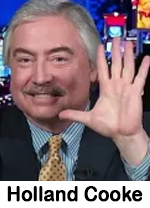
By Holland Cooke
Consultant

imgUnintentionally, your poorly phrased comment, dated reference, weary cliché, or offhand remark can at least subtly distance you from your listener and could undercut your credibility, offend, or even spark backlash.

Whether you’re a broadcaster, podcaster, newscaster, or you are crafting commercial or promo copy, take a fresh look at these often-overlooked pitfalls.

Dated references: Nothing can disrupt your listener’s day quicker than quickly changing weather. Being thought of as a weather source can advantage any station in any format. But you risk that currency by calling tomorrow “…a carbon copy of today.” Few under 50 have ever used carbon paper. And with weather more erratic lately, implying otherwise can make your forecast sound – forgive me – “like a broken record.” Also antique: “Rolodex,” now that listeners’ smartphones have “Contacts.” So, purge old-speak from “the radio dial.” Listeners (and advertisers) notice when we keep-up… or don’t.

Stereotyping: 

— “Soccer mom in a SUV” sure is the retail super-consumer advertisers want to see pull-into the parking lot. Visualize her in programming and promotion planning and sales prospecting… OFF-air stuff. But reinforcing gender roles and class assumptions ON-air paints a narrow picture of parenting and lifestyle, potentially alienating women.
— “You know how Millennials are.” Yes – like “Generation X” – they dislike being typecast, and you sound out-of-touch and judgmental.
— Calling someone “a Karen” can alienate listeners who have felt ridiculed suffering a situation similar to whatever you’re describing. And there are millions in the potential ratings sample named… Karen.
— “Probably some college kid with no clue how to drive in the snow” implies incompetence based on age and background. This kind of dig can undermine younger listeners or newcomers to your market.

Stereotypes are lazy, often a shortcut to humor or imagery. Ask yourself: “Is this something I’d say to someone’s face?”

im

Insensitive Humor: “Looks like someone forgot their meds today!” can offend those quietly dealing with anxiety, or depression. Pandemic silver lining: Mental health is no longer a laughing matter. You may have seen TV PSAs by Howie Mandel, sharing how ADHD has impacted his life and asking that it not be a punchline.

“Potty-mouth:” Mom and Dad’s just-the-two-of-them vocabulary is different than the way they speak with kids in the car, and what they want to hear their children repeat after hearing on radio.

— “Pissed-off” has become unnecessarily familiar, particularly with recent inflation…with which we are “annoyed,” “fed-up,” and “frustrated.”
— Even if something sounds commonplace, origins or implications may make it unsuitable for all-audience radio. “Scumbag” began as a term for condom. “Sucks” and “screwed” also have sexual roots some consider vulgar.

Taboo red flags:

— “No offense, but…” or “I’m just saying…” often precede something offensive.
— “It’s just a joke!” often follows a crack at the expense of marginalized groups.
— “Everyone thinks that…” overgeneralizes and can alienate those who disagree.
— Mocking accents or speech patterns can come across as disrespectful rather than entertaining.
— “Real [men/women] do…” Gendered assumptions can feel exclusionary or outdated.
— “This [group] is always…” Sweeping characterizations often reinforce stereotypes.

Words have weight. In a medium where tone, timing, and trust matter, what we say – and how we say it – can either strengthen listener connection or erode it.

NEXT WEEK: Topics to Tune-IN the listeners you want most.

Holland Cooke (HollandCooke.com) is a media consultant working at the intersection of broadcasting and the Internet. Follow HC on Twitter @HollandCooke

Industry News

Top News/Talk Media Stories Over the Weekend (8/2-3)

The most discussed stories over the weekend on news/talk radio and related talk media according to TALKERS research:

1. Tariff Deals
2. Jobs Numbers / Erika McEntarfer Fired
3. Texas Redistricting Controversy
4. The Epstein Files
5. Loni Anderson Dies