Industry News

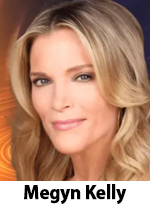
Megyn Kelly Calls Out FOX Over Charlie Kirk

The murder of Charlie Kirk has spawned a lot of storylines, not the least of which are the issues of freedom of speech and political violence. But it is also seeing conservative media figures fight among themselves. Onimg her SiriusXM podcast, former FOX News Channel star Megyn Kelly criticized FOX for, as she calls it, talking like he was theirs. “It’s really bothering me how FOX News is talking about Charlie, like he was theirs — he wasn’t. It’s a lie. Just stop.” Kelly accuses FOX of making Kirk persona non grata after the company fired Tucker Carlson because Kirk was supportive of Carlson. The story from Newsmax adds that “Kirk appeared to be completely absent from FOX News in 2023 after Carlson’s firing and early 2024 – though Kelly claimed the network would give him brief appearances to cover for their effective ban.” The Newsmax piece goes on to quote Kirk on the matter. “Since Tucker’s departure, I haven’t been on. And so we had to do an event without FOX. And that was a great thing, man, because sometimes desperation is the mother of innovation, right?” Read the Newsmax story here.

Industry News Sarugami

AM Radio Bill Speeds Through Markup in Congress

The House Energy and Commerce Committee advanced the “AM Radio for Every Vehicle Act” during a full committee markup on a 50-1 vote. The bill now goes to the House floor for a vote. Amendments to the bill include a shortening of the sunset of the proposed law from 10 to eight years as well as the bill now directing the Government Accountability Office to study the potential impacts of the requirement on automotive innovation and vehicle safety, as well as the feasibility of alternative emergency alert systems. National Association of Broadcasters notes that public sentiment if behind the bill as a recent survey indicates 83% of respondents strongly support keeping AM radio in new cars so drivers can access free emergency warnings and public safety information while on the road. NAB president and CEO Curtis LeGeyt says, “Today’s decisive committee vote sends a clear message: AM radio remains essential to public safety, and every American deserves access to it in their car. We thank Chairmen Guthrie and Bilirakis, Ranking Member Pallone and members of the committee for overwhelmingly advancing this bipartisan legislation. Policymakers and consumers alike recognize AM radio’s essential role in delivering emergency alerts and reliable information when it matters most. We urge House and Senate leadership to move swiftly to pass this bill and preserve this vital service for the American public.”

Industry News Sarugami

Kirk Slaying Pushes First Amendment into Spotlight in Talk Media Industry

The aftermath of the killing of Charlie Kirk last week has made the First Amendment an issue being discussed not only by the public but also one hitting home for talk media practitioners. Wednesday’s suspension of the “Jimmy Kimmel Live!” program by ABC/Disney after television giants Sinclair Broadcast Group and Nexstar Media Group complained about Kimmel’s comments on Kirk’s death and said they would stop carrying the show dominated the news cycle. While FCC Chairman Brendan Carr stated at the POLITICO AI & Tech Summit that the FCC should not be investigating social media posts celebrating Kirk’s slaying, saying, “I think you can draw a pretty clear line, and the Supreme Court has done this for decades, that our First Amendment, our free speech tradition, protects almost all speech,” his statement comes not long after Attorney General Pam Bondi suggested her office should be investigating hate speech, infuriating many conservatives who outright reject the concept of hate speech. ABC/Disney’s decision to air or not air the Kimmel program is not an infringement of Kimmel’s First Amendment rights but both Sinclair and Nexstar have mergers or acquisitions before federal bodies – including the FCC – and some critics of the Kimmel suspension note that the Trump administration will consider Kimmel’s ouster a “friendly” move. It is also worth noting that FCC Chairman Carr appeared on the Benny Johnson podcast and called Kimmel’s statements “some of the sickest conduct possible” and added, “This is a very, very serious issue right now for Disney… We can do this the easy way or the hard way.” Finally, there are those who are pointing out that Charlie Kirk was an adamant supporter of the First Amendment who would disagree with the calls to suppress free speech – even callous speech mocking his own death.

Industry Views

An Attack on One Is an Attack on All: Why the Radio Industry Must Respond

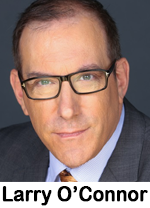
By Larry O’Connor
Talk Radio Host
WMAL-FM, Washington, DC

imgIn the wake of Charlie Kirk’s murder, one would expect every company that owns a talk radio station, every network that syndicates conservative voices, and every corporation that employs talk radio hosts to issue a unified statement of defiance. This was not just an attack on Charlie; it was an attack on the entire industry of talk radio, on the free exchange of ideas, and on the First Amendment itself. Yet, shockingly, most of these companies have remained silent. That silence is unacceptable. At a moment like this, the industry should stand shoulder to shoulder and declare to the world: we will not be intimidated, we will not be silenced, and we will never abandon the microphone.


We Will Not Be Silenced

The news of Charlie Kirk’s brutal murder has shaken us to our core. For those of us behind a microphone each day, it was not just an attack on a friend, a colleague, or a leader – it was an attack on our entire industry, our movement, and the very principle of free speech.

Charlie was more than a conservative activist. He was a broadcaster, a communicator, a man who understood the power of radio and its unmatched ability to reach Americans where they live, work, and drive. He embraced our medium because he knew it could bypass the gatekeepers and speak truth directly to millions. And for that reason – because he was effective, fearless, and unrelenting – he was targeted.

Let’s be clear: this was not random violence. This was political violence. It was meant to silence a voice. And in silencing that voice, it was meant to intimidate the rest of us. To scare us into pulling our punches. To warn us that telling the truth has consequences.

Well, here’s the truth: we will not be intimidated, and we will not be silenced.

Conservative talk radio is the last truly free public square in America. We don’t answer to corporate boardrooms in New York or Silicon Valley. We answer to our listeners – the American people. Every morning and every afternoon, millions tune in because they know they will hear what the mainstream media refuses to cover. They come to us because they trust us to tell it straight. And if anyone thinks the murder of Charlie Kirk is going to drive us off the airwaves, they don’t understand who we are.

The history of talk radio is the history of resilience. From Rush Limbaugh to Charlie Kirk, our voices have endured smear campaigns, advertiser boycotts, government threats, and now, tragically, deadly violence. Yet every time they try to shut us down, we come back stronger. Every time they think they’ve broken us, our audience grows.

Charlie’s death is a wound, but it is also a call to arms – not with weapons, but with words. Words of truth. Words of conviction. Words that cannot be cancelled, cannot be censored, and cannot be silenced by fear.

As an industry, we stand together today. Whether you broadcast from a major market station or a small-town affiliate, whether your show runs nationally or locally, we are united. Charlie’s microphone may have been forced into silence, but ours will burn brighter because of it. We will carry his message, his courage, and his relentless pursuit of truth forward.

To Charlie’s family, we grieve with you. To our listeners, we stand with you. And to those who think violence can silence ideas: you are wrong. The ideas of liberty, faith, and American exceptionalism will ring louder than ever.

Charlie Kirk is gone, but the cause he championed lives on. His voice echoes in every one of ours. And we will keep talking. We will keep broadcasting. We will keep fighting – together.

Because in the end, freedom always wins.

Larry OConnor is the morning drive host at Cumulus Media’s WMAL-FM, Washington, DC. He can be emailed at stagerightblogger@gmail.com.

Industry Views

Won’t Get Fooled Again (Hopefully)

By Charles Heller
Talk Host / Account Executive
KVOI, Tucson

imgGrief for the loss of Charlie Kirk is palpable around the world. Broadcasters who interviewed him or had anything to do with the Turning Point organization were deeply touched by his tragic death.

Sunday, I played a tribute song to Charlie Kirk that I thought was by English singer/songwriter Ed Sheeran. Later I played one supposedly by Adelle. It seemed rather strange that they could produce and publish songs in three days, but I could find no evidence on YouTube that they were artificially generated. I should have looked a little further in my research before I stated on air that the songs were authentic. How can I be in talk radio for 27 years, be 68, and that naïve?

The fact is that I wanted to believe it was true. I overcame cognitive dissonance by wanting to believe that these two great artists would do tributes to someone I hold in high esteem. On reflection, I should have thought about the likelihood that either of them would write such songs…

In putting these thoughts to paper (electrons, anyway…) I found dozens of tribute songs to Charlie Kirk from many famous voices, and now I notice that most of them are “generated content.” That really made me re-evaluate my method of bringing facts to the audience, a job I feel as a calling as much as a profession. It forces me to question the authenticity of everything I bring to the microphone. My desire to believe that those songs were real, overcame my natural skepticism. I lost, as they say in self-defense instruction, “situational awareness.” (I’ve been a state certified CCW instructor for 31 years.)

I came to radio through print journalism, having run my high school newspaper as managing editor (The Lane Warrior) with a circulation of 5,000. We printed it in house too, back when it was still done hot type. The Chicago Tribune sponsored my Junior Achievement Company, and my associations there got me a job. I spent time in the newsroom while still in high school, learning a lot about how a real paper is made. They cared a lot about accuracy, and it stuck with me. I used to smoke my pipe at the city desk with Clarence Paige. (Wow have things changed…)

Fast-forward 50 years, and now I sit behind the microphone of four talk radio programs on KVOI, engineering and hosting by myself, alone in the building with the exception of my broadcast dog, Charger. It’s an awesome responsibility, bringing infotainment to an audience, but the age of AI now causes me to ask, is everything I put out, correct? I’ve said on air for a long time, “I don’t need to be right, but need to be correct.” Am I alone in this concern for accuracy? Give me your thoughts, please.

Charles Heller is in his 27th year on air, hosting “Swap Shop,” “Liberty Watch,” “America Armed & Free,” and “America’s Fabric,” on Bustos Media’s KVOI-AM, Tucson. During the week he is a seller, producing his own spots. Charger is a seven-year-old rescue from the Humane Society who prefers AM Radio. He’d especially like to communicate with people who do other swap type shows. charles@libertywatchradio.com

Industry Views

SABO SEZ: Keep the Valuables

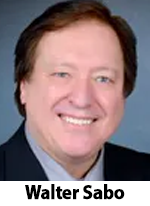
By Walter Sabo
a.k.a. Walter Sterling, Host
WPHT, Philadelphia, “Walter Sterling Every Damn Night”
TMN syndicated, “Sterling on Sunday”

imgAmazon learned that there are high volume sales for specific categories of products. High demand equals high value to the seller. Items such as diapers, printer ink, staplers, batteries, etc. Being brilliant, Amazon created “Amazon Basics.” Same products, white labeled. Amazon doesn’t manufacture batteries; they just slap their logos on what America needs most.  That’s why Mr. Bezos has a bigger boat than you.

Radio listeners have high demand for basic elements. The demand for these ingredients is often based on need rather than preference. Needed ingredients delivered by radio represent high value to the radio industry:

– Weather reports

– Traffic reports

– Is everything ok? News reports

– News bulletins

– Local news

– Closings

The first sign of trouble was when radio stations chose to promote a cable channel by presenting “Weather Channel Weather.” Tip: research shows the most respected source of weather is the National Weather Service and a station can pull that for free, any time. No disrespect to the Weather Channel but, can’t radio do weather? Giving away that position to TV is foolish.

Weather is even more important than one might think. Yes, a listener can get it from multiple online sources, but the listener is listening to the radio. The listener needs the weather NOW, live, local. Failing to do weather forces the listener to leave you. (That’s why, on the local and national “Sterling” show, we have meteorologist, Dr. Dave Eiser and Brad Your Grandma’s weatherman presenting the weather through the program.)

Do a Google trend search. Compare WEATHER, SEX, JESUS, TRUMP. Weather will win.

TRAFFIC. An argument I lost was with a 50kw station that had the traffic image because they had a traffic copter. To save $200,000 they were going to take it down. I said, “Fire me but don’t take down the copter.” They took it down. The reason to do traffic is not 100% to give traffic reports, it is – more importantly – to prove that the station is live, and to prove the station sees everything. Breaking news will compel listeners to check with the station that can report it from the air, live!

There is no reason to stop doing traffic and weather because an all-news station is doing it. Those are essential must-have elements for all listeners regardless of format. If we want to own the dashboard, it is best to present top-of-mind information to drivers. Live!

FOX News seems to present a “Bulletin” every few minutes… FOX NEWS ALERT. A radio station doesn’t have to follow the AP Style Guide to define “bulletin.” You can air a bulletin or an alert whenever you want. Urgent, compelling, turn up the radio. Pulling the listener in with sounders, big intros, all that stuff claims your position as the source of better-know-it information.

WHAT HAS HAPPENED. By stripping a station of the costs of bulletins, weather, traffic, and local news we have made radio less valuable. Those “costs” were/are investments in content valued by listeners.  Too many stations have trashed essential ingredients for the sake of a false economy. Radio revenues go down each quarter as stations cut costs each quarter.

Walter Sabo has been a C Suite action partner for companies such as SiriusXM, Hearst, Press Broadcasting, Gannett, RKO General and many other leading media outlets. His company HITVIEWS, in 2007, was the first to identify and monetize video influencers.. His nightly show “Walter Sterling Every Damn Night” is heard on WPHT, Philadelphia. His syndicated show, “Sterling On Sunday,” from Talk Media Network, airs 10:00 pm-1:00 am ET, and is now in its 10th year of success. He can be reached by email at sabowalter@gmail.com.

Industry Views

The Opportunity Before Radio: Boldness with Balance

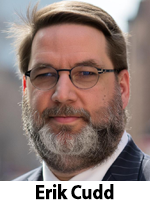
imgIn an opinion piece for TALKERS, radio pro Erik Cudd writes, “In such a time as this, because radio is the medium I know best and love most, I write this appeal to those influential in news/talk. My hope is that you will step forward once again as the architects and innovators you have always been and raise a rallying cry for this unique moment. The freedoms and ambitions that make the format so vital also create challenges. By design, it invites sharp opinions, spirited disagreement, and cultural edge. Those qualities are its strengths. But in our current climate, they also carry the risk of drifting into tribalism and rhetoric that can spill over into something more dangerous. This is not an implication that I believe news/talk is responsible for the death of Charlie Kirk. I would like to be crystal clear. What I am saying is that a perfect storm has been gathering for many years, and no one can deny the polarized, charged landscape we now inhabit. And that storm is not radio’s sole responsibility.” Read Erik Cudd’s entire piece here.

Industry Views

The Opportunity Before Radio: Boldness with Balance

By Erik Cudd

imgFrom my teenage years to today, radio has been the career of my adult life. When I first began listening in my teens, I was drawn less to the music and more to the conversation. I tuned into stations not for my favorite songs, but because I enjoyed hearing people talk, debate, and share ideas. Over my lifetime, I have seen many changes in the medium. The news/talk format, in particular, has always fascinated me for its mix of news, commentary, and immediacy.

In such a time as this, because radio is the medium I know best and love most, I write this appeal to those influential in news/talk. My hope is that you will step forward once again as the architects and innovators you have always been, and raise a rallying cry for this unique moment. The freedoms and ambitions that make the format so vital also create challenges. By design, it invites sharp opinions, spirited disagreement, and cultural edge. Those qualities are its strengths. But in our current climate, they also carry the risk of drifting into tribalism and rhetoric that can spill over into something more dangerous.

This is not an implication that I believe news/talk is responsible for the death of Charlie Kirk. I would like to be crystal clear. What I am saying is that a perfect storm has been gathering for many years, and no one can deny the polarized, charged landscape we now inhabit. And that storm is not radio’s sole responsibility. Television, social media, and digital platforms have found their profit margins in spaces that thrive on provocation. Cable news leans on conflict. Social media algorithms reward outrage. Digital outlets chase clicks and controversy. Radio is part of this broader ecosystem, not apart from it. And while no single medium created our current atmosphere, each has a role to play in reflecting on its impact and considering how best to move forward.

This is not about drawing a simple line between “toxic” and “non-toxic” content. Such judgments are rarely clear, and program directors deserve the benefit of the doubt. Yet it may be worth asking whether radio, like all media, could benefit from a renewed look at how editorial choices can help keep conversations as civil and constructive as possible. Debate and controversy will always be part of the medium, but escalation does not need to be the only outcome.

The September 10 tragedy underscored this in more ways than one. Beyond the event itself, the aftermath played out across digital spaces, where ordinary citizens made comments that, while protected speech, resulted in lost jobs, reputational damage, and news coverage. The lesson is not that speech should be curtailed, but that our civic discourse is increasingly fragile. And because radio is one of the most intimate and influential media, its choices ripple outward into that discourse in profound ways.

Audiences are noticing. As someone in my early 50s, squarely within talk radio’s target demographic, I should be a loyal listener. Yet I find myself tuning in less often, not from a lack of loyalty, but because I long to hear more voices who can thoughtfully engage both sides of an issue, giving each perspective a fair hearing and treating every listener as though their view matters. That is why I believe there may be room to pull back a bit, to allow for more variety, nuance, and genuine curiosity in how issues are approached.

Serious does not mean boring. Civility does not mean dull. Across platforms, authenticity and curiosity consistently earn audiences. Podcasts like SmartLess and Armchair Expert succeed not by stoking outrage but by elevating storytelling and connection. Public affairs series such as Frontline and American Experience continue to attract loyal audiences through rigorous, measured reporting. Nonfiction authors like Malcolm Gladwell and Brené Brown demonstrate that thoughtful exploration can reach mass audiences. These examples are proof that depth and balance can succeed when executed with energy and creativity.

Radio is uniquely positioned to do the same. The path forward is not retreat from controversy but innovation. Maybe it begins by encouraging new hosts who bring curiosity, empathy, and an equal openness to both sides of an issue, alongside conviction. It could include piloting alternative formats in off-peak slots where experimentation can thrive. It will require recalibrating success metrics to value loyalty, digital engagement, and cross-platform trust, not just short-term spikes. And it may also mean weaving national voices together with local conversations so that stations strengthen both their reach and their roots.

I do not write this from a high perch. I write as a member of the audience who also walked the halls of the station and still believes in the power of the medium. My words are not meant as accusation but as an open hand in friendship. What I am asking is simple: perhaps it is time for a more purposeful, deliberate engagement of conversation in the conference room. To sit together and ask if everything that airs is doing what it should. To take a long, hard look at whether anything might need to be discussed, reconsidered, or rebalanced in light of what we have all just witnessed.

Radio, because of its intimacy and reach, is uniquely positioned to lead by example. By being more proactive in its own yard, radio could encourage the same self-reflection across media, and even among the public itself. That is not retreat. That is leadership.

Radio still matters. Its intimacy can at times divide, but it can also renew. The question is not whether talk radio will remain bold, it always will, but whether it can channel that boldness in a way that builds the public square rather than fractures it.

The opportunity is here: to prove that freedom and responsibility can coexist, and that doing so is good for the culture, and good for the business.

Erik Cudd has worked in radio and media since 1991. He can be emailed at erik@cudd.us. 

Industry News

Salem Issues Statements on Charlie Kirk’s Slaying

In the hours after media personality, political activist, and Turning Point USA founder Charlie Kirk was killed during a speaking event at Utah Valley University, Salem Media Group issued a number of statements from its executives. The company called Kirk’s killing “a cowardly and vile act of violence, carried out to silence one of America’s boldest Christian conservative voices. Our hearts are shattered for Charlie’s wife, family, friends, colleagues,img and the countless people whose lives he touched through his words, his work, and his unwavering commitment to faith and country.” Salem CEO David Santrella is quoted saying, “Charlie was more than a broadcaster – he was a fearless defender of truth and a faithful servant of God. This assassination was not just an attack on Charlie, it was an attack on free speech and on the values Charlie championed every day. His absence leaves a tremendous void, but his legacy of faith, courage, and conviction will continue to inspire generations.” Salem Media chief strategy officer Bradley Parscale stated, “I have had the privilege of working with Charlie for nearly a decade. He was part of the Salem family. His voice was fearless, unyielding, and relentless in the defense of faith and freedom. This heinous act of evil was meant to silence him, but as Christians, we know darkness cannot overcome the light. Charlie’s influence cannot and will not be silenced.” The company added, “Charlie’s partnership with Salem Media was defined by his uncompromising defense of biblical values, liberty, and truth. Through his nationally syndicated show and podcast, he reached millions who relied on his voice to cut through lies, honor truth, and give courage to those fighting for faith and freedom.”

Israeli Prime Minister Benjamin Netanyahu took the time to issue a statement on Kirk’s death, saying, “Charlie Kirk was murdered for speaking truth and defending freedom. A lion-hearted friend of Israel, he fought the lies and stood tall for Judeo-Christian civilization. I spoke to him only two weeks ago and invited him to Israel. Sadly, that visit will not take place. We lost an incredible human being. His boundless pride in America and his valiant belief in free speech will leave a lasting impact. Rest in peace, Charlie Kirk.”

Salem is also announcing that today (9/11) it will broadcast a special two-hour tribute to Charlie Kirk in what was his 12:00 noon to 2:00 pm ET daypart. The program will be co-hosted by Kirk’s colleagues, SRN host Mike Gallagher and KSKY-AM, Dallas “660AM The ANSWER” talk radio host Mark Davis.

Industry News

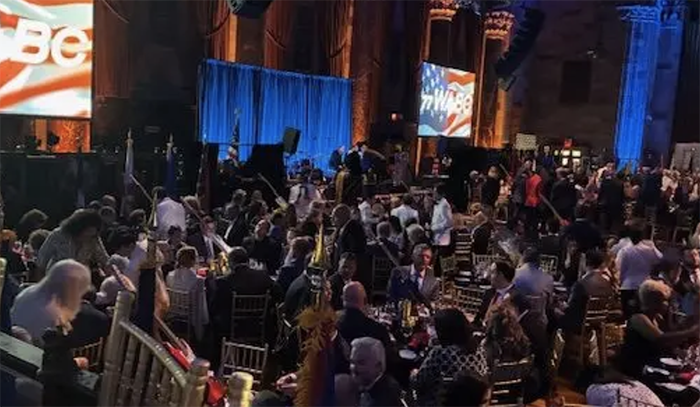
WABC Gala Marks Patriotism, Prestige, and Power Launching America’s 250th Anniversary Celebration

img

by Robert Pearl
Exclusive to TALKERS

imgNew York’s Cipriani 42nd Street once again played host to one of radio’s most anticipated annual events of the year: the annual “77 WABC Gala,” held this past Friday (9/5). The spectacular evening blended star-studded entertainment, heartfelt tributes, and plenty of radio family camaraderie – all while raising funds for three cornerstone charities: Tunnel to Towers Foundation, the Police Athletic League, and Shriners Children’s Hospital.

The night doubled as the unofficial kickoff to America’s 250th anniversary celebrations, with patriotic spirit filling the storied hall. Guests were treated to a spectacular mix of tradition and pageantry: bagpipes opened the evening, followed by the Pledge of Allegiance and a soaring rendition of the national anthem from tenor Chris Macchio, fresh from performing at President Donald Trump’s 2025 inauguration. Later, country music legend Lee Greenwood brought the house to its feet with “God Bless the USA,” a fitting soundtrack to the night’s theme.

Radio Legend Served as Emcee

The event was emceed by “Cousin” Bruce Morrow, who set the tone with trademark warmth and humor. Featured performances by Vinnie Medugno, and Joe Piscopo with homage to Frank Sinatra classics. Fellow WABC hosts and personalities were out in force: Sid Rosenberg (with wife Danielle), Curtis and Nancy SliwaDominic CarterGreg Kelly (joined by his father, longtime NYPD commissioner Ray Kelly), Lionel and his wife Lynn Shaw (founder of Lynn’s Warriors), Brian KilmeadeRita CosbyLisa GAnthony Cumia, news director James Flippant, and anchor Liz Ratoballi.

WABC owner John Catsimatidis and Red Apple Media president Chad Lopez anchored the front row, alongside Margo Catsimatidis, who was celebrated as the event’s “First Lady of WABC.”  Longtime friend (and WOR personality) Mark Simone – dubbed “Mr. New York”- was on hand, underscoring the collegiality of the broader talk radio community. The gala also drew figures beyond radio, including Mayor Eric Adams and his electoral rival Curtis Sliwa sitting a few tables apart, economic voice Larry Kudlow, the relentless patriot and activist artist Scott LoBaido, Newsmax’s Johnny Tobacco of Wiseguys, and philanthropist Frank Siller of Tunnel to Towers.

Charity with Purpose

While the evening sparkled with entertainment and personality, its heart was rooted in the causes it championed. The Tunnel to Towers Foundation, founded in honor of fallen firefighter Stephen Siller, continues its mission of supporting first responders and veterans, promising to pay off the mortgages of the fallen. The Police Athletic League, New York City’s largest independent youth development nonprofit, provides educational and recreational programs to children in need. And Shriners Children’s Hospital, a global leader in pediatric specialty care, ensures children receive treatment regardless of a family’s ability to pay. These organizations were not just beneficiaries but central characters in a story of service, community, and giving back.

A Night of Theater and Patriotism

Beyond the music, the gala leaned into a spectacle. Impersonators dressed as George WashingtonAbraham Lincoln, and Uncle Sam strolled the ballroom, taking pictures with guests. Later, Lady Liberty herself dramatically popped out of a massive birthday cake as red, white, and blue balloons cascaded from the ceiling. Guests waved WABC-branded light sticks in rhythm with the performances, further amplifying the carnival-like energy.

And as tradition dictates, September’s Virgo birthdays were honored in grand style. Joe Piscopo led a rousing “Happy Birthday” for John Catsimatidis and fellow celebrants, which seamlessly transitioned into a full-throated “God Bless America,” with the entire ballroom on its feet.

Political Undertones in a Festive Setting

While the evening was designed as a patriotic celebration, politics were never far from the surface. Just hours before the gala, Mayor Adams publicly doubled down on his mayoral campaign, brushing aside speculation of a possible exit. At Cipriani, Adams was greeted politely – but the room roared when Republican candidate Curtis Sliwa was announced, highlighting the unique political currents swirling through the city and this radio community.

Still, the prevailing message was unity and celebration. “We celebrate America together,” said Greenwood before launching into his anthem. It was a fitting capstone to an event that blended entertainment, politics, and philanthropy in a way unique to WABC.

As the gala wound down, guests departed with gift bags in hand, many still humming Greenwood’s refrain. With its mix of glamour, gravitas, and good causes, the 2025 WABC Gala set the stage not just for America’s 250th birthday, but also for the enduring influence of talk radio as a cultural and political force.

Robert Pearl is a New York City-based freelance journalist.  He can be reached at pearlknows@yahoo.com.

Industry Views

Are Your AI Logos Actually Kryptonite?

By Matthew B. Harrison
TALKERS, VP/Associate Publisher
Harrison Media Law, Senior Partner
Goodphone Communications, Executive Producer

imgSuperman just flew into court – not against Lex Luthor, but against Midjourney. Warner Bros. Discovery is suing the AI platform, accusing it of stealing the studio’s crown jewels: Superman, Batman, Wonder Woman, Scooby-Doo, Bugs Bunny, and more.

At first glance, you might shrug. “That’s Warner Bros. vs. Silicon Valley – what does it have to do with my talk media show?” Here’s the answer: everything. If you or your producer are using Midjourney, DALL·E, or Stable Diffusion for logos, promos, or podcast cover art, you’re standing in the same blast radius.

AI Isn’t Neutral Paint

The romance of AI graphics is speed and cost. Need a logo in five minutes? A flyer for a station event? A podcast cover? Fire up an AI tool and you’re done.

But those images don’t come from a blank canvas. They come from models trained on copyrighted works – often without permission. Warner Bros. alleges that Midjourney not only trained on its characters but knowingly let users download knockoff versions.

If Warner wins – or even squeezes a settlement – AI platforms will clamp down. Suddenly, the “free” art you’ve been posting may not just vanish; it may become a liability.

Too Small to Matter? Think Again

Here’s the legal catch: infringement claims don’t scale by size. A podcaster with a Facebook page is just as liable as a network if the artwork copies protected content.

It’s easy to imagine a rival, competitor, or ex-producer spotting an AI-made graphic that looks “too much like” something else – and firing off a takedown. Once that happens, you’re judged not by intent but by what you published.

Unlike FCC guardrails for on-air speech, there’s no regulator to clarify. This is civil court. You versus the claimant – and the billable hours start immediately.

Even Elon Musk Just Got Burned

Neuralink – Elon Musk’s brain-computer startup – just lost its bid to trademark the words “Telepathy” and “Telekinesis.” Someone else filed first.

If Musk’s lawyers can’t secure simple branding terms, what chance does your station or company have if you wait until after launch to file your new show name? Timing isn’t just strategy; it’s survival.

The Playbook

  1. Audit Your AI Use. Know which graphics and promos are AI-generated, and from what platform.
  2. File Early. Register show names and logos before the launch hype.
  3. Budget for Ownership. A real designer who assigns you copyright is safer than a bot with murky training data.

The Bottom Line

AI may feel like a shortcut, but in media law it’s a trapdoor. If Warner Bros. will defend Superman from an AI platform, they won’t ignore your podcast artwork if it looks too much like the Man of Steel.

Big or small, broadcaster or podcaster – if your AI Superman looks like theirs, you’re flying straight into Kryptonite.

Matthew B. Harrison is a media and intellectual property attorney who advises radio hosts, content creators, and creative entrepreneurs. He has written extensively on fair use, AI law, and the future of digital rights. Reach him at Matthew@HarrisonMediaLaw.com or read more at TALKERS.com.

Industry News

NAB Fires Up Campaign to Modernize Ownership Rules

The National Association of Broadcasters is urging Congress and the Federal Communications Commission to modernize decades-old broadcast ownership rules. news, emergency information and the live sports that bring communities together. Since April, NAB’s campaign has aired nearly a quarter million television andimg radio spots across 192 media markets, generating more than 1 billion impressions and $43 million in airtime from TV and radio stations. NAB president and CEO Curtis LeGeyt says, “Local stations are serving communities with live sports, trusted local news and life-saving emergency coverage – all available for free to every American. But outdated rules are shackling these stations from growing and innovating at a time when Big Tech operates with limitless scale and zero public interest obligations. Consumers deserve more – not fewer – local journalists on the ground and live sporting events accessible without a subscription. The FCC must act quickly to level the playing field so broadcasters can continue investing in the content communities rely on most.”

Industry Views

Fair Use in 2025: The Courts Draw New Lines

By Matthew B. Harrison
TALKERSVP/Associate Publisher
Harrison Media Law, Senior Partner
Goodphone Communications, Executive Producer

imgImagine an AI trained on millions of books – and a federal judge saying that’s fair use. That’s exactly what happened this summer in Bartz v. Anthropic, a case now shaping how creators, publishers, and tech giants fight over the limits of copyright.

Judges in California have sent a strong signal: training large language models (LLMs) on copyrighted works can qualify as fair use if the material is lawfully obtained. In Bartz, Judge William Alsup compared Anthropic’s use of purchased books to an author learning from past works. That kind of transformation, he said, doesn’t substitute for the original.

But Alsup drew a hard line against piracy. If a dataset includes books from unauthorized “shadow libraries,” the fair use defense disappears. Those claims are still heading to trial in December, underscoring that source matters just as much as purpose.

Two days later, Judge Vince Chhabria reached a similar conclusion in Kadrey v. Meta. He called Meta’s training “highly transformative,” but dismissed the lawsuit because the authors failed to show real market harm. Together, the rulings show that transformation is a strong shield, but it isn’t absolute. Market evidence and lawful acquisition remain decisive.

AI training fights aren’t limited to novelists. The New York Times v. OpenAI case is pressing forward after a judge refused to dismiss claims that OpenAI and Microsoft undermined the paper’s market by absorbing its reporting into AI products. And in Hollywood, Disney and Universal are suing Midjourney, alleging its system lets users generate characters like Spider-Man or Shrek – raising the unsettled question of whether AI outputs themselves can infringe.

The lesson is straightforward: fair use is evolving, but not limitless. Courts are leaning toward protecting transformative uses of content—particularly when it’s lawfully sourced – but remain wary of piracy and economic harm.

That means media professionals can’t assume that sharing content online makes it free for training. Courts consistently recognize that free journalism, interviews, and broadcasts still carry market value through advertising, sponsorship, and brand equity. If AI systems cut into those markets, the fair use defense weakens.

For now, creators should watch the December Anthropic trial and the Midjourney litigation closely. The courts have blessed AI’s right to learn – but they haven’t yet decided how far those lessons can travel once the outputs begin to look and feel like the originals.

Matthew B. Harrison is a media and intellectual property attorney who advises radio hosts, content creators, and creative entrepreneurs. He has written extensively on fair use, AI law, and the future of digital rights. Reach him at Matthew@HarrisonMediaLaw.com

Industry News

WURD, Philadelphia Presents Small Business Initiative

Urban talk WURD, Philadelphia is presenting, “Ready, Set, Grow: Preparing Small Businesses for America’s 250th,” a free event designed to equip small business owners with the tools and insights necessary to successfully navigate upcoming opportunities. Philadelphia will host the 2026 MLB All-Star Game and is aimg host city for FIFA World Cup 2026. “Ready, Set, Grow” happens on September 5 at the Barnes Foundation. Through the end of 2025 and into 2026, WURD will feature on-air programming, live panel discussions, and multimedia storytelling to provide entrepreneurs and neighborhood business corridors with the tools they need to thrive. WURD president and CEO Sara M. Lomax says, “Ready, Set, Grow is crafted specifically for small business owners and entrepreneurs from across the region who are seeking strategies to leverage the historic momentum of America’s 250th anniversary. We are convening a panel of the experts and decision-makers who are best positioned to share how the small business community can make the most of this moment.” Ready, Set Grow’s panel discussion will feature executives from business and tourism organizations.

Industry News

WABC Gala to Raise Funds for Charities

WABC, New York and Red Apple Media owners John and Margo Catsimatidis are hosting a star-studded gala in celebration of America’s 250th birthday on Friday, September 5 at Cipriani’s 42nd St. in New York City. The Catsimatidis say the gala will serve not only as a celebration of freedom but also as a reminder of the resilience, ideals, and shared spirit that continue to define the United States. Proceeds from the galaimg event will benefit The WABC Radio Foundation, The Tunnel To Towers Foundation, The Police Athletic League (PAL), and Shriners Children’s. The evening will feature performances of patriotic songs including WABC Saturday evening personality and singer Tony Orlando performing “Tie A Yellow Ribbon Round the Ole Oak Tree”; Lee Greenwood performing “God Bless the USA” and America’s tenor Christopher Maccio will sing the National Anthem. Additionally, WABC personality Joe Piscopo will perform Frank Sinatra classics and station host Vinnie Medugno will sing oldies. The gala event will be hosted by 77WABC legendary air personality Bruce “Cousin Brucie” Morrow. Distinguished guests will include United States and New York area politicians, business leaders, and community heroes. See more and purchase tickets here.

Industry Views

When “Sharing” Becomes Stealing: TALKERS’ 90-Second Lesson in Fair Use

By Matthew B. Harrison

TALKERS, VP/Associate Publisher
Harrison Media Law, Senior Partner
Goodphone Communications, Executive Producer

imgNinety seconds. That’s all it took. One of the interviews on the TALKERS Media Channel – shot, edited, and published by us – appeared elsewhere online, chopped into jumpy cuts, overlaid with AI-generated video game clips, and slapped with a clickbait title. The credit? A link. The essence of the interview? Repurposed for someone else’s traffic.

TALKERS owns the copyright. Taking 90 seconds of continuous audio and re-editing it is infringement.

Could they argue fair use? Maybe, but the factors cut against them:

  • Purpose: Clickbait, not commentary or parody.
  • Nature: Original journalism leans protective.
  • Amount: Ninety seconds may be the “heart” of the work.
  • Market Effect: If reposts draw views, ad revenue, or SEO, that’s harm.

And here’s the key point: posting free content doesn’t erase its market value. Free journalism still generates reputation, sponsorships, and ad dollars. Courts consistently reject the idea that “free” means “up for grabs.”

Enforcement options exist. A DMCA notice can clear a repost quickly. Repeat offenders risk bans. On-screen branding makes copying obvious, and licenses can set terms like “share with credit, no remix.”

But here’s the hard truth: a takedown won’t stop the AI problem. Once a clip circulates, it’s scraped into datasets training text-to-video and voice models. Deleting the repost doesn’t erase cached or mirrored copies. Think of it like pouring a glass of water into the ocean – you can’t get it back. And to make matters worse, enforcement doesn’t stop at U.S. borders. Different countries have different copyright rules, making “justice” slow, uneven, and rarely satisfying.

That TALKERS interview may now live inside billions of fragments teaching machines how people speak. You can win the takedown battle and still lose the training war. Courts are only starting to address whether scraping is infringement. For now, once it’s ingested, it’s permanent.

Creators face a constant tension: content must spread to grow, but unchecked sharing erodes control. The challenge in 2025 is drawing that line before your work becomes someone else’s “content.”

The law is still on your side – but vigilance matters. Use takedowns when necessary. Brand so the source is clear. Define sharing terms up front. And remember: free doesn’t mean worthless.

The real question isn’t just “Is it fair use?” It’s “Who controls the story?”

Matthew B. Harrison is a media and intellectual property attorney who advises radio hosts, content creators, and creative entrepreneurs. He has written extensively on fair use, AI law, and the future of digital rights. Reach him at Matthew@HarrisonMediaLaw.com

Industry News

Urban Talk WURD, Philadelphia to Hold Founder’s Day Gala

Philadelphia urban talk WURD Radio is holding its annual Founder’s Day Gala on October 3, honoring the life and legacy of station founder Walter P. Lomax Jr., M.D. at Fairmount Park Horticulture Center. The station says this year’s gala marks the exciting launch of “Freedom Journeys: Celebrating the Lives of 250 Phenomenal Philadelphians.” Additionally, in recognition of the 250th anniversary of the United States,img WURD, in partnership with Renee Chenault Fattah and Love Now Media, will spotlight 250 iconic Philadelphians in the 250 days leading up to July 4, 2026. The series begins at Founder’s Day with a tribute to Walter P. Lomax Jr., M.D., WURD president and CEO Sara M. Lomax says, “Freedom Journeys is a celebration of the people who have shaped Philadelphia’s culture, history, and future. This storytelling project ensures that significant Philadelphia figures are not overlooked as we mark the semi quincentennial of this nation’s founding. We’re thrilled to launch Freedom Journeys at Founder’s Day and to honor my father’s extraordinary legacy with a night of joy, music, and community.”

Industry News

Christian Broadcaster James Dobson Dies at 89

Psychologist, Christian leader and broadcaster Dr. James Dobson – founder of the Focus on the Familyimg ministry – has died at age 89. Dobson launched a radio program titled, “Focus on the Family” and, after leaving Focus on the Family to his successor Jim Daly in 2010, Dobson founded Family Talk and a new radio program. He later founded the James Dobson Family Institute and the Alliance Defending Freedom, a Christian legal defense firm.

Industry News

Newsmax Settles with Dominion Voting; Claims a Fair Trial Was Impossible

Newsmax Media, Inc announces it has reached a settlement agreement with Dominion Voting Systems in which it will pay $67 million over three years to resolve the suit. The suit revolved around Newsmax’s coverage of the 2020 presidential election in which Dominion claimed certain statements made byimg Newsmax were defamatory. However, Newsmax is not admitting guilt; just the opposite. “Newsmax believed it was critically important for the American people to hear both sides of the election disputes that arose in 2020. We stand by our coverage as fair, balanced, and conducted within professional standards of journalism.” The company says Delaware Court Judge Eric Davis would not provide a fair trial wherein the company could present standard libel defenses to a jury. Newsmax CEO Christopher Ruddy says, “The Delaware Court under Judge Davis effectively enforced a confiscation of our property because our reporting was not always sympathetic to Joe Biden. The actions taken against Newsmax, and earlier against FOX News, represent a direct attack on free speech and a free press.”

Industry News

Newsmax Set to Host Major Celebration in Israel Tomorrow (8/13)

Newsmax is set to host its fourth annual “Fourth of July” celebration in Israel tomorrow (8/13) bringing together an elite gathering of political, business, and media leaders including personalities from American talk radio.  The high-profile event will take place at the Waldorf Astoria Hotel in Jerusalem, which has become a highlight of the summer social calendar in Israel.

Newsmax logo

Newsmax holds this reception each year to celebrate what the company describes as “the enduring friendship and shared democratic values between the United States and Israel.” This year’s celebration will be marked by a special appearance from Israeli Prime Minister Benjamin Netanyahu.  Netanyahu is expected to speak at about 1 p.m. EST in the U.S. with the address carried live on the Newsmax and Newsmax2 networks.

“America and Israel share a deep and unbreakable bond grounded in freedom, democracy, and mutual respect,” said Christopher Ruddy, CEO of Newsmax. “This gathering is an opportunity to celebrate those ties while also fostering dialogue and cooperation among leaders in politics, media, and business.”

The event comes at a time when Newsmax’s global footprint continues to expand, with its coverage now available in more than 100 countries across five continents.

Industry News

FCC Commissioner Gomez Issues Scathing Statement on Paramount-Skydance Merger

FCC Commissioner Anna M. Gomez has made no secret of the fact that she’s horrified not by the merger itself but with Paramount’s acquiescence to the Trump Administration in seeking approval to merge with Skydance. Here is her statement in full: “Today marks the final chapter of a dark moment in our nation’s history. After months of cowardly capitulation, including an unprecedented payout to settle a meritless lawsuit in exchange for regulatory approval, Paramount and Skydance have completed their merger, and ‘New Paramount’ will be created.

“This will be a new company, born in shame after trading away fundamental First Amendment principles inimg pursuit of pure profit. It embraced this Administration’s radical notion that discriminatory behavior should be tolerated and even embraced, while efforts to expand opportunity for everyone should be rejected.

“More alarmingly, the company agreed to never-before-seen forms of government control over newsroom decisions and editorial judgment – actions that violate both the First Amendment and the law. A government-sanctioned ‘truth arbiter’ will soon arrive at CBS. Their role will be to ensure that journalists at CBS do not criticize this Administration or express views that conflict with its agenda. That should alarm anyone who values the core democratic principle of a free and independent press.

“All of this is being carried out under the guise of combating so-called ‘media bias,’ a term which, in practice, appears to encompass anything or anyone who disagrees with this Administration. Never mind that those now feigning concern over media bias are the same individuals who have spent the past decade attacking the press and sowing public distrust in journalism. And even if such bias did exist to the extent they claim, the last entity the American people should entrust with defining or policing it is the federal government.

“Sadly, this will not be the end of this Administration’s campaign of intervention in media to silence critics, gain favorable coverage, and impose ideological conformity on newsrooms that should remain independent. With longstanding institutions like CBS compromised in this way, it will be up to us – as citizens – to hold this Administration accountable for its abuses.

“I urge others to take notice and find their courage. And I will continue to call out cowardly corporate capitulation for what it is: a betrayal – not just of journalistic independence, but of the public trust.

“Because if the First Amendment is to mean anything at all, it must mean that no government –regardless of party – gets to decide what is true, who gets heard, or which voices are silenced.”

Industry Views

Monday Memo: Topics That Tune-Them-In

By Holland Cooke
Consultant

imgBaby Boomers (born 1946–1964) are some 20% of the U.S. population, but control more than 50% of all household wealth. They hold $70+ trillion in assets and spend an estimated $548 billion annually. They are lifelong AM/FM listeners, and they’re redefining what life after 60 looks like. Are you into what they’re up to?

Some are having the time of their lives. Others are confronting new realities. All are seeking relevance, respect, and real-world information. Consider these issues for call-in topics and guest interviews and podcasts. Possibly a sponsored series?

Lifestyle & Purpose

— “How to Make Your Bucket List Actually Happen”
— “Finding Purpose Beyond the 9 to 5”
— “Encore Careers That Start with a Volunteer Gig”

Health & Wellness

— “Sleep After 60: What Changes and What Helps”
— “The Foods That Fight Brain Fog”
— “Fitness Without the Injuries: Smarter Workouts After 50”

Financial Confidence

— “How Much is Enough? Retirement Planning Backwards”
— “Social Security Myths That Could Cost You”
— “Turning Your Home into Income” (downsizing, ADUs, Airbnb)
— “Helping Without Hurting: When Adult Kids Need Financial Help”

im

Freedom & Adventure

— “How to Travel More for Less”
— “National Parks Over 60: Hidden Gems and Senior Pass Tips”
— “Cool Day Trips”

Home & Relationships

— “Downsize Without Drama”
— “Living With – or Near – Your Kids: Pros, Cons & Boundaries”
— “Home Safety Upgrades You’ll Be Glad You Made”
— “The Second Time-Around Marriage: Legal & Emotional Realities”
— “Grandparenting Without Overstepping”

Learning & Creativity

— “The Science of Lifelong Learning: Why Your Brain Craves It”
— “It’s Never Too Late to Learn an Instrument (or a Language)”
— “Turning Your Life Story Into a Book – Or a Podcast”
— “Digital Detox: How to Stay Connected Without Feeling Glued”

Holland Cooke (HollandCooke.com) is a media consultant working at the intersection of broadcasting and the Internet. Follow HC on Twitter @HollandCooke

Industry Views

Just Because You Found It Online Doesn’t Mean You Can Use It

By Matthew B. Harrison
TALKERS, VP/Associate Publisher
Harrison Media Law, Senior Partner
Goodphone Communications, Executive Producer

imgA New Jersey radio station thought they were just being clever online. They scanned a photo from New Jersey Monthly, cropped out the photographer’s credit line, and posted it on Facebook – inviting listeners to edit and reshare it for fun. ying to engage listeners to interact with the station with more than just their ears.”

But that station, WKXW 101.5, ended up in federal court.

Photographer Peter Murphy sued for copyright infringement and removal of attribution. The Third Circuit ruled against the station – finding that the image was used without permission, credit removed, and the photographer’s ability to license his work damaged.

It wasn’t fair use. It was infringement.

Fair Use Won’t Save You from Getting Sued

Fair use isn’t a free pass – it’s a defense. That means someone’s already accused you of infringement, and now it’s on you to justify it.

Even when it works, fair use still costs time and money. In the WKXW case, the station used the entire photo, failed to transform it, and encouraged widespread online sharing. The court saw that as market harm – one of the most important fair use factors.

And don’t assume you’re safe just because it wasn’t part of the broadcast. Courts have made clear that even social media posts by broadcasters can undermine the value of the original and trigger liability.

Don’t Ignore It Just Because It Feels Small

In my own experience with clients fending off these kinds of claims, sometimes it’s obvious. Other times it’s a bluff. But even bogus claims can cost you if you don’t take them seriously from the beginning.

License It, Link to It, or Leave It

If you didn’t create it or license it, don’t assume it’s fair game. Look for content with clear reuse rights. Better yet – link to the source instead of copying it.

Because if a copyright holder comes after you, your intentions won’t matter. Only your rights will.

Matthew B. Harrison is a media and intellectual property attorney who advises radio hosts, content creators, and creative entrepreneurs. He has written extensively on fair use, AI law, and the future of digital rights. Reach him at Matthew@HarrisonMediaLaw.com or read more at TALKERS.com.

Industry News

Salem Partners with America’s Frontline Doctors for Documentary

Salem Media Group is partnering with America’s Frontline Doctors to produce a documentary titled, What Is a Doctor?, that is streaming on SalemNOW. America’s Frontline Doctors founder Dr. Simone Gold is featured in the film that Salem calls an “unapologetic examination of how medicine is being politicized,img threatening free speech, medical autonomy, and the core doctor-patient relationship.” Dr. Gold states, “This is a wake-up call. We’re watching medicine become weaponized against the people it’s meant to serve. This film asks the question every American should be asking: Who does your doctor work for?” SalemNOW general manager Robert Ellis adds, “We’re proud to give a platform to voices willing to stand for truth. This film is essential viewing for anyone who believes medical freedom is worth protecting.”

Industry News

Nielsen: Radio Dominates Ad-Supported Audio in Q2 of 2025

Nielsen release The Record, its report on second quarter 2025 audio listening trends and among the takeaways from this report are: 1) Daily audio consumption amounted to 3 hours and 50 minutes of daily listening across both ad supported and ad free platforms like radio, podcasts, streaming music services andimg satellite radio; 2) In the second quarter of 2025, ad supported audio accounted for 64% of all listening, while in the TV landscape, 74% of viewing was done on ad supported platforms; 3) Zeroing in on the ad supported audio universe, consumers spent 64% of their daily time in the second quarter with radio, 19% with podcasts, 14% with streaming audio services and 3% with satellite radio. The study also tracks listening by format and news/talk (AM/FM and streaming) not surprisingly dominated the 35+ demo with more than a 12 share. But the format also did well with 25-54s, notching a 6.5 share (which topped all other formats except adult contemporary). See the Nielsen study results here.

Industry News

TALKERS News Notes

Edison Releasing Top Podcast Badges. Edison Research announces the release of an official Top Podcast badge for shows to use that designate them as having achieved a spot within the top rankings of weekly podcast listeners, based on Edison Podcast Metrics. The Top Podcast badge is available for shows in the Top 10, Top 25, and Top 50 rankings from Edison Podcast Metrics in both the U.S. and the UK.

Compass Enters Deal with Deja Vu. Radio personality and ABC Television contributor Déjà Vu is working with Compass Media Networks to manage all aspects of marketing, distribution, and advertising sales for “The Deja Vu Show.” She says, “I love radio, and it is my mission to continue to do whatever it takes to grow our presence on the radio in every possible market in the country.”

Audacy Partners with C-Word Podcast. Audacy Podcasts partners with award-winning writer, director, actor, and producer Lena Dunham and writer, historian, and curator Alissa Bennett to handle sales and distribution for their podcast, “The C-Word,” bringing the previously paywalled podcast to all major podcast platforms for free for the first time. The two creators say, “We loved making ‘The C-Word,’ and now we’re thrilled to bring her out of the vault and into the hearts of listeners everywhere. These stories are just as resonant today as when we first told them, and partnering with Audacy allows us to reach a broader audience.”

Industry News

FPF Files Ethics Complaint Against FCC’s Carr

The Freedom of the Press Foundation files an ethics complaint against Federal Communications Commission Chairman Brendan Carr alleging “egregious misconduct.” The complaint was filed with the District of Columbia Court of Appeals’ Office of Disciplinary Counsel and points to Carr’s public statementsimg and actions prior to the Paramount-Skydance merger. Paramount’s CBS agreed to a settlement with President Donald Trump over a Kamala Harris interview on “60 Minutes.” The complaint says, “Everyone from U.S. senators to CBS employees to a dissenting FCC commissioner has said the settlement appears to have been a bribe to grease the wheels for Carr’s FCC to approve the merger. Even putting Paramount aside, Carr has pursued numerous other frivolous and unconstitutional legal proceedings and threatened more of them in furtherance in his efforts to intimidate broadcast licensees to censor themselves and fall in line with Trump’s agenda.” It goes on to say, “Carr’s actions brazenly violate legal and ethical standards that govern the practice of law and public officials, undermining the First Amendment, the FCC’s credibility, and the laws he is trusted to administer. His abuse of his office to force an unwarranted settlement of a private lawsuit is shameful and warrants disbarment.”

Industry Views

SABO SEZ: Top 40 is Always the Answer

By Walter Sabo
a.k.a. Walter Sterling, Host
WPHT, Philadelphia, “Walter Sterling Every Damn Night”
And TMN syndicated, “Sterling on Sunday”

imgReviewing radio’s challenges:

— Trouble attracting and growing younger demos
— Trouble appealing to youth-oriented advertisers
— Trouble generating excitement in our culture
— Trouble owning a seat in the news media
— Trouble attracting out of college/high school employees
in sales, management on air.

The answer is: Top 40 or, if you must, CHR. The answer has always been Top 40.

The brilliant Allen Shaw, president ABC FM Radio, CEO Beasley Broadcasting, CEO/owner Centennial, said, “And Top 40 will always have an important place in radio because it plays the most popular music therefore it will always have an audience.”

In reviewing Spring Nielsens, it is hard to find a Top 40 station that is #1 6+ in any city. Consider how odd that is. Since 1955 there have been hundreds of Top 40 stations that attracted dominant shares of audience.

No, not audience: fans. Passionate fans because music is passion. New music is more passion. Cultural pebbles between the songs dropped by passionate radio stars compel even more passion.

Big contests. Big promotions. Breaking music trends. Huge voices. Pounding jingles. Prizes: Trips to see Taylor Swift in the studio – in England. A week off from school, on us! Free pizza for 50 of your friends – for a year. A new red, customized Z-93 car in your driveway on your birthday. Ed Sheeran plays your prom! A limo to school on opening day. Big Time Rush sings at your street fair.

Alex Warren writes a song for you – and performs it for you. Gift certificates for CAMEO. The Apple package… an iPhone, iPad and MacBook Air.

Media Buyer: Hop on the station yacht this summer, let’s go for a sunset party cruise. One buyer wins this custom Mustang. Wherever you go on vacation, tab’s on us.

Excited? Radio is good at contesting, better than any other medium. Excitement in thin air is what radio does… well, used to do.

Of course radio is a low choice among fresh grads, 18-24s, and media buyers. Radio stopped making the best radio, stunning, pulsing, sexy, unpredictable. We stopped rolling out the red carpet: Hot, current, daring, dangerous… Top 40.

You were drawn to radio because of Top 40. Make that.

Walter Sabo has been a C Suite action partner for companies such as SiriusXM, Hearst, Press Broadcasting, Gannett, RKO General and many other leading media outlets. His company HITVIEWS, in 2007, was the first to identify and monetize video influencers.. His nightly show “Walter Sterling Every Damn Night” is heard on WPHT, Philadelphia. His syndicated show, “Sterling On Sunday,” from Talk Media Network, airs 10:00 pm-1:00 am ET, and is now in its 10th year of success. He can be reached by email at sabowalter@gmail.com.

Industry News

Date and Details Set for 10th Annual Music Industry Reunion in SoCal

img

Many readers and subscribers of TALKERS trace their radio industry roots back to the golden days when the radio programming and record promotion businesses were so symbiotic that the major trade publication serving this two-headed conglomeration was actually called Radio & Records: “The Industry’s Newspaper.”

On September 10, 2025, music and radio industry veterans from across the USA will come together at the 10th Annual Music Industry Reunion. The event will again take place at the Sagebrush Cantina in Calabasas, CA. Doors open at 6:30 pm. The Music Industry Reunion prides itself on bringing together the best of the music business from around the world for this special evening of memories, laughter, and hugs. Past reunions in New York and Los Angeles have reunited over 500 industry influencers, industry legends and icons as well as the brightest radio, music, management, publicity, and marketing professionals in the business. Attendees can enjoy hot hors d’oeuvres as well as chips and salsa, along with $5 tequila shots. Additionally, the Sagebrush Cantina’s full menu will be available to purchase.

According to TALKERS publisher Michael Harrison, “For those of us who were lucky enough to be a part of that wild and crazy chapter of pop culture biz history – especially as it played out in Southern California – this is one of the greatest, most beloved industry events of the year… pure history, nostalgia, and fun!”

Advance tickets are $35 (+Eventbrite service processing fee) and available at this link: https://tinyurl.com/mir10th

The luxurious Anza Hotel has King Suites available at a special Music Industry Reunion rate of $118, which includes access to the hotel’s bar, pool, gym, and free parking. It’s just a few minutes’ walk to the event. Use Code: 250911LA10 at 818.222.5300 or follow this link: https://tinyurl.com/mir10hotel

Connect with The Music Industry Reunion: https://www.facebook.com/groups/MusicBusinessReunion The 10th Annual Music Industry Reunion is coordinated by legendary music biz promoters Jon Scott and Kenny Ryback. Jon Scott 818.601.1283 jonpaulscott@gmail.com Kenny Ryback 747.666.5465 kenny.ryback@gmail.com

Industry News

Commissioners Differ Starkly on Paramount-Skydance Merger

Last week’s FCC approval of the Paramount-Skydance merger on a 2-1 vote revealed dramatically different takes on the matter from FCC Commissioner Olivia Trusty – who voted for it – and FCC Commissioner Anna Gomez – who voted against. While Trusty issued a statement about the merger positioning it as a winimg for free markets, Gomez called out the FCC’s role and Paramount for “cowardly capitulation.” Trusty said, “This transaction reflects the free market at work, where private investment, not government intervention, is preserving an iconic American media institution. During its review of the transaction, the Commission determined the merger was lawful and would serve the public interest.  This deal brings fresh imgleadership, new capital, and a clear plan to compete with dominant tech platforms.” Gomez stated, “In an unprecedented move, this once-independent FCC used its vast power to pressure Paramount to broker a private legal settlement and further erode press freedom. Once again, this agency is undermining legitimate efforts to combat discrimination and expand opportunity by overstepping its authority and intervening in employment matters reserved for other government entities with proper jurisdiction on these issues. Even more alarming, it is now imposing never-before-seen controls over newsroom decisions and editorial judgment, in direct violation of the First Amendment and the law… The Paramount payout and this reckless approval have emboldened those who believe the government can – and should – abuse its power to extract financial and ideological concessions, demand favored treatment, and secure positive media coverage. It is a dark chapter in a long and growing record of abuse that threatens press freedom in this country.”

Industry Views

In the Age of Blogs, Podcasts, and Substack, Defamation Law is Asking: How Public is Too Public?

By Matthew B. Harrison
TALKERS, VP/Associate Publisher
Harrison Media Law, Senior Partner
Goodphone Communications, Executive Producer

imgMark Walters didn’t expect to lose private-figure legal protections over something he never talked about – especially since the thing he never talked about never even happened. A nationally syndicated radio host and outspoken Second Amendment advocate, Walters is publicly known, but in a specific lane. He never discussed nonprofits, financial misconduct, or legal ethics. Yet when ChatGPT hallucinated a claim that he had embezzled from a charity, a Georgia court ruled he was a public figure – and dismissed his defamation suit. 

The logic? Walters had a platform, a following, and a history of public commentary. That was enough. The court held that his general media presence elevated him to public-figure status, even though the allegedly defamatory statement had nothing to do with the subject matter of his actual work. wasn’t defamed about what he’s known for—but his visibility was used against him anyway.

The case didn’t just shut down a complaint. It opened a wider question: who qualifies as a public figure in the modern media era – and when does that designation apply to topics you never touched?

Mark Walters Inspired editorial cartoon for exclusive use by TALKERS


Why Public Figure Status Matters

Defamation law protects people from false, reputation-harming statements – but not equally. A private figure needs only to show that the speaker was negligent. A public figure, by contrast, must prove actual malice – that the speaker knew the statement was false or recklessly disregarded the truth.

This high standard, first articulated in New York Times v. Sullivan, was intended to protect freedom of speech and the press. But in the age of digital publishing and algorithmic reach, it’s increasingly used to deny protection to people who never thought they were stepping into the spotlight.

What Makes Someone a Public Figure?

Courts recognize two main categories:

– General-purpose public figures are household names – people famous across all topics and platforms.

– Limited-purpose public figures are individuals who have voluntarily entered public controversy or engaged in widespread public commentary on specific issues.

Here’s where the modern problem begins.

Thanks to blogs, newsletters, podcasts, and social media, it’s easier than ever to participate in public dialogue – and harder than ever to keep that participation confined to just one topic.

Post a viral thread on immigration?

Host a weekly podcast about school choice?

Weigh in on TikTok about local politics?

You may have just stepped into “limited-purpose public figure” territory – whether you intended to or not.

The Walters v. OpenAI Case – Now the Law

In Walters v. OpenAI, the court didn’t question whether the claim was false – only whether Walters could meet the public figure burden of proof. The court held that he could not. Despite the fact that he had never discussed the subject matter in question, his general visibility was enough to require that he prove actual malice. And he couldn’t.

The decision came with no trial, no settlement – just a dismissal. It now stands as legal precedent: having a public voice on one issue may cost you private-figure protections on others.

Microphone, Meet Microscope

This shift affects:

Independent journalists

– Podcast hosts

– Niche content creators

– Local activists with modest but vocal platforms

They may not feel “public,” but courts increasingly view them that way. And once that threshold is crossed, the burden in a defamation case becomes dramatically harder to meet.

he more you speak publicly—even on one topic—the more legally exposed you are everywhere else.

That wasn’t the intent of Sullivan. But in today’s fragmented, always-on media culture, visibility leaks- and so do legal thresholds.

Final Takeaway

You don’t need to be famous to be “public.” You just need to be findable.

Whether you’re behind a mic, a blog, or a camera, your platform may elevate you into public figure status – and bring defamation law’s toughest burdens with it. If you’re defamed, you’ll have to prove the speaker acted with knowing falsehood. If you’re doing the speaking, your target’s legal classification could determine how costly a misstep becomes.

In 2025, every microphone is also a microscope. Know what the law sees before you go live.

Matthew B. Harrison is a media and intellectual property attorney who advises radio hosts, content creators, and creative entrepreneurs. He has written extensively on fair use, AI law, and the future of digital rights. Reach him at Matthew@HarrisonMediaLaw.com or read more at TALKERS.com.

Industry News

Edison: Podcast Consumption Hits Record High

Edison Research releases its latest study, The Podcast Consumer 2025 that it says “charts the continued rise of podcast listening in the U.S and underscores the significant appeal of video podcasts.” Among the takeaways from this report are: 1) Podcast consumption continues at a record high: 73% of those ages 12+img have ever consumed a podcast, 55% have consumed a podcast in the last month, and 40% have consumed a podcast in the last week, each measure being an all-time high; 2) Video podcast consumption has redefined the podcast landscape: Over half (51%) of the U.S. 12+ population has ever watched a video podcast; 37% have watched a video podcast in the last month and 26% have watched a video podcast in the last week. Those who actively watch video podcasts are younger and more diverse than those who only listen to audio-only podcasts; and 3) Podcasts offer high engagement and trust from listeners: 88% of weekly podcast consumers agree that hearing ads is a fair price to pay for free content; 68% say they don’t mind hearing ads on podcasts. You can see The Podcast Consumer 2025 here.