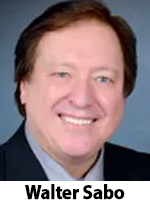
By Walter Sabo
a.k.a. Walter Sterling, Host
WPHT, Philadelphia, “Walter Sterling Every Damn Night”
TMN syndicated, “Sterling on Sunday”
 The plague of pessimism about the future of radio is fueled internally by radio employees. Doomsayers are logically found in the sales department. All day, salespeople meet with buyers. A buyer’s job is to negotiate a lower price by arguing radio’s negatives. The wall of negativity thrives within the work environment of a seller. Tough. But there is little or no reason for pessimism.
Kevin O’ Leary (a.k.a. “Mr. Wonderful” on TV’s Shark Tank) is a pragmatic investor. When asked about AI’s impact on radio, he says, “It’s the same phobia we had when television hit radio. ‘Oh, it’s going to decimate radio!’ No, it’s not. The art form exists today, even bigger, terrestrial, and in space. To me, AI is just a tool.” (Variety. January 5, 2026)
Surprising to many, radio’s audience numbers today are virtually the same as they were in 1970.
Radio Listenership Today (2020s)
Weekly Reach: As of 2022–2023, approximately 82% to 88% of Americans aged 12 and older listen to terrestrial (AM/FM) radio in a given week.
Monthly Reach: Nielsen data indicates that AM/FM radio reaches 91% of U.S. adults each month.
Daily Listening: Approximately 66% of U.S. adults listen to broadcast or streaming AM/FM radio on a daily basis.
Resiliency: Despite the rise of podcasts and music streaming, 55% of Gen Z in the U.S. still listen to AM/FM radio every day, and it remains the top reach medium, even exceeding social media.
1970s: The era of AM to FM transition and the peak of top-40 terrestrial radio, with 25 million CB radios also becoming popular in the mid-70s.
Today: While reach is still high, the amount of time spent listening is more fragmented, with radio facing competition from streaming (Spotify/Apple Music) and podcasts, although it remains the dominant ad-supported audio choice in cars.
CB radio, cassettes, 8-tracks, CDs, DVDs, Walkman, iTunes, iPhones, SiriusXM, Spotify, podcasts, Pandora… all terminators of radio. None of them made a dent. The killer of radio will be radio’s odd internal pessimism that while predicting doom that never comes drives actions that are suicidal: Elimination of audience qualitative research. Tracking. More Tracking. (Radio Fracking!) No external marketing. Endless talent cuts. No contests. (A $1,000 national contest WOW!) None of those cuts are good business because they cut potential revenues.
And yet there is a relentless, funded determination to end all FCC ownership caps allowing companies to buy more radio stations to operate with great Panglossian efficiency!
Walter Sabo has been a C-Suite action partner for companies such as SiriusXM, Hearst, Press Broadcasting, Gannett, RKO General, and many other leading media outlets. His company, HITVIEWS, in 2007, was the first to identify and monetize video influencers. His nightly show “Walter Sterling Every Damn Night” is heard on WPHT, Philadelphia. His syndicated show, “Sterling On Sunday,” from Talk Media Network, airs 10:00 pm-1:00 am ET, and is now in its 10th year of success. He can be reached by email at sabowalter@gmail.com.
Share this with your network
 Red Wrap Up” and other programs on Nebraska Educational Television. He hosted “Unsportsmanlike Conduct” on Omaha’s KOZN for 12 years. As a play-by-play announcer for FOX, he’s called more than 100 NFL games since 2020 along with college basketball, Major League Baseball, the UFL and other events. Steve Lundy has worked at some of Nebraska’s legendary radio stations, including KOIL, KKAR, and KLIN.
  TALKERS magazine, the leading trade publication serving America’s professional broadcast talk radio and associated digital communities since 1990, is pleased to participate as the presenting sponsor of the forthcoming Intercollegiate Broadcasting System (IBS) conference for the second consecutive year.
 campaign. Running throughout February, this critical initiative coincides with the historic 100th anniversary of Black History Month. In an era where Black media faces unprecedented challenges — algorithms that actively silence Black voices, deep fakes and misinformation targeting our communities, and the actual arrest of Black journalists — WURD Radio is an independent platform that remains so due in large part to listener support.” WURD president and CEO Sara M. Lomax states, “WURD is a place for critical conversations and truth-telling. If we want to preserve Black history, we must preserve WURD. We are watching a coordinated effort to erase our history and silence our people. We cannot let that happen.”
 last 9 years. Being your voice, using my platform to speak up for you, to take on the powerful, the connected, the politicians, has been the greatest honor of my professional life. You have responded with incredible ratings and support of our advertisers that stood behind me. In the process we have formed an unbreakable bond. In the end, the show was always about us. In a battle together. I also want to thank those of you who have written letters in support of me the last 3 weeks. I was so moved by the outcry demanding this beautiful thing we’ve forged together keep going at the place we made it happen. If you want the answers why it will not occur, that’s a question for Urban One. We have some amazing things coming soon! Our bond is so much bigger than any singular platform or frequency. You have proven that in recent weeks. I can’t wait to tell you all about our new opportunities together in the near future. In the meantime, thank you for all YOU have given to me the last 9 years. Your loyalty and dedication allowed me to live out my boyhood dream. I will never be able to thank you enough.” Kendall hasn’t publicized his plans for the future but appears to be leaning toward a digital platform as he’s continuing to post Indiana and Indianapolis news via social media.
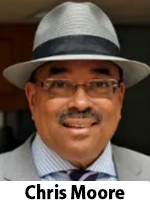 said, “Having our meaningful discussions about world and local issues, as well as more mundane issues with you has been one of the highlights of my career.” In a piece posted to KDKA’s website, the station says Moore’s health and mobility issues, combined with the recent winter weather forced him to consider his future. “‘The Moore of Pittsburgh’ has been a local weekend staple since 1994 and Chris has provided countless hours of entertaining radio that made listeners smile, think and participate.” Moore is also the founder and co-chairperson of the educational committee of the Frank Bolden Urban Journalism Workshop of the Pittsburgh Black Media Federation where a Chris Moore Internship was named in his honor in 2024.
 contract dispute Urban One management but he’s not exactly sure why. Kendall’s contract expired in October and his attorney Jay Kanzler says the problem is not about money. He tells the Star, “It’s not like he walked in there and demanded more money. People are scratching their heads.” Kendall began speaking with management prior to his October contract date asking “to discuss new marketing ideas and flexibility in his role in a challenging radio industry.” When those efforts failed, he hired Kanzler who reached out to management. But, Kendall and Kanzler say neither of them have heard back from the company.
  the recipient of the Philip J. Lombardo Spirit Award. BFoA Chair Scott Herman says, “Ernest exemplifies the values at the heart of the Broadcasters Foundation — generosity, leadership, and an unwavering commitment to helping others. His dedication to our mission and his longstanding support of the broadcasting community make him an exceptionally deserving recipient of the Philip J. Lombardo Spirit Award.”
 talking a little bit more on WABC radio in the near future.” That has become reality as Red Apple Media announces the launch of “The Pulse of the People,” starring Cuomo. The one-hour show premiered yesterday (2/1) at 5:00 pm. Catsimatidis states, “Today on WABC Radio we are introducing a new program, ‘The Pulse of the People,’ hosted by former Governor Andrew Cuomo. The show will focus on listener calls and open discussion about the issues, concerns, and views of New Yorkers. WABC Radio believes in bipartisan conversation and thoughtful discussion of solutions, and we invite listeners to tune in and be part of the discussion.” Cuomo comments, “This is a moment when our country has rarely felt more divided, politics more polarizing, and public discourse more toxic. ‘The Pulse of the People’ is about cutting through the noise and the rancor to have real, substantive, fact-based conversations about the issues that actually affect people’s lives. I’ve spent my career focused on making government work and getting results, and that’s the same straightforward, problem-solving approach I’ll bring to this program.”
 listening to the 10k flamethrower, with a history dating back to 1947, that blankets the Santa Cruz / Monterey / Salinas market and most of the Central California coast. Since acquiring the station, Zwerling has operated it hands-on as a conservative-leaning news-talker featuring a carefully crafted balance between local programming with a parade of hometown personalities (including local superstar Dave Michaels) and a menu of leading syndicated talent. It was one of the original affiliates of Rush Limbaugh and carried the iconic show until his passing in 2021. Zwerling tells
 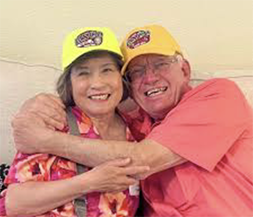 TALKERS, “Back then I was 39 years old and never dreamed I’d last this long as a real broadcaster.” TALKERS publisher Michael Harrison – a longtime fan of KSCO – stated, “Congratulations to Michael Zwerling and all the folks at one of America’s most colorful radio stations, for keeping the spirit of independent local broadcasting alive through the many obstacles and changes that have proven challenging for the practitioners of this wonderful industry. They are champions of a major slice of grassroots Americana represented by the modern era of talk radio.” Today, KSCO maintains its powerful presence in the world-famous market at 1080 AM with the addition of three FM translator signals at 104.1, 95.7, and 107.9. The station still broadcasts from a historic art deco building located on the beach in Santa Cruz and continues to surprise its listeners with unexpected twists and turns in what Harrison describes as “one of radio’s longest running reality shows.”
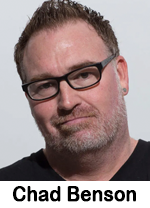 7:00 pm to 10:00 pm beginning tonight (2/2). KIRO-FM director of news and talk programming Bryan Buckalew states, “Chad has a unique ability to break down complex issues in a way that’s engaging and accessible. He respects the intelligence of the audience, values facts, and understands how to connect with listeners in a meaningful way. He’s a strong addition to our evening programming.”
 that wasn’t part of anything in that decision. It was focused on the potential misreading of precedents on the broadcast TV side. Of course, as you know, the rule applies to broadcast, radio and TV, but that one was focused on those TV precedents.” The memo to broadcast TV was relative to the 1996 bona fide news interview exemption that came about in the wake of an interview Jay Leno did with then-California Governor Arnold Schwarzenegger on “The Tonight Show.” The FCC Media Bureau ruled that “The Tonight Show” did not have to give Schwarzenegger’s opponent equal time because that interview segment qualified as a bona fide news interview. This matter doesn’t seem to be a big one for news/talk radio since news/talk stations are viewed as news outlets, on top of the fact that most talk radio hosts would love the opportunity to interview candidates with whom they might not personally agree.
  founders, world-leading investors, media and more than 1,600 startups to the Doha Exhibition and Convention Centre from February 1-4. iHeart Media says that this year’s Centre Stage sessions will welcome Conal Byrne, CEO of the iHeartMedia Digital Audio Group along with other leading podcast talent including Questlove, host of “The Questlove Show”; Steven Bartlett, host of the podcast “The Diary of a CEO”; Arabic sensation Islam Fawzy and more. The event will also serve as the official launch of iHeartArabi, iHeartPodcasts Arabic show slate. iHeartMedia chairman and CEO Bob Pittman comments, “At iHeart we believe in fostering conversations that lead to creative and innovative ideas and solutions, and our partnership with the GCO continues to expand the boundaries of podcasting. Our goal is to work together to generate the kind of discussions and interactions that enhance and grow the future of this medium for audiences everywhere.”
 required that construction was to have begun in 2025, but village officials agreed to push the deadline back to September of 2017. The Daily Herald story reports, “Nexstar Media Group’s original plans called for selling off the southern 35 acres of the 102-acre property for a three-building data center campus, ancillary electrical substation, and six public pickleball courts to be leased to the Elk Grove Park District. The primary 750-foot radio tower and its 250-foot backup were to be demolished, replaced and relocated slightly to the north, while the small building that houses the station’s transmitters and backup studio would have remained intact.” Nexstar says the transmitter move would not affect listeners’ ability to hear the station.
  Moscone Center in San Francisco next week (February 2-6) for the 26th annual Super Week. Shows originating from San Francisco will include “Stugotz and Company LIVE!,” “Two Pros and a Cup of Joe with LaVar Arrington, Brady Quinn & Jonas Knox,” “Covino & Rich,” and “The Odd Couple with Rob Parker & Kelvin Washington.” The “Dan Patrick Show” will broadcast live from China Basin Park.
 once again bring together entrepreneurs, business leaders, and community partners who are making a powerful impact across Long Island.” The 2026 Latino Business Awards Gala will take place on May 14 at Stereo Garden in Patchogue, New York. JVC Broadcasting CEO John Caracciolo says, “Latino-owned businesses are essential to the strength and growth of our local economy. Through the Latino Business Awards, we proudly highlight the entrepreneurs whose dedication, innovation, and leadership continue to move our communities forward.” Station operations manager Ana María Carballo adds, “These awards go beyond recognition — they tell the story of perseverance, sacrifice, and success behind every Latino-owned business. We are honored to provide a platform that celebrates their contributions and inspires future generations of entrepreneurs.”
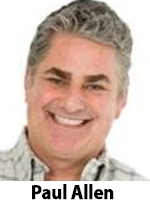 politics. It started with addressing the freezing weather with Allen bringing up exploding trees. Then he said, “I’m beginning to wonder if, in conditions like this, do paid protesters get hazard pay? Those are the things that I’ve been thinking about this morning.” Greenway said, “Yeah, probably not going to touch that one,” then Allen added, “Everybody’s catching strays this week. Flores, Kevin Stefanski from Baker, Charlie Biatch caught one out of nowhere. Paid protesters caught one this morning.” Prior to Monday’s program, KFAN aired Allen’s apology in which he said, in part, “While it was never meant with any ill intent or political affront, I absolutely and wholeheartedly want to apologize to those who genuinely were hurt or offended by it… As I’ve stated many times before, we serve you, not the other way around. We are very fortunate and thank you for counting on us as long as you have. It means more than you’ll ever know. My best was lacking Friday, and for that I am sorry. I am taking a few days off but wanted to express these thoughts and my sincere apology, with you, before I do.” It’s unclear whether Allen is serving an official suspension by station management and how long he’ll be off the air.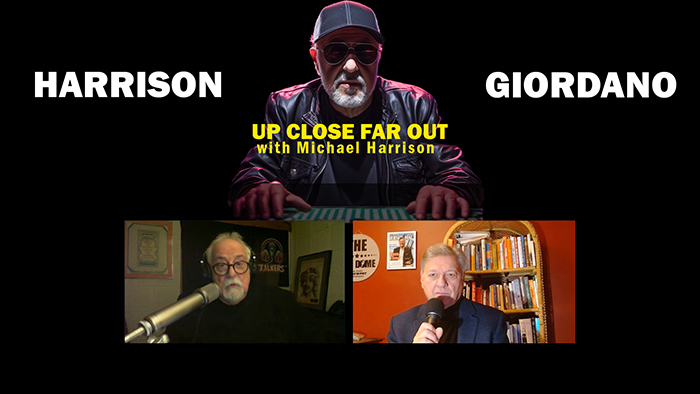
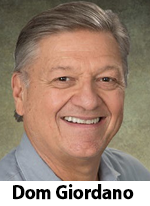 Giordano is a political commentator, social generalist and seasoned expert on education. He is a former Pennsylvania-based schoolteacher whose keen insights, innovative ideas, and communication skills were discovered by talk radio in Philadelphia in 1987 when, after serving as a dependable “go-to” source on education, he became a fulltime host on WWDB-FM. In 2000, he moved over to powerhouse WPHT 1210 am in Philly where he has been broadcasting ever since. In addition to his enduring radio presence, Giordano hosts several podcasts including the groundbreaking “Old School, New School, Next School” which takes a critical-but-constructive view of America’s education crisis and is must-listening for parents who care about their kids and the future of America. Get ready for a no-holds-barred view of such hot topics as school choice, the tyranny of social media, the distraction of smart phones, short term attention spans, bullying, the threat of guns and violence, responsible parenting, media complacency, and a whole lot more.
 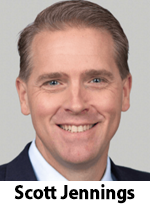 is a fearless communicator with unmatched credibility. His experience, intelligence, and no-nonsense delivery make him a strong addition to our primetime lineup. Scott doesn’t just react to the news — he shapes the conversation and arms listeners with insight they can use.” Jennings comments, “I’m thrilled to join the lineup at Seattle Red! My mission is to debunk liberal narratives, bring forward blockbuster news-making conversations, and give the audience a daily dose of common sense. Can’t wait to be part of this terrific station!”
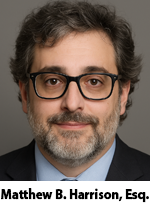 For years, “protect your name and likeness” sounded like lawyer advice in search of a problem. Abstract. Defensive. Easy to ignore. That worked when misuse required effort, intent, and a human decision-maker willing to cross a line.
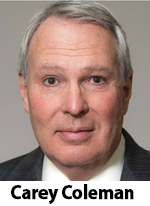 Coleman was a television meteorologist who worked in the Cleveland market at WKYC-TV and WOIO-TV, as well as with The Weather Channel and CNN. Carey’s campaign website says “understands the real challenges facing working families: rising costs, government overreach, and a political system that puts insiders ahead of citizens. He is running for Congress to restore fiscal discipline, secure our borders, defend constitutional freedoms, support law enforcement, and ensure parents have a strong voice in their children’s education.”
 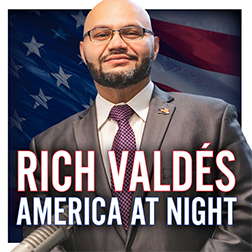 Media Federation and its streaming network Festiva TV syndication partnership. The deal will make Valdés’ late-night show exclusively in Spanish to Roku’s 90 million+ subscribed households. Valdés’ English-language show continues to be available via iHeartRadio, and Valdés says he is “completely open to English syndication opportunities across terrestrial radio, cable television, and streaming platforms like Rumble—building on my ongoing work in those spaces.”
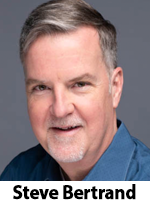 with the Lifetime Achievement Award, an honor designated contributions to local news. Bertrand has been a trusted voice on WGN Radio for four decades, anchoring news since 1992 and earning the confidence of generations of Chicago listeners. Over his career, he covered many of the most significant local and national events of the past 40 years while mentoring colleagues and helping define the standard for excellence in local radio journalism. His retirement in 2025 marks the culmination of a lifetime dedicated to informing the public and strengthening the role of local news.”
  gathering – will take place February 19-21 at the Sheraton Times Square Hotel in midtown Manhattan.
 serve in the public interest, the FCC yesterday issued a Guidance on Political Equal Opportunities Requirement for Broadcast Television Stations. While the memorandum is written to television stations, it obvious applies to radio stations as well. The memo ultimately addresses the 1959 order that exempts broadcasters from providing equal time to qualified candidates on any: (1) bona fide newscast; (2) bona fide news interview; (3) bona fidenews documentary (if the appearance of the candidate is incidental to the presentation of the subject or subjects covered by the news documentary); or (4) on-the-spot coverage of bona fide news events (including but not limited to political conventions and activities incidental thereto). Programs such as “The Tonight Show” and “The View” are cited as entertainment shows in which an interview segment can qualify as a bona fide news interview. Regarding this, the memo concludes with two important paragraphs:
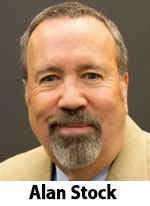 bring together leaders from Nevada’s Jewish community, educators, advocates, and law enforcement professionals to advise the governor on emerging challenges, community safety concerns, and long-term policy solutions.” Stock tells TALKERS, “The group will provide an important opportunity for Jewish community leaders to share their perspectives and ensure that Nevada Governor Joe Lombardo hears directly from those affected as we work together to address antisemitism in Nevada. Policy recommendations will be due by April 15, shaping the agenda for Nevada’s 2027 legislative session.” Stock hosts his daily morning program “Vegas @ 8” on news/talk KXNT and produces commentaries that air three times per day on the Audacy station.
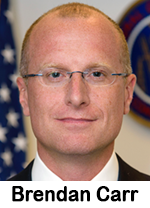
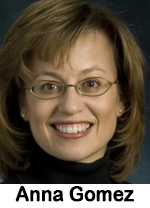 the way the commission is operating. She took issue with FCC Chair Brendan Carr’s interpretation of how the Commission should ensure that licensees operate in the public interest. She stated, “For months, this FCC has asserted an apparent roving mandate to police speech that this Administration does not like, invoking an undefined and unchecked concept known as the ‘public interest’ standard.
 audience engagement – a considerable value add for Cumulus Media and its stakeholders and an important next step in the development of advanced capabilities for the audio sector.” Cumulus adds that Eon Media is an award-winning technology company for media that harnesses state-of-the-art artificial intelligence that is fully built in-house to extract metadata from media assets, including segments, stories, categories, audio transcription, music recognition, people mentioned, demographics, and much more. Cumulus Media president and CEO Mary G. Berner says, “We are excited to join forces with Eon Media to create innovative solutions that will provide Cumulus Media with access to new market opportunities and untapped monetization paths. Importantly, this partnership will significantly enhance our ability to drive greater discoverability. By expanding touchpoints and engagement opportunities, we ensure our listeners and audiences can connect with our content more easily and more often than ever.”