
The Evolution of Radio Station Stickers in the 21st Century
By Andy Gladding, EdD, CBT
Chief Engineer
Salem Media of New York
WRHU Radio, Hofstra University
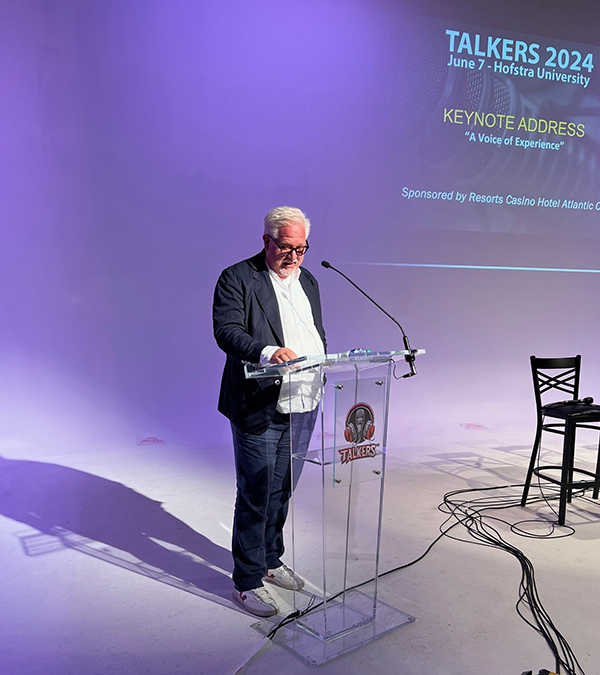
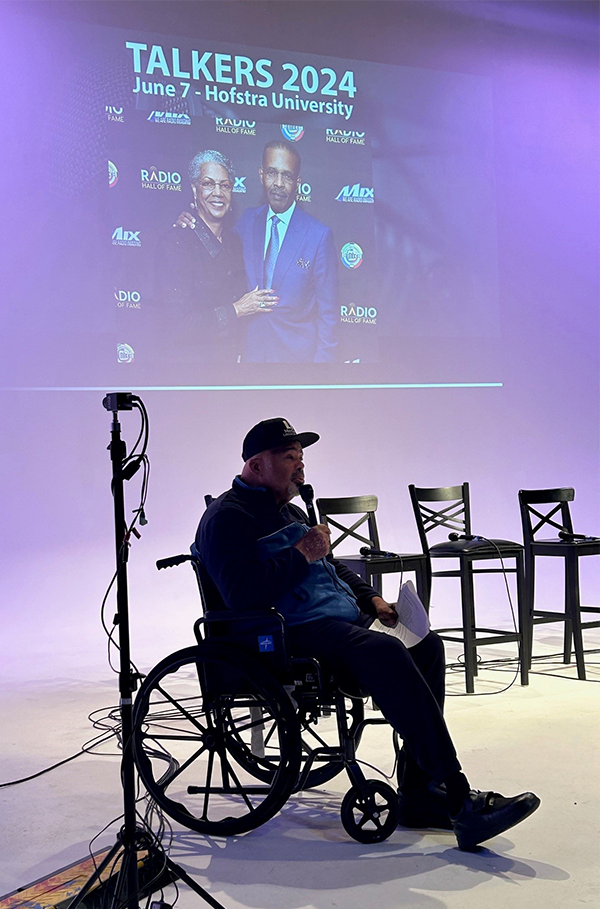
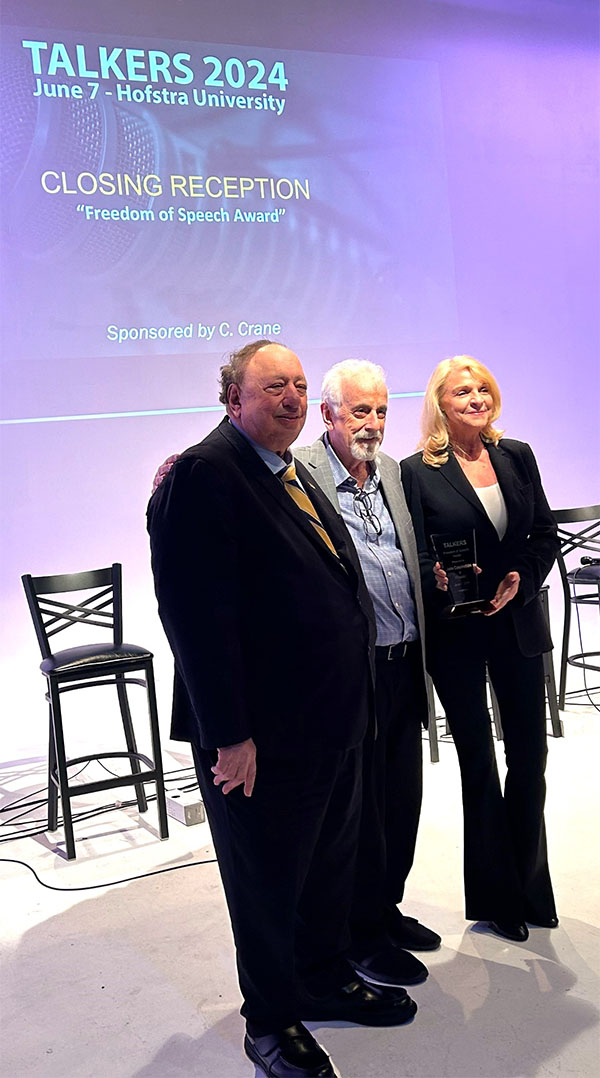
 The best thing about attending media conferences like TALKERS 2024: Radio and Beyond, which occurred last week on June 7, is the opportunity to hear diverse viewpoints from industry experts. Gatherings like these also provide the opportunity for attendees like me to “chew” on some of the great ideas presented by the expert panelists and think about solutions to some of the challenges raised during the discussions.
One of the many contemporary issues facing radio brought up during TALKERS 2024 was the evolution and need for vinyl bumper stickers in today’s branding environment. Bumper stickers have been a central component of radio station marketing over several decades, as they provide a low-cost visual aid for stations to get their logo and frequency out to the public, using a “listener-driven” mobile platform. However, as cars increase in price, value, and longevity, station owners are questioning the willingness of car owners to plaster their high-cost investment with third-party advertising. Therefore, the value of continuing to create and distribute vinyl stickers for radio stations has been called into question.
While cars may no longer be an attractive moving billboard destination for station listeners, a whole new field of organic advertising space has emerged, especially on the surface of laptop computers, tablets, and other mobile devices. Many consumers use the uniform blank space of their laptops and cellphones as a place for vinyl stickers. The idea behind this concept is that vinyl stickers allow the device owner to personalize their equipment for identity branding and theft protection. It is much easier to identify a personal device at a place like a coffee shop or airplane security line if you’ve placed a personalized vinyl sticker on it. Many Millennials and Gen-Z’ers are more willing to use the back of their electronic devices as a showcase for vinyl sticker advertising, as it helps attract attention to the user while in a public setting and lets others know “what they are about” with just a quick glance. Electronic devices are on display everywhere and are often carried around with the user in backpacks. When presented with a vinyl sticker, the recipient is usually willing to place the sticker on the device, simply because trying to store it elsewhere will usually result in the destruction of the vinyl sticker.
With this in mind, radio station marketing folks may want to rethink the footprint and layout of their vinyl stickers, choosing to migrate the wider “car bumper” format to a smaller, more concise mini-billboard that could live, display, and survive more effectively on the back of an electronic device.
Solutions like these can only happen when the listener is presented with a challenge by top industry minds. This TALKERS 2024 attendee is grateful for the chance to help provide a solution to a practical problem, made possible by the collaborative environment fostered by an in-person gathering.
Andy Gladding is the chief engineer for Salem Media of New York and WRHU, Hofstra University. He can be emailed at biggladman@aol.com

 Got young local radio news talent? CONGRATULATIONS, for five reasons:
 is launching a private placement offering seeking to raise up to $225 million.” Newsmax CEO Christopher Ruddy adds, “While achieving significant success, Newsmax has stayed true to our mission of providing Americans with honest and real news. Now more than ever, especially in this election year of 2024, America needs Newsmax and you can join with us as an investor.” The current private offering currently consists of shares of the Company’s Series B 7% Convertible Preferred Stock for a maximum Offering amount of up to $225 million.
 When recently starting nightly on WPHT, Philadelphia, I asked program director Greg Stocker if there was anything else management needed from me. Greg said, “Do your show.”
 Media and president, Westwood One, was elected radio board chair by the NAB radio board. Kevin Perry, president and CEO of Perry Publishing and Broadcasting Company, was elected radio board first vice chair, and Leonard Wheeler, president of Mel Wheeler, Inc., was elected radio board second vice chair. Chris Ornelas, executive vice president and general counsel of Beasley Media Group, was reelected to the radio board’s major group representative seat on the NAB board’s executive committee. Perry Sook continues the second year of his role as joint board chair. The position is elected every two years. The elections took place at the NAB Board of Directors meeting, held June 3-4.
 daypart to morning drive, taking over for Maxwell Schaeffer and Amy Sweet, who exited the station earlier this year. He posts a message to Facebook saying, in part, “Iowans are all about connecting with each other and WHO Radio has always been at the heart of that. We’ll have conversations about the most important topics of the day, and we’ll share a few laughs along the way.”
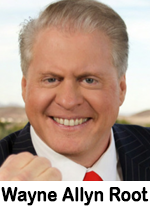 titled, ‘The Chosen One.’ This song was inspired by the media firestorm across the globe in July 2019 when I said on my Newsmax TV show Trump was ‘like the King of the Jews and the Chosen One.’” Root debuted the song on his Real America’s Voice TV show, “The Root Reaction” and on his Talk Media Network nationally syndicated radio show. Root adds, “In light of this unprecedented persecution, indictments and now unjust conviction of President Trump, this is the perfect song and video, at the perfect time, and the perfect place, to lift the spirits of President Trump and the MAGA world, and to show the world President Trump is on a mission from God to make America great again.”
  downloads, listens, or views never contemplated a device utilized by multiple people. What we have uncovered is that there is actually a fair amount of co-listening to podcasts that takes place. Whether it be with kids, friends, or family, the podcast industry is leaving ears on the table. There is a richer consumption story to be told as it is not just one person per download. For agencies and media planners, being able to examine co-listening by genre or podcast can offer invaluable insights into reaching the true audience.” Other notable findings include: 1) Marketers targeting people with a side hustle will find a rich concentration among men, heavy, and 18-34 podcast consumers; 2) Podcast pioneers and women like to go back to listen to back episodes and episodes they missed; 3) YouTube has been the most utilized podcast listening platform in the U.S. over the past year and a half: 31% say it is the platform they use the most, followed by Spotify (21%) and Apple (12%); and 4) As the world’s entertainment search engine, YouTube is the dominant podcast discovery platform where audiences are more likely to find podcasts.
  people, it’s time for Eric to embark on new endeavors. Eric and Newsmax are grateful for their time together and proud of the work they have produced.” Bolling’s program The Balance aired at 8:00 pm ET. Newsmax has replaced his show with its Prime News show with a rotating cast of hosts for the interim until a permanent replacement is named.
 WTOP.com, Outstanding Newscast and the Best in Show Award for all radio for Outstanding News Operation. WTOP director of news and programming Julia Ziegler comments, “In addition to the breaking news, traffic and weather WTOP offers, we have also made a concerted effort to offer a balanced news diet to our consumers across platforms. There are great ‘good news’ stories happening across the DC region every day. It is a great honor to see some of them honored in this way.”
 reach. “Republicans listen to more AM/FM radio than other groups, with an index of 109 (or 9% more listening than average). The ad-supported spoken-word channels on SiriusXM are a particularly efficient place to find Republicans, with an index of 146. Meanwhile, podcasts stand out as the more efficient platform for reaching Democrats, indexing at 121. And what about those elusive Independents, who often tip an election? Both streaming music, and in particular music videos on YouTube, over-deliver for these potential voters, with indexes of 103 and 123 respectively.” Edison adds, “Regardless of the party that buyers are trying to reach with political ads, audio stands out as a superior pathway to reaching voters. Audio provides enormous audiences and often a far less cluttered political environment than other ad channels.”
 due to critical illness or disaster. The campaign also strives to raise awareness of the Broadcasters Foundation’s charitable purpose to ensure that anyone in radio and television who might qualify for aid can apply. BFoA presiddnt Tim McCarthy says, “One hundred percent of Giving Day donations go directly to grants that help our colleagues, who are struggling with life-altering disease or disaster. Any amount – large or small – helps provide much-needed aid to support our colleagues.” The Broadcasters Foundation has distributed more than $15 million dollars in aid over the past 20 years. Monthly grants support broadcasters on a continual basis while they recover from an illness or accident. Emergency grants provide one-time financial aid following a devastating natural disaster or home emergency. Find out more at
  What happened to us? Unless we move quickly, the radio business stands to lose the final frontier: in-car listening.
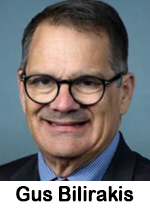 witnesses about the importance of having a robust emergency alert and public safety communications infrastructure. Further, rural and underserved Americans still enjoy listening to AM radio broadcasts for their diverse viewpoints. Given AM radio’s significant reach as a medium, much of it taking place in vehicles, we
  must ensure it remains a readily available option for all Americans, particularly as we approach hurricane season.” In response NAB president and CEO Curtis LeGeyt states, “NAB applauds today’s markup and passage of the ‘AM Radio for Every Vehicle Act.’ This critical legislation ensures that the 82 million Americans who rely on AM radio each month will continue to have access to diverse programming, local news and essential emergency information. AM radio is the backbone of our Emergency Alert System, providing timely alerts and information during disasters and emergencies, ensuring that critical communication remains available even when cell and broadband services fail.”
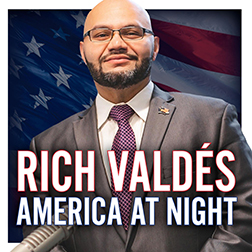 be able to alter the course of established radio stations and the marketplace of ideas before the 2024 election or even soon thereafter. Harrison told “America at Night” host Rich Valdés last night (5/22) that radio is far too idiosyncratic an industry – already run by too many people who don’t understand how it really operates – for someone (who also doesn’t really have first-hand experience in the field) to just step in and make drastic alterations to entrenched stations, formats, audiences and sponsors just to make a political statement. Harrison states, “There are more
  expedient uses of his money if that is his main purpose. After all, not all Audacy stations are conservative news/talkers… many are music, sports and a variety of formats. How inefficient such a move would be!” Harrison went on to say that radio is still an extremely powerful and potentially lucrative medium if only its present owners and operators believed in it and invested in its programming and marketing. He encouraged radio broadcasters to understand and believe in the “esthetic of ‘radio’ and not be so anxious to bail out into the utilitarian term ‘audio.’” Harrison and Valdés tied the discussion into the current news about the AM for Every Vehicle Act currently making its way through Congress stating that radio is still a lifeline for service to the community as a place for information, education, and entertainment and that eliminating it from automobile dashboards would be about “five to 10 years premature.”