Industry News

Programming Changes at Nashville’s “The Game”

Programming changes will take effect on Monday (8/4) at Cromwell Media’s sports talk WPRT-FM, Nashville “102.5 The Game.” The midday “DVD” show starring Derrick “DMase” Mason, Willy Daunic, and Adamimg Vingan moves to the 3:0 pm to 6:00 pm daypart. The late morning Chase & Big Joe show – Chase McCabe and Joe Dubin – moves to the 12:00 noon to 3:00 pm slot, and a new program hosted by Jake Lyman launches in the 9:00 am to 12:00 noon daypart. Director of operations & sports program McCabe says, “This new lineup reflects 102.5 The Game’s deep commitment to being the go-to destination for Nashville sports fans. We’re the place to get your news, celebrate wins, and vent about the losses. Your Sports Live Here!”

Industry News

Top News/Talk Media Stories This Past Week (July 28 – August 1, 2025)

Here are the most talked about stories of the past week (7/28-8/1) on news/talk radio and related talk media according to TALKERS:

Stories

1. The Epstein Files
2. Tariff Deals
3. Fed Interest Rates Policy
4. Gaza Humanitarian Crisis
5. Colleges Settle with Trump
6. U.S.-China Trade Negotiations
7. ICE Raids
8. Texas Redistricting Map
9. Russia-Ukraine War
10.Deadly NYC Shooting

People

1. Donald Trump
2. Jeffrey Epstein
3. Ghislaine Maxwell
4. Bill Clinton
5. Barack Obama / Joe Biden
6. Jerome Powell
7. Benjamin Netanyahu
8. Mike Johnson
9. Vladimir Putin
10.Shane Tamura

To see the full TALKERS Stories, Topics, and People Charts, please click HERE.

Industry News

WBAL Names Aviles PM Drive Host

Hearst’s news/talk WBAL, Baltimore announces that market media pro Angelette Aviles is the new afternoon drive host. The station says, “Aviles first joined WBAL in January 2024, hosting a weekend show.img She brings to the microphone more than two decades of experience in communications and marketing across both commercial and political sectors, with commentary featured on FOX News Channel and Univision, as well as published opinion pieces in The Baltimore Sun. She grew up attending Maryland schools while her father served as an Army officer and returned home after graduating from the University of South Florida.” Aviles comments, “As WBAL celebrates its 100th year on the air, I’m incredibly honored to join this legacy of broadcasting and to bring my voice to Maryland’s afternoon drive. This show will be about real conversations – local, national, cultural – I’m excited to connect with listeners every day.”

Industry News

TALKERS News Notes

KUT, Austin Promotes MacLaggan. Public radio outlet KUT, Austin, Texas names Corrie MacLaggan executive editor of KUT News and The Texas Newsroom, effective September 1. She will lead editorial strategy, support collaboration across teams, and focus on growing audiences across digital, radio, and on-demand platforms. She currently serves as managing editor of The Texas Newsroom and will retain oversight of that collaborative, while dedicating more time to KUT News and Texas Standard.

WOR Renews NYC Marathon Deal. iHeartMedia’s news/talk WOR, New York and New York Road Runners (NYRR), the nonprofit that produces 60 annual adult and youth races including the TCS New York City Marathon, agree to a new multi-year expansion of their official radio broadcast partnership. The deal is part of New York Road Runners’ newly launched content studio, East 89th St Productions, and aims to bring the transformative stories of the running community to iHeartMedia’s listeners across broadcast, streaming, and digital platforms.

RMWorldTravel Hosts Secretary Duffy. Last weekend, U.S. Secretary of Transportation Sean Duffy was the guest of hosts Robert and Mary Carey during the live national broadcast of RMWorldTravel during the “Chief Travel Leader” conversation. Secretary Duffy and the Careys talked about what’s been accomplished in the first six months of the Trump administration and what lies ahead. Listen to the segment here.

WFAN and Giants Extend Deal. The New York Giants and Audacy’s WFAN, New York extend their play-by-play partnership. WFAN will continue as the flagship station of the team, and as part of the extension, the team will produce monthly Giants programming throughout the year and will continue its weekly preview show, “Big Blue Kickoff Live.” Tiki Barber joins Giants.com’s John Schmeelk as the new pre- and post-game co-host for Giants gameday broadcasts. The voice of the Giants, Bob Papa, alongside Carl Banks and Howard Cross, will continue their in-game responsibilities.

Industry Views

Monday Memo: News/Talk’s New Fall Season

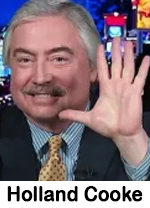
By Holland Cooke
Consultant

imgWhy we’re already seeing TV tout its coming attractions: They understand how, after Labor Day, routines settle in. Viewers will be ready to re-engage.

Radio stations that treat September as just another month are missing an opportunity to reintroduce our relevance, refresh our programming, and remind listeners why we matter. After a summer of disrupted routines, school vacation, and scattered attention, commutes return, and schedules normalize. And we want to be the soundtrack. How?

1. Make listeners feel like they’re rejoining a conversation they care about. “Back to the grind? We’re back with what matters.”
2. Freshen your lineup or formatics. It’s a great time to introduce new contributors – analysts, columnists, or rotating guests with fresh perspectives. Debut a new segment: deeper dives, listener town halls, daily fact-checks, etc.
3. Update Imaging.Listeners tune to news/talk for clarity. At client stations, we’re refreshing IDs, show opens, transitions. Convey momentum and immediacy, and that you’ve got your listener’s back. Adjust clocks to improve flow and appointment tune-in. Even subtle changes, well-explained and promoted, can feel significant.

im

4. TV has premieres. Radio can, too. Launch a limited-run podcast series and promote it on-air?
5. Promote like you’re running for election. Off-air marketing money may be scarce, but you have other arrows in your quiver: Daily topical on-air promos explain how listening will be helpful. Use social media to tease what’s upcoming, and to post ICYMI “Feature the Moments that Matter.” Ditto e-newsletters and station app alerts and, and partner mentions via local media or civic groups.
6. Sales! Help advertisers freshen their messages similarly.

Any station, any format, should reassert its role. And – as each day’s events impact everyday life – no other format can command more attention than news/talk. So, welcome back.

Holland Cooke (HollandCooke.com) is a media consultant working at the intersection of broadcasting and the Internet. Follow HC on Twitter @HollandCooke

Industry News

Thomas Adds Saturday Show to TMN Offering

img

Talk radio host Joe Thomas says his Talk Media Network-syndicated program “First Thing Today” is launching a live Saturday morning edition beginning August 2. Thomas says, “The workplace paradigm has changed. Most Americans work just as much on Saturday as they do Monday-Friday, so they need to be up on the news and need a chance to talk about it just as much then.” He notes that his first affiliate for this Saturday edition is JVC Broadcasting’s WRCN, Riverhead, New York (Long Island). Thomas says, “WRCN is where my career really took off. I learned so much there, met my wife there, had our first child while I was there so it was a thrill to hear that John Caracciolo and JVC were bringing me back to 103.9 FM on Long Island for the first time since 1995!” Stations interested in the show can inquire via: willis@talkmedianetwork.com.

Industry News

Commissioners Differ Starkly on Paramount-Skydance Merger

Last week’s FCC approval of the Paramount-Skydance merger on a 2-1 vote revealed dramatically different takes on the matter from FCC Commissioner Olivia Trusty – who voted for it – and FCC Commissioner Anna Gomez – who voted against. While Trusty issued a statement about the merger positioning it as a winimg for free markets, Gomez called out the FCC’s role and Paramount for “cowardly capitulation.” Trusty said, “This transaction reflects the free market at work, where private investment, not government intervention, is preserving an iconic American media institution. During its review of the transaction, the Commission determined the merger was lawful and would serve the public interest.  This deal brings fresh imgleadership, new capital, and a clear plan to compete with dominant tech platforms.” Gomez stated, “In an unprecedented move, this once-independent FCC used its vast power to pressure Paramount to broker a private legal settlement and further erode press freedom. Once again, this agency is undermining legitimate efforts to combat discrimination and expand opportunity by overstepping its authority and intervening in employment matters reserved for other government entities with proper jurisdiction on these issues. Even more alarming, it is now imposing never-before-seen controls over newsroom decisions and editorial judgment, in direct violation of the First Amendment and the law… The Paramount payout and this reckless approval have emboldened those who believe the government can – and should – abuse its power to extract financial and ideological concessions, demand favored treatment, and secure positive media coverage. It is a dark chapter in a long and growing record of abuse that threatens press freedom in this country.”

Industry Views

In the Age of Blogs, Podcasts, and Substack, Defamation Law is Asking: How Public is Too Public?

By Matthew B. Harrison
TALKERS, VP/Associate Publisher
Harrison Media Law, Senior Partner
Goodphone Communications, Executive Producer

imgMark Walters didn’t expect to lose private-figure legal protections over something he never talked about – especially since the thing he never talked about never even happened. A nationally syndicated radio host and outspoken Second Amendment advocate, Walters is publicly known, but in a specific lane. He never discussed nonprofits, financial misconduct, or legal ethics. Yet when ChatGPT hallucinated a claim that he had embezzled from a charity, a Georgia court ruled he was a public figure – and dismissed his defamation suit. 

The logic? Walters had a platform, a following, and a history of public commentary. That was enough. The court held that his general media presence elevated him to public-figure status, even though the allegedly defamatory statement had nothing to do with the subject matter of his actual work. wasn’t defamed about what he’s known for—but his visibility was used against him anyway.

The case didn’t just shut down a complaint. It opened a wider question: who qualifies as a public figure in the modern media era – and when does that designation apply to topics you never touched?

Mark Walters Inspired editorial cartoon for exclusive use by TALKERS


Why Public Figure Status Matters

Defamation law protects people from false, reputation-harming statements – but not equally. A private figure needs only to show that the speaker was negligent. A public figure, by contrast, must prove actual malice – that the speaker knew the statement was false or recklessly disregarded the truth.

This high standard, first articulated in New York Times v. Sullivan, was intended to protect freedom of speech and the press. But in the age of digital publishing and algorithmic reach, it’s increasingly used to deny protection to people who never thought they were stepping into the spotlight.

What Makes Someone a Public Figure?

Courts recognize two main categories:

– General-purpose public figures are household names – people famous across all topics and platforms.

– Limited-purpose public figures are individuals who have voluntarily entered public controversy or engaged in widespread public commentary on specific issues.

Here’s where the modern problem begins.

Thanks to blogs, newsletters, podcasts, and social media, it’s easier than ever to participate in public dialogue – and harder than ever to keep that participation confined to just one topic.

Post a viral thread on immigration?

Host a weekly podcast about school choice?

Weigh in on TikTok about local politics?

You may have just stepped into “limited-purpose public figure” territory – whether you intended to or not.

The Walters v. OpenAI Case – Now the Law

In Walters v. OpenAI, the court didn’t question whether the claim was false – only whether Walters could meet the public figure burden of proof. The court held that he could not. Despite the fact that he had never discussed the subject matter in question, his general visibility was enough to require that he prove actual malice. And he couldn’t.

The decision came with no trial, no settlement – just a dismissal. It now stands as legal precedent: having a public voice on one issue may cost you private-figure protections on others.

Microphone, Meet Microscope

This shift affects:

Independent journalists

– Podcast hosts

– Niche content creators

– Local activists with modest but vocal platforms

They may not feel “public,” but courts increasingly view them that way. And once that threshold is crossed, the burden in a defamation case becomes dramatically harder to meet.

he more you speak publicly—even on one topic—the more legally exposed you are everywhere else.

That wasn’t the intent of Sullivan. But in today’s fragmented, always-on media culture, visibility leaks- and so do legal thresholds.

Final Takeaway

You don’t need to be famous to be “public.” You just need to be findable.

Whether you’re behind a mic, a blog, or a camera, your platform may elevate you into public figure status – and bring defamation law’s toughest burdens with it. If you’re defamed, you’ll have to prove the speaker acted with knowing falsehood. If you’re doing the speaking, your target’s legal classification could determine how costly a misstep becomes.

In 2025, every microphone is also a microscope. Know what the law sees before you go live.

Matthew B. Harrison is a media and intellectual property attorney who advises radio hosts, content creators, and creative entrepreneurs. He has written extensively on fair use, AI law, and the future of digital rights. Reach him at Matthew@HarrisonMediaLaw.com or read more at TALKERS.com.

Industry Views

Sean Hannity Guests on Harrison Video Show

img

Talk media superstar Sean Hannity guests on the new installment of “Up Close Far Out with Michael Harrison.” Hannity is the long-running, reigning champion of both news/talk radio and cable news television. He’s seen nightly on the FOX News Channel and heard daily on more than 750 radio stations via Premiere Networks. Hannity has been expanding his platforms to include a special new premium channel titled FOX Nation and is stretching the subjects he discusses well beyond the realm of politics, for which he has become famous, including history, show business, sports, and even stand-up comedy. Harrison, publisher of the broadcasting trade journal TALKERS, engages Hannity in a candid conversation about his life and career – as well as the launch of a new four-part FOX Nation program he hosts titled, “Wanted Dead or Alive,” about famous outlaws and bank robbers of the early 20th century.

To watch the program in its entirety, please click here.

Industry News

“The Big 89” Returns (for Two Hours): WLS, Chicago to Pay Tribute to its Music Radio Glory Days

Graphic

Tomorrow night 7/26) listeners can hear “WLS Unwound: Personalities of the MusicRadio Years.” A gathering of air talent from the legendary days of top 40 radio will get-together in the WLS, Chicago lakefront studios to talk about the glory days of when WLS was the Midwest powerhouse for hits and known as “The Rock of Chicago!”  Scheduled to appear: Tommy Edwards, Chuck Knapp, Catherine Johns, Chuck Buell, Jim Kerr and others who may just happen to drop by. This exciting radio event will be hosted by WLS historian Scott Childers, who literally wrote the book on the legendary radio station, now a major talk outlet. Art Vuolo will be archiving the show on video, while Ted Gorden Smucker, Bill Shannon, Tim Larson, Travis Bravo, and Kipper McGee make it all work in harmony. The broadcast will take place Saturday night (tomorrow) on WLS-AM 890 at 10:00 pm CDT

WLS is also available online at wlsam.com.

Lots of great audio clips will also be included. Click below to hear one of the many great promos that WLS is featuring this week. https://app.box.com/s/zyu3elud2u11zrlqy8gxdq3zyy5g80du

Industry News

Top News/Talk Media Stories This Past Week (July 21 – 25, 2025)

Here are the most talked about stories of the past week (7/21-7/25) on news/talk radio and related talk media according to TALKERS:

Stories

1. The Epstein Files
2. The Economy / Trump vs Powell
3. Trump Negotiates with Colleges
4. U.S.-Japan Tariff Deal
5. Gaza Violence-Food Crisis
6. House Approves “Golden Dome” Funding
7. ICE Raids
8. Coldplay Couple
9. Extreme Weather
10.Ozzy Osbourne/Malcom Jamal Warner/Hulk Hogan/Chuck Mangione Deaths

People

1. Donald Trump
2. Jeffrey Epstein
3. Ghislaine Maxwell
4. Jerome Powell
5. Mike Johnson
6. Scott Bessent
7. Marco Rubio
8. Andy Byron / Kristin Cabot
9. Ozzy Osbourne / Malcolm Jamal Warner
10.Hulk Hogan / Chuck Mangione

To see the full TALKERS Stories, Topics, and People Charts, please click HERE.

Industry News

Rich Eisen Returns to ESPN

Sports talk media personality Rich Eisen is returning to the ESPN radio fold, effective September 2. ESPN says “The Rich Eisen Show” will be available nationally on ESPN Radio, in addition to Disney+ and ESPN+img live in the 12:00 noon to 3:00 pm daypart. The show will be simulcast live on Disney+ every day and on ESPN+ during select weeks in the year. In addition to his weekday show, Eisen brings his full podcast lineup from The Rich Eisen Podcast Network to ESPN platforms. Eisen says, “Once we struck a deal with Disney for the video version of The Rich Eisen Show, it made complete sense to migrate the audio version to ESPN Radio, where I got started in the terrestrial radio world almost 30 years ago. It’s just another way to return to my roots with my old and now new friends at ESPN and GKB. I couldn’t be more excited about our future together on multiple platforms.”

Industry News

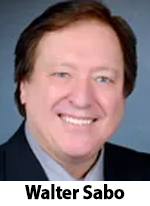
SABO SEZ: Star Search – They’re Out There!

By Walter Sabo
a.k.a. Walter Sterling, Host
WPHT, Philadelphia, “Walter Sterling Every Damn Night”
and TMN syndicated, “Sterling on Sunday”

imgConventional industry wisdom: “If our morning star leaves, we’re dead. How could we replace them?”

First, loosen up the criteria. There are actual conversations taking place right now at an AC station between executives afraid to hire a great country jock because she has never “done AC.” Let that nonsense go and pay attention to the qualities of a star.

Consulting work brought regular demands to find star talent. Disruptive. Audience builders. Talent can be found anywhere, everywhere when we put down the notion of an ideal resume.

FAVORITE STORY: I was on the 23rd Street bus a few years ago. It was packed. There was a woman on her cell phone giving advice to a caller about living with a man prior to marriage. She had a big personality, easy to hear. New Yorker after New Yorker listened to this intriguing conversation and then… passenger after passenger started to express their opinions to this passenger, on a New York City bus, at rush hour. By the time she had to get off, half the bus was participating with her in her private conversation.

I wrote her a note on my card and asked her to please get in touch with me.

She did. We had coffee for one hour. It seemed like five minutes. Her life story was intriguing, overwhelming, timeless.

Anna Smith. “Anna on the Bus.” I had her in the production room at Audacy in New York and tough big city radio people gathered around the studio and whispered to me, “She should have her own show.”

Anna tells compelling stories: Her father was an 18-wheeler. He would arrive first with his deliveries. Dispatchers usually sent him to the back of the line because he was Black. After waiting for hours to dock, he was fined for late deliveries.

Anna lost several of her seven children to disease and shootings. No anger. Just “the way of the world.” Stories like that. She’s been on my show many times. She’s a radio star.

“Anna on the Bus.”

Walter Sabo has been a C Suite action partner for companies such as SiriusXM, Hearst, Press Broadcasting, Gannett, RKO General and many other leading media outlets. His company HITVIEWS, in 2007, was the first to identify and monetize video influencers.. His nightly show “Walter Sterling Every Damn Night” is heard on WPHT, Philadelphia. His syndicated show, “Sterling On Sunday,” from Talk Media Network, airs 10:00 pm-1:00 am ET, and is now in its 10th year of success. He can be reached by email at sabowalter@gmail.com.

Industry News

Portland’s “The Fan” Gets New FM Signal; Harrah Named Brand Manager

Audacy’s sports talk KFXX-AM “1080 The Fan” gets a full-market FM signal as the company drops the AC format on KRSK-FM and begins simulcasting on the 105.1 FM frequency, effective today (7/22). Additionally, the station announces that longtime station host Dusty Harrah adds brand manager duties following theimg retirement of Jeff Austin. The station the serves as flagship for University of Oregon Ducks football, men’s and women’s basketball and baseball. Along with these changes, the station unveils a tweaked program schedule that includes the debut of “The Firm of Harris and Marang,” airing daily from 10:00 pm to 1:00 pm and hosted by Danny Marang and Patrick Harris; “Dirt and Sprague” extending their show an hour from 6:00 am to 10:00 am; and “The Happy Hour with Luke Andersen” airing weekdays from 2:00 pm to 3:00 pm. Audacy Portland SVP and market manager Ryan Cooley says, “We’re incredibly excited to bring ‘The FAN’ to the FM dial. This move is long overdue and all about delivering a better listening experience for our audience with clearer sound and great content our fans know and love. For the first time in our history, our entire primetime on-air lineup will be 100% local and led by our new brand manager, Dusty Harrah, a native Oregonian.”

Industry News

FCC’s Trusty Comments on CPB Funding Recission

Newly confirmed FCC commissioner Olivia Trusty issues a statement about the recent recission of funding for the Corporation for Public Broadcasting. She states, “I am mindful of the long-standing role that the Corporation for Public Broadcasting has played in supporting educational and cultural programming acrossimg the country, particularly in rural and underserved areas. However, Americans are increasingly skeptical of media institutions, with trust in media at historic lows. That reality cannot be ignored. It is not unreasonable for taxpayers to expect transparency, accountability, and balance from any outlet receiving federal support. Nor is it unreasonable for Congress to reassess whether public funding models established in a different media era remain justified today, especially when Americans have more access to more content from more sources than ever before. This action does not signal the end of public media.  Instead, it presents an opportunity for innovation, partnerships, and more localized decision-making. As a regulator, I will continue to support policies that promote access and competition in media, without presupposing that one model of funding or content creation should be immune from public scrutiny or reform.”

Industry Views

When One Clip Cuts Two Ways: How Copyright and Defamation Risks Collide

img

By Matthew B. Harrison
TALKERS, VP/Associate Publisher
Harrison Media Law, Senior Partner
Goodphone Communications, Executive Producer

imgA radio (or video podcast) host grabs a viral clip, tosses in some sharp commentary, and shares it online. The goal? Make some noise. The result? A takedown notice for copyright infringement – and then a letter threatening a defamation suit.

Sound far-fetched? It’s not. In today’s media world, copyright misuse and defamation risks often run on parallel tracks – and sometimes crash into each other. They come from different areas of law, but creators are finding themselves tangled up in both over the same piece of content.

Copyright Protects Ownership. Defamation Protects Reputation

It’s easy to think of copyright and defamation as two separate beasts. One guards creative work. The other shields reputation. But when creators use or edit someone else’s content – especially for commentary, parody, or critique – both risks can hit at once.

Take Smith v. Summit Entertainment LLC (2007). Smith wrote an original song. Summit Entertainment slapped him with a false DMCA takedown notice, claiming copyright they didn’t actually own. Smith fought back, suing not just for the bogus takedown but also for defamation, arguing that Summit’s public accusations hurt his reputation. The court said both claims could go forward.

That case shows just how easily copyright claims and defamation threats can pile up when bad information meets bad behavior.

Murphy v. Millennium Radio: A Close Call with a Clear Message

In Murphy v. Millennium Radio Group LLC, a New Jersey radio station scanned a photographer’s work – with his credit – and posted it online without permission. That alone triggered a copyright claim. But the hosts didn’t stop there. They mocked the photographer on-air, which sparked a defamation lawsuit.

Even though the copyright and defamation claims came from different actions – using the photo without permission and trash-talking the photographer – they landed in the same legal fight. It’s a reminder that separate problems can quickly become one big headache.

Why This Double Threat Matters

Fair Use Isn’t a Free Pass on Defamation. Even if you have a solid fair use argument, that won’t protect you if your edits or commentary twist facts or attack someone unfairly.
Public Comments Can Double Your Trouble. The second you speak publicly about how you’re using content – whether you’re bragging about rights you don’t have or taking a shot at someone – you risk adding a defamation claim on top of an IP dispute.
Smart Lawyers Play Both Angles. Plaintiffs know the playbook. They’ll use copyright claims for takedown leverage and defamation claims for reputational damage – sometimes in the same demand letter.
FCC Rules Don’t Cover This. It doesn’t matter if you’re FCC-regulated or a podcaster on your own. These risks come from civil law – and they’re coming for everyone.

The Takeaway

The overlap between copyright and defamation isn’t just a legal footnote – it’s a growing reality. In a world of viral clips, reaction videos, and borrowed content, creators need to watch how they frame and comment on what they use, just as much as whether they have permission to use it in the first place.

Because when one clip cuts two ways, you could take a hit from both directions.

Matthew B. Harrison is a media and intellectual property attorney who advises radio hosts, content creators, and creative entrepreneurs. He has written extensively on fair use, AI law, and the future of digital rights. Reach him at Matthew@HarrisonMediaLaw.com or read more at TALKERS.com.

Industry News

TALKERS News Notes

Colin Cowherd Adds 400th Affiliate. FOX Sports Radio’s “The Herd with Colin Cowherd” reaches the 400-affiliate milestone with the addition of iHeartMedia’s “Rip City Radio 620 Portland” (KPOJ-AM). Cowherd says, “I couldn’t be more excited about the move! The Northwest has always held a special place in my heart! I was so fired up when I got the call from iHeart and am extremely honored that of all the cities, Portland’s KPOJ is my 400th affiliate.”

Benztown Partners with APM Music. Benztown is partnering with production music library APM Music to bring the latter’s work to radio stations. The APM Music library includes 1.3 million tracks in every genre and style from around the world and a constant flow of new releases, with more than 180 new curated new albums, 8,000 new tracks, and 2,000 songs with stems added each month.

Mission Media AI Partners with VSiN. Mission Media AI partners with VSiN, The Sports Betting Network to exclusively represent advertising sales across VSiN’s portfolio of content. Mission Media says the partnership strengthens its growing footprint in the sports space and unlocks new revenue opportunities for VSiN across their multitude of consumer touch points, including eight regional sports networks.

Paragon Welcomes Mikel Ellcessor. Paragon adds longtime public radio professional Mikel Ellcessor as an on-air fundraising consultant. Paragon says Ellcessor’s expertise will complement on-air fundraising consultant Christina Shockley’s specialized and proven approach to strategizing and producing modern, listener-focused, and impactful on-air fund drives and membership campaigns and adds that Paragon is fully situated to provide new fundraising strategies at a time when public radio stations are seeking new revenue solutions.

Industry News

Gomez Speaks Out on CPB Funding Cuts

FCC commissioner Anna M. Gomez says in a statement that Congress’ vote to claw back money appropriated for the Corporation for Public Broadcasting is not about saving money but about controlling speech. She says, “This action is a key step in a coordinated campaign to silence public media, and the latest attempt by this administration to censor and control speech. We’ve yet to see any effort to probe,img defund, or threaten news outlets that support the government’s views, and there’s a reason for that. This has never been about saving money. It’s about silencing those who report the news accurately, without fear or favor. The true cost of this one-sided attack on free speech will be felt most by small and rural communities across the country. Much like the disappearance of local newspapers, cutting off support for public stations could create a new kind of ‘news desert.’ In many hard-to-reach areas, these stations may be the only source for the public to receive emergency alerts, traffic updates, and information about local events and ways to stay engaged in their own neighborhoods. Defunding them strips away these essential services and further isolates the very communities these stations seek to serve. The FCC is playing a dangerous game with its own baseless attacks on public broadcast stations. Its role should be to protect and expand the public’s access to timely, accurate news that is free from political interference. I will continue fighting this FCC’s politically motivated efforts to investigate and harass these stations.”

Industry News

Top News/Talk Media Stories This Past Week (July 14 – 18, 2025)

Here are the most talked about stories of the past week (7/14-7/18) on news/talk radio and related talk media according to TALKERS:

Stories

1. The Epstein Controversy / MAGA Rift
2. Congress Passes DOGE Cuts
3. Financial Markets Activity / Trump vs Powell
4. Trump Tariffs
5. ICE Raids
6. Russia Intensifies Ukraine Strikes
7. SCOTUS Education Dept. Ruling
8. FEMA Criticisms / Texas Foods Aftermath
9. Bove Nomination
10.Trump vs Rosie O’Donnell

People

1. Donald Trump
2. Jeffrey Epstein
3. Pam Bondi / Dan Bongino
4. Ghislaine Maxwell
5. Jerome Powell
6. Stephen Miller
7. Vladimir Putin
8. Kristi Noem / David Richardson
9. Emil Bove
10. Rosie O’Donnell

To see the full TALKERS Stories, Topics, and People Charts, please click HERE.

Industry Views

The Soundbite Trap: How Editing in Radio and Podcasting Creates Legal Risk

By Matthew B. Harrison
TALKERS, VP/Associate Publisher
Harrison Media Law, Senior Partner
Goodphone Communications, Executive Producer

imgIn radio and podcasting, editing isn’t just technical – it shapes narratives and influences audiences. Whether trimming dead air, tightening a guest’s comment, or pulling a clip for social media, every cut leaves an impression.

But here’s the legal reality: editing also creates risk.

For FCC-regulated broadcasters, that risk isn’t about content violations. The FCC polices indecency, licensing, and political fairness – not whether your edit changes a guest’s meaning.

For podcasters and online creators, the misconception is even riskier. Just because you’re not on terrestrial radio doesn’t mean you’re free from scrutiny. Defamation, false light, and misrepresentation laws apply to everyone — whether you broadcast on a 50,000-watt signal or a free podcast platform.

At the end of the day, it’s not the FCC that will hold you accountable for your edits. It’s a judge.

1. Alex Jones and the $1 Billion Lesson

Alex Jones became infamous for promoting conspiracy theories on Infowars, especially his repeated claim that the Sandy Hook shooting was a hoax – supported by selectively aired clips and distorted facts.

The result? Nearly $1 billion in defamation verdicts after lawsuits from victims’ families.

Takeaway: You can’t hide behind “just asking questions” or “it was my guest’s opinion.” If your platform publishes it – over the airwaves or online – you’re legally responsible for the content, including how it’s edited or framed. 

2. Katie Couric and the Gun Rights Group Edit

In “Under the Gun,” filmmakers inserted an eight-second pause after Katie Couric asked a tough question, making it seem like a gun rights group was stumped. In reality, they had answered immediately.

The group sued for defamation. The case was dismissed, but reputations took a hit.

Takeaway: Even subtle edits – like manufactured pauses – can distort meaning and expose creators to risk. 

3. FOX News and the Dominion Settlement

FOX News paid $787 million to Dominion Voting Systems after airing content suggesting election fraud – often based on selectively edited interviews and unsupported claims.

Though FOX is (among other things) a cable network, the impact shook the media world. Broadcasters reassessed risks, host contracts, and editorial practices. 

Takeaway: Major networks aren’t the only ones at risk. Radio hosts and podcasters who echo misleading narratives may face similar legal consequences. 

4. The Serial Podcast and the Power of Editing

“Serial” captivated millions by exploring Adnan Syed’s murder conviction. While no lawsuit followed, critics argued the producers presented facts selectively to build a certain narrative. 

Takeaway: Even without a lawsuit, editing shapes public perception. Misleading edits may not land you in court but can damage trust and invite scrutiny.

Whether you’re behind a radio microphone or a podcast mic, your editing decisions carry weight – and legal consequence.

The FCC might care if you drop an indecent word on air, but they won’t be the ones suing you when a guest claims you twisted their words. That’s civil law, where defamation, false light, and misrepresentation have no broadcast exemption.

There’s one set of rules for editing that every content creator lives by – and they’re written in the civil courts, not the FCC code.

Edit with care. 

Matthew B. Harrison is a media and intellectual property attorney who advises radio hosts, content creators, and creative entrepreneurs. He has written extensively on fair use, AI law, and the future of digital rights. Reach him at Matthew@HarrisonMediaLaw.com or read more at TALKERS.com.

Industry News

FOX News Announces Deal with “Ruthless” Podcast

img

FOX News enters into a licensing agreement with the “Ruthless” podcast as part of its new media expansion. At the same time, Porter Berry – current president and editor-in-chief of FOX News Digital – adds new media to his role. FOX News Media CEO Suzanne Scott states, “The FOX News Media ecosystem we have built over the past seven years continues to thrive and set new records, and the ‘Ruthless’ deal is a natural extension of our powerhouse brand as audiences reshape how they consume quality content. We have cultivated an unrivaled bench of successful personalities who are well-positioned to excel in today’s evolving media landscape, where podcasting offers the kind of deep engagement our platforms are known for. Porter is a talented executive whose leadership will enhance these new media ventures and creators, while further strengthening FOX News Digital.” Ruthless is hosted by public affairs and digital advocacy consulting firm Cavalry’s founding partners Josh Holmes, Michael Duncan and John Ashbrook as well as Shashank Tripathi, pseudonymously known as “Comfortably Smug.” They were represented by Workhouse Media’s John McConnell. About their new partnership with FOX, the co-hosts say, “We are thrilled to take ‘Ruthless’ to the next level through this strategic partnership. There is a growing appetite for authentic political and cultural conversations, and our podcast delivers with no-holds-barred, irreverent takes that deeply resonate with our dedicated audience.”

Industry Views

Emergency Radio


img

By Michael Harrison
Publisher
TALKERS

imgLet’s look into the crystal ball. Humor me if you will.

The year is 2030 and someone invented a new radio brand that was recognized by the end of the 2020s as the most innovative AM format to come down the pike since “news/talk” and “all sports” rose to prominence some three decades earlier (although the need for it was plainly obvious for years). It is even credited with “saving the AM band” like Rush Limbaugh did back in the 90s.

Now, at the start of the 21st century’s third decade, this approach to on-air broadcasting exists across America on approximately 20 major and medium market AM outlets and is tagged by a variety of brand names including “Emergency Radio,” “Emergency Room,” “First Responder AM,” and more. (One outlet has been tagged “The Flashlight 570” and another is being called “The Hero 710.”)  How about “Crisis 1050?”

It is a commercial format with an extraordinarily wide array of potential advertisers, and it is an “image buy” that defies being dependent on ratings. What image-conscious company wouldn’t want the prestige of sponsoring such a positive media force?

Of course, it streams on the internet and has a syndication component – but it wears its “live and local” dimension and its AM dial frequency like a double-edged sword of honor because by 2030 it has become painfully obvious that the electric grid as provided by digital technology is a fragile structure indeed.

We hold this TRUTH to be self-evident

Emergency Radio is based on the self-evident truth that it is very challenging to be a human being in an environment in which the world is constantly bombarding each and every individual with disasters. Please pardon my messy metaphor – but hurricanes are merely the tip of the iceberg.

The human race is plagued by non-stop natural disasters, man-made disasters, medical disasters, financial disasters, emotional disasters, technical disasters, ethics disasters, and a tsunami of anxiety!

Emergency Radio provides real time help in conveying accurate live and local information to the immediate market during fires, floods, earthquakes, pandemics, accidents, and random acts of violence.

Emergency Radio also provides information about disasters happening around the nation and world.  The volcano in a far-away country. The kid trapped in a well in the next state.

But it doesn’t stop there. “Slow news days” are filled with a whole array of revivable radio syndication initiatives that focus on feelings, anxiety, relationships, money, and a slew of real-life problems that impact each and every one of us on a seemingly constant basis. Emergency Radio simply puts them under a different generic umbrella. The world around us, near and far, is one big potential drama waiting to be tapped on the great stage known as the theater of the mind.

Emergency Radio unabashedly recognizes that life’s a bitch and that people need help – including honest inspiration.

BACK TO THE PRESENT: The only problem standing in the way of this prophesy being self-fulfilled is that it will take a bit of a budget still not considered feasible by industry standards and a whole lot of work.

Michael Harrison is the founder of TALKERS.  He can be emailed at michael@talkers.com.    

Industry News

SABO SEZ: Cash Comes from Ideas, Not Budgets

By Walter Sabo
a.k.a. Walter Sterling, Host
WPHT, Philadelphia, “Walter Sterling Every Damn Night”
and TMN syndicated, “Sterling on Sunday”

imgThere are two broad categories of thought: Task. Creative. When in creative mode, a person innovates, imagines, plans, and solves problems. An idea bank is a bank! Money grows from the results of imagination: new products, new music, new formats, new sales strategies. Business growth depends on new!

Task mode is focused on the past. Accounting, legal, sorting, painting, mowing, eating, surviving. Tasks are essential activities but financially break even, at best.

Your colleagues probably suffer from thoughts of radio industry consolidation and cutbacks. Personally, there was a moment in my career that still haunts me at this writing. A moment more profound than consolidation or repeal of FCC ownership financial requirements.

The crash moment in the history of radio was when a program director uttered these words:

It’s not in the budget.”

The words were less shocking than the source. Owners and general managers had said, we don’t have the money, but never the program director. Program directors, in my experience, lived in a charged creative fantasy. They imagined better shows, contests, DJ patter, bigger, better, fun-er radio for bigger ratings. Programmers thrived in an environment of creative challenges rather than tasks. PDs were often not even shown their budgets.

Creative-mode results in breathtaking promotions (win a house, win your rent, win a six pack of Corvettes.) Audience-daring formats such as album-oriented rock and all sports. Exciting air talent: Howard SternNeil RogersJake FogelnestJohn Kobylt.

Programmers heard general managers say, “A good salesman is one with a good product.” Or, “If you deliver ratings, the sales department will sell it.” Intuitively, general managers and owners knew that if they kept their programmers and talent on the creative side of their brains, the station could succeed.

There were conversations between general managers and program directors when the PD would have “suggestions” about sales and the GMs would say, “That’s the sales manager’s job” and shut down the PD! Therefore, PDs were kept on the creative side of their brains, the idea bank.

Driving a new idea, a new format, promotion, or on-air technique demands a programmer’s knowledge and passion. Without passion, few new strategies are launched. Birthing a new idea in radio is way too difficult to achieve with just logic. New ideas come to exist by fighting for budgets, fighting to win acceptance from staff.

New ideas are worth the fight because they can bring audience growth and fresh cash.

As the industry puzzles over declining sales, declining youth listening, and declining buzz, don’t blame consolidation and streaming. Blame owners that have given programmers the ultimate excuse to not try new ideas, not push new promotions, not embrace fresh talent, not take risks that lead to growth. “It’s not in the budget.” 

Shut the door on your way out. 

Walter Sabo has been a C Suite action partner for companies such as SiriusXM, Hearst, Press Broadcasting, Gannett, RKO General and many other leading media outlets. His company HITVIEWS, in 2007, was the first to identify and monetize video influencers.. His nightly show “Walter Sterling Every Damn Night” is heard on WPHT, Philadelphia. His syndicated show, “Sterling On Sunday,” from Talk Media Network, airs 10:00 pm-1:00 am ET, and is now in its 10th year of success. He can be reached by email at sabowalter@gmail.com.

Industry Views

You Cut for Time. They Cut You a Lawsuit.

By Matthew B. Harrison
TALKERS, VP/Associate Publisher
Harrison Media Law, Senior Partner
Goodphone Communications, Executive Producer

imgLet’s discuss how CBS’s $16 million settlement became a warning shot for every talk host, editor, and content creator with a mic.

When CBS settled a lawsuit with Donald Trump for $16 million over a selectively edited “60 Minutes” interview with Kamala Harris, it wasn’t about guilt. It was about leverage. The lawsuit happened to coincide with Paramount’s FCC merger review – coincidentally, right when regulatory pressure was needed the most.

For broadcasters and digital creators alike, the message is clear: even lawful edits can become political weapons. If you shape content, you’re a target. And the courts aren’t the only battleground. Public outrage, regulatory scrutiny, and advertiser anxiety all shape the cost of controversy.

For Broadcasters: Every Cut Counts

Editing always alters reality. That doesn’t make it wrong – but it makes it risky. Even good-faith trims for time or tone can be reframed as distortion. What matters isn’t just what you cut, but whether you can defend it.

Case in Point: “60 Minutes” vs. DeSantis

CBS was accused of misleading edits in a 2021 vaccine rollout story. They published full transcripts and stood their ground. No apology, no payout.

Takeaways:

— Archive raw footage.
— Log your editorial decisions.
— Be ready to explain your process with clarity and conviction.

For Digital Creators: You’re Not as Untouchable as You Think

Section 230 might protect platforms, but it doesn’t shield you from smear campaigns, takedowns, or frivolous lawsuits. Editing with commentary or critique is often fair use – but that doesn’t stop bad-faith actors from flipping the narrative.

Case in Point: “Decoding Fox News”

Jules Terpak’s critique series survived coordinated attacks thanks to clear sourcing, transparency, and credibility built ahead of time.

Takeaways:

— Know your rights, but also your vulnerabilities.
— Keep receipts.
— Build audience trust before someone tries to burn it down.

The Real Risk Isn’t the Edit – It’s the Optics

Trump didn’t need to win the lawsuit. He just needed the headlines – and CBS needed their merger. Settlements aren’t always about truth. They’re about timing.

So protect yourself:

— Document your work.
— Develop internal standards.
— Don’t panic under pressure – prepare for it.

Because in an era where outrage spreads faster than facts, defending the integrity of your edit isn’t optional. It’s essential.

Matthew B. Harrison is a media and intellectual property attorney who advises radio hosts, content creators, and creative entrepreneurs. He has written extensively on fair use, AI law, and the future of digital rights. Reach him at Matthew@HarrisonMediaLaw.com or read more at TALKERS.com.

Industry News

Del Nin and Soros Fund Respond to Warshaw’s Lawsuit

Last month, Connoisseur Media CEO Jeffrey Warshaw filed suit in Superior Court in Connecticut against Soros Fund Management and the company’s Michael Del Nin for breach of contract, unfair trade practices and more. Warshaw alleges that he had a deal with Soros Fund Management’s Michael Del Nin in 2022 and began working together “to try to acquire Cox Radio, with Del Nin agreeing that Warshaw would manage theimg business as CEO upon successful acquisition.” While both parties were doing due diligence on the CMG deal, Warshaw learned that an Audacy majority stake holder was willing to sell its stake in the company. Warshaw says he steered SFM and Del Nin to the deal that made SFM a majority stake holder of the new Audacy in early 2024. Warshaw alleges he was promised he’d be the next CEO of Audacy or that he would get 5% of SFM’s profits from the Audacy acquisition. After that though, Warshaw says Del Nin balked and denied there was ever an agreement, calling any such claims “fabricated.” Now, Soros and Del Nin filed both a Motion to Dismiss saying the “Court lacks personal jurisdiction over Mr. Del Nin under Connecticut’s long-arm statute”; and a Motion to Revise that asks Warshaw to revise his complaint with specific details about his contracts – written or verbal – that he claims were breached, and more. In the Motion to Revise, Soros and Del Nin imply that Warshaw doesn’t have the contractual proof necessary to support his claim.

Industry News

Katz Radio: New Data on Marketer Misperceptions

Katz Radio presents more data that supports the notion that radio’s effectiveness is misperceived by marketing professionals. The report cites data from Nielsen’s Global Annual Marketing Survey that askedimg marketers about perceived media effectiveness in which radio came in last place, behind all measured traditional and digital media types. According to Nielsen’s global ROI benchmarks, radio delivers the second highest return for advertisers, second only to social media. Nielsen’s ROI benchmarks show radio delivers higher returns for advertisers than all other other traditional media. While radio is perceived to be less effective than digital media, it delivers an ROI +30% higher than video and display, and +70% higher than search and CTV. See more about the study here.

Industry News

Top News/Talk Media Stories This Past Week (July 7 – July 11, 2025)

Here are the most talked about stories of the past week (7/7-7/11) on news/talk radio and related talk media according to TALKERS:

Stories

1. Deadly Texas Floods / Warning System Scrutiny
2. Epstein “Client List” Mystery
3. SCOTUS Mass Firings Ruling / IRS Churches Ruling
4. Judge Blocks Birthright Citizenship Order
5. ICE Raids / Masked Agents Controversy
6. Russia Bombs Kyiv / Trump-Putin Tensions
7. Trump Tariffs
8. Musk’s “America Party”
9. Netanyahu-Trump Visit
10.Iran Nuclear Capabilities

People

1. Donald Trump
2. Jeffrey Epstein
3. Pam Bondi
4. Stephen Miller
5. Karoline Leavitt
6. Vladimir Putin
7. Elon Musk
8. Benjamin Netanyahu
9. Greg Abbott
10.Jerome Powell

To see the full TALKERS Stories, Topics, and People Charts, please click HERE.

Industry News

Sirott and Landecker Host 1970s Nostalgia Show on WGN, Chicago

Tonight (7/10), WGN Radio air personalities Bob Sirott and John Records Landecker getting together on air for a special hour of 1970s nostalgia during Landecker’s show from 8:00 pm to 9:00 pm. The hour is beingimg called, “For Radio Geeks Only,” and will feature Sirott and Landecker reminiscing about their time working together as music DJs from 1973 to 1980 on WLS-AM. Sirott says, “We played the hits and had more fun than humans should be allowed to have. Besides the music, there were encounters with stars, personal appearances with fans and endless stories to go with it all.”

Industry Views

Monday Memo: X Marks the Spot – Radio’s Most Valuable Demo

By Holland Cooke
Consultant

imgIpsos Generations Report 2025: “Right now, it’s Generation X who are the highest-earning generation in the US, surpassing both Boomers and Millennials.”

Born 1965 to 1980, they grew up with an AM/FM radio habit. And – as they are about to inherit a LOT of money from wealthy grandparent Silents and Boomer parents over the next few decades – which prospective advertisers want to meet them?

im

Prospect banks, financial planners, real estate agents, and wellness and eldercare consultants and Elder Law and Trust attorneys.

Recommended commercial creative: advertorial. “Tell ‘em and you’ll sell ‘em,” with spots disguised as informative features. Sample topics:

— “5 Inheritance Mistakes to Avoid”
— “How to Talk to Your Parents About Their Will”
— “Downsizing Without Downgrading”
— “Kids, Parents, and Cash”

Holland Cooke (HollandCooke.com) is a media consultant working at the intersection of broadcasting and the Internet. Follow HC on Twitter @HollandCooke

Industry News

Torrey Snow Exits WBAL, Baltimore

Hearst news/talk WBAL, Baltimore parts company with afternoon drive talk host Torrey Snow after fiveimg years in that role. Snow doesn’t say much about his departure other than to post to his X account, “It’s been real, WBAL! On to the next great adventure! Thank you all for being part of a wonderful chapter of my life!” WBAL’s website doesn’t reveal what the station plans to air in the PM drive daypart.

Industry News

Station President Acquiring “Real Talk 93.3” in Tallahassee

Magic Broadcasting announces that it is selling news/talk WVFT-FM, Gretna, Florida in the Tallahassee market to 923 Ventures, LLC – a company owned by the station’s president and CEO Jon Jopling. He’s been in charge of “Real Talk 93.3” and Magic Broadcasting’s Panama City stations since 2021. Magic announced the sale of the Panama City stations to JVC Broadcasting earlier this week. After these deals close, Magic Broadcasting will be out of the radio station ownership business. The press release says that the sale of WVFT-FM to Jopling “ensures that ‘Real Talk 93.3 FM’ will remain Tallahassee’s only locallyimg owned radio station, a distinction underscored by its long-standing dedication to providing authentic, community-focused content hosted by Tallahassee media staples like legendary sports talk host Jeff Cameron, award-winning morning show host Greg Tish, and investigative reporter Steve Stewart.” Jopling says, “As someone who has lived and worked in Tallahassee for over 23 years, I understand how important it is for our city to have trusted local voices on the airwaves. This transition isn’t just about ownership — it’s about strengthening our commitment to the people of Florida’s capital city. We’ll continue to focus on real news, real conversations, and real connections that matter to the people that live here — delivered by people who live here, too.” Jopling adds, “We’ve had a lot of success at 93.3, and we are thankful for the continued support of all our incredible listeners, fans, and advertisers. Or as we like to call them, our extended family. I’ve been privileged to be in charge of the station, but now, as the owner, I know our family will only get better.”

Industry News

BIA: Florida Radio Ad Spend to Hit $833 Million in 2025

According to a report on Florida ad revenue for 2025, BIA Advisory predicts that the total for the year will be $12.4 billion, with radio OTA+digital’s share of the pie being $833 million. Radio is fifth in line after #1 mobileimg ($2.7 billion), #2 direct mail ($2.5 billion), #3 PC/laptop ($2.3 billion), and #4 TV OTA+digital ($1.6 billion). The report notes that 64% of the state’s total ad spend in done in three markets: Miami-Fort Lauderdale, Tampa-St. Petersburgh-Sarasota, and Orlando-Daytona Beach-Melbourne. See more about the report here.